REVIEW · CHIANG MAI
Chiang Mai: Temple And City Walking Tour Part I
Book on GetYourGuide →Operated by Journey D Travel · Bookable on GetYourGuide
Morning temples become simple stories. This 4-hour old-city walk starts at 08.20 am and takes you to three big-name sites, with a live guide who can explain what you’re seeing. I especially like the way guides such as Khun Son and Katoon connect Buddhism to real daily practice, not just facts on a sign.
Two more things I like: the route gives you clear context for Chiang Mai’s temple art, and you get time to ask questions instead of being marched through. The one consideration is extra entrance fees at Wat Chedi Luang (50 THB) and Wat Phra Singh (40 THB), plus you’ll be on your feet for much of the morning.
In This Review
- Key things that make this temple walk worth your time
- Why this 08.20 am temple loop works in Chiang Mai
- Wat Chedi Luang: the ruined stupa that still dominates the skyline
- Wat Pan Tao ordination hall: where the murals do the teaching
- Wat Phra Singh: The Monastery of the Lion Buddha
- What you learn from the guide (and why ex-monks can change your whole trip)
- Practical matters: temple dress rules, walking time, and how to plan your morning
- Price and value: $15 for the guide, plus two temple tickets
- When this is the best choice (and when it might not be)
- Should you book Chiang Mai Temple And City Walking Tour Part I?
- FAQ
- What time does the Chiang Mai Temple And City Walking Tour Part I start?
- How long is the tour?
- What is included in the $15 price?
- Are entrance fees included for Wat Chedi Luang and Wat Phra Singh?
- What languages is the live tour guide available in?
- What clothing is not allowed during the tour?
- Is there free cancellation?
Key things that make this temple walk worth your time
- A morning start that helps you enjoy the walk before the heat ramps up
- Wat Chedi Luang’s ruined 14th-century chedi shaped by a 1545 earthquake
- Wat Pan Tao’s Lanna ordination hall vibe and murals showing scenes from the Buddha’s life
- Wat Phra Singh’s revered Phra Singh Buddha statue and signature monastery grounds
- Ex-monk-style guiding that answers practical questions about Buddhism and monk life
- Good value math: $15 for the guide and walking tour, then pay entrance tickets on arrival
Why this 08.20 am temple loop works in Chiang Mai
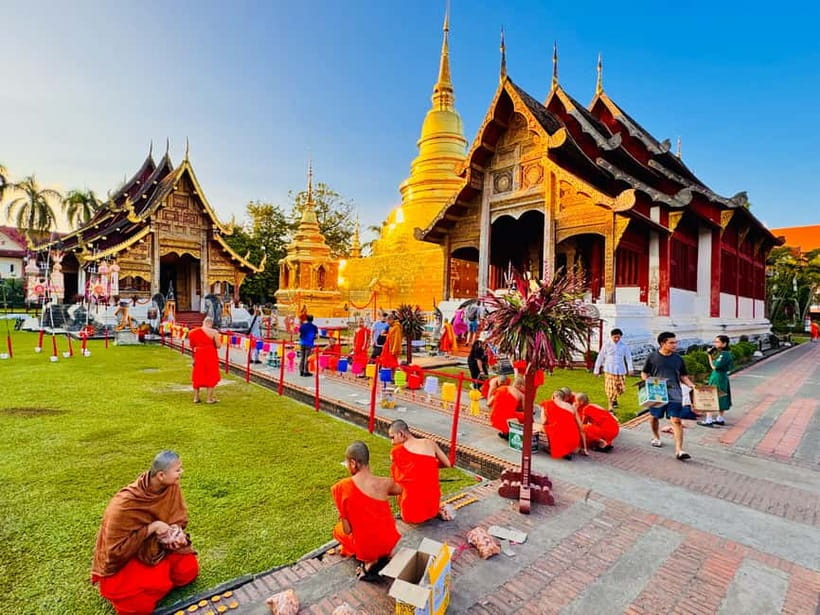
If you like your Chiang Mai days to start calm and end with energy left, this timing fits. The tour runs about 4 hours, starting at 08.20 am, so you see the old city while the light is nicer and the pace feels more manageable.
This format is also practical for first-timers. You’re not trying to hop between temples on your own while also figuring out what each one represents, especially if you care about Buddhism beyond surface-level sight-seeing.
One more thing: because it’s a walking tour, the guide can point out small details you’d easily miss. That matters at temples, where the “why” behind an object or gesture is often the most interesting part.
You can also read our reviews of more walking tours in Chiang Mai

Wat Chedi Luang: the ruined stupa that still dominates the skyline
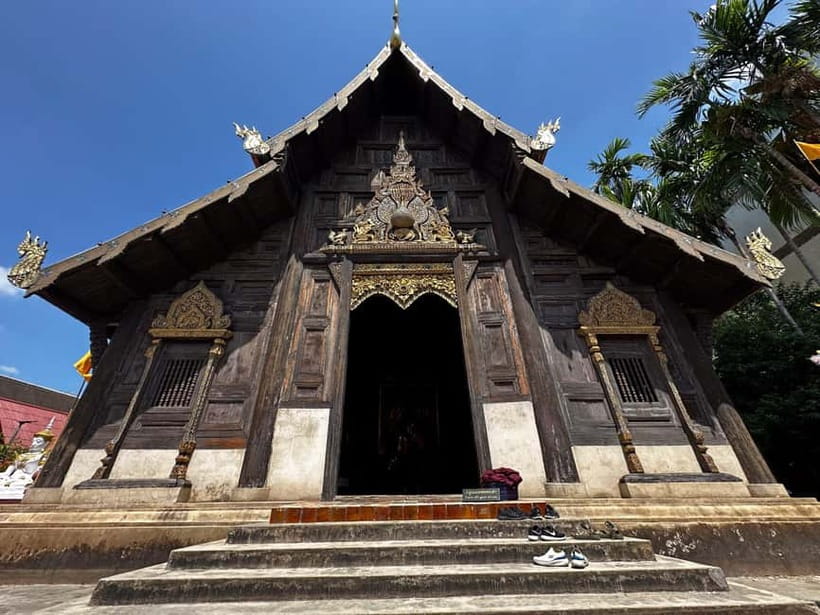
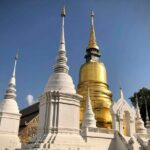
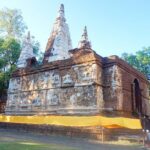
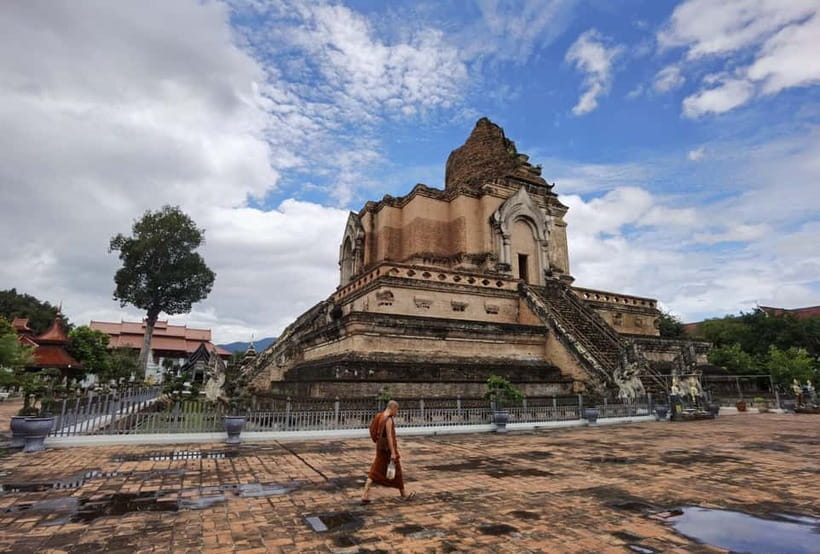
Your first stop is Wat Chedi Luang, famous for its massive chedi (stupa) and the sheer presence of the ruins. The chedi traces back to the 14th century, and the story carries weight: it was severely damaged in an earthquake in 1545.
What I like about starting here is how the ruins help you understand Thai temple culture as something alive. Even damaged, the site is still treated as important religious space, and the guide’s explanations help you read the complex layers of meaning in the remaining structure.
You’ll explore the ruined chedi area on foot, and it’s the kind of place where your brain keeps asking questions. Why this design? Why rebuild parts? Why does a stupa matter so much? A good guide keeps the answers grounded in how Buddhism is practiced here.
Practical note: this temple has an entrance fee of 50 THB, which isn’t included in the $15 tour price. Plan to pay it directly at the site so you don’t waste time later.
Wat Pan Tao ordination hall: where the murals do the teaching
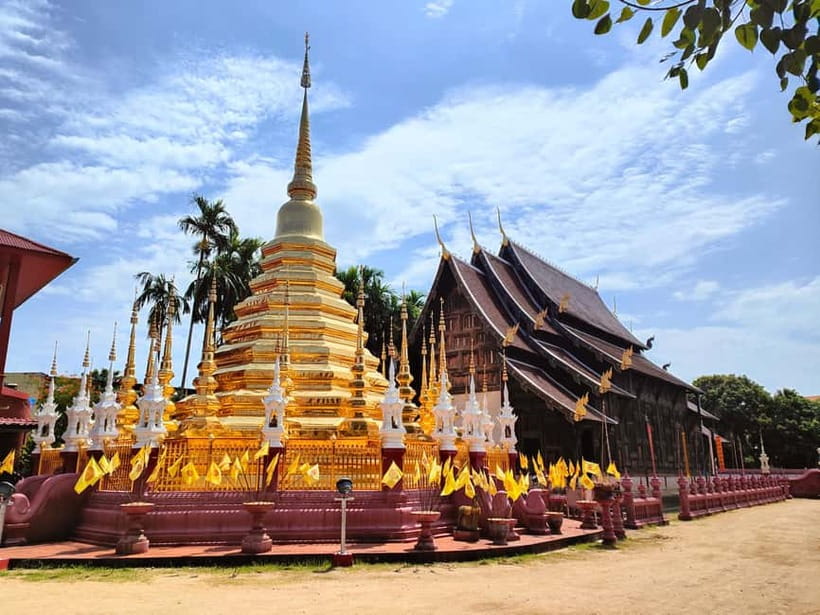
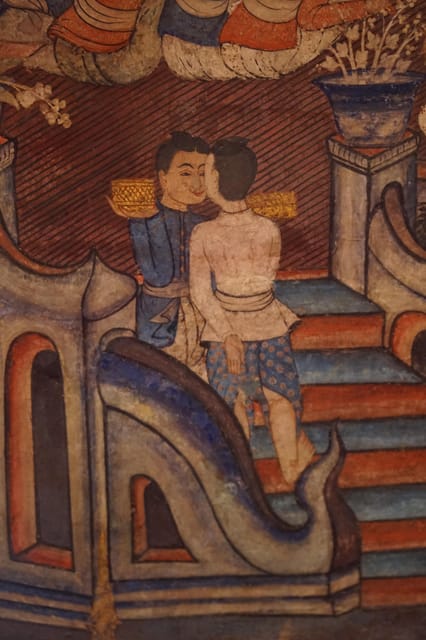
Next you head to Wat Pan Tao, a smaller stop that’s close by, and that’s part of the charm. This temple is known for its murals, with scenes that depict parts of the Buddha’s life—so you’re not just looking, you’re learning while you look.
The standout detail is the ordination setting. You’ll visit the Lanna-style ordination hall, and that architectural language helps explain how northern Thai Buddhism took shape in specific forms—different from what you might see in central Thailand.
This is a nice palate cleanser after the bigger chedi scene. The mood is more human-scale, and the guide can walk you through symbols and everyday temple routines, the stuff you’d normally have to puzzle out alone.
One thing to keep in mind: because this is a walking-and-standing kind of tour, the murals and interior details reward patience. If you rush, you’ll miss the “aha” moments—so try to slow down when the guide gestures and points out what to watch.
Wat Phra Singh: The Monastery of the Lion Buddha
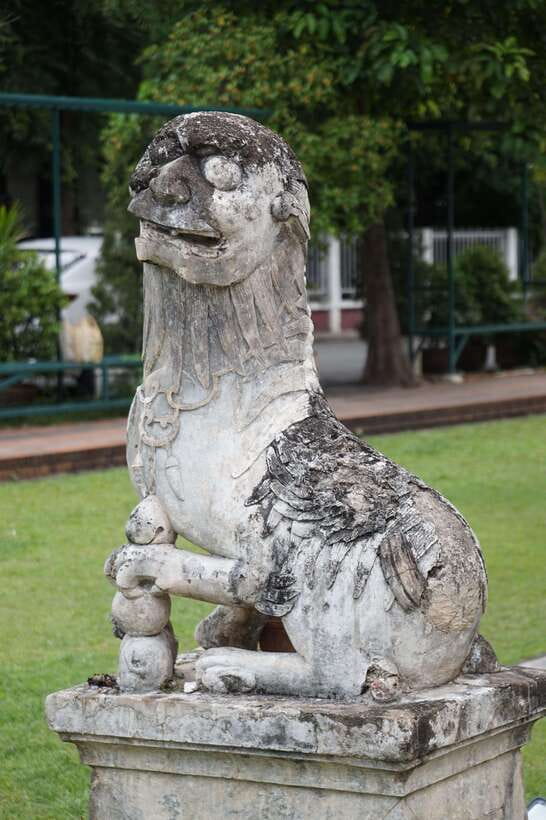
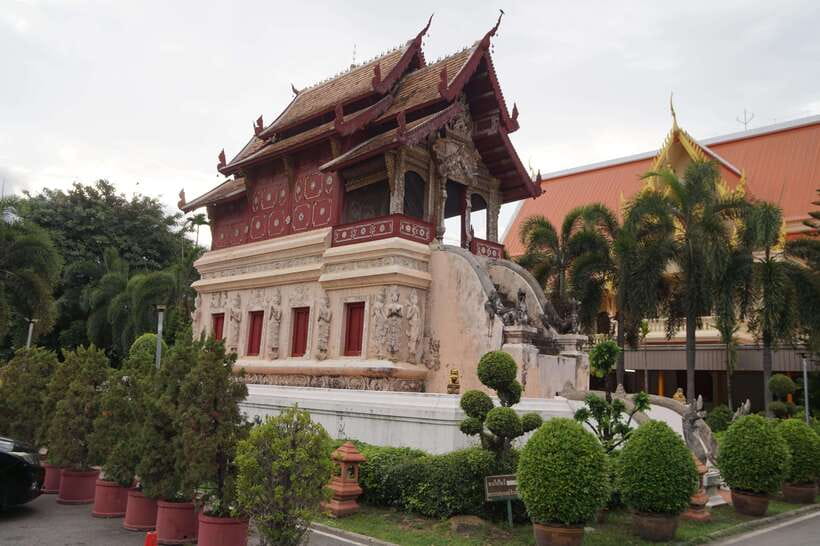
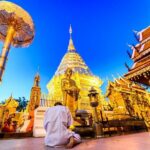
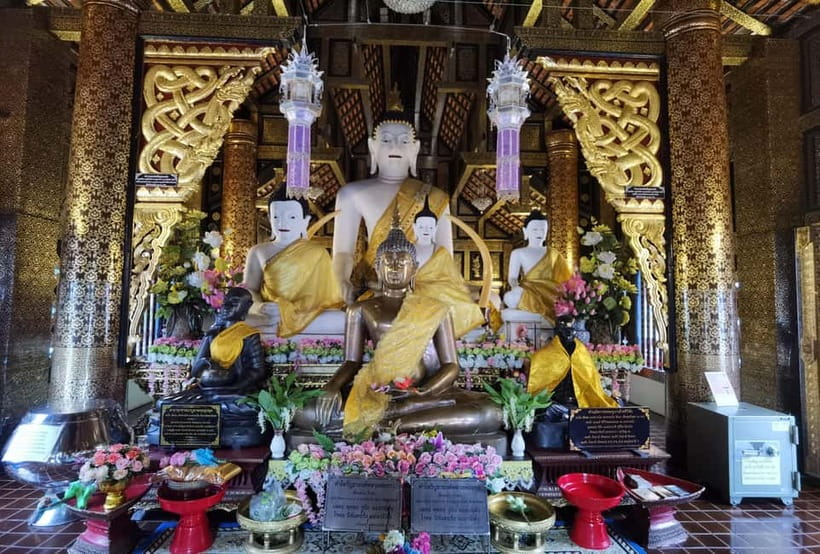
The final temple is Wat Phra Singh, one of Chiang Mai’s most important monasteries. It’s closely tied to the Phra Singh Buddha statue, a revered relic that’s central to why this place still draws attention from devotees.
I like how this stop often feels like the payoff of the morning. By the time you reach Wat Phra Singh, you’ve already had context for what stupas symbolize and how northern-style temple spaces work. So the statue, layout, and ornamentation land with more meaning.
This monastery is also known for its architecture and grounds, which give you plenty of visual stops for photos and quiet looking. If you’ve ever wondered why temple design isn’t random—this is where you start seeing patterns.
Wat Phra Singh has an entrance fee of 40 THB, also not included in the $15 price. I suggest thinking of the $15 as paying for a guide-led experience, then treating these fees as separate site contributions.
What you learn from the guide (and why ex-monks can change your whole trip)
The best part of this tour is the human guide element. This isn’t just a route with a few facts. The explanations often connect Buddhism to real practice and the reasoning behind temple rituals.
A big reason people rate this highly is that some guides—such as Khun Son and Katoon—have personal experience as former monks. That background shows up in how they answer questions. You’re more likely to hear clear, practical explanations for things like temple roles, daily discipline, and the meaning behind Buddha imagery.
You can also get the feeling that the guide is teaching you how to look. For example, questions about Buddha statues’ different postures, why certain objects have names, and how people perform prayers are the kinds of topics that typically come up on a tour like this.
On some outings, the morning can include short moments of practice, like a brief meditation session before temple time. The tour data doesn’t guarantee it every day, but the possibility is there depending on the guide’s approach.
This is also where having a live guide matters most for respect. You learn why certain clothing rules exist, why you shouldn’t treat temple spaces like photo studios, and how to behave so you’re a respectful visitor rather than an awkward interrupt.
You can also read our reviews of more city tours in Chiang Mai

Practical matters: temple dress rules, walking time, and how to plan your morning
This tour has clear rules, and they matter because temples are active religious spaces. You’re not allowed shorts, sleeveless shirts, or short skirts, and smoking is not allowed (including indoors). Drones are also off-limits, and you shouldn’t climb or bring alcohol and drugs.
If you’re used to touring in light summer outfits, double-check what you’re wearing before you head out. This is one of those “bring the right clothes or pay for it with stress” situations.
The walk is described as easy in spirit, but it’s still a multi-stop temple morning. Expect a lot of standing and slow pacing while the guide explains details at each building. One review-style theme that shows up repeatedly is how guides don’t rush, which is great—just know you’ll likely be in motion (and standing) most of the time.
Who should consider this tour? It’s not suitable for pregnant women, babies under 1 year, or people over 95 years. Also, it’s a strong fit if you like culture with explanation—history matters, but Buddhism and daily practice matter too.
Price and value: $15 for the guide, plus two temple tickets
At $15 per person, the core price is paying for the guide and the walking tour. That’s already good value when you consider you’re getting three major sites explained in a single morning.
The extra cost is the entrances you pay at the temples: 50 THB for Wat Chedi Luang and 40 THB for Wat Phra Singh. Combined, you’re looking at 90 THB in entrance fees on top of the tour price.
So the real value equation is simple: you’re not paying just to walk around. You’re paying for interpretation—how to understand why the chedi’s story matters, what the murals are showing, and why the Phra Singh statue is so revered. If you enjoy asking questions, this format tends to feel like a bargain.
When this is the best choice (and when it might not be)
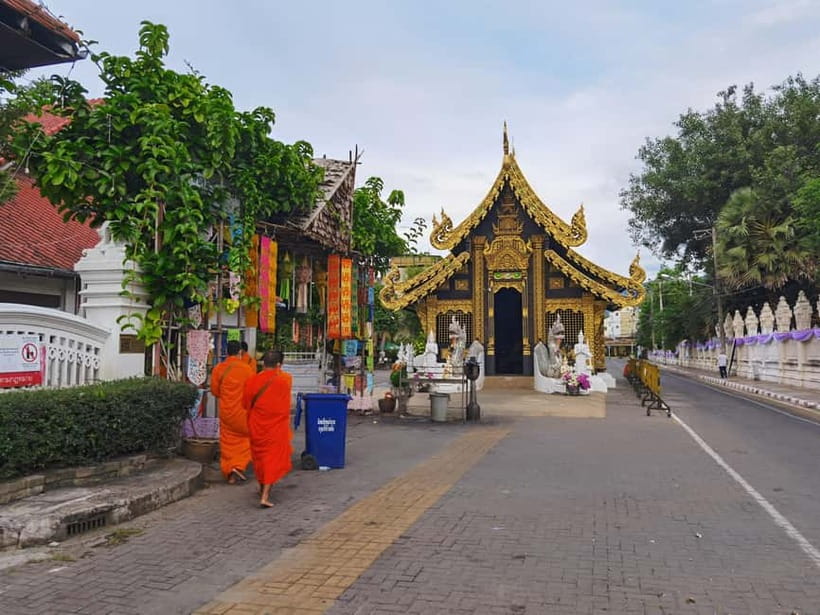
Choose this tour if you want a guided introduction to Chiang Mai temple culture that’s more than sightseeing. If you care about Buddhism, temple design, and the logic behind rituals, you’ll get a lot out of the guide-led explanations.
It’s also a smart move if you’re short on time. Three iconic stops in one loop is efficient, and starting at 08.20 am gives you a better-feeling morning than trying to do temples later.
Skip it or pair it carefully if you’re uncomfortable with rules around clothing or you dislike standing. Since this is a walking tour with multiple indoor and outdoor temple moments, you’ll want to be physically comfortable and dressed appropriately from the start.
Should you book Chiang Mai Temple And City Walking Tour Part I?
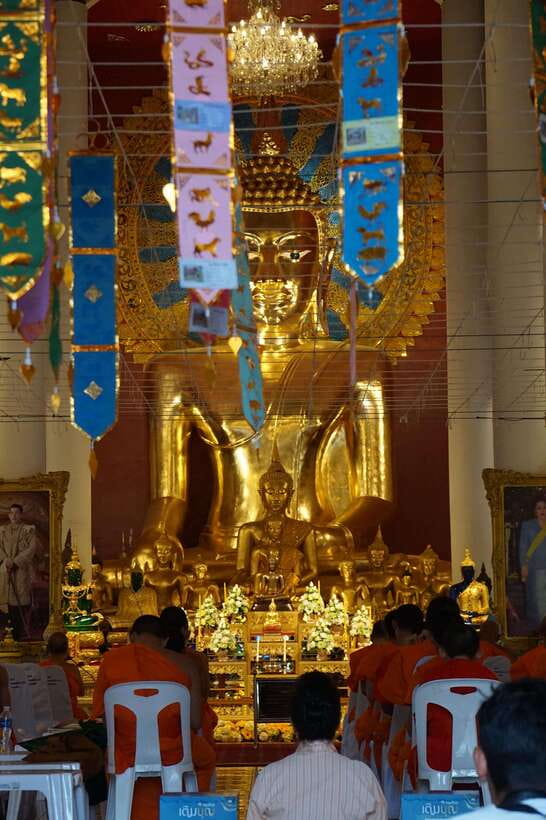
I’d book this if you want your Chiang Mai temples explained clearly and respectfully, with real answers from a guide who can connect Buddhism to what you actually see. The route makes sense—Wat Chedi Luang for historical weight, Wat Pan Tao for mural storytelling, and Wat Phra Singh for the revered center of devotion.
Do it if you’re the type who likes questions. If you’d rather just snap photos and move on, you might find the guided pace less satisfying.
If you’re willing to follow temple dress rules and pay the two entrance fees on the spot, this tour is a strong value way to start understanding Chiang Mai’s spiritual landscape in a single morning.
FAQ
What time does the Chiang Mai Temple And City Walking Tour Part I start?
The tour starts at 08.20 am.
How long is the tour?
It lasts about 4 hours.
What is included in the $15 price?
The price includes a guide and the walking tour.
Are entrance fees included for Wat Chedi Luang and Wat Phra Singh?
No. Wat Chedi Luang has an entrance fee of 50 THB, and Wat Phra Singh has an entrance fee of 40 THB.
What languages is the live tour guide available in?
The tour guide is available in Thai and English.
What clothing is not allowed during the tour?
Shorts, short skirts, sleeveless shirts are not allowed.
Is there free cancellation?
Yes. You can cancel up to 24 hours in advance for a full refund.