REVIEW · CHIANG MAI
Chiang Mai: Cooking Class, Market & Thai Herbs Garden Tour
Book on GetYourGuide →Operated by Thai Cottage Home Cookery School · Bookable on GetYourGuide
Thai cooking gets real, fast.
This Chiang Mai workshop strings together three parts you can actually use later: a visit to a local market for ingredients, time in a Thai herbs garden, then a hands-on cooking session where you make dishes and curry paste with your own hands. I like that the menu choices let you steer the day toward what you want to eat, from Pad Thai and fried rice to curries like Massaman or Khao Soi-style paste. A small thing to think about: pickup timing can shift with traffic, and if your hotel is outside the free pickup area you’ll need to meet at the meeting point.
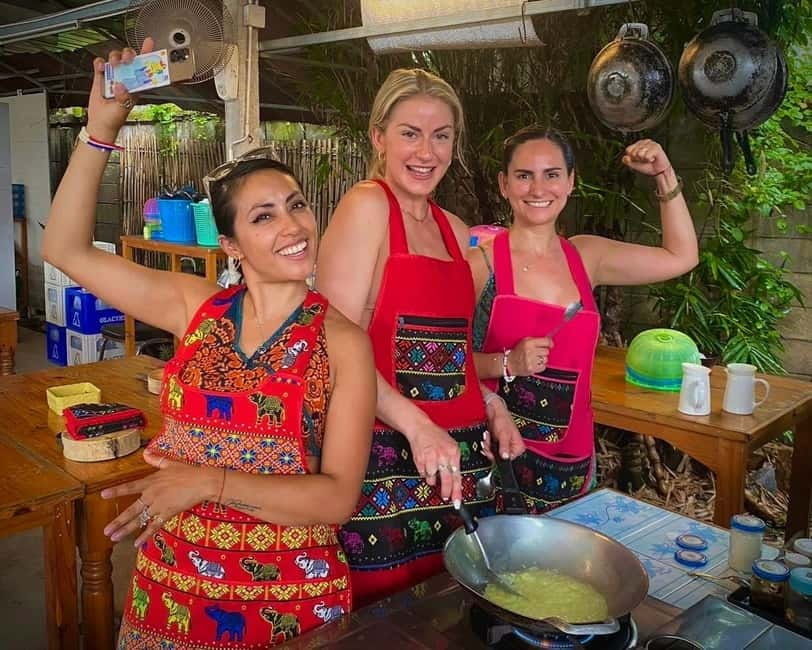
The standout here is the moment you grind your own curry paste with a mortar and pestle. I also love that you don’t just watch a cook—your class ends with a Thai-style meal eaten on site in an organic kitchen garden, plus you get a digital recipe book afterward. One possible drawback for some people: the class is not suitable for kids under 5, and it may feel like a long hands-on stretch for anyone who prefers a very low-key, sit-down tour.
In This Review
- Key Highlights You’ll Care About
- Hotel Pickup, Market Walk, and Thai Herb Garden: Where the Flavors Start
- A practical note on timing
- What You Cook: Pad Thai Options, Curries, and Mango Sticky Rice
- Starters: hot and sour or cozy soups
- Mains: Pad Thai, fried rice, and Thai stir-fry staples
- The finishing course: sweet sticky rice with mango
- Dietary flexibility that actually matters
- Curry Paste From Scratch: The Skill You Can Reuse Anywhere
- What I’d do if you want the most learning
- Dining in an Organic Kitchen Garden: Eating Is Part of the Lesson
- Spice level control
- Hosts, Energy, and Group Dynamics: Why It Feels Like More Than Cooking
- Price and Value in Chiang Mai: Is $31 a Good Deal?
- Who This Class Suits Best (and Who Might Prefer Something Else)
- Should You Book This Chiang Mai Cooking Class?
- FAQ
- How long is the Chiang Mai cooking class experience?
- Is the cooking class taught in English?
- What’s included in the price?
- Can I request vegan, vegetarian, gluten-free, halal, or allergy-friendly options?
- What curry paste options can I choose from?
- Do I eat the food I cook?
- Is hotel pickup guaranteed?
Key Highlights You’ll Care About
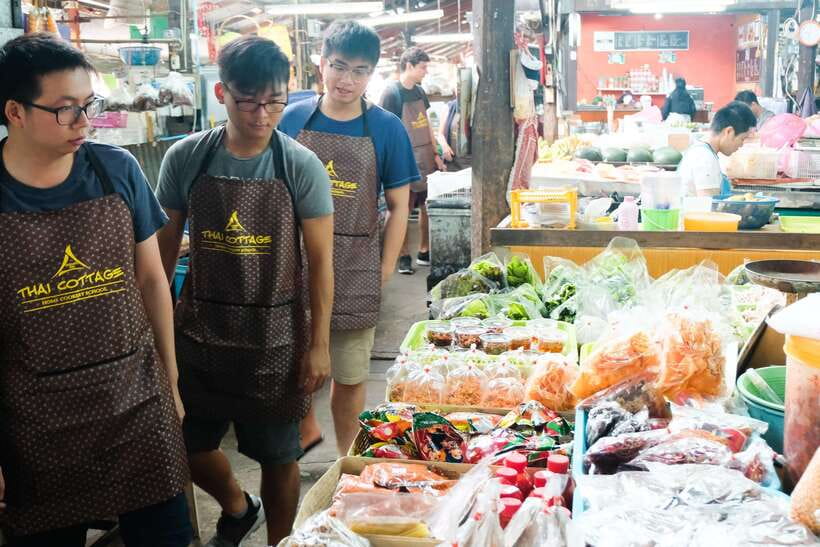
- Scratch-made curry paste using a mortar and pestle, with curry paste styles you can choose
- A local market stop built around herbs and ingredient shopping, not just photos
- Cooking classic favorites plus one or two curveballs, depending on your selections
- Time in a Thai herbs garden that makes the flavors behind Thai cooking easier to understand
- English instruction from hosts and instructors who keep the tone fun and friendly (names you may meet include Wave, Flook, Tu, Toey, Kat, and Balloon)
- A Thai-style meal in an organic kitchen garden, followed by a digital recipe PDF you can actually use at home
Hotel Pickup, Market Walk, and Thai Herb Garden: Where the Flavors Start
The day begins with hotel pickup and drop-off, designed for convenience in Chiang Mai. You’re typically collected about 15–30 minutes before class, and there’s free transfer within 3 km of Chiang Mai Old Town. If your hotel is farther out, you’ll be asked to meet at the meeting point so the schedule stays fair for everyone.
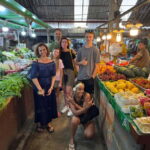
Once you’re grouped up, the most useful early step is the market portion. Instead of only learning recipes, you learn the ingredients behind them—things like chilies, aromatics, herbs, and the staples that make Thai food taste like Thai food. This is the part that helps later when you’re recreating dishes at home. In the reviews, people consistently mention how the market feels local and how the shopping time teaches you what to look for and how ingredients work together.
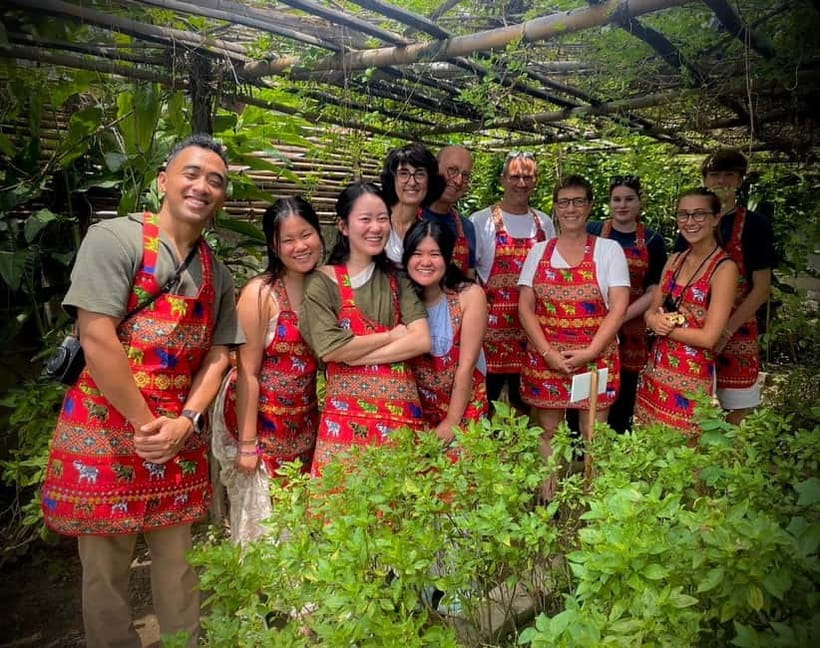
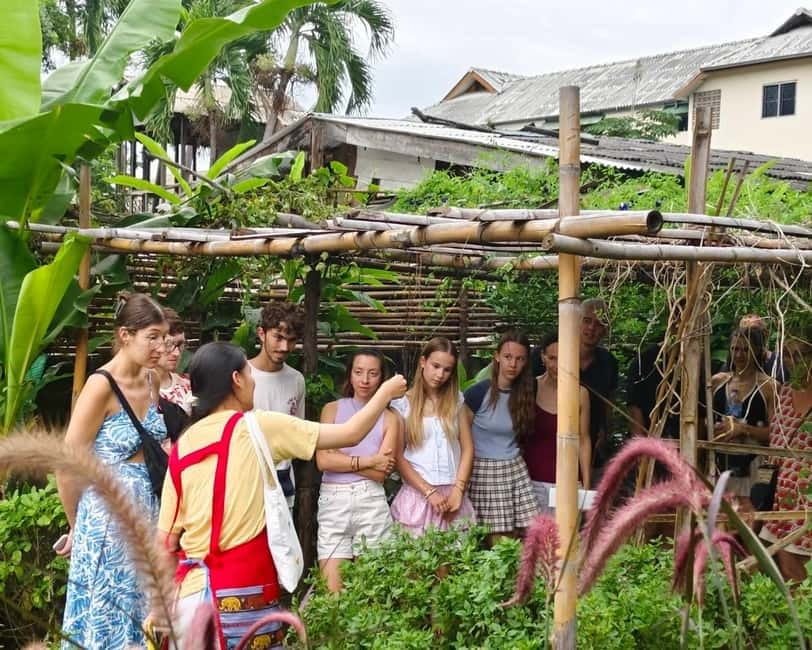
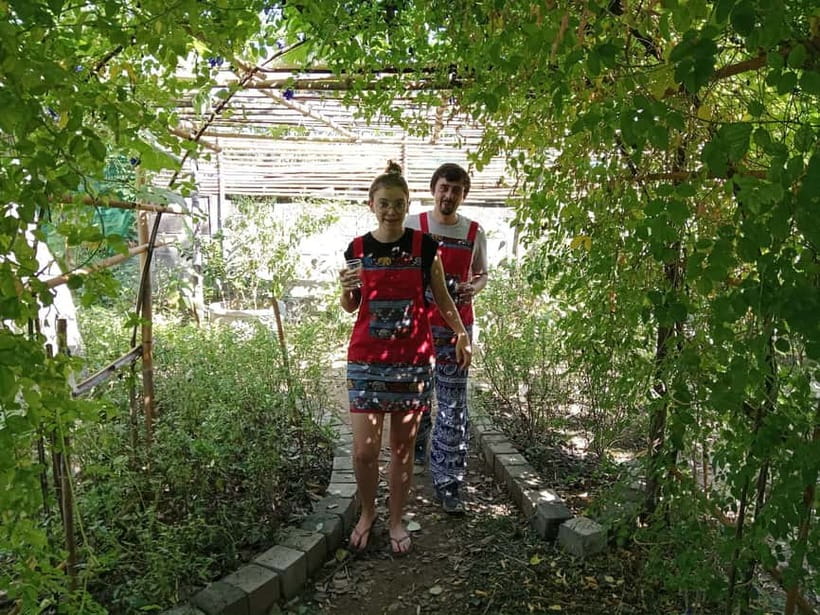
After that, you head to the Thai Herb Garden, which is where the “why” gets clearer. Thai cooking relies on specific herbs and blends, not just generic seasoning. Even if you’re not a plant person, walking through the garden tends to make the flavors feel less mysterious. You start connecting a leaf, a stem, or a root to the dish it belongs in, which makes the cooking class less like following steps and more like learning a system.
You can also read our reviews of more shopping tours in Chiang Mai
A practical note on timing
This activity runs about 210 minutes total, so it’s not a full-day tour. That’s good for value, but it means every stop matters. If traffic affects pickup, it can nudge your start time a bit. If you’re scheduling other plans the same day, I’d keep at least a little buffer.
What You Cook: Pad Thai Options, Curries, and Mango Sticky Rice
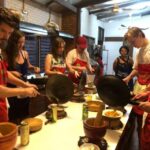
One reason this class earns so much high praise is that you can choose what to make. You select from dish categories for starters and mains, so the day feels like your cooking class—not a generic buffet lesson.
Starters: hot and sour or cozy soups
You can pick from options such as:
- Hot and sour prawn
- Local chicken soup
- Chicken in coconut milk
- Turmeric chicken soup
If you love a lot of Thai flavor at once—sour, salty, aromatic, spicy—hot and sour types are usually a safe bet. If you prefer something comforting and warm, the chicken soup or turmeric-based options tend to hit the sweet spot.
Mains: Pad Thai, fried rice, and Thai stir-fry staples
For the main course, classic choices include:
- Pad Thai or chicken fried rice
- Fried chicken with cashew nuts
- Pad Kra Pao
This is a nice mix of sweet-sour noodle comfort, wok-style fried rice energy, and the basil-and-chili profile people usually crave when they think of Thailand.
You can also read our reviews of more tours and experiences in Chiang Mai


The finishing course: sweet sticky rice with mango
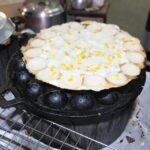
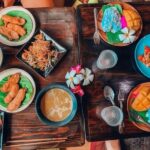
The sweet ending is sticky rice with mango. That matters because Thai meals often end with something cooling and fragrant, not just a second round of savory. If you’re learning Thai cooking for flavor balance, this dessert is part of the lesson.
Dietary flexibility that actually matters
The class explicitly welcomes vegan, vegetarian, gluten-free, halal, and allergies, with alternative ingredients available. That’s not “we can try”—it’s part of the program. If you have dietary needs, this is one of the better kinds of cooking classes to pick because the choices aren’t just a small side dish swap.
Curry Paste From Scratch: The Skill You Can Reuse Anywhere
The heart of this experience is curry paste made by you. You’ll use a mortar and pestle to craft paste from scratch, then use your paste as the base for a curry—typically chicken with coconut milk.
The curry paste styles you can choose from are:
- Red
- Green
- Phanaeng
- Massaman
- Khao Soi
This isn’t just a gimmick step. When you make paste yourself, you learn what changes between curry styles: the balance of heat, aroma, and “body” that comes from grinding aromatics and dried ingredients together. Later, when you cook at home, you can scale the flavors instead of guessing.
In the reviews, people repeatedly highlight how fun and memorable this part is, especially because it turns cooking from instructions into a physical process. Hosts/instructors like Kat, Wave, Tu, and Flook come up often, with praise for clear guidance and keeping the group moving.
What I’d do if you want the most learning
Choose the curry style you’re most likely to cook again after the trip. If you’re unsure, pick what you already like from Thai restaurants. You’ll still learn the same fundamentals—grinding, blending, adjusting, tasting—but you’ll end up with a paste style you’ll want to reuse.
Dining in an Organic Kitchen Garden: Eating Is Part of the Lesson
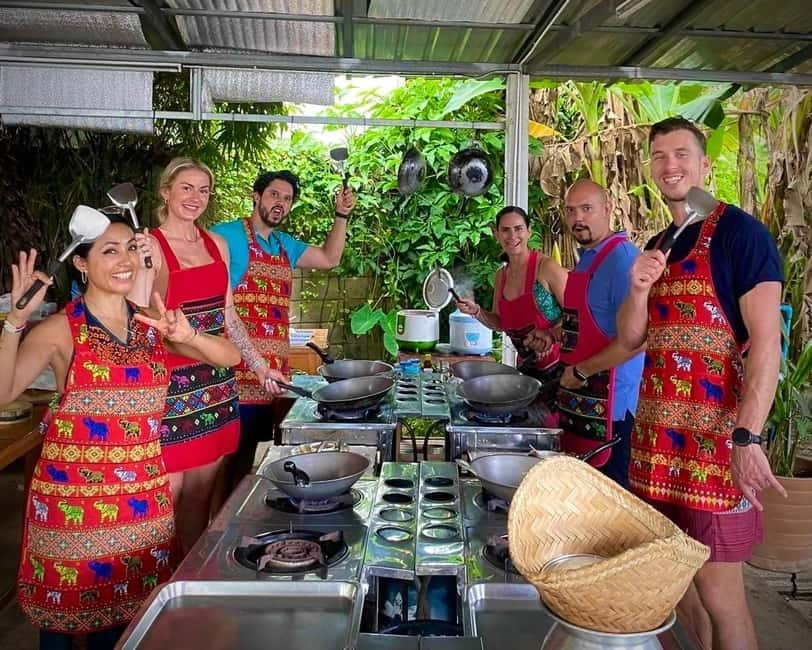
After cooking, you eat in true Thai tradition in the organic kitchen garden setting. This is one of those details that changes the whole feel of the class. You’re not eating in a sterile room or just doing a photo-op meal. You’re experiencing the food where it was prepared, and that makes it easier to remember flavors and textures later.
Thai-style dining also keeps the meal from feeling like a classroom break. You taste your work as a completed dish, and that helps the instructions land. The garden setting also ties back to the herb component earlier in the day—your curry and soups feel connected to real plants and real ingredients, not just spices in jars.
Spice level control
You can make your food spicy or non-spicy. That’s helpful because Thai cooking can be intense if you’re sensitive to heat. It also makes the class friendlier if your group has different spice tolerance levels.
Hosts, Energy, and Group Dynamics: Why It Feels Like More Than Cooking
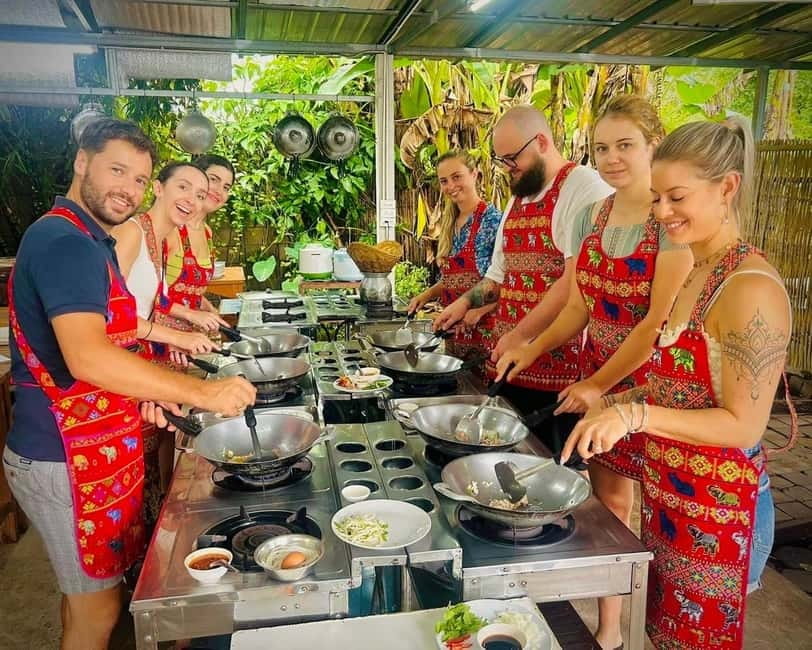
Even though the food is the main event, the guides often decide whether a cooking class feels easy and enjoyable or stressful.
From the supplied feedback, certain host names show up again and again—Wave, Flook, Tu, Toey, Kat, and Balloon. The consistent theme is how they keep things fun while still teaching. People mention humor, friendliness, and clear instruction. Several reviews also point out how organized the setup is, so you’re not stuck waiting around while someone else figures out the next step.
You also get to cook as part of a group, and the class is designed so you’re not just watching someone else work. Reviews mention a “team spirit” feeling, with people cooking different dishes so the table can share more variety. If you like the idea of tasting multiple Thai styles without paying for multiple separate meals, this structure is a real plus.
Price and Value in Chiang Mai: Is $31 a Good Deal?
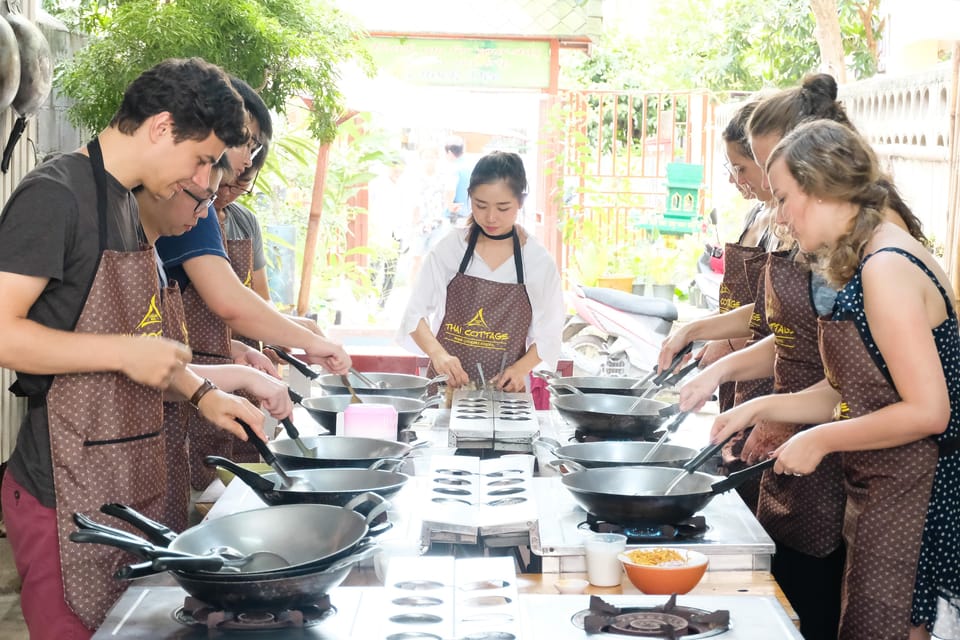
At $31 per person, you’re paying for a half-day experience that includes:
- Hotel pickup and drop-off (within 3 km of Chiang Mai Old Town)
- Visit to a local market
- Thai herb garden
- Hands-on cooking class
- All ingredients
- Local Thai food instructor (English)
- Digital recipe book (PDF)
That pricing usually makes sense because you’re not just paying for labor. Ingredients are included, the market visit has a structured purpose, and you end with an actual meal you helped cook. Add in the curry paste experience—mortar-and-pestle grinding is one of the things many classes skip—and this becomes a strong value.
If you compare it to doing market shopping plus a restaurant meal plus a paid activity separately, the “bundle” approach often wins. You also walk away with a PDF recipe book, which means you’re not limited to one day of learning.
Who This Class Suits Best (and Who Might Prefer Something Else)
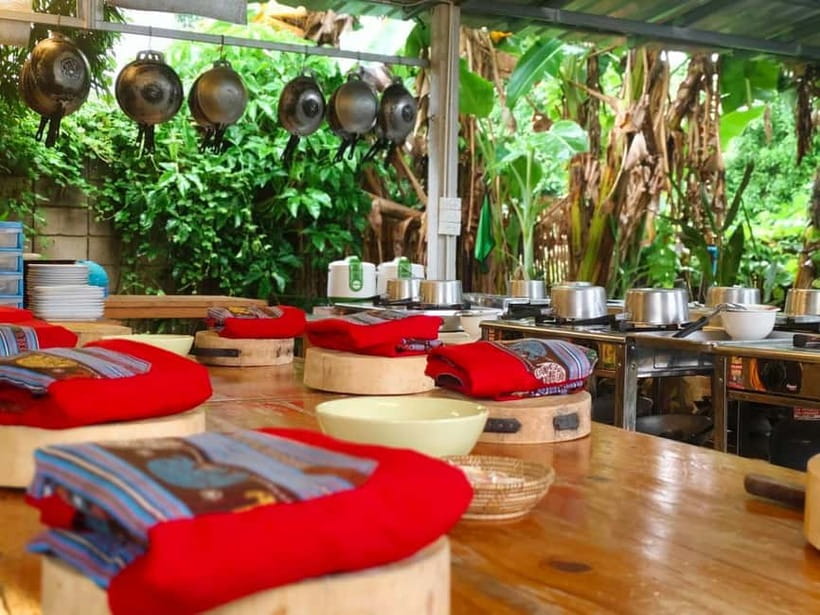
This cooking class is a good fit if you want:
- Hands-on learning, especially curry paste fundamentals
- A market and herbs component, not just a cooking room
- Clear English instruction and dietary flexibility
- A meal you can eat immediately and understand
- Something doable in about 3.5 hours
It may be less ideal if:
- You need a very low-energy, fully seated experience (this is active cooking)
- You’re traveling with very young kids, since the activity is not suitable for children under 5
- You’re extremely elderly (the tour lists an upper limit of over 95)
Should You Book This Chiang Mai Cooking Class?
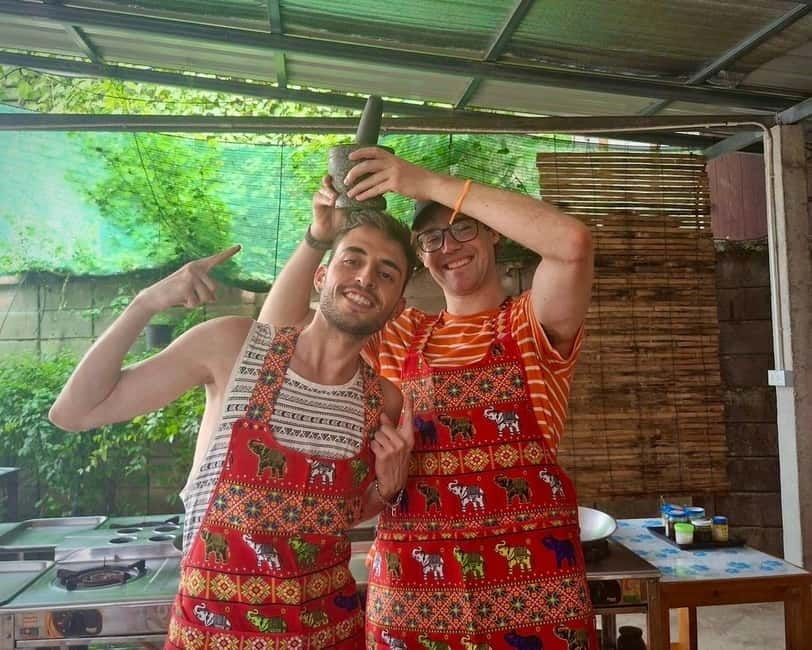
If you’re excited by the idea of making curry paste yourself, this is an easy yes. The day is built around ingredients first, cooking second, eating what you made third, and then taking the recipes home. For $31, that’s a lot of learning per hour, with the market and herb garden giving you context you can’t get from a cookbook.
Before you book, I’d do one quick check: pick dishes you actually want to eat. Since you choose from starters, mains, and curry paste styles, your experience improves when your selections match your tastes. And if you have dietary needs, this class is one of the safer bets because it explicitly welcomes vegan, vegetarian, gluten-free, halal, and allergies with alternatives available.
If that sounds like your kind of Thai day, book it and plan to go hungry. You’ll earn the meal.
FAQ
How long is the Chiang Mai cooking class experience?
The experience runs for 210 minutes (about 3.5 hours).
Is the cooking class taught in English?
Yes. The instructor provides English instruction.
What’s included in the price?
Hotel pickup and drop-off, a local market visit, a Thai herb garden stop, a hands-on cooking class, all ingredients, a local Thai food instructor, and a digital recipe book.
Can I request vegan, vegetarian, gluten-free, halal, or allergy-friendly options?
Yes. Vegan, vegetarian, gluten-free, halal food, and allergies are welcome, and alternative ingredients are available.
What curry paste options can I choose from?
You can choose among red, green, Phanaeng, Massaman, or Khao Soi curry paste options.
Do I eat the food I cook?
Yes. After cooking, you eat in traditional Thai style in the organic kitchen garden.
Is hotel pickup guaranteed?
Pickup is included as free transfer within 3 km of Chiang Mai Old Town. You’ll wait in your hotel lobby 15–30 minutes before class, or you’ll meet at the meeting point if your hotel is farther away.