REVIEW · CHIANG MAI
Half Day tour Suan Dok Temple, Umong temple & Doi Suthep Temple
Book on Viator →Operated by AP Good@travel · Bookable on Viator
Three temples in one half day feels efficient. You’ll go from old-city relic pagodas to a forest meditation site, then finish at Wat Phra That Doi Suthep, one of northern Thailand’s most important temples.
I love how the route mixes the big name (Doi Suthep) with two spots that many people rush past, yet are full of meaning. I also appreciate the practical setup: private air-conditioned transport, a licensed English-speaking guide, and temple admission included so you spend your time looking, not figuring.
The only real catch is time: with about 30 minutes at Wat Suan Dok and Wat Umong and 1.5 hours at Doi Suthep, you’ll have to move at a calm-but-steady pace. If you like lingering for an hour-plus per site, this tour’s structure may feel a bit tight.
In This Review
- Key highlights worth planning around
- A half-day triangle of Chiang Mai’s most meaningful temples
- The private guide factor: clear English and on-the-spot tailoring
- Stop 1: Wat Suan Dok, relics, and a whitewashed mausole garden
- Stop 2: Wat Umong’s tunnel statues and meditation restoration
- Stop 3: Wat Phra That Doi Suthep and the mountain temple’s big importance
- Timing and pacing: how to make 4–5 hours work for you
- Price and value: what $83.99 per person includes (and why it can be fair)
- Dress code and temple etiquette you’ll actually use
- Where this tour fits best (and who may want a different plan)
- Should you book this half-day temple tour?
- FAQ
- How long is the Suan Dok Temple, Umong Temple, and Doi Suthep Temple half-day tour?
- What does the tour price include?
- Are temple admission tickets included?
- Is pickup available, and where does it apply?
- Is this tour private or shared?
- What should I wear for the temple visits?
- Are vegetarian or Halal options available?
- Do I need passport details when booking?
- What is the cancellation policy?
Key highlights worth planning around
- Three temple styles in one loop: relic pagoda, meditation forest, then a mountain worship site
- Wat Umong’s tunnel area: expect Buddhist statues set within the tunnels and garden setting
- Guided context, not just sightseeing: history and what you’re looking at, explained in clear English
- Admissions included: your ticket costs are handled inside the program
- Private door-to-door transport (city area): easier on your schedule and energy
- Flexible food needs: vegetarian and Halal options are available if you request them
A half-day triangle of Chiang Mai’s most meaningful temples
This is a smart way to see the spiritual heart of Chiang Mai without turning your day into a full travel marathon. You start in the city with Wat Suan Dok, shift to Wat Umong in a wooded setting, and then head up to Doi Suthep for the main stop.
The three sites also tell a story across time. You’ll see how Chiang Mai’s Buddhist world blends royal-era architecture, later restoration and meditation traditions, and then the long-standing importance of a mountain temple.
You can also read our reviews of more tours and experiences in Chiang Mai.



The private guide factor: clear English and on-the-spot tailoring
I like private tours for one simple reason: the guide can respond to your questions. Here, you get an English-speaking guide with a TAT license, which matters when you want accurate context about Buddhist art and temple history.
In the feedback for this experience, the guide’s English was praised as clear and understandable, and the guide came across as engaged and attentive. That’s a big deal at temples, because you’ll get much more from what you see when you understand what it represents.
You can also expect the itinerary to feel more like a conversation than a checklist. Even though the route is set, a good private guide helps you notice details you’d otherwise pass by.
Stop 1: Wat Suan Dok, relics, and a whitewashed mausole garden
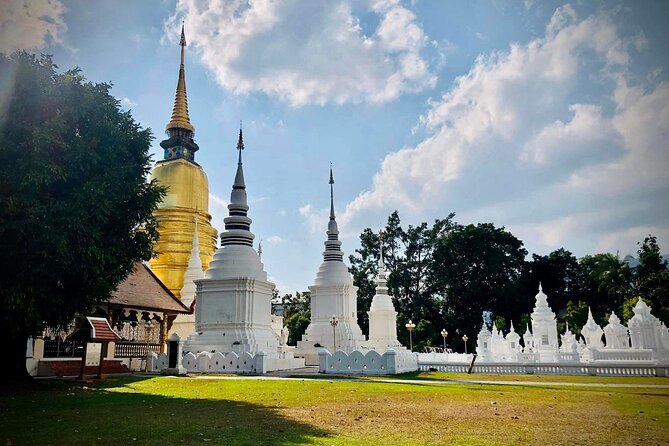
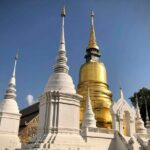
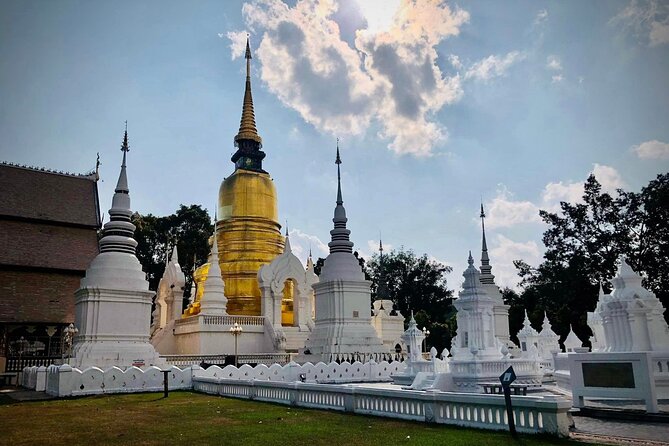
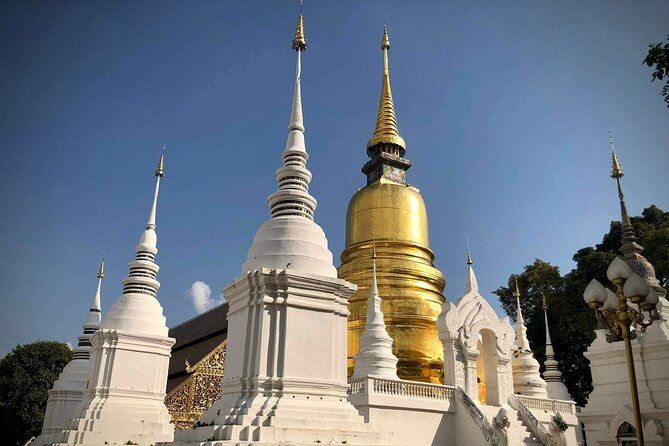
Wat Suan Dok is where the tour’s “old Chiang Mai” vibe comes through. The temple complex dates to the late 14th century, and it’s home to major structures with historical significance.
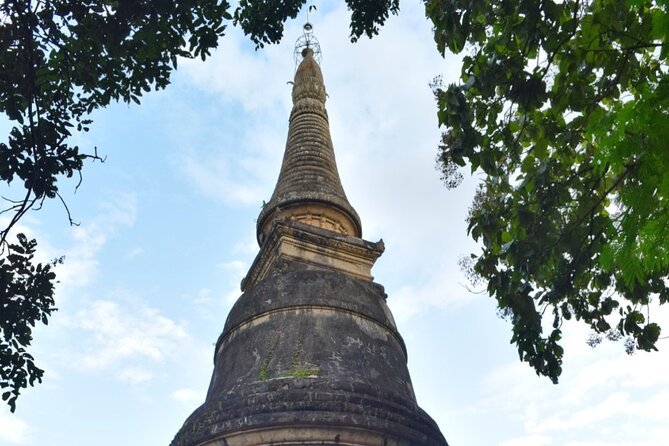
The standout feature here is the principal pagoda, which enshrines the Buddha’s relics. That’s the kind of detail that changes how you look around—suddenly, you’re not just admiring buildings, you’re standing in a place connected to the tradition’s physical legacy.
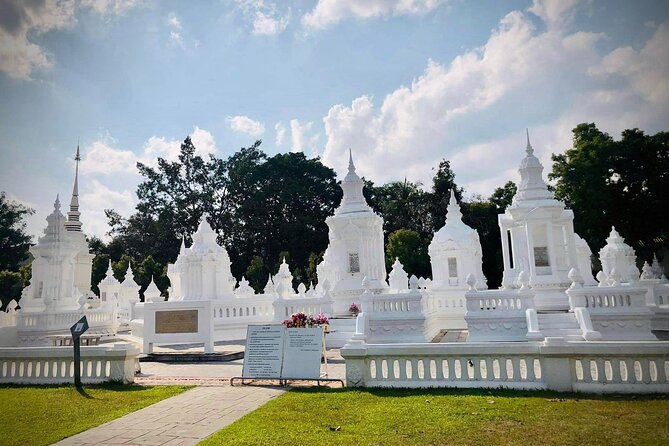
You’ll also spend time with the temple’s garden of whitewashed mausoleums. It’s the sort of visual you remember because it’s so specific: bright, orderly, and strongly tied to the temple’s role through the centuries.
Possible drawback: this stop is about 30 minutes. It’s enough time to take it in with a guide explaining the key points, but you won’t have hours to wander slowly on your own.
Stop 2: Wat Umong’s tunnel statues and meditation restoration
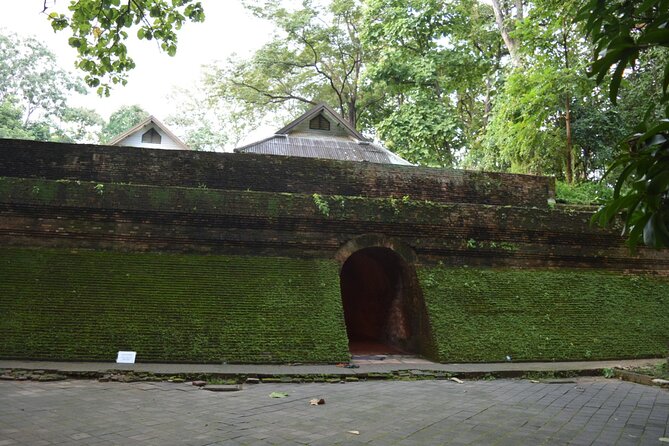
Wat Umong feels different from the first stop. Instead of a more formal feel, it’s set in a forested area with a natural setting that helps the whole place slow down.
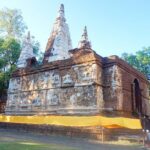
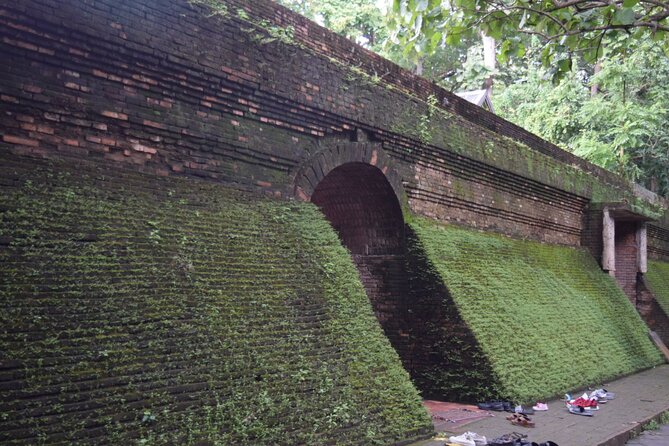
There’s also a clear historical arc you’ll hear during the visit. Wat Umong was abandoned during the 15th century, then restored in 1948, and reopened as a center for meditation and Buddhist teachings. That shift—from abandonment to renewed religious purpose—is a big part of what makes the temple more than just an attractive photo stop.
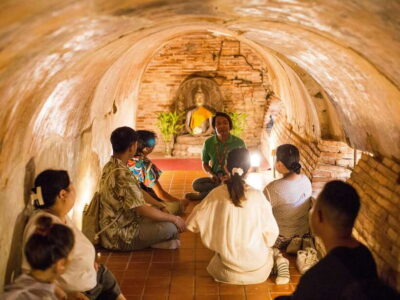
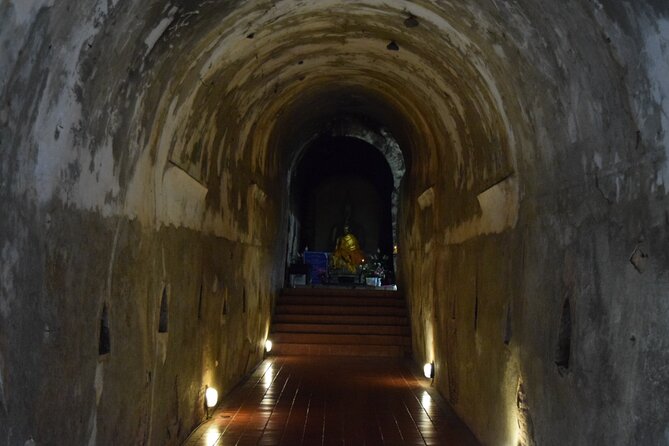
The temple is especially known for the tunnel area, with Buddhist statues placed in and around the tunnels and gardens. When a guide points out what you’re looking at, the tunnels stop being spooky or random and start feeling like intentional spiritual space.
Why this stop is worth the time: if Doi Suthep is the big mountain finale, Wat Umong is the quieter “practice” side of temple culture. You get a contrast in setting, atmosphere, and meaning.
Possible drawback: like Wat Suan Dok, your time here is also about 30 minutes. If you’re a meditation-leaning traveler who wants to sit and absorb the atmosphere, you may wish this stop were longer.
Stop 3: Wat Phra That Doi Suthep and the mountain temple’s big importance
Then you end at Wat Phra That Doi Suthep, near the top of Doi Suthep mountain. This is one of northern Thailand’s most important temples, so it’s both a religious place of worship and a major cultural landmark.
The timeline matters here. The temple dates back to 1373, when the first chedi was built. That long view gives the entire site weight—you’re not seeing a modern attraction; you’re seeing a tradition with deep roots.
This stop is the longest on the tour, at about 1 hour 30 minutes, which helps you balance the earlier “shorter” visits. It’s also the most likely place you’ll want time for your own questions: where to look, what the structures mean, and why this mountain temple became such a central destination.
What to remember: because this is a worship site, you’ll want to follow temple etiquette and dress appropriately (more on that below). Your guide will help you interpret what you’re seeing so your visit feels respectful, not like a drive-by.


Timing and pacing: how to make 4–5 hours work for you
The tour runs about 4 to 5 hours total. That includes travel time between three sites plus guided explanations and your admission to each stop.
Here’s how the structure usually lands:
- Wat Suan Dok: about 30 minutes
- Wat Umong: about 30 minutes
- Wat Phra That Doi Suthep: about 1 hour 30 minutes
That mix creates a practical rhythm: quick context early, then a more relaxed finale at the mountain temple. If your mornings disappear fast in Chiang Mai, this length is a good way to get temple culture without sacrificing dinner plans.
One more practical note: pickup and drop-off are included inside the city area. If your hotel is outside that range, you may need to coordinate differently, so double-check your location with the provider when booking.
Price and value: what $83.99 per person includes (and why it can be fair)
At $83.99 per person, this tour isn’t a budget-only option. But it’s not just paying for a ride either.
You’re getting:
- Private transportation in an air-conditioned car or minivan
- An English-speaking tour guide with a TAT license
- Temple admissions for the stops
- Bottled water
- Travel accident insurance
- Hotel pickup and drop-off within the city area
For many visitors, those “extras” are where DIY plans quietly become expensive. When admissions and a guided explanation are included, your money turns into time and understanding.
Also, this tour is private—meaning only your group participates. If you’re traveling as a couple, family, or a small group, the per-person cost can feel more reasonable because the guide and vehicle aren’t shared with strangers.
There are also vegetarian and Halal options available if you request them during booking, which is a helpful detail when temples and schedules overlap with meal planning.
Dress code and temple etiquette you’ll actually use
You don’t need special gear, but you do need to dress appropriately. The guidance for this tour is clear: a T-shirt with short sleeves and long trousers are perfect for temple visits.
That matters because it affects how comfortable you feel during the visit. When you’re dressed correctly from the start, you won’t spend the day worrying about adjustments, borrowing clothes, or feeling self-conscious in sacred spaces.
If you’re traveling with dietary needs, you should also mention them at booking. Vegetarian and Halal options exist, and the provider asks you to advise in advance.
Where this tour fits best (and who may want a different plan)
This tour is a strong match if you:
- Want a half-day plan that feels complete
- Care about meaning, not just landmarks
- Like the structure of guided time at each temple
- Prefer private transport and a licensed English-speaking guide
It may be less ideal if you:
- Want a slow, unstructured temple day
- Prefer to stay at one site for extended periods
- Need long breaks between stops
For most people doing their first or second trip to Chiang Mai, this works as a great “temperature check” of the region’s temple culture. For repeat visitors, it still has value because it includes Wat Suan Dok and Wat Umong, not only Doi Suthep.
Should you book this half-day temple tour?
I’d book it if you want maximum cultural value in a limited window. The combination of Wat Suan Dok relic pagoda, Wat Umong’s tunnel-and-meditation focus, and the mountain significance of Wat Phra That Doi Suthep is a solid three-part story.
The clearest reason to choose it is the guide support. When English is clear and the guide is attentive—as praised in the experience feedback—you’ll spend your time seeing details you’d otherwise miss.
The decision hinges on pacing. If you can enjoy temples in guided “chunks” rather than slow wandering, this half day format is a good fit and a fair value at the listed price.
FAQ
How long is the Suan Dok Temple, Umong Temple, and Doi Suthep Temple half-day tour?
It runs about 4 to 5 hours.
What does the tour price include?
The price includes private air-conditioned transportation, an English-speaking tour guide with TAT license, bottled water, travel accident insurance, hotel pickup and drop-off inside the city area, and admission tickets for the temple stops mentioned.
Are temple admission tickets included?
Yes. Admission tickets are included for Wat Suan Dok, Wat Umong, and Wat Phra That Doi Suthep.
Is pickup available, and where does it apply?
Hotel pickup and drop-off are included inside Chiang Mai city area. Pickup is not included for hotels outside the city area.
Is this tour private or shared?
This is private. Only your group will participate.
What should I wear for the temple visits?
A T-shirt with short sleeves and long trousers is recommended for temple touring.
Are vegetarian or Halal options available?
Vegetarian and Halal options are available if you advise the provider at the time of booking.
Do I need passport details when booking?
Yes. Passport name, number, expiry, and country are required for all participants at booking.
What is the cancellation policy?
You can cancel for a full refund up to 24 hours in advance of the experience start time.