REVIEW · CHIANG MAI
Chiang Mai: Historic Old City Bike Tour – Morning or Night
Book on GetYourGuide →Operated by Discova Thailand · Bookable on GetYourGuide
Chiang Mai feels bigger when you’re on two wheels. This bike tour threads you through the Old City at a relaxed pace, linking classic landmarks like Tha Phae Gate with quieter temple lanes and a market stop you’ll actually enjoy. You get a real sense of how the old walls and moat shape the city today, without the hassle of guessing routes on your own.
I like two things most. First, the sights are timed for how you’ll feel that day: morning rides can catch monk routines, while evening rides bring illuminated temples into focus. Second, the guide is the secret sauce. Names that come up again and again in guide praise include Kitty, Mai, T, A, and Tiu, and you’ll feel that “OK, now I get it” moment when temples and monuments stop being random stops.
One drawback to consider: it’s still cycling. The ride is designed for most people at an easy pace, but it’s not suitable if you can’t ride a bike, if you’re pregnant, or if you have back problems.
In This Review
- Key things that make this Old City bike tour worth your time
- Getting your bearings in Chiang Mai’s Old City, fast
- Morning or night: choose the vibe you want
- Morning tour: cooler streets and daily rituals
- Night tour: illuminated temples and a softer pace
- The bike and safety setup that actually matters
- Stop by stop: what you see and why each place counts
- Tha Phae Gate: the city’s trading entrance
- Wat Chedi Luang: the ruined chedi and the City Pillar
- Wat Intakhin (City Navel Temple): the symbolic center
- Three Kings Monument: a square you’ll recognize later
- Temple choice depends on your departure
- Cycling past the moat and old city walls
- Market stop and snacks: where the tour turns from sightseeing into local food time
- What the guides do well (and why you should care)
- Price and value: is $39 worth it?
- What to bring and how to dress for the temples
- Who this bike tour fits best
- Should you book the Chiang Mai Historic Old City Bike Tour?
- FAQ
- Where does the tour start?
- How long is the Chiang Mai Old City bike tour?
- What key places do you visit?
- Is the ride easy?
- What’s included in the price?
- Are hotel pickup and drop-off included?
- What should I wear for temple visits?
Key things that make this Old City bike tour worth your time
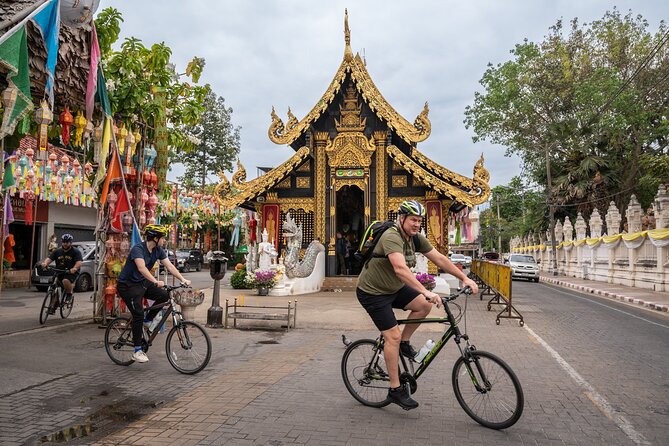
- Morning vs night changes the whole mood: morning = cooler streets, monks in motion; night = temples lit up.
- You cover the Old City smartly with a route that hits major anchors (Tha Phae Gate, Three Kings Monument, Wat Chedi Luang) plus quieter lanes.
- A market stop is built in, with light snacks and drinking water so you don’t end up hangry between temples.
- Small-group energy keeps the ride calm, and guides actively manage crossings on busier roads.
- Modern mountain bikes and helmets help you feel set up for comfort and safety.
- Temple context is part of the deal, including donations allowance so visits feel respectful, not rushed.
Getting your bearings in Chiang Mai’s Old City, fast
Chiang Mai’s Old City is one of those places where it’s easy to walk in circles. The streets look simple on a map, then you start turning left at the wrong moment and suddenly you’re staring at a wall, not a landmark. This tour fixes that with a classic approach: short rides between meaningful points.
The route starts at Discova Day Tour Shop Chiang Mai (10/3 Wiang Kaew Rd, near Chang Puak Gate). The shop is in front of a greenery coworking space called Punspace, so it’s not a guessing game if you arrive about 15 minutes early.
From there, you cycle directly into the Old City toward Tha Phae Gate. That gate matters because it wasn’t just a decorative entrance. It was once a main trading gateway into Chiang Mai, so when you stand there (even briefly), you’re looking at something that shaped daily life, not just postcard scenery.
You can also read our reviews of more cycling tours in Chiang Mai

Morning or night: choose the vibe you want
This is a rare tour where the two departure styles aren’t just different times of day. They change what you notice.
Morning tour: cooler streets and daily rituals
Morning rides are for you if you like a gentler start. The city is quieter, the heat is usually less intense, and you may spot monks starting daily routines. That gives the temple areas an everyday feeling, not just a daytime sightseeing look.
Night tour: illuminated temples and a softer pace
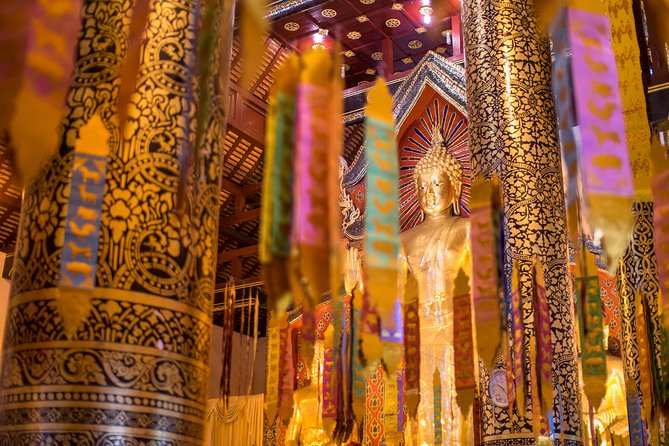
Evening departures are for you if you want atmosphere. Several key temples along the ride can be beautifully illuminated at night, which makes the architecture feel more dramatic and easier to appreciate with fewer harsh midday shadows.
Either way, you’re riding about 12–14 km in a relaxed rhythm over roughly 4 hours. It’s long enough to see a good chunk of the Old City, but short enough that the day doesn’t turn into a full-on endurance test.
The bike and safety setup that actually matters
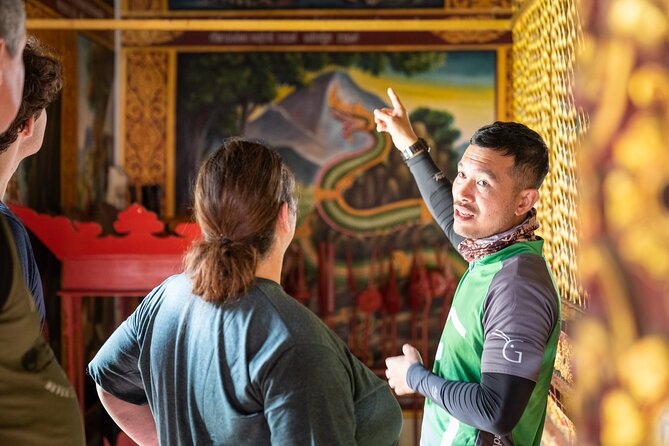
This isn’t a “hop on and good luck” situation. You get a quality mountain bike and a safety helmet. That’s a big deal in Chiang Mai, where busy roads can show up between calm back lanes.
You also ride with an English-speaking guide, and the route is planned to keep the cycling easy. In past experiences, people highlight how guides manage traffic during the trickier road crossings, and you’ll likely notice the group stays together like it has a purpose.
Good to know: the tour isn’t recommended for anyone who can’t ride a bike, and it’s listed as not suitable for pregnant women or those with back problems.
You can also read our reviews of more city tours in Chiang Mai

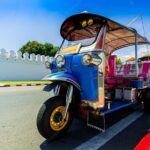
Stop by stop: what you see and why each place counts
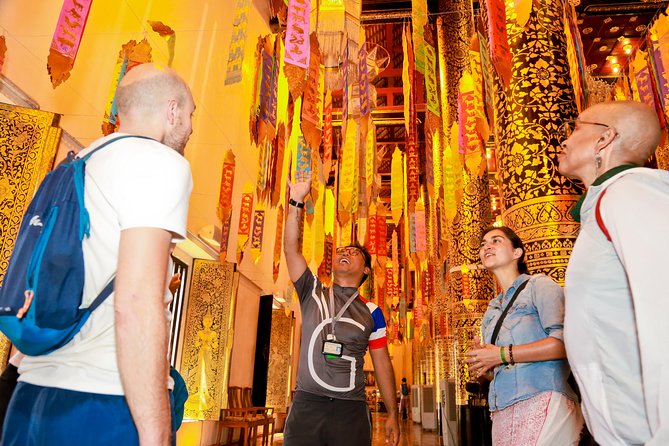
Tha Phae Gate: the city’s trading entrance
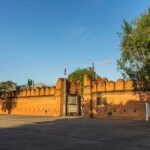
You’ll spend about 30 minutes at Tha Phae Gate, with guided context. This stop is a history anchor. It’s how you start understanding the Old City as a planned space: gates and walls weren’t only for defense; they helped shape movement, commerce, and daily life.
Even if you’ve seen photos, there’s a difference between looking at an old gate and hearing how it worked when it was alive with trading traffic.
Wat Chedi Luang: the ruined chedi and the City Pillar
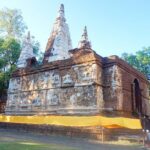
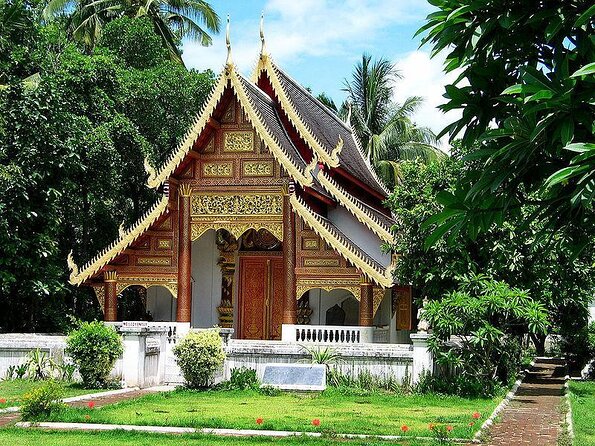
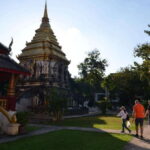
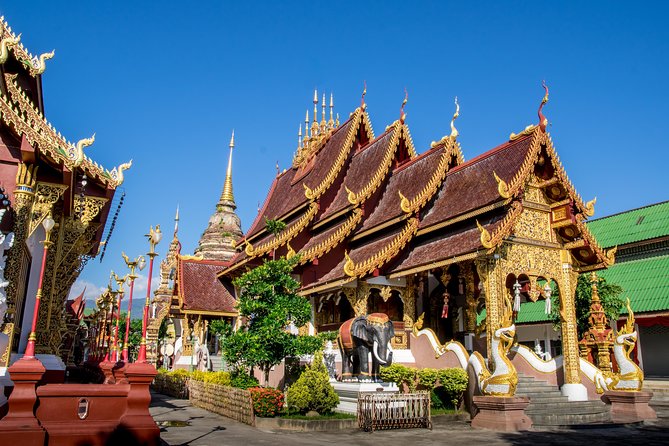
Next up is Wat Chedi Luang, again with about 30 minutes of guided visit time plus a short walk component. This is one of Chiang Mai’s signature temple sights. The big draw is the massive ruined chedi and the idea of the City Pillar, which is tied to the spiritual identity of the city.
The reason this stop is so valuable on a bike tour is timing and scale. You don’t just pass by. You get enough time to look closely at what’s left, then understand what it meant when it was whole.
Morning tip: if you’re on the morning departure, you might catch quieter temple activity. Night tip: the setting can feel more dramatic when illumination kicks in.
Wat Intakhin (City Navel Temple): the symbolic center
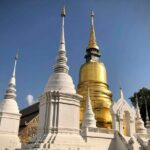
You’ll then visit Wat Intakhin Sadue Muang, often called the City Navel Temple, also about 30 minutes including guided time and walking. This is one of those places that makes the Old City feel more meaningful.
Why? Because it’s tied to the symbolic center of the ancient kingdom. The Old City layout isn’t only physical. It’s spiritual too, and this stop helps connect the geometry of streets and walls to beliefs about place.
Three Kings Monument: a square you’ll recognize later
After that, you head to the Three Kings Monument, with guided time plus walking. This monument sits in a well-known Old City square, and it’s the kind of landmark that later helps you orient yourself on your own.
If you want to use Chiang Mai after the tour—find restaurants, map routes, understand distances—this stop helps. It’s a reference point you’ll keep seeing in your day-to-day exploring.
Temple choice depends on your departure
Depending on whether you’re on the morning or evening option, you pass by one of two standout temples:
- Wat Chiang Man (the oldest temple in the city)
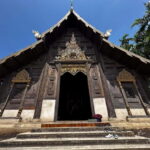
- Wat Lok Molee (known for Lanna-style wooden viharn and a towering brick stupa)
Both are worth your attention, but they give you different visual flavors. Wat Lok Molee, in particular, can look striking in the evening because the lighting changes how the wooden details and brick shapes read.
I like this design choice because it prevents the tour from feeling like a cookie-cutter checklist. You’re not just ticking famous names—you’re seeing how the city’s temple variety shows up in different visual styles.
Cycling past the moat and old city walls
A big part of the experience is not just the temple stops. You also ride along the ancient moat and past sections of the original city walls. This is where the tour becomes practical.
When you understand where the moat sits and how the walls frame the area, your later walking and tuk-tuk choices get easier. The Old City stops being a blob on a map and starts behaving like a real neighborhood grid with structure.
Market stop and snacks: where the tour turns from sightseeing into local food time
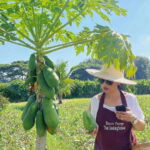
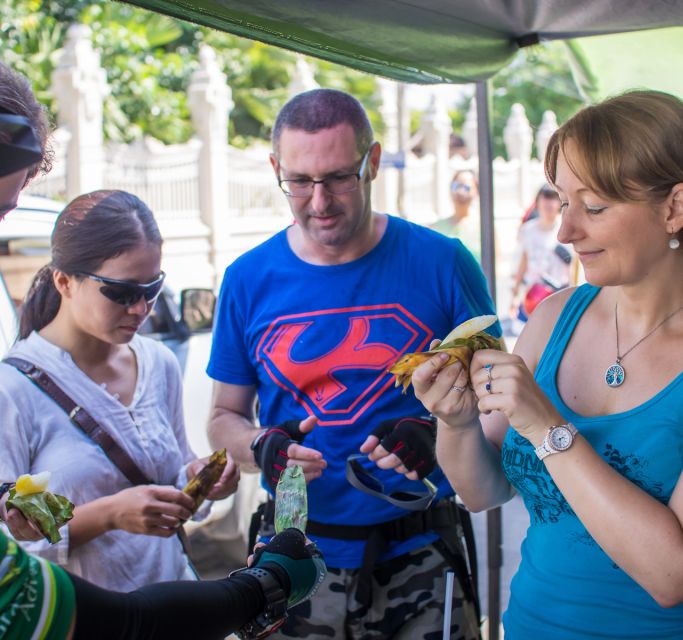
At some point during the ride, you get a stop at a local market. Light snacks and drinking water are included, and your guide helps you try a few simple bites—often fruit and basic street snacks that don’t require a big meal commitment.
If you’re used to food tours that overwhelm you, this feels calmer. You’re tasting, not stuffing. And because it’s integrated into the cycling route, it doesn’t derail your momentum.
In past experiences, people especially liked getting direction on what to try and how to order politely, even when the options looked intimidating at first glance.
What the guides do well (and why you should care)
This tour lives or dies by the guide. And the repeated praise in guide names—Kitty, Mai, T, A, Tiu, Farm, and Don—matches what you want in a tour like this: clear storytelling, calm handling of groups, and the ability to answer your questions without rushing you.
You’ll also pick up practical bits that make the Old City easier to enjoy after the ride. People often mention that the tour helps them get their bearings early. That’s exactly what I’d want from my first day in Chiang Mai: a mental map plus a few local recommendations.
Price and value: is $39 worth it?
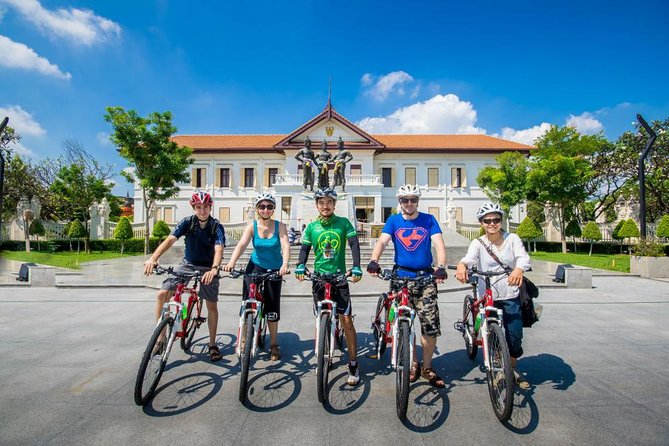
For $39 per person, you’re getting a lot bundled together for a half-day experience:
- bike + helmet
- water and light snacks
- English-speaking guide with cultural explanations
- temple donation allowance
- small-group pacing
- accidental insurance
For Chiang Mai, where entry fees to temples and guided support can add up fast, this pricing feels aimed at value rather than squeezing every baht. The biggest “value” factor is time: you’re seeing key Old City anchors without spending the day bouncing between taxis and starting-and-stopping on your own.
The only real “cost” is effort. If you hate riding bikes or your body doesn’t do well with steady movement, the value drops fast. But if you’re comfortable on a bike, it’s a solid deal for a concentrated Old City overview.
What to bring and how to dress for the temples
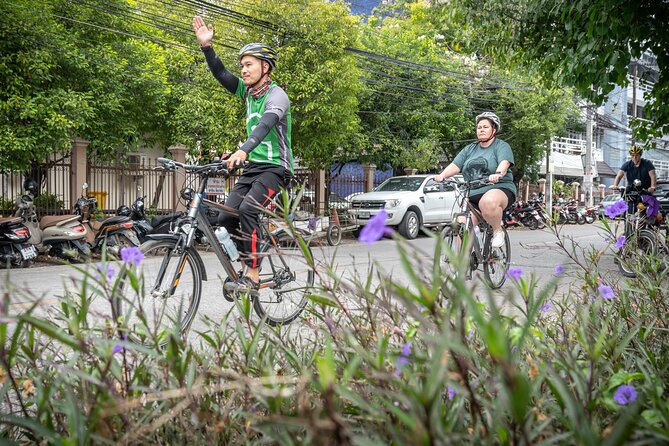
This tour has some clear guidance.
Bring:
- Sunscreen
- Sunglasses
Dress code rules:
- Shorts, short skirts, and sleeveless shirts are not allowed.
If you show up in light temple-appropriate clothes, you’ll avoid awkward wardrobe fixes at the meeting point. It’s also just more respectful for the places you’ll be visiting.
Also consider the heat and humidity. You’ll have water included, but bringing extra water or planning for shade breaks is smart if you’re sensitive to warm weather.
Who this bike tour fits best
This is a good match if you:
- want a first-day introduction to Chiang Mai Old City
- like temples but also want context, not just photos
- enjoy easy cycling and staying active without being exhausted
- prefer a small-group vibe over a big bus shuffle
It’s not for you if:
- you can’t ride a bike
- you’re pregnant
- you have back problems
- your plan depends on being able to stop and wander without any cycling structure
Families are mentioned as suitable with older children, and a child seat is available on request. Just note the child seat can accommodate a child weight up to 14 kg.
Should you book the Chiang Mai Historic Old City Bike Tour?
Yes, if you want a practical, satisfying way to see the Old City without turning your day into a logistics puzzle. This one is especially worth it when you’re choosing between a morning and night visit and you care about how temple lighting and daily routines affect what you notice.
Book the morning option if you like quieter streets and the chance to see monks beginning their day. Pick the night option if you want atmosphere and illuminated temples.
Skip it if you’d rather spend your time entirely at walking pace, or if biking feels like a gamble. For everyone else, it’s one of the cleaner, efficient ways to understand Chiang Mai’s Old City—gate to moat to temple—while still feeling relaxed.
FAQ
Where does the tour start?
The meeting point is at Discova Day Tour Shop Chiang Mai, 10/3 Wiang Kaew Rd, Tambon Si Phum, Muang, Chiang Mai 50200, Thailand. It’s near Chang Puak Gate, and the office is in front of the Punspace greenery co-working space. Arrive about 15 minutes early.
How long is the Chiang Mai Old City bike tour?
The tour runs for about 4 hours.
What key places do you visit?
You’ll visit Tha Phae Gate, Wat Chedi Luang, Wat Intakhin (City Navel Temple), and the Three Kings Monument. Depending on the departure time, you’ll also pass either Wat Chiang Man or Wat Lok Molee.
Is the ride easy?
The ride is described as relaxed and covering around 12–14 km. It’s designed to be suitable for most travelers, but it is not suitable if you cannot ride a bike.
What’s included in the price?
Included are the bike and safety helmet, an English-speaking guide, drinking water and light snacks, temple donation allowance, and accidental insurance. A local market stop with snacks is included.
Are hotel pickup and drop-off included?
Hotel pickup and drop-off are not included for standard tours. Private options may include pickup and drop-off at your Chiang Mai hotel.
What should I wear for temple visits?
You should avoid shorts, short skirts, and sleeveless shirts. Bring sunscreen and sunglasses.