REVIEW · CHIANG MAI
Chiang Mai: Elephant Sanctuary & Waterfall Group Tour
Book on GetYourGuide →Operated by PON ELEPHANT (THAILAND) CO., LTD. · Bookable on GetYourGuide
Big elephants, calmer choices, and a real jungle waterfall. What makes this tour appealing is the mix of ethical elephant care and Mae Wang waterfall hike, with hours that let you watch elephants forage, socialize, and cool down naturally. I especially like the hands-on parts that are still respectful, like feeding and gentle touching with your guide keeping the pace and rules clear. Another highlight is the jungle outing that feels like a break from the city rather than a quick photo stop.
One thing to plan for: your time in the water can depend on conditions. Heavy rain can change what’s possible at the waterfall, and the elephant river bathing part means you will get wet and muddy, so packing smart matters.
In This Review
- Key things to know before you go
- Getting to Pon Elephant Thailand from Chiang Mai without feeling rushed
- How the sanctuary works: feeding, touching, and watching elephant families
- The river bathing part: cool water, calmer elephants, and clear safety rules
- Mae Wang Waterfall: jungle hike, a real swim option, and rain-day flexibility
- Lunch, snacks, and the food piece that actually helps you enjoy the day
- Price and value: why $50 can make sense for a full day
- Group dynamic and timing: what it feels like as a day trip
- What to bring, plus who should skip this tour
- Pack list (based on the tour guidance)
- Health and comfort fit
- A quick footwear reality check
- Final call: should you book this elephant sanctuary and waterfall tour?
Key things to know before you go
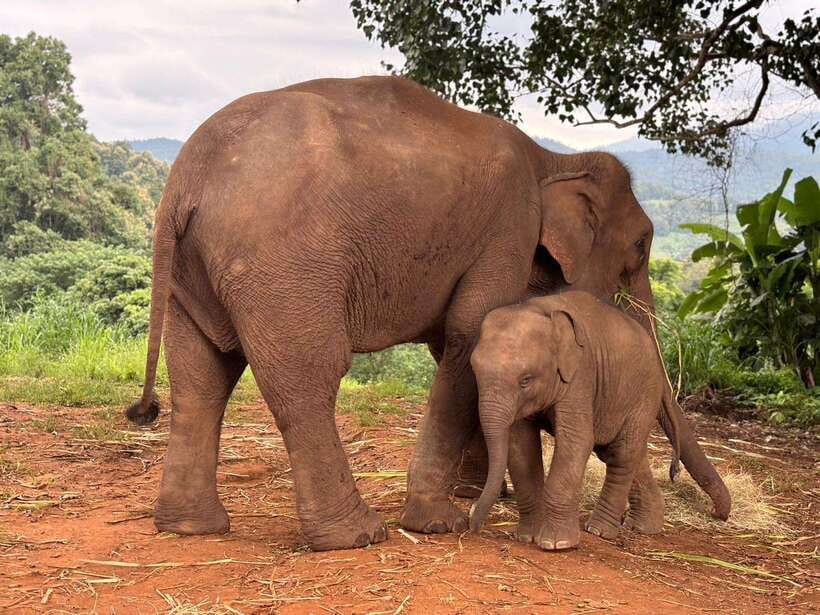
- Rescued-elephant focus at Pon Elephant Thailand, with care centered on welfare (no elephant riding)
- Guided trust-building that follows the rule of no forced interaction, so elephants stay in control of distance
- River bathing experience where elephants cool off in their natural home
- Mae Wang Waterfall trek with a jungle walk plus a refresh stop
- Lunch and fruit included, plus Thai desserts after your sweat-and-swim moments
- Wear footwear for water stations, because trainers hold up better than flip-flops once things get slippery
Getting to Pon Elephant Thailand from Chiang Mai without feeling rushed
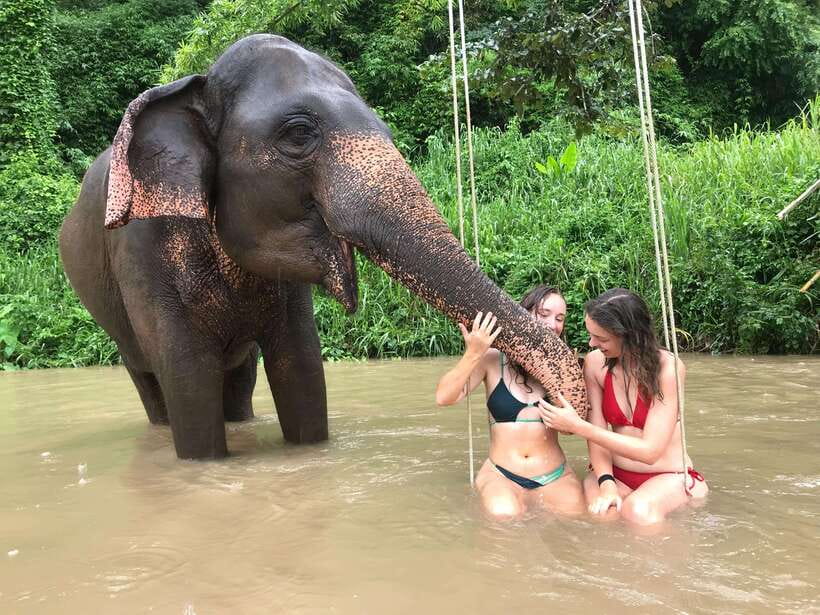
This is a classic full-day Chiang Mai combo: city pickup, a van ride out to the Maewang district area, then elephants and waterfall before you head back. You’ll spend about 80 minutes each way in the vehicle, mostly through scenery that shifts from town to farms and temple areas. If you’re hoping for a “quick in and out” trip, this one isn’t that. But if you want a proper day with fewer switches and a steady schedule, it works well.
Pickup is from Chiang Mai city center hotels (or an agreed meeting point). You’re usually asked to wait in the lobby about 10 minutes before the confirmed pickup time. Transport quality is a standout in this package, with many past guests giving it high marks, which matters because the day hinges on smooth timing for both the elephant and waterfall sections.
You’ll also get an orientation before you meet the elephants. That briefing helps you understand what you’re seeing, and it keeps expectations grounded. Guides like Beer, Nop, Yaya, Nana, Ronnie, Sunny, Mimi, Dewy, and Air are repeatedly praised for staying upbeat, organized, and good with groups, even when questions pop up.
You can also read our reviews of more tours and experiences in Chiang Mai.



How the sanctuary works: feeding, touching, and watching elephant families
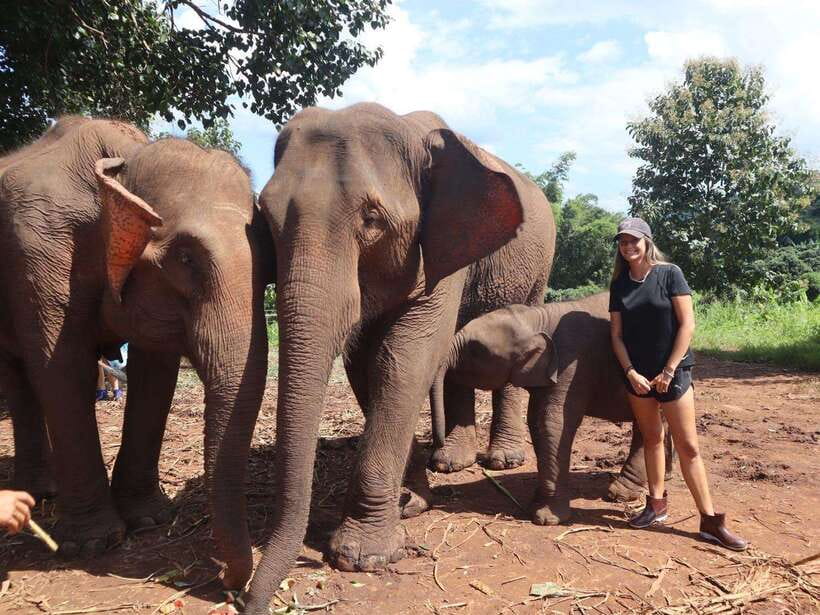
The main event starts at Pon Elephant Thailand. After the welcome, you’ll hear a briefing on Asian and African elephants, plus background on the sanctuary and what their daily care looks like. You’re also taught how to make healthy snacks for the elephants. This part is more than busywork. It turns the experience from a random feeding session into something you can actually connect to.
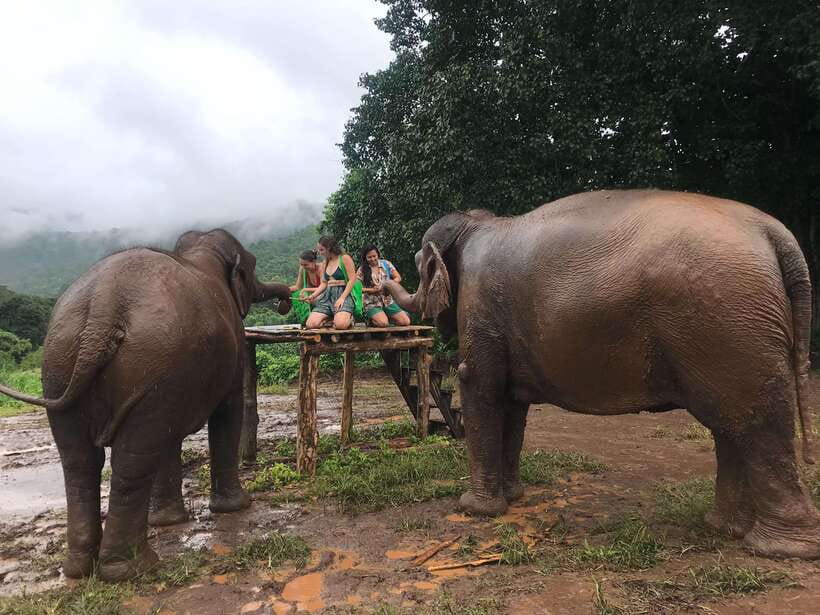
Then comes the time you’ll remember: you get to meet rescued elephants and interact in ways that don’t treat them like a show. The tour rules are clear that elephants are not forced to perform. In practice, that means you spend more time observing and walking with them, and less time “making it happen” for photos.
Here’s what the sanctuary time tends to look like:
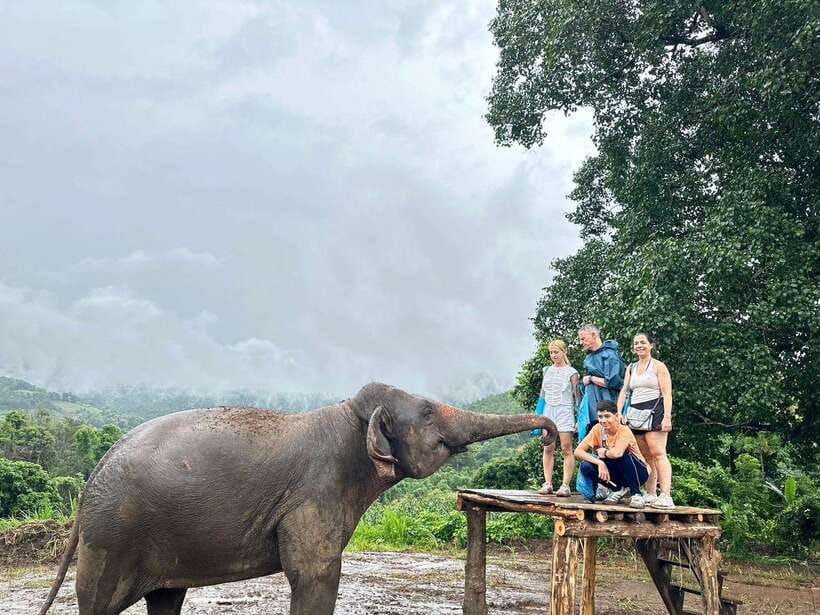
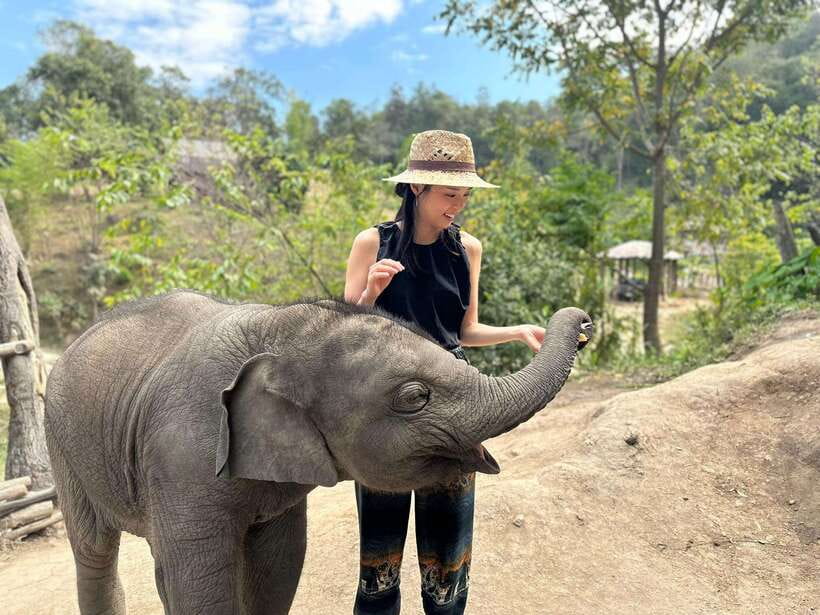
- Feeding with guide guidance so you know where to stand and how to present food safely
- Gentle touching when the elephants approach and allow it
- Watching foraging behavior as they move and search for snacks in a natural way
- Noticing social interactions, like family groups and calm repositioning rather than staged commands
Many guides also emphasize the idea of earning trust. The tour uses a simple mindset often summarized as no food, no friend. It’s not just a cute line. It nudges you to slow down, follow the elephants’ lead, and avoid rushing at close range.
One other point I appreciate is the pacing: you’re given 2–3 hours with your elephant companions before you say goodbye for the day. That’s enough time for the group to settle in, not just pass through.
The river bathing part: cool water, calmer elephants, and clear safety rules
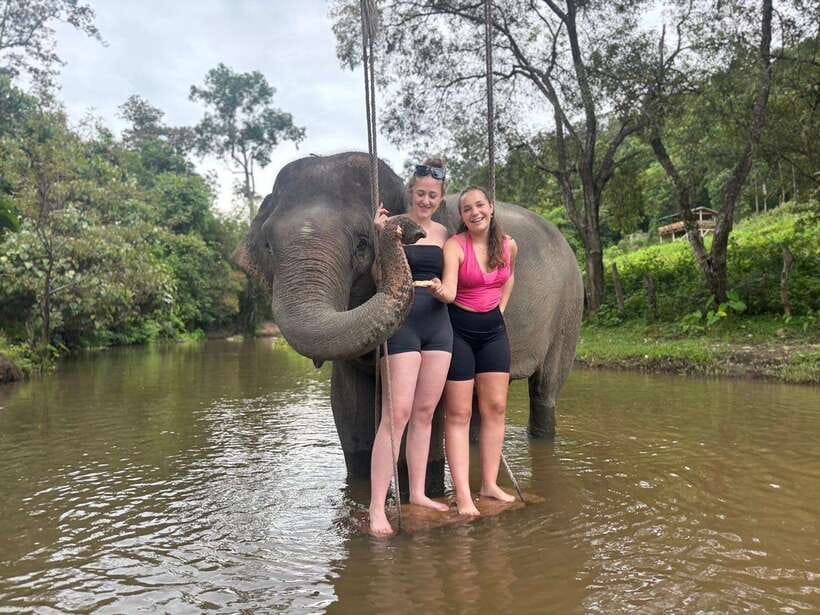
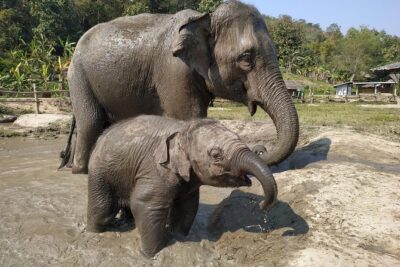
After the feeding and interaction segment, the day shifts to a river area where the elephants can bathe and cool down. This is one of the most popular moments for a reason: it looks natural, and it feels different from the “pet the mascot” version of animal tourism.
In the river/bathing section, you’re not there to control anything. You’re there to participate safely while the elephants choose how close they get. Guides help manage spacing, and the tour includes time for you to:
- watch elephants move through the water
- join the bathing activity in the allowed areas
- support the last-round feeding as part of the farewell
You’ll also be expected to change and rinse afterward. The tour description includes a shower step before lunch, and that makes a real difference if you don’t want to spend the waterfall hike smelling like river mud.
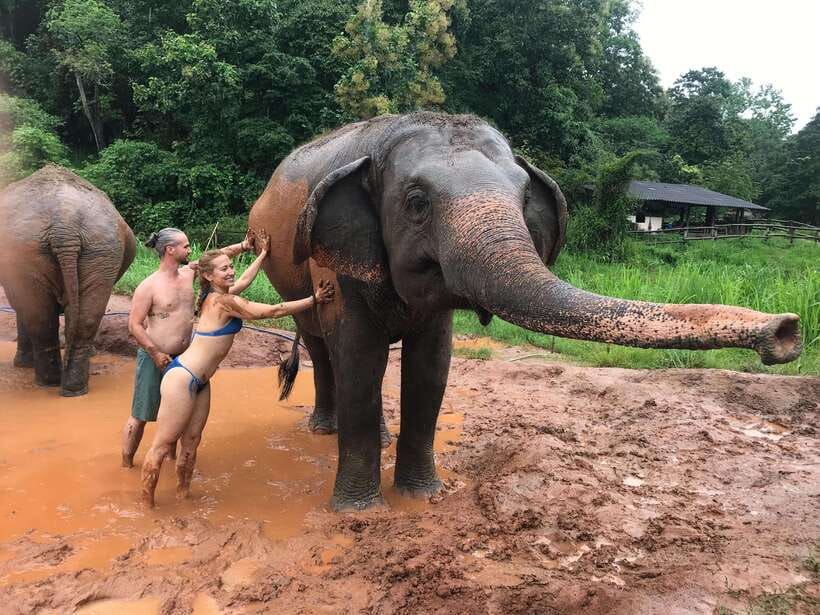
Practical reality check: this portion can be more physical than you expect. People often underestimate what wet ground feels like underfoot. That’s why it’s smart to bring swimwear, plus footwear you can handle when things get slick. One strong tip from past guests: trainers work better than sandals once you’re walking between river stations. If you only bring flip-flops, you might be doing a lot of careful hopping.
Mae Wang Waterfall: jungle hike, a real swim option, and rain-day flexibility
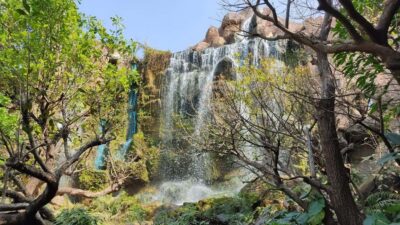
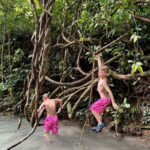
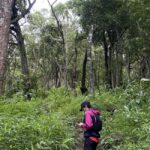
After you’ve had lunch, you head out for the waterfall leg: a hiking walk through nature forest toward Mae Wang Waterfall for a refresh. This part gives your body a chance to reset after the elephant segment, and it also adds variety to the day beyond animal time.
Two details matter here:
1) The waterfall is fed from Doi Inthanon Mountain, so conditions can shift with weather.
2) During heavy rain, swimming may not be possible, and the tour prioritizes safety first.
That means you should think of this as a waterfall experience with a swimming component that depends on the day. You still get the trek, the scenery, and the “cool off” feeling even if the water level changes your options.
Also note that the tour description says you might sometimes be unable to swim depending on rain. I like that this tour is upfront about it. If you’re the type who gets cranky when plans change, keep it flexible. If you’re the type who enjoys being out in the jungle regardless, this part can be a highlight.
The hike isn’t described as extreme, but it’s definitely outdoors. Wear sports shoes if you can. Past guests repeatedly suggested that having both river-ready footwear and hiking-ready footwear makes the day smoother.
Lunch, snacks, and the food piece that actually helps you enjoy the day
A lot of day tours say lunch is included and then deliver something disappointing. Here, lunch is a real part of why the day feels complete. You’ll get:
- a Thai lunch plus fresh fruits
- Thai desserts afterward
- drinking water during the tour
- elephant feeding food (so you don’t have to shop for anything on-site)
Some guests specifically mention lunch served in tiffin tins, which is practical in heat. It helps keep food organized and portable while you keep moving on schedule.
You may also be asked to help with snack prep during the elephant briefing segment (or at least participate in the snack-making process). That’s another small thing that improves the day. It turns the sanctuary visit into an education-plus-activity format.


Price and value: why $50 can make sense for a full day
At $50 per person for about 7 hours, the value comes from the combination of three expensive-to-replicate pieces:
- guided elephant sanctuary time, including feeding food
- hotel-area transfers in a comfortable van
- an included lunch with fruit and Thai desserts, plus bottled water
If you tried to stitch this together yourself, you’d likely spend time and money coordinating transport and a guide, and you’d still be missing the smooth schedule that keeps you from wasting daylight.
What you should also know: a few items are not included. The tour explicitly says towel and a change of clothes are on you. For this type of day, that’s not a minor miss. Without them, you’ll feel uncomfortable for the waterfall hike, and you might not enjoy the later parts as much.
Also, elephant riding is prohibited, which is good. It aligns with the ethical framing of the experience and removes the worst kind of staged activity.
Group dynamic and timing: what it feels like as a day trip
This is a group tour, so you’ll likely share the day with people who have different comfort levels around animals and water. The best guides, like Beer and Nop (names that came up a lot in the comments), tend to keep the group moving while still letting people take in what matters. You’ll also notice that many of the guides are praised not just for information, but for tone—calm, patient, and attentive.
The schedule is structured:
- pickup and long van transfer out
- sanctuary visit with briefing, snack prep, feeding, walking, and river bathing
- shower and packing
- lunch
- waterfall hike and refresh
- return to Chiang Mai for drop-off
That’s a lot in one day, but the pacing is set up so you don’t just sit around. If you like active days and you’re okay with getting a bit wet and warm, you’ll probably find it fun rather than exhausting.
What to bring, plus who should skip this tour
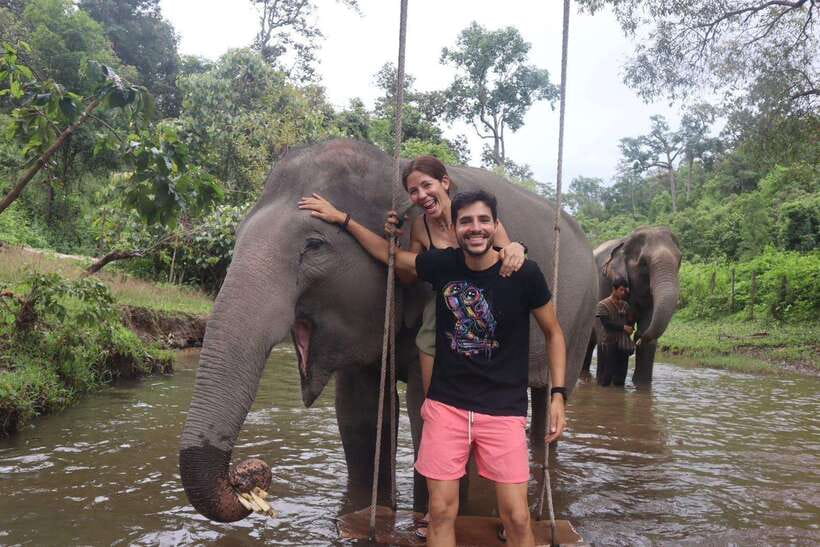
Bring the stuff that matches the two wet-and-outdoors sections: elephants and waterfall.
Pack list (based on the tour guidance)
- swimwear
- change of clothes
- towel
- sandals (or quick-dry footwear)
- sports shoes (important for the hike and slippery spots)
- sunscreen and insect repellent
- camera
- cash
- personal medicine
You might also want to have your passport number handy for insurance detail.
Health and comfort fit
The tour lists a bunch of people for whom it isn’t suitable, including children under 2, pregnant women, people with back problems, mobility impairments, heart problems, wheelchair users, vertigo, respiratory issues, epilepsy, recent surgeries, low fitness, people over 70, people with motion sickness, and anyone with insect or animal allergies. It also notes visually impaired people and those with hearing impairment are not suitable.
If any of those apply to you, it’s worth taking the time to look for a different Chiang Mai option with a lower physical or medical risk.
A quick footwear reality check
If you only bring flip-flops, you might hate the river transitions and the forest path. If you bring good trainers and something for wet moments, the day feels much easier.
Final call: should you book this elephant sanctuary and waterfall tour?
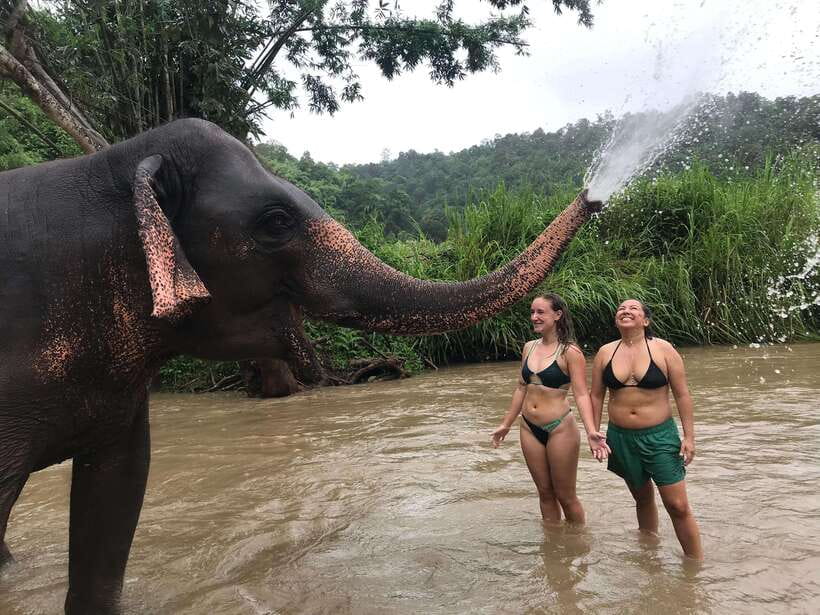
Book it if you want a day that combines rescued-elephant care with a real jungle outing. The best part isn’t only that you get close to elephants—it’s that the activity stays in the lane of welfare: no riding, no forced performance, and enough time to observe natural behavior like foraging and family interactions. You’ll also get a well-timed waterfall hike afterward, which keeps the day from feeling like one long animal encounter.
Skip it or think twice if you’re sensitive to wet conditions or you hate schedule changes based on weather. The waterfall swimming option can shift when rain is heavy, and the bathing part means you need to be ready to get dirty.
If you’re choosing between this and a more basic elephant photo tour, this one tends to make more sense for people who care about how animals are treated, and who want the day to feel like education plus fresh air rather than a rushed gimmick.