REVIEW · CHIANG MAI
Chiang Mai: Local Food and Markets Guided Walking Tour
Book on GetYourGuide →Operated by TripGuru Thailand · Bookable on GetYourGuide
Chiang Mai food tastes different when someone local leads. This guided walk threads together iconic stalls and the kind of everyday street plates you’d probably miss on your own. I love the variety you get in 150 minutes, from sweet dumplings to Hakka noodles. I also like that you learn the why behind what you’re eating, not just what’s on a menu.
My favorite part is the first-class snack chain: Khao Kriab Pak Moh (sweet steamed rice-skin dumplings) to Pa Thong Ko to mango sticky rice, then finishing with savory noodles at Thana Ocha. You’ll also pass through Ton Lamyai Flower Market, and the tour even factors in a stop for picking up fresh flowers and herbs to brighten your day.
One consideration: food isn’t included in the price, so you’ll need to budget for tastings at the stalls, and there’s no vegan option. If you’ve got mobility limits or you don’t do well with a walking pace, this one may not be for you.
In This Review
- Key things to know before you go
- Why this short Chiang Mai food walk works so well
- Meeting at Khua Khaek: where the walk really begins
- Lung Khajohn Wat Ket: sweet rice-skin dumplings to start
- Ton Lamyai Flower Market: flowers, herbs, and a quick reset
- Go Neng’s Pa Thong Ko: the snack with the playful shape
- Warorot Market: mango sticky rice is the mission
- Thana Ocha: Hakka noodles to finish full and satisfied
- Price and value: what $48 really gets you
- Your guide: the real difference between seeing and tasting
- Timing tips: start times, closing hours, and how to avoid a rush
- What to bring (so the walk feels easy)
- Who should book this and who should skip it
- Should you book this Chiang Mai Local Food and Markets tour?
- FAQ
- FAQ
- How long is the Chiang Mai Local Food and Markets Guided Walking Tour?
- Where do I meet the guide?
- Is hotel pickup included?
- What food is included in the tour price?
- What kinds of foods can I expect to taste?
- Is there a vegan option?
- What language is the tour guide?
- What should I bring?
- Are there multiple start times?
- Is the tour accessible for people with mobility issues?
Key things to know before you go
- Meet at Chansom Memorial Bridge (Khua Khaek), opposite Ton Lamyai Flower Market, with your guide holding a TripGuru sign
- One guided loop with a clear finish: sweet starters, fried dough snack, mango sticky rice, then Hakka noodles
- You get real local picks like Hakka-style noodle with stuffed tofu, fish sausage, and wontons at the end
- Flower and herb market time is built in, so it’s not only about eating
- Plan for walking and quick decisions since the stops happen close together and the pace can feel brisk
Why this short Chiang Mai food walk works so well
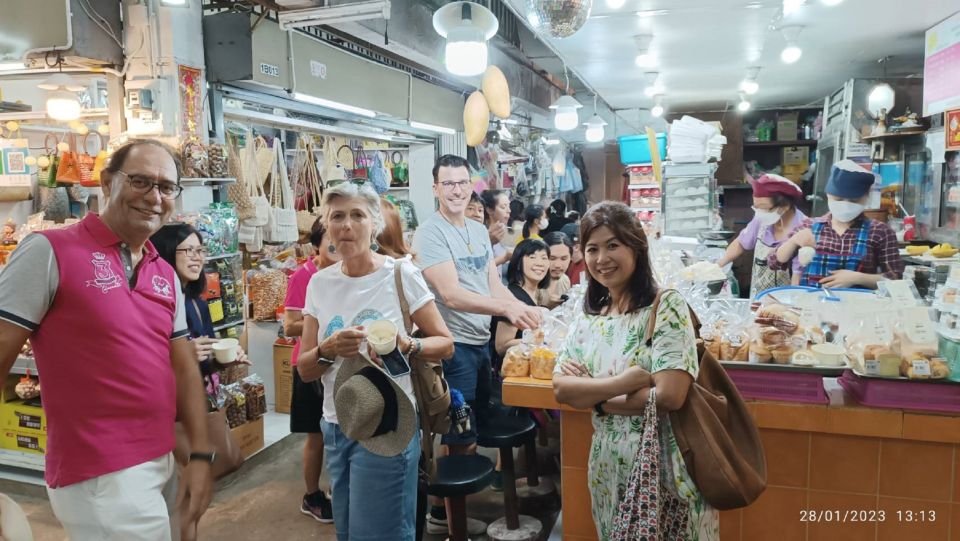
A good food tour does two things: it saves you from bad guesses and it helps you understand what you’re tasting. This one stays short enough to fit into a travel day, but packed enough that you won’t leave hungry or confused about Chiang Mai’s street-food logic.
I like that you start with snacks that many locals treat as casual comfort food, then you move through bigger market energy where you can taste classic Thai favorites. And because you’re following a guide, you spend less time wondering which stall is legit and more time eating what’s actually popular and properly made.
There’s also a practical bonus: the tour includes carbon emissions offset credits and is GSTC-certified, so it’s designed with responsible tourism in mind. That won’t replace the charm of eating hot noodles on a sidewalk, but it is a nice checkbox for travelers who care.
You can also read our reviews of more walking tours in Chiang Mai
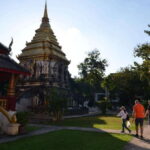
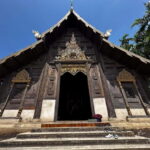
Meeting at Khua Khaek: where the walk really begins
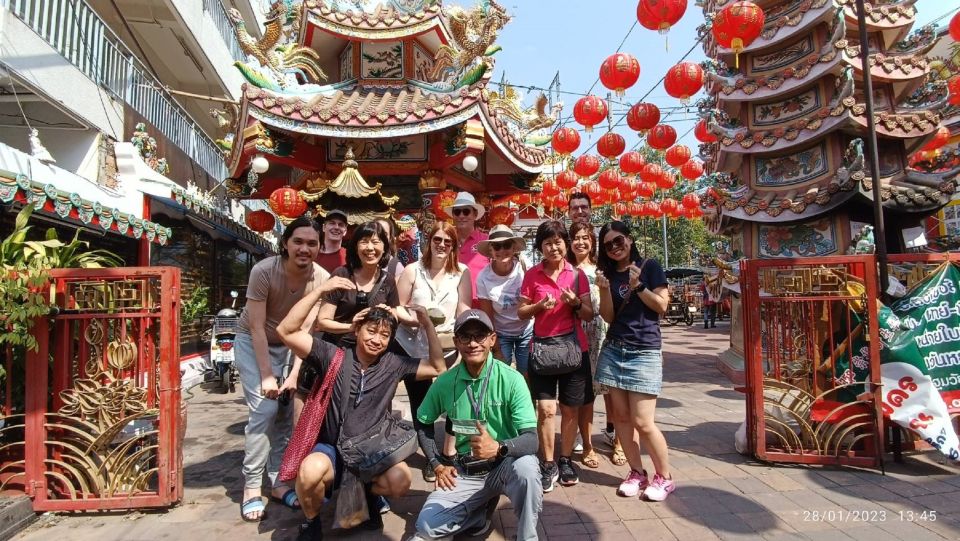
You meet at Chansom Memorial Bridge, locally called Khua Khaek, across from Ton Lamyai Flower Market. The guide will be holding a TripGuru sign, and you’ll want to arrive 10 minutes early to stay on schedule.
This matters because Chiang Mai traffic can slow pickup, and the guide can wait only up to 10 minutes after the scheduled pickup time. So if you’re relying on an app route, give yourself extra buffer, especially in the mornings.
Also note the tour is 150 minutes total. That means you should be ready for a fast-moving walk between tastings, not a slow “wander and admire” city stroll. Comfortable shoes are not optional.
Lung Khajohn Wat Ket: sweet rice-skin dumplings to start
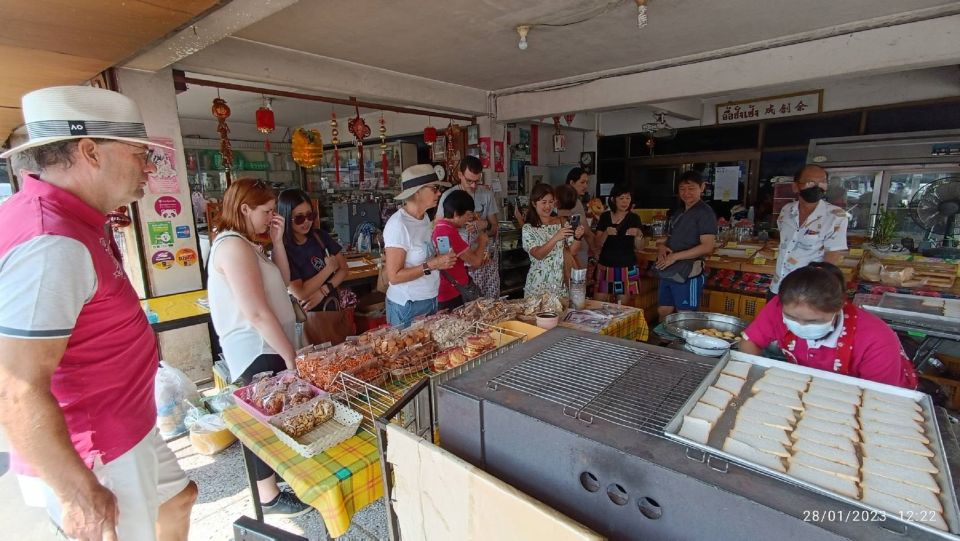
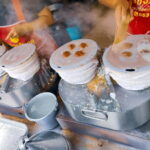
Your first food stop is Lung Khajohn Wat Ket, known for sweet steamed rice-skin dumplings typically stuffed with peanuts. The snack name you’ll hear is Khao Kriab Pak Moh.
This first stop is smart for two reasons. First, it sets your palate up for Thai street sweets and sticky textures before the more savory snacks show up later. Second, it’s the kind of stall detail you’d likely overlook unless a local guide points you there.
If you like learning through food, this is also the part where you start connecting the dots between regional influences and what makes Chiang Mai’s snack scene distinct.
Ton Lamyai Flower Market: flowers, herbs, and a quick reset
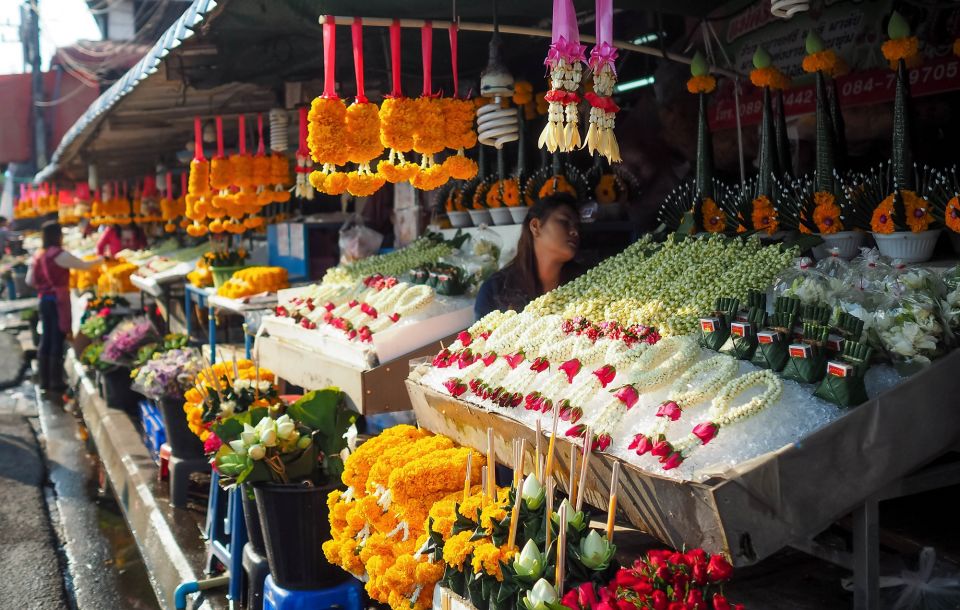
Right after the dumplings, you pass through Ton Lamyai Flower Market. This isn’t just a photo stop. The tour includes the idea of grabbing fresh flowers from a local flower and herbs market, so you get a tangible souvenir that isn’t mass-produced.
I love this because it breaks up the “just keep eating” rhythm. After a couple bites, the flower market adds smell, color, and that small sense of wandering like a local.
It also helps if you’re on your way to other plans afterward. Even if you don’t buy flowers, the market walk gives your brain a palate reset.
Go Neng’s Pa Thong Ko: the snack with the playful shape
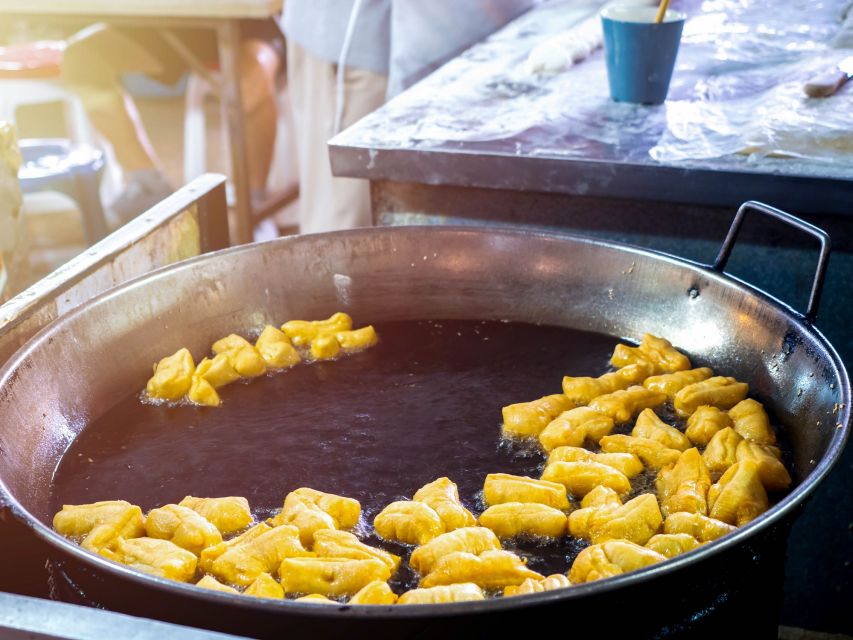
Next comes Go Neng, where you’ll try Pa Thong Ko—deep-fried dough sticks that can have a funny, oddly shaped look. People describe them as looking like dinosaurs, and whether you see the same shape or not, the point is that this snack is instantly memorable.
Pa Thong Ko is one of those classic Thai street foods that tastes best when it’s freshly fried. It’s crispy, sweet-leaning, and made for snacking while you walk.
Practical tip: if you’ve eaten a big breakfast, go easy before this tour. A bunch of guides and guides’ strategies aside, the logic is simple—you want room for multiple tastings, and this walk can stack snack calories quickly.
You can also read our reviews of more food & drink experiences in Chiang Mai

Warorot Market: mango sticky rice is the mission
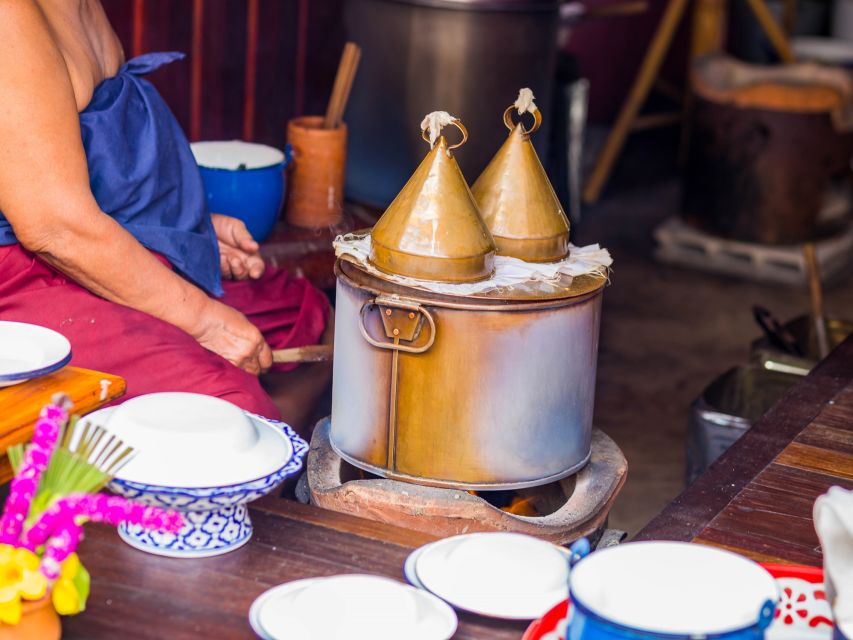
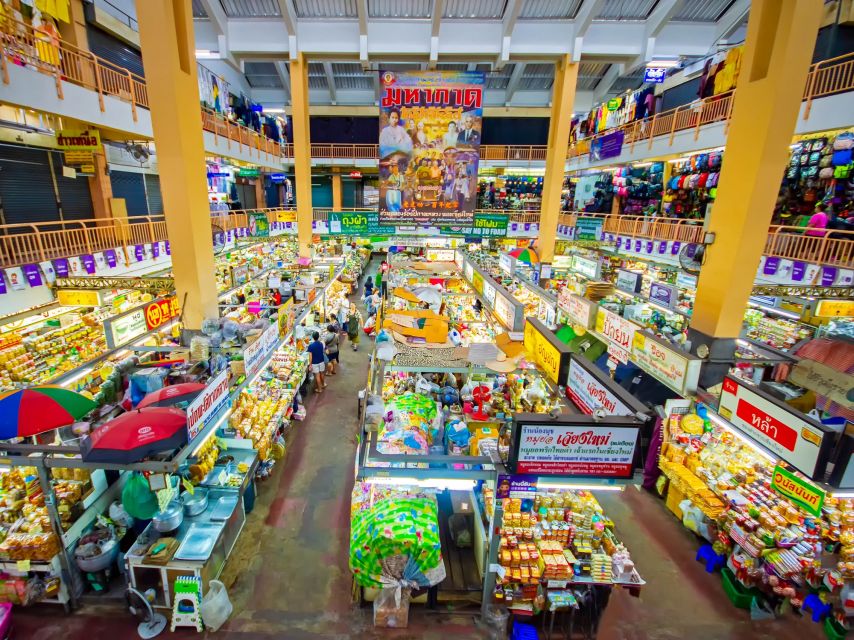
Then you’re in Warorot Market, a well-known area where you can find snacks, produce, clothes, and more. The key food target here is a particular stall for Thai mango sticky rice.
Warorot Market works as a stage for the tour because it’s big enough to feel like real local life, but structured enough that your guide can lead you to the right tastings without you getting lost in the crowd and signage.
This is the stop where I suggest you slow down. Sticky rice with mango is meant to be eaten intentionally. If you’re rushing, you’ll miss how the flavors balance—sweet mango, creamy coconut notes, and the chewy texture of the sticky rice.
Thana Ocha: Hakka noodles to finish full and satisfied
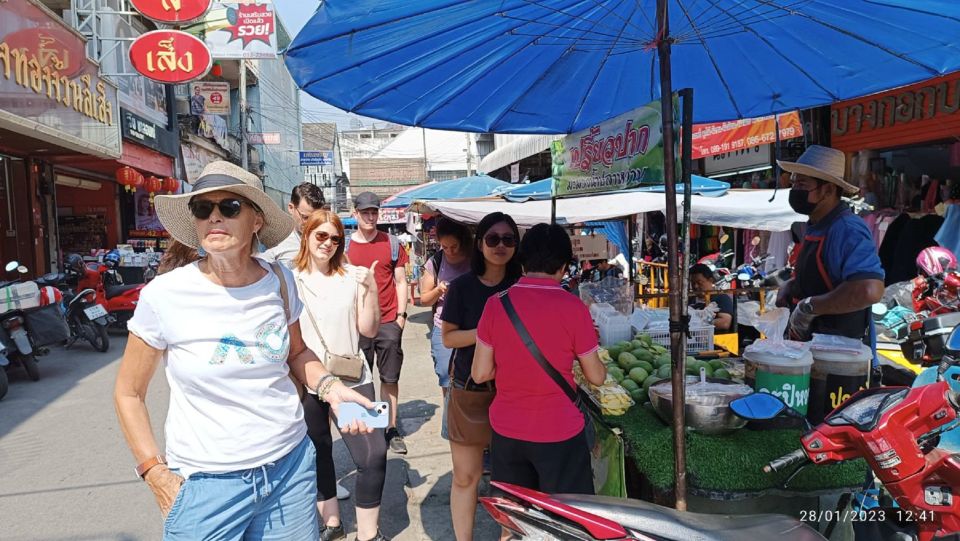
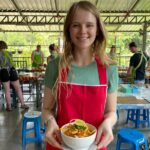
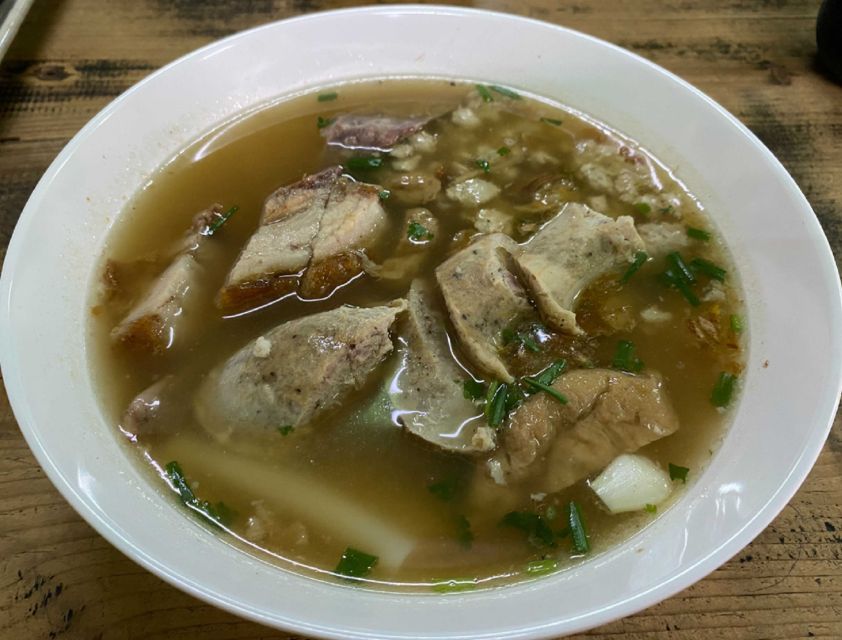
The last stop is Thana Ocha, where you’ll try Hakka-style noodles. Expect elements like Hakka stuffed tofu, fish sausage, and wontons.
This ending is a payoff. Earlier snacks are fun and portable, but this is the kind of meal that feels like you’ve actually “done” Chiang Mai street food properly. It’s also where the food history angle becomes useful, because Hakka influence is one of the cultural threads you’ll hear about as you eat.
By the time you finish, you should feel that satisfying mix of salty, savory, and noodle comfort. In several guide-led walks, this is often cited as the best last stop because it turns the tour from snack sampling into a real dinner-like experience.
Price and value: what $48 really gets you
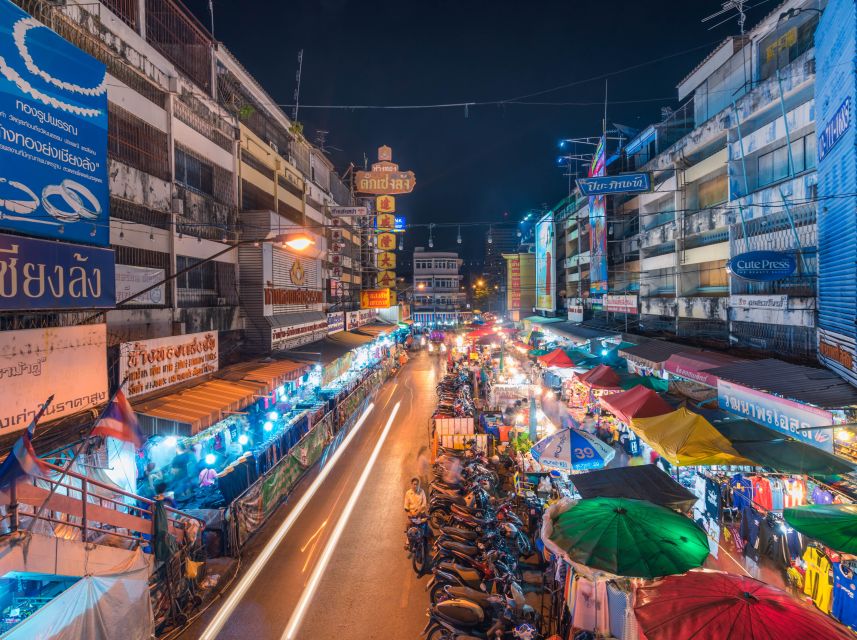
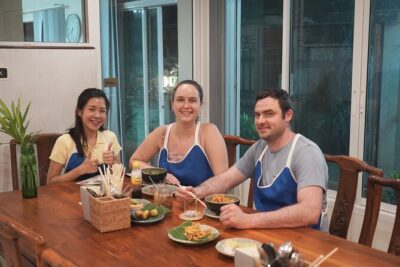
The listed price is $48 per person, and what you’re paying for includes a guided walking tour, the guide, and carbon emissions offset credits. Food itself is not included in the tour price.
That’s not a deal-breaker, but it changes how you plan. You’ll want to bring cash and expect to pay for your tastings at the stalls. The tour describes tasting choices you may get, such as Hakka-style noodle, sticky rice with mango, Pa Thong Ko (deep-fried dough sticks), and Khao Kriab Pak Moh (steamed rice-skin dumplings).
So here’s how I’d think about value: you’re not buying a restaurant meal for a fixed price. You’re buying guidance plus access to specific local favorites. If you’re the kind of traveler who eats with curiosity and likes trying multiple things, the cost becomes easier to justify.
If you’re trying to keep spending tight, you can still do the tour, but you’ll want to choose fewer items or expect smaller purchases depending on what you order.
Your guide: the real difference between seeing and tasting
The tour experience rises or falls on the guide, and the good news here is that the guide quality shows up in the details. I’ve seen guides described as attentive, friendly, and great at explaining English-speaking context without making it feel like a lecture.
In past tour groups, names like Nom, Koi, Pim, Patty, Banana, Watsana Chaiya, and Sunny have come up with praise for being welcoming and ready to answer questions. One theme repeats: guides help you find places you’d never confidently pick yourself, and they guide your eating choices so you don’t waste time.
There’s also evidence that guides can adapt when a stop is closed. That matters in markets, where stalls can shut down earlier than expected or get crowded. If a restaurant is already closing, your guide may pivot to alternative stalls so you still taste authentic street food.
Timing tips: start times, closing hours, and how to avoid a rush
One of the tour’s smartest features is the multiple start time options, which helps you match the walk to your schedule. Still, timing can matter because many restaurants close early.
If you pick the 2:30 pm slot, the tour notes that your guide will take you to alternative street-food stalls so you still get tastings. That’s a useful promise, but it also means you should expect the flow to feel slightly different than the earlier morning timing.
Also, traffic can be slower in the morning, so plan your day around the pickup time. If you build your whole schedule too tightly, you’ll feel rushed for the rest of the afternoon.
And one more simple tip: skip the huge breakfast. Even with a guide steering you toward the right stalls, you can’t outsmart physics. Multiple snacks in a row mean you need space.
What to bring (so the walk feels easy)
The tour gives you a clear packing list for comfort and practicality:
- Comfortable shoes (you’ll be walking)
- Sunglasses and a hat for sun
- Camera if you like market scenes and food close-ups
- Sunscreen and insect repellent
- Cash for food and tastings
A real-world note from the experience style: the walk can feel quick between stops. I’d rather you be slightly overdressed for comfort than show up in shoes that make you rethink your life by stop three.
Who should book this and who should skip it
This tour is ideal if you:
- Want a short, structured introduction to Chiang Mai street food
- Like eating multiple different snacks instead of sticking to one big meal
- Prefer a guide to handle stall choice and explain what’s going on
It’s not a fit if you:
- Are vegan or need vegan options (there’s no vegan option)
- Have mobility impairments or need limited walking
- Have heart problems or respiratory issues
- Are pregnant
Because it’s a walking market route with tastings, it’s best for travelers who can handle steady movement and crowded market areas.
Should you book this Chiang Mai Local Food and Markets tour?
If you’re in Chiang Mai for the first time and you want a fast path to the local food scene, this is a strong choice. The route is built around recognizable must-try snacks and a satisfying noodle finish, and the guide-driven setup helps you eat confidently.
I’d especially recommend it if you like the idea of learning through taste: sweet dumplings first, then fried snack vibes, then mango sticky rice, and finally Hakka noodles with tofu and fish sausage. It’s a clean arc, and it’s easy to fit into a day without overcommitting.
Skip it if you’re vegan, or if you know you won’t enjoy a brisk walking pace. Also, treat the $48 as the guide/tour cost, and keep a bit of spending money ready for the tasting plates.
If that matches your travel style, book it. Then do the simplest thing: show up hungry, wear good shoes, and let the guide handle the stall homework.
FAQ
FAQ
How long is the Chiang Mai Local Food and Markets Guided Walking Tour?
The tour runs for about 150 minutes.
Where do I meet the guide?
You meet at Chansom Memorial Bridge (Khua Khaek), opposite Ton Lamyai Flower Market. The guide holds a TripGuru sign.
Is hotel pickup included?
No. Hotel pickup and drop-off are not included.
What food is included in the tour price?
Food and tasting expenses are not included in the tour price. Tastings are at your own expense.
What kinds of foods can I expect to taste?
The tour lists possible tasting choices including Hakka-style noodle, sticky rice with mango, Pa Thong Ko (deep-fried dough sticks), and Khao Kriab Pak Moh (steamed rice-skin dumplings).
Is there a vegan option?
No vegan option is available, and the tour is not suitable for vegans.
What language is the tour guide?
Guides offer English and Thai.
What should I bring?
Bring comfortable shoes, sunglasses, a hat, a camera, sunscreen, insect repellent, and cash.
Are there multiple start times?
Yes, the tour offers multiple start time options so you can choose what works for your group.
Is the tour accessible for people with mobility issues?
No. It is not suitable for people with mobility impairments.