REVIEW · CHIANG MAI
Chiang Mai: Elephant Sanctuary, Waterfall & Bamboo Rafting
Book on GetYourGuide →Operated by PON ELEPHANT (THAILAND) CO., LTD. · Bookable on GetYourGuide
A calm day in the jungle with elephants.
What makes this trip click is the big focus on elephants behaving naturally (not being rushed) plus the fun switch to Mae Wang River time for swimming and bamboo rafting. Two things I especially like: the generous, hands-on time with the rescued elephants, and the way the day is built around cool water stops to beat Chiang Mai heat. One consideration: you should plan for getting wet and potentially swapping the waterfall/rafting portion if weather turns rough.
The drive out of town is part of the story, too. You’ll roll past farms and rice fields, with chances to see hill tribe villages along the way before you reach the action in the Mae Wang area. Guides matter on days like this, and names like Nop, Paul, Mimi, Sunny, and Yaya come up again and again, usually for good reason: they help you understand what you’re seeing and keep the group moving at a comfortable pace.
In This Review
- Key things I found most worth it
- Chiang Mai pick-up and the drive into Mae Wang country
- Pon Elephant Thailand: an elephant-first sanctuary day
- Forest foraging, banana feeding, and elephant bathing
- Mae Wang Waterfalls: swim time and a real heat reset
- Bamboo rafting on the Mae Wang River for a softer finish
- Price and value: what this $60 day actually delivers
- What to pack: wet elephants, waterfall time, and jungle walks
- Who this Chiang Mai tour suits best
- Should you book this elephant sanctuary, waterfall, and bamboo rafting day trip?
- FAQ
- How long is the Chiang Mai Elephant Sanctuary, Waterfall & Bamboo Rafting tour?
- What’s the price of the tour?
- Is hotel pickup included?
- Where do I meet if I’m not using pickup?
- Is lunch included?
- Are fruits and drinking water included?
- Do I need to bring a towel?
- What happens if there is heavy rain?
- Are the elephants forced to do activities?
- Is the guide English-speaking?
- Is free cancellation available?
Key things I found most worth it
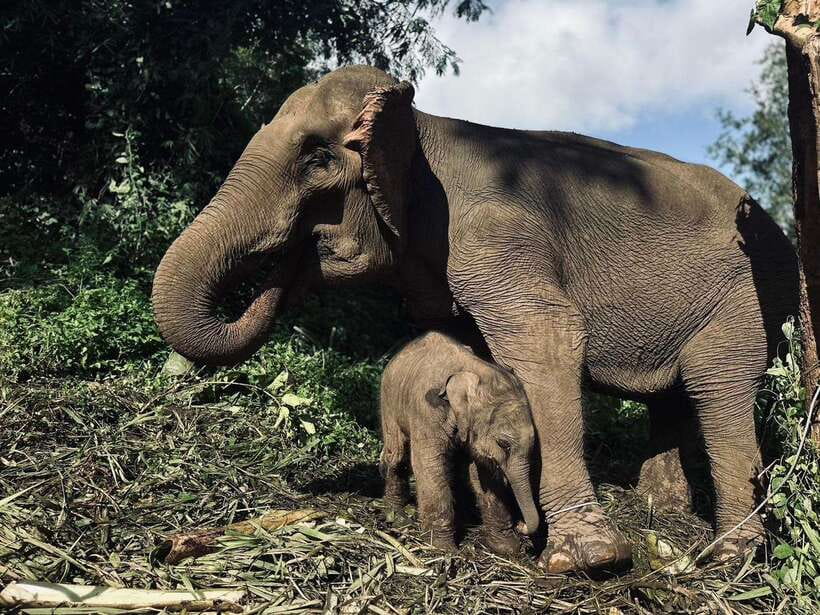
- Real interaction time with rescued elephants, including feeding bananas and observing foraging in the forest
- Bathing in natural river pools with the elephants, not a staged show
- Mae Wang Waterfalls as a proper cool-off, with swimming when conditions allow
- Bamboo rafting on the Mae Wang River to end the day on a relaxed note
- Guides like Nop and Paul often get praised for guiding the group well and taking great photos
- Vegetarian lunch options can be possible if you tell your guide ahead of time
Chiang Mai pick-up and the drive into Mae Wang country
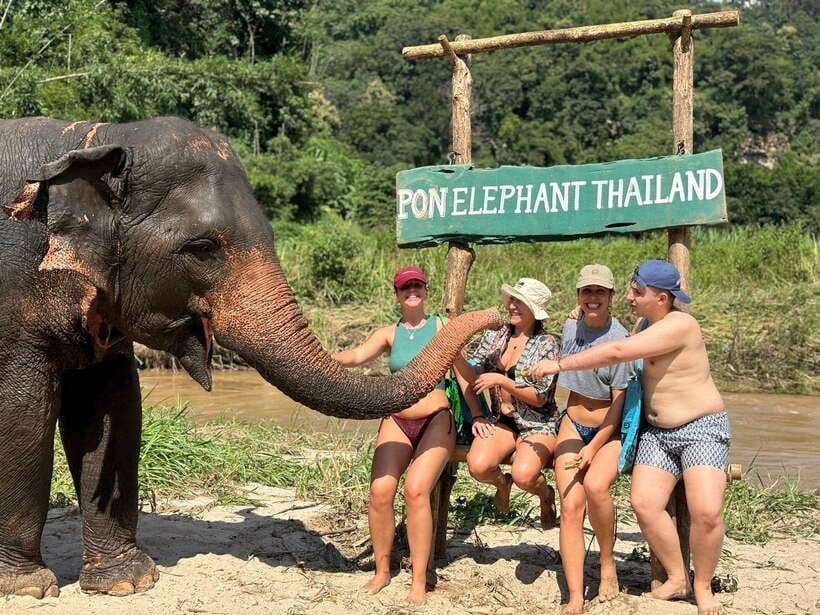
This day starts with you being picked up in downtown Chiang Mai if you choose that option. If not, you’ll meet at the Pon Elephant Thailand Office in town. Either way, the schedule is built around a full 9-hour block, so I suggest planning your morning loosely and keeping your energy for the jungle portion.
The drive itself is more than a transfer. You’ll travel southwest of Chiang Mai and pass farms, rice fields, and hill tribe villages, which helps you get your bearings fast and explains why the area around Mae Wang is so appealing. It’s also when your guide can set expectations for what you’ll do later: elephant basics, the sanctuary’s purpose, and the flow of the day so you’re not guessing what comes next.
One small practical point: while pickup options are available, your exact pickup time depends on your voucher. The tour is usually run with tight timing (transport gets high marks), so don’t plan on lingering for breakfast “just a bit longer” before you’re ready to roll.
If you’re the type who hates rushing, you’ll probably appreciate how the itinerary spreads activities out instead of piling everything into one cramped window.
You can also read our reviews of more tours and experiences in Chiang Mai.



Pon Elephant Thailand: an elephant-first sanctuary day
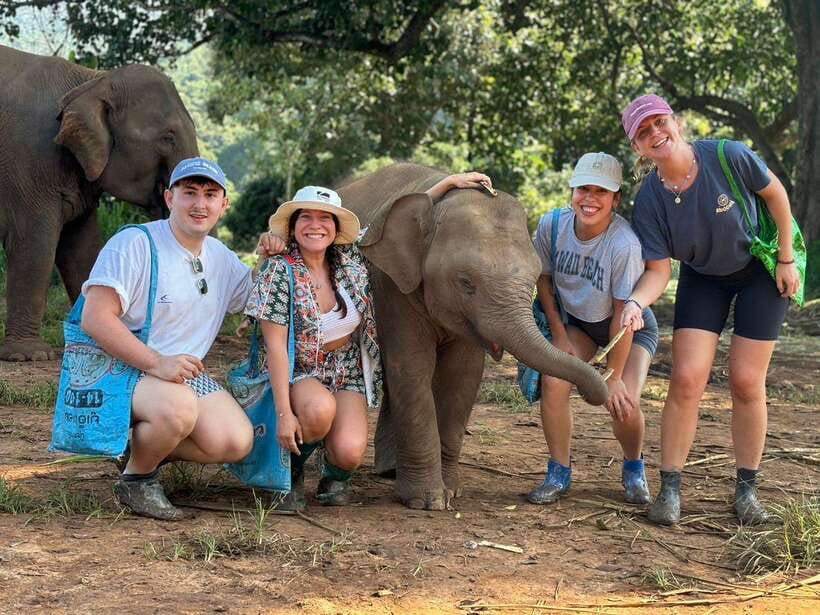
The main event is the sanctuary at Pon Elephant Thailand, deep in the jungle outside Chiang Mai. After arriving, you’ll get a briefing about Asian elephants and what the sanctuary is designed to do. The key message is consistency: elephants aren’t put on a cue card to perform. Instead, you’re there to interact safely and respectfully while observing their natural rhythms.
Then you meet the rescued elephants. Expect banana feeding, close-up viewing, and guided time with the herd. In many elephant programs, the “interaction” portion can feel rushed. Here, the pacing tends to be more comfortable, and guides often encourage you to slow down and watch: how elephants move between families, how they forage, and how they respond to what’s happening around them.
A common theme in guides’ praise is explanation. People mention learning a lot, from elephant behavior to why certain sanctuary practices matter. Guides such as Nop and Paul are frequently described as especially good at answering questions while still keeping things fun and organized. That matters because the more you understand, the more meaningful the close-up moments become.
The other big takeaway: the sanctuary experience is paired with nature-based activities the same day. That combination makes sense, because you’re not leaving the elephants behind the minute you’re done feeding them. The day keeps reinforcing the idea that these animals live in a real landscape, not a theme park set.
Forest foraging, banana feeding, and elephant bathing

Once you’re briefed and settled in, the day shifts into “caretaker for the day” mode—your role is to observe and interact, not control. You’ll walk with elephants through the forest as they forage for food. This isn’t about speed. It’s about being present and letting them set the pace, which is why you’ll want closed-toe footwear and patience for jungle terrain.
Feeding is usually bananas or other offered fruits, depending on what the sanctuary provides that day. The most useful thing you can do is listen during instructions and follow the staff lead. In a good ethical setup, your job is to make the interaction safer and calmer for everyone, including the elephants.
Then comes one of the most memorable parts: heading down to the river for bathing with the elephants. This is not a wading pool moment; it’s hands-on time in natural pools and river water. Some guides and staff help you get positioned, and you may get sprayed while the elephants splash and move naturally. If you’re worried about getting soaked, you’re right to be. Bring a plan for wet clothes after.
After bathing, you’ll walk back and have time to say goodbye before moving to the next activity. That transition time is important. It gives the elephants a chance to continue their routine without you constantly pushing to keep the moment going.
Mae Wang Waterfalls: swim time and a real heat reset
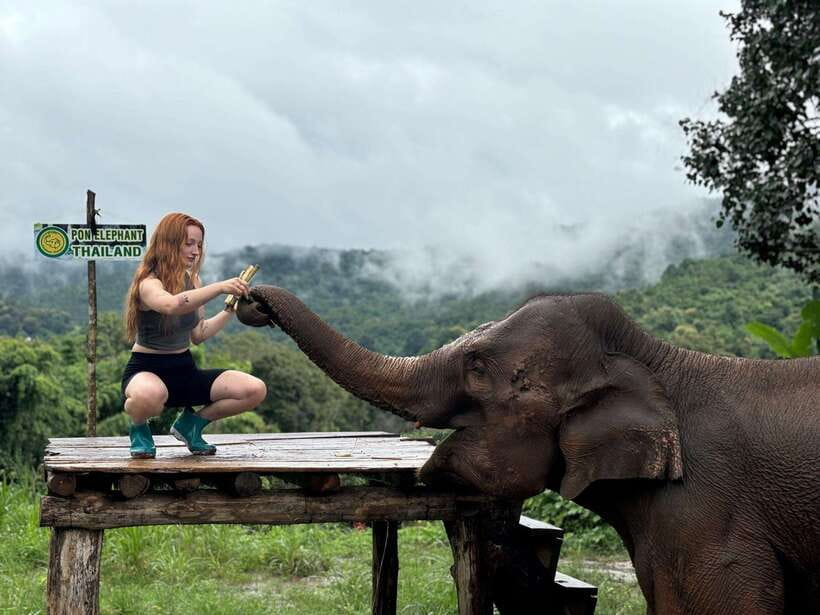
Between elephant time and river time, the itinerary includes Mae Wang Waterfalls. You’ll head to the falls where you can relax and take a dip. When water levels and conditions are safe, swimming is part of the fun.
In heavy rain, safety comes first. The waterfall section and the bamboo rafting portion can be cancelled, and the company may swap in an indoor cooking class focused on Khao Soi. That’s a meaningful backup plan, not just a random alternative.
What I like about including waterfalls in a full-day elephant outing is simple: it breaks up the heat and gives your body a chance to reset. It’s also a good reminder that this is a jungle region, not just a sanctuary building. You’re spending your day in the broader natural setting where elephants share space with people and water sources.
If you’re hoping for cliff-jumping or dramatic stunts, don’t count on that. The focus here is cooling off and enjoying the water at a reasonable, safe level.
Bamboo rafting on the Mae Wang River for a softer finish
By late in the day, you’ll get on a bamboo rafting trip along the Mae Wang River. This part plays the role of recovery and scenery: you’ve done walking and bathing with elephants, then you shift to floating and watching the river move through the jungle.
Many people describe rafting as peaceful after the earlier intensity. The ride is also refreshing, especially when Chiang Mai is hot. Some participants even mention that the rafting includes fun light rapids, which is just enough excitement without turning the day into a chaotic ride.
You may also find it helpful that waterproof gear is available for purchase just before rafting. If you care about your phone, wallet, or camera, plan ahead. It’s the kind of small decision that saves stress later.
One practical tip that comes up often: bring shoes or water-ready footwear and expect wet conditions. Some people also suggest a change of clothes for the ride back, since you might end up damp from the falls and water-based elephant activity.
The bamboo raft finish gives the day a clean ending. You’ve been with elephants close-up and then you’re back to the river’s rhythm, which feels like a natural exhale.


Price and value: what this $60 day actually delivers
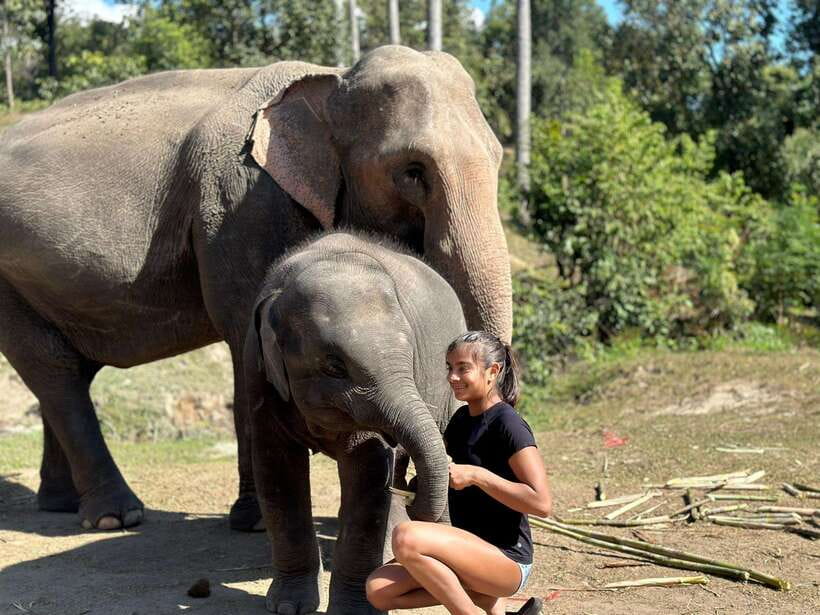
At $60 per person for a 9-hour experience, the value is strongest if your priority is a full, well-paced day rather than a quick “drive by elephants” stop. This isn’t only an elephant visit. You get a full day with multiple nature activities: elephant foraging and bathing, waterfall time, and bamboo rafting, plus lunch.
A lot of the value is in what’s included:
- Guide for the full experience
- Lunch
- Fruits and drinking water
- Optional hotel pickup and drop-off (if you select it)
Lunch details matter. Vegetarian meals have been mentioned as possible when you tell your guide ahead of time, with options like pad thai, massaman curry, and mixed vegetable with rice, plus watermelon. That doesn’t mean every day is identical, but it’s a good sign for flexibility.
Also worth noting: transport quality gets high scoring, which affects the day more than people think. Long drives in the wrong vehicle can make you cranky by hour two. Here, the transport ratings are strong.
The main item not included is a towel, so consider that part of your “value reality.” If you show up without one, you’ll have to figure out a workaround in town or use whatever you’ve got in your bag—something you’ll probably regret after you’ve been in water.
What to pack: wet elephants, waterfall time, and jungle walks
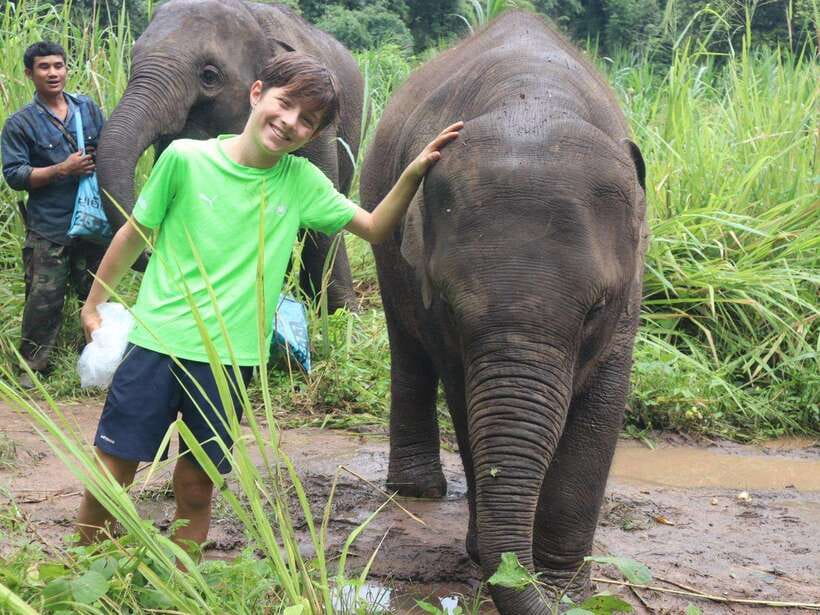
I’d pack this tour like a small jungle field day. The goal is to stay comfortable, avoid slipping, and keep your stuff from turning into a wet mess.
Bring:
- Water shoes or sturdy sandals with grip (you’ll be in and around river areas)
- Sunscreen and bug spray
- A change of clothes for later in the day
- A dry bag or waterproof pouch for your phone
- If you’re sensitive to cold water, consider swimwear you’re okay leaving damp
In-water readiness is the theme. Elephant bathing and waterfall time mean you’ll likely get wet even if you choose not to go fully in. A towel would also help, since it’s not included.
Small but useful expectation-setting: there are toilet options at stops, and the day includes multiple activity nodes. Still, don’t plan on long restroom breaks. This is a guided, timed experience, so go when you get the chance.
If you hate carrying items, travel light. You’ll appreciate fewer things to keep track of when you’re walking with elephants and managing water time.
Who this Chiang Mai tour suits best
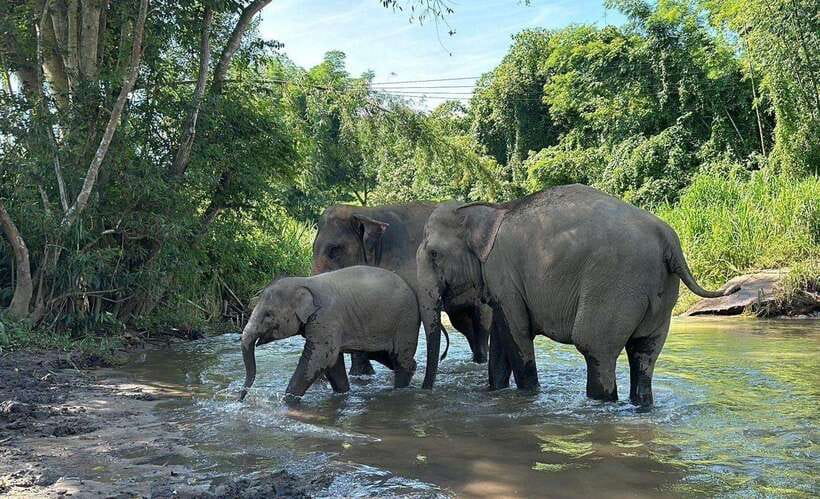
This is a great match if you want:
- A full-day experience with a mix of animals and nature
- Close time with elephants in an ethical setting focused on the elephants’ well-being
- A guide-led approach that helps you understand what you’re seeing
It’s also a strong option for people who like structure. The day has clear segments: pickup and drive, briefing, elephant time, waterfall cooling, then rafting. Even if your group includes different interests, you’ll likely find something to enjoy.
If you’re traveling with kids, this kind of day can be a huge hit. In the feedback, families often mention the elephants and water experiences as standout moments.
On the flip side, it may not be ideal if you dislike getting wet, hate walking in uneven jungle terrain, or are strongly concerned about weather changes. Heavy rain can flip the plan, and you might end up with Khao Soi cooking class instead of waterfall and rafting.
Should you book this elephant sanctuary, waterfall, and bamboo rafting day trip?
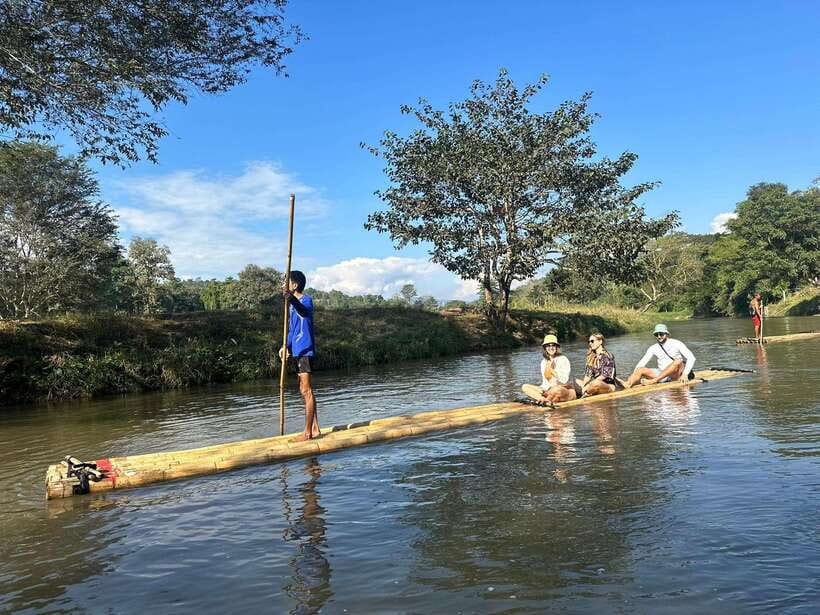
Book it if your ideal Chiang Mai day looks like a mix of ethical elephant time and real nature breaks—waterfalls, rivers, and a relaxing finish. At $60, the value comes from packing several major experiences into one organized 9-hour day with guide support, lunch, and included fruits and water.
Skip it or reconsider if:
- You absolutely need a dry itinerary
- You can’t handle the idea of weather-based swaps
- You’re expecting a short, low-effort outing
One last practical check: if you’re vegetarian or have dietary needs, tell your guide in advance when you can. The tour has shown flexibility for vegetarian lunch choices.
If you want a day that feels more grounded than a checklist, this combo is a solid bet.
FAQ
How long is the Chiang Mai Elephant Sanctuary, Waterfall & Bamboo Rafting tour?
The tour lasts about 9 hours.
What’s the price of the tour?
It costs $60 per person.
Is hotel pickup included?
Pickup is optional. If you choose it, you’ll be picked up from your accommodation in downtown Chiang Mai and dropped back off afterward.
Where do I meet if I’m not using pickup?
You’ll meet at the Pon Elephant Thailand Office in town. It’s listed as the meeting point, and you should arrive 10–15 minutes early.
Is lunch included?
Yes. Lunch is included in the tour.
Are fruits and drinking water included?
Yes. Fruits and drinking water are included.
Do I need to bring a towel?
A towel is not included, so you’ll want to plan to bring one or arrange an alternative.
What happens if there is heavy rain?
If there is heavy rain, the waterfall and bamboo activity may be cancelled for safety reasons. In that case, you’ll enjoy a Khao Soi cooking class instead.
Are the elephants forced to do activities?
No. All activities mentioned are based on elephants that are not forced to do activities.
Is the guide English-speaking?
Yes. The tour includes an English-speaking guide.
Is free cancellation available?
Yes. You can cancel up to 24 hours in advance for a full refund.