REVIEW · CHIANG MAI
Chiang Mai: Historic Old City Bike Tour – Morning or Night
Book on Viator →Operated by Discova Thailand · Bookable on Viator
Old City by bike beats traffic. This 4-hour ride ties together classic Chiang Mai sights, from Tha Phae Gate to major temples and a market stop, while you stay on mostly easy paths under your own power. You’ll be rolling with an English-speaking guide, with small groups like the ones guided by Kitty or Gun keeping the pace human.
I especially like the included snacks and drinks. They keep energy up during the temple-and-market stretches, and they make the tour feel more like a well-planned morning out than a rushed checklist. I also like that the route is designed to be flat and relaxed, with guides steering you through back lanes and quieter streets.
One thing to consider: the itinerary is structured around set stops, so if you’re hoping for extra time wandering neighborhoods or doing a long food crawl, the market break is about an hour and the rest of the time is temple-focused.
In This Review
- Key things to know before you pedal
- Entering Chiang Mai’s Old City the easy way
- Price and value: why $39 can feel fair here
- Bikes, safety, and the real pace you should expect
- Stop-by-stop: Tha Phae Gate to Wat Chedi Luang
- Stop 1: Discova Day Tour Shop Chiang Mai
- Stop 2: Tha Phae Gate
- Stop 3: Wat Chedi Luang Varavihara
- Wat Inthakhin and the Three Kings: where symbolism shows up
- Stop 4: Wat Inthakhin Sadue Muang (City Navel Temple)
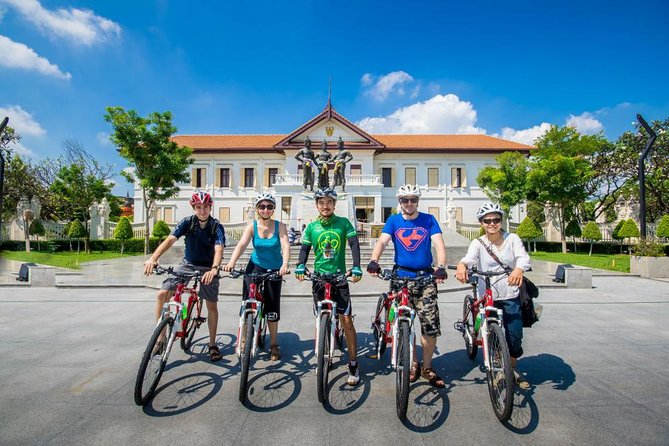
- Stop 5: Three Kings Monument
- Market break: morning fruit snacks or night street food
- Stop 6: Local market (about 1 hour)
- How the guide turns this ride into a story
- The end of the ride back at Discova
- Stop 7: Return to Discova Day Tour Shop Chiang Mai
- Small-group feel: what that means in narrow old-city streets
- When this tour might not be your best fit
- Should you book this Chiang Mai Old City bike tour?
- FAQ
- How long is the Chiang Mai Historic Old City Bike Tour?
- How far do we ride on the tour?
- Where does the tour start and end?
- Are helmets and bikes provided?
- Is an English-speaking guide included?
- What does the tour include for food and drinks?
- What temples and landmarks are on the route?
- Do you visit a morning market or a night market?
- Is the route suitable for first-time cyclists?
- What if I’m traveling with children?
- Is full cancellation available?
- Should you book this Chiang Mai Old City bike tour?
Key things to know before you pedal
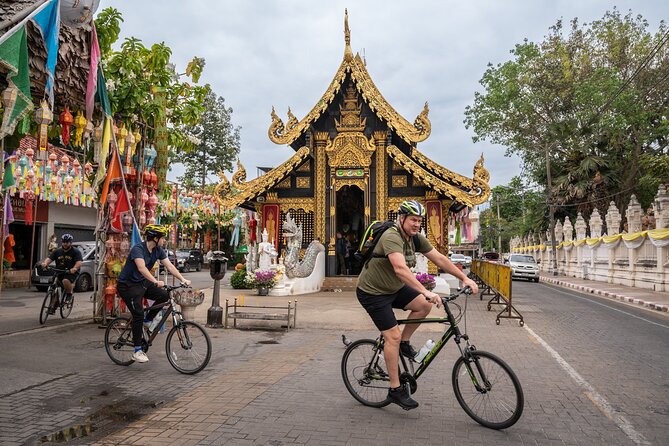
- Mostly flat, easy riding: you cover about 7.5 miles (12 km) at a relaxed pace, good for first-timers.
- Small groups up to 20: more room to ask questions and keep track of the group in narrow streets.
- Temple stops with real meaning: Wat Chedi Luang, the City Navel Temple (Wat Inthakhin), and the Three Kings Monument aren’t random stops.
- Market time is built in: morning market fruit snacks or night street food, with help from your guide.
- Guides that add context (and photos): guides like Tom and Kitty are known for sharing lots of history and even sending photo/video moments afterward.
Entering Chiang Mai’s Old City the easy way
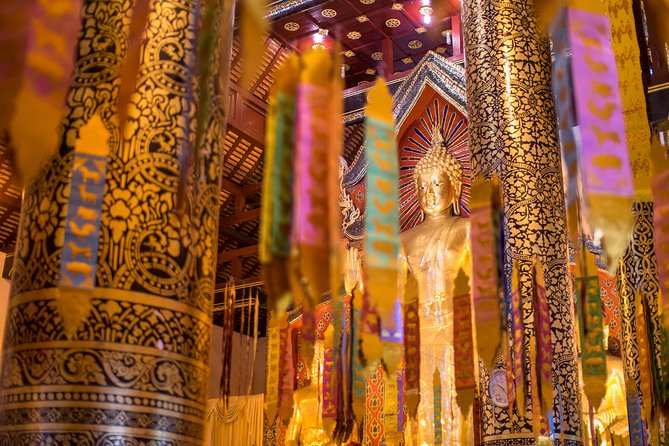
If Chiang Mai is your first stop in Thailand, this is a smart way to get your bearings fast—without burning your day on slow, heat-heavy walking. A bike tour works here because the Old City is tight. You can see a lot without spending all your time just getting from one place to the next.
The tour is built around a simple rhythm: ride through quieter lanes, pause at meaningful places, and then keep moving. That means you get both the big hits and the in-between scenes: temple grounds, old-city landmarks, and the food you’ll smell on the street.
It also helps that the ride is designed to feel manageable. Multiple guides (like James and Boy) are praised for keeping things safe and flowing, and people repeatedly note that the route stays fairly easy with lots of time to look around between stops.
You can also read our reviews of more cycling tours in Chiang Mai

Price and value: why $39 can feel fair here
At $39 per person for about four hours, the math works best when you actually use what’s included.
Here’s what the price covers that you’d otherwise pay for separately:
- Bike and helmet
- An English-speaking guide with route context, not just directions
- Light snacks and drinking water
- A temple donation allowance
- Taxes, fees, and handling
- Accidental insurance
So you’re not just paying to get a bike and follow a map. You’re paying for a guide to translate what you’re seeing—especially in places like Wat Chedi Luang and the City Navel Temple, where the details matter if you want the visit to stick.
The only add-ons people usually deal with are personal expenses and optional gratuities. If you prefer a trip where you can keep spending under control, this one is designed that way.
Bikes, safety, and the real pace you should expect
You’ll start at Discova Day Tour Shop Chiang Mai near Chang Puak Gate (north gate). The meeting point matters because it sets you up close to the Old City’s main entry points, so you aren’t wasting time riding out to the sights.
Once you’re geared up, the ride covers about 12 kilometers (roughly 7.5 miles). People specifically mention:
- The route is flat
- You mostly stay on quieter streets and back lanes
- Guides keep the group together and move at a pace that allows questions and photos
That pace is one reason this tour is often recommended for families and first-timers, including groups with teenagers. It’s active enough to feel like you did something, but gentle enough that your day doesn’t turn into a full-on workout.
Stop-by-stop: Tha Phae Gate to Wat Chedi Luang
Stop 1: Discova Day Tour Shop Chiang Mai
This is your reset moment. You meet the guide, get on your bike, and usually have time to feel comfortable before you roll into the Old City streets.
You can also read our reviews of more city tours in Chiang Mai

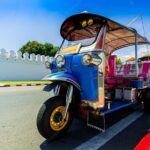
Stop 2: Tha Phae Gate
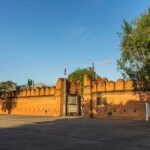
Tha Phae Gate is where your tour clicks into focus. It’s described as once the main trading entrance to Chiang Mai, so this isn’t just a photo stop. It helps you understand how movement through the city shaped daily life long before today’s traffic and tour groups.
You’ll cycle directly toward the Old City from here, which also sets your mental map early. You start to recognize the layout and the feel of the area.
Stop 3: Wat Chedi Luang Varavihara
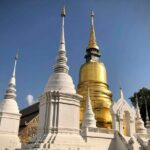
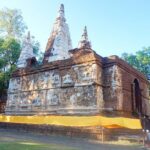
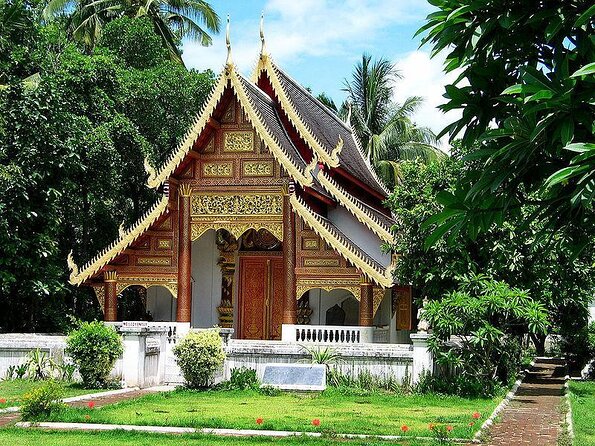
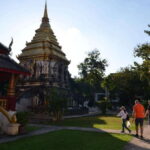
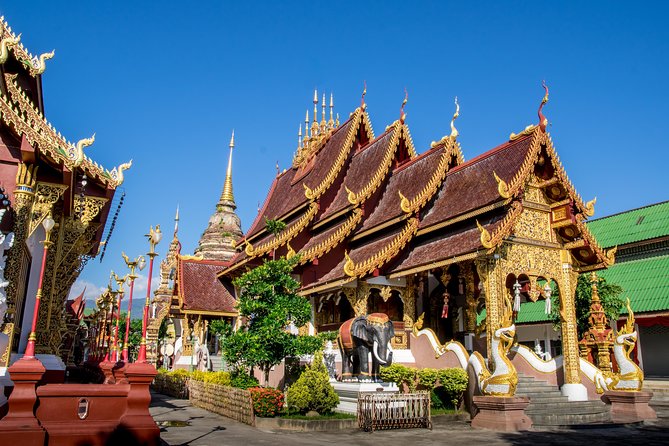
Wat Chedi Luang is one of the biggest temple stops on the route. The key features are the massive ruined chedi and the ancient City Pillar. When you’re told what to look for, it changes the whole visit from I saw a temple to I understand why this place mattered.
A practical note: temple visits usually come with a mix of walking and standing. This is where your snacks earlier in the day pay off.
Some guides also encourage simple temple activities offered at the site. It’s optional, but it can add a hands-on layer if you’re interested.
Wat Inthakhin and the Three Kings: where symbolism shows up
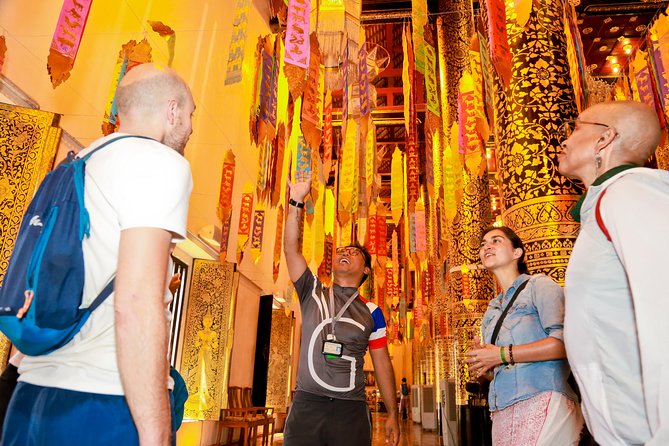
Stop 4: Wat Inthakhin Sadue Muang (City Navel Temple)
This stop centers on a symbolic idea: Wat Inthakhin marks the spiritual center of the ancient kingdom. That’s the kind of detail you’d miss if you simply arrived on your own and snapped photos.
Even if you’re not a Buddhism deep-dive person, your guide’s explanations help you connect the dots between what you see and what it’s meant to represent.
Stop 5: Three Kings Monument
From the temple square to the Three Kings Monument, you’re shifting from religious symbolism to civic mythology—still tied to how Chiang Mai frames its identity. It’s a short stop, but it gives the tour balance. You’re not only in temple spaces; you’re also seeing a landmark that people use to tell stories about origins and lineage.
If you like learning how cities narrate themselves through monuments, this part of the ride is a strong payoff.
Market break: morning fruit snacks or night street food
Stop 6: Local market (about 1 hour)
This is the stop that changes the flavor of your day. Depending on whether you do the morning or night departure, you’ll visit either:
- a fresh morning market with produce, or
- a night market with street food
Your guide helps you try a few simple snacks, which is ideal if you don’t want to gamble on unfamiliar items. People mention fruit smoothies and fresh fruit as highlights, and there’s also a strong theme of trying things you wouldn’t choose on your own.
Here’s the practical trade-off: one hour is great for tasting and photos, but it’s not long enough to fully browse and shop like you would on a standalone market excursion. If shopping is a priority, plan to come back later or pair this with a longer market visit on another day.
How the guide turns this ride into a story
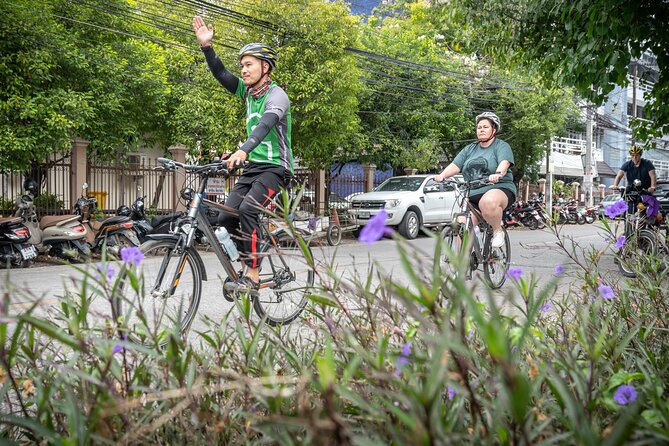
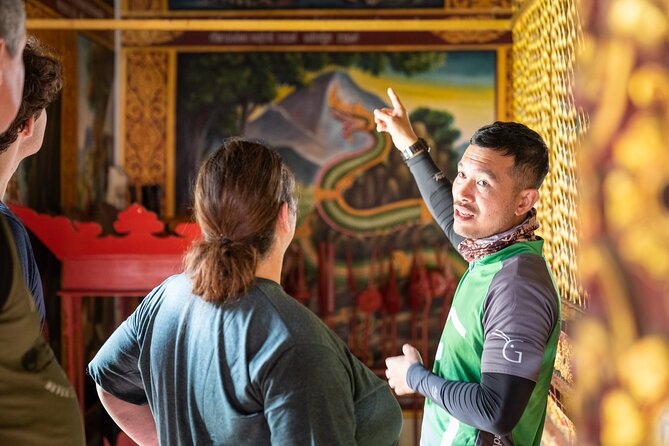
This tour lives or dies by the guide. The best moments tend to be the ones where the guide helps you interpret what’s in front of you.
Names that show up again and again in the experience include Kitty, Tom, Farm, Mr. T, Gun, James (sometimes nicknamed 007), Boy, Amy, Nene, and Aei. While the tour covers the same main sights, each guide brings their own style—more humor, more explanation, more pacing control, or more photo sharing.
One thing I like from the feedback patterns: guides don’t just talk at you while you sit still. They help you participate. In temples, that can mean simple activities offered on-site. On the bike itself, it means you stop in ways that let you look around rather than forcing you to sprint through each place.
There’s also a nice touch mentioned by multiple people: guides taking lots of photos or videos and then sharing them after the tour. It turns your memory into something you can actually use, not just blurry shots.
The end of the ride back at Discova
Stop 7: Return to Discova Day Tour Shop Chiang Mai
You end back at the meeting point. The ride overall is described as around 12–14 km at a relaxed pace, depending on the exact path and how your group flows.
This ending is convenient because it lets you immediately head to lunch, massage, or another Old City plan without figuring out transport on sore legs.
Small-group feel: what that means in narrow old-city streets
With a maximum of 20 people, this tour avoids the biggest bike-tour headache: getting separated in tight lanes. You’ll still share space with the city, but the group stays manageable.
People also mention that the ride often stays on quieter streets to reduce close encounters with bigger traffic. That matters in Chiang Mai because the Old City streets can feel crowded at certain times of day, and a calmer route keeps the tour enjoyable.
If you’re traveling with kids or teens, the format is often described as a good balance of safety and fun—active enough to keep attention, structured enough to avoid chaos.
When this tour might not be your best fit
This is still a set-route, stop-and-go tour. That’s a strength for many people, but it can be a mismatch if you want:
- a longer market experience,
- more time wandering neighborhoods without stopping,
- or a tour that feels fully customized to your interests.
There’s also one practical reality with temple visits: some sites may have rules about who can enter certain areas, and not every stop is guaranteed to be identical for every group. If temple access is a big deal for you, it’s worth asking your guide on the day what’s possible before you get your heart set on one specific interior.
Finally, group flow matters. If you’re sensitive to waiting around, pick a day when you can be flexible. Most departures run smoothly, but a missed turn can happen when groups are larger.
Should you book this Chiang Mai Old City bike tour?
Yes, if you’re the kind of traveler who wants your first Chiang Mai day to make sense. This tour is one of the better “starter” options because it combines easy cycling, major Old City sights, and a market stop with guide help.
Book it if:
- you want a guided intro to Tha Phae Gate, Wat Chedi Luang, Wat Inthakhin, and the Three Kings Monument
- you’d rather ride than walk in the heat
- you like having snacks and water included
- you want small-group structure with time to ask questions
Skip or adjust expectations if:
- you want a food-focused market crawl with lots of shopping time
- you want a long, flexible neighborhood wander
- you want a fully private, tailor-made route
If you do book, do this: bring a little patience for temple entry rules, and plan to revisit markets later if you fall in love with them.
FAQ
How long is the Chiang Mai Historic Old City Bike Tour?
It runs about 4 hours.
How far do we ride on the tour?
The ride is around 7.5 miles (12 km) at a relaxed pace, with some descriptions saying the overall distance is about 12–14 km.
Where does the tour start and end?
It starts at Discova Day Tour Shop Chiang Mai (10/3 Wiang Kaew Rd, near Chang Puak Gate) and ends back at the meeting point.
Are helmets and bikes provided?
Yes. The tour includes a quality mountain bike and a safety helmet.
Is an English-speaking guide included?
Yes. You’ll have an English-speaking guide throughout the ride.
What does the tour include for food and drinks?
You get drinking water and light snacks, plus a market stop where your guide helps you try a few simple snacks.
What temples and landmarks are on the route?
Key stops include Tha Phae Gate, Wat Chedi Luang Varavihara, Wat Inthakhin Sadue Muang (City Navel Temple), and the Three Kings Monument.
Do you visit a morning market or a night market?
That depends on your departure time. Morning departures focus on a fresh morning market, while night departures focus on a night market with street food.
Is the route suitable for first-time cyclists?
The ride is described as easy, with a flat route and a relaxed pace, so it’s often a good fit for beginners.
What if I’m traveling with children?
Children must be accompanied by an adult. Child seats are available upon request, and they can accommodate a kid’s weight up to 14 kg.
Is full cancellation available?
Yes. Free cancellation is available up to 24 hours in advance for a full refund.
Should you book this Chiang Mai Old City bike tour?
If you want a smart, structured introduction that mixes riding with meaningful temple stops and a market tasting, this is a strong choice. The best fit is your first day in Chiang Mai, especially if you want to stay comfortable while still seeing real Old City corners up close.