REVIEW · CHIANG MAI
Chiang Mai: Hmong Village, Doi Suthep and Wat Pha Lat Trek
Book on GetYourGuide →Operated by Chiang Mai Everywhere · Bookable on GetYourGuide
Forest footsteps in Chiang Mai start today. This trip is interesting because it strings together three very different experiences in one day: a Monk’s Trail hike, a quiet Wat Pa Lat temple pause, and big-name Doi Suthep views. I especially like the calm, off-the-main-road feel at Wat Pa Lat and the panorama you get from Doi Suthep. One consideration: this is still trekking with uneven outdoor paths, so it may not suit low fitness, mobility issues, or heart problems.
The small group format helps a lot. I like that you’re limited to 9 people, and in one case it even ran with just two guests, which made it feel more personal. The guide stays friendly and accommodating, but the pace still follows the day’s route, so don’t plan for a super lazy day.
In This Review
- Key highlights you’ll feel right away
- Getting from your hotel to the trails (and why it matters)
- Monk’s Trail and Wat Pa Lat: the calm start you’ll appreciate later
- Wat Pa Lat to Doi Suthep: shifting gears from quiet to iconic
- The Doi Suthep temple visit: golden chedi relics and views over Chiang Mai
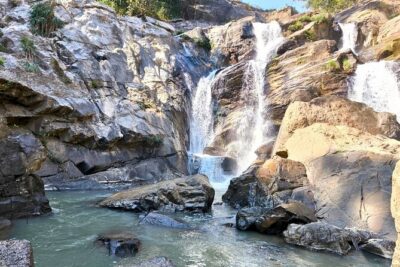
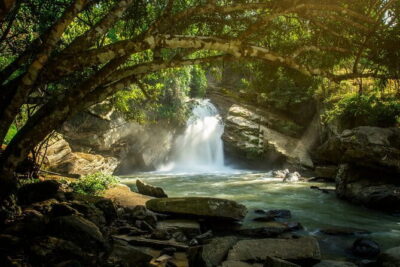
- Doi Suthep-Pui National Park: a nature pause between major stops
- Hmong hill tribe village above the clouds: culture, handicrafts, and coffee
- Who this trek tour fits best (and who should skip it)
- Price and value: why $57 can actually feel fair
- What to bring so the day stays comfortable
- Pace, group size, and the reality of “active” sightseeing
- Should you book Chiang Mai: Hmong Village, Doi Suthep and Wat Pa Lat Trek?
- FAQ
- How long is the Chiang Mai trek tour?
- Where does hotel pickup happen?
- Is the guide English-speaking?
- How big is the group?
- Does the tour include entrance fees?
- Are meals included?
- How much hiking is involved?
- Is this tour suitable for mobility impairments or heart problems?
- What should I bring for the hike and outdoor stops?
- Can I get a refund if my plans change?
Key highlights you’ll feel right away
- Monk’s Trail walking on a forest path used for pilgrimage
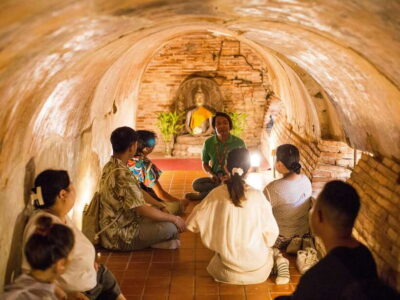
- Wat Pa Lat a peaceful Lanna-era temple for resting and meditation
- Doi Suthep golden chedi and panoramic views over Chiang Mai
- Doi Suthep-Pui National Park a nature-focused interlude
- Hmong hill tribe village culture, handicrafts, walking, and coffee
Getting from your hotel to the trails (and why it matters)
Pickup is part of the deal, and that’s a big part of the value here. You’ll be collected from Chiang Mai City, typically Old Town and Nimman, and you should be ready about 10 minutes before the scheduled time in the lobby.
Once you’re in the car, you can relax into the day. The route is designed to move efficiently between a forest trek, temple stops, and a hill-tribe visit, so you’re not spending your day juggling tuk-tuks or figuring out confusing connections.
The day runs about 7 hours total. It also stays organized for a small group, with an English/Thai guide and a car transfer that matches the pacing of the hiking segments.
You can also read our reviews of more hiking tours in Chiang Mai

Monk’s Trail and Wat Pa Lat: the calm start you’ll appreciate later
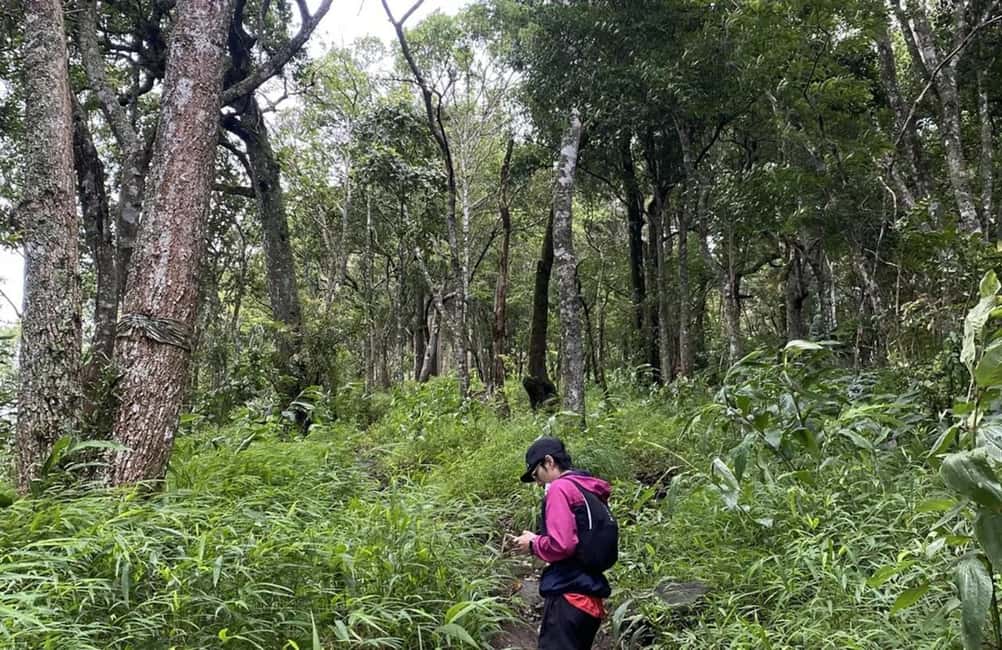
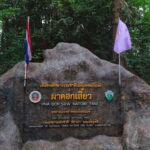
You begin with a drive to the trailhead and then step onto the Monk’s Trail, a serene forest path monks once used for a pilgrimage route toward the temple area. Even today, monks and local people walk it as part of that same devotional routine.
I love how this section sets the tone. The sounds of nature and the greenery give you a reset before you hit the more famous temples. It’s also one of the few parts of Chiang Mai sightseeing where the focus is really walking and quiet.
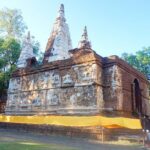
After that, you reach Wat Pa Lat, described as a peaceful temple built around the 14th century during the Lanna Kingdom. The temple is tied to the idea of monks resting and meditating while traveling toward Doi Suthep, so it doesn’t feel like a quick photo stop.
Practical note: the hiking time can feel different day to day. One review mentioned that their hiking felt closer to about an hour, even though the tour includes a longer trekking total overall. So I’d plan for a couple of active hours across the day, but also know the guide may adjust pace for the group.
Wat Pa Lat to Doi Suthep: shifting gears from quiet to iconic
Once Wat Pa Lat is done, you continue to Wat Phra That Doi Suthep by car. This switch matters because it changes the atmosphere completely: from a tucked-away temple stop to Chiang Mai’s most iconic viewpoint temple.
At Doi Suthep, the day doesn’t just become a single viewpoint moment. You’ll get a hiking portion around the Doi Suthep area, then time to visit the temple grounds and chedi.
This sequence is smart for pacing. You’re not rushing straight into crowds or lining up immediately; you’re building your energy with walking first, and then you can slow down for temple time and views.
If you’re someone who enjoys temple architecture but also wants nature time, this structure hits that sweet spot without turning the day into pure hiking.
The Doi Suthep temple visit: golden chedi relics and views over Chiang Mai
Doi Suthep is the headline, and you feel that fast. The key temple feature is the golden chedi, which houses sacred relics of the Buddha. Even if you’re not a religion-history expert, it gives the place a seriousness you can feel once you’re inside the temple grounds.
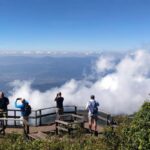
Then comes the best part for most people: the panoramic view over Chiang Mai. You get that city-in-the-distance perspective that makes Doi Suthep famous in the first place, and it’s the kind of sight that’s hard to recreate anywhere else in town.
You also spend a focused block of time at the temple—short enough to keep the day moving, long enough to look around and take in the atmosphere. I like how it balances structure with breathing room.
Note for your expectations: the day includes both hiking and temple visiting, so you’ll want to keep your energy realistic. Wear your most comfortable footwear and be ready for uneven ground, since temples in hilly areas rarely equal flat sidewalks.
Doi Suthep-Pui National Park: a nature pause between major stops
After Doi Suthep time, you have a visit in Doi Suthep-Pui National Park for about an hour. This is the break in the middle where the scenery shifts again and you get away from the temple focus.
I appreciate this kind of interlude because it prevents the day from turning into only “temple, drive, temple, photo.” You’re given time for outdoor walking and atmosphere, without needing to plan extra activities around the same theme.
Because the details of where you walk inside the park aren’t specified, I won’t guess at exact trails or landmarks. What you can count on is an hour in the national park area as part of the guided route.
This is also where your daypack and bug repellent earn their keep. Even if the weather is pleasant, forest and hillside zones tend to make insects part of the experience.





Hmong hill tribe village above the clouds: culture, handicrafts, and coffee
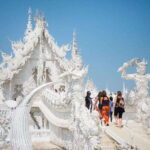
After temple and park time, you head to a traditional Hmong hill tribe village situated above the clouds. This isn’t just a look-from-the-outside stop. You’ll get break time, a photo stop, and time for a visit with free time to walk around.
You learn about the Hmong as an ethnic minority originally from the highlands of southern China, Laos, Vietnam, and Myanmar. That context helps you connect the present-day village lifestyle to broader regional roots, rather than treating it like a standalone curiosity.
One of the practical highlights is that you’ll have time to see handicrafts and learn about daily cultural life. The visit also includes coffee at the village, which is a nice way to make the experience feel human-scale and not purely observational.
You’ll also have another walking/hiking segment here, about 1.5 hours in the overall schedule. So even though this part might feel more like “culture time,” it still counts as part of the physical day.
Who this trek tour fits best (and who should skip it)
This tour is best for people who want a full day of Chiang Mai variety and don’t mind moving between sites on foot. You’ll enjoy it if you like temple visits but also want a real hike component and a cultural stop that includes interaction time and coffee.
It’s not suitable for people with mobility impairments or heart problems, and it’s also not a good match for low fitness. That’s not just legal language. The day includes trekking and hiking on outdoor paths in forest and hillside terrain.
If you fall somewhere in the middle—okay with walking but not comfortable with intense climbs—choose it only if you feel steady on uneven ground and can keep a moderate pace for several hours.
The small group size helps here too. With a maximum of 9 participants, your guide can manage pacing better than large bus tours.
Price and value: why $57 can actually feel fair
At about $57 per person for a 7-hour guided trip, the value comes from the combination. You’re not just paying for a guide. You’re also paying for hotel pickup and drop-off, entrance fees, a car, and multiple guided stops that would be hard to stitch together cheaply on your own.
Entrance fees matter in this price level. Temple and national park admission can add up, and having them handled saves you time and decision fatigue.
I also like that the group is small (up to 9). When you pay for guided transport between dispersed sites—trailhead, temples, park area, and a hill tribe village—the small group format keeps the day from feeling like a cattle line.
Meals aren’t included, so you’ll want to budget for lunch or snacks on your own. That’s the trade-off: you’re paying for the full route, not a full meal plan.
What to bring so the day stays comfortable
This tour leans outdoors, so your packing affects comfort more than you might expect. Bring sunglasses and a hat, plus insect repellent and weather-appropriate clothing.
Wear hiking shoes. If you show up in sandals or slippery shoes, you’ll feel it on the temple and trail surfaces.
Bring a daypack. You’ll likely want space for essentials like a water bottle and your own snacks, since other meals aren’t included.
If you’re trying to travel light, prioritize comfort over style. The best-looking outfit usually loses to the outfit that lets you walk steadily.
Pace, group size, and the reality of “active” sightseeing
The schedule is built around a hike-heavy day. Even though one review noted their walking felt closer to about an hour, the tour includes 2+ hours of hiking overall, and there are hiking segments scheduled across both the temple area and the village portion.
This is why I think you should treat it as an active sightseeing day, not a casual stroll. You’ll still have time to look around and enjoy stops, but you’ll also be walking more than you would on a purely cultural day tour.
A small group also changes the feel. If you end up with only a couple of people, it can feel relaxed and custom. If it’s closer to the 9-person limit, you’ll still be in good shape, but you’ll want to accept that some parts may feel busy due to the popularity of Doi Suthep.
Your guide is part of the balancing act. One review specifically praised a friendly, reserved guide who still listened to the guests’ wishes. That’s the kind of behavior that makes the day feel smoother rather than rushed.
Should you book Chiang Mai: Hmong Village, Doi Suthep and Wat Pa Lat Trek?
Book it if you want one day to cover forest trekking, a quiet Lanna temple, the classic Doi Suthep viewpoint, and a Hmong village visit with handicrafts and coffee. The price feels reasonable for what’s included—pickup, transport, a real guide, entrance fees, and multiple stops in one route.
Skip it if you know hiking won’t work for you, or if you have mobility or heart concerns. This isn’t a sit-and-ride program; it’s a walking-focused day with temple time.
If you’re flexible and want authentic variety without planning three separate excursions, this is a strong fit.
FAQ
How long is the Chiang Mai trek tour?
The duration is 7 hours.
Where does hotel pickup happen?
Pickup is available from Chiang Mai City accommodations, including Old Town and Nimman. You should be ready in the lobby about 10 minutes before pickup.
Is the guide English-speaking?
Yes. The tour includes an English and Thai live guide.
How big is the group?
It’s a small group limited to 9 participants.
Does the tour include entrance fees?
Yes, entrance fees are included.
Are meals included?
No. Personal expenses and other meals are not included.
How much hiking is involved?
The tour includes 2+ hours of hiking and includes trekking segments during the day.
Is this tour suitable for mobility impairments or heart problems?
No. It is not suitable for people with mobility impairments or people with heart problems.
What should I bring for the hike and outdoor stops?
Bring sunglasses, a hat, hiking shoes, insect repellent, weather-appropriate clothing, outdoor clothing, and a daypack.
Can I get a refund if my plans change?
Free cancellation is available up to 24 hours in advance for a full refund.