REVIEW · CHIANG MAI
Chiang Mai: Chiang Rai Temples, Karen Tribe and Hot Springs
Book on GetYourGuide →Operated by MONKEY TRAVEL ASIA by Ask Discovery · Bookable on GetYourGuide
Three temples and two surprises in one day. I love the calm start at Mae Kachan Hot Springs and I also can’t get over the detail work at Wat Rong Khun (White Temple). You’ll still want to go in with eyes open: it’s a long, hot day on the road, so you need comfy shoes and a patient attitude.
This tour runs with an official guide (English only) and an audio guide you can use via QR in many languages, as long as you bring your own earphones. That combo is a big help if you want stories for the art, not just drop-offs and photos.
The day works best if you’re chasing variety in one shot—Thai and Lanna temple design, plus modern art and hill-tribe culture. If you have mobility limits, you should skip it because there’s climbing involved at the temples and you won’t get the pace you’d need.
In This Review
- Key highlights worth planning around
- Chiang Rai Temples Look Like Art Museums (In the Best Way)
- Mae Kachan Hot Springs: Your First Reset (No Swimming, Still Worth It)
- Karen Long-Neck Mae Kachan Village: Culture, Craft, and a Moment to Be Thoughtful
- Wat Rong Khun (White Temple): Pure White, Sharp Details, and Surprising Imagery
- Wat Rong Suea Ten (Blue Temple): Gold Accents, Dragon Guardians, and a Calm Center
- Huay Pla Kang Temple: Nine Tiers, Guan Yin Views, and Stairs You’ll Feel Later
- The Real Chiang Rai Day: Timing, Heat, Traffic, and Keeping Your Energy
- Price and Value: What the $35 Covers (and What Costs Extra)
- What’s Included With the Guide: Stories, Photos, and Audio Support
- Who Should Book This Tour (and Who Might Want a Different Plan)
- Should You Book This Tour?
- FAQ
- Where is the meeting point for the tour?
- How long is the day trip?
- Is swimming allowed at Mae Kachan Hot Springs?
- Is lunch included?
- Do I need to pay extra for the long-neck village?
- Does the guide speak languages other than English?
- What should I bring for the temples and weather?
Key highlights worth planning around
- Mae Kachan Hot Springs: Rest time first, but no swimming is allowed
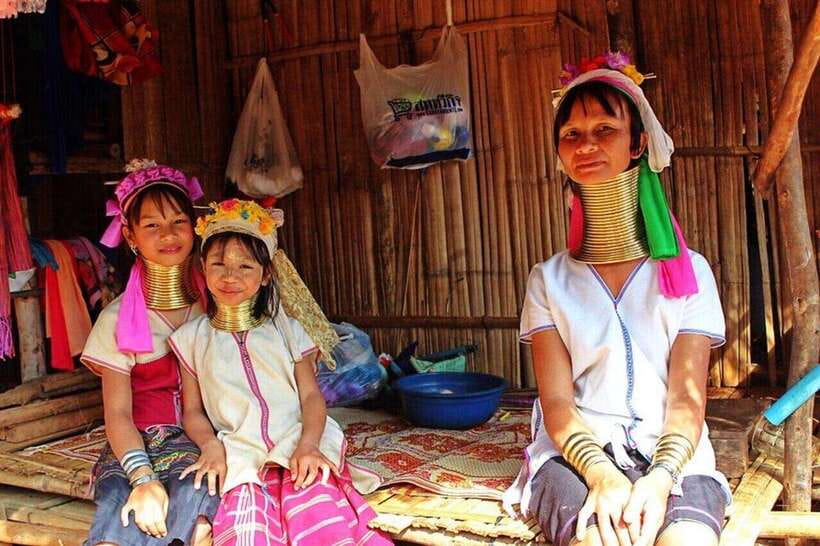
- Karen long-neck Mae Kachan village: Brass-ring tradition and craft shopping, plus a 300 thb entry fee
- Wat Rong Khun: All-white Buddhist architecture with glass-like details and unexpected imagery
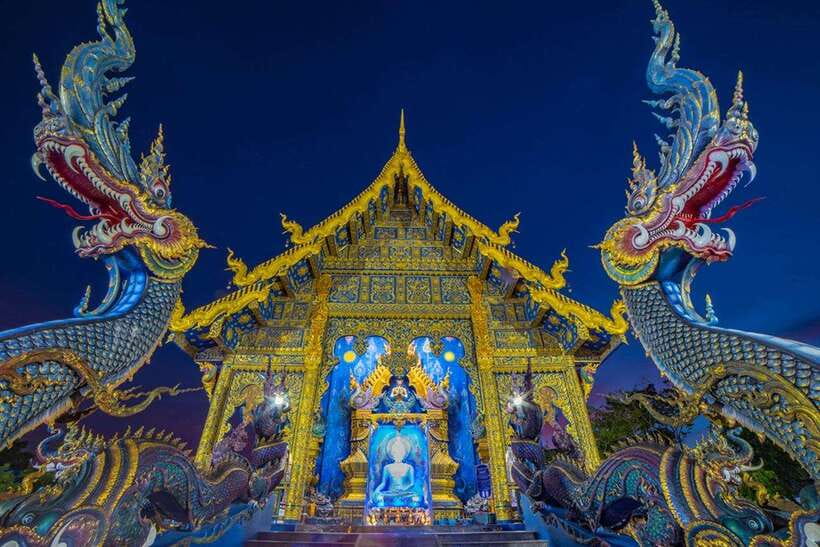
- Wat Rong Suea Ten (Blue Temple): Deep blue interiors, gold accents, dragon statues at the entrance
- Huay Pla Kang Temple: Nine-tier pagoda and a large Guan Yin statue, with views from higher levels
- Long drive reality: Traffic and travel time mean you’ll feel the day more than you would in Chiang Mai
Chiang Rai Temples Look Like Art Museums (In the Best Way)
Chiang Rai’s temple scene doesn’t feel stuck in the past. On this day trip, you get three very different temple styles that still connect through Buddhist symbolism and northern Thai religious life.
Wat Rong Khun (White Temple) leans toward a modern message through classic design. Wat Rong Suea Ten (Blue Temple) goes for color, gold details, and theatrical guardians. Huay Pla Kang turns the whole visit into an upward journey toward a nine-tier structure and big statue views. If you like when a temple feels like more than a building—something you can read with your eyes—this is the right route.
You can also read our reviews of more tours and experiences in Chiang Mai
Mae Kachan Hot Springs: Your First Reset (No Swimming, Still Worth It)
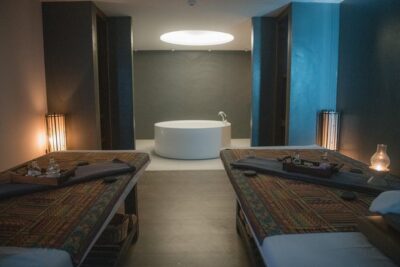
The day starts with a stop at Mae Kachan Hot Springs. Think of it as a short breather before the cultural and temple portion gets intense.
You can visit and take photos, and the setting is warm and natural, perfect for a quick unwind. The rule you should know up front: swimming isn’t allowed here. That’s not a deal-breaker, though. In practice, it’s more about resting, stretching your legs, and letting the day get going without immediately rushing into crowds and stairs.
If you’re the type who hates wasting time, this is a good one. It helps you arrive at the hill-tribe and temple stops with more energy than you’d have if you went straight from Chiang Mai into a full schedule.
Karen Long-Neck Mae Kachan Village: Culture, Craft, and a Moment to Be Thoughtful
Next up is the Mae Kachan hill-tribe village, known for the Karen long-neck tradition. You’ll see women wearing brass neck rings, a practice passed down through generations.
You’ll also get time for a guided visit and photo stops, plus plenty of craft browsing. These visits can be rewarding, but they can also hit emotionally. If the idea of cultural traditions being linked to outside attention makes you uneasy, give yourself room to process it respectfully, ask questions gently, and avoid treating it like a theme-park photo op.
One practical note: the long-neck village entrance fee is not included. Budget 300 thb extra if you want to enter the village portion.
For buying: craft prices can vary by item and seller. Keep it simple—pick one or two pieces you genuinely like, and consider buying directly from the makers you’re speaking with.
Wat Rong Khun (White Temple): Pure White, Sharp Details, and Surprising Imagery
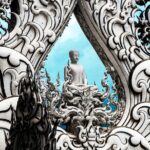
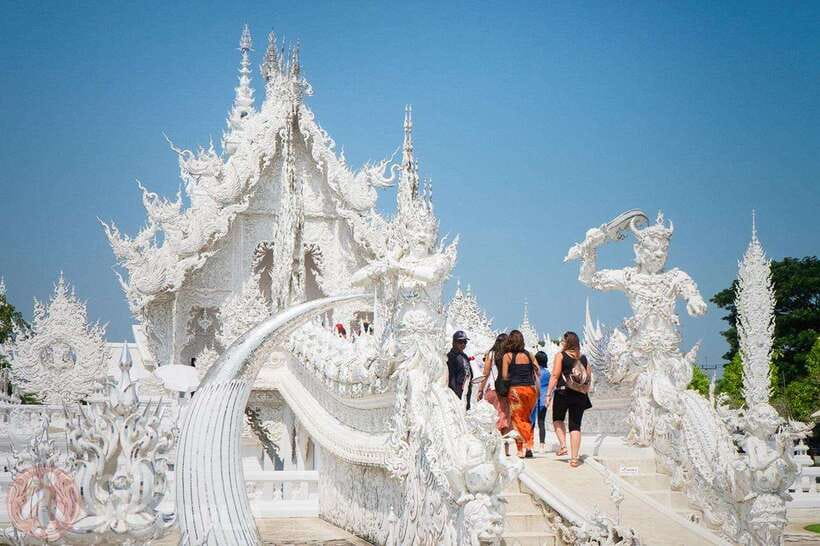
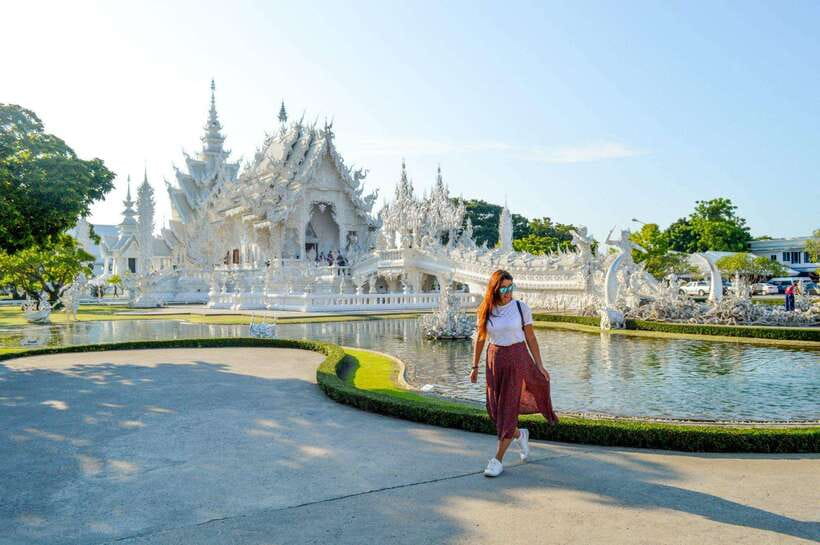
Wat Rong Khun is the headliner, and it’s easy to see why. The temple is famous for its all-white design, which symbolizes purity, and for the intricate glass-like details that reflect Buddhist wisdom.
What makes it memorable is the contrast. You’ll find classic religious art, but you’ll also spot modern, surprising imagery that makes the whole place feel like it’s talking to today—not just to the past. That modern touch is part of why this temple feels like a destination, not just a stop.
How to enjoy it: slow down at the detail zones. The white surfaces can look simple from far away, but up close you’ll notice the design work that gives the temple its personality. Bring patience for photos, because this is where people naturally slow up and start taking lots of pictures.
Wat Rong Suea Ten (Blue Temple): Gold Accents, Dragon Guardians, and a Calm Center
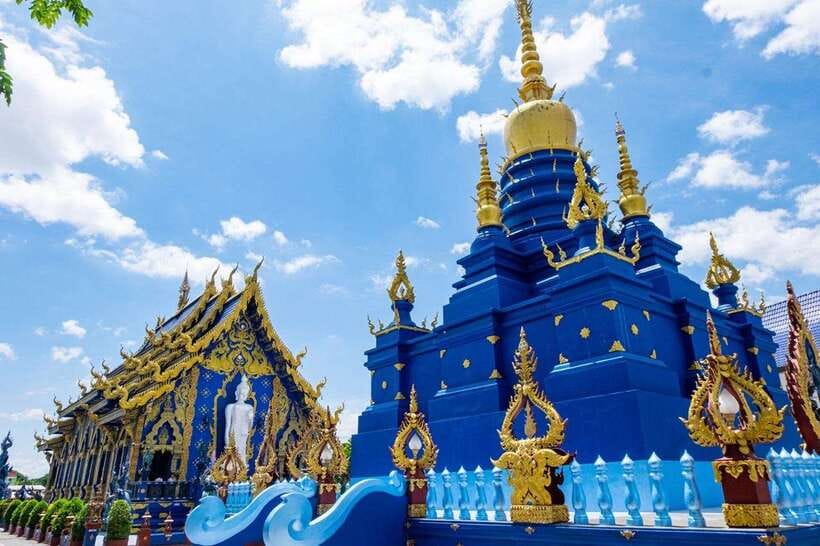
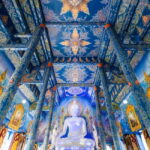
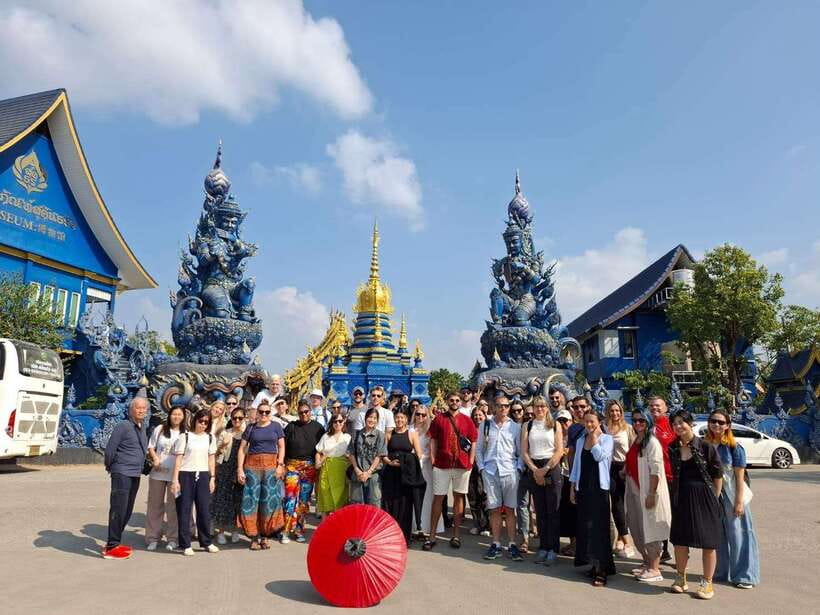
Then you’ll shift to Wat Rong Suea Ten, often called the Blue Temple. This one is instantly recognizable because of its deep blue interiors and gold details.
At the entrance, dragon statues guard the way in, and step inside and you’ll find a calm, bright Buddha statue at the center. The overall effect is striking: outside you get bold, protective imagery, and inside you get a more focused, quieter feeling.
A fun practical perk: you may have chances for snacks here. Some guides and visits include ice cream stops, and the blue coconut ice cream is often mentioned as a favorite.
If you care about atmosphere, treat this temple like a mental pause. Don’t rush to the next photo spot the second you enter.



Huay Pla Kang Temple: Nine Tiers, Guan Yin Views, and Stairs You’ll Feel Later
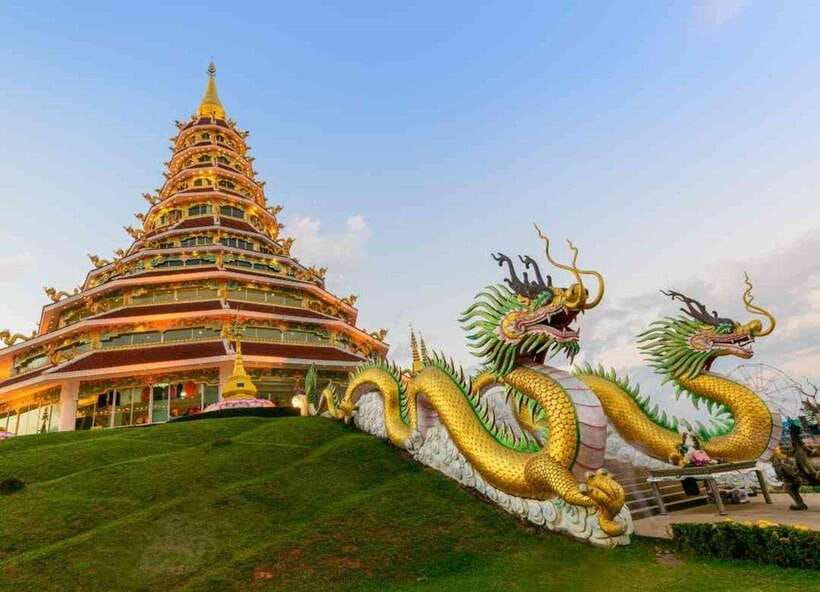
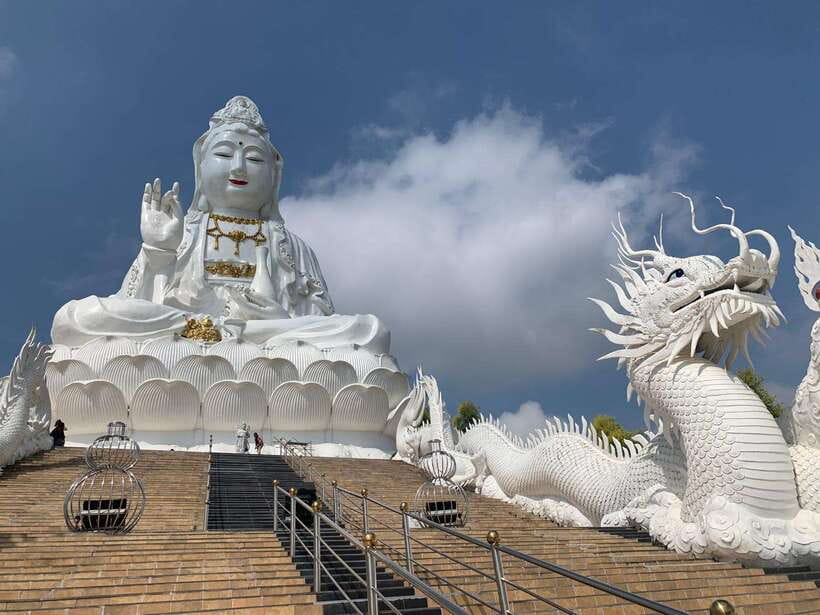
Your final big temple stop is Huay Pla Kang Temple, famous for a large Guan Yin statue (the Goddess of Mercy) and its nine-tier pagoda. This is the place where the experience turns physical.
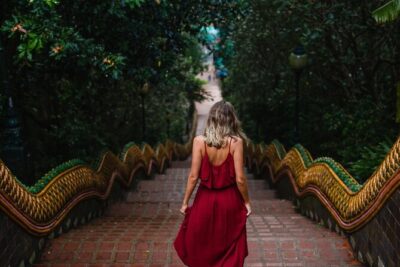
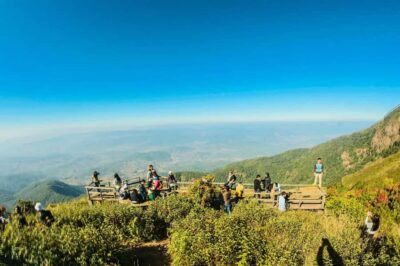
You’ll have time to explore the grounds and see carved statues and decorations. Then, if you want the best views, you’ll climb to the top levels. That climb is part of why Huay Pla Kang works so well: the higher you go, the more the temple structure starts reading like architecture, not just a sight.
Plan for crowds and timing at the end. It’s common for the last stop to feel tighter, especially if you’re trying to eat quickly or you’re moving slowly due to stairs. If you want a calmer pace, aim to spend your earlier temple time taking your time, so you’re not feeling rushed near the end.
The Real Chiang Rai Day: Timing, Heat, Traffic, and Keeping Your Energy
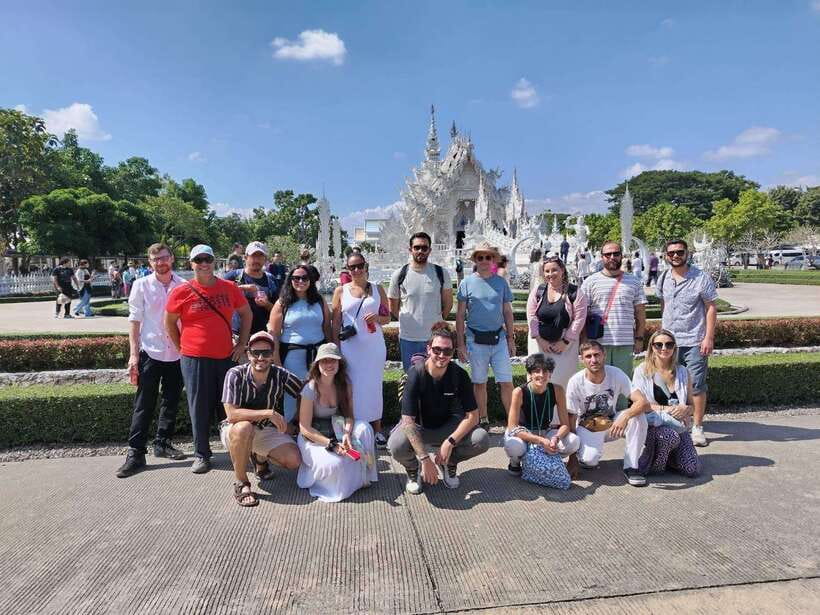
This tour is built for seeing a lot in one day. That means you’ll be on an air-conditioned coach for long stretches, with travel time adding up. It’s not unusual for roads to feel bumpy along the way, and traffic can be a factor—especially around Chiang Mai.
The meeting point matters. You meet the guide 15 minutes before departure time at Burger King Thapae in Hotel M Chiangmai. Don’t show up late. The tour won’t wait for late arrivals, and if you miss the departure you typically won’t be eligible for a refund or reschedule.
A few small moves can help you feel better during the long day:
- Wear comfortable shoes with good grip for temple stairs
- Use sun protection every chance you get (sunglasses, hat, sunscreen)
- Pack insect repellent if you tend to get bothered easily
- Carry something for quick snacks if you’re sensitive to long gaps (lunch is not included)
Also, it’s smart to have some flexibility about food. Lunch is included as a break in the day’s schedule, but you’re still responsible for it personally since lunch isn’t listed as included. Bring small bills if you plan to buy snacks or crafts, because you might find vendors don’t always have change.
Price and Value: What the $35 Covers (and What Costs Extra)
At around $35 per person, this day trip can feel like a bargain if you’re starting from Chiang Mai and want major temple access without arranging your own transportation.
Here’s the value breakdown:
- Round trip transport from Chiang Mai in an air-conditioned vehicle
- An official tour guide
- Entrance fees included for Wat Rong Khun (White Temple), Wat Rong Suea Ten (Blue Temple), and Huay Pla Kang
- Mandatory insurance
- Audio guide via QR in many languages
What you should expect to pay for yourself:
- Lunch (not included)
- Long-neck village entrance fee: 300 thb
- Earphones for the QR audio guide (you must bring your own)
The big picture: you’re paying mostly for transport plus guided access to the three temple stops that cost entrance fees. If that matches what you want to see, the price makes sense.
What’s Included With the Guide: Stories, Photos, and Audio Support
The guide is English-only, but you can use a multi-language audio guide via QR in many languages (41 listed). That means you’re not locked into one language level for the art and explanations.
One tip that matters in real life: bring earphones. Without them, the audio guide won’t help you.
In terms of how the day is run, this is a guide-led route with guided stops and time to look around. Many guides on this kind of route are also great at helping with timing and photo moments—so if you want better pictures, ask where to stand or when to take the shot while you’re there.
Who Should Book This Tour (and Who Might Want a Different Plan)
This tour suits you if:
- You want a one-day hit of Chiang Rai’s most famous temple styles
- You like photography and you enjoy temple art details
- You don’t mind a long day on the road for a high concentration of sights
It may not suit you if:
- You have mobility impairments, because temple stair climbing is part of the day
- You’re sensitive to heat and fatigue (the day is long, and the schedule is packed)
- You have a flight the same day (it’s not recommended)
Also, pack light. Luggage or large bags aren’t allowed, and alcohol or drugs are not allowed.
Should You Book This Tour?
Yes, I’d book it if your Chiang Mai itinerary includes wanting the big Chiang Rai temple trio plus a hill-tribe cultural stop, and you’re ready for a long day that starts early and ends late.
Skip it or consider an alternative if you want a slow, flexible pace or if you’d struggle with stairs and climbing at the final temple. In that case, Chiang Rai may be better approached with fewer stops and more breathing room.
If you do book, go prepared: bring earphones for the QR audio, budget the 300 thb long-neck village fee, and pack sun protection and comfortable shoes. That’s the difference between feeling rushed and feeling like you got your money’s worth.
FAQ
Where is the meeting point for the tour?
Meet the guide 15 minutes before departure at Burger King Thapae in Hotel M Chiangmai.
How long is the day trip?
The tour runs about 11 hours (810 minutes).
Is swimming allowed at Mae Kachan Hot Springs?
No, swimming is not allowed. You can still visit and rest there before continuing.
Is lunch included?
Lunch is not included.
Do I need to pay extra for the long-neck village?
Yes. The long-neck village entrance fee is 300 thb and is not included.
Does the guide speak languages other than English?
The official guide is listed as speaking English only. You can use a QR audio guide in 41 languages, but you must bring your own earphones.
What should I bring for the temples and weather?
Bring passport or ID, comfortable shoes, sunglasses, a sun hat, sunscreen, comfortable clothes, and insect repellent.