REVIEW · CHIANG MAI
Chiang Mai Untouched Elephant: Nature Walk & Waterfall Trek
Book on GetYourGuide →Operated by My Holiday Centre Company Limited · Bookable on GetYourGuide
Elephants without a show is the point. This Chiang Mai outing pairs hands-on elephant care with a real-feeling hill tribe village day, plus a Mae Wang waterfall walk.
I like the no-riding, no-chains promise, because it shapes the whole vibe: you’re with elephants as caretakers are, not as performers. I also like the food-and-lunch angle, where you help with elephant feeding and then eat Thai home-style meals made with local ingredients.
One thing to weigh: the day has travel time, dirt-and-sun moments, and a more rustic setup. If you’re expecting a fully polished, tightly timed itinerary, the day can feel less structured than you want, and the waterfall can be crowded.
In This Review
- The big idea: a mahout life day, not an elephant show
- Why this tour earns its strong rating
- Getting from Chiang Mai: the ride matters more than you think
- Elephant sanctuary care park: becoming a temporary mahout
- Meet the caretakers and elephants
- Prepare food and feed by hand
- Walk with elephants in the jungle area (no saddles)
- The mud spa and bath at the river
- Lunch in the village: simple, local, and worth slowing down for
- Afternoon in the village: help with small tasks, or just relax
- Mae Wang Waterfall: one hour of walking and some crowd math
- Price and value: is $51 a fair trade for this kind of access?
- Who should book (and who should skip)
- What to bring (quick list that actually helps)
- Transport notes and small expectations tweaks
- The guide experience: calm, kind, and family-focused
- Should you book this Chiang Mai elephant day?
- FAQ
- What is the duration of the Chiang Mai Untouched Elephant experience?
- Is elephant riding included?
- Are the elephants chained or hooked during the tour?
- What happens during the river mud spa and bath?
- What’s included in the price?
- What should I bring for the day?
The big idea: a mahout life day, not an elephant show
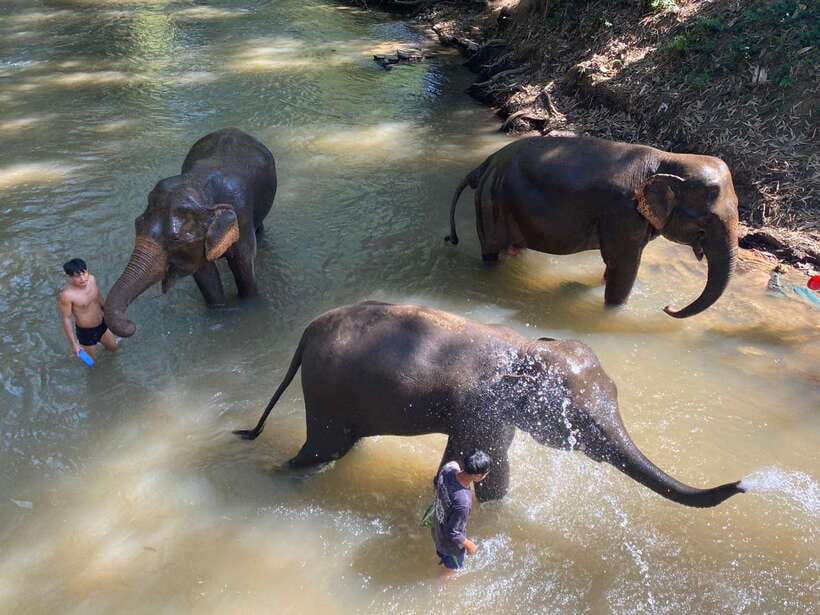
This experience is built around a simple concept: step away from the typical tourist pattern and spend time in a secluded area where elephants and humans have long shared daily life. You’ll be picked up in Chiang Mai and driven toward a sanctuary-care park and village setting. The focus stays on gentle, natural interactions—quiet feeding, walking in the jungle area, and a river mud spa/bath—without staging.
It’s also designed to feel communal rather than performative. You’re not treated like a spectator. You’re part of the day’s rhythm, meeting elephants and caretakers and then following their pace. And when it’s meal time, you’ll sit down to a local, home-cooked Thai lunch prepared with fresh ingredients.
That said, you should go in with open expectations. Some days run smoother than others, transport can be bumpy, and the waterfall stop may not be empty. If you want guaranteed comfort and a strict schedule, you may end up wishing for a more traditional tour.
Why this tour earns its strong rating
- Hands-on elephant care that includes preparing food, feeding, walking, and bathing in a natural way
- No chains, no hooks, no forced performance—the elephants choose what they do that day
- A real hill tribe village feel where you spend the afternoon like the caretakers do
- Home-cooked Thai lunch made from fresh local ingredients, not a factory meal
- A Mae Wang Waterfall walk (about an hour of free time/walking) to balance the animal time
- English-speaking guide helps you understand the day without turning it into a lecture
You can also read our reviews of more walking tours in Chiang Mai

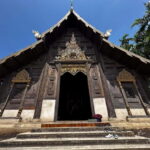
Getting from Chiang Mai: the ride matters more than you think
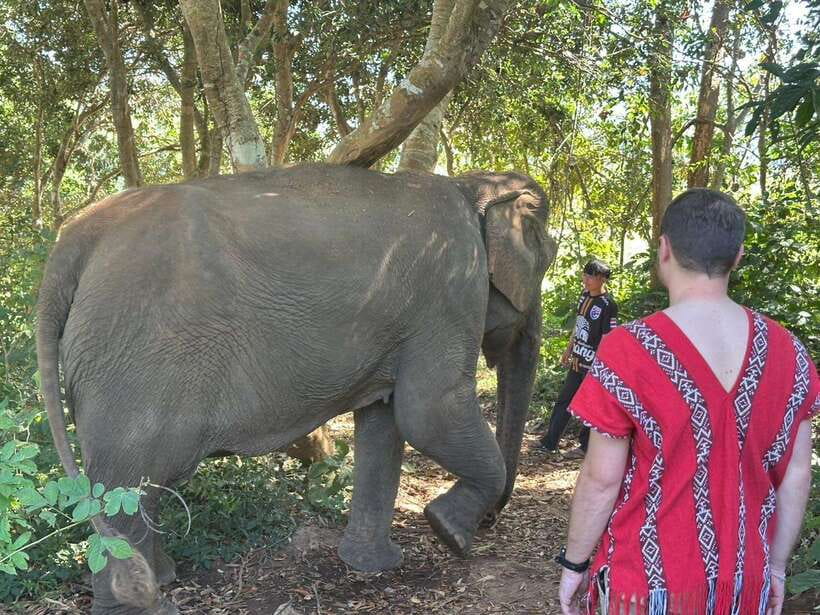
Your day starts with pickup in Chiang Mai by either an open-air truck or a 12-seater air-conditioned van. Then, to reach the sanctuary area, you switch to a roofed 4×4 truck. That mix is part of the adventure—mountain roads, changing vehicle types, and the feeling of going from city to countryside fast.
Here’s the practical bit: multiple past guests flagged that transfers can take longer than expected, and the older/minibus-style rides can feel uncomfortable, especially for people who are sensitive to rough travel. If you’re tall, you may find space tight in the smaller vehicle. If you get motion-sick, pack whatever you normally use for winding roads.
Also, plan for real sun and dust time. Bring sunglasses and a sun hat, and consider wearing clothes you’re fine with getting a little grimy. This is an animal-and-jungle day, not a dress-for-dinner day.
Elephant sanctuary care park: becoming a temporary mahout
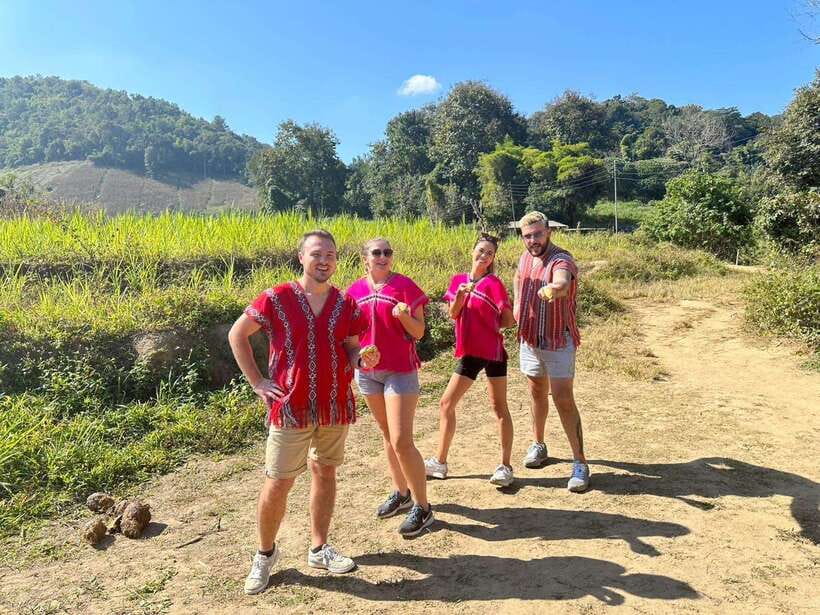
The heart of your day happens at the elephant sanctuary care park. You’ll spend about three hours here with guided activities that follow the elephants’ daily rhythm. The day is intentionally not commercialized, and you should feel that in the structure: there’s less of a scripted show and more of an observe-then-help flow.
Meet the caretakers and elephants
You’ll be greeted as more than just a visitor. The goal is that you act like you’re stepping into the caretaker routine. You’ll meet the elephants and their caretakers and get context for how elephants have lived alongside these families for generations.
This matters because it shifts what you’re looking at. Instead of thinking about what a handler makes an elephant do, you’re watching the bond and routine that happens when care is ongoing.
Prepare food and feed by hand
You’ll prepare elephant food using traditional methods. Then you’ll feed elephants by hand, close enough to notice that each elephant has its own personality and pace.
This is the part I’d call emotionally meaningful for most people, especially if you care about how animals are treated. The guide’s role here is key: you’ll want instruction that keeps it calm, respectful, and safe.
You can also read our reviews of more hiking tours in Chiang Mai




Walk with elephants in the jungle area (no saddles)
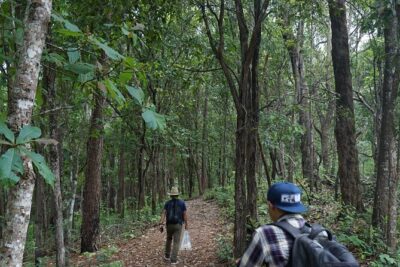
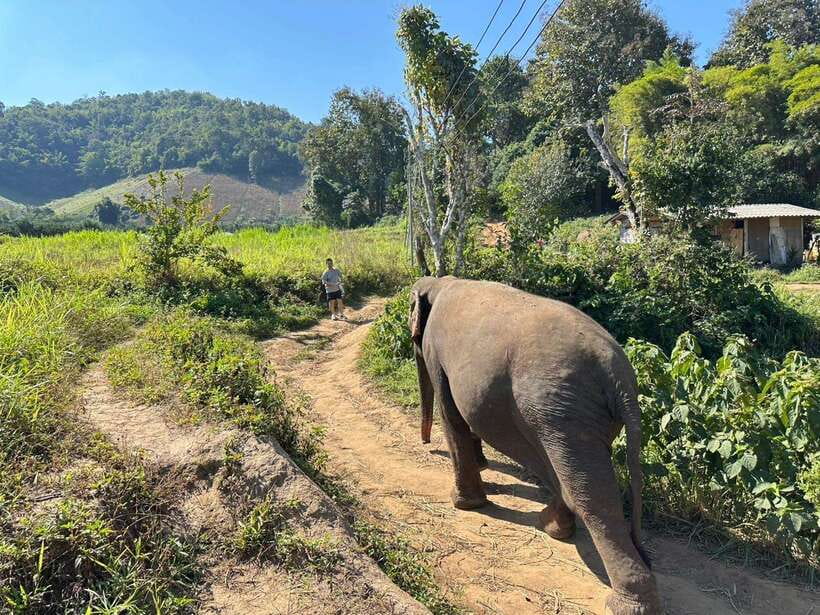
After feeding, you’ll join the elephants on a walk through the surrounding jungle area. The walk is designed to be natural—there are no saddles or chains, and you’re basically there to observe and match the slow human-elephant rhythm.
Be ready for uneven ground and humidity. Even if the walk isn’t described as intense trekking, this is still outdoors time where your body has to work a bit.
The mud spa and bath at the river
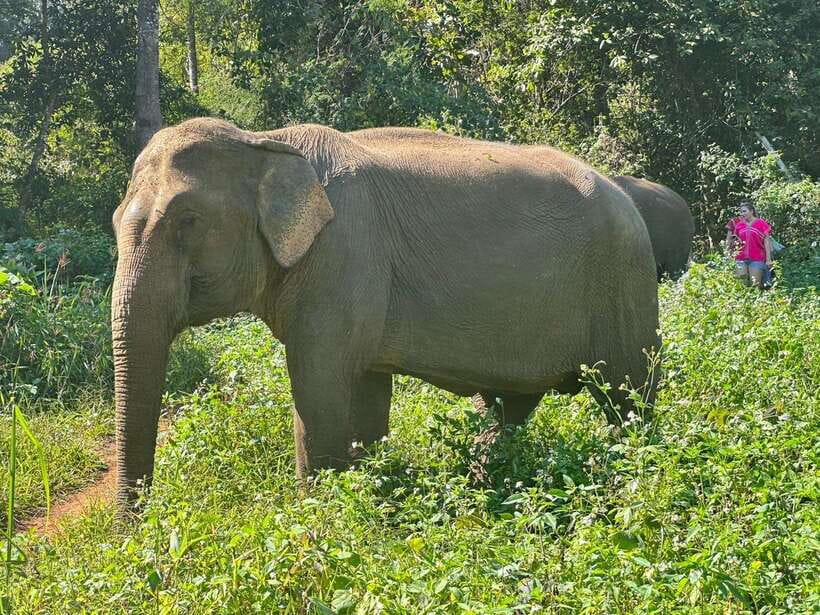
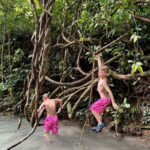
Later, the elephants lead the way to a river setting. This is where the day turns playful—joining in a refreshing mud spa and bath where you splash, scrub, and cool down.
This isn’t a paint-by-numbers photo stop. You’re participating in the natural way elephants handle themselves in water and mud. The experience is designed around gentle bonding rather than performance.
Practical advice:
- Bring or plan for wet-change needs. Some guests recommended packing a towel, bathing suit, and a change of clothes, even when it isn’t listed in the basic bring list. Trust that advice.
- Expect to get dirty. If you’re carrying a phone, use a zip bag or waterproof pouch.
Lunch in the village: simple, local, and worth slowing down for
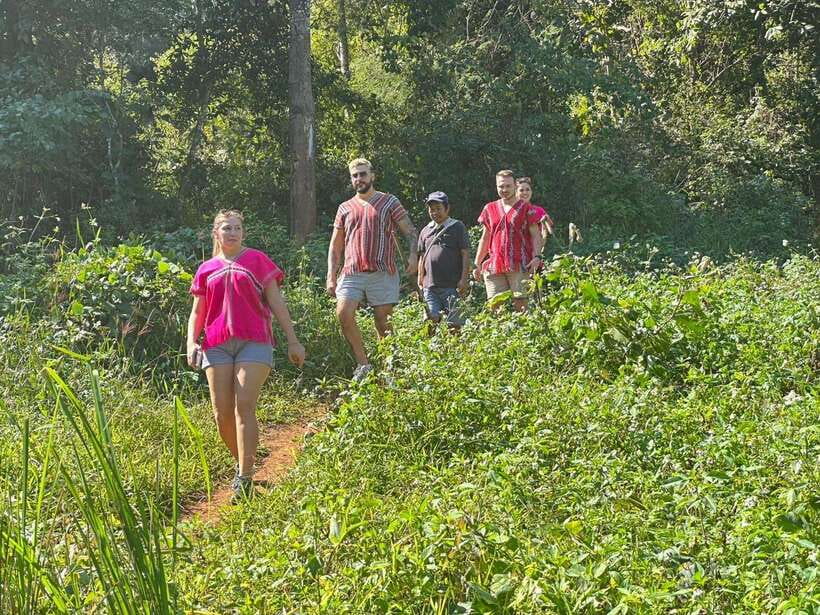
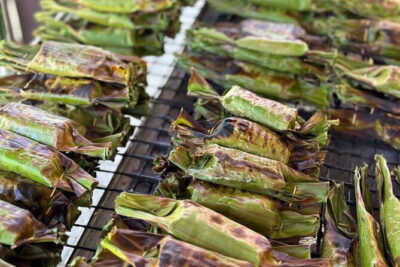
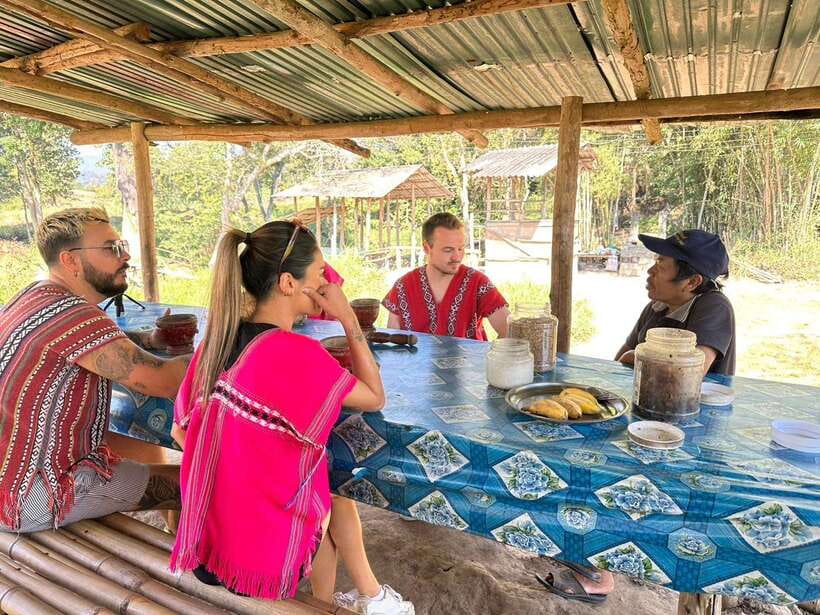
After the morning activities, you’ll return to the village for Thai lunch. The lunch is home-cooked by local families with fresh local ingredients.
Why this stop is more than a break: it connects the animal care to daily life. You’re not just consuming a meal; you’re seeing how the village rhythm supports the work.
The food experience seems to be a highlight for many people, though one guest noted that some lunch items (they mentioned chips) were cold. That’s the kind of small downside you can accept if you treat lunch as part of the day’s simplicity rather than a restaurant-level expectation.
Afternoon in the village: help with small tasks, or just relax
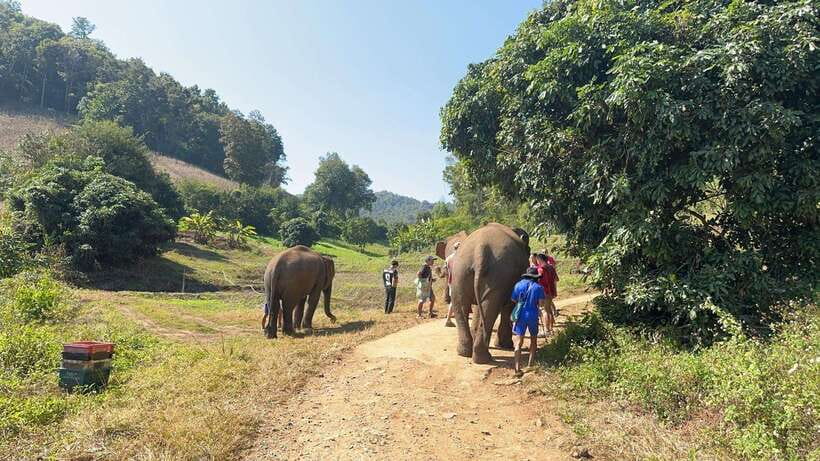
The experience is designed so you don’t just leave after elephant time. You spend the afternoon with caretakers’ daily rhythm. Depending on what the elephants want to do that day, your afternoon may include small tasks or a calmer hangout in village life.
This is where the outing can feel most “real,” because there’s no pressure to keep moving on a timeline. You’re watching how caretakers live their day—helping, waiting, and responding to what the elephants need.
If you prefer constant entertainment, you might find this slower than you’re used to. But if you’re here for connection, it’s often the most satisfying part.
Mae Wang Waterfall: one hour of walking and some crowd math
The itinerary includes a stop at Mae Wang Waterfall. You’ll get free time and about one hour of walking.
One key consideration: a past guest experienced the waterfall stop as more crowded than they expected. So don’t count on it being empty. If you want a calmer moment, use your free time to walk a little and find a quieter angle rather than staying right where everyone gathers.
Also bring water and keep an eye on slipping surfaces. Waterfall areas can be slick, even when the walking is brief.
Price and value: is $51 a fair trade for this kind of access?
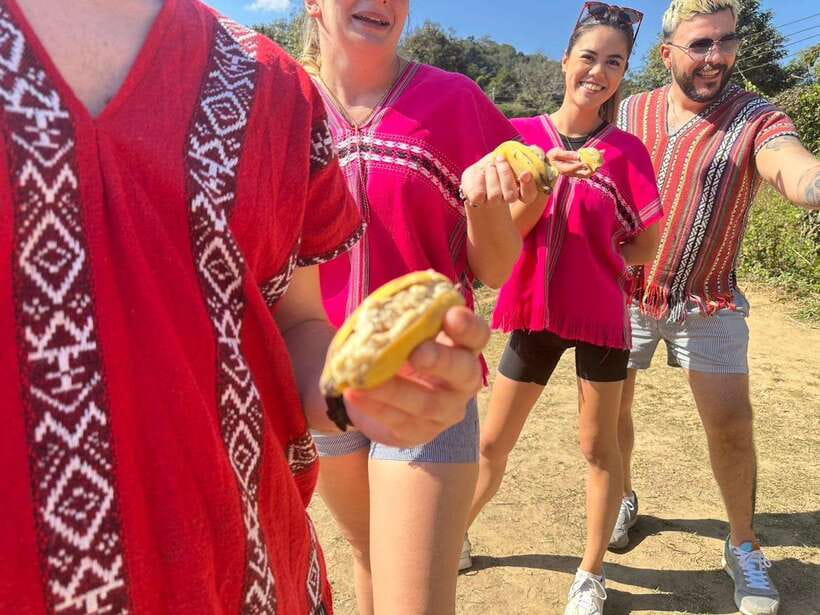
At $51 per person for about a 5-hour experience, the pricing sits in an area where you can often find elephant tours that are more about photos and less about care. What makes this one feel like better value is the combination of:
- hand-feeding and natural walks (no riding),
- time with caretakers as part of daily life,
- and lunch included.
That mix is hard to beat at this price point—especially in Chiang Mai, where elephant-related tours range from cheap to very expensive.
That said, value depends on your expectations. This is not a luxury spa day, and transport can be uncomfortable on bumpy roads. If comfort is your priority, you might feel the gap between price and comfort. If you care about ethical, non-forced interactions, this is likely to feel worth it.
Who should book (and who should skip)
This tour is a strong match for you if:
- you care about elephant welfare and want no forced performance,
- you enjoy doing hands-on tasks rather than just watching,
- you like rural village life more than polished show-style attractions,
- you can handle moderate outdoor walking and uneven ground.
You might want to skip or at least pick a different style of day if:
- you need a tightly structured schedule and professional guide cadence the whole time,
- you’re very sensitive to discomfort from open-air or older transport,
- you’re expecting a waterfall experience that feels private and quiet.
What to bring (quick list that actually helps)
The basics are clear: sunglasses, sun hat, sunscreen, and insect repellent.
Based on real-world experience, I’d add:
- towel (for the mud/bath part),
- bathing suit + change of clothes (so you’re not stuck in damp clothes after),
- water-resistant phone pouch or dry bag.
If you’re doing the mud spa, drying off is the difference between feeling comfortable and spending the ride home thinking about your soggy clothes.
Transport notes and small expectations tweaks
A few small details can save you stress:
- Transfers are free only within the 5 km radius of Chiang Mai Old City. Outside that zone, there’s a surcharge.
- Vehicles can switch types during the day, and you’ll likely feel the road conditions.
- The day isn’t described as set-to-the-minute. One review mentioned it ran longer than expected. So if you’re trying to slot it right before another commitment, leave breathing room.
The guide experience: calm, kind, and family-focused
The tour is led by an English-speaking guide. One guest specifically mentioned a guide/host named Jimmy, calling the whole day brilliant.
That kind of guidance matters because it shapes how the day feels. When the mood is light but respectful, you’re less likely to feel rushed, confused, or awkward around the elephants. It also helps you follow rules like staying calm during feeding and following safety instructions around mud and water.
Should you book this Chiang Mai elephant day?
Book it if you want a day that centers respectful, natural elephant care and you’re okay with a rustic, village-paced schedule. The mix of feeding, walking without chains/saddles, mud-bathing, and included Thai lunch is strong value for $51—especially compared with more commercial elephant experiences.
Skip it (or choose a different option) if you need comfort above all else or you want a tightly controlled, show-like itinerary with minimal waiting and variable timing. Also, plan mentally for some crowd energy at Mae Wang Waterfall.
If your goal is to spend time close to elephants in a way that feels like care rather than performance, this is the kind of tour that can stick with you long after the photos fade.
FAQ
What is the duration of the Chiang Mai Untouched Elephant experience?
The experience is listed as 5 hours.
Is elephant riding included?
No. The day is described as having no elephant riding and no forced interactions.
Are the elephants chained or hooked during the tour?
The information provided says there are no chains or hooks at this park, and elephants aren’t forced to perform activities.
What happens during the river mud spa and bath?
You follow the elephants to a river area and join them in a mud spa and bath, including splashing and scrubbing in a natural way.
What’s included in the price?
The included items are hotel pickup and drop-off in Chiang Mai, an English-speaking guide, a complimentary local meal, and drinking water.
What should I bring for the day?
You should bring sunglasses, a sun hat, sunscreen, and insect repellent.