REVIEW · CHIANG MAI
Lanna Heritage Walking Tour: A Journey Through History
Book on GetYourGuide →Operated by Chiang Mai Private Guided Tour by Richard · Bookable on GetYourGuide
Chiang Mai’s past is on your feet. The Lanna Heritage Walking Tour strings together political history, temple art, and everyday city life in about four focused hours, starting at Tha Pae Gate and ending at Wat Chedi Luang.
What I really like is the way you get two kinds of learning at once: temple-by-temple historical context and hands-on local flavor at Somphet Local Market with snacks and fruit. You also get a private, English-speaking guide who can answer your questions as you walk.
One consideration: this is still a walking tour. You’ll want sports shoes and plan for some uneven temple paths, plus a respectful dress code for Buddhist sites.
In This Review
- Key Things To Know About the Lanna Heritage Walking Tour
- How This 4-Hour Walk Makes Lanna History Feel Real
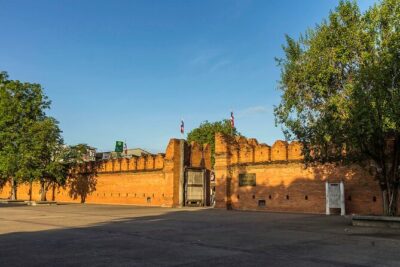
- Tha Pae Gate: Where the Lanna Story Begins
- Wat Chiang Man: Ancient Stone Carvings and the City’s Oldest Roots
- The Moat Walk and Three Kings Monument: Urban Planning Meets Memory
- Sompet Local Market: Where the Tour Trades Words for Flavors
- The 1900 School and the Royal/Administrative Site: Chiang Mai Beyond Temples
- Wat Phra Singh and a Café Reset: History You Can Breathe With
- Wat Pan Tao and Traditional Lanna Architecture Details
- Wat Chedi Luang Finale: Chiang Mai’s Enduring Heritage Signal
- Price and Value: Is $45 Fair for Four Hours?
- What You Should Bring, Wear, and Plan For
- The Guide Factor: Why Richard’s Style Matters
- Should You Book This Lanna Heritage Walking Tour?
- FAQ
- How long is the Lanna Heritage Walking Tour?
- How much does the tour cost?
- Where does the tour meet?
- What language is the guide?
- Is this a private group tour?
- What’s included in the price?
- Are meals included?
- What should I bring and wear?
- Can I cancel if my plans change?
Key Things To Know About the Lanna Heritage Walking Tour
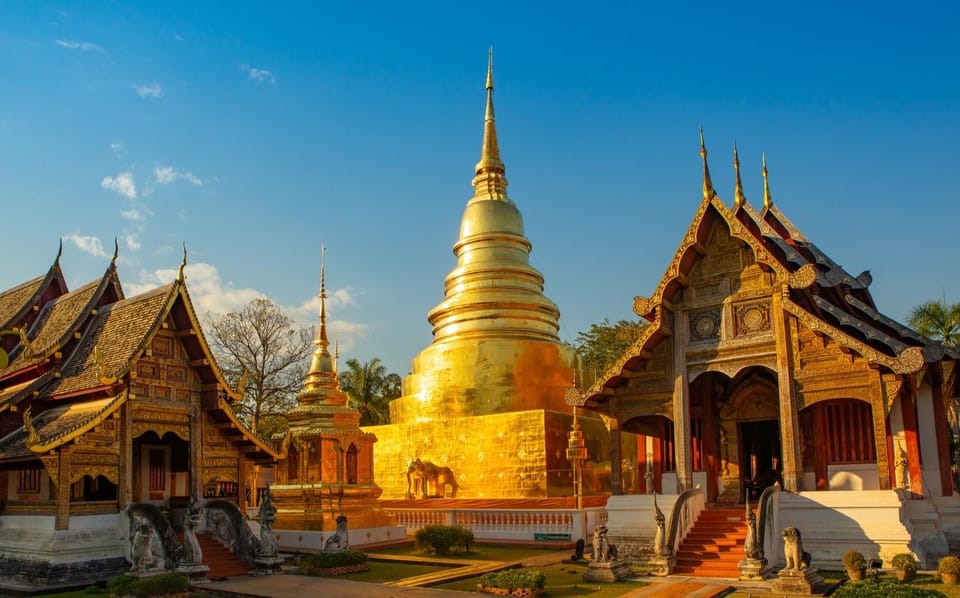
- Tha Pae Gate start gives you the Lanna Kingdom timeline right away
- Wat Chiang Man focuses on Chiang Mai’s oldest temple and its stone carvings
- Sompet Local Market stop includes snack sampling and a look at daily life
- Old-city moat walk explains why the moat mattered to the city’s layout
- Women’s prison renovation site points to evidence of an early Lanna royal palace
- Wat Chedi Luang finale wraps the route with the temple’s long-running role in Chiang Mai
How This 4-Hour Walk Makes Lanna History Feel Real
This tour works because it doesn’t treat Chiang Mai like a museum with doors you enter and exit. It treats the city like a story with chapters you can follow: Lanna rises, faces pressure from Burmese control, gets a period of abandonment, then rebuilds and later connects to Siam.
You’ll get the big picture through an English live guide, and you’ll also see smaller details that make the timeline stick. One of the best benefits of a private group is how easy it is to ask questions while you’re standing right in front of the thing being explained.
Price-wise, it’s $45 per person for 4 hours, and what makes it feel fair is that many costs are handled for you: entry fees, water, a café drink, local snacks, and two-way hotel transfer. Meals aren’t included, but the tour gives you enough food stops that you’re unlikely to get cranky.
You can also read our reviews of more walking tours in Chiang Mai

Tha Pae Gate: Where the Lanna Story Begins
Most people visit Tha Pae Gate for photos. This tour uses it as a launchpad, so you start with context instead of just scenery.
From here, your guide explains how the Lanna Kingdom was established, what its prosperity period looked like, and how it later declined under Burmese control. You also hear about the 20-year period when the city was abandoned, the struggle for independence, and the revival roughly 250 years ago.
Then the story shifts to how Lanna became part of Siam, including why both groups managed to avoid colonization by major powers. You also get references to the teak industry boom and Chiang Mai during World War II, so the city’s modern feel connects back to older forces.
Practical tip: even though this is a short route, it helps to arrive wearing your “temple day” outfit. You’ll start early enough to feel oriented, and you’ll be dressed correctly before you step into more sacred spaces.
Wat Chiang Man: Ancient Stone Carvings and the City’s Oldest Roots
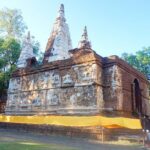
Wat Chiang Man is Chiang Mai’s oldest temple, and it’s a smart first temple stop because it sets the artistic baseline. You’ll spend time inside with guided context, focusing on the stone carvings that depict early days of the Lanna Kingdom.
This isn’t just about what the carvings show. The guide uses the temple to explain why certain symbols and artistic choices mattered in early Lanna life. If you care about architecture and meaning, this stop is one of the strongest on the route.
You also get a street-food angle here. The tour includes a snack and market-style feel around the temple area, so the day isn’t only ceremonies and carvings. It’s history plus the smell of food carts and local life, which makes the whole walk more natural.
The Moat Walk and Three Kings Monument: Urban Planning Meets Memory
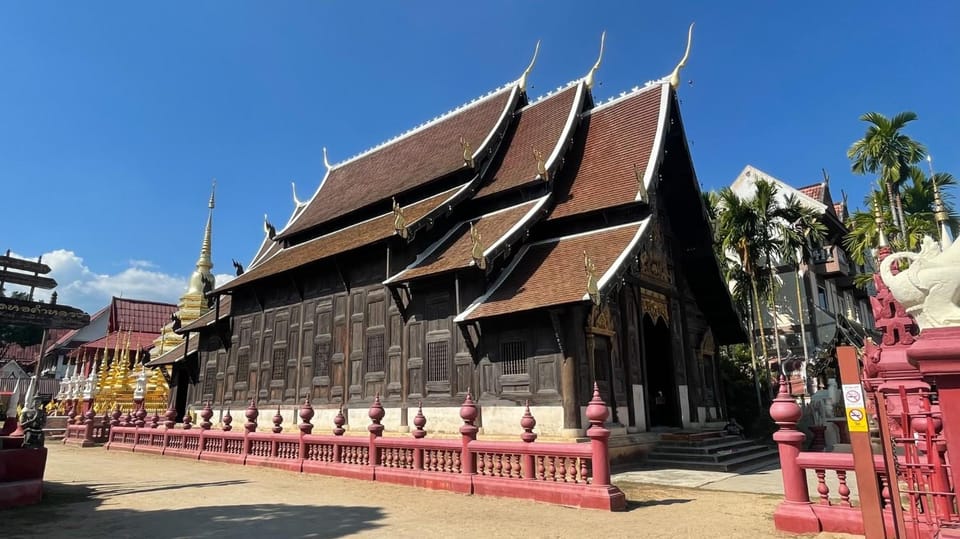
After Wat Chiang Man, you’ll walk along the historic city moat. That might sound like a sightseeing stroll, but the guide frames it as a key piece of how the city worked and why its boundaries mattered.
Moats in old Southeast Asian city planning weren’t just defensive lines. They shaped movement, identity, and daily routines, and your guide connects that to Chiang Mai’s history.
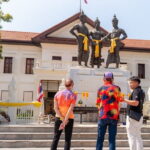
Then comes the Three Kings Monument, where you’ll learn about the monarchs the monument honors. This stop adds the “people and leadership” side of the story—who mattered, why they are remembered, and how that memory gets fixed into public space.
Sompet Local Market: Where the Tour Trades Words for Flavors
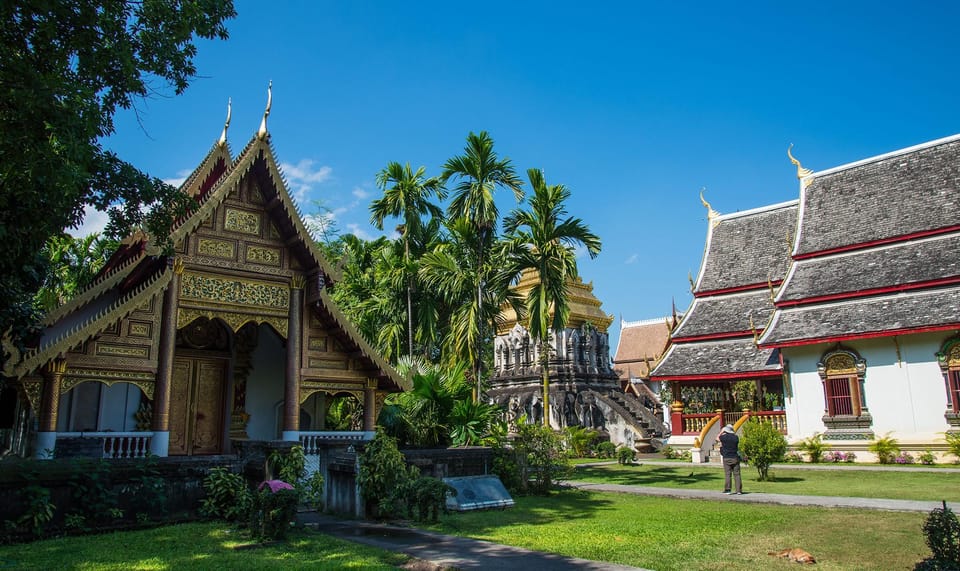
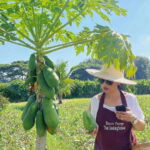
One of the most enjoyable parts of this tour is the market stop at Sompet Local Market. You’re not just walking through stalls—you’re sampling fresh fruit and tasting local snacks as the guide talks.
This is also where you get a change of rhythm. Temple visits can make you slow down and look. Markets push you to pay attention to smell, texture, and how locals actually eat and shop.
The tour includes local snacks here, and it’s a good reminder that Chiang Mai history isn’t only royal and religious. It’s also trade, daily markets, and the food culture that grew around the city’s economic life.
If you’re the type who usually skips markets because you’re worried about not understanding what to buy, this stop removes that stress. Your guide’s presence makes it easier to try things without feeling lost.
You can also read our reviews of more historical tours in Chiang Mai
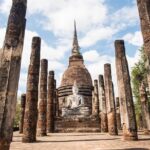

The 1900 School and the Royal/Administrative Site: Chiang Mai Beyond Temples
In the middle of the route, you’ll see places that show Chiang Mai wasn’t only temples and monuments. The tour includes a visit to the city’s first government school, established in 1900 during the reign of King Rama VI.
That’s a key detail for understanding how Chiang Mai’s story shifts as the region changes. It’s one thing to learn about old Lanna eras. It’s another to see how formal education and government life took shape later.
You’ll also pass a museum site that was once a royal palace and later an administrative center, now housing exhibits. The value here is simple: it connects the political power story to the physical buildings that still shape the city today.
And you’ll get a look at the ongoing renovations at a site formerly used as a women’s prison. The important part is that evidence suggests it also reveals an early Lanna royal palace, and the plan is to develop it into a historical park. Even if the project is still in progress, it gives you a rare sense of how archaeology and history show up in real time.
Wat Phra Singh and a Café Reset: History You Can Breathe With
Wat Phra Singh is another major temple on the route. You’ll visit with guided explanation of its importance across different historical periods, so the temple becomes more than a single-era landmark.
What I like about putting this stop after the market and civic-history moments is that it gives your brain a chance to settle back into sacred-space focus. By the time you arrive, you’re already thinking in “time periods,” not only “pretty buildings.”
Then you get a break at a local café. The tour includes a complimentary coffee or other drink, which is a welcome reset after walking and kneeling or standing for temple viewing. Since meals aren’t included, this café stop helps bridge the gap until you can eat on your own later.
Practical tip: treat this coffee break as your moment to refill your energy. You’re still going to be on your feet through the last temple stops.
Wat Pan Tao and Traditional Lanna Architecture Details
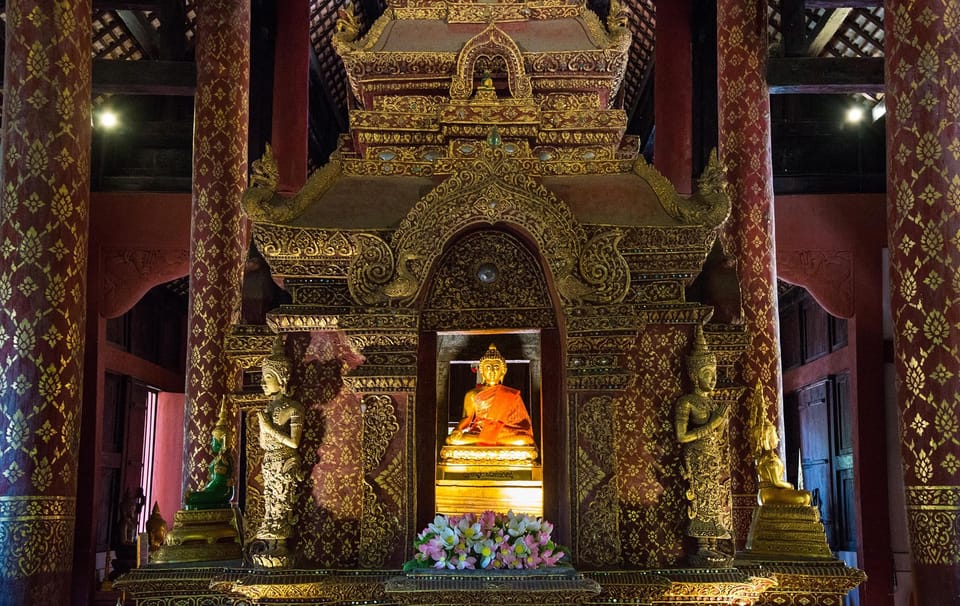
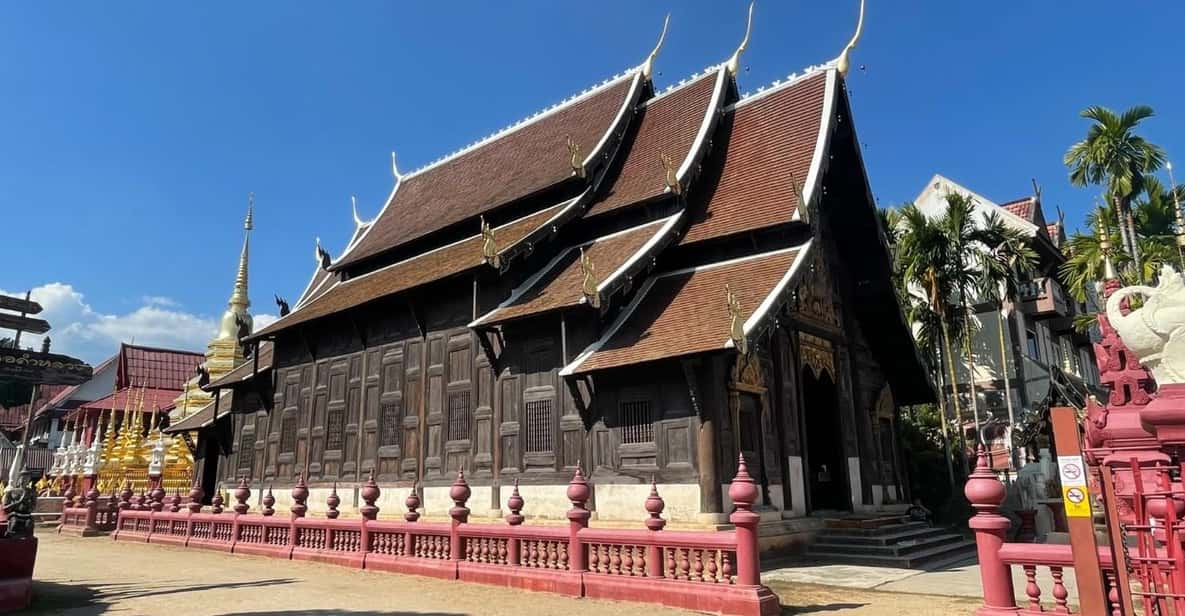
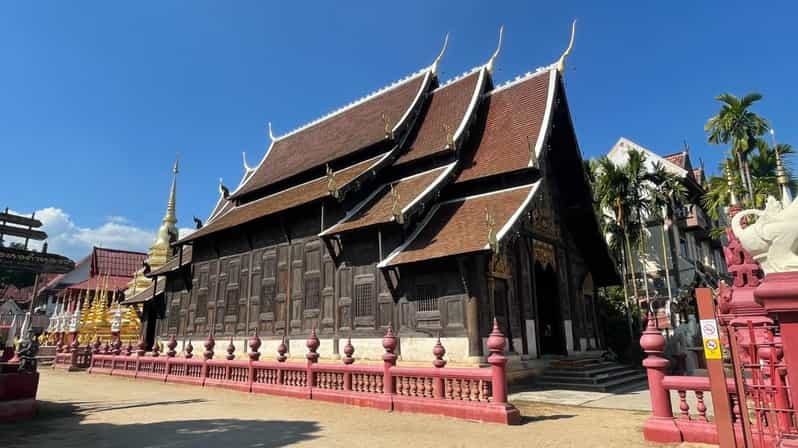
Wat Pan Tao is part of the old royal palace complex, and it’s one of the best places on the route to focus on what makes Lanna architecture feel distinct. The tour includes a guided visit, and you’ll learn how this site connects back to royal life.
This is where you’ll likely start noticing how style choices carry meaning: layout, materials, and the feel of craftsmanship. If you enjoyed the carving explanation at Wat Chiang Man, you’ll probably appreciate the architectural focus here too.
The timing is short for this stop, but it’s packed with value because it’s positioned before your final big temple. You’re not rushing to the end with zero context—you’re arriving with your “Lanna design eye” already turned on.
Wat Chedi Luang Finale: Chiang Mai’s Enduring Heritage Signal
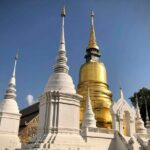
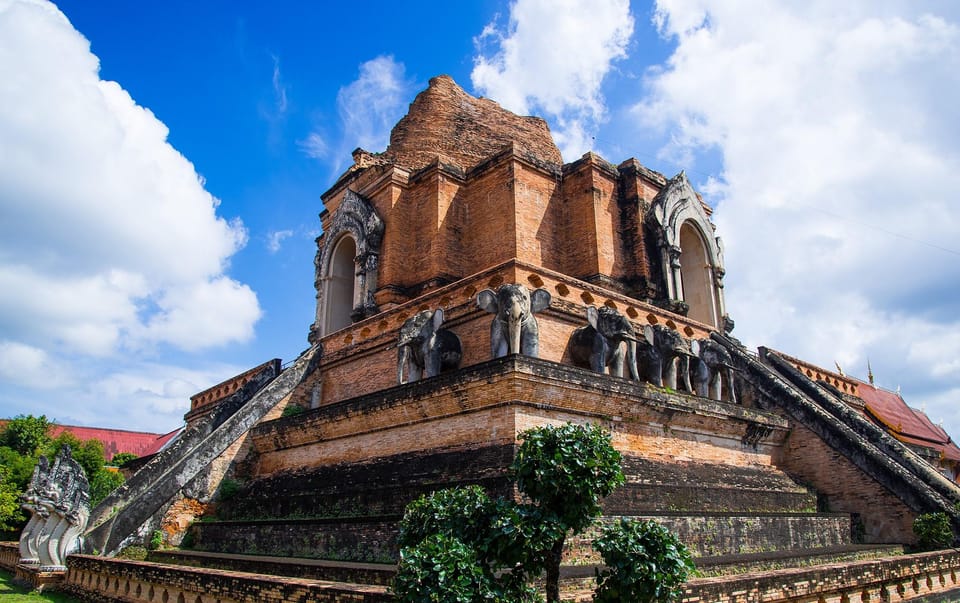
The tour wraps at Wat Chedi Luang, one of Chiang Mai’s most important temples. This stop is the finale for a reason: it’s the kind of site that makes the city’s long timeline feel continuous rather than broken into isolated eras.
Your guide shares historical events and explains why the temple is such a major symbol of Chiang Mai’s heritage. Even if you’ve seen other big temples in Thailand, this one tends to land differently because your guide has already walked you through the Lanna timeline first.
When you finish here, you’ll have a framework you can use the rest of your trip. You’ll recognize that many Chiang Mai landmarks are connected through leadership, trade, building traditions, and political change—so your future temple visits can feel more personal and less random.
Price and Value: Is $45 Fair for Four Hours?
For $45 per person, you get more than just a guide’s time. The tour includes:
- All entry fees to the sites visited
- Two-way hotel transfer (pickup and return)
- A bottle of drinking water
- A complimentary café beverage
- Local snacks
Lunch and meals aren’t included, but the itinerary does include a market sampling moment and snack time, plus a café drink. That combination usually helps you avoid the most annoying part of half-day tours: feeling hungry at the wrong time.
If you hate hidden costs, this tour is easier to plan around because entry fees and transfers are handled. And if you prefer learning with context instead of reading guidebooks alone, a private English guide is exactly the kind of added value that makes the price feel worth it.
What You Should Bring, Wear, and Plan For
The tour asks for sports shoes. That’s practical advice, not just a checkbox—temple areas and sidewalks can be uneven, and you’ll be walking multiple short segments.
Dress matters. You’ll be visiting Buddhist temples, so you should dress appropriately and respectfully. Short skirts aren’t allowed, and the expectation is that you show respect for the people and places you visit.
Also note who it’s best for: it’s not suitable for children under 8, and it’s not suitable for people over 80. If you fall outside that range, you’ll want to choose something lighter or ask the provider what they recommend.
Finally, alcohol and drugs aren’t allowed. Keep it simple and focus on the tour.
The Guide Factor: Why Richard’s Style Matters
Your guide is Richard. The feedback around Richard is consistent: he’s genuinely kind, and he’s comfortable fielding a lot of questions. One person had a private setup and basically had Richard to themselves, which is the advantage of a private group—more attention, more time for your questions.
Another comment that stands out is how the tour’s focus on Lanna versus other architectural styles helped someone rethink what they thought Chiang Mai was before the walk. That’s the best kind of tour outcome: you leave with a clearer lens for what you’re seeing.
If you like explanations that connect buildings to real history, Richard’s approach should fit your style.
Should You Book This Lanna Heritage Walking Tour?
Book it if you want a structured, walkable way to connect Lanna Kingdom history to Chiang Mai’s physical landmarks. This is especially good if you’re interested in temple art, Lanna architecture, and how local life shows up beside royal and religious sites.
Skip it or consider an alternative if you’re not comfortable with temple etiquette and steady walking. The route mixes markets and multiple temple stops, so it’s not the calmest option for people who want minimal walking.
If you’re trying to get the most meaning out of a short stay, this tour is a strong pick. You’ll leave with a timeline you can reuse—and with a sense of Chiang Mai that goes beyond looking.
FAQ
How long is the Lanna Heritage Walking Tour?
It lasts 4 hours.
How much does the tour cost?
The price is $45 per person.
Where does the tour meet?
It includes pick up from your hotel, or you can meet at Thapae Gate.
What language is the guide?
The live tour guide speaks English.
Is this a private group tour?
Yes, it’s a private group.
What’s included in the price?
The tour includes a guided tour by a local expert, entry fees, a bottle of drinking water, a complimentary beverage at a local café, local snacks, and two-way hotel transfer.
Are meals included?
Lunch and other meals are not included, so you’ll need to find your own options.
What should I bring and wear?
Bring sports shoes and dress appropriately for Buddhist temples. Short skirts are not allowed.
Can I cancel if my plans change?
Yes. There is free cancellation up to 24 hours in advance for a full refund.