REVIEW · CHIANG MAI
Half Day Guided Thai Cooking Class in Chiang Mai
Book on Viator →Operated by Baan Thai Cookery School · Bookable on Viator
Cooking Thai food turns fast into fun. This half-day class at Baan Thai Cookery School is built for small groups and real practice, not just watching. You’ll cook with your hands and learn how Thai flavors get balanced in a way that sticks.
What I like most is the fully hands-on setup with an English-fluent instructor, so you’re not stuck guessing what comes next. I also appreciate how they use organic and locally sourced ingredients from their farm and nearby suppliers, plus they’ll adjust seasonings for you.
The one possible drawback: with a 4.5-hour schedule, the class is fast-moving. You’ll come away confident, but you might not get every single detail you’d want if you’re chasing deep culinary theory.
In This Review
- Quick hits from the kitchen
- Baan Thai Cookery School: what small-group teaching feels like
- Price and timing: why $29 can be a smart deal in Chiang Mai
- Choosing dishes and controlling spice the Thai way
- Inside the indoor kitchen: how hands-on cooking actually plays out
- Vegetarian and allergy-friendly Thai cooking without the bland compromise
- Comfort details that make the class feel easy
- Meeting point on Prapokklao Rd and how to plan pickup
- Who should book this Thai cooking class, and who might want a different option
- Should you book Baan Thai Cookery School in Chiang Mai?
- FAQ
- How long is the Half Day Guided Thai Cooking Class?
- Where does the class start and end?
- Is pickup available?
- What is the maximum group size?
- Can the class accommodate vegetarians or food allergies?
- Is the cooking area indoors with air-conditioning?
- What is the cancellation policy?
Quick hits from the kitchen
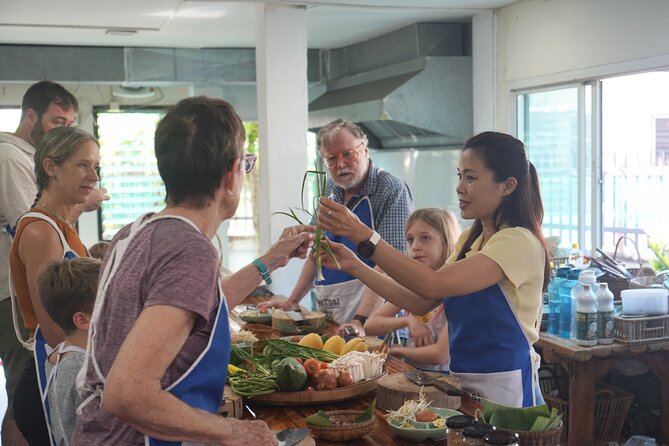
- Small group limit (1–8 people) keeps the pace friendly and the instructor close.
- Custom spice levels means you can go mild or fearless without derailing the dishes.
- Diet swaps for vegetarians and allergies are part of the plan, not an afterthought.
- English-fluent guidance helps you follow steps clearly, even if Thai cooking is new to you.
- Organic and local ingredients make the food taste like it has a point.
- Air-conditioned indoor kitchen + dining room keeps the experience comfortable in Chiang Mai heat.
Baan Thai Cookery School: what small-group teaching feels like
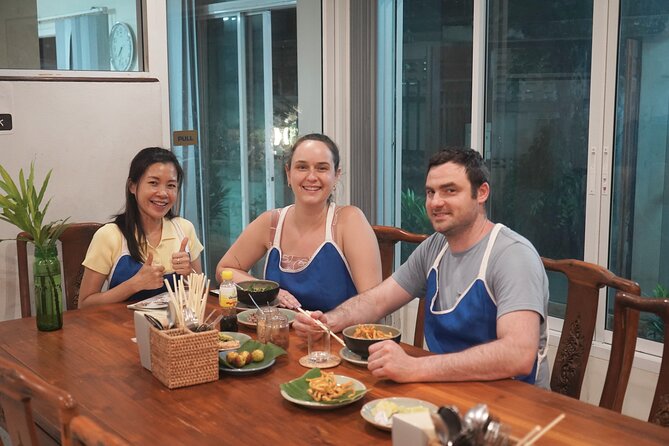
Baan Thai Cookery School runs with small classes, accommodating 1 to 8 people. That size matters more than it sounds. In a big group, you often wait your turn and lose momentum. In a small group, the instructor can correct technique quickly, and you get time to ask practical questions while you’re actually cooking.
The class is also set up for people across skill levels. You don’t need to know Thai cooking terms or how Thai sauces behave. The guidance is offered in English, and it’s paced for people who are learning in real time. You’ll spend less energy translating in your head and more energy tasting, adjusting, and making the food taste right.
I also like that the experience happens indoors in an air-conditioned dining room and indoor kitchen. Chiang Mai can be warm and humid, and nobody wants to fight sweat while chopping or frying. You can focus on flavors and steps instead of the clock and the weather.
Finally, the class is designed to feel personal. You’re not just following someone else’s script. You can set your own preferences, especially around spice, and you’ll see how that changes the final dish.
You can also read our reviews of more guided tours in Chiang Mai

Price and timing: why $29 can be a smart deal in Chiang Mai
At about $29 for roughly 4 hours 30 minutes, this cooking class is priced like a budget-friendly afternoon that still gives you a real skill payoff. You’re paying for more than a meal. It’s a guided, hands-on cooking experience with ingredient support, plus instruction in English.
Here’s the practical value angle: you’re likely to leave with food you made yourself, not just a tasting. One of the most commonly mentioned highlights is how people come away stuffed. That’s the simplest way to measure value. If you’re paying for Thai cooking instruction and then only leaving hungry, the deal feels off. Here, the “full plate” factor is strong.
Also, the menu flexibility and diet accommodations add value. Many cooking classes say they can handle vegetarian requests, but not all of them actually adjust things in a way that keeps the dish balanced. This one explicitly caters to vegetarians and food allergies, with substitutions and seasoning adjustments. That reduces the risk of paying for an experience you can’t fully enjoy.
One timing note: half-day means you’ll move through several dishes and techniques without lingering. If you prefer ultra-slow classes where you take notes like a chef apprentice, you may want something longer. But if you want a confident taste of Thai cooking in one afternoon, this format fits.
Choosing dishes and controlling spice the Thai way
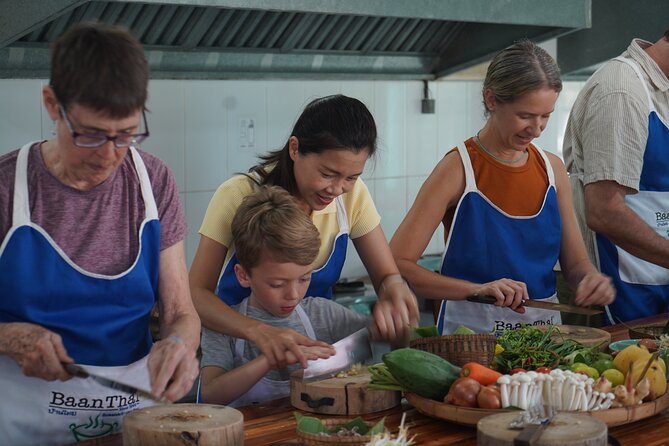
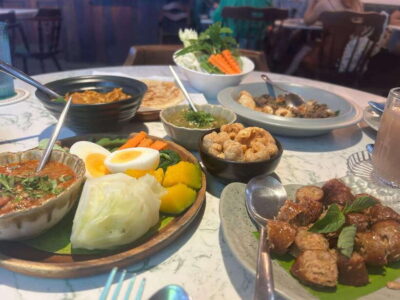
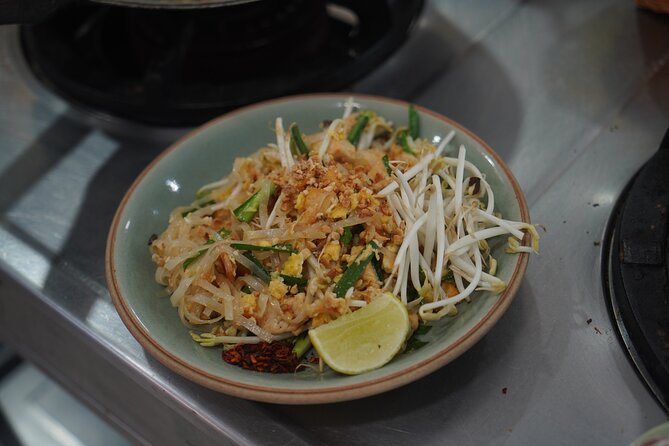
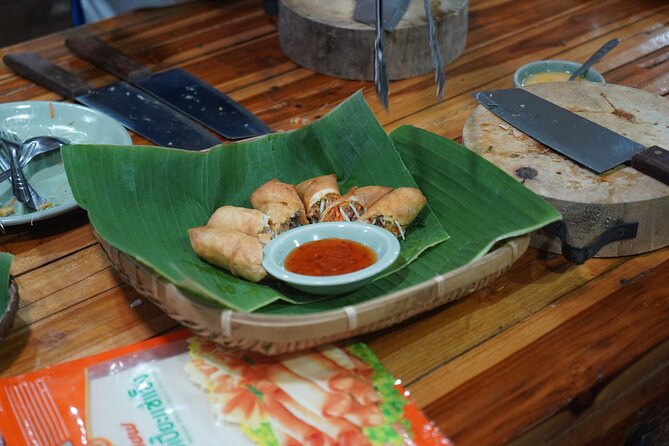
A big part of why people enjoy this class is the menu structure. You get meal options, and you’re not limited to a single fixed set of dishes no matter what you like. In one example menu choice, a group of four dishes included Pad Thai, Tom Kha Gai, Spring Rolls, and Khao Soi. That lineup gives you a mix of stir-fry, soup-style flavor, fried bites, and a rich northern Thai noodle dish.
Another detail that stands out is how spice is treated as a dial you can turn. You can customize spice levels according to your preferences. That’s not just comfort. It’s also about learning. You’ll see what happens when you reduce heat and how the balance still works when you adjust the intensity.
They also handle substitutions for vegetarians and food allergies, including adjusting seasonings. If you have dietary limits, this matters because Thai flavors depend on a few key building blocks. Swapping ingredients the wrong way can throw off the taste. With this class, they’re set up to make substitutions and keep the dish on track.
Practical advice from a “save your sanity” perspective: decide your spice comfort level before the cooking starts. If you wait until you’re already mid-recipe, you’ll waste ingredients. Bring a clear idea of what you can handle, then let the instructor match the heat level while keeping the dish true to Thai flavor.
Inside the indoor kitchen: how hands-on cooking actually plays out
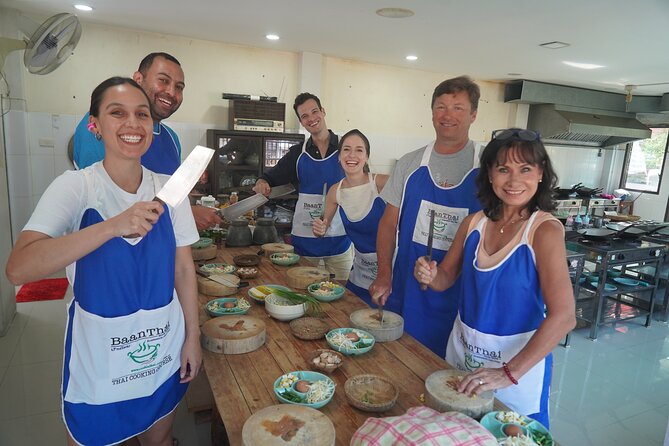
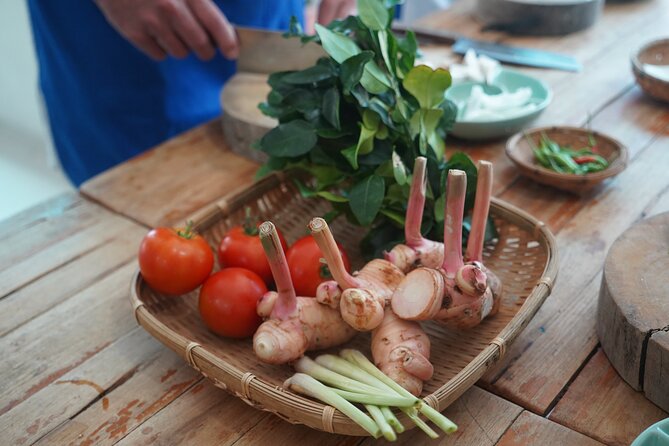
This is a fully hands-on class. That means you’re doing the work: prepping ingredients, cooking, and assembling dishes with guidance right there in the kitchen. In other words, you’re not just learning theory. You’re learning by making mistakes safely and correcting them quickly.
While the exact sequence can vary based on the day’s menu, the general feel is usually like this:
1) You get oriented and review what you’ll cook.
2) You prep and start cooking with step-by-step instruction in English.
3) You adjust while you cook, especially around seasoning and spice.
4) You serve and eat what you made, typically leaving the room satisfied.
The “eat what you made” part is more important than it sounds. It turns the class into feedback. If a sauce tastes flat, you learn what to change next time. If a dish needs more balance, you see how small adjustments matter.
Because you’re cooking in an indoor kitchen and dining area (both with air-conditioning), the experience stays comfortable. That makes it easier to pay attention, especially if you’re traveling in warm months.
One more reason hands-on works: small groups let the instructor watch your technique. You get corrected while you can still fix the dish, not after it’s done. That’s how cooking confidence builds fast.
Vegetarian and allergy-friendly Thai cooking without the bland compromise
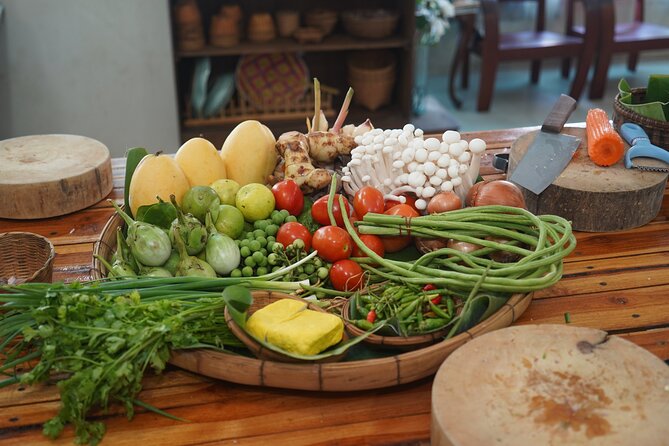
Thai food can be ingredient-sensitive, so having a cooking class that takes vegetarians and allergies seriously is a big deal. This school explicitly caters to vegetarians and food allergies and offers substitutions, including adjusting seasonings to match what you can eat.
For you, that means you don’t have to do the “careful fork dance” all afternoon. You can focus on learning Thai cooking steps and flavor balancing rather than wondering whether your dish will be safe or taste like cardboard.
If you have an allergy, the best move is to communicate your needs clearly during booking. Ask about substitutions and whether they can adjust seasonings to suit your restrictions. The class is designed to do this, but the better your info, the smoother the adjustments will be.
If you’re vegetarian, you’ll likely see how Thai flavor still holds up without meat-based components. That’s a useful skill even beyond Chiang Mai. You’ll understand how Thai dishes use herbs, aromatics, and balance to make food feel satisfying, not just leftover-like.
The class also emphasizes customizing spice and seasoning. For dietary needs, that’s extra helpful. When you change ingredients, you may need to re-balance flavors. The instructor can guide those tweaks so your dish doesn’t lose its Thai identity.
You can also read our reviews of more cooking classes in Chiang Mai



Comfort details that make the class feel easy

Cooking classes can be tiring, and Chiang Mai heat can add stress. I like that this one takes place in an air-conditioned dining room and an indoor kitchen. It makes a half-day class feel like a break, not a workout you didn’t schedule.
The atmosphere is also structured for clarity. English-fluent instructors provide guidance, which reduces the frustration that often comes with language barriers. You’re free to focus on the “why” and “how,” not just copy the movements.
Another comfort factor: the group size cap of 8 travelers. That keeps the room from feeling chaotic. You can move around your station, ask questions, and keep cooking without a long wait.
One more small practical detail: the school uses mobile tickets. That helps you avoid paper tickets and keeps things simple when you’re bouncing between temples and markets.
Meeting point on Prapokklao Rd and how to plan pickup
The class starts at Baan Thai Cookery School, 9 Prapokklao Rd. Lane 9, ตำบล พระสิงห์ Mueng, Chiang Mai 50200, Thailand. It ends back at the meeting point.
Pickup is offered, which can be a win if you don’t want to wrangle transport for a half-day activity. Still, since pickup is listed as offered rather than guaranteed, you should confirm details when you book—especially where the driver will meet you and what time pickup starts.
The school is also near public transportation. That’s handy if you want independence or if you prefer to arrive a little early to settle in.
My practical recommendation: plan to get there on time, even if you’re using pickup. Cooking starts with a schedule, and kitchens run on timing.
Who should book this Thai cooking class, and who might want a different option
This class is a great fit if you:
- want a hands-on Thai cooking experience without needing prior skills
- prefer small groups and instructor attention
- want spice control and dietary substitutions
- value an air-conditioned, comfortable indoor setup
It’s also a solid pick for families and mixed-experience groups, because everyone can cook and learn at their own pace when the group stays small.
Who might want something else: if you’re hunting for a long, slow cooking course with deep technique drills and lots of repeated practice, this half-day format may feel like a taste rather than a full culinary apprenticeship. You’ll learn a lot, but you won’t have hours to perfect one technique.
Should you book Baan Thai Cookery School in Chiang Mai?
If you want a practical, friendly Thai cooking class that’s easy to join, supports dietary needs, and leaves you with full tummies and real skills, I’d book it. The class is built for small groups, run indoors in comfort, and backed by consistently strong ratings, with the biggest wins centered on engaging teaching and delicious results.
Book it if your goal is: learn Thai cooking you can repeat at home, cook several dishes in one afternoon, and keep things comfortable in Chiang Mai’s heat.
Before you go, decide your spice preference and make sure your dietary needs are clearly stated. That’s the fastest way to get the class to match what you actually want to eat.
FAQ
How long is the Half Day Guided Thai Cooking Class?
It runs for about 4 hours 30 minutes.
Where does the class start and end?
It starts at Baan Thai Cookery School, 9 Prapokklao Rd. Lane 9, ตำบล พระสิงห์ Mueng, เชียงใหม่ 50200, Thailand, and it ends back at the meeting point.
Is pickup available?
Pickup is offered.
What is the maximum group size?
The class has a maximum of 8 travelers.
Can the class accommodate vegetarians or food allergies?
Yes. The school caters to vegetarians and food allergies, with substitutions and adjustments to seasonings.
Is the cooking area indoors with air-conditioning?
Yes. There is an air-conditioned dining room and an indoor kitchen.
What is the cancellation policy?
You can cancel for free up to 24 hours in advance for a full refund. If you cancel less than 24 hours before the start time, the amount paid is not refunded.