REVIEW · CHIANG MAI
Taste of Chiang Mai: Michelin Guide & Street Food Tour
Book on GetYourGuide →Operated by KO TRIP CNX · Bookable on GetYourGuide
Michelin stars, street stools, and real stories. I love how this tour delivers three Michelin Guide dishes at a relaxed, no-rush pace. You’ll also get real guidance from a guide who connects what you eat to how Chiang Mai became a food city. The one drawback: you’re tasting a short list of big, filling dishes, not a wide buffet of dozens of tiny bites.
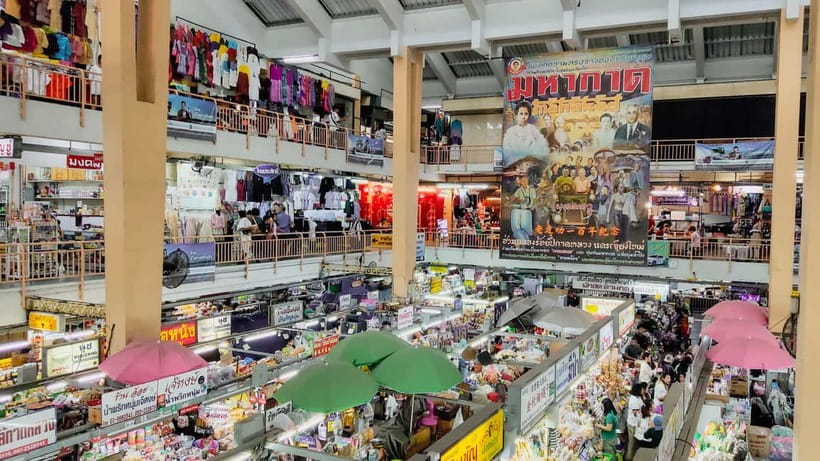
The center of the experience is Warorot Market (Kad Luang), plus two restaurant stops tied to Michelin-recognized flavors. I like that the guide, Natt, doesn’t just point and pour. In reviews, he’s described as funny, caring, and big on Thai and Chinese food culture (plus local context and history) without turning it into a lecture.
If you pick the dinner option, you trade market walking for meals around Nimmanhaemin. You’ll meet at McDonald’s Nimmanhaemin and the tour ends on Nimmanhaemin Road, with no market visit included for dinner.
In This Review
- Key things to know before you go
- What makes this Michelin street-food tour feel different
- Lunch route: meeting at Wat Saen Fang and starting toward Kad Luang
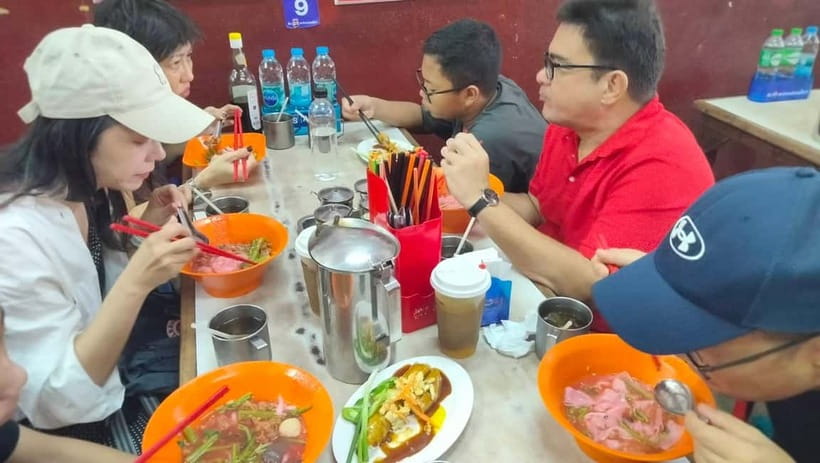
- Thana Ocha and the Yen Ta Fo moment (Hakka pink noodle)
- Warorot Market walkthrough: where the Thai fried dough fits
- Lung Khajohn Wat Ket: steamed rice-skin dumplings and a satisfying finale
- Dinner option: Michelin dishes around Nimmanhaemin instead of the market
- Price and value: $31 for three Michelin Guide dishes
- What you’ll get from Natt’s guide style (and why it matters)
- Timing, walking, and what to bring for comfort
- Who should book this Michelin Guide street-food tour
- Should you book it: my decision checklist
- FAQ
- How long is the Taste of Chiang Mai: Michelin Guide & Street Food Tour?
- How much does the tour cost?
- Where is the meeting point for the lunch option?
- Where is the meeting point for the dinner option?
- Does the lunch option include Warorot Market (Kad Luang)?
- Does the dinner option include a market visit?
- What Michelin Guide dishes are included for lunch?
- What Michelin Guide dishes are included for dinner?
- What should I bring?
- Is the tour suitable for vegetarians or vegans?
Key things to know before you go
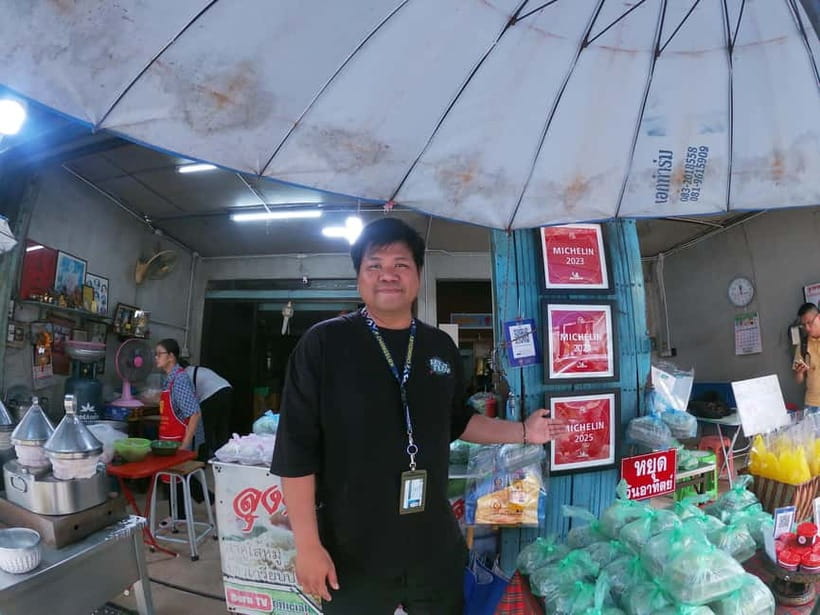
- Three Michelin Guide dishes included: dinner has Khao Soi, roast chicken, and papaya salad; lunch includes Hakka pink noodle, Thai fried dough, and steamed rice-skin dumplings.
- Warorot Market (Kad Luang) is the “stage” for lunch: guided walking, market time, and a finish back at the market area.
- Natt’s storytelling is part of the meal: he explains Thai/Chinese food culture and shares practical tips for your stay.
- This is not a snack parade: expect fuller portions rather than lots of tiny tastes.
- Two different routes based on lunch vs dinner: lunch centers on the Old City-area market; dinner centers on Nimmanhaemin restaurants.
What makes this Michelin street-food tour feel different
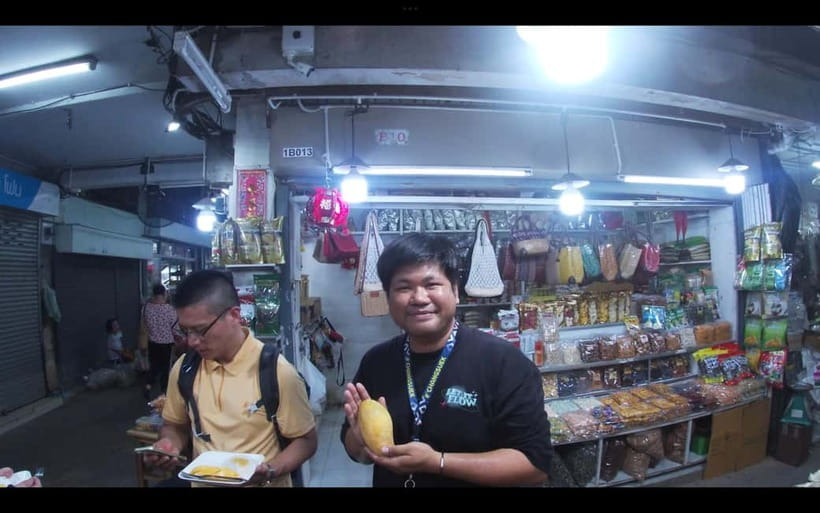
Chiang Mai can be a little overwhelming if you only rely on wandering. This tour gives you a simple plan: meet up, walk to the market, eat at Michelin Guide picks, then head back out. You’re not stuck translating menus or guessing which stalls are worth your time.
What makes it feel good is the pacing. The schedule is built around eating time (not constant stop-start movement). Even the walking legs are short—mostly around 10 minutes at a time—so you’re not burning your energy just to “get to the next bite.”
The other big difference is focus. You get three Michelin Guide dishes, not a long list of ten random snacks. That works for me because you end up comparing flavors across a theme—noodles, fried dough, and rice-skin dumplings for lunch; Khao Soi, roast chicken, and papaya salad for dinner. You leave knowing what you actually ate and how it fits Chiang Mai’s food identity.
You can also read our reviews of more food & drink experiences in Chiang Mai
Lunch route: meeting at Wat Saen Fang and starting toward Kad Luang
For lunch, your meeting point is Wat Saen Fang (the entrance gate next to The Story 106 Co-Working Space & Cafe on Thapae Road). It’s about 600 meters from Tha Pae Gate. From there, you’ll head off on a short walk to Warorot Market, usually around 10 minutes.
Right away, you’re in the area where people come for food, not just for photos. That matters because market stalls are busy and fast. A guide helps you avoid the common trap: standing too long at the wrong place, or ordering something you’ll like but won’t really learn from.
Then the day “locks in” to the eating plan: a main noodle stop, more market walking, and a dumpling stop. You’ll move in pieces—walk, eat, walk, market time—so it doesn’t feel like one long sprint.
Practical note from the tone of reviews: arrive hungry, but don’t assume it will feel like a snack sampler. This is set up for full satisfaction.
Thana Ocha and the Yen Ta Fo moment (Hakka pink noodle)
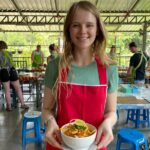
One of the first real highlights is the noodle stop at Thana Ocha Noodle, with about 40 minutes set aside for street food, guided tour, and tasting. This is where your Hakka pink noodle (Yen Ta Fo) comes in.
Why this stop works: noodles are a cheat code for understanding a city. If you can eat something that’s Chinese-influenced but made locally in northern Thailand, you start to “read” Chiang Mai better. And the guide’s job is to connect the dots—ingredients, cooking style, and why the dish matters in Chiang Mai’s food scene.
Also, 40 minutes is plenty of time to slow down. Noodles need breathing room. You’ll get to eat without feeling shoved out the door, and you can ask questions about what you’re tasting while it’s fresh.
What to watch for: noodle shops can be loud and busy. Wear comfortable shoes and keep your focus on the guide’s directions for ordering and timing. If you’re sensitive to crowded spaces, this is the moment to mentally prepare for that.
Warorot Market walkthrough: where the Thai fried dough fits
After the noodle stop, the itinerary brings you back toward Warorot Market. You’ll have another short walk and then a more structured market segment (around 20 minutes) that includes guided sightseeing and a guided food market visit, plus extra walking time on the way.
This is where you get that “only a local would think of this” feeling—because Warorot isn’t just one stall. It’s a whole system: different foods, different crowds, and different shopping habits.
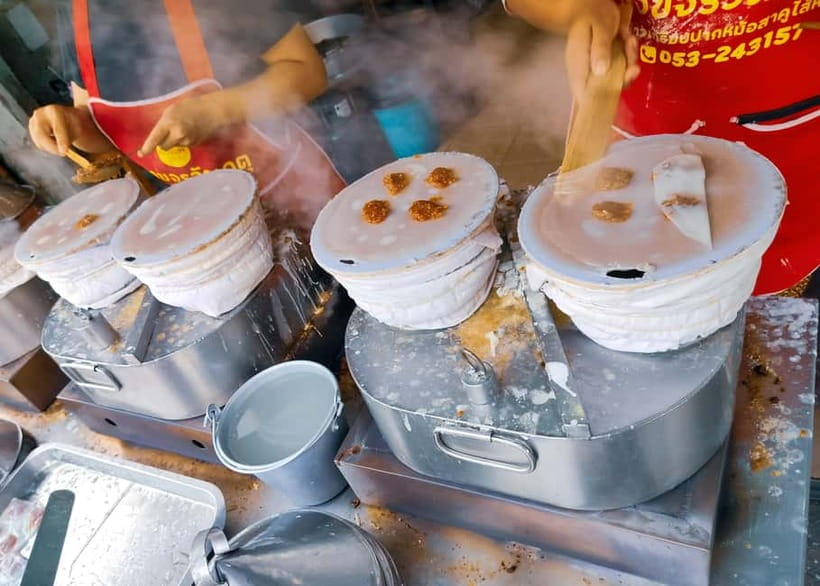
Your Thai fried dough is part of the plan, tied to Patongo Ko Neng’s Dinosaur Fried Dough. Even if you’ve never seen this shape or style before, fried dough is one of those simple foods that tells you a lot. The guide can help you understand texture, how it’s served, and what to pay attention to so you don’t just taste, you actually notice.
Market time also gives you one of the best side benefits of this tour: you learn how to navigate without being stuck with strangers at the counter. The guide can show you what to order and how to keep moving, including small practical stuff like crossing roads safely with foot traffic and timing.
Lung Khajohn Wat Ket: steamed rice-skin dumplings and a satisfying finale
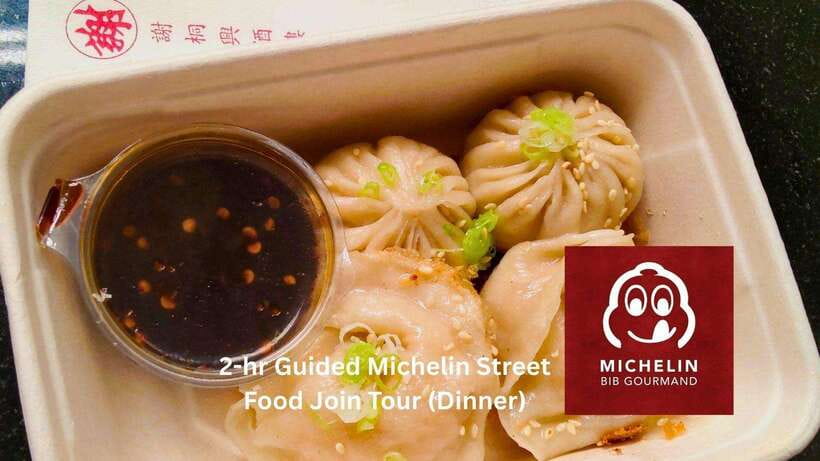
The third Michelin stop is Lung Khajohn Wat Ket, with about 20 minutes for street food, guided tour, and tasting. This is where the included dish is steamed rice skin dumplings.
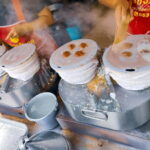
This final stop matters because dumplings “close the loop.” You’ve had noodles and fried dough; now you get a softer, steamed item that changes the texture map of your meal. It also slows things down again, which helps you digest after the earlier market energy.
If you’re wondering what kind of flavor profile to expect: rice skin + steaming usually means a gentler bite than fried items, and dumplings often carry savory filling with a more delicate wrap. The guide’s role here is to help you notice the differences instead of rushing through.
One more detail: Lung Khajohn Wat Ket is also associated with dishes like Khao Kriab Pak Moh (mentioned as part of the food spotlight for this lunch experience). Even if you’re not eating every dish you hear about, being in the right place makes those conversations make sense.
At the end, you finish back at Warorot Market (Kad Luang). That’s smart because you can keep browsing with your “food eyes” turned on, and you’ll know how to look at the market like a participant, not a spectator.
You can also read our reviews of more tours and experiences in Chiang Mai
Dinner option: Michelin dishes around Nimmanhaemin instead of the market
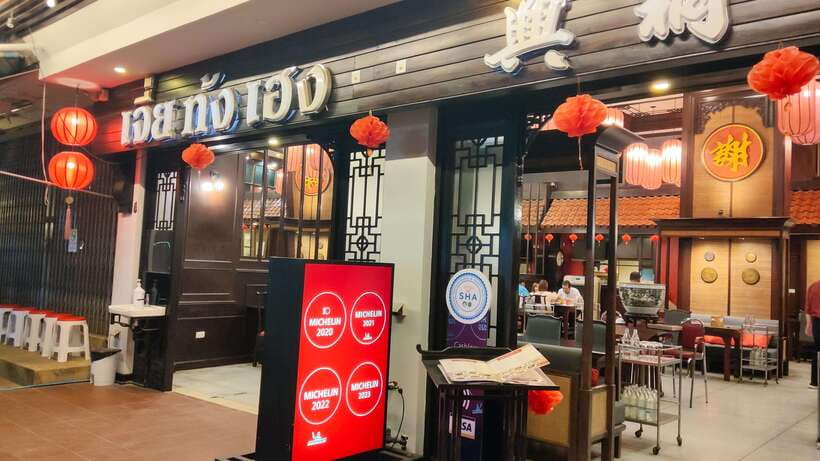
If you choose dinner, the format changes. There’s no market visit included. You’ll meet at McDonald’s Nimmanhaemin, and the tour ends on Nimmanhaemin Road. After the tour, you can visit ONE Nimman (as stated for the dinner option).
The included dishes for dinner are:
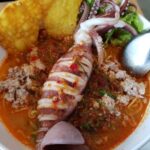
- Khao Soi Michelin
- Roast chicken
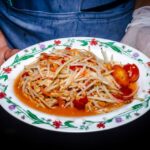
- Papaya salad
This route is often the better choice if you want less walking or you’re dealing with heat. Nimmanhaemin has a different energy than the Old City market zone, and dinner pacing can feel easier to manage.
Khao Soi is the anchor dish for a reason. It’s iconic for northern Thailand, and it’s also a dish that benefits from explanation. The guide can help you notice what makes a Michelin-recognized version different—texture, broth feel, toppings, and how the dish is built.
Roast chicken and papaya salad add balance. Roast chicken is familiar, but you’ll usually taste more seasoning depth than you’d expect from a casual version. Papaya salad is your bright, acidic reset. Together, they keep the meal from feeling one-note.
Price and value: $31 for three Michelin Guide dishes
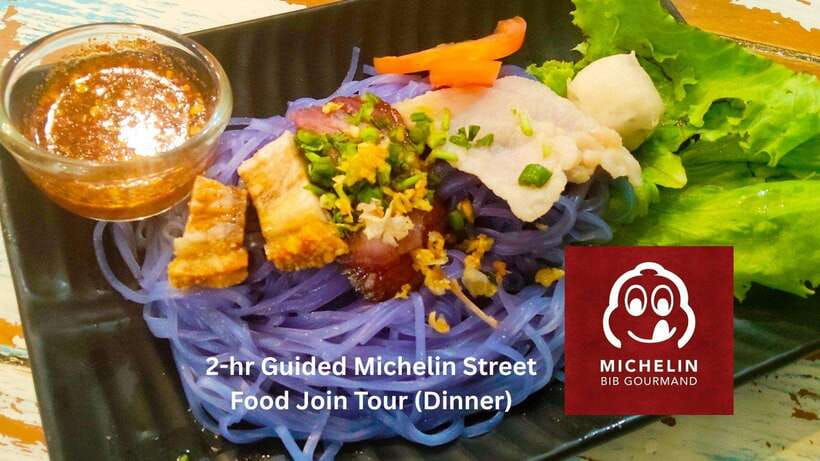
At $31 per person for a 2-hour experience, the best way to judge value is to ask one question: how much would you pay for three full meals on your own?
Here, you’re paying for:
- three Michelin Guide-selected dishes (depending on lunch vs dinner),
- a passionate local guide,
- insider context so the food makes sense,
- and a bottle of drinking water.
Also, multiple reviews describe this as full portions rather than lots of tiny samples. That means the cost doesn’t feel like you’re just buying access to a tasting flight. You’re buying the meal itself, plus the guide’s “why this place, why this dish, why this city” commentary.
One possible mismatch to be aware of: because it’s three main dishes, you may not get the wide variety that some food-tour styles offer. If you love collecting 8–12 different bites, this may feel short. But if you prefer fewer items done well, this is the right size.
What you’ll get from Natt’s guide style (and why it matters)
The guide for this experience is Natt (named in reviews), and that matters more than people think.
In reviews, he’s described as:
- friendly and funny, with a caring approach,
- strongly informed about Thai and Chinese food culture,
- and able to link dishes to how Chiang Mai’s food scene evolved over time.
That last part is the real “value add.” Without guidance, you can eat Michelin-awarded food and still miss the point. With guidance, you learn what to notice next time you see a similar dish—like how the seasoning works, why the cooking method matters, and what influences shaped the plate.
You’ll also pick up practical trip tips. Reviews mention recommendations for other places to eat and things to do beyond the tour. That’s not random “extra marketing.” It’s usually the difference between eating well once and eating well for the rest of your stay.
Timing, walking, and what to bring for comfort
This is a 2-hour tour. There’s walking, but it’s not long-distance hiking. You’ll do short legs between stops, including a market area that can feel dense and busy.
So your job is simple: make it easy on yourself.
- Wear comfortable shoes (market floors and restaurant transitions can be uneven).
- Bring a hat and sunscreen. Chiang Mai sun can be fast.
- Have cash. Markets can be cash-forward.
- Bring a camera if you like, but focus on eating first.
Also, respect the rules:
- no pets,
- no baby strollers,
- no backpacks,
- no electric wheelchairs,
- and the tour isn’t suitable for a long list of health and dietary situations (including people with food allergies, gluten intolerance, vegans, vegetarians, and those with mobility issues or certain medical concerns).
If you’re in any of those categories, it’s best to double-check fit before you book.
Who should book this Michelin Guide street-food tour
Book it if:
- you want Michelin Guide dishes without doing homework,
- you like market energy but want someone to guide your choices,
- you want a short, filling food experience rather than a long snack crawl,
- and you enjoy learning why a dish tastes the way it does.
Skip it (or consider a different tour) if:
- you’re hoping for lots of tiny tasting variety,
- you have strict dietary limits or allergies that would conflict with the tour’s suitability restrictions,
- or you can’t do walking in crowded areas.
It also makes sense as a first or early-day activity. One big benefit of a first-food-tour day is that it gives you a “map” of how you should order and where to go next.
Should you book it: my decision checklist
You should book this tour if three things are true:
1) You’re excited to eat three Michelin Guide-selected dishes (not a buffet-style list).
2) You can handle a mix of walking and standing in a busy market area for lunch, or you prefer a less-walking dinner around Nimmanhaemin.
3) You’re comfortable eating Thai food and your dietary needs fit the tour’s stated limits.
If that sounds like your kind of meal plan, this is a smart value pick. You’ll get a structured way to taste Chiang Mai’s flavors, plus a guide (Natt) who can explain what you’re eating in plain language, with enough personality to keep it fun.
FAQ
How long is the Taste of Chiang Mai: Michelin Guide & Street Food Tour?
It runs for 2 hours.
How much does the tour cost?
The price is $31 per person.
Where is the meeting point for the lunch option?
Meet at Wat Saen Fang (entrance gate next to The Story 106 Co-Working Space & Cafe on Thapae Road), about 600 m from Tha Pae Gate.
Where is the meeting point for the dinner option?
For dinner, meet at McDonald’s Nimmanhaemin.
Does the lunch option include Warorot Market (Kad Luang)?
Yes. The lunch option includes Warorot Market time, guided walking, and food tasting.
Does the dinner option include a market visit?
No. The dinner option does not include a market visit and takes place around Nimmanhaemin.
What Michelin Guide dishes are included for lunch?
Lunch includes: Hakka pink noodle (Yen Ta Fo), Thai fried dough (Dinosaur Fried Dough), and steamed rice skin dumplings.
What Michelin Guide dishes are included for dinner?
Dinner includes: Khao Soi Michelin, roast chicken, and papaya salad.
What should I bring?
Bring comfortable shoes, a hat, sunscreen, a camera, and cash.
Is the tour suitable for vegetarians or vegans?
No. The tour is not suitable for vegans or vegetarians, and it also isn’t suitable for people with food allergies or gluten intolerance.