REVIEW · CHIANG MAI
Chiang Mai: Cooking Class with Market and Pickup
Book on GetYourGuide →Operated by Chiang Mai Daddy's Kitchen · Bookable on GetYourGuide
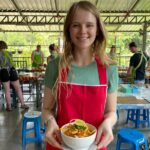
Thai herbs have a smell you can’t forget. At Chiang Mai Daddy’s Kitchen, you start with a fresh market walk to learn Thai herbs and vegetables, then you cook Thai food hands-on in a Thai family-style kitchen with an instructor guiding the whole flow. I especially like how the class is interactive (not a demo) and how you get your own setup to actually make the food.
The only real catch is appetite management. You’ll be making and eating multiple dishes, and while mango sticky rice is included, some people find it a polarizing finish.
In This Review
- Key things to know before you cook
- From hotel pickup to the fresh-market herb lesson
- Daddy’s Kitchen: a small-group class that feels like a home kitchen
- Hands-on Thai cooking: how the class actually teaches
- What you’ll cook: soups, stir-fries, curries, and the mango sticky rice finish
- Pad Thai and Thai comfort classics
- Mango sticky rice: the included dessert moment
- Your take-home recipe e-book (PDF) and why it matters
- Price and value in real terms (why $25 can work)
- Who should book this cooking class in Chiang Mai
- Practical tips so your class goes smoothly
- Should you book Chiang Mai Daddy’s Kitchen cooking class?
- FAQ
- How long is the cooking class?
- Do I get hotel pickup and drop-off?
- Is the class small?
- Is the instructor available in English?
- What’s included in the price?
- Are alcoholic drinks included?
- What’s the rule about alcohol and drugs?
- FAQ
- What should I expect at the market?
- What dishes can I choose to cook?
Key things to know before you cook
- Market-first learning: you shop for herbs, spices, and veggies before you touch a knife or wok.
- Your own wok and station: cooking gear is split by person, so you’re not watching for 3 hours.
- Fresh ingredients only: the kitchen focuses on fresh herbs and ingredient quality from start to finish.
- Small group means faster help: capped at 10 participants, with English instruction.
- Menu choice is real: you build your own set from options like soups, stir-fries, and curries.
- Take-home PDF plus photos: you leave with recipes you can repeat at home.
From hotel pickup to the fresh-market herb lesson
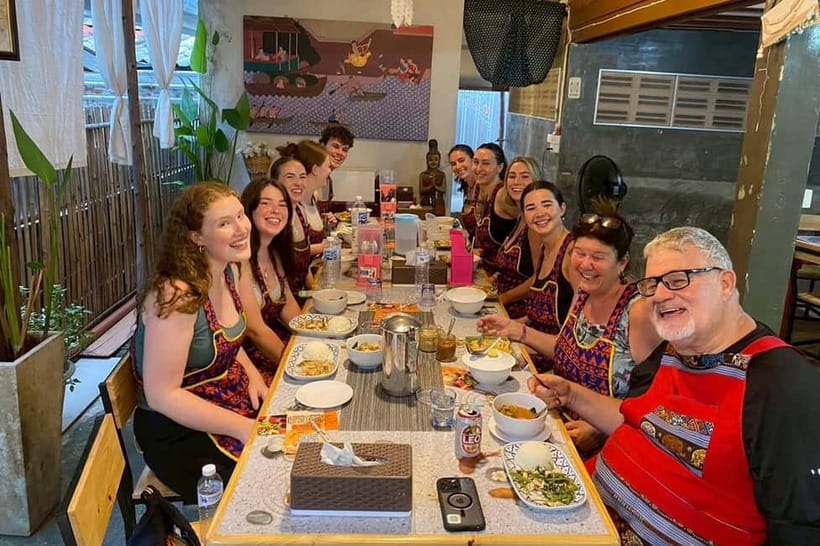
This tour starts with a simple plan: you’re picked up from your hotel and brought straight into Chiang Mai’s food world. You’ll wait at the hotel lobby about 30 minutes before the class start time, then get transported to the market portion of the experience.
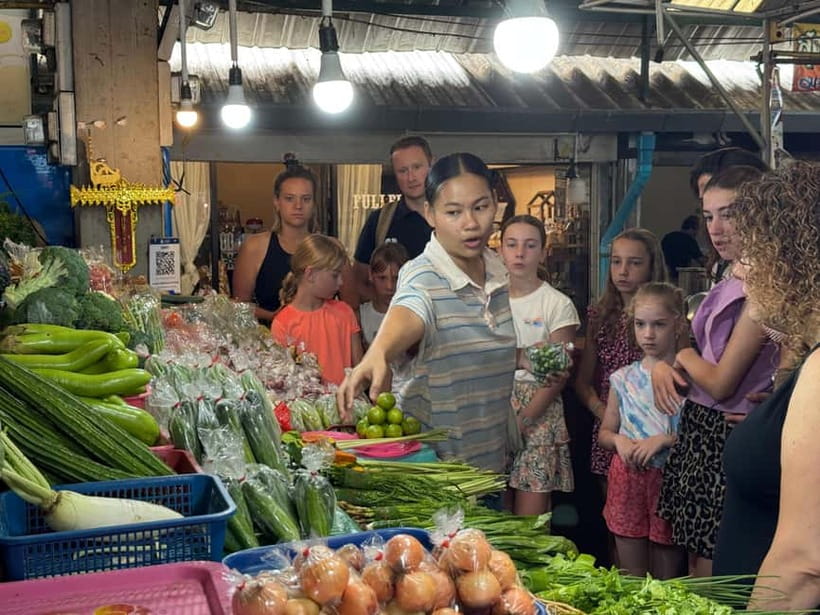
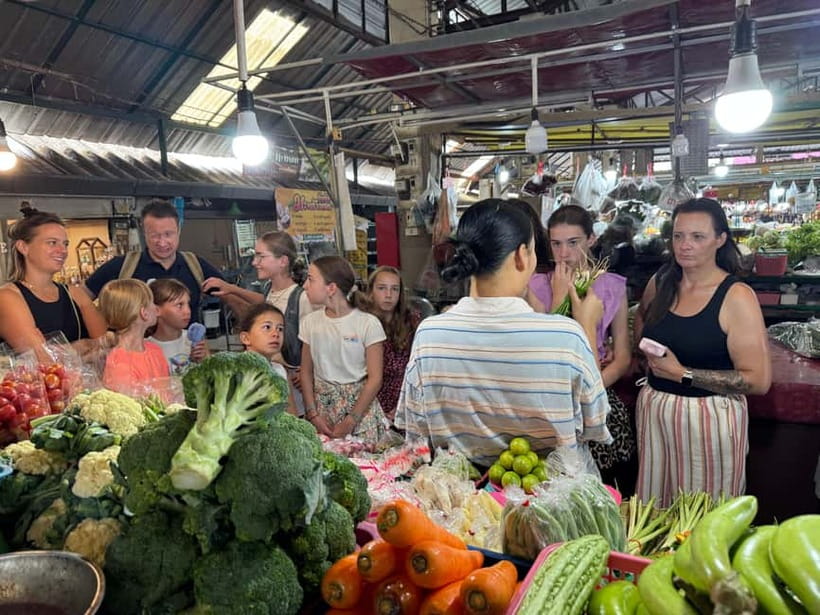
The market stop is where this class earns its keep. Instead of learning Thai flavors from a cookbook, you get the real ingredients in front of you. Expect a guided walk through fresh produce and stalls where herbs and vegetables are the main characters. You’ll get introduced to Thai herbs and vegetables, and you’ll choose ingredients for the dishes you’re going to cook later.
A few details from the way people describe the market portion help you understand the value:
- It’s not a quick photo stop. You’re learning what’s what and why it matters.
- The herbs and vegetables stand out because there are lots of varieties (eggplant types, for example, show up more than you’d expect).
- You get context that makes the cooking steps easier later, because you already know what you’re working with.
If you’re the type who normally orders Pad Thai and calls it a day, this market walk can flip a switch. Once you’ve seen the ingredients, you start noticing them everywhere in Thai food after the class.
You can also read our reviews of more shopping tours in Chiang Mai


Daddy’s Kitchen: a small-group class that feels like a home kitchen
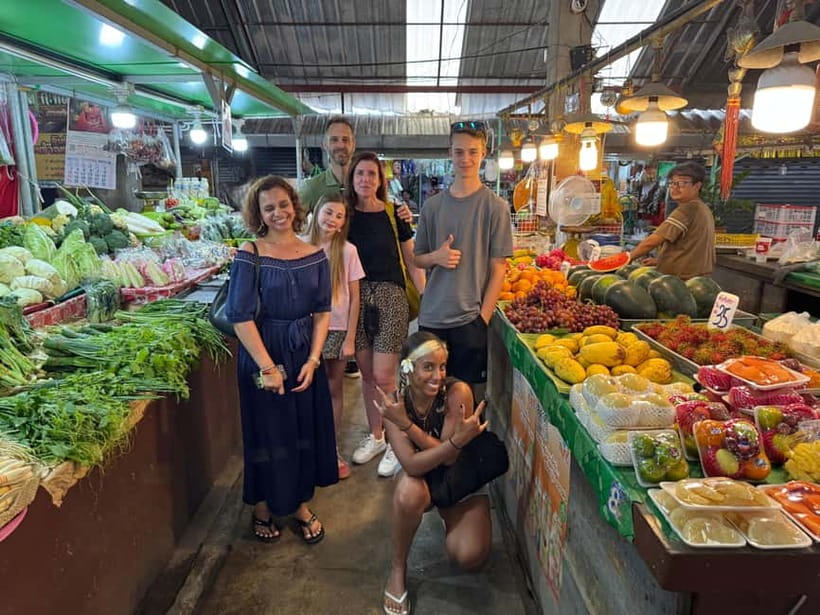
After the market, you return to the cooking school for a welcome drink and snack. Then the hands-on part begins.
A big part of the experience is the setting: a Thai family-style atmosphere. You’re not stuck in a classroom. You’re in a working kitchen environment, which makes the learning feel practical instead of theoretical.
The logistics are built around participation:
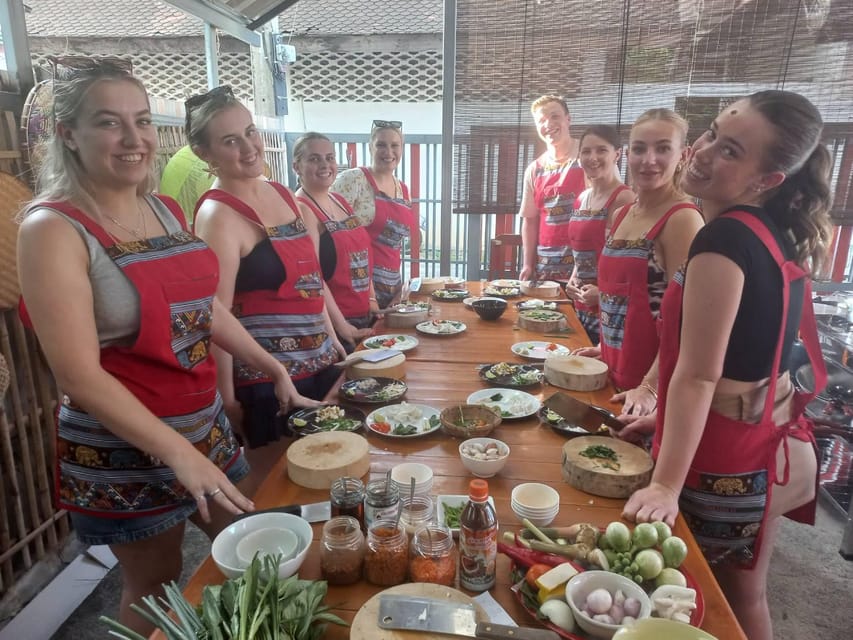
- Small group size: limited to 10 participants
- English instructor guidance
- You cook from your own station
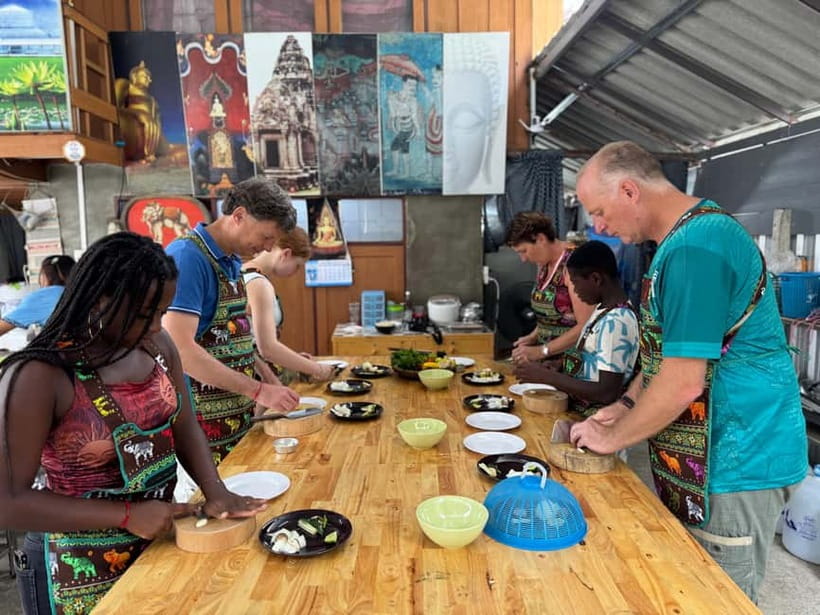
- Each person has a cooking station and wok, plus utensils for the work you’ll do
This matters more than you might think. In cooking classes where everyone shares one setup, you end up waiting, adjusting, or rushing. Here, you’re cooking alongside the instructor’s rhythm. That’s why so many people finish the class proud of what they made, even if they started with zero confidence.
I also like the “everyone cooks” design. Some classes hand you a single role like stirring rice or chopping garnish. This one pushes you toward real prep and real cooking steps, with the instructor keeping you on track.
You’ll see different instructor names across the class runs—Wave, Cha-Em, Pe New, Tu, Poppy, and Kimmy are mentioned. The common theme is that the teaching style keeps energy up while still guiding timing and technique.
Hands-on Thai cooking: how the class actually teaches
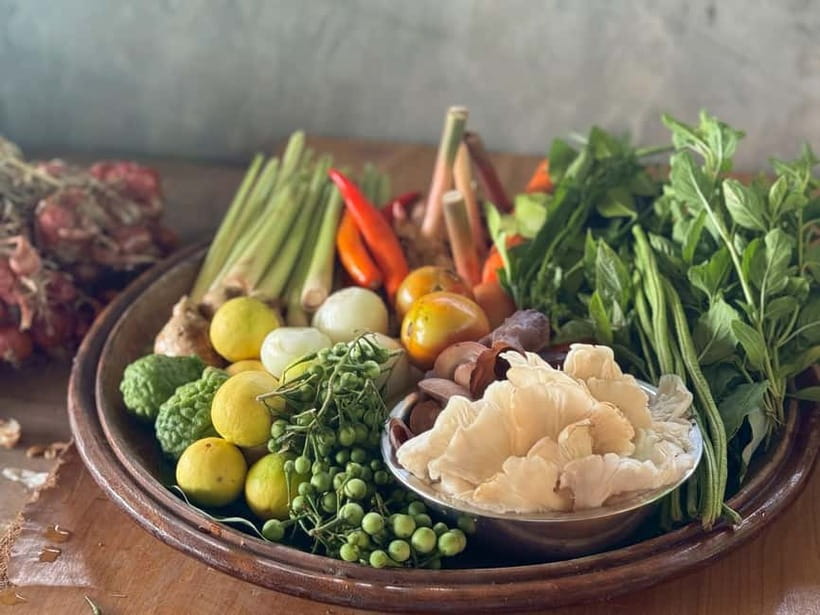
Once you’re in the kitchen, the structure shifts from market learning to recipe execution. You’ll use a hands-on method, which means you’re preparing and cooking Thai dishes yourself rather than standing back.
You’ll create your own menu, and that choice is where the class becomes personal. Depending on your selection, you’ll cook from categories like:
- Soups
- Stir-fries
- Curries (including making curry paste)
People repeatedly highlight that the instructor keeps steps simple and repeatable. One of the best signs of a good class is when it reduces intimidation. Many people come in thinking Thai cuisine is complex. With the way this class breaks things down, it turns into a series of manageable steps you can actually follow.
A helpful pattern you’ll notice in how the class works:
- You choose what you want to cook, then the teaching matches your menu.
- The instructor explains ingredient roles and then watches your process so you can correct timing and seasoning.
- The kitchen stays focused on fresh ingredients, which means your results tend to taste correct even when you’re learning.
Also, the class duration is long enough to matter: 210 minutes (about 3.5 hours). That’s enough time for a full flow—market context, prep, cooking, and eating—without feeling like you got dumped into chaos.
What you’ll cook: soups, stir-fries, curries, and the mango sticky rice finish
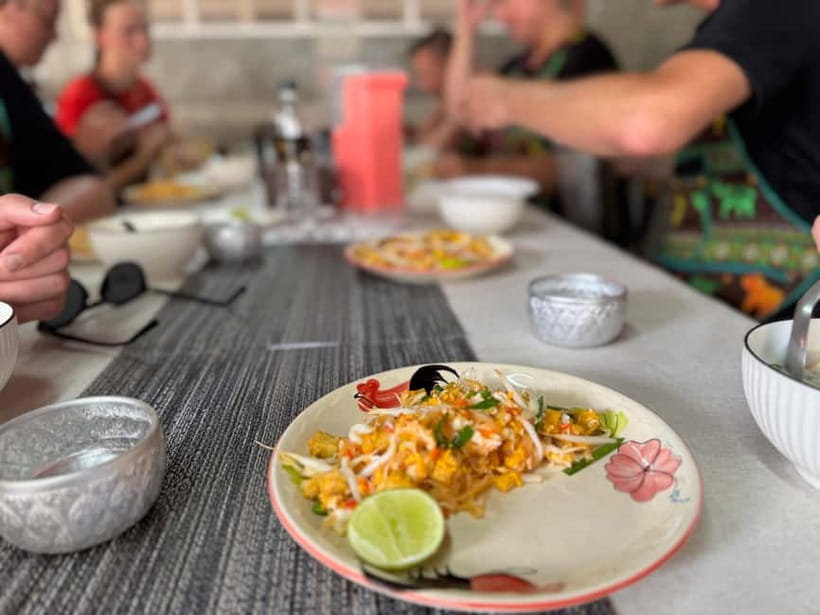
The menu setup is one of the strongest parts of this experience. You pick from multiple options rather than receiving the same “set menu” as everyone else.
Across the class structure as people describe it, you might choose among:
- 3 soups
- 3 stir-fries
- 4 curry options
- plus curry paste preparation as part of the curry work
The distribution can vary by group situation. For example, one person noted that if you come solo, you may cook 3 dishes in total with team effort for curry paste and the sticky rice portion. If you come as a couple, you can choose opposites so you both get more variety across the table.
And yes, the class typically delivers a lot of food. Multiple people mention making 4 dishes each (or similarly substantial portions), then still finishing strong. That’s why I keep coming back to the “come hungry” advice.
Pad Thai and Thai comfort classics
Some specific dishes come up in real feedback. Pad Thai gets mentioned, and people also talk about curry-style dishes and the sticky rice dessert as part of the finale.
Even if you aren’t chasing a specific dish, the menu variety is valuable because it teaches the range of Thai flavors. Soups help you understand aromatics and balance. Stir-fries teach heat control and seasoning timing. Curries show how paste, simmer time, and coconut or broth handling create depth.
You can also read our reviews of more tours and experiences in Chiang Mai


Mango sticky rice: the included dessert moment
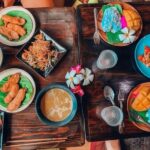
Mango sticky rice is included, and it’s a classic Thai ending. Still, one small caution: a few people report mixed feelings about it. If you’re the type who likes your dessert less sweet or less sticky, know that this is the standard finish you’ll be served.
If you do like it, great. If you don’t, at least you’ll have the recipe e-book so you can tweak how you make it at home.
Your take-home recipe e-book (PDF) and why it matters
One thing that separates a “fun class” from something you’ll actually use after the trip is follow-through. Here, you receive a digital recipe e-book in PDF format. People also mention receiving a recipe book online plus photos from the activities.
That means you can cook again without guessing:
- what ingredients you used
- how the sequence works
- what to adjust for taste
I also think the PDF format is practical in real life. Once you’re back home, you’re not hunting through notes or trying to remember what the instructor meant by that one seasoning step. You open the PDF and start cooking.
Photos and activity images also help you remember the ingredient names you saw at the market. That’s a sneaky win. Markets teach you by sight, and recipes lock it in.
Price and value in real terms (why $25 can work)
The price listed is $25 per person for a 210-minute experience. At first glance, that sounds almost too good to be true. But when you break down what’s included, the value makes sense:
- Hotel pickup & drop-off
- Hands-on cooking class
- All ingredients
- A cooking station and wok per participant
- Dessert (mango sticky rice)
- Digital recipe e-book
And remember: you’re paying for more than the meal. You’re paying for guided technique in an English-language class plus transportation plus the ingredient learning at the market. If you tried to recreate this on your own, you’d still spend money on ingredients, and you’d miss the coaching on timing, heat, and seasoning balance.
One more value point: the class is small (10 max). When you’re paying around the price of a decent restaurant meal, it’s a big deal that you’re cooking at your own station, not watching from the sidelines.
If your travel budget is tight, this is the kind of activity that gives you both a memorable evening and a repeatable skill.
Who should book this cooking class in Chiang Mai

This class is a good fit for a wide range of cooking comfort levels. It’s suitable for skilled cooks and also for nonskilled cooks because you learn through guided hands-on practice.
You’ll probably enjoy it most if:
- you like Thai food and want to understand the ingredients behind it
- you want a more local-feeling experience than just a tasting
- you enjoy interactive classes and want to cook with others in a small group
- you want recipes you can actually use later
It may be less ideal if:
- you dislike cooking or prefer passive sightseeing
- you have a very limited tolerance for spicy foods (you can choose dishes, but Thai cooking often uses strong flavor building blocks)
- you hate being in a shared kitchen environment with more activity than a restaurant
Age-wise, the tour lists it as not suitable for children under 5, and it notes a maximum age limit of 95.
Practical tips so your class goes smoothly
A few practical notes can make your evening feel effortless:
- Come hungry. Many dishes are cooked and eaten, and people recommend not eating breakfast before certain sessions.
- Wear clothes you don’t mind getting touched. You’ll be chopping and cooking, and aprons aren’t explicitly listed as included.
- Ask about ingredient names at the market stage. That’s where the names stick and where you’ll reduce confusion later in the kitchen.
- Be ready to choose. The menu options let you personalize your dishes, so think about what you actually want to repeat at home.
Also, alcohol is not included. Alcoholic beverages are available for purchase, but the tour rules specify alcohol isn’t allowed. In practice, treat the class as a non-alcohol setting and don’t plan on bringing your own drinks.
Should you book Chiang Mai Daddy’s Kitchen cooking class?
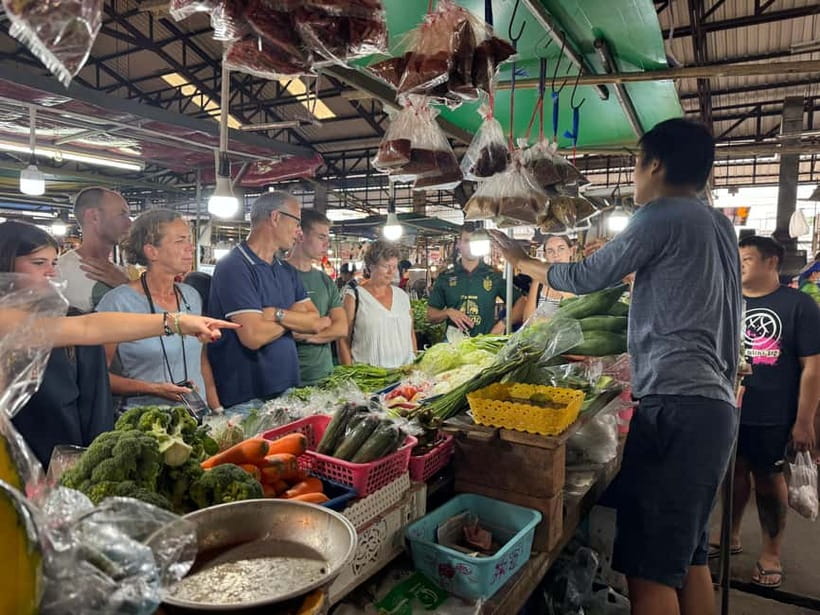
If you want a Thai cooking experience that’s more than a souvenir meal, I’d say yes. The combination of market ingredient education, hands-on cooking, and take-home PDF recipes makes this one of those activities that pays you back long after you leave Chiang Mai.
Book it if:
- you’re excited to cook several dishes, not just one
- you like small groups and want real instructor attention
- you want to learn why flavors work, not just what to order
Skip it if:
- you want a purely sightseeing day with no kitchen time
- you’d rather watch a chef than cook yourself
- you’re extremely picky about dessert sweetness since mango sticky rice is included
If you fit the first group, this class is a strong value play. You’ll walk away full, with the recipe tools to recreate the tastes back home, and with a much clearer sense of how Thai herbs and spices actually drive the food.
FAQ
How long is the cooking class?
The class lasts 210 minutes (about 3.5 hours).
Do I get hotel pickup and drop-off?
Yes. Hotel pickup and drop-off are included.
Is the class small?
Yes. The group is limited to 10 participants.
Is the instructor available in English?
Yes. The instructor teaches in English.
What’s included in the price?
Included are hotel pickup & drop-off, the hands-on cooking class, every ingredient, a cooking station, mango sticky rice dessert, and a digital recipe e-book.
Are alcoholic drinks included?
No. Alcoholic beverages are available for purchase, but they are not included.
What’s the rule about alcohol and drugs?
Alcohol and drugs are not allowed.
FAQ
What should I expect at the market?
You’ll visit a local fresh market to learn about Thai herbs and vegetables, and you’ll collect ingredients for the dishes you’ll cook.
What dishes can I choose to cook?
You’ll be able to create your own menu. Dishes can include options like soups, stir-fries, and curries, and curries can involve making curry paste.