REVIEW · CHIANG MAI
Chiang Mai Temples Visit Walking Tour with Ex-Monk Guide Part 2
Book on Viator →Operated by Chiang Mai City Temple Visit Walking Tour With Ex-Monk Tourist Guide (Part 1) · Bookable on Viator
Monks make temple facts stick. In Chiang Mai, this walking tour with ex-monk guide Katoon turns several classic Lanna temples into an easy-to-follow lesson on Buddhism, not just sightseeing. I especially love the one-on-one style Q&A (even for kids), and the fact that admission for the listed stops is free, so your money stays focused on the guide.
The main drawback is practical: it’s about 3.5 hours of walking, and bottled water isn’t included, so you’ll want to plan for warm afternoons and keep expectations flexible if weather shifts.
In This Review
- Key highlights before you go
- Why this Part 2 temple walk feels different (Wat, explanations, and real context)
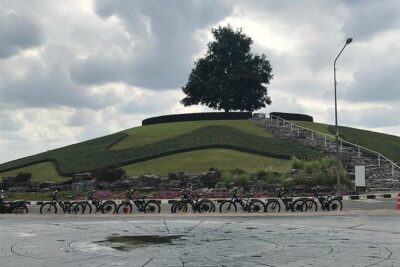
- Start at Three Kings Monument: a smart, easy meetup
- Wat Chiang Man (built 1296): where you feel Chiang Mai’s early roots
- Wat Pa Pao: the Tai Yai story and Lady Bua Lhai’s mark
- Wat Chiang Yuen: the Burmese-colonial gate and a pavilion worth noticing
- Wat Lok Molee: the wooden chanting hall and Lanna design
- Buddhism lessons you can actually use: Katoon’s calm explanations
- Walking tour timing: 3 hours 30 minutes, paced for real attention
- Price and value: $25.92 for a guided, multi-temple lesson
- What to bring (so the tour stays comfortable)
- Who should book this Chiang Mai ex-monk temple tour Part 2
- Should you book it?
- FAQ
- Where is the meeting point, and what time does the tour start?
- How long is the Chiang Mai Temples Visit Walking Tour Part 2?
- What does the tour cost?
- What’s included in the tour price?
- Is there an admission fee for the temples?
- What language options are available for the guide?
- Is bottled water included?
- How many people are in the group?
- What is the cancellation policy, and how does weather affect it?
Key highlights before you go
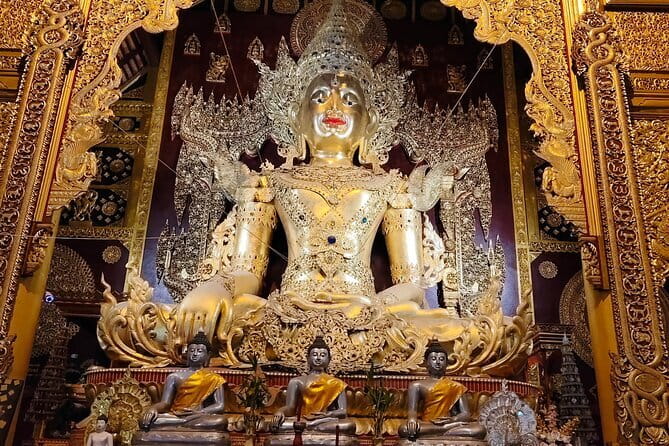
- Ex-monk guide Katoon: you’ll get answers about Buddhism and his life as a monk, with patience for questions
- Free admission: the tour covers multiple temple stops without charging you entry fees for the listed sites
- Classic Chiang Mai temple mix: Wat Chiang Man, Wat Pa Pao, Wat Chiang Yuen, and Wat Lok Molee
- Small group size (max 20): easier pacing and more room to ask questions
- Mobile ticket and local start point: pick up where you meet at the Three Kings Monument and head back there
Why this Part 2 temple walk feels different (Wat, explanations, and real context)
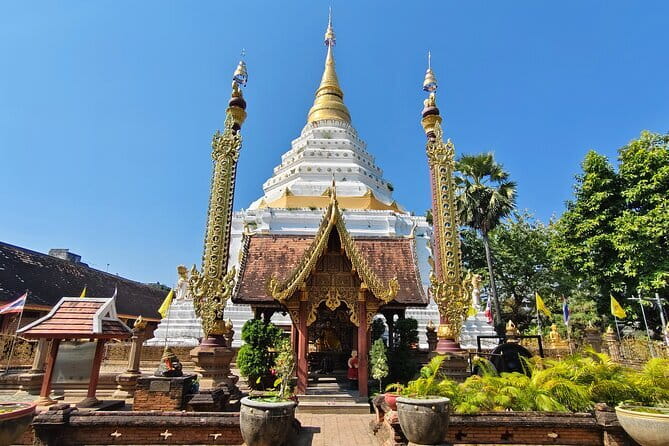
This isn’t the usual temple “look and move on” tour. I like how Katoon connects what you’re seeing—gates, Buddha images, chanting halls—to what people believe and practice. You’re not memorizing dates for fun; you’re learning how Buddhism shows up in everyday respect, routines, and meaning.
As an ex-monk guide, he brings a perspective you can’t fake with a standard script. And the best part is how he handles questions, including the ones that don’t fit neatly into the tour flow. If you have a curious brain—or a kid with a thousand interruptions—this style works.
You can also read our reviews of more walking tours in Chiang Mai

Start at Three Kings Monument: a smart, easy meetup
The tour meets at Three Kings Monument (Prapokklao Road area), and you start at 1:00 pm. This location is handy because it’s a well-known landmark rather than a hard-to-find back street.
You’ll get a quick introduction right before walking begins. It helps you get your bearings fast, and it also frames what you’re about to see so you don’t end up treating each temple like a separate, unrelated stop.
Wat Chiang Man (built 1296): where you feel Chiang Mai’s early roots
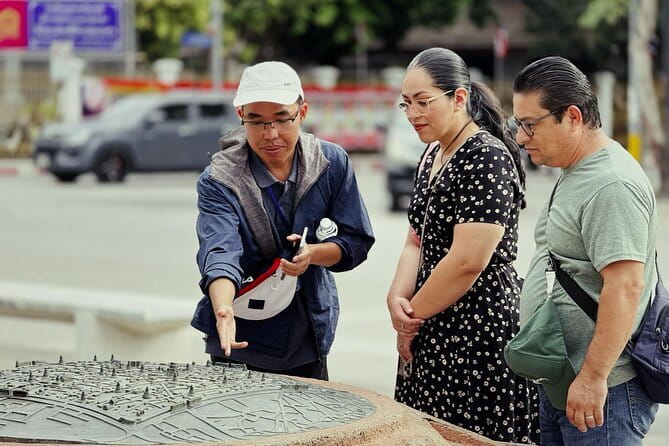
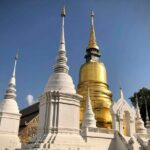
Your first temple stop is Wat Chiang Man, one of the oldest and most iconic temples in Chiang Mai. It was built in 1296, and it’s believed to be the first temple constructed in the city, which gives the place extra weight when you stand in front of it.
Here, I’d expect you to focus less on ticking boxes and more on understanding why this temple mattered to the city from the beginning. You’ll have around 45 minutes at this stop, so it’s long enough to slow down, look closely, and ask questions before moving on.
A practical note: older temple grounds can feel like a maze if you don’t know what to watch for. Having Katoon explain what you’re looking at makes the architecture and layout far less confusing.
Wat Pa Pao: the Tai Yai story and Lady Bua Lhai’s mark
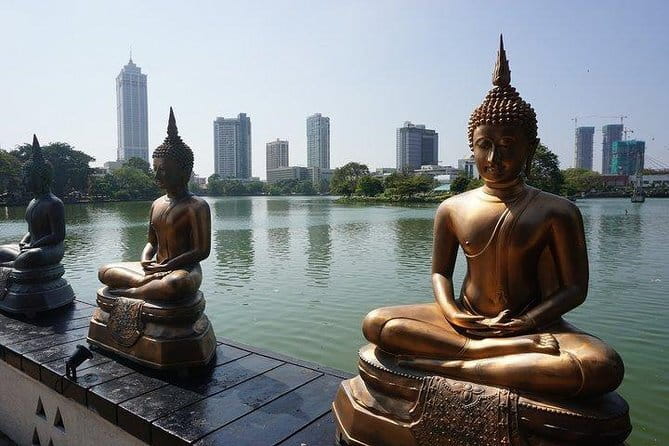
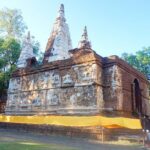
Next up is Wat Pa Pao, noted as the first temple of the Ngiaw or Tai Yai community in Chiang Mai. This matters because it’s a reminder that Chiang Mai’s Buddhist landscape isn’t one single storyline—it’s made of different cultural threads.
Wat Pa Pao was constructed in 1883 during the reign of Prachao Intawichayont, built by Lady Bua Lhai, a Tai Yai concubine of the king. You’ll spend about 30 minutes here, which is enough time to grasp the key story and still absorb the temple’s atmosphere without rushing.
If you like cultural history that connects to people (not just dates), this stop tends to land well. And if you’re traveling with family, the short timing keeps things from getting too tiring.
Wat Chiang Yuen: the Burmese-colonial gate and a pavilion worth noticing
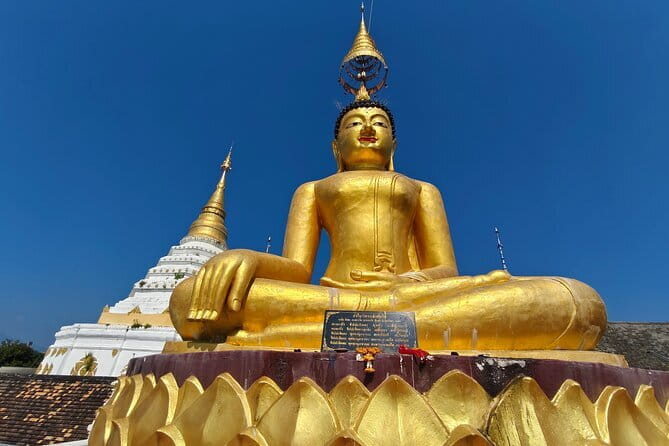
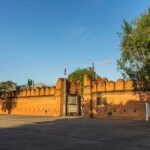
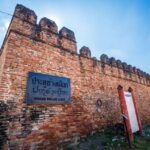
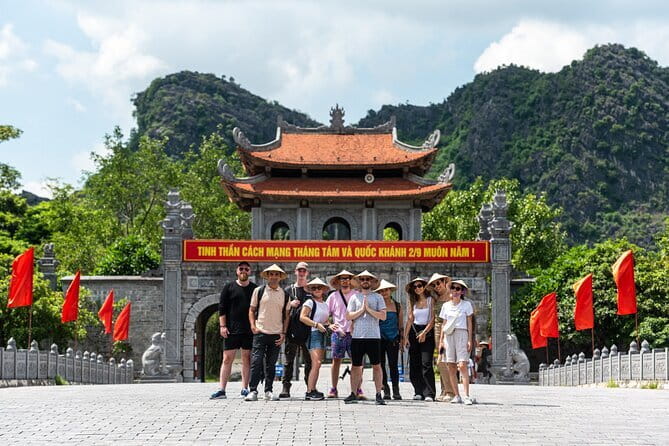
At Wat Chiang Yuen, you’ll hear about its famous ancient Burmese colonial gate and a beautiful pavilion. This is one of the stops where architecture becomes the lesson, because the gate style gives you a visible clue about historical influences.
You get about 30 minutes at this temple. That’s a realistic window for temples like this—long enough to see the standout features and short enough to stay comfortable in afternoon heat.
One consideration here: the pavilion and gate are the headline, but don’t ignore the smaller details around them. With the guide’s explanations, even the “background” parts can make sense, and that’s when the stop stops feeling like a photo-op.
You can also read our reviews of more guided tours in Chiang Mai



Wat Lok Molee: the wooden chanting hall and Lanna design
The final major temple stop is Wat Lok Molee (listed as Wat Lok Moli), known for a wooden chanting hall with traditional Lanna architecture. This is the kind of place where the materials matter—woodwork, hall shape, and the overall design mood feel different from the more stone-heavy temple structures you might see elsewhere.
You’ll spend about 45 minutes here, which is a great length for the last stop. By now you should feel warmed up: you’ll know the “how to look” rhythm, and you’ll likely have more questions ready.
If you care about craftsmanship, this is a good place to slow down. Traditional hall design often looks simple until someone explains what makes it function the way it does for ceremonies and chanting.
Buddhism lessons you can actually use: Katoon’s calm explanations
The strongest part of this tour is how Buddhism is explained in human terms. I like that Katoon doesn’t treat Buddhism like a museum topic. He frames it as practice and meaning—especially around respectful behavior and how people show devotion.
In particular, the guide explains how locals talk about praying and how that idea can differ in a Buddhist context. Instead of leaving you with confusing vocabulary, you get a clearer mental model for what the actions mean.
And yes, the Q&A style matters. On longer temple tours, questions can feel like a disruption. Here, questions are part of the experience, and Katoon’s patient approach is a big reason the tour earns consistently high marks.
Walking tour timing: 3 hours 30 minutes, paced for real attention
This tour runs for about 3 hours 30 minutes, and it’s built around five main stops plus a bit of walking time between them. The timing is about right for temple touring in Chiang Mai: long enough to learn and look closely, not so long that you’re dragging by the end.
You should expect a comfortable walking pace and regular breaks through the “stop by stop” structure. Still, plan for sun and stairs or uneven ground—temple areas are rarely flat and pristine.
Also, because it ends back at the meeting point, you don’t need to solve the logistics of getting back across town. You can continue your afternoon easily once you’re done.
Price and value: $25.92 for a guided, multi-temple lesson
At $25.92 per person, this tour sits in the range where you should ask: what’s the value of the guide? In this case, the guide is the product.
You’re getting a TAT-licensed English or Chinese-speaking guide, and the itinerary includes multiple major temples with free admission for the listed sites. That matters, because you avoid the common problem of paying for a tour and then being nickel-and-dimed at each gate.
To me, the best value signals are the guide style and the small group size (up to 20). When the group is limited and the guide can actually manage questions, your learning time increases—even if the price stays similar to other tours.
What you do need to budget mentally: bottled water isn’t included, so bring it or plan to buy it nearby. Also, any additional fees or taxes beyond the listed admissions aren’t covered.
What to bring (so the tour stays comfortable)
For a 3.5-hour afternoon walk, I’d pack smart, not fancy.
Bring:
- Water (since bottled water isn’t included)
- Comfortable shoes for temple grounds
- Light rain protection, just in case
Dress plan:
- Temples often expect covered shoulders and respectful clothing, so lightweight layers are your friend.
Mobile ticket:
- You’ll use a mobile ticket, so keep your phone charged and your confirmation handy.
If you’re sensitive to heat, choose a slower, more shaded day when you can. You’ll enjoy the architecture and explanations more when you’re not overheating.
Who should book this Chiang Mai ex-monk temple tour Part 2
This is a great fit if you want temples explained in plain language. If you enjoy understanding why things look the way they do—and what the actions mean in Buddhism—this tour gives you a useful framework.
It’s also a solid choice for families, because the guide is known for being patient and answering questions without making kids feel rushed. And if you’ve never learned much about Buddhism, you won’t need to arrive with a background—this tour is built to teach step by step.
If you only want quick photos and don’t care about explanations, you might find a faster self-guided route better. But if you want the story behind the stone and wood, Katoon’s approach is the point.
Should you book it?
I think you should book this tour if you want a guided, multi-temple Chiang Mai experience where Buddhism feels understandable, not abstract. The free admissions for the listed stops help your budget, and the ex-monk guide angle adds real depth.
Skip it only if you’re short on walking stamina or you hate weather-dependent plans. Otherwise, this is the kind of temple tour that leaves you with more than images—it leaves you with explanations you can carry into your next day in Thailand.
FAQ
Where is the meeting point, and what time does the tour start?
The tour meets at Three Kings Monument (Prapokklao Road area). The start time is 1:00 pm.
How long is the Chiang Mai Temples Visit Walking Tour Part 2?
The duration is about 3 hours 30 minutes.
What does the tour cost?
The price is $25.92 per person.
What’s included in the tour price?
The tour includes an English or Chinese-speaking guide holding a TAT license.
Is there an admission fee for the temples?
The listed stops show admission ticket free, and the itinerary marks admission as free for each temple visit.
What language options are available for the guide?
You’ll have an English or Chinese-speaking guide.
Is bottled water included?
No—bottled water isn’t included.
How many people are in the group?
This experience has a maximum group size of 20 travelers.
What is the cancellation policy, and how does weather affect it?
You can cancel for free up to 24 hours in advance for a full refund. The tour requires good weather, and if it’s canceled due to poor weather, you’ll be offered a different date or a full refund.