REVIEW · CHIANG MAI
Half-day E-bike Countryside and rice paddies (flat land, GUIDED)
Book on Viator →Operated by Buzzy Bee Bike Co., Ltd · Bookable on Viator
A fat-tire e-bike is the ticket out of Chiang Mai. This guided half-day ride threads through rice fields, villages, and Lanna temples with an easy learning curve and plenty of photo stops. I particularly liked the small-group feel and how smoothly the day runs thanks to pickup, gear, and a guide who keeps you moving without stress.
The main thing to consider is bike fit: the bikes are one size, with a stated minimum height around 150 cm, so if you’re smaller you’ll want to ask ahead. If you’re in that range, this is one of the more practical ways to see Northern countryside without turning it into a full travel day.
In This Review
- Key things to know before you ride
- E-bikes plus a real guide: staying relaxed while you see more
- Pickup timing and how to plan your morning (or afternoon)
- Wat Ton Kwen: old Lanna temple stop number one
- A small temple gear check
- The countryside ride you actually came for: rice fields, villages, Ping River views
- Hang Dong and the “less touristed” stops that make it feel local
- Food, water, and why it’s more than a checkbox
- Price check: is $50.52 worth 4 hours of e-bike countryside?
- Who this tour fits best (and who should double-check)
- The guide factor: why names like Hokki and Naem matter
- Final verdict: should you book this Chiang Mai e-bike countryside tour?
- FAQ
- How long is the e-bike countryside tour?
- Is hotel pickup included?
- What’s included in the price?
- What stops do we visit?
- Is the ride flat or hilly?
- Do temple visits require a sarong?
- What group size should I expect?
- What if the weather is bad or I need to cancel?
Key things to know before you ride
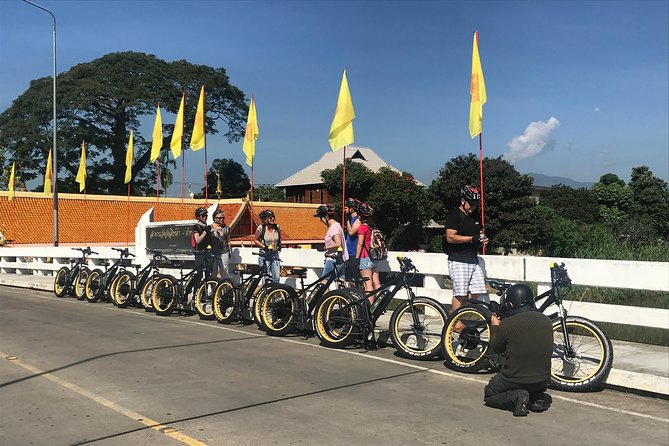
- Fat-tire e-bikes on outer-Chiang Mai roads: Built for bumpy bits, with support so you don’t have to “earn” every photo.
- Guided so you never wonder where to go: You’re led start to finish, with stops timed around the group.
- Temple and countryside combo: You hit Wat Ton Kwen and more local, less touristed areas.
- Food and water are part of the plan: You’re fueled so the ride doesn’t turn into “hangry cycling.”
- Small group (max 8): Makes it easier for slower riders and better for frequent questions.
- Gear included: Helmet and gloves are provided, plus bottled water (and food) during the half-day.
E-bikes plus a real guide: staying relaxed while you see more
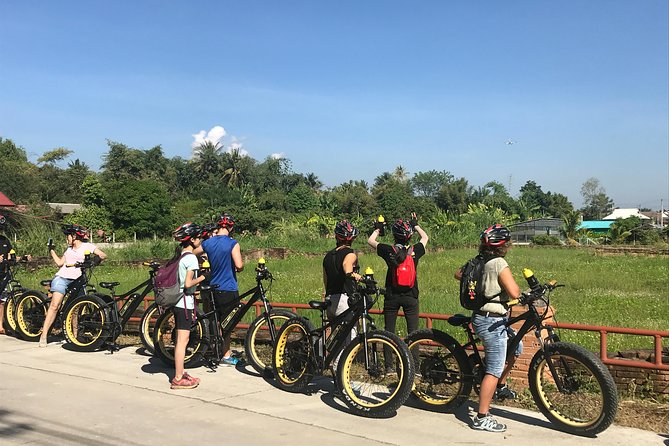
This is a classic half-day structure: you get picked up, you get a proper fat-tire e-bike, and you follow a guide through the countryside outside Chiang Mai. That matters because once you’re out beyond the city, roads spread out and it’s easy to lose time—or worse, lose your bearings. Here, you can focus on the ride and the scenery instead of navigating.
I also like that the tour is paced with the group in mind. Your guide makes photo stops and information stops, then adjusts where needed depending on what people want to spend extra time on. In small groups, that flexibility is noticeable. If someone’s curious about temple details or how farming works, the guide can slow down without derailing the schedule.
One more plus: the equipment is treated seriously. Multiple reviews point out the bikes are well maintained, and first-timers say the instruction is clear. You don’t need to be a cyclist; you just need to be willing to follow directions for mounting, stopping, and using the assist power.
You can also read our reviews of more cycling tours in Chiang Mai
Pickup timing and how to plan your morning (or afternoon)
Pickup is offered, with a window of about 30–60 minutes before the start time. The practical move is simple: be in the lobby about 60 minutes before. If your hotel is outside a roughly 15 km radius of the office, you might be asked to meet at an assembly point, or there may be an extra charge depending on what’s possible.
Why this matters: if you plan your day tightly around morning tours, you’ll want to protect that hour before the pickup. Once you’re on the road, the half-day feels like it flies by, especially if you’re stopping for temple views and rice-field photos.
The tour also runs with confirmation provided after booking (or as soon as possible if you book within 12 hours of travel), so if you’re trying to lock in a tight itinerary, it helps to reserve early.
Wat Ton Kwen: old Lanna temple stop number one
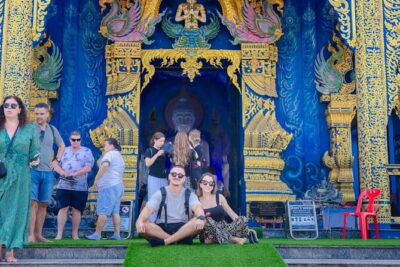
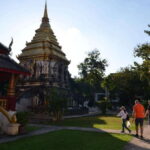
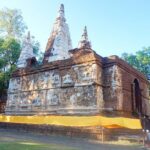
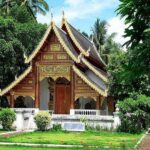
You start with Wat Ton Kwen (Wat Intharawat), and it’s a strong way to ease into the day. It’s described as an old Lanna-style temple, and it sets the tone: Thailand’s countryside heritage isn’t just scenery, it’s tied to places of worship and local life.
Two things you’ll likely appreciate here:
- The ride approach: you’re not just dropped off at a gate. You’re cycling through the scenery toward the temple, so the atmosphere builds before you even dismount.
- The guide context: the stop isn’t treated like a quick photo-and-go. Guides in this program tend to explain what you’re looking at and why the area matters, which makes the temple feel more grounded than a random landmark.
Admission for this stop is listed as free. The guide may offer guidance on etiquette and what to watch for, but you’ll still want to dress thoughtfully because temple rules are real.
A small temple gear check
For temple visits, a sarong to cover shoulders and knees is not included. Sun protection isn’t included either, so bring what you need (hat, sunscreen). If you forget, you can still manage, but you might have a less comfortable visit while you improvise.
The countryside ride you actually came for: rice fields, villages, Ping River views
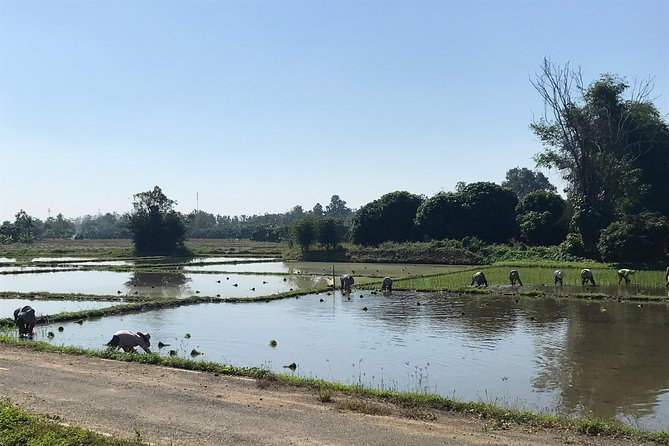
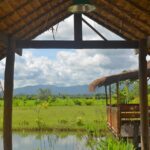
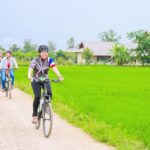
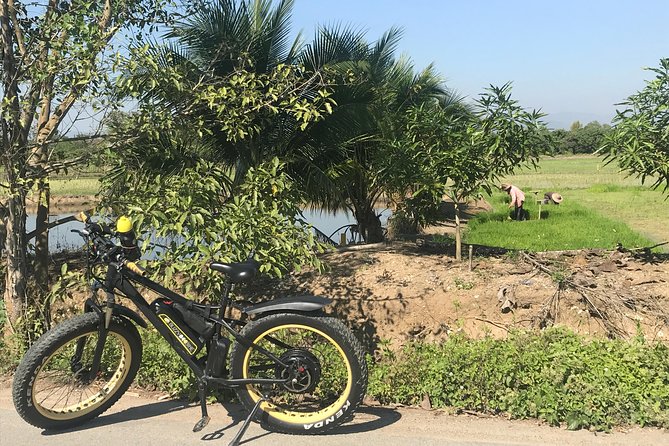
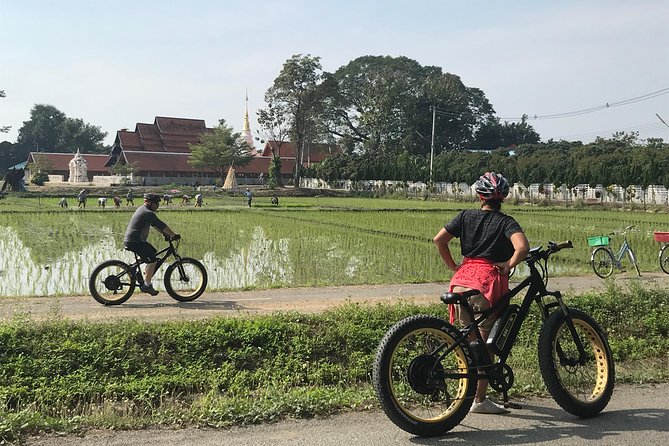
After the first temple, the day becomes the reason to book: cycling through agricultural areas where everyday life is visible. Expect rice fields, orchards, and village lanes, plus some open views as you move toward the Ping River.
The route is mostly described as flat land on paved roads, which is exactly what you want on an e-bike tour. It keeps the ride feeling relaxed rather than workout-only. Still, “flat” doesn’t mean “always easy”—one review mentions occasional steeper parts on an alternative route when conditions changed. So I’d treat this as: easy compared to biking without assist, but not necessarily zero effort.
You also get some practical advantages from the e-bike setup:
- If you’re tired, the assist keeps you in the group without racing.
- If you’re a first-timer, you can learn the controls quickly and then coast through the countryside.
- If you like photos, you’re not doing them at the cost of your legs.
One thing to keep in mind: there can be busy road crossings. Reviews describe the guide as careful through crossings, which is reassuring. But it’s still smart to pay attention, keep both hands steady, and don’t assume cars will slow down just because you’re in a tour line.
Along the way, the tour overview includes stops/areas such as the Wat Chang Nam archaeological site and the Ping River area. Even when you’re not spending a long stretch in one exact spot, the way the ride loops through farming zones gives you a sense of where people work and live outside the city.
You can also read our reviews of more guided tours in Chiang Mai

Hang Dong and the “less touristed” stops that make it feel local
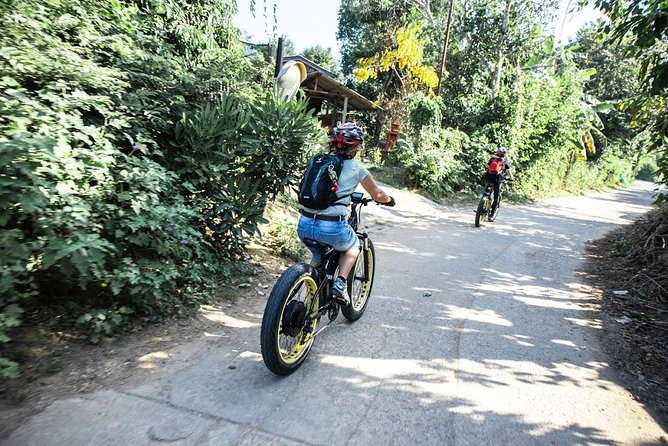
Another scheduled stop is Hang Dong. On this part of the ride, the tour often includes several smaller, less touristic stops scattered along the route. The timing depends on interest level in the group, which is a polite way of saying: the guide uses the time you have.
Here’s why that approach works. In Chiang Mai, it’s easy to only see the headline sites. This style of tour gives you:
- more time in real village spaces,
- fewer “where did that souvenir shop come from?” moments, and
- a better feeling for the region’s day-to-day rhythm.
Hang Dong is also a useful change of pace after temple time. You’re still cycling, still outdoors, but the stops are more about the lived-in countryside than the monument vibe.
For you, the practical takeaway is that this isn’t a rigid script where you’re always rushed. It’s a guided route with room for curiosity. If you like talking with the guide or getting a sense of how local areas function, this is where that pays off.
Food, water, and why it’s more than a checkbox
One of the most consistent strengths in reviews is the way food and water are handled. You’re provided with bottled water and food to keep energy steady during the ride.
What you can expect based on the tour information and reviews:
- Morning ride: lunch plus bottled water
- Afternoon ride: snack/fruit plus bottled water
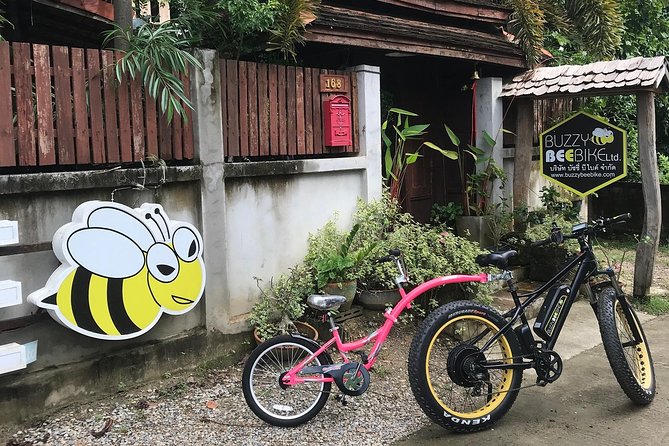
- Return to base: lunch is described as a highlight by multiple people, often served at the Buzzy Bee Bike office in a relaxed setup (including an elevated veranda setting mentioned in reviews).
Also, some guides and owners seem genuinely interested in interacting. One review specifically mentions conversation with Jost, the owner, after the ride. That’s a small detail, but it’s the kind of thing that turns a day trip into a memory, not just transportation.
So yes, food is included, but it also signals something about the company’s mindset: they’re trying to make this feel like a day out, not a bus tour that happens to include bikes.
Price check: is $50.52 worth 4 hours of e-bike countryside?
At $50.52 per person for about 4 hours, the value comes from what you’re not paying for and what you get bundled.
You’re getting:
- guide-led routing (so you don’t need to figure out logistics),
- e-bike + gear (helmet and gloves included),
- bottled water and food/snacks,
- insurance and all fees and taxes.
Could you rent an e-bike and DIY? Sure. But DIY costs you time: figuring out routes, where to park, how to time temple etiquette, and how to safely handle crossings without local guidance. On a half-day, those minutes add up fast.
This price also feels easier to justify because group size is small (max 8), and reviews repeatedly highlight that guides are friendly, attentive, and quick to adjust when someone needs help. If you’ve ever booked a tour and then spent the whole day chasing your own pace, you’ll appreciate a structure that keeps the experience smooth.
Who this tour fits best (and who should double-check)
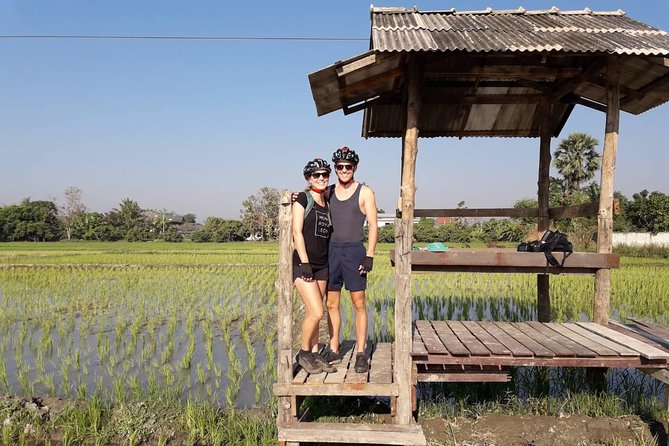
This is a strong match if you want:
- a countryside escape without committing to a full-day trek,
- an e-bike experience with clear instructions,
- a tour that balances sights (temples, river areas, rice paddies) with actual riding.
Multiple reviews mention older adults using the e-bikes comfortably. The usual pattern is: there’s a short learning curve, then it becomes very manageable with assist power.
You should double-check if:
- You’re close to or under the stated minimum height around 150 cm, because bikes are one size and there may be limited solutions.
- You’re sensitive to handle fit. One review notes handlebars felt uncomfortable for their build, so if you know your fit needs, mention it during confirmation or ask questions before you go.
Also, this experience works only when conditions are right. It’s described as requiring good weather. If weather or local conditions make parts of the route unsafe, you should expect a change in the plan or a different date option.
The guide factor: why names like Hokki and Naem matter
A bike tour rises or falls on the guide, and here the guide quality shows up in reviews with names like Hokki, Naem, and Name. The common theme is not just friendliness. It’s how they handle explanations, safety, and pacing.
In practice, that can mean:
- they teach you how to use the bike early so you’re not stuck figuring it out later,
- they make calm, quick adjustments if someone needs extra help,
- they stop frequently enough to answer questions and point out what’s worth seeing.
If you like getting real context—how people farm, why temples look the way they do, what the river area relates to—this kind of guiding turns the countryside into something you understand, not just something you pass through.
Final verdict: should you book this Chiang Mai e-bike countryside tour?
I’d book this if you want a stress-light way to see Chiang Mai’s outer countryside: rice paddies, village lanes, and temple stops like Wat Ton Kwen, with Ping River views in the mix. The included gear and food remove two common trip headaches, and the small group limit helps keep it personal.
I’d think twice before booking if bike fit is a concern for you (around the stated minimum height), or if you dislike shared-group pacing and would rather wander alone. This tour isn’t trying to be a solo adventure. It’s trying to be a well-run half-day that gets you out of the city and back without drama.
If your goal is a practical, scenic break from Chiang Mai’s busy center, this one is a strong choice.
FAQ
How long is the e-bike countryside tour?
It runs for about 4 hours (approx.).
Is hotel pickup included?
Yes. Pickup is offered, and it typically happens 30–60 minutes before the start time.
What’s included in the price?
The tour includes all fees and taxes, insurance, use of the bicycle, gloves, and a helmet. You’ll also get lunch and bottled water (morning ride) or snack/fruit and bottled water (afternoon ride), plus private transportation.
What stops do we visit?
You’ll start at Wat Ton Kwen (Wat Intharawat) and also stop in the Hang Dong area, with additional less touristic stops along the route. The tour description also mentions the Ping River and Wat Chang Nam archeological site.
Is the ride flat or hilly?
The route is mostly flat land and paved roads, with the main focus on riding the e-bikes and seeing rice fields, orchards, and villages.
Do temple visits require a sarong?
A sarong to cover shoulders and knees is not included. It can help for temple etiquette.
What group size should I expect?
The tour has a maximum of 8 travelers.
What if the weather is bad or I need to cancel?
The experience requires good weather. If it’s canceled due to poor weather, you’ll be offered a different date or a full refund. You can cancel for a full refund up to 24 hours in advance.