REVIEW · CHIANG MAI
Chiang Rai White Blue Red Temples with Hot Spring from Chaing Mai
Book on Viator →Operated by Oh-Hoo · Bookable on Viator
Three temples, one long but rewarding day.
This tour is interesting because it mixes a quick reset at a natural hot spring with big-deal art stops in Wat Rong Khun (White Temple), then adds two more temples with very different looks. I love that the day is structured and paced so you’re not stuck in transit all day with nothing to show for it. I also love the fact that you get an English/Thai guide and entrance fees included, so you can focus on the buildings instead of paperwork.
The main drawback to plan for is time. This is a 10-hour day with a long drive each way, and at the hot spring you can only dip your feet because full-body bathing isn’t allowed.
In This Review
- Key Highlights You’ll Actually Care About
- How The Chiang Rai Day Tour Runs From Chiang Mai
- Stop 1: The Natural Hot Spring and the Feet-Only Rule
- Wat Rong Khun (White Temple): Mirrors, Symbolism, and a Calm Plan
- Wat Rong Suea Ten (Blue Temple): Quiet Blue-and-Gold Interior Time
- Wat Huay Pla Kang (Red Temple): Guan Yin Scale and a 9-Level Pagoda
- Lunch, Breaks, and the Real Pace of a 10-Hour Day
- Long Neck Village Option: When the THB 300 Add-On Makes Sense
- What to Wear for Temples (This Tour Takes It Seriously)
- Price and Value: Is $47.95 Worth It?
- Who This Tour Is Best For (And Who Should Think Twice)
- Should You Book This Chiang Rai Tour?
- FAQ
- What time does the tour start?
- How long is the tour?
- Where is the pickup and drop-off?
- Is lunch included?
- What’s included in the ticket price?
- What are the hot spring rules?
- What are the dress requirements for the temples?
- Are entrance fees included for all the temples?
- Is the Long Neck Village included?
- What is the cancellation policy?
- How many people are on the tour?
Key Highlights You’ll Actually Care About
- Hot spring with real rules: You’re limited to dipping your feet, not swimming or full-body soaking.
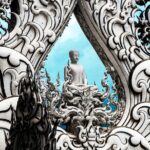
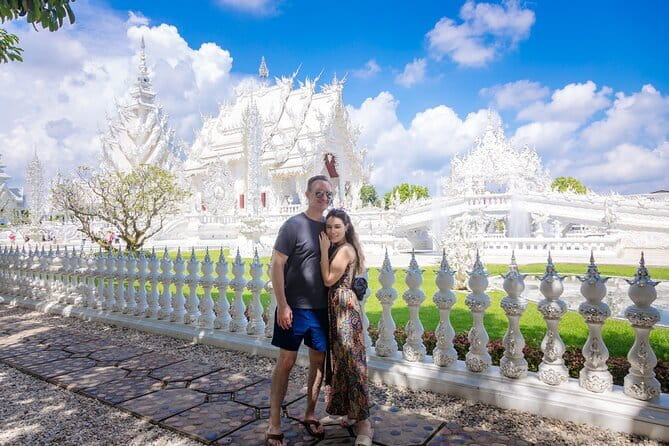
- White Temple photo moments: Reflective details and strong Buddhist symbolism make it easy to see why it’s so famous.
- Three temples with three different vibes: White = mirror-detail modern design, Blue = calm blue-and-gold interiors, Red = big statue scale and a multi-level pagoda.
- Small group size: Maximum 12 travelers means you spend less time herding people and more time looking around.
- Guides who explain more than facts: You may travel with a friendly, informative guide such as Da-da, Eddy, Chin, or New.
- Optional Long Neck Village add-on: Costs extra (THB 300 per person) and is the only paid stop beyond what’s included.
How The Chiang Rai Day Tour Runs From Chiang Mai
You start early from Chiang Mai, with pickup offered from Chiang Mai Old Town. The day begins at 7:00am and wraps back at the meeting point, with the total about 10 hours including transfer time between sites.
This is built for people who want the “best of Chiang Rai” without sleeping a night there. You’ll spend a big chunk of the day on the road, but the schedule is designed to keep the stops meaningful: one nature stop, then three temple visits, plus an optional cultural add-on if you want it.
A good thing here is the cap of 12 travelers. Fewer people usually means easier movement at ticket lines and less stress when the group needs to pause for photos or dress-check reminders.
You can also read our reviews of more tours and experiences in Chiang Mai

Stop 1: The Natural Hot Spring and the Feet-Only Rule
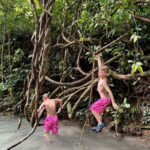
The morning starts with a stop at 泰国清莱温泉 (a natural hot spring). Admission is included, and the point is simple: you get a short break to relax and feel the mineral water before the temple circuit.
Here’s the key rule you should plan around: you can only dip your feet. Full-body bathing is prohibited, so don’t expect towels, full soaking, or changing facilities like you might at a spa. Bring whatever you’ll need just for a quick feet dip, and keep your expectations aligned with what’s allowed.
Even in the short time you have (about 30 minutes), it can make a difference. After a morning drive, it’s the kind of reset that helps you stay comfortable through the next several hours of walking, waiting, and looking up at architecture.
Wat Rong Khun (White Temple): Mirrors, Symbolism, and a Calm Plan
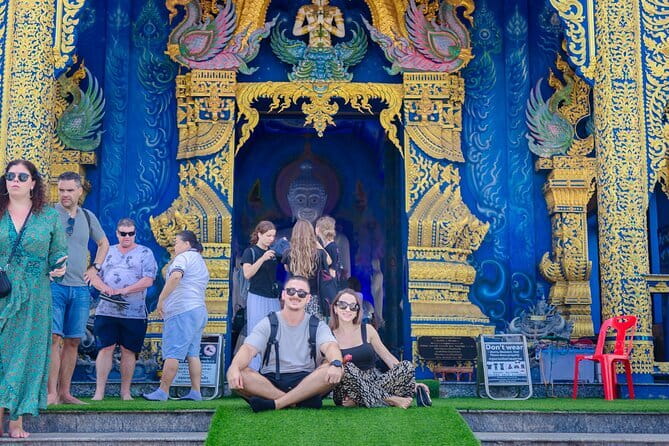
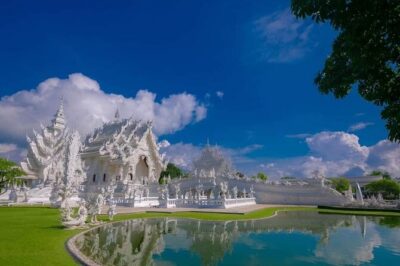
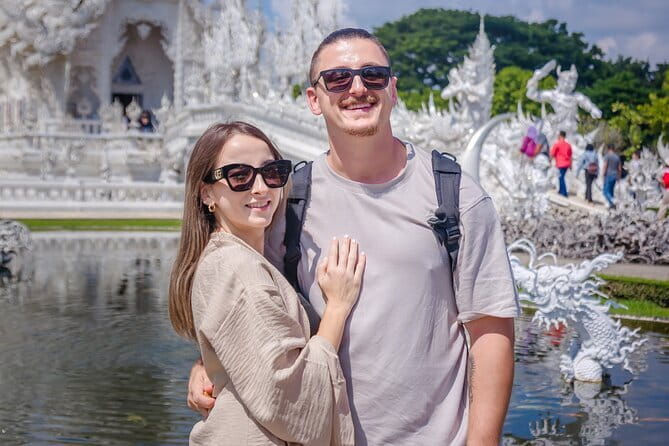
Wat Rong Khun is the one most people have heard of before they arrive in Chiang Rai. It’s a modern masterpiece with intricate details and reflective mirrors that catch light in a way that’s hard to fake in photos.
You’ll have around 2 hours here, which is long enough to do two useful things: first, take in the full scene and key features; second, slow down for the smaller details, especially if you like photographing textures and repeating patterns. The temple’s layout is packed with meaning, and your guide can help you read the symbolism rather than just look at it as decoration.
One practical consideration: places like this can get busy, particularly around peak daylight. If you want the best chance at calmer viewing, keep an eye on your timing and be willing to pause a little longer in some sections while others move ahead.
If you’re choosing what to prioritize, start with the most recognizable mirror areas. Then branch out to the rest of the temple design—this is where the time pays off.
Wat Rong Suea Ten (Blue Temple): Quiet Blue-and-Gold Interior Time
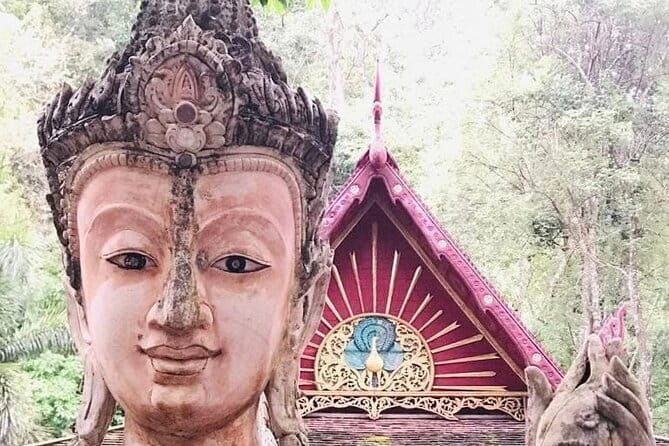
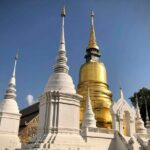
Next comes Wat Rong Suea Ten, often called the Blue Temple. This one feels like a visual breather compared to the White Temple’s high-contrast mirror look.
You’ll have about 1 hour here. That time is about right: long enough to appreciate the blue-and-gold interiors and the peaceful vibe, but not so long that you lose energy on the road day. Look up and around as you walk through, because the effect is in how colors and lines work together inside.
The Blue Temple is also a good place to reset your pace mentally. After a couple of hours of close-up looking at modern temple surfaces, you can shift into a slower, more contemplative mode—then you’ll be ready for the bigger scale of the last stop.
If you care about photos, just remember that interiors can limit angles. Wear shoes that let you stand comfortably for a while, and be patient while people step through different photo positions.
Wat Huay Pla Kang (Red Temple): Guan Yin Scale and a 9-Level Pagoda
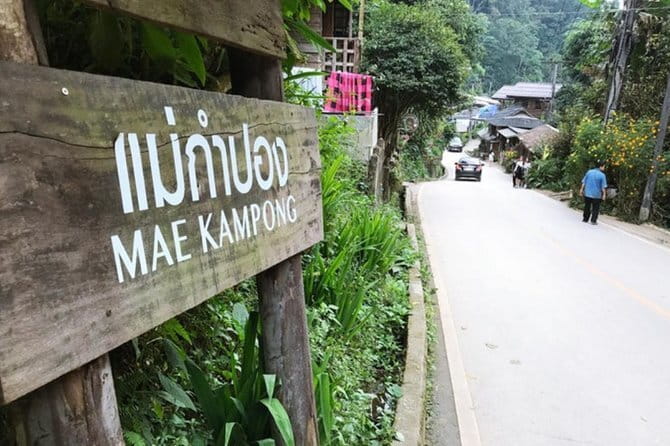
The last temple on the main circuit is Wat Huay Pla Kang, often described for its dramatic scale. This is the stop where you look up and realize how big the site is.
You’re visiting for around 1 hour, and the highlights are clear: a tall 25-meter Guan Yin statue and a 9-level pagoda. The pagoda setup gives you a chance for wide views over the surrounding area when you’re in the right spots, and the Guan Yin statue dominates your attention as soon as you arrive.
This is also a great temple for families because it’s visually easy to understand. You don’t need deep background knowledge to enjoy it—you can enjoy the scale first, then learn more from your guide as you go.
Practical note: because the place is built for viewing and photos, expect foot traffic and some crowding at popular points. Staying calm and moving with the flow helps. Also, if you’re sensitive to heights, take it slow around stairs and edges where you’ll be tempted to photograph from a distance.





Lunch, Breaks, and the Real Pace of a 10-Hour Day
Lunch is included, along with drinking water. What matters is how the schedule keeps you fueled for the day. When you’re on a long road day, the value of included food isn’t fancy, it’s functional: you avoid a scramble to find something open and affordable at the wrong moment.
That said, this is still a long day. Even with a well-run route, you should treat it as a full-day outing, not a casual half-day. Expect that the drive from Chiang Mai to Chiang Rai (and back) takes a while, and the temples each require time for entry, walking, and photos.
If you’re someone who gets restless in the car, bring a plan: small snack habit, water use, and a bit of patience. On the bright side, air-conditioned vans are typical on tours like this, and the guide timing usually keeps you from waiting too long at each stop.
Long Neck Village Option: When the THB 300 Add-On Makes Sense
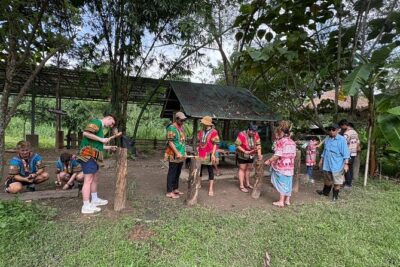
There’s an optional stop to visit the Long Neck Village to learn about Karen traditions. If you choose it, plan for an extra THB 300 per person charge.
Whether this is worth it depends on what you want from your day. If you’re mainly focused on temples and architecture, you can skip it and keep the schedule tighter. If you want at least one human-culture component beyond religious sites, this add-on can add context to the region’s cultural life.
One thing to keep in mind: it’s an extra cost and it adds time. So decide based on your priorities before you get bused in.
What to Wear for Temples (This Tour Takes It Seriously)

Your clothing can make or break your experience, because temple sites have dress expectations. For temple visits, plan for this rule set:
- No flip-flops (sneakers or sports shoes are allowed)
- No tank tops (T-shirts are fine)
- No short pants (long pants like jeans are ideal)
Also remember the hot spring rule: you can only dip your feet, so you don’t need full swim gear, but you should have footwear that works for both comfort and temple entry.
This is one area where going prepared reduces stress. I’d rather wear long pants and comfortable shoes from the start than spend the day trying to adjust to temple rules with the wrong footwear.
Price and Value: Is $47.95 Worth It?
At $47.95 per person, this isn’t a luxury day out, but it does look like solid value when you tally what’s included. You get:
- Hotel transfers from Chiang Mai Old Town
- Lunch
- Drinking water
- Entrance fees
- Professional guide (English/Thai)
- Travel insurance
That’s the kind of package that helps you avoid hidden costs. When entrance fees and transfers are included, the price becomes easier to justify, especially on a day that involves several paid sites.
The optional Long Neck Village is the only extra clearly stated beyond what’s included. If you skip the village, you stay close to the base price. If you add it, you’re still clearly informed about the added cost (THB 300).
For me, the “value” question comes down to whether the schedule matches what you want. If you want three major temples in one day from Chiang Mai with guidance and minimal admin, this is priced for that exact goal.
Who This Tour Is Best For (And Who Should Think Twice)
This tour fits families, couples, solo travelers, and groups because the route is straightforward: temples you can recognize, a hot spring reset, and a guide to keep you on track.
It’s also a good choice if you have limited time in northern Thailand. Chiang Rai can be hard to slot in unless you commit to the road day, and this tour is built for that reality.
Where you might think twice is if you hate long car days. The route involves a long drive, and even when everything runs smoothly, you’ll feel it at the end of the day. Also, if you want a full hot-spring soak, the feet-only rule will be a mismatch.
If you’re flexible and you like big religious-art stops, you’ll likely feel you got your money’s worth.
Should You Book This Chiang Rai Tour?
I’d book it if you want an efficient, guided way to see the most famous Chiang Rai temple sites in one day, with included transfers, lunch, entrance fees, and water. The White Temple alone earns its reputation, but the combination with the Blue Temple and Red Temple makes the day feel complete rather than repetitive.
I’d hesitate only if your main goal is deep cultural immersion or a slow nature day. This is a structured temple-focused circuit with a long drive. Bring the right shoes, dress for temple rules, and expect a full day.
If that sounds like your style, you’ll have a memorable route and a guide experience that can help you understand what you’re looking at.
FAQ
What time does the tour start?
The tour starts at 7:00am.
How long is the tour?
The duration is about 10 hours, including hotel transfer time and travel time between locations.
Where is the pickup and drop-off?
Pickup is offered from Chiang Mai Old Town, and the tour ends back at the meeting point.
Is lunch included?
Yes. Lunch is included, along with drinking water.
What’s included in the ticket price?
Entrance fees are included, along with hotel transfers from Chiang Mai Old Town, a professional English/Thai guide, travel insurance, and the hot spring admission ticket.
What are the hot spring rules?
You can only dip your feet. Full-body bathing is prohibited.
What are the dress requirements for the temples?
No flip-flops, no tank tops, and no short pants. Sneakers or sports shoes are permitted, T-shirts are fine, and long pants (like jeans) are ideal.
Are entrance fees included for all the temples?
Yes. Entrance tickets for the included temple stops are part of the tour.
Is the Long Neck Village included?
It’s optional, and there is an extra charge of THB 300 per person if you choose to go.
What is the cancellation policy?
Free cancellation is available up to 24 hours before the experience start time for a full refund.
How many people are on the tour?
The maximum group size is 12 travelers.