REVIEW · CHIANG MAI
Chiang Mai Michelin Food Walking Tour with Professional Tour Guide
Book on Viator →Operated by TripGuru Thailand · Bookable on Viator
A food walk is the fastest way to learn Chiang Mai, one bite at a time. This 2.5-hour, small-group stroll is built around iconic local snacks and proper street-food technique, from pa tong go to Hakka-style noodles. I like how you get real context from a local guide, and I also like that the tour focuses on recognizable, well-known Chiang Mai classics instead of random stops. One thing to watch: food tasting expenses aren’t included, so your final snack bill depends on what and how much you choose to eat.
I also appreciate the practical setup: you’ll meet near the Ping River at the Chansom Memorial Bridge area, then walk between stops without needing hotel pickup. The tour caps at 15 people, and you’ll be guided in English and Thai. That said, this experience can be affected by heat and weather, so I’d plan for a “morning is smarter” mindset—especially if you’re booking an afternoon slot.
In This Review
- Key Highlights You’ll Actually Feel
- A Small-Group Food Walk That Starts by the Ping River
- Price and Value: The $40 Cover Isn’t the Whole Snack Plan
- Stop 1: Lung Khajohn Wat Ket for Chiang Mai’s First Street-Food Step
- Stop 2: Gor Neng and Pa Tong Go’s Dinosaur-Shape Surprise
- Stop 3: Warorot Market (Kad Luang) for Snacks, Produce, and Smart Choosing
- Stop 4: Thana Ocha’s Hakka Noodles to Finish Strong
- Timing, Heat, and Why Your Start Time Changes Everything
- Who This Tour Suits Best (and Who Might Be Happier Solo)
- Quick Tips So You Don’t Waste Your Appetite
- Should You Book This Chiang Mai Food Walking Tour?
- FAQ
- How long is the Chiang Mai Michelin Food Walking Tour?
- What is included in the price?
- Are food tastings included in the $40 price?
- Is there a vegan option?
- How many people are in the group?
- Where do you meet and where does the tour end?
- What food stops are part of the route?
- Can I book last-minute?
- What happens if the weather is bad?
- What’s the cancellation policy?
Key Highlights You’ll Actually Feel
- Pa tong go at Gor Neng: deep-fried dough you’ll understand quickly (and yes, some are shaped like silly little dinosaurs).
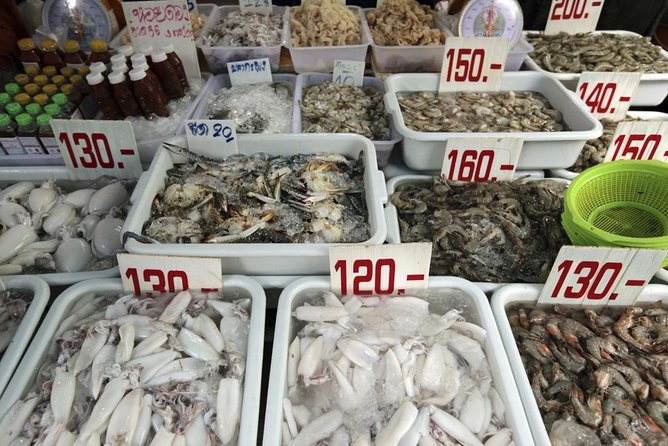
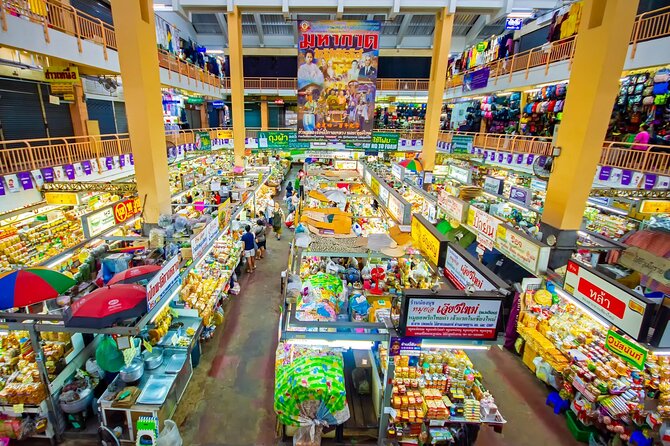
- Warorot Market (Kad Luang) as a tasting playground: snacks, produce, and stalls under one roof—handy when the weather shifts.
- Hakka-style finish at Thana Ocha: Hakka stuffed tofu, fish sausage, and wontons show up in the noodle bowl.
- A guide who explains what you’re eating: learning isn’t just “here’s food,” it’s why it matters in Chiang Mai’s food scene.
- Small group pacing: with a maximum of 15, you’re less likely to feel like you’re being rushed through the whole city.
A Small-Group Food Walk That Starts by the Ping River
This tour is designed for people who want Chiang Mai food without doing homework all day. You’ll spend about 2 hours 30 minutes walking, hitting a handful of very specific places—enough time to taste, ask questions, and still get out of the heat without feeling like you’re stuck in a marathon.
I like the start point because it feels central and easy to navigate: you meet at Chansom Memorial Bridge (Khua Khaek) near the Ping River area. If you’re already using public transport, you’re not fighting a complicated “travel across town for a meeting” situation. Then you end at Thana Ocha Noodle in the Chiang Mai Chang Moi area, which is convenient if you plan a lunch-after vibe or continue exploring by foot and local transit.
The group limit matters too. At 15 travelers max, you get more elbow room, and it’s easier for the guide to keep an eye on questions and timing. In past experiences tied to this tour, guides named Koi and Sunny have shown up in strong feedback, which fits the style you want for a walking food tour: friendly, focused, and able to keep you moving without turning it into a conveyor belt.
You can also read our reviews of more walking tours in Chiang Mai
Price and Value: The $40 Cover Isn’t the Whole Snack Plan
The headline price is $40 per person, and for a guided walking tour that’s not a crazy number. But here’s the important part: the tour includes the guide, walking tour, and insurance—and it does not include all food tasting expenses.
That’s where people can get disappointed. If you show up expecting everything you eat to be covered in that $40, you might feel shorted—especially if only a drink is provided. The best way to protect yourself is simple: treat the $40 as paying for the guided route, the food-stop access, and the explanations, then budget extra for tastings.
A good way to think about value is this: if you’re the type who wants to compare flavors across multiple classic snacks (not just eat one heavy plate), this tour can feel worth it fast. You’ll sample different styles—snacks, sweets, and savory—without having to figure out which stall is the real one and which is just there to sell you the same thing twice.
Also, if you’re traveling with a group, the tour mentions group discounts, which can make the per-person value even better. You also get a mobile ticket, so you’re not messing around with printed confirmations.
Stop 1: Lung Khajohn Wat Ket for Chiang Mai’s First Street-Food Step
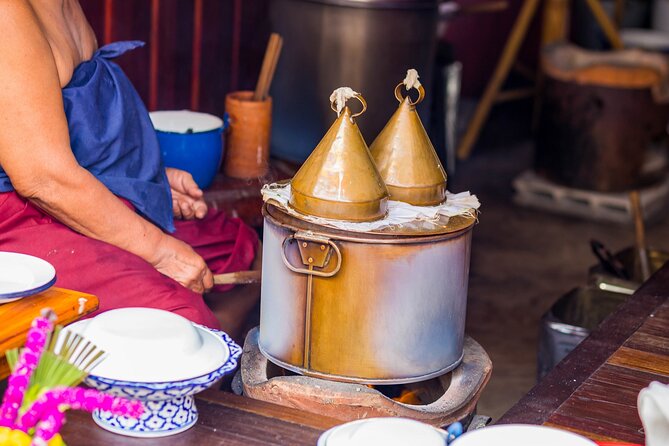
Your first stop sets the tone. At Lung Khajohn Wat Ket, you’re in “walk-and-snack” mode right away—think of it as a quick orientation to the food streets so you can taste with context. This is where the guide usually helps you start recognizing what’s going on: textures, seasoning patterns, and how street snacks differ from restaurant plates.
The nice part about an early stop like this is pacing. You get something to start with before you’ve worked up a sweat. In Chiang Mai, that matters. One piece of real-world context: this tour can get very hot, and when it’s scorching, even a short walk becomes a workout. Starting early in your schedule (when possible) will make the whole experience feel easier.
If you’re the kind of eater who likes to understand what you’re chewing before you commit to another bite, this first stop gives you that foundation. If you want a quieter start—less market-chaos—this opening tends to feel manageable compared with the later “busy market” vibe.
Stop 2: Gor Neng and Pa Tong Go’s Dinosaur-Shape Surprise
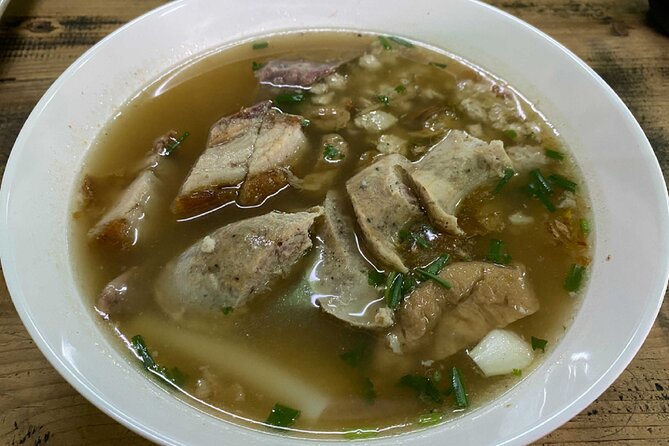
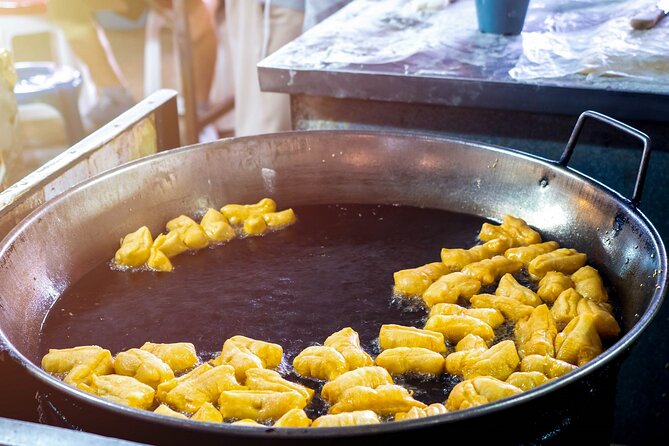
Then you head to Gor Neng, a spot centered on pa tong go—deep-fried dough sticks that locals love. The description of these snacks as oddly shaped (with some looking like little dinosaurs) isn’t just a joke. The shapes are part of the fun, but the bigger win is tasting a classic snack at the place known for it.
Pa tong go is one of those foods that’s better understood in person. You can see how it’s handled, how it’s fried, and what “good” texture should feel like: crisp edges, a lighter interior, and that satisfying fried aroma. You also get a sense of why it’s popular as a street snack—portable, quick, and easy to pair with a drink.
This is also one of the places where your guide can help you avoid touristy confusion. Street food is full of “looks similar” situations, and a good guide can help you pick out what’s truly characteristic of the stall’s specialty rather than just grabbing the first thing on the tray.
If you’re sensitive to very hot oil smells or you dislike fried foods in general, this stop may be more intense than the noodle finale. But for most people, it’s a memorable anchor point because pa tong go is so recognizable once you’ve tried it properly.
Stop 3: Warorot Market (Kad Luang) for Snacks, Produce, and Smart Choosing
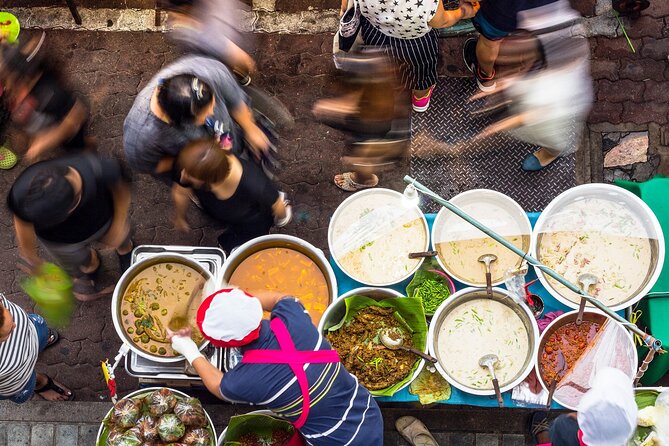
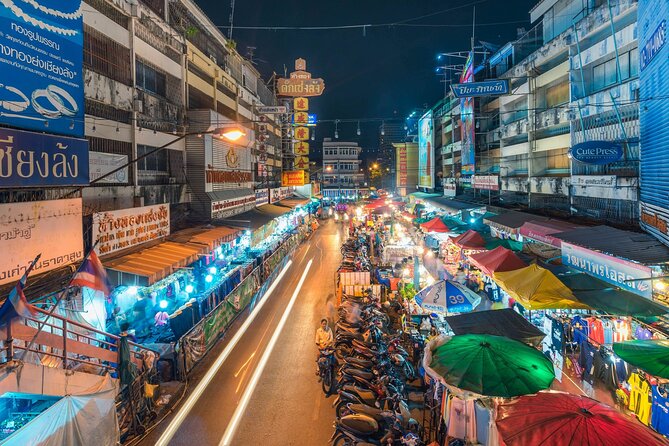
Next comes Warorot Market, also known as Kad Luang. This is where the tour shifts from “one famous item” to “a food and shopping zone.” You’ll find snacks, produce, clothes, and more, so it’s not a food museum. It’s a working market, which is exactly why it’s useful for your trip.
This stop is valuable because it helps you separate two kinds of experiences:
1) seeing food being made or sold by specialty shops, and
2) understanding how food fits into everyday shopping.
Markets like this are also practical for taste variety. You can get sweet alongside savory without having to change locations. And if the heat spikes, a market can offer you a different kind of comfort: you’re moving through a structured space, not just open-air streets.
One caution: Warorot is a place where you might see lots of “stuff,” not just food. If your idea of a perfect tour is only eating in “the best ten minutes of your life,” you could feel restless here. But if you want to understand Chiang Mai’s food culture as part of real daily life, you’ll probably enjoy the mix.
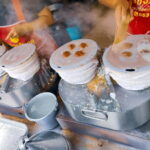
On the sweet side, this tour’s overall snack plan can include mango sticky rice and khao kriab pak moh (steamed rice skin dumplings). Those kinds of items make the market stop feel like more than walking through it—they give you a flavor contrast that helps the whole tour click.
You can also read our reviews of more food & drink experiences in Chiang Mai
Stop 4: Thana Ocha’s Hakka Noodles to Finish Strong
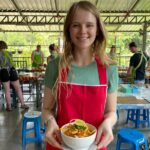
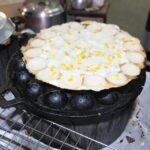
You end at Thana Ocha Noodle, where the focus is savory and filling. The big highlight here is Hakka-style noodles, including Hakka stuffed tofu, fish sausage, and wontons. This stop is a smart finale because it moves you from snack-mode into meal-mode.
What makes this finish satisfying is the way it balances the earlier bites. Pa tong go is all about crisp fried texture. Market sweets are lighter and fast. By the time you reach Thana Ocha, you’ve usually built an appetite for something that feels warmer, saucier, and more substantial.
This is also a good place for questions. When you’re sitting down, the guide can explain the logic of the flavors and how Hakka influences show up in Chiang Mai food patterns. Even if you only remember a few details, you’ll leave with a better sense of what to order next time you’re on your own.
In heat like Chiang Mai heat, finishing with noodles that feel like a proper meal can be a relief. It’s also where the tour typically feels most “worth it,” because you end satisfied rather than just tasting.
Timing, Heat, and Why Your Start Time Changes Everything
Chiang Mai can be brutally hot, and this tour doesn’t pretend otherwise. One set of past experiences tied to this tour described it as blisteringly hot, which is why start time matters more than you might expect for a walking food tour.
If you can choose your time, go earlier when you can. Even if the itinerary stays the same on paper, your body will feel the difference. Morning usually means easier walking, better appetite, and less chance you’ll feel like you’re rushing through tastings.
There’s also an important note about afternoon timing, but it’s specifically mentioned for private tours: if you choose a 2:30 pm slot, the guide may take you to alternative (but equally delicious) street food stalls because many restaurants tend to close by early afternoon. If you want to follow the exact itinerary order, it’s recommended to book a morning slot. That’s a practical detail that can protect your expectations.
Who This Tour Suits Best (and Who Might Be Happier Solo)
This tour is a great match if you want:
- a short, structured food crawl (not a full-day quest),
- to taste a set of well-known Chiang Mai classics,
- and to learn from a guide while you’re eating, not after.
It also fits solo travelers who don’t want to spend time comparing dozens of snack stalls. With the small group cap, you’ll still feel like you’re moving through the city with intent.
It may be less ideal if you hate walking in heat or you’re very price-sensitive about food. Since food tasting expenses aren’t included, you should expect to pay extra for tastings and drinks on the day.
It’s also worth knowing there’s no vegan option. If you eat vegan, you’ll need to be cautious and plan your own meal choices around the tour.
Finally, if you prefer tours where every bite is fully covered and clearly explained in advance, this one needs a little extra attention from you before you go. The most common complaint pattern around tours like this is confusion about what’s included versus what you pay for once you arrive.
Quick Tips So You Don’t Waste Your Appetite
To get the most from this kind of tour, I’d do three things:
- Budget extra for tastings since food costs aren’t included.
- Bring water and take sips between stops. It makes the walking easier.
- Go hungry-ish but not starving. You want room for fried, sweet, and noodles.
If you’re choosing between time slots, pick the one that avoids peak heat for you. Your taste buds work better when you’re not fighting exhaustion.
Also, use the guide time wisely. Ask what each bite is like and what it pairs with. The whole point is learning the patterns, not just collecting photos.
Should You Book This Chiang Mai Food Walking Tour?
Book it if you want a focused, guided way to try Chiang Mai street food classics without getting lost in stall decisions. The route includes well-known stops like Lung Khajohn Wat Ket, Gor Neng, Warorot Market (Kad Luang), and Thana Ocha Noodle, and the food highlights are the kind you’ll remember: pa tong go, plus the tour’s featured sweets and dumplings, and the Hakka noodle finale.
Skip or reconsider if your main goal is to have every snack covered by the base price. Since food tasting expenses aren’t included, you’ll want to confirm what tastings are expected and plan for extra spending. Also skip if you need vegan options, since none are provided.
If you do book, choose a morning slot when possible, bring water, and treat the day as a guided sampling experience. Done right, this is one of the best ways to understand Chiang Mai food culture quickly—without turning your vacation into a spreadsheet.
FAQ
How long is the Chiang Mai Michelin Food Walking Tour?
It lasts about 2 hours 30 minutes.
What is included in the price?
The tour includes an English- and Thai-speaking guide, a walking tour, and insurance.
Are food tastings included in the $40 price?
No. All food tasting expenses are not included, so you should expect additional costs for what you eat and drink during the stops.
Is there a vegan option?
No. There is no vegan option listed for this tour.
How many people are in the group?
The tour has a maximum of 15 travelers.
Where do you meet and where does the tour end?
You start at Chansom Memorial Bridge (Khua Khaek) by the Ping River area, and you end at Thana Ocha Noodle in the Chang Moi area.
What food stops are part of the route?
The tour includes stops at Lung Khajohn Wat Ket, Gor Neng, Warorot Market (Kad Luang), and Thana Ocha Noodle.
Can I book last-minute?
Yes. Last-minute bookings are accepted, and you can also book at different start times.
What happens if the weather is bad?
This experience requires good weather. If it’s canceled due to poor weather, you’ll be offered a different date or a full refund.
What’s the cancellation policy?
You can cancel for a full refund up to 24 hours before the experience starts. If you cancel less than 24 hours before, the amount paid isn’t refunded.