REVIEW · CHIANG MAI
Chiang Mai: Full-Day Kerchor Elephant Eco Park Tour & Trek
Book on GetYourGuide →Operated by Kerchor Elephant Eco Park · Bookable on GetYourGuide
Elephants, rafting, and a waterfall in one day. At Kerchor Elephant Eco Park near Chiang Mai, you get up close with elephants in a way that avoids riding and puts focus on care and behavior. You’ll start with a park briefing, then spend real time feeding, walking, and watching them bathe and socialize.
I also love the outdoor mix here. Bamboo rafting is genuinely fun, and the later waterfall hike gives you that satisfying change of pace after elephant time. The main thing to consider is that the day is active: you’ll wear swim clothes, get wet, and do stairs and uneven terrain, so it helps if you’re comfortable staying on your feet.
Guides on the day (I’ve seen names like F and Rocky) tend to explain what you’re seeing and how the park supports elephants—so you’re not just doing activities, you’re understanding the why behind them.
In This Review
- Key things that make this tour worth your time
- Kerchor Elephant Eco Park: Why This Day Feels Ethical
- From Chiang Mai pickup to park briefing: where the day starts moving
- Bananas, bathing, and elephant social time without riding
- Making herbal medicine balls with sugar cane
- Thai lunch in the park: fuel before the trek and rafting
- Trek to the roaring waterfall: quiet countryside, cold payoff
- Bamboo raft ride down the river: wet, bumpy, and fun with a guide up front
- What to bring (and what will help you avoid pain)
- Price and value: is $57 a fair deal for 8 hours?
- Who should book this Kerchor Elephant Eco Park tour?
- The extra bonus if you travel during the promo window
- Should you book Kerchor Elephant Eco Park Tour and Trek?
- FAQ
- Is there elephant riding on this tour?
- What elephant activities are included?
- Is lunch included?
- Do I get life jackets for the bamboo raft ride?
- Where is pickup in Chiang Mai?
- What should I bring for the day?
- How long is the tour and what language is the guide?
Key things that make this tour worth your time
- No elephant riding: you’ll interact, feed, and observe instead of sitting on them
- Elephant bathing and baby time: the social moments can be surprisingly sweet
- Herbal medicine ball workshop: you’ll help make a snack/medicine for elephants
- Bamboo rafting with life jackets: guides handle navigation while you focus on the ride
- Waterfall trek: quiet countryside walking, then a cold splash at the end
Kerchor Elephant Eco Park: Why This Day Feels Ethical
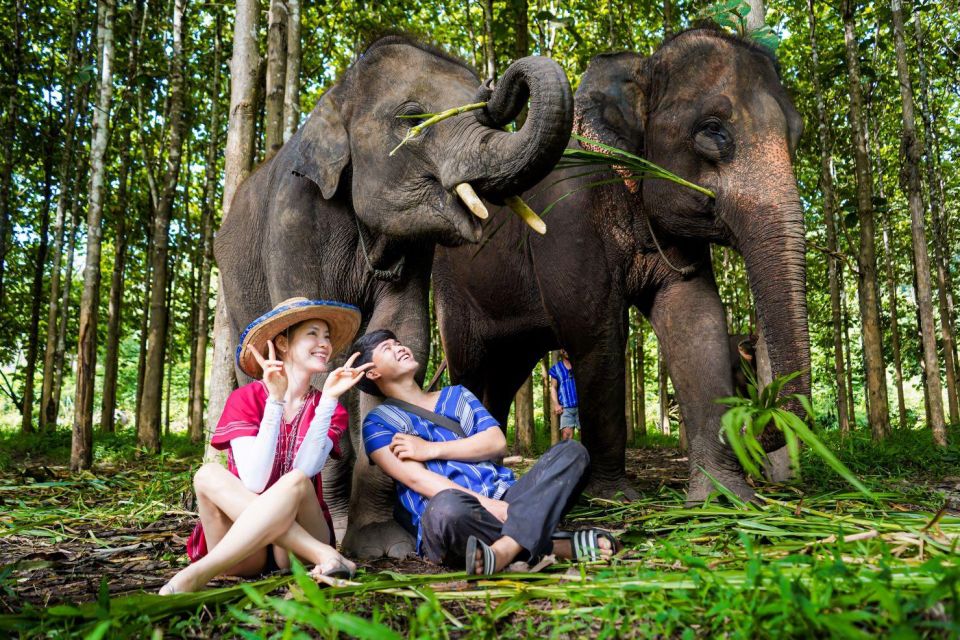
This is the kind of Chiang Mai elephant tour that’s built around gentleness and behavior, not performance. The park model here emphasizes observation and care, and the elephants stay wild-free in the sense that you won’t be riding them. Instead, you interact through feeding, walking nearby, and watching them bathe when they want to.
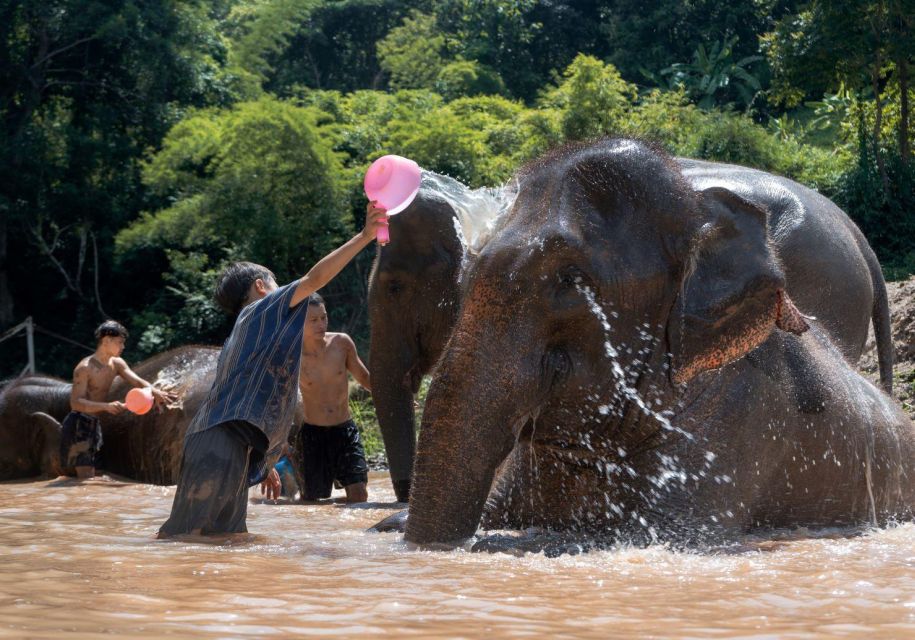
What I like most for your peace of mind: elephants aren’t treated like props. Several accounts describe the bathing as not forced, with elephants staying in the water as long as they choose. You also get a presentation about what the Eco Park does, which helps you connect your afternoon to the bigger goal—protection and support for elephants.
You can also read our reviews of more hiking tours in Chiang Mai


From Chiang Mai pickup to park briefing: where the day starts moving
The tour includes roundtrip transportation from Chiang Mai, and the plan is built for a full 8-hour day. If your hotel is outside the pickup area, you’ll need to head on your own to the meeting point at McDonald’s, Tha Phae branch.
That matters because the day is paced tightly. Even if the schedule usually runs fine, I’d still plan your morning buffer so you’re not stressed about finding the right pickup point or waiting in heat.
Once you arrive at Kerchor Elephant Eco Park, you start with a guide-led presentation. This is where you’ll learn how the park supports elephants (and what that looks like day-to-day), before you start hands-on activities like feeding. It makes the elephant time feel more meaningful because you know what you’re seeing and why it’s happening.
Bananas, bathing, and elephant social time without riding
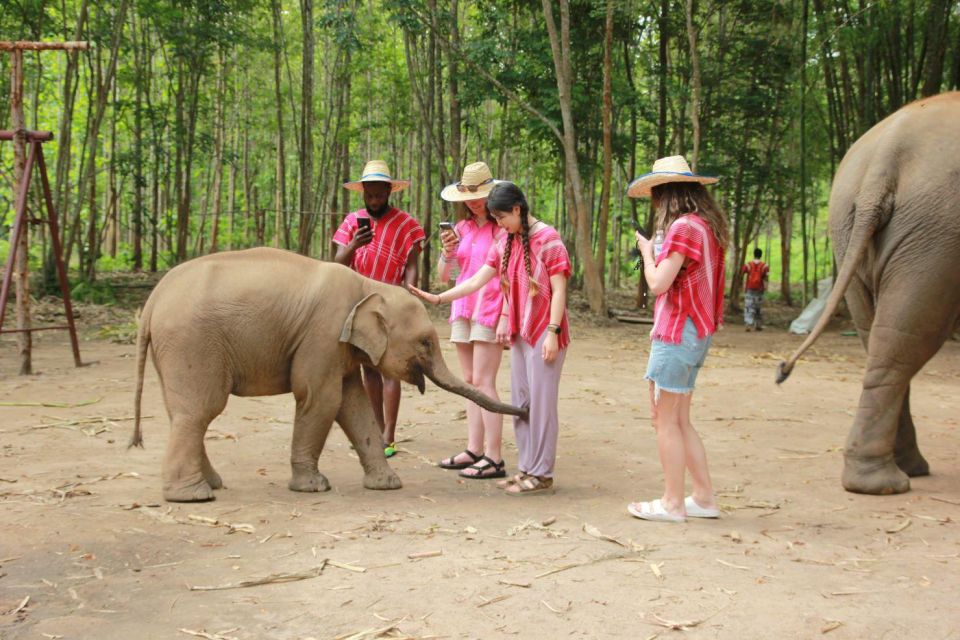
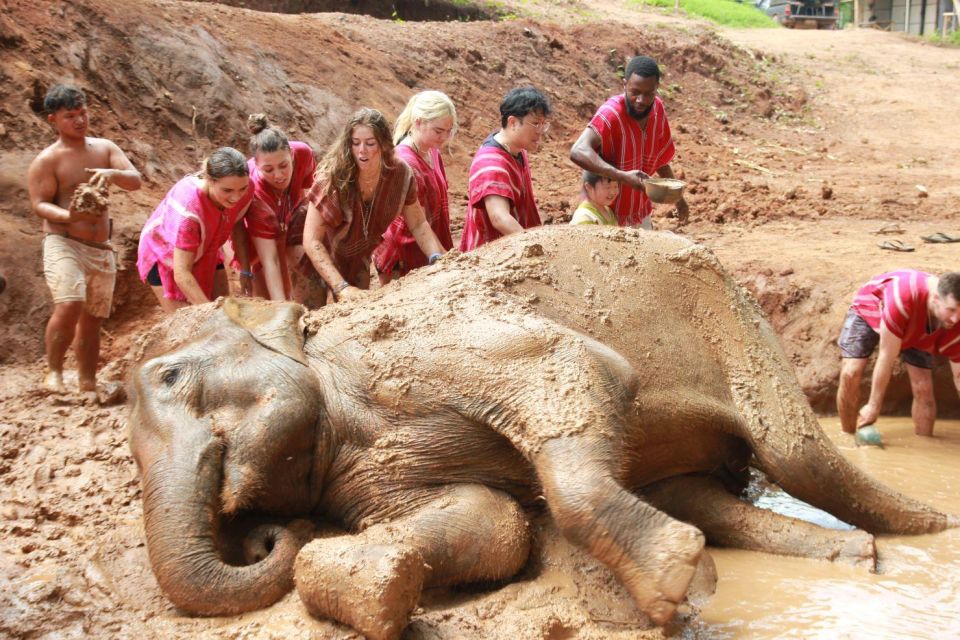
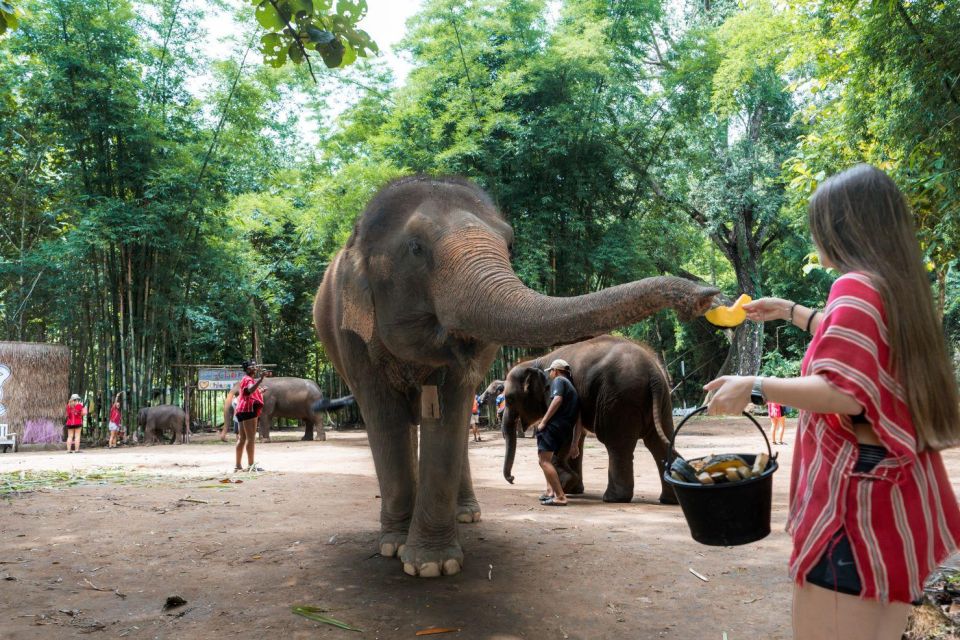
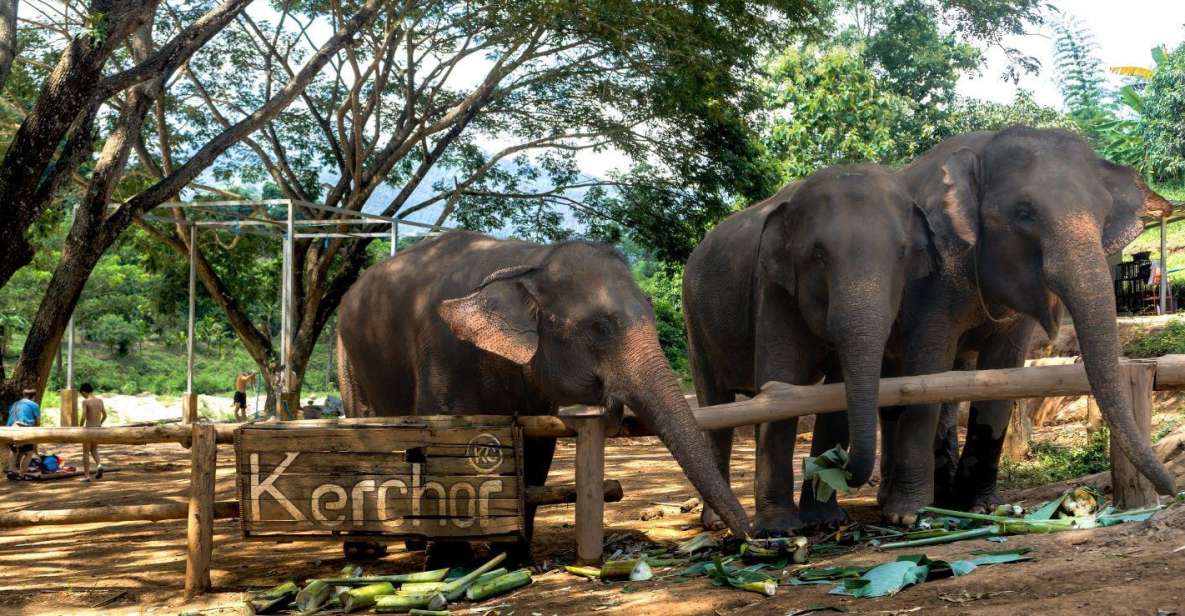
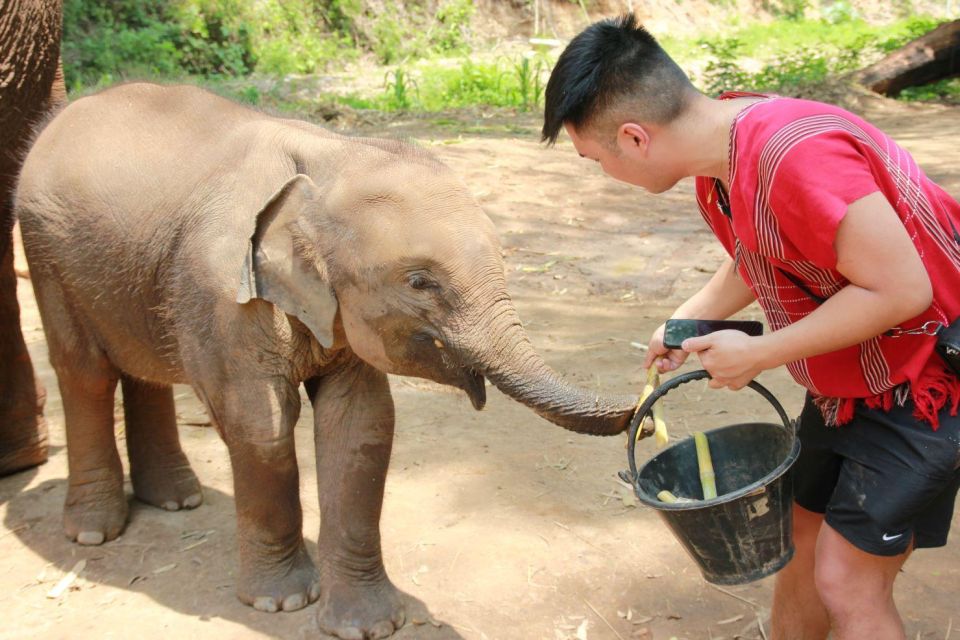
This is the heart of the tour, and it’s the part most people remember. You’ll get close enough to feed elephants and walk with them. A big theme is that the elephants are calm and comfortable around people who follow the guide’s instructions.
One standout detail is the bathing. You’ll watch elephants bathe and socialize, and you can take photos during the closer interaction windows. If you’re lucky, you’ll also see the younger elephants in the group—more than one guest described baby elephants playing and splashing as a highlight.
You should go in knowing your role: stay close to the guide, keep to the group, and focus on gentle, respectful behavior. If you want a tour that lets you observe personality—curious trunks, playful splashing, calm pacing—this one delivers.
Making herbal medicine balls with sugar cane
After your elephant time (including feeding and watching them bathe), the day shifts into a hands-on activity: creating an herbal medicine ball for elephants. The tour focuses on making these with ingredients like sugar cane, and it’s tied directly to elephant care.
For me, workshops like this are valuable because they turn you from a spectator into a helper. It’s not just about getting a photo; you’re doing a small piece of a care routine you can explain later.
Expect this to feel practical and a bit hands-on. You’ll likely get a little messy, so I’d treat this as part of the day that can’t be done with your best clothes.
Thai lunch in the park: fuel before the trek and rafting
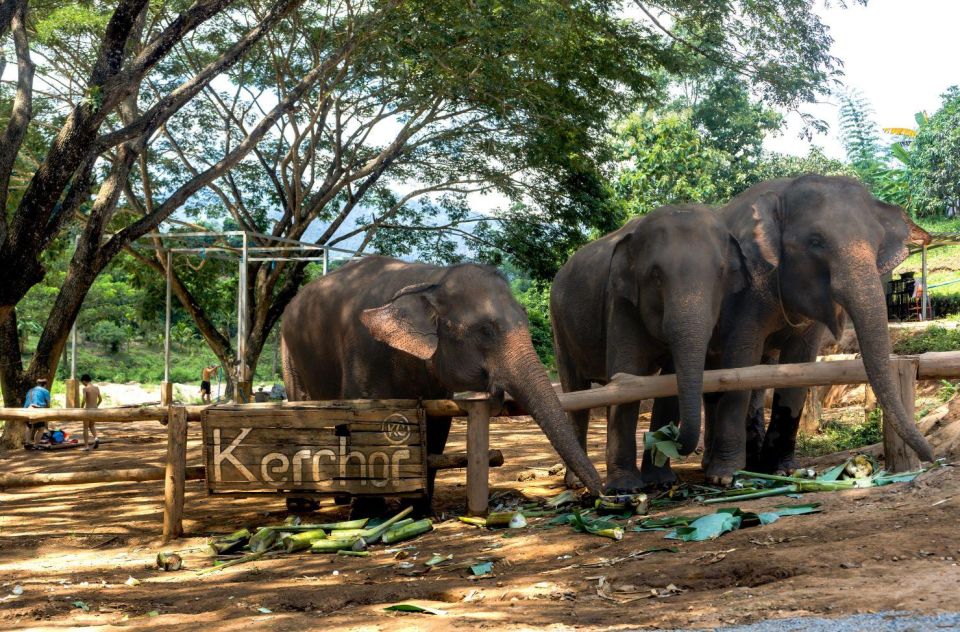
Lunch is included: Thai food plus filtered water, served outside with park scenery around you. This matters because the rest of the day is active, and you’ll need real energy.
I’d keep your pace steady after lunch. Many people get a second wind here, but it’s also easy to overheat if you don’t sip water and slow down before the next walk. The best strategy is simple: eat, drink, and take a short calm moment so the trek doesn’t feel harder than it should.
You can also read our reviews of more tours and experiences in Chiang Mai



Trek to the roaring waterfall: quiet countryside, cold payoff
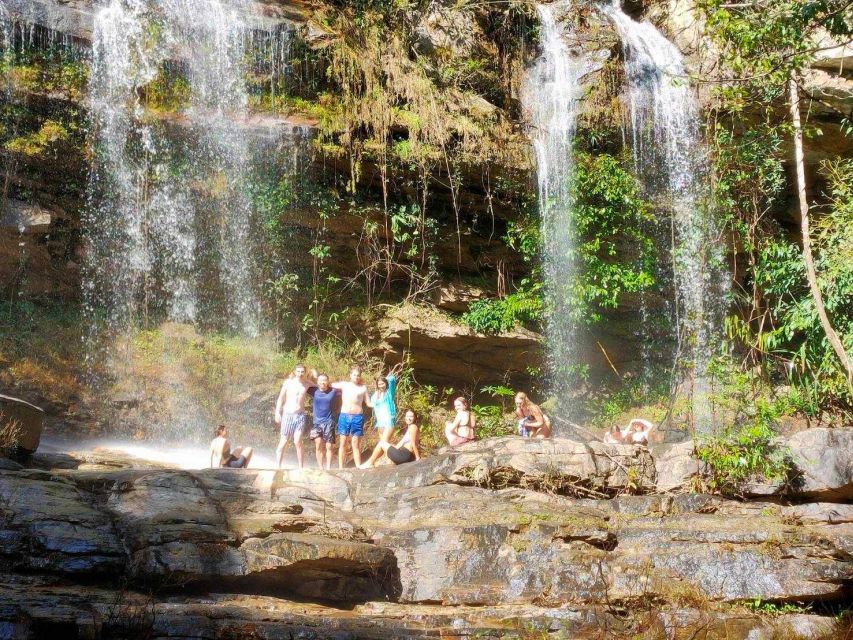
Later you’ll hike to a waterfall. The setting is described as quiet countryside, so you get a break from animal-focused activity and switch into nature walking.
At the waterfall, plan for cold water and physical steps. Several accounts call out that the steps can be steep and slippery, especially after rain. You may need to go down and then back up, and the rocks can be treacherous if you’re in flip-flops or don’t watch your footing.
If you can handle uneven terrain, the payoff is great: a roaring waterfall and a chance to cool down by getting in. Just treat it like a real natural spot—move carefully, and don’t sprint around for photos.
Bamboo raft ride down the river: wet, bumpy, and fun with a guide up front
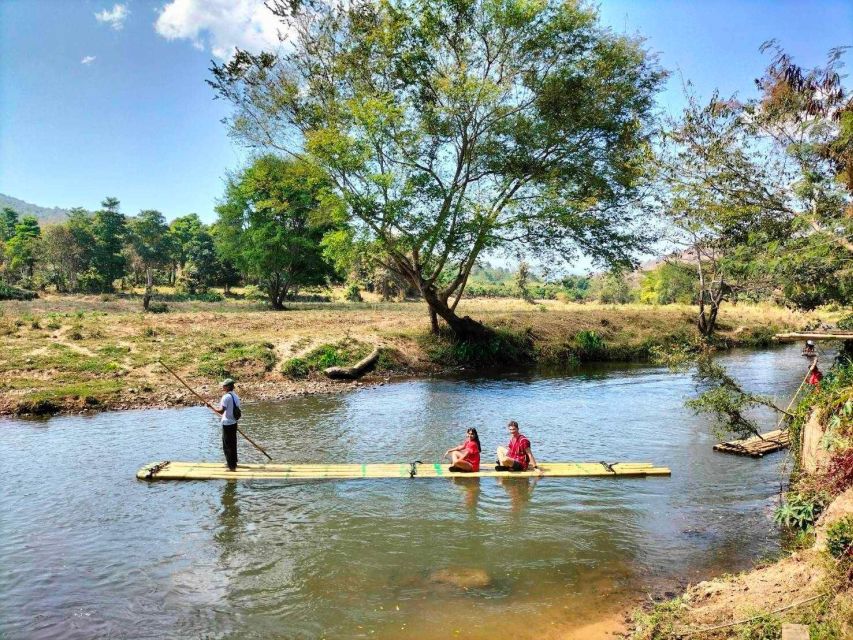
Then comes the bamboo rafting. You’ll get life jackets, and the raft guides do the work of navigating through rapids and muddy water. For most people, this is the most “adventure” part of the day, especially if you’re used to Bangkok or city travel.
Expect to get wet. The river water is described by some guests as cold, shallow, and even dirty/muddy. That doesn’t mean it’s unsafe—life jackets are provided and guides manage the route—but it does mean you should dress and prepare like you’ll feel like you’ve been out in the elements.
A few practical notes that I think you should take seriously:
- The rafts don’t have seats, so you’ll sit on the raft (often on the ground).
- After the rafting, there can be stairs to climb back up from the river area.
- One guest mentioned needing to avoid the activity if stairs or sitting on the ground are difficult.
If you want the fun but worry about comfort, choose shoes that can handle wet paths and keep your valuables secured.
What to bring (and what will help you avoid pain)
You’ll have water, mud, and walking, so packing smart makes the day nicer.
Bring:
- Swimwear
- Change of clothes
- Towel
- Flip-flops
- Insect repellent
- Sports shoes
Also, plan for getting wet during rafting and at the waterfall. If you carry a phone, use a waterproof pouch when you can and be ready for mud spray.
One helpful detail from the day: lockers and locks are provided by some tour setups so you can stow valuables and reduce the risk of losing them in the river. Still, don’t bring anything precious that can’t handle a damp day.
Price and value: is $57 a fair deal for 8 hours?
At $57 per person for an 8-hour day, this tour sits in the value zone for Chiang Mai. You’re paying for a full set of experiences: elephant care interactions, elephant food, a guided trek, lunch, and a bamboo raft ride with safety gear.
Where the value really shows:
- You avoid paid elephant riding, which is where many cheaper tours start cutting ethics or quality.
- You get more than one activity outdoors, so the day feels complete, not chopped into one “photo stop.”
- The medicine ball workshop adds a cultural/educational element that isn’t just scenic sightseeing.
What could make it feel less valuable:
- Transport comfort and timing can vary. Some guests describe late pickup or an uncomfortable ride setup.
- The day’s physical demands (stairs, slippery terrain, no raft seats) can reduce enjoyment if you’re not ready for it.
If you’re an active traveler who wants a genuine elephant day with adventure built in, the price makes sense.
Who should book this Kerchor Elephant Eco Park tour?
This is a great match if you want:
- A no-riding elephant experience focused on feeding, walking, and bathing
- A day with both nature and adrenaline (waterfall + rafting)
- A guided tour with English/Chinese support
It’s also a strong option for couples and friends who like a shared outdoor day. And if you enjoy learning—like what the Eco Park does—you’ll probably appreciate the briefing before the hands-on time.
Consider skipping if you:
- Struggle with stairs or rough ground
- Can’t tolerate a wet, cold raft experience
- Want a low-mobility day with minimal walking
The extra bonus if you travel during the promo window
If you’re coming between November 23, 2024 and January 31, 2025, there’s a promotion: adults may receive a gift of elephant pants (short), free size. If you’re in that window, it’s a nice little add-on with practical value for warm weather.
Should you book Kerchor Elephant Eco Park Tour and Trek?
I’d book this if your top priority is an elephant day that avoids riding and gives you meaningful interaction time, plus a real outdoors finish with bamboo rafting and a waterfall.
Do it if you’re excited by:
- Feeding and walking alongside elephants
- Watching bathing and social behavior (including baby moments, when present)
- A guided trek that leads to a cool-off waterfall
- Rafting that’s active and wet, not a smooth “tour boat”
Skip or think twice if stairs, slippery footing, or sitting on the raft (no seats) would make you miserable. For everyone else, this is the kind of Chiang Mai full-day outing that feels like more than a single attraction—you’ll leave with elephant memories and river-and-waterfall stories.
FAQ
Is there elephant riding on this tour?
No. The experience is designed around feeding, walking, and watching elephants bathe and socialize, not riding them.
What elephant activities are included?
You’ll attend a park presentation, feed elephants (including bananas), spend time walking with them, and watch bathing and social behavior. You’ll also make an herbal medicine ball for the elephants.
Is lunch included?
Yes. Lunch is provided with Thai food and filtered water.
Do I get life jackets for the bamboo raft ride?
Yes. Life jackets are included for the bamboo rafting portion.
Where is pickup in Chiang Mai?
Pickup is included from Chiang Mai. If your hotel is outside the pickup area, you must go to the meeting point at McDonald’s, Tha Phae branch by yourself.
What should I bring for the day?
Bring swimwear, a change of clothes, a towel, flip-flops, insect repellent, and sports shoes.
How long is the tour and what language is the guide?
The tour runs for 8 hours. The live guide speaks English and Chinese.