REVIEW · CHIANG MAI
The 10 Tastings of Chiang Mai With Locals: Private Street Food Tour
Book on Viator →Operated by Withlocals · Bookable on Viator
A food tour that also helps you read the city. This private 3-hour Chiang Mai experience mixes 10 tastings of sweet and savory Thai specialties with temple and city highlights, then wraps it up with tailored recommendations you can use for the rest of your trip. The main drawback to know up front: you’re not doing a pure street-only crawl the whole time, so if you want nonstop alley food with zero sightseeing, this may feel a bit too balanced.
I like that it’s truly private, just you and your local guide, and you can choose a morning or afternoon slot depending on your energy level. I also like the practical flexibility: you can adjust your picks based on what you actually want (including dietary alternatives), not just follow a fixed menu. One more consideration: because it’s a serious “10+ tastings” situation, come prepared to eat enough to feel comfortably stuffed, then some.
In This Review
- Key Points to Know Before You Go
- Meeting at Mountain View Guesthouse and Choosing Your Food Mood
- Wat Chai Si Phum: The First Bites Meet Cultural Context
- Chang Phueak Monument and Thai Tea That Actually Fits Your Preferences
- Chang Phuak Gate (Elephant Gate) and the Best in Town
- Wat Mo Kham Tuang: A Temple Pause Between Food Stops
- The Optional Stops That Depend on Your Route
- How the Private Host Tailors Your 10 Tastings
- What “10 Tastings” Really Means for Your Appetite
- Price and Value: Is $78.52 Worth It?
- Who This Tour Fits Best (and Who Might Not Love It)
- Should You Book 10 Tastings of Chiang Mai With Locals?
- FAQ
- FAQ
- How long is the Chiang Mai street food tour?
- Where does the tour start and end?
- Is this tour private?
- Does the tour include food tastings and drinks?
- Is pickup from your hotel included?
- Can the tour accommodate dietary restrictions?
Key Points to Know Before You Go
- 10 food and drink tastings in about 3 hours, so expect real portion sizes, not tiny bites
- Private guide, no sharing, which makes it easier to steer the tour toward your tastes
- Morning or afternoon options, handy when you’re planning temples, markets, and day trips
- Temple and city highlights between food stops, so you get context along with calories
- Vegetarian alternatives offered, and your guide can adjust choices to dietary needs
- Watch the pace: it’s a lot of food, so plan to eat light beforehand
Meeting at Mountain View Guesthouse and Choosing Your Food Mood
The tour starts at Mountain View Guesthouse (Si Phum, Chiang Mai) and ends back there. That’s helpful because you don’t have to solve the “where do we meet?” puzzle at an obscure corner. Hotel pickup and drop-off aren’t included, so you’ll want to be comfortable getting yourself to the meeting point by public transport, a short taxi ride, or on foot if you’re nearby.
The private format is a big deal. Instead of getting swept along with strangers who want different spice levels and different foods, your guide can steer the tasting plan based on you. That’s especially valuable on a food tour, where one person’s love language is spicy larb and someone else’s is something sweet and mild.
Before you set out, pick your timing. Morning tours can feel like a gentle ramp-up for your day; afternoon tours work well if you want Chiang Mai food as your main event rather than squeezing it around other plans. Either way, bring an appetite and a little patience. You’ll be walking and stopping frequently, and the point is to slow down enough to enjoy each dish, not rush through them.
You can also read our reviews of more food & drink experiences in Chiang Mai

Wat Chai Si Phum: The First Bites Meet Cultural Context
Your first stop is Wat Chai Si Phum. The tour starts with a light local dish designed to get your taste buds warmed up without shocking your stomach. This is a smart opener: you’re not sprinting into heavy curry or sweets first, and your guide can learn what you like (and what you’d rather skip) before things get bigger.
Wat is also your first “site-setting” moment. Even if you don’t want a deep lesson on temple architecture, you’ll get enough cultural framing to understand why local food and local routines are tied together. In Chiang Mai, food isn’t just an activity between landmarks. It’s how people live. That first stop nudges you to think that way.
A practical tip: if you’re planning to also do a big market evening, this opening phase helps you later recognize ingredients and flavors you’ll see again. You get the vocabulary for the rest of the trip.
Possible drawback: this is the kind of start where you might feel like you’re doing a temple first, then food. If you were hoping for immediate street-food sampling the second you arrive, just know the tour begins with a temple stop and a short dish to match.
Chang Phueak Monument and Thai Tea That Actually Fits Your Preferences
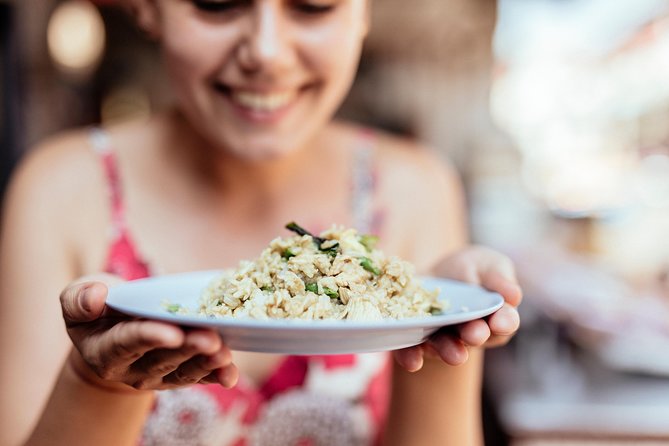
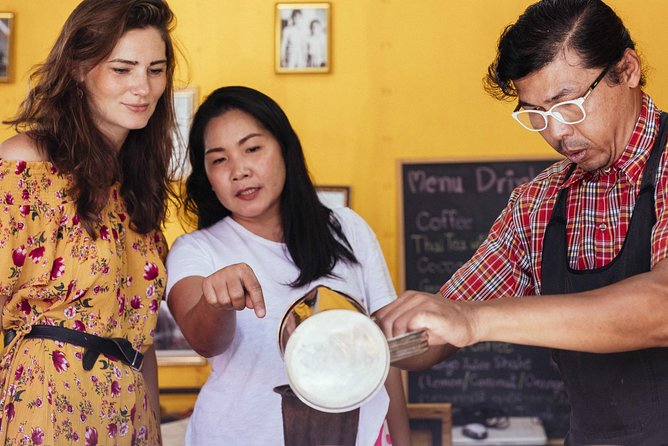
Next up is Chang Phueak Monument, and this is where the tour gets fun in a very practical way: you learn why Thai tea looks the way it does and you can choose how you want it. The guide helps you set your sweetness level, and you can pick whether you prefer it hot or cold.
That sounds small, but it’s a useful skill. Thai tea isn’t one universal flavor. It’s a range. Once you taste it this way, you’ll be less likely to order a drink that’s way too sweet for your palate—or served at a temperature you don’t enjoy.
This stop also acts like a “taste calibration.” After Thai tea, you’re more aware of how sweet-forward flavors work in Northern Thai and Thai street-style dishes. That matters because the tour then moves through both savory and sweet items, and you’ll want to pace yourself.
Chang Phuak Gate (Elephant Gate) and the Best in Town
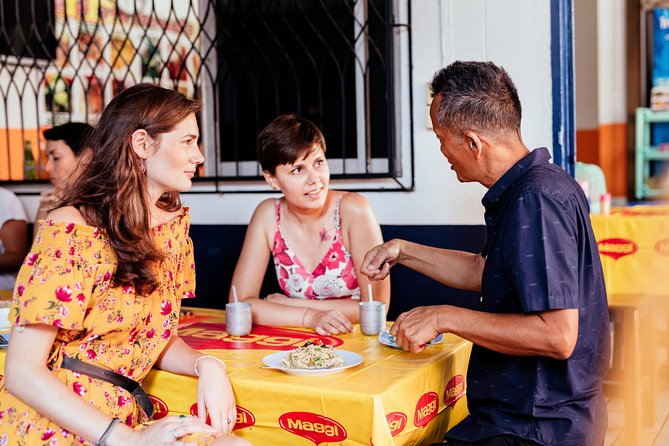
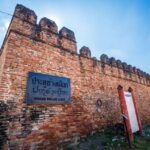
You then head to Chang Phuak Gate, also called the Elephant Gate, where the tour leans into a key food-tour concept: you don’t just eat anywhere. Your guide takes you to a reliable local restaurant nearby and then builds from there.
It’s a good stop if you want the feeling of a classic Chiang Mai landmark day but still want the food to lead. Gates like this aren’t just photo stops. They help you understand the shape of the city and how areas connect. And when you pair that with food right afterward, your brain links streets to flavors, not just sights.
Possible downside: this phase can feel like restaurant dining rather than pure street-stall chaos. The tour is still “street food” style in spirit, but there’s at least some sit-down structure. If you want only stools, plastic chairs, and open-air grills, you may need to mentally adjust expectations for a couple of tastings.
Wat Mo Kham Tuang: A Temple Pause Between Food Stops
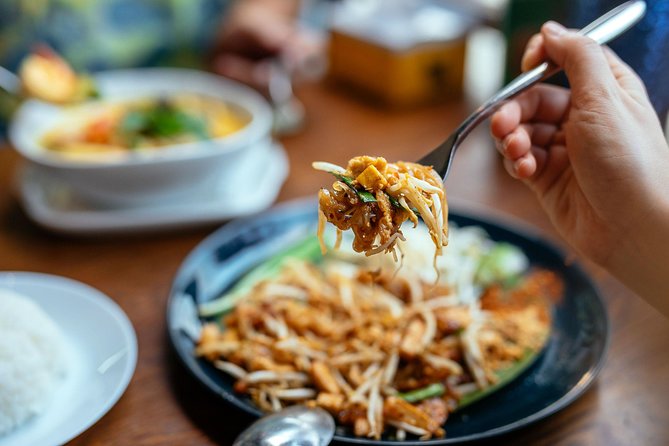
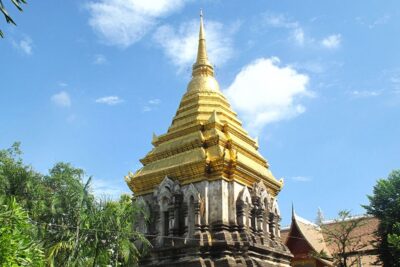
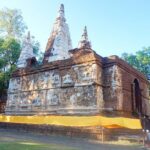
Wat Mo Kham Tuang is your next major cultural stop. This is a longer pause than some of the other waypoints, and it’s more detailed: you’ll see elements like a viharn, an ubosot, a chdi, and smaller salas and kuti buildings, plus two statues of Hindu deities.
If you enjoy temples, it’s a satisfying break. If you’re not temple-people, it still works because the tour rhythm stays food-forward. The point isn’t to turn your half-day into a history lecture—it’s to keep you grounded in place while your guide explains what you’re seeing and why it matters in the local worldview.
One warning from experience-shaped feedback: the balance between sightseeing and food can vary with the route your host chooses. Some people finish thinking it leaned slightly too temple-heavy. So if you’re shopping this tour purely for street-food immersion, ask yourself whether you’re okay with a cultural stop or two while you eat.
You can also read our reviews of more tours and experiences in Chiang Mai
The Optional Stops That Depend on Your Route
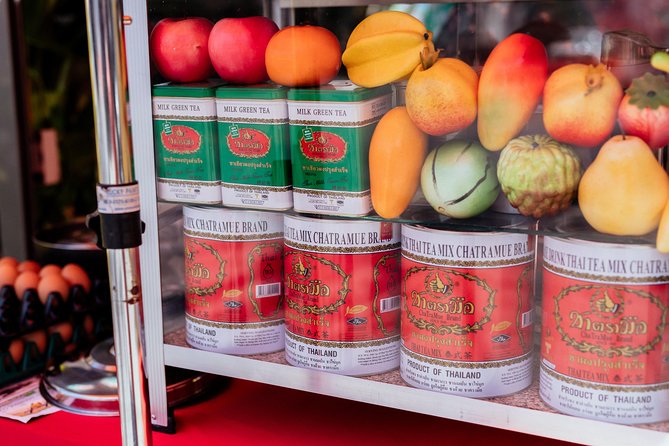
Between the named stops, the tour can include additional stops depending on the choices your local host makes. In practice, this is where markets often show up. Some routes include market time so you can see ingredients, snack culture, and how vendors group foods by taste and use.
Market stops are also where you can learn fast. Instead of just ordering a plate, you start noticing patterns: textures, spice levels, which desserts look like breakfast and which look like after-dinner comfort. Then later, when you’re wandering Chiang Mai on your own, you can pick more confidently.
This is also where crowds can matter. If your timing overlaps with busy local holiday periods, a market stop can get packed. If you’re sensitive to crowd noise, keep your cool and treat the crush as part of the local life.
How the Private Host Tailors Your 10 Tastings
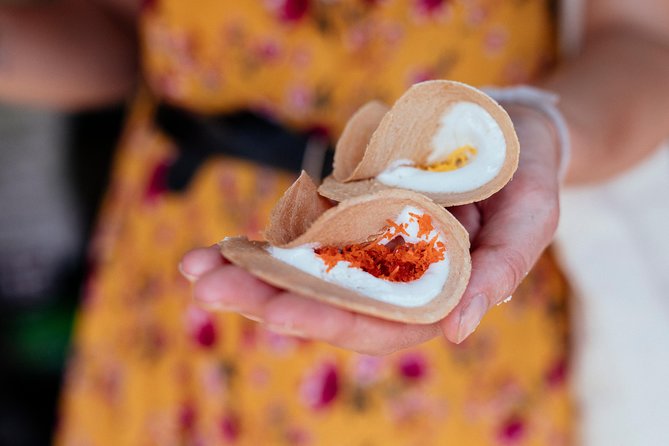
The star here is the guide. You’ll have a local host who can tailor your samples to your taste and offer recommendations to strengthen the rest of your trip. That means you’re not just collecting random dishes. You’re building a personal “flavor map.”
It also means dietary needs aren’t an afterthought. The tour includes vegetarian alternatives, and the guidance you get can extend to other restrictions as well. People report real adjustments, including gluten-free needs, and you’ll want to share your preferences early so the guide can plan restaurants and dishes that fit.
One of the best parts of a tailored approach is that it protects your stomach. When you’re eating 10 items (plus drinks), the difference between bland and balanced can be huge. A good host will avoid stacking too many heavy items back-to-back if you’d rather have variety.
And yes, there’s a theme: your guide wants you to pace yourself. Even with tastings, this tour can leave you very full by the end. Some guides manage the walk between stops well, which helps digestion and keeps you from feeling like you’re stuck eating in one place.
What “10 Tastings” Really Means for Your Appetite
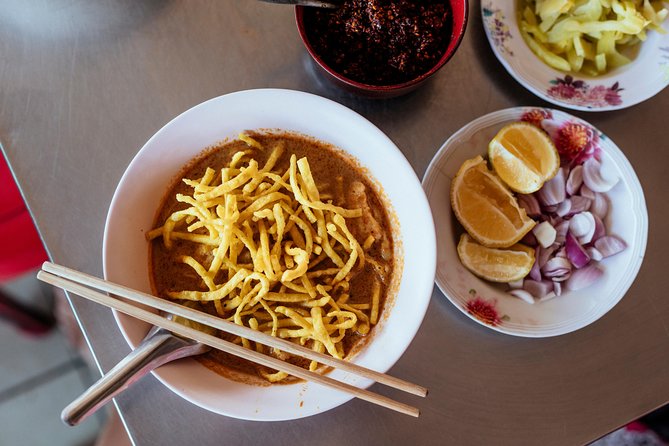
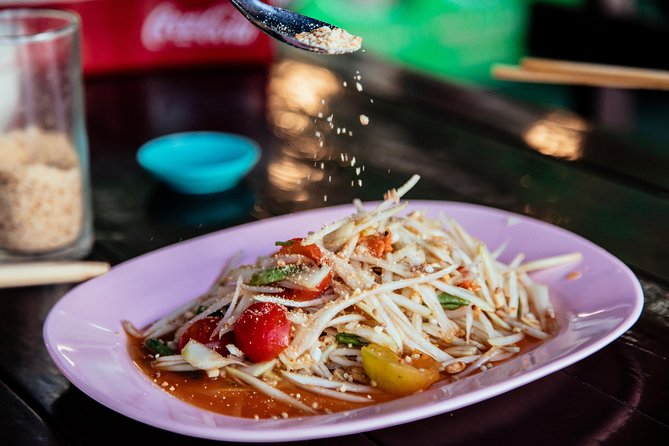
The phrase 10 tastings can sound like 10 small bites. In reality, this experience tends to be more substantial. Multiple dishes are described as legitimate plate food, not just samples. By the end, many people find they’re stuffed, and some even have leftovers.
So here’s the practical move:
- Eat a light breakfast or lunch before you go, depending on your tour time.
- Plan an easy evening afterward. Don’t schedule a long dinner reservation right after unless you like the idea of tasting and then resting.
- Bring water. Even if the tour includes drinks, you’ll still appreciate extra hydration once the walking starts.
If you want a street-food tour where you nibble your way through the city without committing to a full meal-style day, this might feel too filling. But if you want a fast-track to understanding Thai flavors, it’s exactly the right intensity.
Price and Value: Is $78.52 Worth It?
At $78.52 per person, you’re paying for a private guide, multiple stops, and a structured set of food-and-drink experiences in just 3 hours. That price can feel high if you compare it to casual street eating on your own.
But it also saves you work. You get:
- Local guidance on where to eat
- Timing and pacing so you don’t waste your appetite
- Tailoring to your preferences and dietary needs
- City highlights between tastings
The value equation changes depending on what you expected. Some people love the amount of food and the quality, especially when the guide is sharp at matching flavors and controlling spice. Others have felt the portion size or structure didn’t match their expectation for the price, including comments about shared dishes or slightly lighter-than-expected eating.
My take: if you show up hungry, communicate your preferences clearly, and you’re open to a mix of street food plus a couple of cultural stops, this tends to land as good value for a private half-day. If you only want pure street-stall tasting with maximum food density, you may need to compare against other options in Chiang Mai.
Who This Tour Fits Best (and Who Might Not Love It)
This tour fits best if you want a local-run food route with structure. It’s great for:
- First-timers in Chiang Mai who want flavor guidance fast
- People with dietary preferences who need real accommodation
- Food lovers who want both street plates and cultural stops
- Couples who want a private plan, not a group scramble
It might not fit as well if:
- You want nonstop walking street-food only, with minimal temples or explanations
- You’re extremely budget-driven and planning to eat primarily from inexpensive stalls yourself
- You get uncomfortable with crowds if your route includes a busy market day
One more note: because it’s private and food-focused, it can also be a strong “first day” tour. It helps you learn what to order later without guessing.
Should You Book 10 Tastings of Chiang Mai With Locals?
If you want a practical introduction to Chiang Mai food, I’d book it. The biggest strengths are the private guide who can tailor tastings, the real variety of sweet and savory, and the fact you come away with specific recommendations for the rest of your trip.
Book it if you can do one thing well: arrive hungry and ready to pace yourself. If you’re expecting an endless parade of only street stalls, temper that expectation because the tour includes temple and city highlights.
Also, it’s low-risk to plan around. There’s free cancellation up to 24 hours in advance, so you can adjust if your schedule changes.
FAQ
FAQ
How long is the Chiang Mai street food tour?
It runs about 3 hours.
Where does the tour start and end?
It starts at Mountain View Guesthouse, Si Phum, Chiang Mai and ends back at the same meeting point.
Is this tour private?
Yes. It’s a private tour with only you and your local guide.
Does the tour include food tastings and drinks?
Yes. You’ll get 10 food and drinks tastings.
Is pickup from your hotel included?
No. Hotel pick-up and drop-off are not provided, so you’ll need to get to the meeting point yourself.
Can the tour accommodate dietary restrictions?
Yes. There are vegetarian alternatives, and dietary needs can be accommodated based on what’s offered during the tastings.