REVIEW · CHIANG MAI
6-Hour Akha Tribe Culture and Cooking Class in Chiang Mai
Book on Viator →Operated by Oh-Hoo · Bookable on Viator
Food shopping turns into culture class in 6 hours.
You’ll start with a local market run, then learn Akha traditions through the food they share and the way they cook. It’s one of those experiences where the menu is the lesson, not just the payoff.
I love two things most: the chance to cook a full spread of 10 dishes, and the fact the class is taught in a genuinely fun, friendly way by On. One thing to consider: you’ll eat a lot, so if you’re not into big portions, this may feel like more than you bargained for.
In This Review
- Key highlights you’ll feel fast
- Akha and Thai food: what the class is really teaching
- Morning vs evening: choose your pace (and your stomach)
- Morning class: market first, then cooking
- Evening class: cooler cooking and an easy dinner plan
- The market stop: practical “local shopping” skills
- Cooking class setup: outdoor kitchen, small group, real guidance
- What you’ll cook: 10 dishes spanning Thai and Akha flavors
- Appetizers to start the spread
- Akha dishes: learn the Akha part of the meal
- Stir-fry and noodles: the wok-friendly core
- Soups: comfort with Thai heat and nuance
- Curries: learn more than one style
- Desserts: end strong
- The meal: come hungry, then plan for leftovers you won’t want
- Dietary needs: good news for picky eaters and allergies
- Getting there: Wat Pan Whean and smooth end-of-tour return
- Price and value: is $48.83 fair for a full cooking session?
- Who this class is best for
- Should you book this Akha tribe culture and cooking class?
- FAQ
- How long is the Akha tribe culture and cooking class?
- Is pickup available?
- Where does the tour start and end?
- Do I get to choose between a morning or evening class?
- How many dishes will I cook?
- What types of dishes are included?
- Can the class accommodate dietary restrictions?
- Is there a recipe book?
- What if the weather is bad?
- How does cancellation work?
Key highlights you’ll feel fast
- Market shopping with a local vibe where you can compare prices and see what real daily life looks like
- Morning or evening course options, so you can fit it around your Chiang Mai rhythm
- A mix of Thai and Akha dishes, including Akha soup and Akha salad alongside classics like Pad Thai and curry
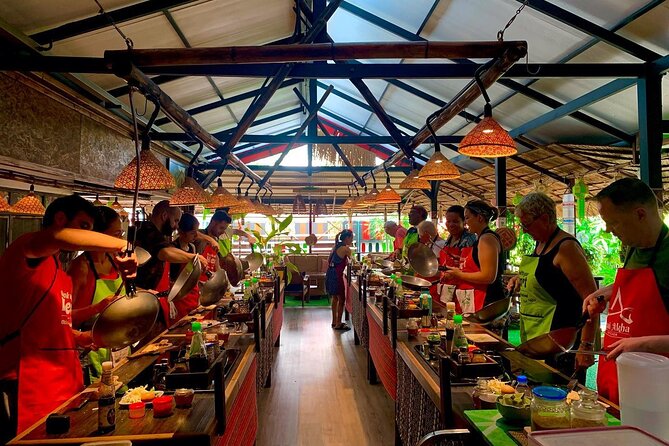
- Outdoor cooking setup (especially for the evening class) with an air-conditioned dining space
- Hands-on teaching from On, plus a recipe book so you can repeat the dishes later
- Small group size (max 15), which helps keep the pace practical and questions easy to ask
Akha and Thai food: what the class is really teaching
This is marketed as a cooking class, but the real skill you’re picking up is how Thai-Akha cooking fits into daily life. The Akha people are part of Thailand’s cultural mix after immigrating in the 1900s, and in this class you see that history through ingredients, technique, and flavors.
What I like about this format is that it doesn’t treat culture like decoration. You’re not just watching someone cook. You’re learning how people build flavor and meals at home, including Thai dishes and Akha dishes like Akha Salad and Akha Soup.
You can also read our reviews of more cooking classes in Chiang Mai
Morning vs evening: choose your pace (and your stomach)
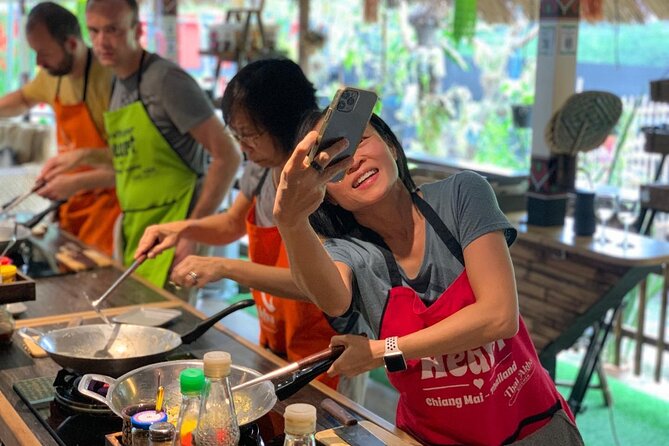
You can pick a morning or evening course, and that choice matters.
Morning class: market first, then cooking
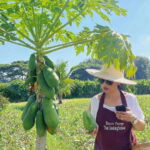
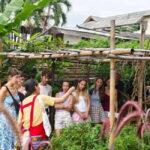
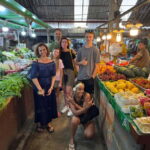
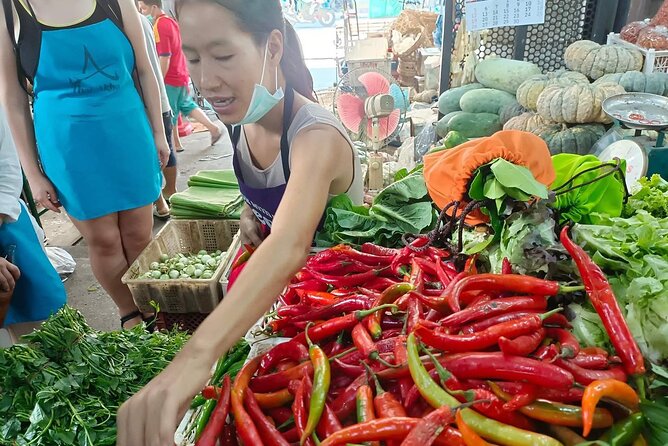
Morning starts with a local market trip. The whole point is to see how people shop and live, with the same produce and different prices. It’s that “same same, but different” feeling: you’ll recognize many ingredients, but the rhythm is totally Thai-Akha, not supermarket Western.
If you prefer mornings, this option gives you a head start on the day and a good mental map of food staples in Chiang Mai. You’ll also get your hands on the ingredient story before you cook, which makes the recipes feel less random.
Evening class: cooler cooking and an easy dinner plan
The evening class is designed to work around a busy schedule. It’s also simply more comfortable for cooking because it’s cooler later in the day.
Your dinner setup is also different: the kitchen is outdoor, with a Thai-Akha atmosphere, while the dining room is air-conditioned. So you get fresh-air cooking, then you can relax in comfort once you sit down.
The market stop: practical “local shopping” skills
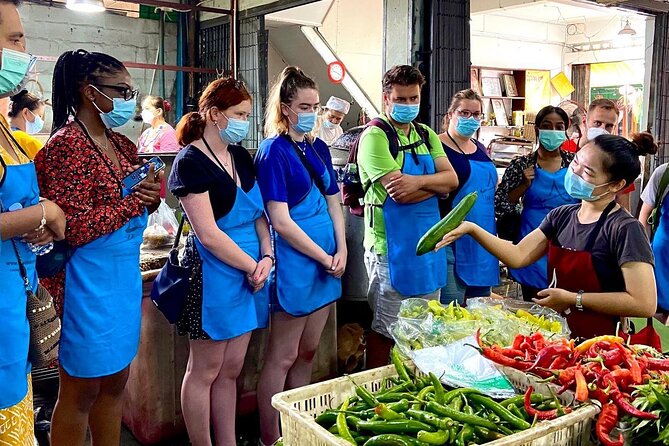
The market portion is the best place to learn how to think about Thai cooking ingredients. Instead of arriving and being told what to buy, you’re guided through how produce is selected and priced, which helps you later when you’re cooking on your own.
A few things you should expect from this kind of market experience:
- You’ll likely see fewer branded packages and more fresh, whole ingredients.
- You’ll notice different portion sizes and price points, which makes the “same ingredients, different prices” lesson real.
- You’re treated like a local person, not a walking wallet.
This matters because your cooking class becomes more than a one-time meal. After the market experience, you can shop smarter and avoid the tourist traps of buying the most expensive versions of the basics.
You can also read our reviews of more tours and experiences in Chiang Mai
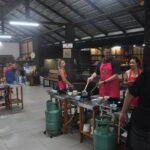
Cooking class setup: outdoor kitchen, small group, real guidance
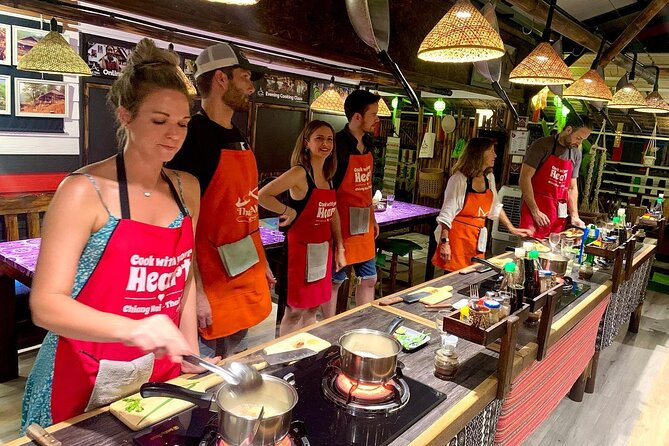
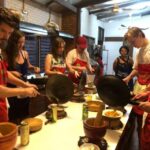
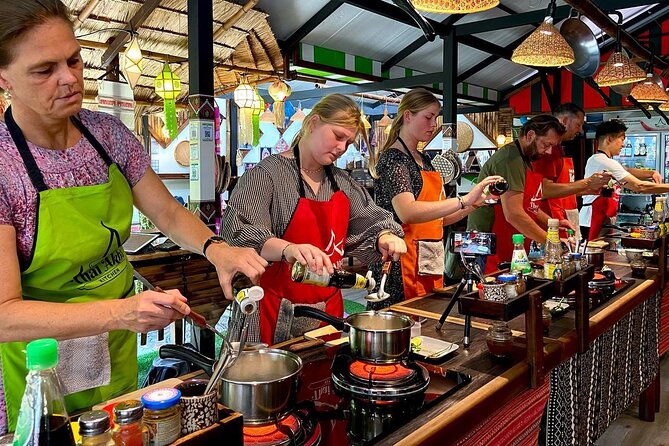
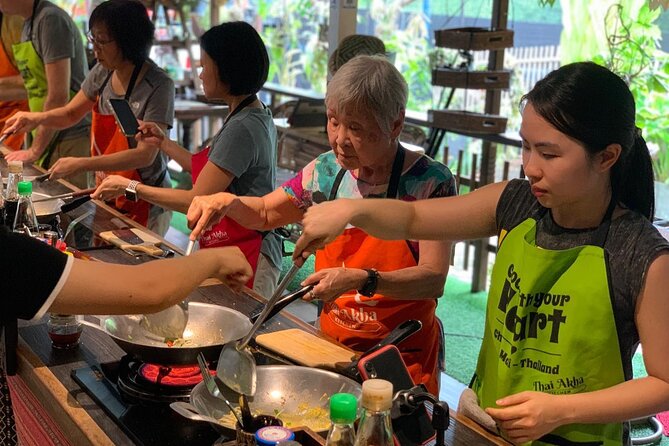
The class runs about 6 hours, with a maximum of 15 travelers. That group size is key: it usually means you can get answers without waiting forever, and it’s easier for the teacher to spot what you’re doing right (or where your wok is about to betray you).
You’ll also have a strong safety net from the teaching style. One of the best pieces of feedback was that On is an amazing teacher who keeps things fun, and you’ll also get easy recipes plus a recipe book. That combination is what turns a cooking class from a fun evening into something you can actually repeat later.
If you do the evening course, remember the kitchen is outdoor. Bring a little flexibility for warmth and outdoor cooking smells. But the dining area being air-conditioned gives you a nice reset between cooking and eating.
What you’ll cook: 10 dishes spanning Thai and Akha flavors
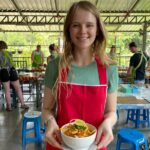
The big promise here is you’ll create 10 dishes, then eat them. The menu focuses on Thai classics plus Akha items, with plenty of variety: appetizers, stir-fries, soups, curries, and desserts.
Appetizers to start the spread
You can expect starters like Papaya Salad and Spring Roll. These are great early lessons because they show two different techniques: balancing sour-spicy flavors in a salad, and wrapping/frying or assembling spring rolls with the right texture.
Akha dishes: learn the Akha part of the meal
This class doesn’t hide the Akha influence. You’ll get recipes for Sapi Thong (a tomato dipping sauce), plus Akha Salad and Akha Soup. Even if you’re new to Akha food, these dishes help you see how a Thai-style meal can still carry a distinct identity.
A practical way to think about this: treat the Akha dishes as a flavor vocabulary lesson. Notice how sour, herbal notes, and textures differ from the more familiar Thai curries and stir-fries.
Stir-fry and noodles: the wok-friendly core
Expect stir-fry style dishes like Sweet & Sour Vegetables, Cashew Nut with Chicken, Chicken with Hot Basil, and Pad Thai. These are the part of the class that rewards focus because timing matters. Get your ingredients ready, keep heat consistent, and you’ll see how quickly these dishes go from prep to plate.
Soups: comfort with Thai heat and nuance
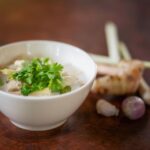
Soups are built into the experience with options like Chicken in Coconut Milk, Hot & Sour Prawn Soup, and Clear Soup with Egg Tofu. If you love soups, you’ll likely appreciate having coconut richness, sour heat, and lighter clarity all in one lesson.
Curries: learn more than one style
You’ll work with curry paste and curry recipes such as Chicken Green Curry, Chicken Red Curry, Panang Curry, and Massaman Curry. Curries are where Thai cooking shows off. Even if the process feels similar at first, the final flavor can swing from herbal and hot to warm and spiced-sweet, depending on the curry type.
Desserts: end strong
For dessert, you’ll finish with Mango with Sticky Rice and Pumpkin in Coconut Milk. This is a good combo for understanding Thai dessert logic: one is fruit and chew, the other is creamy, spiced comfort.
The meal: come hungry, then plan for leftovers you won’t want
You don’t just cook and sample. You eat what you make, and the portion is big. One standout note was that it’s a ton of food, so come hungry.
A practical tip: pace yourself during the cooking phase. If you try to eat everything at once, dessert can feel like a dare. But if you split it—soup first, then mains, then desserts—you’ll enjoy the full range of flavors instead of just chasing fullness.
Also, because you’ll create dishes across categories (salad, stir-fry, curry, soup, dessert), the meal doesn’t blur together. You get texture variety: crunchy salads and rolls, saucy curries, warming soups, and then sweet finales.
Dietary needs: good news for picky eaters and allergies
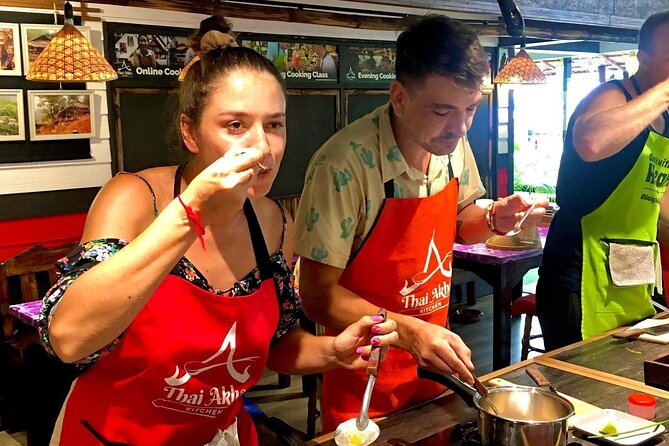
This experience states it can accommodate special dietary requirements, including allergies, gluten intolerance, vegetarian diets, or other needs. That’s important because cooking classes often struggle with ingredient substitutions.
If you have dietary requirements, make sure you share them at booking so you’re not stuck hoping for the best on the day. The menu list is broad, which usually gives the kitchen room to adjust more easily than with a smaller set meal.
Getting there: Wat Pan Whean and smooth end-of-tour return
The tour starts at Wat Pan Whean, located at 50 Phra Pok Klao Rd Soi 4, Tambon Phra Sing, Amphoe Mueang Chiang Mai, Chang Wat Chiang Mai 50200, Thailand. It also ends back at the meeting point.
Pickup is offered, which is a relief if you don’t want to manage transport after a full cooking session. The activity is also listed as near public transportation, so you’re not totally dependent on pickup.
One more practical detail: you’ll get a mobile ticket. So save that ticket in your phone before you head out.
Price and value: is $48.83 fair for a full cooking session?
At $48.83 per person for about 6 hours, this is priced for real instruction plus a full meal. You’re not paying just for ingredients; you’re paying for:
- the market trip ingredient shopping experience
- hands-on time cooking 10 dishes
- instruction by On, including a recipe book
- a full sit-down meal from what you cook
For Chiang Mai, cooking classes can range from short sampling sessions to full-day experiences. This lands in a sweet spot: long enough to learn techniques and cook a meaningful set of dishes, but not so long that you burn your whole day.
The biggest value indicator is the eating part. If you actually finish your meal satisfied and not hungry-for-more, that’s when the price starts making sense.
Who this class is best for
This is a great fit if you:
- want Thai food with an Akha cultural angle, not just Thai cooking basics
- enjoy hands-on cooking and want a recipe book to take home
- like market time and want to learn how ingredients are priced and chosen
- need a schedule-friendly option (choose morning or evening)
It may be less ideal if you:
- prefer lighter meals or don’t handle spicy-sour flavors well
- get overwhelmed by outdoor cooking conditions (especially for the evening setup)
Should you book this Akha tribe culture and cooking class?
If your goal is to leave Chiang Mai with more than memories of plates, I think this is a smart booking. You get a guided market experience, clear hands-on cooking for 10 dishes, and an Akha-food lens through recipes like Akha Salad and Akha Soup. Add On’s teaching style plus a recipe book, and you’re leaving with skills, not just photos.
Book it if you can handle big portions and you want a cultural meal that actually teaches you something. Skip it only if you want a short, light tasting class instead of a full cooking-and-eating experience.
FAQ
How long is the Akha tribe culture and cooking class?
It’s about 6 hours.
Is pickup available?
Yes, pickup is offered.
Where does the tour start and end?
The start point is Wat Pan Whean in Chiang Mai, and the activity ends back at the same meeting point.
Do I get to choose between a morning or evening class?
Yes. You can choose either a morning or evening course.
How many dishes will I cook?
You’ll create 10 dishes during the cooking course.
What types of dishes are included?
The class includes a mix such as appetizers (papaya salad, spring roll), Akha dishes (including Akha Salad and Akha Soup, plus Sapi Thong sauce), stir-fries (including Pad Thai and chicken with hot basil), soups, curries (such as green curry, red curry, Panang, and Massaman), and desserts (mango with sticky rice and pumpkin in coconut milk).
Can the class accommodate dietary restrictions?
Yes. It can accommodate special dietary requirements including allergies, gluten intolerance, vegetarian diets, or other needs.
Is there a recipe book?
Yes. You get a recipe book, which helps you repeat the dishes later.
What if the weather is bad?
This experience requires good weather. If it’s canceled due to poor weather, you’ll be offered a different date or a full refund.
How does cancellation work?
Free cancellation is available up to 24 hours in advance for a full refund. If you cancel less than 24 hours before the start time, the amount paid is not refunded.