REVIEW · CHIANG MAI
Go where the locals go, Eat what the locals eat! Food Tour with Local Foodies
Book on Viator →Operated by Chiang Mai Foodie Tours · Bookable on Viator
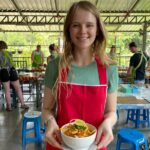
Chiang Mai food hits different when you eat like locals do. This food tour sends you through the Old City and Warorot Market for Northern Thai favorites paired with short temple walks and real dish stories. I especially liked the way the route is built around eating (not traffic), and the mix of market bites plus a sit-down Northern meal. One thing to plan for: if you’re sensitive to spicy food or strong flavors, you’ll want to pace yourself and ask for smaller bites, because you’ll likely try a lot.
Two practical touches make this easier than most food tours: a private driver to cut down on time on the road, and optional headsets on request so you can actually hear your guide. I also found it reassuring that the tour limits the group size (up to 20), so the experience doesn’t turn into a stampede. A note before you go: you’ll dress for temple visits, and you’ll want to double-check you’re at the correct meeting point for your time slot.
The guides are a big part of why this works. I’ve seen names like PT, Sky, and Pondtip tied to smooth pacing and clear English explanations, and that matters when you’re trying unfamiliar dishes and trying to understand what you’re eating beyond the flavor.
In This Review
- Key reasons this Chiang Mai food tour is worth your appetite
- Morning Old City route (9am): Kao Man Gai, temples, and dessert cravings
- Late-afternoon Warorot Market route (4pm): Sai Oua, mango sticky rice, and herbal flavors
- Transport and pacing: private rides, optional headsets, and sensible stop spacing
- What you’ll eat: Northern Thai hits you’ll remember after the tour
- Temple stops aren’t random: they help you understand the neighborhood
- Value check: why $50.52 can make sense here
- Who should book this (and who might want a different style)
- Practical tips so you enjoy every stop
- Should you book this Chiang Mai Foodies food tour?
- FAQ
- How long is the Chiang Mai Foodies Food Tour?
- What’s the price per person?
- Where do I meet for the 9am tour?
- Where do I meet for the 4pm tour?
- What foods will I try?
- Are headsets available?
- Is alcohol included?
- What’s the dress code?
- Are there age limits for children?
Key reasons this Chiang Mai food tour is worth your appetite
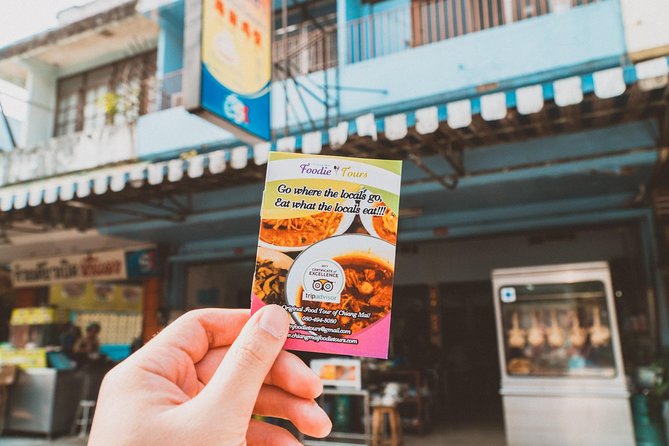
- Old-school markets at the heart of Chiang Mai food culture, with lots of small tastings
- Private driving that keeps you eating more and sitting in traffic less
- Headsets available on request so temple stops and market commentary don’t get lost
- Dish stories with context, including history behind standouts like Kao Soi
- A mix of street food and restaurant plates so you get range, not repeats
- Flexible feel in small groups, since the cap is 20 (sometimes it can be very small)
Morning Old City route (9am): Kao Man Gai, temples, and dessert cravings
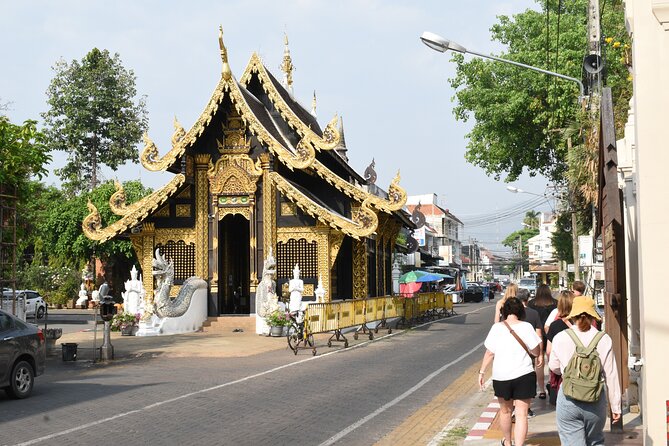
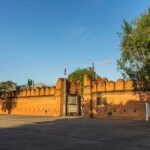
If you’re choosing the 9am departure, your day starts in the Old City near the Three Kings Monument, where you meet your guide and get moving early enough to beat crowds. This version is built like a gentle loop: a quick start, a temple walk, a classic noodle stop, community/market-style wandering, and then dessert.
Your first food stop is Kao Man Gai. You’ll try it at a place locals favor, a family-run restaurant that’s been operating since 1957. That kind of longevity is a useful clue when you’re traveling: it suggests people keep coming back for the same core dish, not because it’s trendy. The tour also frames the food in a way that helps you understand what makes it a staple (not just a menu item).
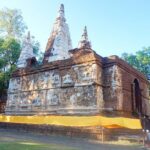
Next, you walk to Wat Chiang Man, described as the first temple built in the Old City. This is one of those moments where you slow down just enough to see the city’s religious setting without turning the tour into a pure sightseeing day. You don’t need to be a temple expert—this stop is mostly to add context to the surrounding neighborhood and help you connect the food to local life.
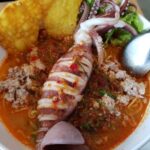
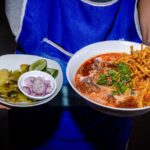
Then comes the big Chiang Mai noodle moment: Kao Soi. You’ll taste it and hear the dish’s history and origins. Even if you’ve had Thai noodles before, Kao Soi’s identity is strongly regional, so learning where it comes from helps you notice the details you might otherwise skip—like why this dish is treated as a signature here.
After that, you’ll make a stop at Wat Gate Community. The tour keeps this section practical: you’re not just looking at landmarks, you’re moving through neighborhoods that matter to how local life organizes around food, commerce, and community spaces.
Finally, the route closes with dessert stops that are clearly the main event. The tour points you toward Chiang Mai’s number one dessert destination for Sakoo Sai Hmoo and Kao Griap Paak Hmaw. The value of the dessert ending is that it gives you closure. After savory noodles and meat dishes, you’re still in “food mode,” but you’re not rushing. It’s also the easiest time to decide which flavors you want to remember for later.
Potential drawback for the morning route: if you dislike walking or being outdoors, temple and community segments can add up. You’ll likely be moving between multiple stops over a half-day span, and while it’s not described as a marathon, this isn’t a sit-at-a-table-only tour.
You can also read our reviews of more food & drink experiences in Chiang Mai
Late-afternoon Warorot Market route (4pm): Sai Oua, mango sticky rice, and herbal flavors
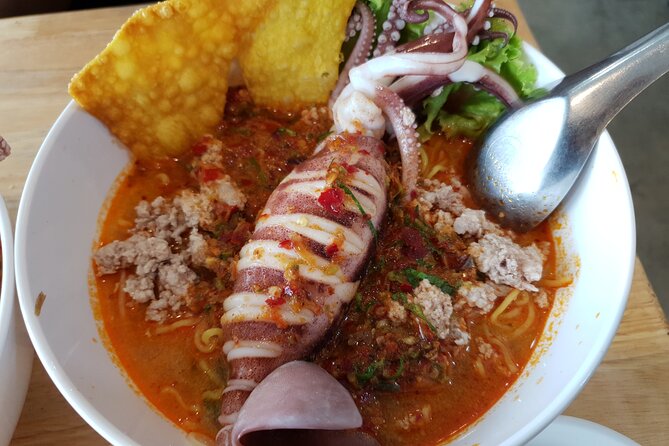
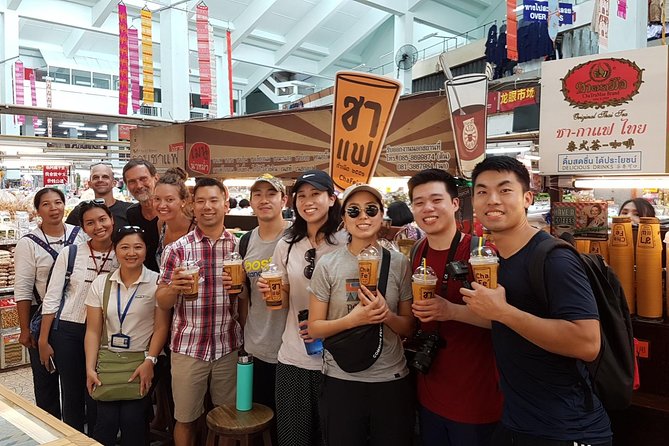
The 4pm departure is the one to pick if you want a market-forward evening meal and you like the idea of starting with a huge variety of local snacks. You meet at Warorot Market (Kad Luang), one of Chiang Mai’s oldest, largest, and most diverse open markets.
This stop is where you’ll taste a cluster of Northern Thai food highlights. From the market itself, you’re looking at:
- Sai Oua (Northern Thai sausage)
- Golden Curl (freshly made)
- Mango sticky rice
- Thai iced tea
The real benefit here is variety without decision fatigue. In many markets, you can end up circling the same few stalls because it’s too hard to choose. On this tour, the guide helps you hit multiple standouts in an efficient way, and bottled water/snacks keep you comfortable while you’re sampling.
After the market tastings, you stroll through the nearby Flower Market. It’s not just a pretty break; it keeps the walking route fluid so you don’t feel stuck for too long in one place. It also gives you a sense of how Chiang Mai markets operate beyond food.
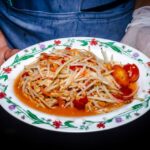
Then you ride to an authentic Northern Thai restaurant for a fuller meal. This is where the tour shifts from quick bites to dishes meant to be eaten as plates. You’ll feast on Gaeng Hunglay, Larb Moo, Khua Jin Som, and the award winning Yum Samunprai herbal salad.
That restaurant portion is important for value. Market snacks can be great, but they don’t always give you the “how locals eat this as a real meal” context. This stop balances the experience so you get both styles: snack sampling and sit-down plates.
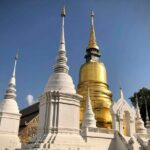
Next, you ride to Wat Sadue Muang, which gives you another temple visit in the evening light—an easy way to end with local atmosphere rather than only food-focused scenes.
Possible drawback for the 4pm route: you’re visiting Warorot and then moving on to an evening temple stop, so it can feel slightly more time-sensitive if you’re trying to catch a later night plan. If your evening schedule is tight, leave extra buffer.
Transport and pacing: private rides, optional headsets, and sensible stop spacing
One of the smartest parts of this tour is how it tries to reduce the two things that usually wreck a food day: time lost in traffic and time lost trying to figure out the best way to get from Point A to Point B.
You’re not just wandering endlessly on your own. The tour includes a driver/guide and uses a private driver so you spend more time tasting and less time on the road. That matters in Chiang Mai because distances add up quickly, and a half-day can shrink fast if you’re constantly repositioning.
Communication is also handled thoughtfully. Headsets are available on request, which is a big deal in markets and busy temple areas. If you’ve ever tried to hear a guide over crowd noise, you already know why this is a welcome option.
Finally, group size is capped at a maximum of 20 travelers. That’s a threshold where a guide can still manage a flow of people through food lines and short walking stretches without losing everyone every five minutes. Reviews also suggest that sometimes the group can feel smaller and more relaxed, which is exactly how you want a food tour to feel.
What you’ll eat: Northern Thai hits you’ll remember after the tour
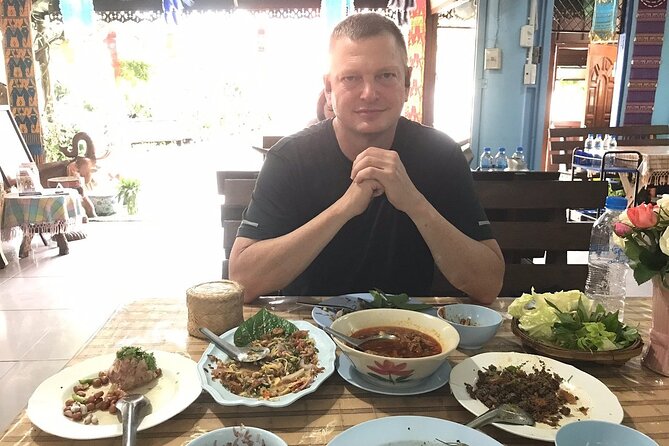
This tour is centered on Northern Thai cuisine, and it does a good job of making the food feel like a local system rather than a random set of “cool dishes.”
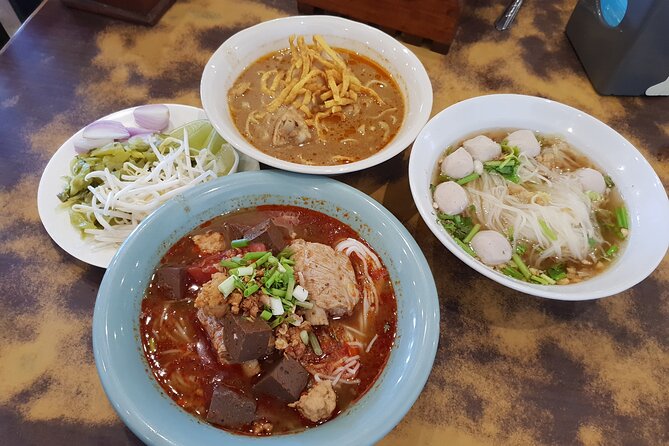
On the 9am route, the standouts are Kao Man Gai and Kao Soi, plus a dessert finish featuring Sakoo Sai Hmoo and Kao Griap Paak Hmaw. On the 4pm route, your tasting spread includes Sai Oua, Golden Curl, mango sticky rice, and Thai iced tea, followed by a Northern restaurant meal with Gaeng Hunglay, Larb Moo, Khua Jin Som, and Yum Samunprai herbal salad.
Here’s why that matters for your choices:
- You’re not repeating the same flavor profile all day. You get meat/sausage-style bites, noodle culture, dessert sweetness, and herbal salad in the same overall experience.
- You’re tasting across food formats. Market snacks, restaurant dishes, and temple-area walking stops keep the day from turning into one long “eat, then wait” loop.
- You get dish context, not just ingredients. The tour specifically includes history around key dishes like Kao Soi, and that helps you understand why these items are treated as must-try classics.
Even if you already think you know Thai food, Northern Thai cooking has its own identity. This tour’s structure makes it practical to sample that identity in just a few hours.
Temple stops aren’t random: they help you understand the neighborhood
Temple visits can feel like filler on some food tours. Here, the temple parts are brief and connected to the tour’s route.
Wat Chiang Man (on the 9am itinerary) is noted as the first temple built in the Old City, so it acts like a “start-point landmark” rather than a long cultural lesson. Wat Gate Community adds a community element, which helps you see that food isn’t floating in a vacuum—it lives inside local neighborhoods.
On the evening side, Wat Sadue Muang gives you that same connection point. The value isn’t in a deep dive of religious content. It’s in getting you out of “food stalls only” mode and into “this is how the area works” mode.
You can also read our reviews of more tours and experiences in Chiang Mai
Value check: why $50.52 can make sense here
At $50.52 per person, this is not a cheap snack crawl. But it also isn’t priced like a single fancy meal, either. Here’s how the value stacks up based on what’s included:
You get:
- a professional guide
- bottled water and snacks
- food tasting
- a driver/guide and private-driving structure
- admission ticket included on the 9am option (and admission free on the 4pm option, based on the tour description)
For a food-focused day, you’re paying for three things that are hard to replicate on your own:
- Efficient tastings at multiple stops, including both market bites and a full Northern Thai restaurant meal.
- Navigation and timing with local transport, so you’re not guessing your way between neighborhoods.
- Context around dishes like Kao Soi, which makes your eating feel intentional instead of random sampling.
In other words, you’re buying convenience and structure. If you’re the kind of traveler who wants to “just eat,” this can be a good deal. If you prefer to wander freely and choose every stall yourself, you might feel it’s more rigid than you want.
Who should book this (and who might want a different style)
This is a strong match if you:
- want Northern Thai food rather than generic Bangkok-style Thai
- enjoy markets and don’t mind trying new dishes
- like guided storytelling behind what you’re eating
- want a day that mixes food with short walks and local atmosphere
It’s also a good choice for first-timers in Chiang Mai because it targets iconic local food moments: Kao Man Gai, Kao Soi, and Warorot Market in the Old City area.
You might think twice if you:
- have very limited mobility for temple walking segments (the tour does involve walk time at temples)
- hate crowds around open-air market areas
- want alcohol included in the price (alcoholic drinks are available to purchase, but they’re not included)
One more practical thing: the tour notes a temple dress code. That’s easy to handle—carry something that covers shoulders and knees, and you’ll be fine.
Practical tips so you enjoy every stop
Come hungry. This is the simplest advice, and it’s consistent with the way the route is planned: you’ll sample multiple items, then you’ll sit down for a Northern Thai restaurant meal on the 4pm itinerary.
Also:
- Eat slowly and save favorites. When you find a dish you love (Kao Soi is a common highlight), take a second bite if it’s offered—this is where you lock in the flavor.
- Plan your schedule with buffer. Since you’re moving between Old City stops and markets/temples, build in time to settle before your next activity.
- If you want the headsets, ask for them. They’re available on request, and they help most on busy market routes.
- Confirm the meeting point for your departure time. The 9am and 4pm versions start at different locations, so show up at the right one.
Should you book this Chiang Mai Foodies food tour?
If your goal is Northern Thai food with local guidance, I think this is a smart booking. The route is designed to keep you tasting across both markets and restaurants, and the private-driving + optional headsets combo makes it smoother than many “wander and hope” food tours.
Book it if you want a structured way to try key Chiang Mai dishes like Kao Soi and market staples at Warorot Market without spending hours figuring out where to go. I’d skip it only if you strongly prefer total independence, or if temple walking and crowd noise would ruin your day.
If you want Chiang Mai to taste like Chiang Mai, this is one of the easier ways to make it happen.
FAQ
How long is the Chiang Mai Foodies Food Tour?
The duration is listed as approximately 4 to 8 hours, depending on the selected departure and route.
What’s the price per person?
The price is $50.52 per person.
Where do I meet for the 9am tour?
For the 9am version, you meet tour guides at the Three Kings Monument, located in the Old City.
Where do I meet for the 4pm tour?
For the 4pm version, you meet your tour guide at Warorot Market (Kad Luang).
What foods will I try?
You’ll taste items including Kao Man Gai, Kao Soi, Sakoo Sai Hmoo, Kao Griap Paak Hmaw, Sai Oua, Golden Curl, mango sticky rice, Thai iced tea, plus restaurant dishes like Gaeng Hunglay, Larb Moo, Khua Jin Som, and Yum Samunprai herbal salad.
Are headsets available?
Yes. Headsets are available on request to help you hear your guide.
Is alcohol included?
No. Alcoholic drinks are not included, though they are available to purchase.
What’s the dress code?
The tour notes a dress code appropriate for visiting temple sites.
Are there age limits for children?
Children must be accompanied by an adult.