REVIEW · CHIANG MAI
Chiang Mai: Local Northern Thai Cooking Class at Grandma’s
Book on GetYourGuide →Operated by Grandma's Home Cooking School · Bookable on GetYourGuide
Thai cooking gets real fast. This Grandma’s Home Cooking School class in Chiang Mai is built around Northern Thai ingredients first, then hands-on cooking with traditional tools.
I love that you don’t just follow recipes—you start at a local market and then you head to the organic farm to pick herbs and vegetables for your dishes. I also like how the day is structured for practical results: you learn core skills like lighting a charcoal grill, washing vegetables properly, and using a traditional millstone.
One thing to consider: it’s a full 6-hour active session. If you prefer quick tasting over getting your hands on everything (including coconut grating), wear comfortable shoes and plan to stay engaged the whole time.
In This Review
- Key Highlights Worth Putting on Your Must-Do List
- A Half-Day Lanna Lesson Built Around the Market
- Organic Farm Walk: Herbs, Vegetables, and Chicken-Coop Eggs
- From Charcoal Grill to Millstone: Hands-On Skills That Stick
- The Northern Thai Dishes You’ll Cook (Why They Taste Like Lanna)
- Lunch Break and a Dessert Session You’ll Actually Want to Recreate
- Price and Logistics: What You Get for $48
- Should You Book Grandma’s Northern Thai Cooking Class?
- FAQ
- How long is the cooking class?
- What time does hotel pickup happen?
- What does the $48 price include?
- What dishes will I learn to cook?
- Do you visit a local market?
- Is there a farm visit?
- What hands-on cooking techniques are taught?
- Is there dessert included?
- Can people with dietary requirements join?
- What should I bring, and what is not allowed?
Key Highlights Worth Putting on Your Must-Do List
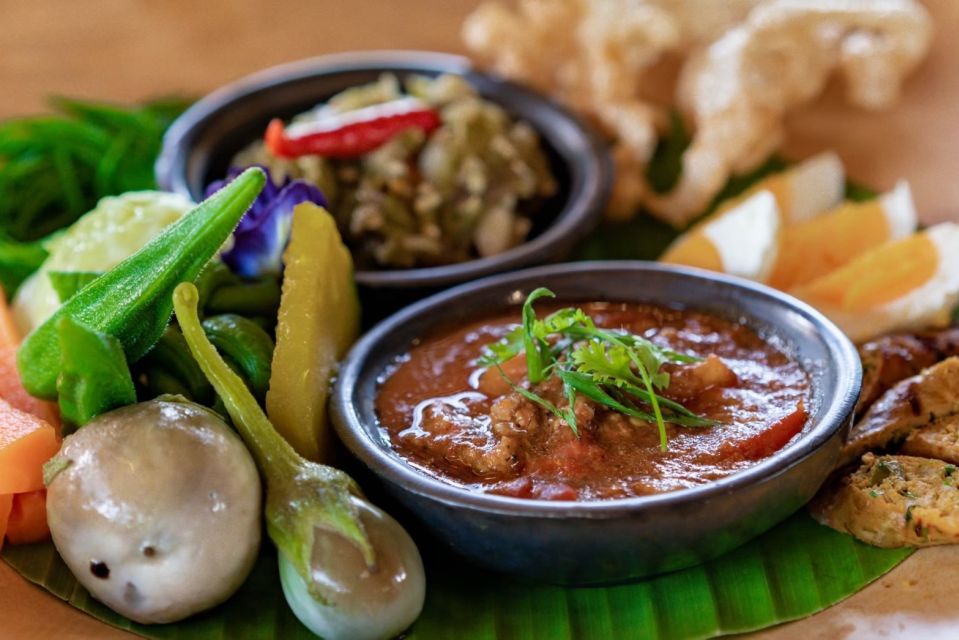
- Market lesson before the stove so seasonings make sense, not just taste good
- Organic farm walk + herb picking tied directly to what ends up on your plate
- Chicken coop eggs as part of the ingredient story
- Traditional tools: millstone flour and coconut grating
- Charcoal grill know-how plus vegetable prep you’ll actually remember
- Lunch and a dessert tasting session with Northern Thai sweets and drinks
A Half-Day Lanna Lesson Built Around the Market
The day starts with a pick-up from your hotel area (around 8:30–9:00, and you’ll want to be ready at the lobby at 8:30). Then you move straight into the part that makes this class feel more like a local food day than a demo: a visit to the market.
Here’s the value for you. Market time teaches you what Northern Thai cooking treats as the foundation: chili styles, aromatics, cured and fresh ingredients, plus the specific seasonings that turn a basic dish into something Lanna-style. You’ll get explanations in English, and you’re not expected to memorize everything. But you will start noticing why some dishes taste smoky, earthy, or bright.
Practical note: market walks can be a bit of sensory overload—spices, fish sauce smells, and lots of action. Sunglasses help, and comfortable shoes are a must. The class also doesn’t want you juggling valuables during the day, so keep your focus on the food.
You can also read our reviews of more cooking classes in Chiang Mai
Organic Farm Walk: Herbs, Vegetables, and Chicken-Coop Eggs
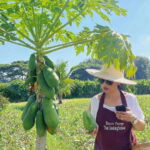
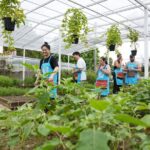
After the market, you’ll go to an organic farm. This is where the class shifts from shopping knowledge to cooking knowledge, because you’re actually seeing the Thai herbs and vegetables you’ll use later.
What I like about this part is the cause-and-effect teaching. You’re guided to herbs and plants, told what they’re used for, and then you pick ingredients that match the dishes you’re about to cook. It’s one of those moments where your brain goes, Oh, that’s why this dish tastes like this.
The farm visit also includes a chicken coop stop where you can collect eggs. That small detail matters more than you’d think: it makes the meal feel less industrial and more like a full local cycle. By the time you return to cooking, you understand what’s going into the pot, not just how it’s assembled.
From Charcoal Grill to Millstone: Hands-On Skills That Stick
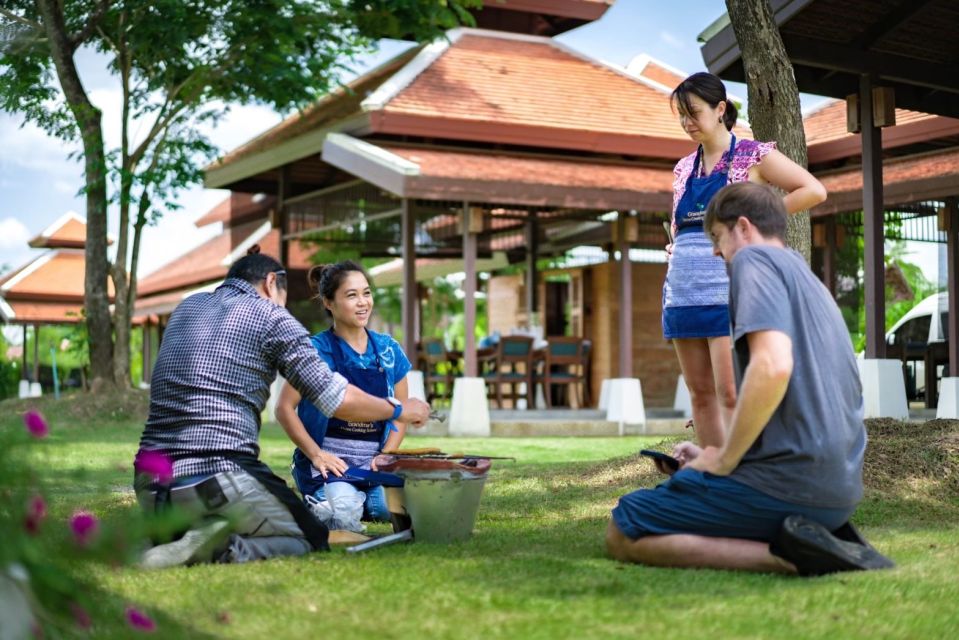
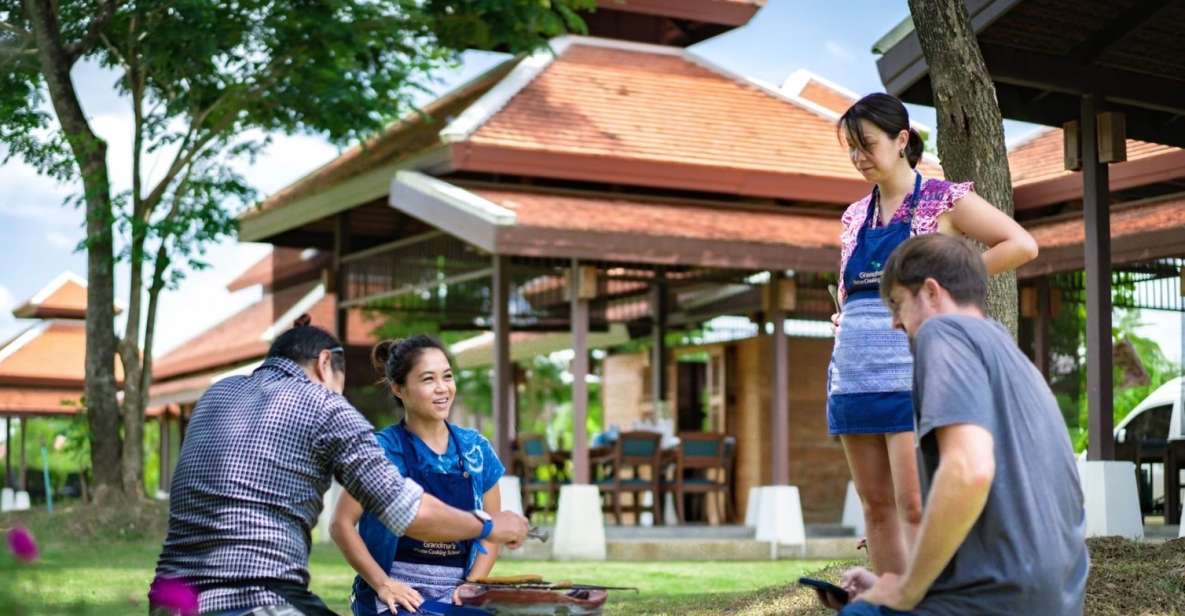
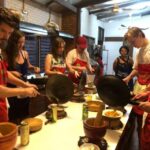
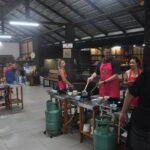
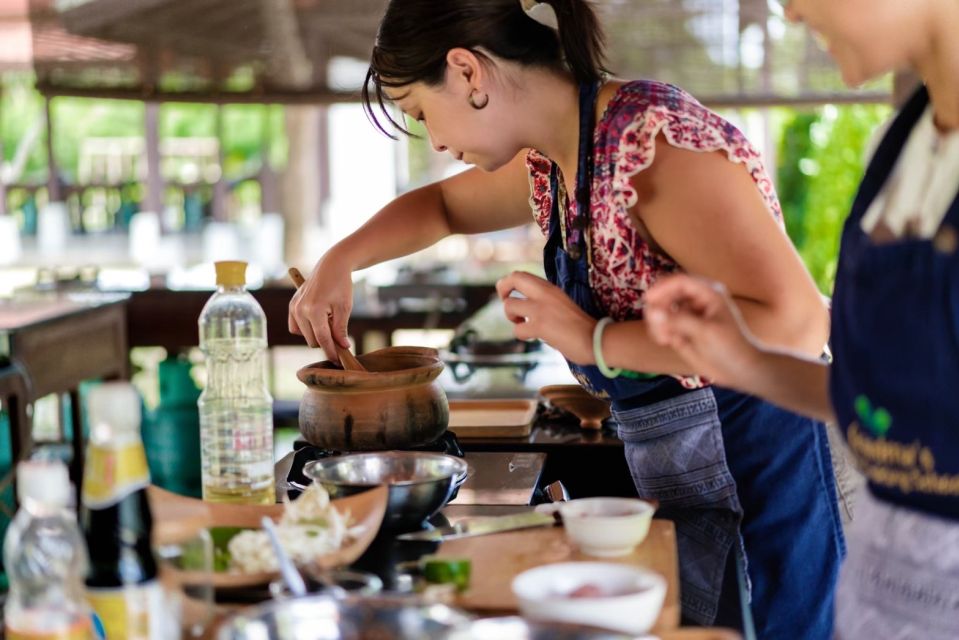
This is the part where you stop being a spectator. In the cooking session, you’ll learn practical techniques that are common in Northern Thai kitchens but usually skipped in quick “tourist cooking classes.”
You’ll get instruction on how to light a charcoal grill, plus how to wash vegetables before cooking. That sounds basic, but it’s the kind of technique that keeps the final texture and flavor clean—especially when you’re using fresh herbs and ingredients.
Then comes the more traditional side. You’ll use a traditional millstone to mill flour and you’ll grate coconut meat with a coconut grater. Those are physical tasks, and they slow things down in a good way. You taste what you’re making more thoughtfully because you worked for it.
Depending on the class flow, you’ll also make Thai coconut pancakes in the traditional way. Even if pancakes aren’t your thing, the coconut-grating and dough steps help you understand coconut’s role in Northern sweets and savory touches.
And you’ll be cooking with English-speaking instructors guiding you through each step. The setup also supports small groups and individual portions, so you’re not stuck watching others while your hands stay empty.
The Northern Thai Dishes You’ll Cook (Why They Taste Like Lanna)
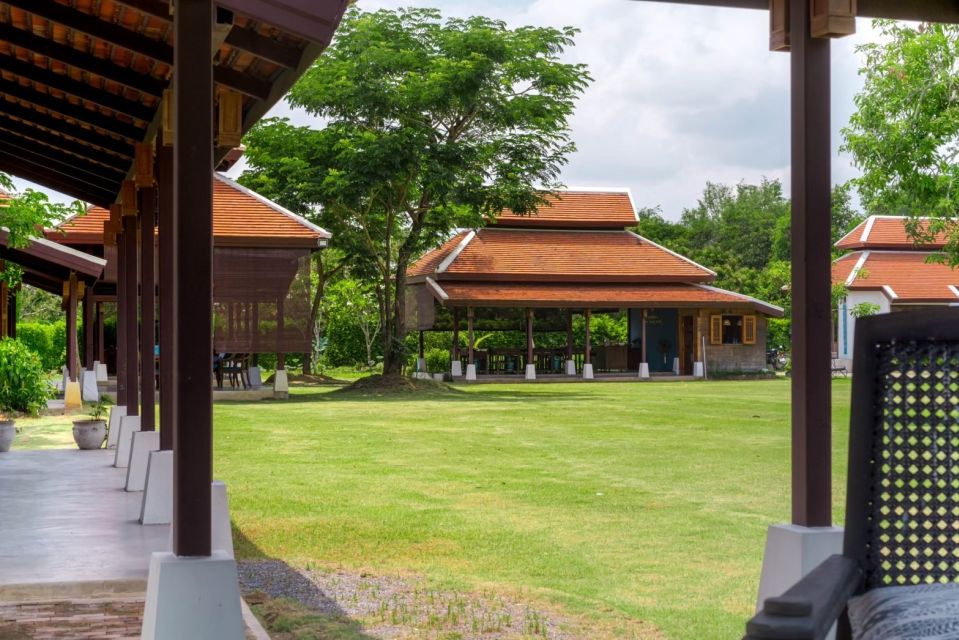
The class description and inclusions focus on five traditional Northern Thai dishes, with some seasonal or class-version variations in the broader outline. Here’s what you can plan on learning as part of the core experience:
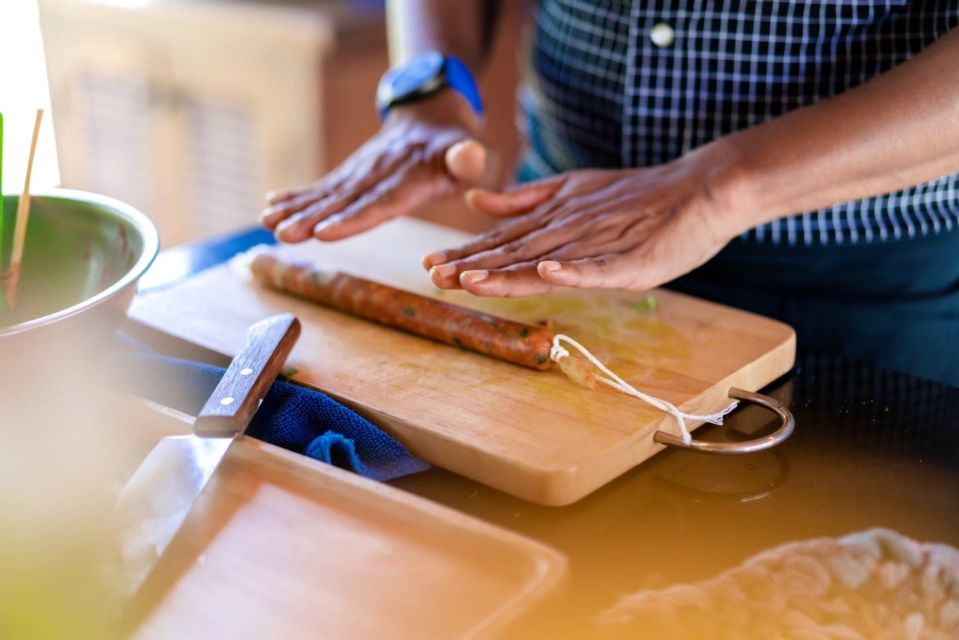
- Northern Thai Sausage
Northern Thai sausage tends to lean into bold seasoning and regional chili character. You’re not just learning a recipe—you’re learning how Northern flavors stack heat and aromatics.
- Nam Prik Ong (spicy Northern Thai pork and tomato) or Nam Prik Num (Northern Thai green chili dip)
This is where you’ll see Northern chili logic. The “dip” format also helps you understand how these flavors work as something you eat with other bites, not just as a standalone sauce.
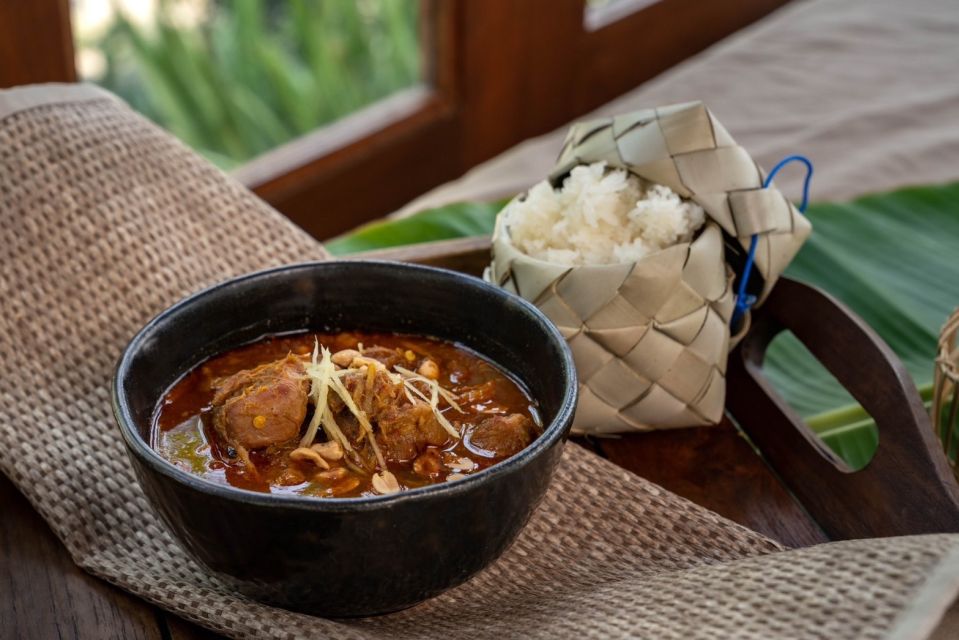
- Northern Pork Belly Curry (Hang Lay Curry)
Curry here isn’t just a concept. It’s about thick, comforting flavor with regional ingredients doing the heavy lifting. Expect a dish that feels deeply savory and warming.
- Curry Young Jackfruit (Kraeng Khanun-on)
Young jackfruit has a specific texture and a subtle taste that turns magical with the right curry seasoning. This is one of those dishes where you’ll remember the ingredient once you try it.
- Stuffed Dough Pyramid (Ka Nhom Tian or Kanomjok)
This one brings crunch and chew into the mix. You’ll learn a structured method for the filling and dough shape, which is useful if you want to reproduce it later.
Some class descriptions also reference additional Northern items like grilled egg in banana leaf and Thai coconut pancakes as part of the wider menu. So if you’re choosing this class because you want variety, you’ll likely leave with more than one dish that feels distinctly Northern.
Lunch Break and a Dessert Session You’ll Actually Want to Recreate
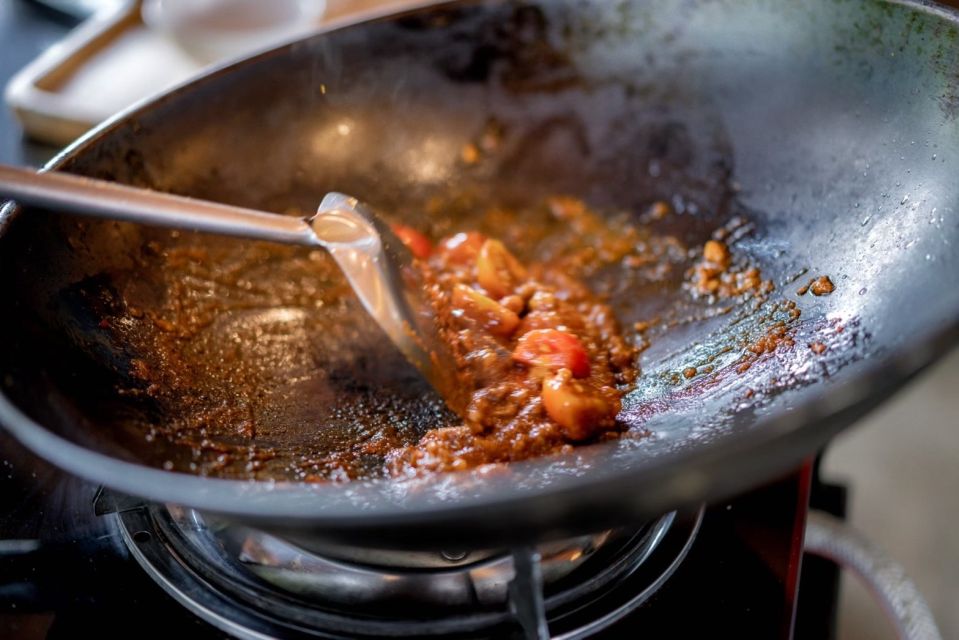
You’ll get a lunch break to taste what you cooked. This matters because it closes the loop: you cook, then you eat, and then you learn what worked and what you might adjust next time.
After lunch comes a dessert and refreshment session with traditional Thai desserts and drinks. Northern Thai desserts often lean on coconut, gentle sweetness, and texture play. Even if you’re not normally a dessert person, tasting here helps you connect ingredients you handled earlier (especially coconut) to what ends up sweet at the end.
You may also get snacks and a welcome drink when you arrive. It’s a small thing, but it helps you settle in before the hands-on part begins.
One extra practical plus from the experience reports: if you don’t finish everything, you can take leftovers home, with disposable containers provided. That’s great value if you’re sharing meals back at your hotel.
You can also read our reviews of more tours and experiences in Chiang Mai
Price and Logistics: What You Get for $48
At $48 per person for 6 hours, this class is priced like a serious, all-in food experience—not a quick “cook and go.”
You’re paying for more than recipes. The inclusions cover:
- English-speaking instruction
- A market visit and an organic farm tour
- Ingredient guidance (including herb picking) and chicken coop egg collection
- Hands-on cooking practice with traditional tools
- Lunch plus a dessert tasting session with refreshments
- An e-recipe book for later practice
- Round-trip hotel transfers
That’s why it can feel worth it. A lot of cooking classes sell you the meal outcome. This one teaches you the ingredient story and the technique. If you want to cook Northern Thai food again later, the tools and ingredient lessons are what make the class stick.
For groups, the tone you’ll feel is practical and friendly. In the experiences I’ve seen, the guide has a warm, humorous style and stays attentive—one instructor named Best gets singled out for making the day fun and well explained. Small-group setups also help you stay on track and get your own portion.
Should You Book Grandma’s Northern Thai Cooking Class?
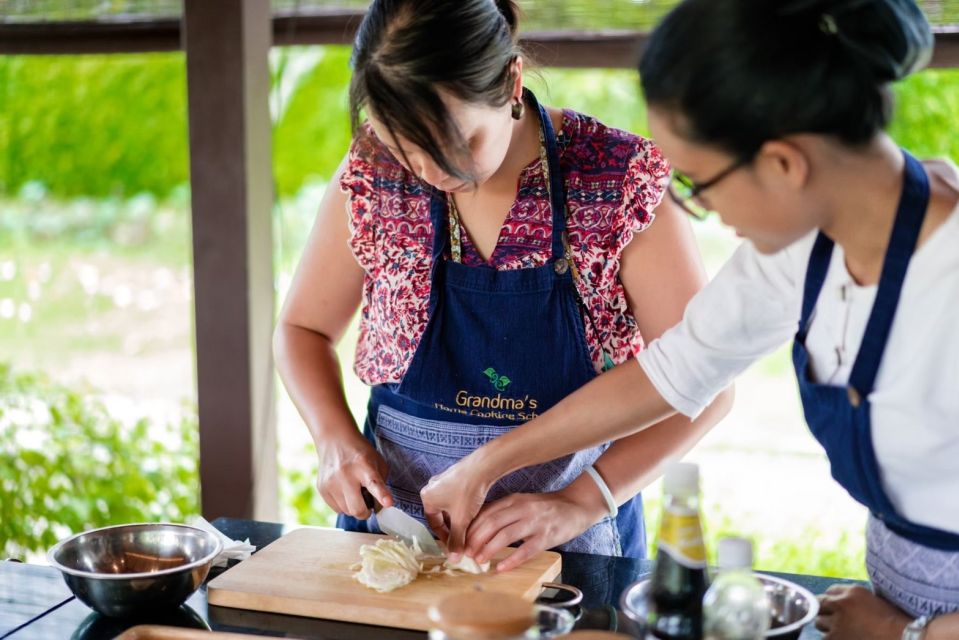
Book it if you want a real Northern Thai skill day in Chiang Mai: market-to-stove learning, farm ingredient context, and hands-on cooking with traditional tools. It’s also a good fit if you enjoy guided instruction in English and like the idea of taking home an e-recipe book you can actually use.
Skip it if you’re after a short, low-effort experience or you dislike active prep work. This is hands-on—grating coconut, milling flour, and grill basics take energy.
If you’re cooking-curious and want more than a plate of food, this class is one of the better ways to spend your morning-to-afternoon window.
FAQ
How long is the cooking class?
The class runs for 6 hours.
What time does hotel pickup happen?
Pickup is around 8:30–9:00. You should be ready at the lobby at 8:30 am.
What does the $48 price include?
The price includes instruction, a market visit, an organic farm tour, cooking your dishes, lunch, a dessert and refreshment tasting session, an e-recipe book, and round-trip transfers to and from your hotel.
What dishes will I learn to cook?
The core dishes include Northern Thai Sausage, Nam Prik Ong or Nam Prik Num, Northern Pork Belly Curry (Hang Lay Curry), Curry Young Jackfruit (Kraeng Khanun-on), and Stuffed Dough Pyramid (Ka Nhom Tian or Kanomjok). Some descriptions also reference items like grilled egg in banana leaf and Thai coconut pancakes.
Do you visit a local market?
Yes. You’ll visit a local market to learn about Northern Thai ingredients and seasonings.
Is there a farm visit?
Yes. You’ll tour an organic farm, pick Thai herbs and vegetables, and visit a chicken coop to collect eggs.
What hands-on cooking techniques are taught?
You’ll learn to light a charcoal grill, wash vegetables, mill flour using a traditional millstone, and grate coconut using a coconut grater.
Is there dessert included?
Yes. The class includes a dessert and refreshment session where you can taste traditional Thai desserts and drinks.
Can people with dietary requirements join?
Yes. The class can accommodate special dietary requirements.
What should I bring, and what is not allowed?
Bring comfortable shoes and sunglasses. Valuables are not allowed during the activity.