REVIEW · CHIANG MAI
Chiang Mai: Half Day Cooking Class at Organic Farm
Book on GetYourGuide →Operated by LocalCNXTours · Bookable on GetYourGuide
Thai cooking starts with what you pick up.
In this Chiang Mai half-day class, I love how the lesson begins with a local market visit and then turns into real hands-on cooking at your own station. I also like that you can control the heat—spicy or mild—so the food actually fits your stomach, not someone else’s. One thing to consider: the course setting depends on the option you choose (city organic garden, city yard garden, or a farm outside town), so your experience can feel different depending on availability.
The small group format helps a lot. With instructors like Wave and Ania guiding the stations, you get clear, practical steps and plenty of attention while you make dishes. Just come hungry—you’ll cook multiple items per person and then eat what you make in a Thai-style setup in the garden/kitchen area.
In This Review
- Key points at a glance
- Choosing Your Organic Setting in Chiang Mai (City Garden vs Yard vs Farm)
- The Market Tour That Teaches You What Thai Cooking Runs On
- Inside the Kitchen: How the Class Runs for Up to 10 People
- Spice Control and Ingredient Options (Spicy or Mild, Vegetarian or Vegan)
- The Dishes You’ll Cook (And Why You’ll Remember Them)
- Herbs From the Garden: A Small Tour With Big Payoff
- Eating What You Cook in a Thai-Style Setup
- Photos, Recipe PDFs, and Taking Thai Cooking Home
- Where You Meet and How Pickup Works Near Old City
- Price and Value: What $31 Buys You in Practice
- Who Should Book This Cooking Class (and Who Might Skip It)
- Should You Book This Chiang Mai Cooking Class?
- FAQ
- How long is the cooking class in Chiang Mai?
- What’s included besides the cooking?
- Can I choose spicy or mild food?
- Are vegetarian or vegan dishes available?
- What dishes will I learn to cook?
- Is hotel pickup available?
- How big is the group?
- Do I get recipes to take home?
Key points at a glance
- Market-first approach: you see the ingredients up close before you cook.
- Three garden options: city organic garden, city yard garden, or a farm outside town.
- You control spice level: choose spicy or mild.
- Multiple dish categories: curries, curry paste, stir-fry, soup, spring rolls, plus classics like Pad Thai or fried rice.
- Vegetarian and vegan friendly: you can cook the same menu themes without meat.
- Take recipes home: PDF recipe book (plus an online photo album option).
Choosing Your Organic Setting in Chiang Mai (City Garden vs Yard vs Farm)
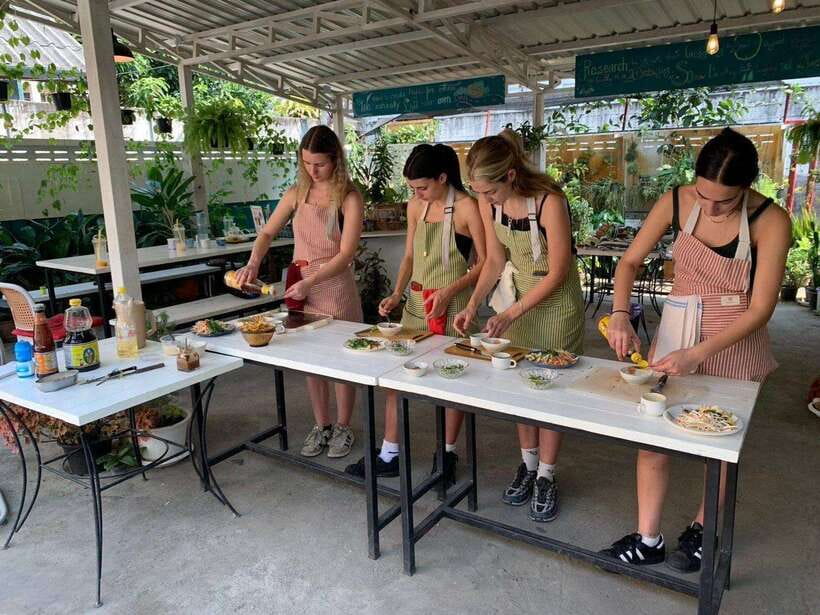
This class is all about Thai food, but the setting you cook in changes the vibe. You pick one of three options: organic garden in the city, yard garden in the city, or farm garden outside the city. That choice affects how rural it feels, how much time goes to a guided tour, and the overall “day out” feeling—even though the cooking lesson stays the main event.
If you want maximum city convenience, the city garden and city yard garden options tend to make the experience feel easier to fit around other Chiang Mai plans. If you’re chasing the “we’re really out in nature” mood, the farm option outside the city is the one to prioritize.
A practical tip: if the farm option matters to you, choose it early. There’s some flexibility built into the way the organizers run these classes, but you don’t want to gamble on your first-choice setting.
You can also read our reviews of more cooking classes in Chiang Mai
The Market Tour That Teaches You What Thai Cooking Runs On
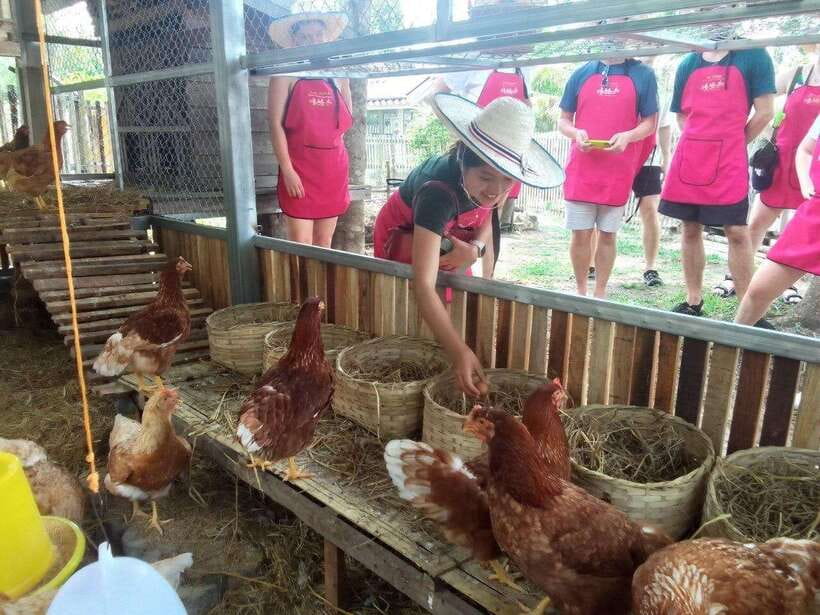
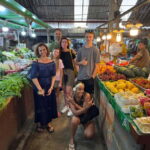
The market visit is short, but it’s a smart start. Instead of showing up in a classroom and pretending you know what’s in curry paste, you’re introduced to key ingredients right where they’re traded and tasted with Thai food in mind.
What I like about this part is that it’s not just browsing. You’re learning what ingredients do—how herbs smell, how spice blends work, and how different components show up in different dishes. You’ll also get direction on what you’ll actually cook, so the kitchen part makes more sense later.
The value here is simple: Thai cuisine can feel mysterious if you’ve only ever eaten it out. Seeing the ingredient lineup first helps you later when you’re recreating curries, soups, or stir-fries at home.
Inside the Kitchen: How the Class Runs for Up to 10 People
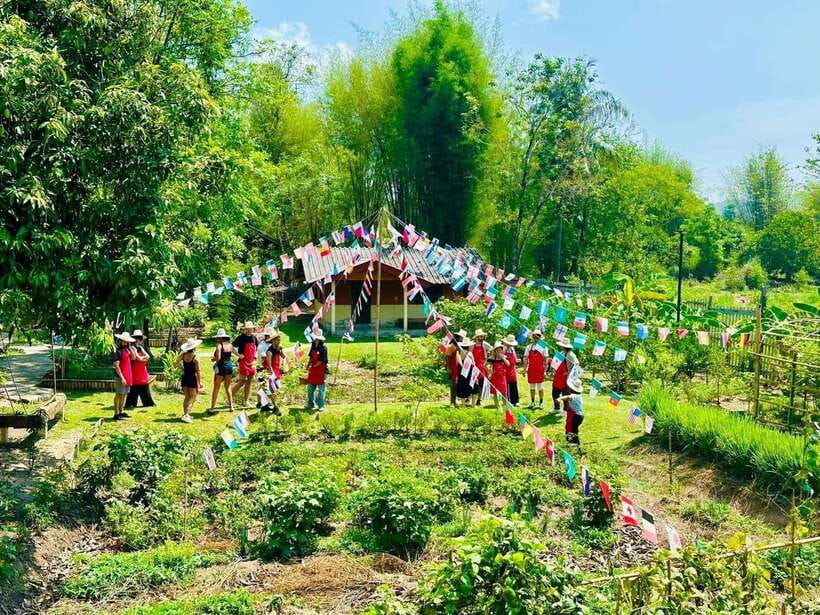
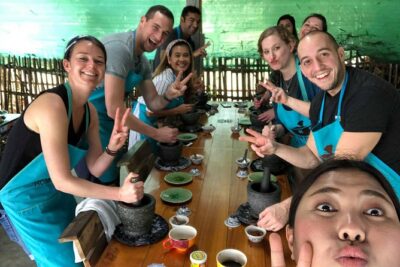
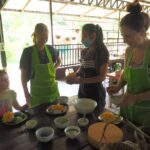
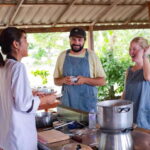
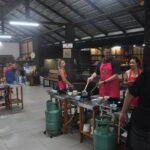
This is a small group class (limited to 10). That’s not a marketing slogan—it matters because the instructor can actually check what you’re doing. You cook at an individual cooking station, so you aren’t just watching while someone else stirs.
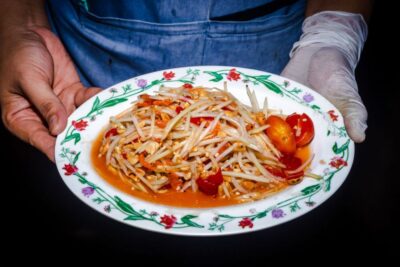
The class uses an English-speaking cooking instructor, and the atmosphere is hands-on. You’ll learn how to cook several categories—often curry paste, curry, stir-fried dishes, soup, and spring rolls—and you can build your day around classics like Pad Thai, chicken fried rice, Pad Kra Pao, or spring rolls depending on what you select.
The group size also helps if you’re traveling with different comfort levels in the kitchen. People who are new to Thai cooking can still keep up because the steps are structured. People who cook at home will like the chance to make curry paste rather than just dumping in a ready-made jar.
Spice Control and Ingredient Options (Spicy or Mild, Vegetarian or Vegan)
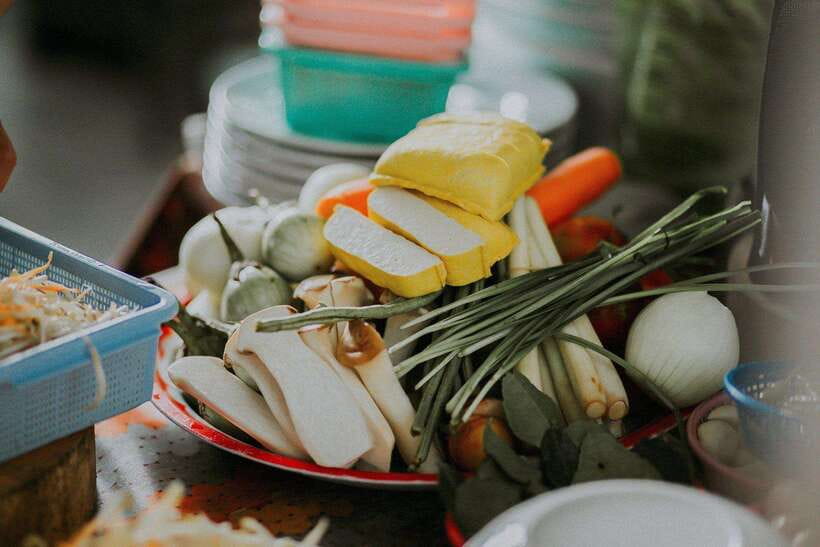
One of the biggest practical wins is how customizable the cooking is.
- You can choose your heat level: spicy or mild.
- All dishes are available as vegetarian or vegan.
This is a big deal because it keeps the class from turning into a one-size-fits-all buffet. You’ll still learn the techniques—chopping herbs, building flavor in curry paste, balancing sauces—without having to sacrifice your preferences.
I also appreciate that the instructors are experienced at handling different needs. In past classes, you can meet instructors like Toy, Balloon, and Aryun, and the style across them seems consistent: clear guidance, friendly pacing, and help when you’re unsure. (If you have dietary requirements, tell the organizer up front so they can set you with the right plan.)
The Dishes You’ll Cook (And Why You’ll Remember Them)
This class isn’t a single-dish demo. You’ll cook enough food to feel like you did a real Thai cooking shift—not a quick photo-op.
Based on the menu categories and what you’re selecting, you may work with:
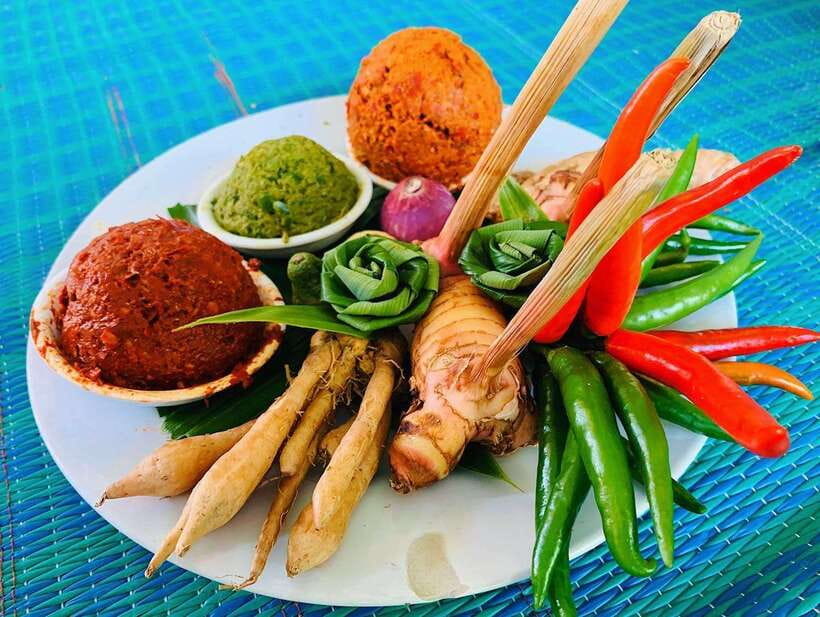
- Curry paste (including the option to choose paste types like red, green, Phanaeng, Massaman, or Khao Soi)
- Curry
- Stir-fried dishes
- Soup
- Spring rolls
Then there are the classic main-course styles you might make, such as:
- Pad Thai
- Chicken fried rice
- Fried chicken with cashew nuts
- Pad Kra Pao
- Spring rolls
The best part for most people is the learning-to-cooking handoff. You aren’t just told what to do—you do it at your station. Some sessions also include a dessert portion, and mango sticky rice shows up as one example mentioned in past classes.
If you’re thinking, I want to learn Thai food that tastes like Thai food, this is a good structure. You’re practicing the core building blocks across multiple dish types, so you can connect the flavors instead of memorizing one recipe only.
You can also read our reviews of more tours and experiences in Chiang Mai
Herbs From the Garden: A Small Tour With Big Payoff
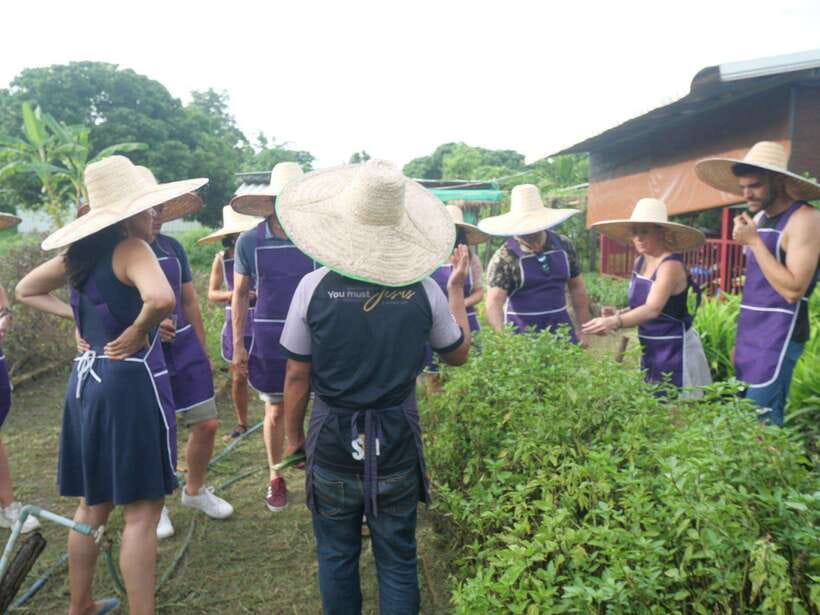
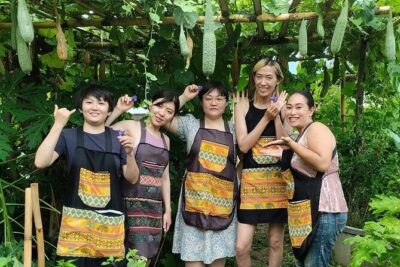
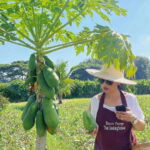
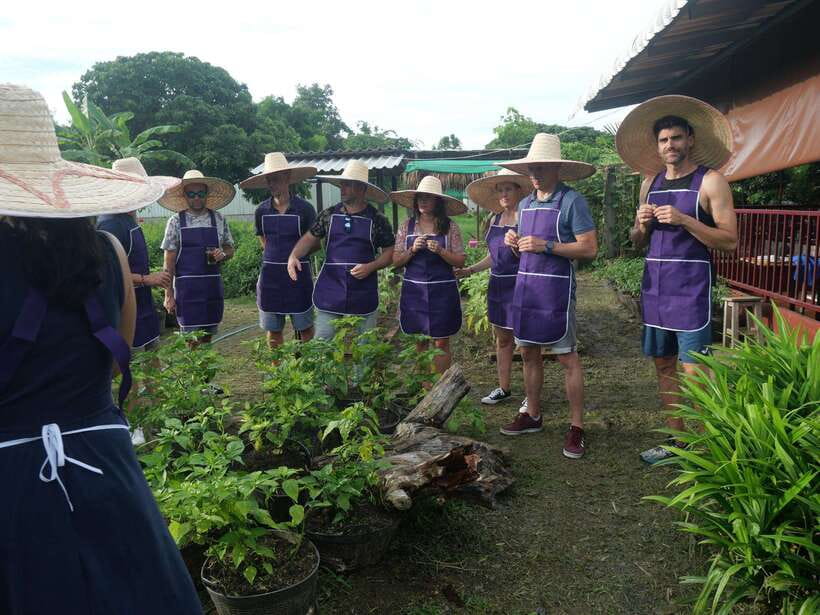
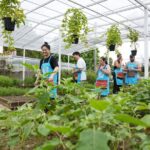
Depending on your chosen option, you’ll get a guided tour of the organic garden area—either the organic farm setting (if you choose the farm option) or the city yard/garden setup (if you choose a city option).
During that time, you can taste herbs from the team’s own garden. It sounds small, but it changes your cooking at home. Once you’ve smelled and tasted herbs in the real setting, you understand why Thai chefs treat fresh herbs as essential, not decorative.
It’s also a nice change of pace from the kitchen. After hands-on cooking, the garden visit feels like a breather while still staying connected to the lesson.
Eating What You Cook in a Thai-Style Setup
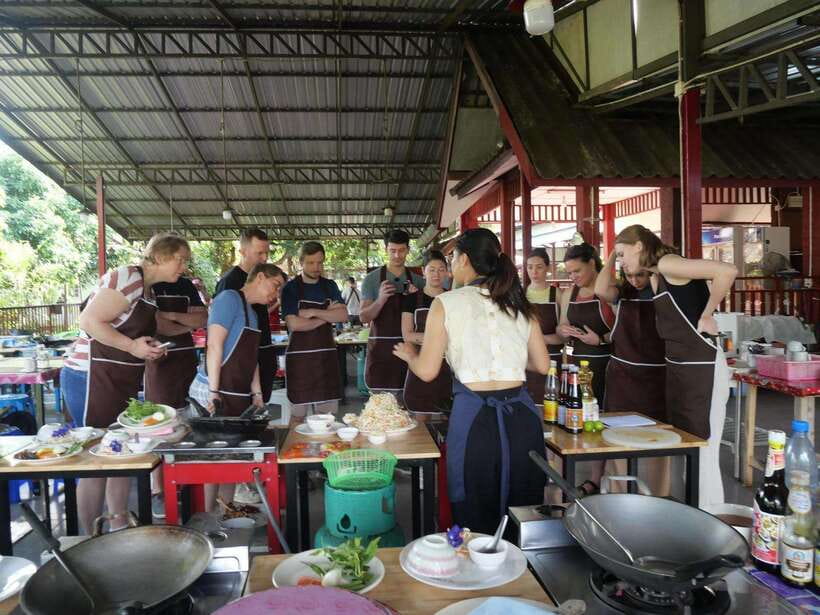
After you finish cooking, you eat what you made. This is part of the reason the class is such a hit: you don’t rush out after your first dish.
The meal happens in a traditional Thai style in the organic kitchen garden area. That means you get to taste the final result while it’s still fresh and while your brain remembers what you did in the wok or pot.
One more reason this works: you get to see how your “mild vs spicy” choice turned out in real life. If you cooked with a specific heat level, you can taste that decision and adjust next time.
Photos, Recipe PDFs, and Taking Thai Cooking Home
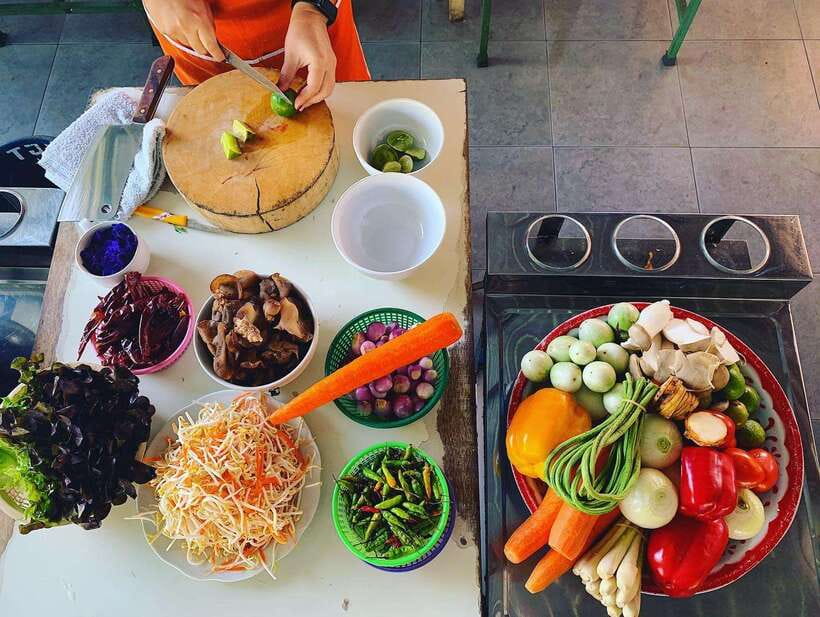
You’ll get a PDF recipe book (an e-book version) with step-by-step instructions. This is where the value really shows up if you cook at home.
The goal isn’t to recreate restaurant magic perfectly. It’s to help you make Thai food that tastes right and feels doable. With the recipe steps in a PDF, you can follow along without trying to remember everything from your one-time cooking session.
There’s also an online photo album available on the provider’s Facebook page. So if you want a set of photos without hunting for your own angles during the class, that option exists.
Also, in many cases, you can take away the food you cook, which is great if you’re planning to keep exploring Chiang Mai afterward.
Where You Meet and How Pickup Works Near Old City
This experience is designed around Chiang Mai’s Old City area.
- Meeting point note: you should stand by at Burger King about 10 minutes before the activity starts.
- Pickup note: hotel pickup can be optional, with service available within a 3 km radius of the Old City (depending on what you select).
If you hate uncertainty, choose the option that matches your hotel location. If you’re staying a bit outside the Old City radius, meeting at Burger King is often simpler than trying to calculate a pickup route.
A final timing note: the class runs half day in the morning and evening, and the total duration is listed as 5 hours. If you’re scheduling other plans the same day, give yourself a buffer so you’re not sprinting across town right after eating.
Price and Value: What $31 Buys You in Practice
At about $31 per person for roughly 5 hours, you’re paying for more than cooking time.
Here’s what that money covers in real terms:
- a local market visit before you cook
- a guided organic garden/farm tour (depending on option)
- herbs from the garden
- all necessary ingredients
- individual cooking stations
- an English-speaking instructor
- a PDF recipe book you can use later
- welcome snack, drinking water, and seasonal fruit
- the meal you make, plus optional take-away
Even if you compare it to other Chiang Mai cooking options, the market ingredient education + the recipe PDF are key. The class gives you enough structure to cook at home, not just enough food to be happy for one afternoon.
The small group cap (up to 10) also supports value. You’re not stuck in a huge class where the instructor can’t correct your technique.
Who Should Book This Cooking Class (and Who Might Skip It)
This is a great fit if you:
- want a hands-on Thai cooking experience (not a watch-and-learn session)
- like eating what you cook
- care about ingredient quality and fresh herbs
- want vegetarian or vegan-friendly choices
- enjoy learning how spice levels work in real dishes
It may not be the best choice if:
- you use a wheelchair (wheelchair users aren’t suitable)
- you’re older than 95 years (not suitable)
- you’re bringing pets (pets aren’t allowed)
- you’re planning on alcohol (alcohol is listed as not allowed)
If you’re traveling with family, it can also work well because the class is social but structured, and the menu options allow different preferences to stay in the same lesson.
Should You Book This Chiang Mai Cooking Class?
Yes, if you want a Thai cooking class that feels practical and grounded in ingredients. The market-first approach, small group attention, and the ability to cook multiple Thai dish categories (including curry paste and customizable heat) make it one of the more useful ways to spend a half day in Chiang Mai.
Book with an extra bit of care if you have a strong preference for the farm option outside the city. Otherwise, the city garden options still deliver the core experience: ingredients, cooking stations, garden herbs, and a meal you can recreate later with the PDF recipe book.
If you want me to help you decide between the three garden options, tell me where you’re staying and whether you prefer city convenience or a more countryside feel.
FAQ
How long is the cooking class in Chiang Mai?
The experience runs for about 5 hours.
What’s included besides the cooking?
It includes a local market visit, a guided tour of the organic garden/farm setup (depending on your option), tasting herbs from the garden, welcome snacks, drinking water, seasonal fruit, and the ingredients needed to cook.
Can I choose spicy or mild food?
Yes. You can cook dishes to your own taste, including spicy or mild.
Are vegetarian or vegan dishes available?
Yes. All dishes are available as vegetarian or vegan.
What dishes will I learn to cook?
You’ll learn how to cook several Thai categories, including curry paste and curry, stir-fried dishes, soup, and spring rolls. Classic options like Pad Thai and chicken fried rice are also part of the menu choices.
Is hotel pickup available?
Pickup is optional, and it’s available within a 3 km radius of Chiang Mai old city. If you don’t take pickup, the meeting point is Burger King, where you should standby 10 minutes before.
How big is the group?
It’s a small group limited to 10 participants.
Do I get recipes to take home?
Yes. You receive an e-book/PDF recipe book with step-by-step instructions, and there’s also an online photo album option on the provider’s Facebook page.