REVIEW · CHIANG MAI
From Chiang Mai: Chiang Dao Cave Trekking Full-Day Tour
Book on GetYourGuide →Operated by TripGuru Thailand · Bookable on GetYourGuide
The caves under Chiang Dao are the real reason to go. This full-day trip mixes limestone cavern trekking with Buddhist shrines, plus the fun challenge of climbing Bua Thong Sticky Waterfall.
What I like most is the way the day stays structured: a calm pickup, then a clear rhythm between cool cave air, a local-food lunch stop, and a waterfall break. The other big plus is the small group vibe (up to 9), so you’re not fighting a crowd in tight cave spaces.
One thing to consider: parts of the cave can feel tight, and the waterfall involves slippery rock and a climb, so if you have claustrophobia or mobility limits, this may not be your best day.
In This Review
- Key highlights worth planning for
- Chiang Dao and Bua Thong in one day: why this combo works
- Getting to Chiang Dao: pickup, timing, and the group-size sweet spot
- Entering the caves: stalactites, shrines, and the cool air shift
- Don’t skip the optional lantern-guide deeper section
- Lunch and the Chiang Dao food stop: eat first, then climb
- Bua Thong Sticky Waterfall: the science-y fun climb with a safety rope
- The ride back: what makes the day feel easy
- Value for money at about $106: what you’re really paying for
- Guides can make or break it: what to ask for
- What to bring so the cave and waterfall feel doable
- Who should book this tour (and who should skip it)
- Should you book Chiang Dao Cave Trekking + Bua Thong?
- FAQ
- How long is the Chiang Dao Cave Trekking full-day tour?
- Is hotel pickup included, and where do I meet the guide?
- What is included in the tour price?
- Is there any extra cost once I arrive?
- Do I need to pay for lunch?
- What should I bring for the cave and waterfall?
Key highlights worth planning for
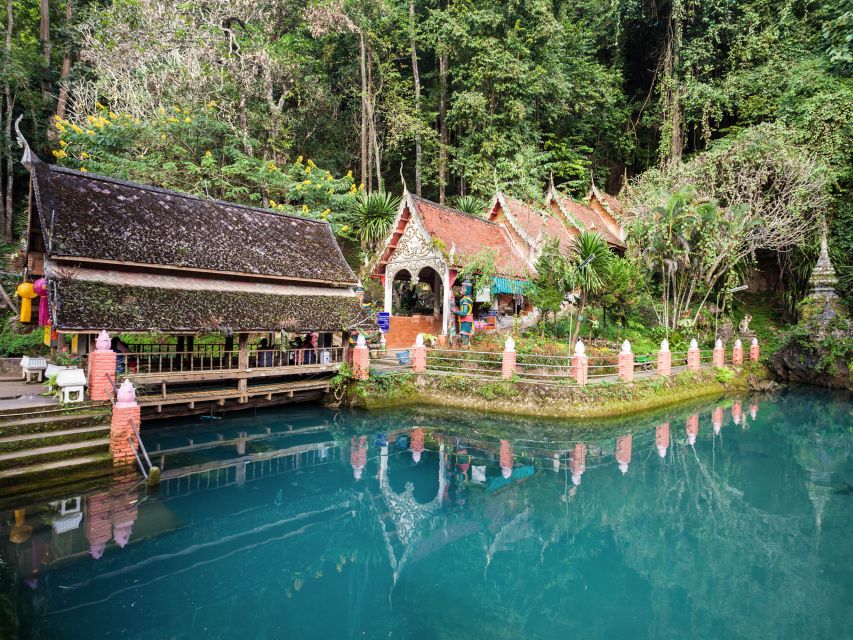
- Five main limestone caverns beneath Chiang Dao, with electric lighting in sections and lots of religious details to look for
- Buddha statues in multiple cave halls, including a very large reclining Buddha and a row of seated figures early on
- Sticky Waterfall climbing using natural mineral “stickiness” plus a safety rope
- Small-group or private feel (max 9), with a live English guide who keeps the day moving at a sensible pace
- Responsible touches: water in glass bottles and carbon-emission offsetting, with GSTC-minded handling
Chiang Dao and Bua Thong in one day: why this combo works
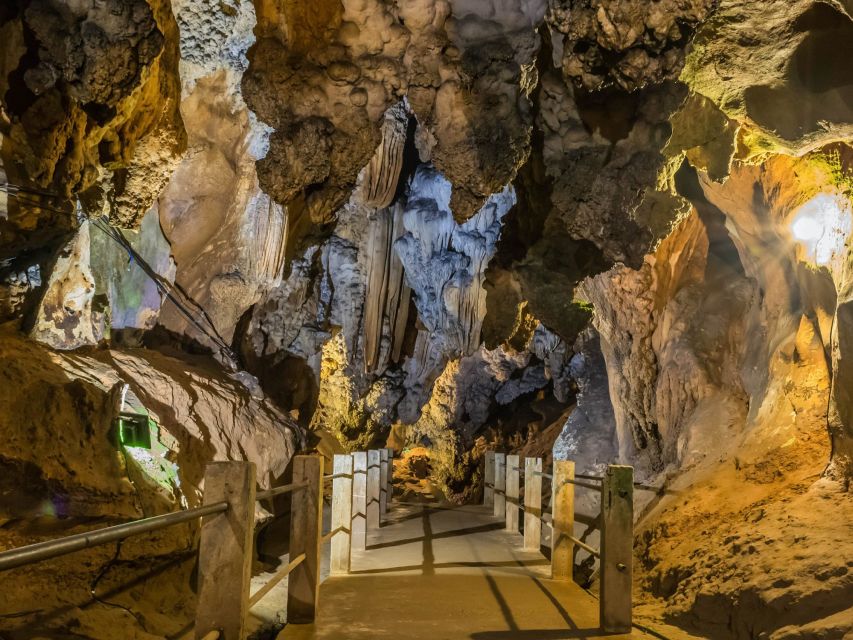
Chiang Mai has no shortage of day trips. What makes this one different is the pairing. You start in a huge underground world where the air turns cool and the walls feel sacred and ancient. Then you shift gears to something physical and playful at Bua Thong Sticky Waterfall, where the “how is this even possible?” factor kicks in fast.
This schedule also makes sense for real life. You get most of the walking and exploring done early and mid-day, when you’re fresh. By the time you reach the waterfall, you’ve had time to cool down, eat, and reset—so the climb feels like an active payoff instead of an exhausting last stop.
You can also read our reviews of more hiking tours in Chiang Mai

Getting to Chiang Dao: pickup, timing, and the group-size sweet spot
You’ll be picked up from your hotel or registered accommodation in central Chiang Mai. The exact pickup time depends on where you’re staying, and you’ll get confirmation by email the evening before, with the guide holding a TripGuru sign in the lobby about 10 minutes ahead of departure.
The vehicle is air-conditioned, and the day is built around a realistic pace: around an hour to get to Chiang Dao, a couple hours to explore there, then a return drive close to another hour. In reviews, people consistently note that transport felt safe and comfortable—exactly what you want when you’re going to spend part of the day in uneven rock and slick areas.
Small group matters more than you might think. In caves, tight paths make line length feel personal. Keeping the group small (limited to 9) means you spend less time waiting and more time noticing details—like lantern-lit statues and the way the tunnel openings shift between narrow passages and larger halls.
Entering the caves: stalactites, shrines, and the cool air shift
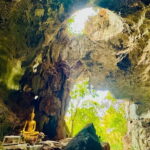
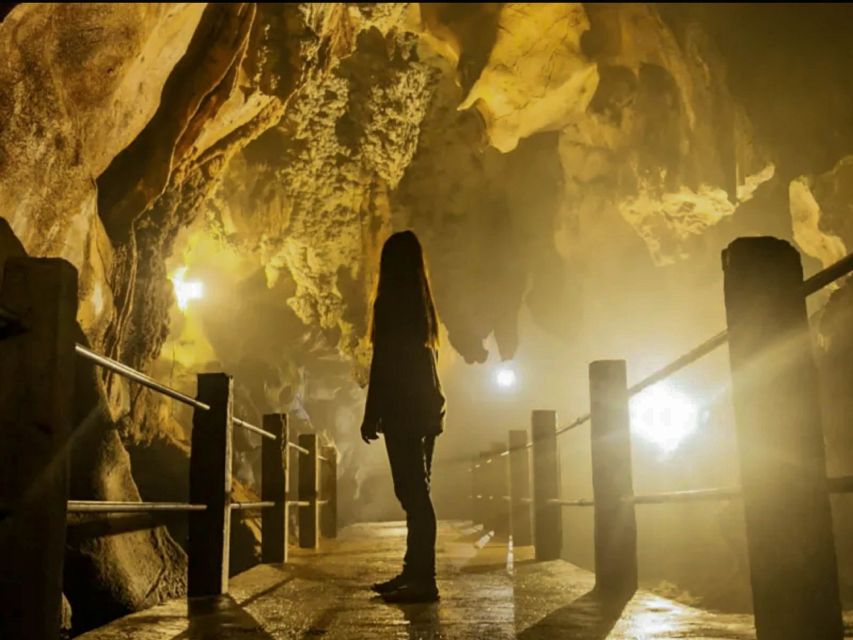
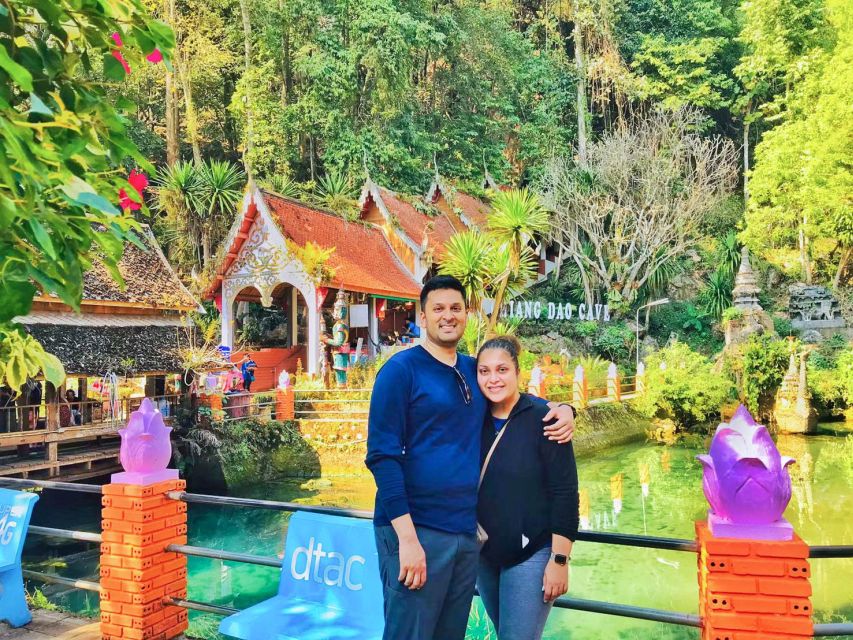
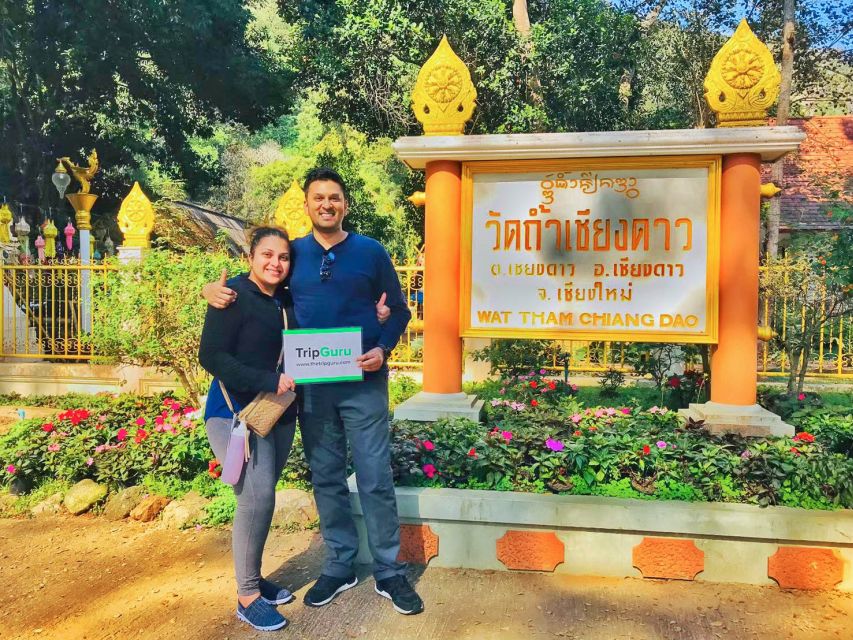
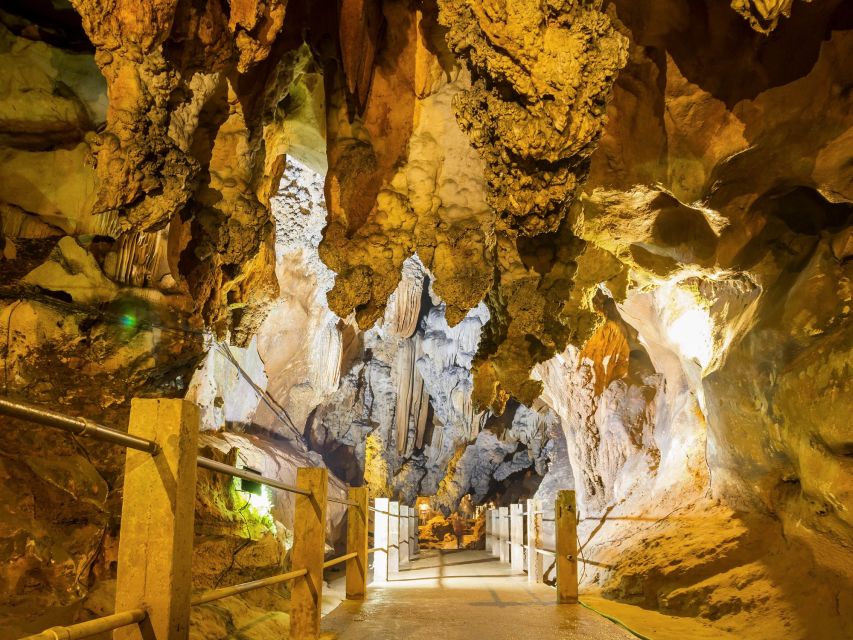
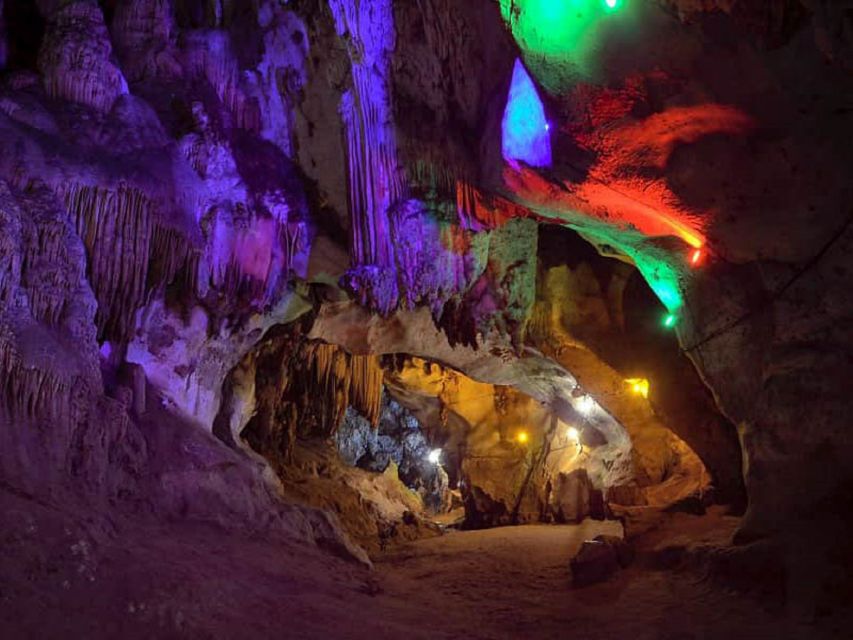
The main stop is Wat Tham Chiang Dao, the Chiang Dao Cave complex. After a small entrance fee, you move through interconnected limestone caverns that stretch deep into the mountain. Even on hot days outside, expect cooler air underground—though humidity can still sneak in depending on the weather.
What you’ll see is what people travel far for:
- Five limestone caverns beneath the mountains
- Stalactites and stalagmites forming slow, geologic patterns
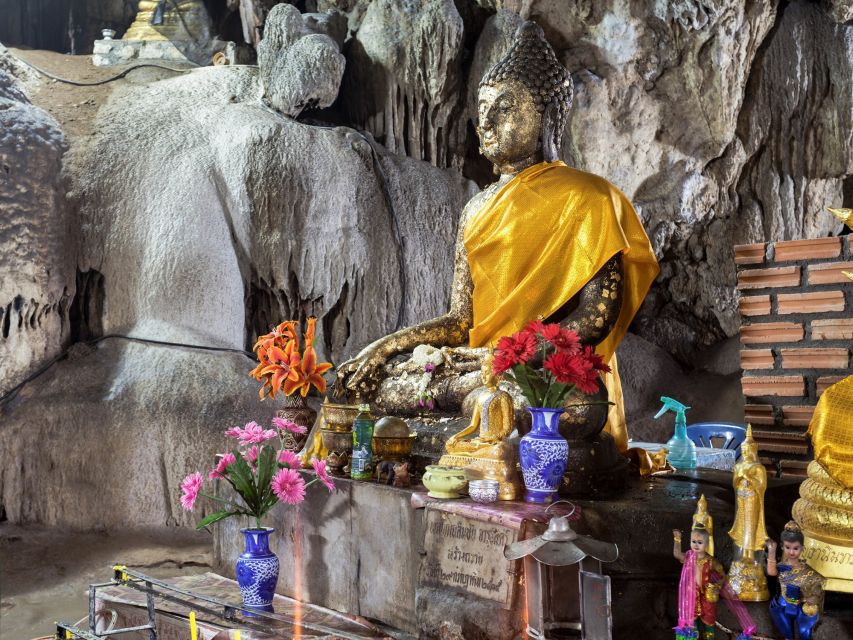
- Buddha statues and offerings from pilgrims inside the cave halls
- Lighting in some areas, which makes it easier to look closely at carvings and shrine details
One cave hall is especially memorable for many visitors: the first cavern includes a row of five seated Buddhas. Another highlight is a very large reclining Buddha statue. These aren’t just random decorations. They give the cave a sense of place—this is still used as a spiritual site, not only a tourist set.
Practical cave truth: you don’t just walk. You crawl a bit in narrow spots and move through low tunnels that can feel cramped if you’re short or wearing a bulky layer. If you’ve brought the right clothing (long pants and a long-sleeved shirt), that helps both comfort and modesty inside.
Don’t skip the optional lantern-guide deeper section
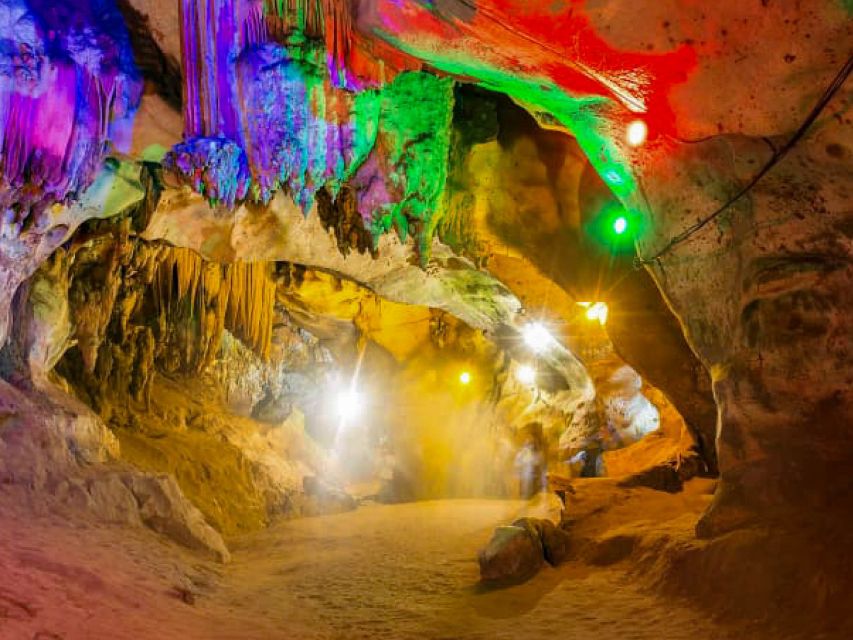
Inside the cave system, there’s a split between an easier self-guided area and a deeper section that’s commonly done with a local guide and lantern. This extra part isn’t included in the base price—you pay on the spot in cash.
In multiple accounts, the added lantern-guide experience is discussed as being especially worth it, with one frequently cited figure of 300 baht for the deeper cave segment. If you like photos, dark-stone textures, and seeing more of the cave’s dramatic geometry, this add-on is the one to consider. If you’re uneasy in tight spaces or want a more straightforward walk, you can also choose to stay with the easier portion.
A good rule: if you can handle uneven footing, low ceilings, and some crawling, the lantern-guided deeper parts turn the cave from impressive into unforgettable.
Lunch and the Chiang Dao food stop: eat first, then climb
After the cave, you head to a local restaurant area where lunch is paired with market time. Food and drink aren’t included in the price, so you’ll be paying for meals yourself—but you’re not left guessing. A lot of guides in this kind of program are used to pointing you toward what’s good and what’s easiest to eat without turning lunch into an adventure you didn’t plan.
In real-world terms, this stop is about two things:
1) Refuel so the sticky waterfall climb feels fun instead of punishing
2) Get a taste of the region beyond the cave walls
I’d come hungry. And I’d keep some cash handy for snacks and simple extras you might want from the market.
You can also read our reviews of more tours and experiences in Chiang Mai




Bua Thong Sticky Waterfall: the science-y fun climb with a safety rope
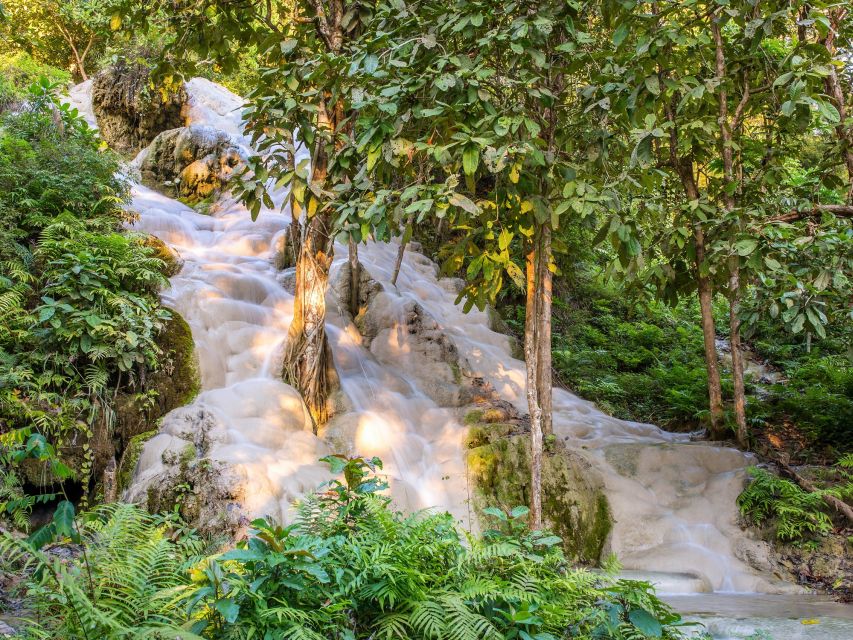
Then comes the payoff: Bua Thong Sticky Waterfall (also called Bai Toung in some places). This is one of those rare attractions where the name actually tells you the trick.
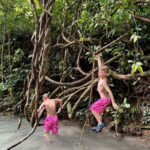
The waterfall’s rocks are coated with mineral deposits that create a gripping, sticky surface. With a safety rope available, you can climb upward using the traction of the rock—no need to jump straight into full-on stunt mode, but it is undeniably more active than most sightseeing.
What to expect:
- A short walk in the area before you get to the climb
- Rock that’s slick even if it feels grippy
- People choosing different footwear options based on comfort
In accounts, some people recommend water shoes for better grip, while others say barefoot traction can work well too. Either way, treat this like a climb. Move slowly. Let the rope help if you need it. And don’t rush your balance—you’ll see more and enjoy it longer.
Cooling down here is real. After the cave’s constant cool, your body tends to feel ready for the waterfall’s damp chill. It’s a good reset before the return drive.
The ride back: what makes the day feel easy
The return trip is laid out so you’re not cramming. After the waterfall and some time in the area, you ride back toward Chiang Mai. Along the way, the schedule includes a pass by Mae Malai Market.
That may sound like a small detail, but it works as a mental decompression. You’ve done your walking and climbing. Now you can sit back, review your photos, and enjoy a smooth end to the day.
Also worth noting: you don’t have to manage everything yourself. Your guide handles the transitions and keeps you on track between sites. Several guides are praised in accounts for being attentive with timing—starting on time, not rushing you, and helping people feel safe during the rougher moments (like navigating cave tight spots or recovering quickly if someone slips on the waterfall rocks).
Value for money at about $106: what you’re really paying for
At roughly $106 per person for an 8-hour day trip, the value is less about “three attractions” and more about the structure that gets you from place to place without chaos.
Here’s what your base price covers:
- Hotel pickup and drop-off
- English live guide
- Air-conditioned transport
- Entrance fee to Chiang Dao Cave
- A glass bottle of drinking water
- Insurance
Food and drink are not included, and the lantern/local guide add-on inside the cave is also paid on the spot. Still, for most people, the included cave entrance plus guide time makes the day feel efficient. You’re not spending half your vacation studying routes, negotiating transport, or guessing where to stand in the right spots for the best view angles.
The “low-impact” angle is also part of what you’re paying for. You get glass bottled water and carbon-emission offsetting, with GSTC-certified responsible handling. That won’t matter to everyone, but if you care about tourism that doesn’t treat the destination like a disposable set, it’s a real plus.
Guides can make or break it: what to ask for
Most tours in Thailand rely on a friendly guide. This one tends to offer more than basic explanations. Several guides—like Art, Avi, Nom, Pranom, Tik, and Nong—are praised for pacing, attention to photos, and practical help.
Here are two things you can do to get more out of the day:
- Ask your guide which cave hall is best for photos and where to stand so you’re not blocking someone else’s view
- If you’re unsure about the deeper cave lantern add-on, ask what parts feel tighter and which section is easiest to navigate
Some guides even help with extra photo-taking without you having to pose for every shot. If that matters to you, mention it early. Then relax and enjoy the experience instead of constantly switching between sightseeing and photographing.
What to bring so the cave and waterfall feel doable
This isn’t a “show up and hope” day. Bring the items that keep you comfortable during crawling sections and the damp waterfall area.
Usefully listed essentials:
- Swimwear
- Change of clothes
- Towel
- Cash (for optional cave guide/lantern fee on the spot)
- Flashlight (handy for darker cave moments even if some areas have electric lights)
- Long pants
- Long-sleeved shirt
- Trekking gear
For the waterfall, decide your footwear strategy. Water shoes can help with grip. Barefoot can work if you trust your balance and the surface feels stable to you. Either way, keep in mind the rocks can be slippery when wet.
Who should book this tour (and who should skip it)
This day is built for active curiosity. You’ll walk, climb, and handle tight cave passages.
It’s not suitable if you have:
- Back problems
- Mobility impairments
- Claustrophobia
- Heart problems
If any of those apply, don’t try to “tough it out.” This tour includes narrow tunnels and crawling in cave sections, plus an active waterfall climb.
If you can handle uneven ground and you like seeing unusual sites—Buddhist cave shrines, mineral-grip waterfall climbing, and a real regional market stop—this tour fits beautifully.
Should you book Chiang Dao Cave Trekking + Bua Thong?
If you want one efficient day that feels like real northern Thailand—not just a quick drive-by—this is a strong choice. The cave component has the kind of scale that’s hard to replicate elsewhere, and the sticky waterfall is genuinely different from the usual waterfall photo spots.
I’d book it if:
- you like caves and want more than a quick walk-through
- you’re okay with some tight passages and uneven footing
- you want a small-group day so you can look closely and move at a sensible pace
I’d pass if:
- caves make you anxious or you feel trapped in narrow spaces
- you need highly accessible routes and low physical demands
If you’re in the “yes, I can do this” category, this tour is a solid value at about $106—especially because you get transport, a guide, the cave entrance, and a full day that actually connects the dots between Chiang Dao’s underground world and Bua Thong’s mineral-grip fun.
FAQ
How long is the Chiang Dao Cave Trekking full-day tour?
The duration is about 8 hours, including hotel pickup and drop-off.
Is hotel pickup included, and where do I meet the guide?
Yes. Pickup and drop-off are included for hotels or registered accommodations in Chiang Mai. You’ll receive the exact pickup time by email the evening before, and the guide will be holding a TripGuru sign in your lobby shortly before pickup.
What is included in the tour price?
Included are hotel pickup and drop-off, a live English-speaking guide, air-conditioned transportation, a glass bottle of drinking water, the entrance fee to Chiang Dao Cave, and insurance.
Is there any extra cost once I arrive?
Yes. The local guide and lantern fee for the cave is not included and is paid on the spot in cash.
Do I need to pay for lunch?
Food and drink aren’t included in the price. The schedule includes a local restaurant and a market stop, so you’ll pay for what you choose to eat.
What should I bring for the cave and waterfall?
Bring swimwear, a change of clothes, a towel, cash, a flashlight, long pants, long-sleeved shirt, and trekking gear.