REVIEW · CHIANG MAI
Full Day Doi Inthanon National Park Tour( Joint)
Book on Viator →Operated by My Trip Maker · Bookable on Viator
Eight hours in the clouds. That’s the kind of day this Doi Inthanon tour is built for, climbing up to the highest point in Thailand and then working its way through waterfalls, temples, and hill-tribe villages.
I like how the schedule gives you two real highlights in the same day: the 8,500-foot mountain views near Doi Inthanon National Park, and the Karen community stops where you get a guided look at daily life instead of just snapping photos.
One thing to consider: weather can change the vibe. If skies are cloudy, the view-from-above-the-clouds feeling may not be as dramatic, and the day can run a bit slow—one reported issue was lunch landing quite late.
In This Review
- Key Things To Know Before You Go
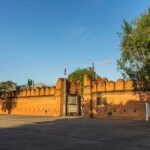
- First Contact at Tha Phae Gate
- Riding Up to Doi Inthanon’s 8,500-Foot Summit Views
- Ang Ka Nature Trail and Mae Klang Luang Culture Time
- Twin Royal Stupas: King Bhumibol and Queen Sirikit’s Commemoration
- Doi Pui Mong Hill Tribe Village and the Hmong Market Break
- Mae Klang Luang Karen Village: Rice Terraces, Coffee Orchard, and Tasting
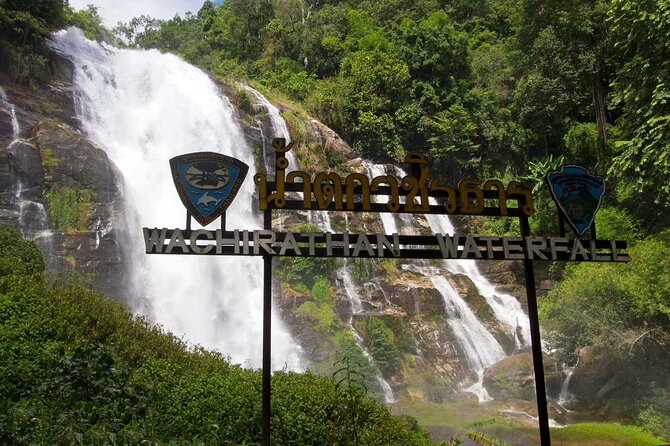
- Wachirathan Falls: The Scenery Payoff
- Price and Logistics: Does $77.31 Feel Fair?
- Who This Tour Fits Best
- Should You Book This Doi Inthanon Joint Tour?
- FAQ
- How long is the Doi Inthanon National Park full-day tour?
- Where does the tour start in Chiang Mai?
- What’s included in the tour price?
- Is lunch included?
- Does the tour use a mobile ticket?
- What happens if the weather is poor?
Key Things To Know Before You Go
- Highest point + short walking: you’ll reach Doi Inthanon’s summit area at about 8:30 and get a light nature walk on the Ang Ka Nature Trail.
- Twin royal stupas stop: you visit the pair of pagodas built to commemorate King Bhumibol Adulyadej and Queen Sirikit.
- Two Karen-focused village visits: Mae Klang Luang area gives you rice terraces, a coffee orchard, and a chance to see how people earn a living.
- Hill-tribe market break: a stop at the Hmong Market puts fruits, vegetables, flowers, and local goods front and center.
- Small group feel: the tour keeps group size capped at 15 travelers, which helps it feel less chaotic.
First Contact at Tha Phae Gate
The day starts near Tha Phae Gate on Tha Phae Road in Chiang Mai. The meet point is easy to find, and the tour is designed to work for people staying in the central area.
Pickup is part of the experience too, so you might join the group at the gate or be collected from your hotel, depending on your option. Either way, you’ll roll out early and settle in with an air-conditioned vehicle.
Expect a day that feels structured but not rushed. It’s the kind of trip that’s comfortable if you don’t want to drive yourself up into the mountains.
You can also read our reviews of more tours and experiences in Chiang Mai


Riding Up to Doi Inthanon’s 8,500-Foot Summit Views
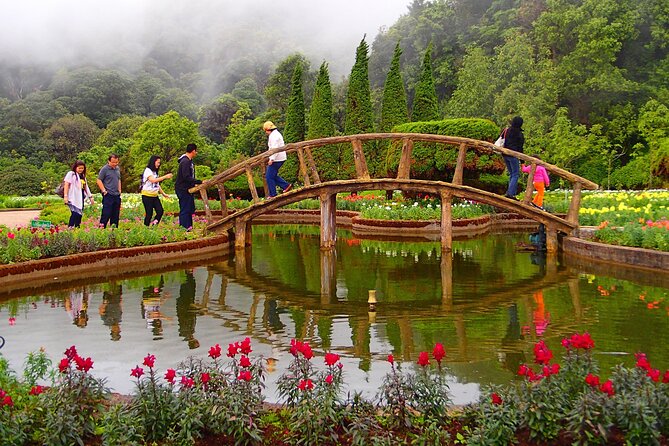
Doi Inthanon National Park is the backbone of this tour. You start around 08:30, heading up to the highest summit in Thailand at roughly 8,500 feet above sea level.
This isn’t just about standing at a point on a map. Doi Inthanon sits at the tail end of the Himalaya mountain range, and the climb is part of the experience—you gradually trade Chiang Mai heat for cooler mountain air.
The park stop runs about two hours, and admission is listed as free for this section. That matters because you’re not trying to budget every single stop on your way up.
What you’ll love here is the change in temperature and the sky effects. The tour is explicitly set up for the feel of seeing Chiang Mai from above the clouds, which can be spectacular when visibility is good.
Clouds can flip the mood. If it’s gray or hazy, you may still enjoy the mountain setting, but the “wow” factor from the cloud layer will be muted. Bring a light rain layer too, because the mountains can be unpredictable.
Ang Ka Nature Trail and Mae Klang Luang Culture Time
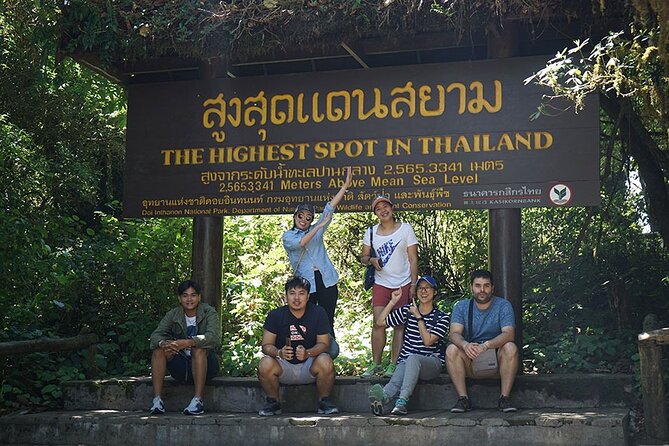
After the main park time, you head to the Ang Ka Nature Trail area around 10:30. This stop pairs a short nature walk with time near a Karen tribe community.
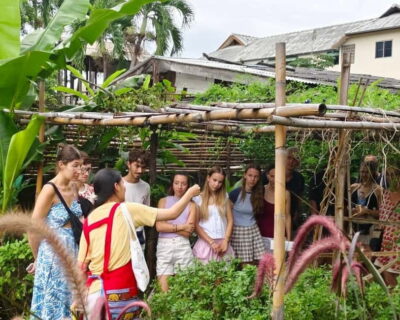
You’re given a chance to learn about culture and daily life with a professional English-speaking guide. That’s a big deal on this tour, because it turns the village visits from a quick photo stop into something you can actually understand.
This portion lasts about one hour, and admission is included. The walk is described as a forest walk, so it’s not an all-day hike, but it does mean you should wear shoes you don’t mind getting a little dusty.
If you prefer your cultural stops organized and explained, this is where the tour tends to earn points. You’re not just dropped at a viewpoint; you’re guided through what you’re seeing and what it means in that community.
Twin Royal Stupas: King Bhumibol and Queen Sirikit’s Commemoration
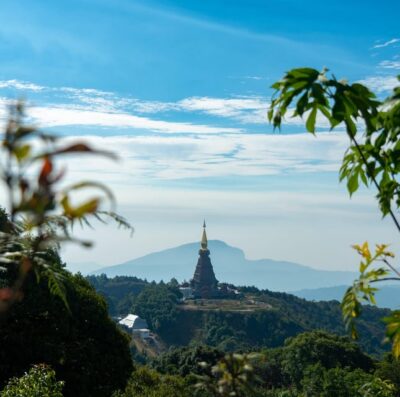
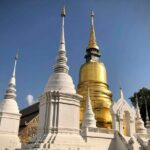
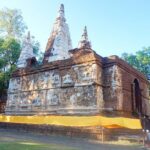
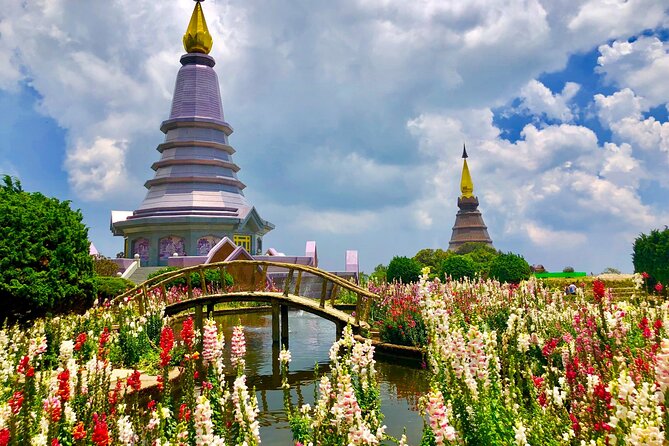
Next up is the temple-and-view combo: the Twin Royal Stupas. The names you’ll see are Phra Maha Dhatu Nabha Methanidon and Phra Maha Dhatu Nabhapol Bhumisiri (also referred to as the paired stupas).
This stop runs about one hour, around 11:30. Admission is included, so you’re not juggling ticket counters while the day is moving.
These stupas were built for King Bhumibol Adulyadej and Queen Sirikit, which gives the place extra meaning beyond the usual temple sightseeing. The design is made to feel ceremonial and calm, and the setting helps you slow down for a bit.
The practical side: you’ll want a little time to look closely. Temples and pagodas can become background noise on a tight schedule, but the twin layout encourages you to compare the two.
Like the rest of the day, the sky matters. When clouds clear, these high spots can feel especially dramatic.
Doi Pui Mong Hill Tribe Village and the Hmong Market Break
Around 12:30, the tour shifts gears to the hill-tribe village side. You’ll visit Doi Pui Mong Hill Tribe Village, then continue with a market stop.
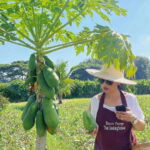
The market break is listed as Hmong Market, where you can find fruits, vegetables, flowers, and other local products. It’s the kind of stop that’s useful even if you’re not shopping hard, because you get a snapshot of what people sell locally.
This segment also stretches about one and a half hours. That time buffer helps if you want to snack, use the restroom, or just reset before the afternoon.
If you’re hoping for a long cultural performance or a deep workshop here, keep your expectations realistic. This is positioned as a short village and market break, not a full immersion program.




Mae Klang Luang Karen Village: Rice Terraces, Coffee Orchard, and Tasting
The afternoon focuses on the Karen community at Mae Klang Luang. Around 14:00, you’ll visit Ban Mae Klang Luang, about 45 minutes, with a guide explaining village life.
Villagers here make a living growing rice and coffee. You’ll see the rice terrace area and a coffee orchard, which gives you something tangible to connect with the guide’s explanations.
This is one of the best parts for people who enjoy learning how everyday routines shape a place. The tour’s value isn’t only the scenery; it’s how the guide connects the geography (mountain farming) to the community.
You can also expect some food-and-drink time here. The tour description notes tasting, and the later stop adds a coffee flavor moment too. It’s not a fine-dining day, but it’s a nice rhythm: see how it grows, then taste what comes from it.
There’s then another short village-area stop around 14:45 labeled as Baan Tawai Village. The description ties it back to the Mae Klang Luang community focus, so the overall feel is that the afternoon builds on the same theme rather than switching to totally different worlds every 20 minutes.
Wachirathan Falls: The Scenery Payoff
This is the final big “nature” payoff: Wachirathan Falls. The tour brings you there after the coffee moment, and you’re given about one hour on site.
This is where the day tends to feel most worth it. Waterfalls usually deliver even when visibility isn’t perfect, and the cool, misty air can feel like a reward after climbing and walking earlier.
The tour description points out that you’ll continue to the waterfall after tasting some fresh coffee. That’s a pleasant pacing choice. It keeps the day from feeling like a string of stand-and-stare stops.
Clouds can still affect this part too—bad weather can reduce how far you can see—but waterfalls often stay photogenic even under gray skies. If you’ve got a rain jacket, use it. If you don’t, at least bring something you don’t mind getting damp.
Afterward, you return to Chiang Mai. The tour ends back at the meeting point, with driving time included in the overall 9 to 10 hours schedule.
Price and Logistics: Does $77.31 Feel Fair?
At $77.31 per person for a 9 to 10 hour day, this tour can feel like good value—especially if you want everything handled for you. You’re not only paying for transport; you’re also getting an English-speaking guide, lunch, and the listed admission fees.
That matters in Chiang Mai. If you try to piece together the park, viewpoints, and village stops yourself, you’ll spend time coordinating rides and you’ll likely pay separate entrance costs. Here, the “inputs” are bundled.
The vehicle is air-conditioned, and the group cap at 15 adds comfort. Long day trips can be uncomfortable when you cram in too many people, so this smaller cap helps.
The main downside is pacing. One issue that popped up is lunch arriving later than expected—around 3 pm was mentioned on an outing—plus a quick, random convenience-store stop (like a 7/11) before things really got moving. That doesn’t mean every day is the same, but it’s a signal to plan your energy.
Practical move: bring a snack you like and some water you can keep handy. If your schedule is strict, this tour is better if you treat it as a flexible day, not a timed itinerary like a clockwork train.
Who This Tour Fits Best
This is a strong match if you want a stress-free day trip where someone else handles the driving and the explanations. It’s also a good fit if you prefer a gentle pace: short walks, planned photo stops, and village time with a guide.
You’ll probably enjoy it most if you like:
- mountain scenery and viewpoints near the top of Thailand
- temple-and-history moments with a clear reason behind them (royal commemoration)
- Karen village visits focused on farming and daily life
- a finish at a waterfall that gives you a real payoff for the day
It may be less satisfying if you expect super-tight timing, constant clear skies, or long, deep village programs. The day can slow down, and weather can blur the cloud-level drama.
Should You Book This Doi Inthanon Joint Tour?
I’d book it if you want a one-day sampler that hits the big northern Thailand hits: Doi Inthanon summit views, Twin Royal Stupas, Karen village culture time, and Wachirathan Falls—with lunch and guide support included.
Skip or at least temper expectations if you’re the type who needs a very precise schedule, or if late lunch and occasional convenience-store stops would bug you. Also remember: you’re depending on mountain weather, so pack layers and expect clouds can happen.
If that sounds like your kind of day, this tour is a solid way to see more of the region without wrangling transport on your own.
FAQ
How long is the Doi Inthanon National Park full-day tour?
It runs about 9 to 10 hours, including travel time.
Where does the tour start in Chiang Mai?
The meeting point is near Tha Phae Gate on Tha Phae Road.
What’s included in the tour price?
The price includes an air-conditioned vehicle, an English-speaking guide, admission fees as mentioned in the stops, and lunch.
Is lunch included?
Yes, lunch is included.
Does the tour use a mobile ticket?
Yes, a mobile ticket is mentioned as part of the experience.
What happens if the weather is poor?
This tour requires good weather. If it’s canceled due to poor weather, you’ll be offered a different date or a full refund.