REVIEW · CHIANG MAI
No.1 Full-Day Chiang Mai Caving & Jungle Kayaking: Chiang Dao
Book on Viator →Operated by Chiang Mai Mountain Biking & Kayaks · Bookable on Viator
Chiang Dao turns one day into two adventures. You’ll do cave exploring with headlamps, then paddle the Mae Ping River through bamboo and forest, with clear coaching so you’re not stuck guessing. The day also has a real rhythm: guided time underground, a proper Thai lunch break, then a relaxed afternoon float that can still toss in a little fun.
The main thing to plan for is physical. Inside the cave you’ll meet tight crawl spaces and uneven, sometimes slippery footing, so you’ll want decent mobility and not a fear of enclosed spots.
In This Review
- Key Highlights Worth Clocking
- Why This Chiang Dao Combo Works So Well
- Morning Start: Base Camp Briefing and Gear That Actually Gets Used
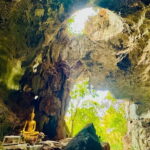
- Chiang Dao Cave: Headlamps, Crawl Spaces, and Shrine Rooms
- The Lunch Break: Cave-Side Thai Food Before You Paddle
- Mae Ping River Kayaking: Beginner-Friendly Coaching on a Real River
- Transportation and Timing: The Long Drive Isn’t Just a Travel Tax
- What to Bring (So the Day Feels Fun, Not Fussy)
- Price and Value: What Your $81.53 Actually Buys
- Who Should Book This Trip (and Who Should Rethink It)
- Should You Book the Chiang Dao Cave and Kayak Day?
- FAQ
- How long is the Chiang Dao caving and jungle kayaking day?
- Do I need kayaking experience to join?
- What cave gear is included?
- Is lunch included, and are vegetarian or vegan options available?
- Are there extra fees on the day?
- Is pickup included from Chiang Mai?
Key Highlights Worth Clocking
- Hard-shell single and double kayaks with proper life jacket fit and a hands-on skills briefing
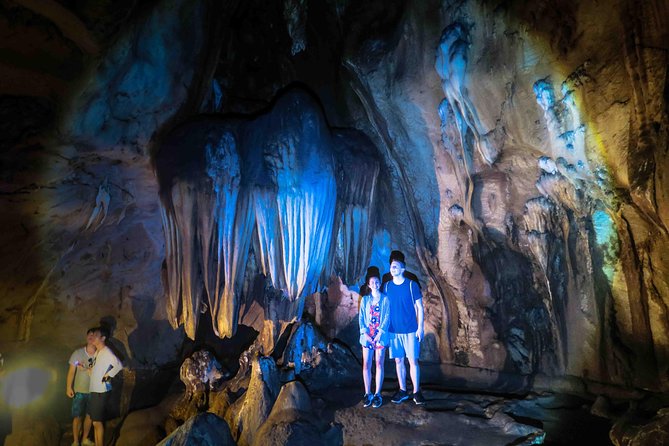
- Guided Chiang Dao Cave walk (about 1 hour) with headlamps/local guide support
- Buddhist shrines and bat-cave areas, plus big open cavern rooms, not just narrow tunnels
- Lunch at the cave-side restaurant with vegetarian and vegan options
- Support truck following and a captain role so you paddle your own boat, not just sit on a raft
Why This Chiang Dao Combo Works So Well

This is the rare Chiang Mai day trip that doesn’t feel like two random stops glued together. The logic is simple: do the cave while everyone is fresh, eat near the cave complex, then let the river be the payoff.
The kayaking part is what often sells people, and for good reason. The river segment gives you a close look at everyday life along the banks, including fishing and small scenes that you’d miss from the road. And the coaching matters: even if you’ve only tried a kayak once, you get instruction so you’re moving with the group instead of doing your own chaotic paddle plan.
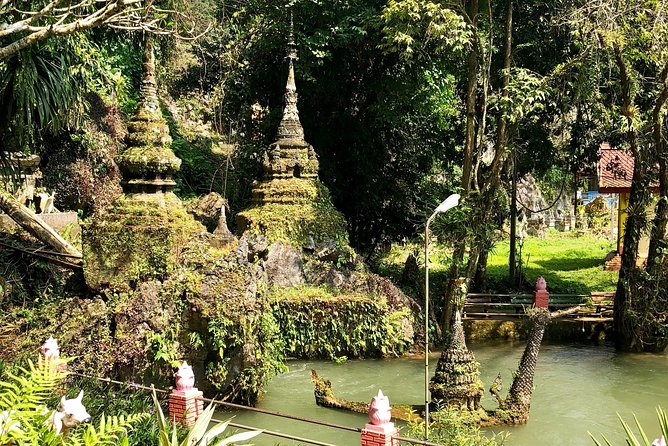
Then there’s the cave. Chiang Dao Cave isn’t a quick temple visit. You walk a guided route with big caverns and darker passages, while seeing Buddhist elements and hearing about the place. If you like caves, it’s the kind that makes you look up.
The only real question I’d ask you is this: how comfortable are you with crawling for a short stretch underground? If that’s a no, you might find the cave portion stressful rather than exciting.
You can also read our reviews of more tours and experiences in Chiang Mai

Morning Start: Base Camp Briefing and Gear That Actually Gets Used
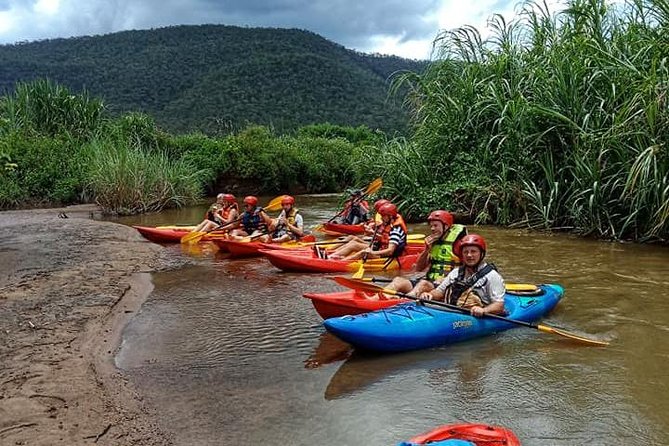
Your day starts at 8:30 am, with pickup offered, and the tour caps at 15 travelers. That size feels important here. It keeps the group manageable for teaching, safety checks, and moving through narrow cave sections without turning it into a cattle-chute.
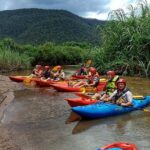
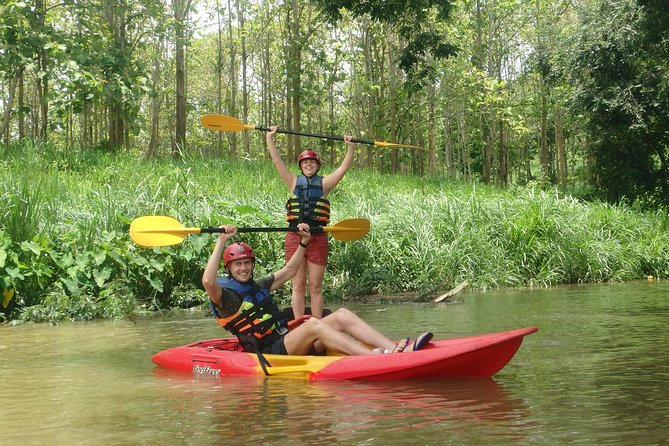
At the Base Camp, you get a safety briefing and life jackets fitted, then you confirm your kayak choice (single or double). This is the moment where the company tries to remove uncertainty. You’re not just handed gear and told good luck. You get the basics, you get positioned, and then you’re off.
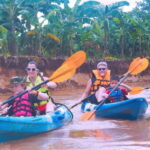
One detail I appreciate: the tour treats this as a skills day. You’ll get a kayak briefing before you hit the water, and you’re told you’re the captain of your own boat. In plain terms, that means you paddle. You’re not just along for the ride.
Chiang Dao Cave: Headlamps, Crawl Spaces, and Shrine Rooms
The cave time is about 1 hour on a guided walk. Expect it to be both scenic and practical: you’re moving through dark sections, switching between lit areas and lantern/headlamp zones, while a local guide keeps the route clear.
What stands out is the mix of spaces:
- Huge rooms where the ceiling details matter
- Smaller passages where the cave gets tight
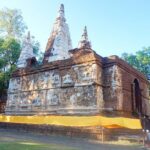
- Buddhist shrines you’ll see along the way
- Bat cave areas, with bats high up on ceilings rather than a guaranteed close-up
There are also crawl segments. They’re short, but they’re real. Some routes include twisting through narrow openings, and the walk can be slippery, so footwork matters. If you’re imagining a fully wheelchair-friendly cave walk, this won’t match that expectation.
Claustrophobia is the big personal filter. Even people who enjoy caves can hesitate if they hate tight spaces. You don’t need to be an athlete, but you should be comfortable getting low and moving carefully.
Also note a clothing reality. One traveler reported a restriction on very short shorts, with a cloth provided to cover up. I can’t promise that will happen to you, but it’s smart to bring shorts that won’t make you sweat through the rules.
What I’d do: wear grippy footwear you don’t mind getting dusty, and plan to keep your body flexible for a few brief squeezes.
The Lunch Break: Cave-Side Thai Food Before You Paddle
After the cave visit, you get a meal and a break to reset for the river. Lunch is provided at a cave-side restaurant, and vegetarian and vegan options are available.
From what I’ve seen people describe, lunch can include Thai basics like stir-fried noodles or pad Thai, plus fruit. It’s not a fine-dining moment. It’s fuel. And that matters because you’re about to spend a couple hours in the water and sun.
The lunch timing is also practical. You’re not rushed straight from darkness into paddling. You get that pause where you can drink water, re-check your bag setup, and change into whatever you’ll tolerate getting wet again later.
Mae Ping River Kayaking: Beginner-Friendly Coaching on a Real River
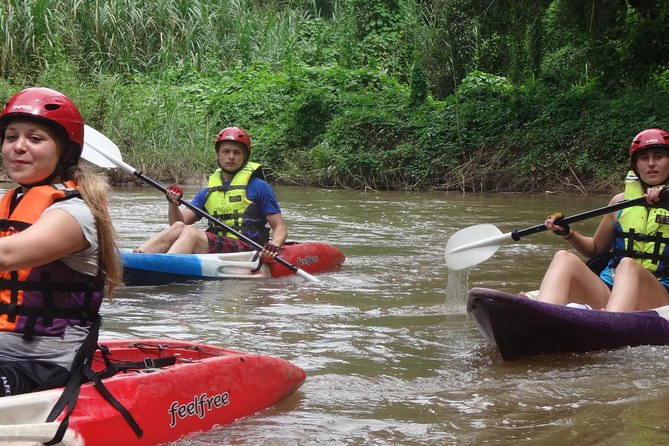
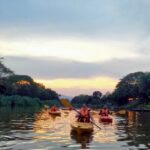
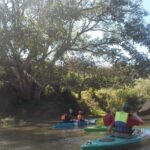
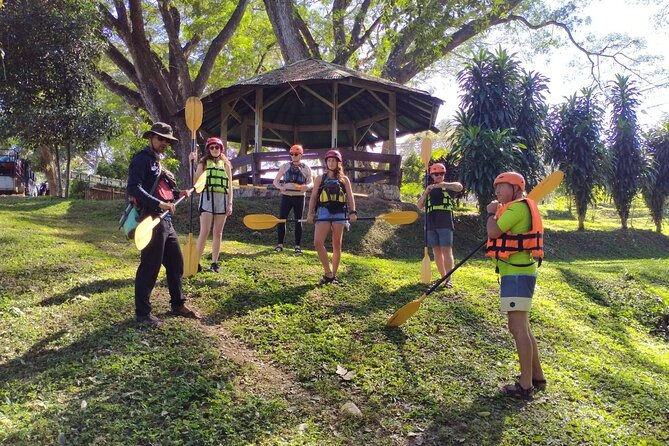
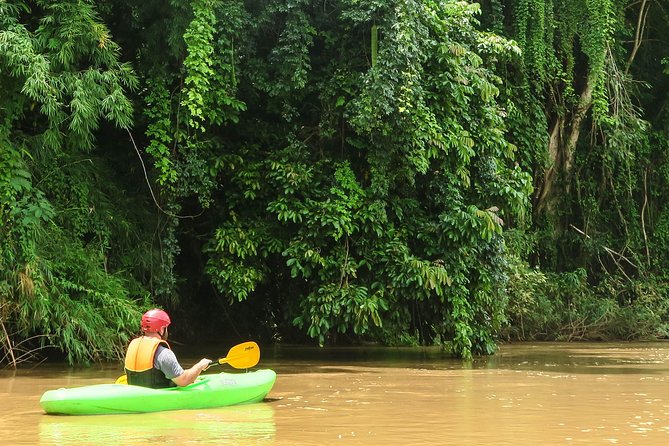
The kayaking runs about 2 hours on the Mae Ping River. The river winds through bamboo jungle and temperate forest, and the pace depends on the day’s water level.
Here’s the key practical takeaway: the river can be calm, but it can also run faster after rains. In late-November rains, some days get quicker and the paddling time feels more intense. Other times, it’s a mellow float where you can concentrate on steering and enjoying the scenery.
Either way, the tour uses a serious safety approach:
- instructors certified in first aid and CPR
- a support truck following with secure storage for your valuables
- guidance that keeps the group together
- rescue response if someone capsizes
You’ll also likely get a “swim stop” opportunity depending on conditions and guide plan. People sometimes get splashed, because this is a river, not a pool. So plan on being wet at least a little.
What you’re likely to see along the way:
- bends and small currents where your steering skills matter
- local life along the banks, like fishing
- birds and the green corridor of northern Thailand
And yes, a few quick rapids can show up, which gives the day some energy instead of becoming a slow slog.
You can also read our reviews of more tours and experiences in Chiang Mai




Transportation and Timing: The Long Drive Isn’t Just a Travel Tax
This tour isn’t one of those quick half-day hits. You’ll spend time in the van or SUVs heading out to Chiang Dao. Drive time can stretch to about 90 to 120 minutes each way, depending on road and schedule. It’s not always the most comfortable ride, especially on open-air style vehicles.
The good news is that the company tries to keep things simple:
- an air-conditioned van is the main mode
- 4×4 SUVs for smaller groups
- a 10-minute cave-to-river shuttle when you switch locations
Also, you’re not carrying everything on your back. You can store valuables with the support team, and water is available throughout.
If you’re prone to motion sickness, I’d take it seriously. Bring what you need before you leave the city. The day is active enough that you don’t want a queasy start.
What to Bring (So the Day Feels Fun, Not Fussy)
This tour mixes cave walking and river kayaking, so your packing has to do two jobs. One for dry comfort, one for wet reality.
Here’s what the tour context strongly suggests you’ll want:
- Water shoes (or footwear that can get wet and still grip)
- Dry clothes for after kayaking
- Sunscreen and repellent for the river sun
- A towel or extra fabric if you end wet and don’t have easy changing space at the end point
One traveler noted there wasn’t a toilet at the very end of the kayaking route, so you’ll want to plan for that. That means your “freshen up” needs to be minimal and quick. A towel helps.
Also, remember that you’ll be near dark cave passages. Bring a small dry bag or zip pouch so your phone or passport stay protected during the day.
Finally, don’t forget the quick admin detail: you may be asked for a passport number at check-in for insurance ID. It’s not a fun errand, but it’s easy if you have the passport handy.
Price and Value: What Your $81.53 Actually Buys
At about $81.53 per person, the value here is mostly about what’s included and how much is guided.
You get:
- a professional escort and trained instruction
- hard-shell kayaks (single or double)
- head lamps plus a local cave guide
- lunch with vegetarian and vegan choices
- bottled water/hydration support
- a support truck following with secure storage
- transportation by van or SUV
- a shuttle short transfer between cave and river
Then there are the not-included fees:
- Chiang Dao THB 150 per person for river fees/insurance-related item (as listed)
- insurance is not included, so your personal coverage matters
When I think about value, the big question is whether you’ll enjoy the cave and the river more than you’d enjoy doing them separately. With this combo, you’re paying for one driver plan, two guided experiences, and the gear setup—plus the safety net with first aid readiness.
If you’re a beginner kayaker, this pricing can feel like a bargain because you’re buying instruction, not just a boat rental. If you’re already an expert paddler and hate cave crawls, it might feel heavier. But for most people who like the outdoors and want variety, it’s a solid day.
Who Should Book This Trip (and Who Should Rethink It)
This tour fits best if you want a day outside the city that mixes physical effort with real sights.
You’ll probably be happy if you:
- want beginner-friendly kayak instruction
- like caves and don’t mind dark walking with headlamps
- enjoy guided cultural elements like the Buddhist shrines inside Chiang Dao Cave
- want a small group day (max 15 travelers)
You might think twice if you:
- struggle with crawling or tight spaces
- dislike slippery footing
- have major claustrophobia concerns
- hate getting wet (because river splashes are part of the deal)
It’s also a nice option for people who want “active but not crazy.” You’re paddling for a couple hours, walking underground for about an hour, then eating and resetting. The day keeps moving, but it’s not an all-day hike grind.
Should You Book the Chiang Dao Cave and Kayak Day?
I’d book this if you want two different kinds of nature in one long day: a cave that feels huge and open in places, plus a river float that shows northern Thailand in a more everyday, human scale way.
What makes the trip worth your time is the combination of guided caving with real safety attention for the kayaking. The setup is beginner-friendly, and the small group limit helps the guides keep control when the cave gets tight and when the river gets interesting.
But if crawling spaces stress you out, or if “wet and changing later” sounds like a headache, you’ll probably end up wishing you’d picked a less physical alternative.
If you’re on the fence, ask yourself one question: do you want a day where you can say you saw Chiang Dao Cave from the inside—and then paddled the Mae Ping River like you own the boat? If yes, this is a strong pick.
FAQ
How long is the Chiang Dao caving and jungle kayaking day?
It runs about 7 to 8 hours total, starting at 8:30 am.
Do I need kayaking experience to join?
No experience is needed. You’ll get full instruction and a kayaking briefing, plus life jackets are provided.
What cave gear is included?
You’ll have head lamps for the cave walk, along with a headlamp route guided by a local cave guide.
Is lunch included, and are vegetarian or vegan options available?
Yes. Lunch is included, and vegetarian and vegan options are available at the cave-side restaurant.
Are there extra fees on the day?
Yes. Chiang Dao river fees are THB 150 per person and insurance/river fees are not included. You may also need your passport number at check-in for insurance ID.
Is pickup included from Chiang Mai?
Pickup is offered, and you’ll receive confirmation after booking. The tour also uses air-conditioned transport and smaller-group vehicles when needed.