REVIEW · CHIANG MAI
From Chiang Mai: Chiang Dao Cave & 5 Hill Tribe Villages
Book on GetYourGuide →Operated by CanalTour x ExploreSiam · Bookable on GetYourGuide
Cave crawling meets hill-tribe culture in one day. This tour strings together Chiang Dao Cave and Temple with visits to Akha, Meo, Lisu, Palong, and Karen villages, plus orchid and butterfly farms. It is a great way to see northern Thailand beyond the old city streets.
I like how the cave visit is led by a local guide, with explanations that make the carvings, chambers, and stories feel easier to understand. I also like that village stops are guided by people from the communities themselves, with standout guides like Tik and Maggie earning praise for clarity and Thai language tips. The main drawback is physical and mental: the cave has narrow crawl-through sections, so back issues, pregnancy, or claustrophobia can turn this into a bad day.
In This Review
- Key highlights to look for
- Why this is a smart, well-paced Northern Thailand day trip
- The hill tribe village route: what you’re really seeing
- Chiang Dao Cave and Temple: the highlight, with a real cave challenge
- Orchid farm and butterfly farm: the fun, photogenic break
- Logistics that matter: timing, pick-up, and comfort
- Lunch and what you should budget for
- Who this tour fits best (and who should skip it)
- Value check: what $51 gets you
- Should you book this Chiang Dao Cave & 5 Villages day trip?
- FAQ
- How long is the tour?
- Where are pick-up and drop-off locations?
- Is the tour guide English-speaking?
- Is Chiang Dao Cave admission included?
- Is a meal included?
- Is the cave visit okay if I’m claustrophobic?
Key highlights to look for
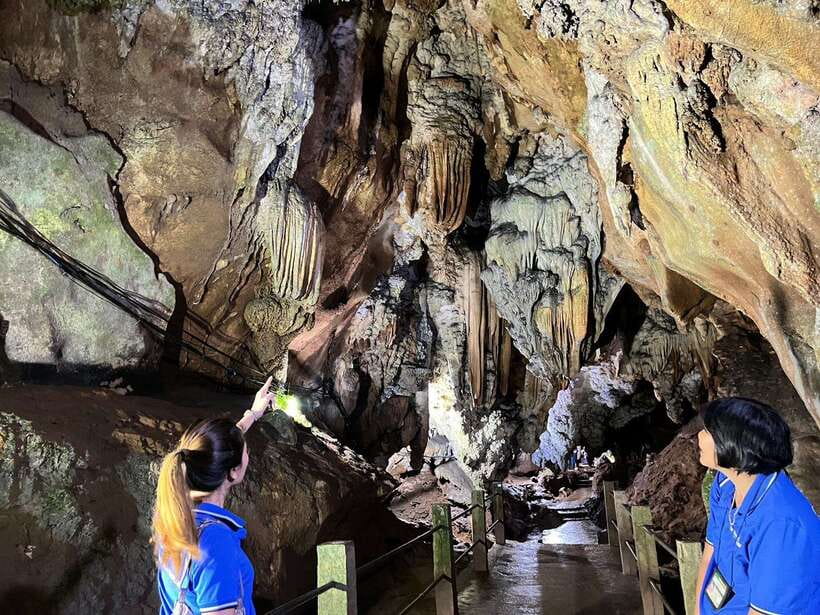
- Chiang Dao Cave and Temple with a real local guide at the site
- Five distinct hill tribe villages: Akha, Meo, Lisu, Palong, and Karen
- Orchid farm + butterfly farm with a chance to take a bloom home
- Air-conditioned transport plus pick-up from the Old City area
- English-speaking main guide and additional village-side guiding
Why this is a smart, well-paced Northern Thailand day trip
This is an all-in-one sampler of Chiang Mai Province at a slower pace than hopping between attractions on your own. You spend the day with structure: travel time, village learning, one major centerpiece (the cave), and some lighter, colorful farm stops in between.
The value comes from what is included. You get a licensed English-speaking guide, air-conditioned transport, Old City-area pick-up and drop-off, village-side local guidance, and the entrance fee at Chiang Dao Cave. For the price point, that adds up faster than it looks—especially once you factor in that you are not trying to coordinate several remote places by taxi or songthaew.
If you are the type who likes seeing how people actually live—clothes, tools, routines, beliefs—this format works. If your goal is lots of free time to wander at your own speed, you may find the day a bit structured. It is also the kind of outing that rewards a moderate comfort level with walking and uneven ground.
You can also read our reviews of more tours and experiences in Chiang Mai.



The hill tribe village route: what you’re really seeing
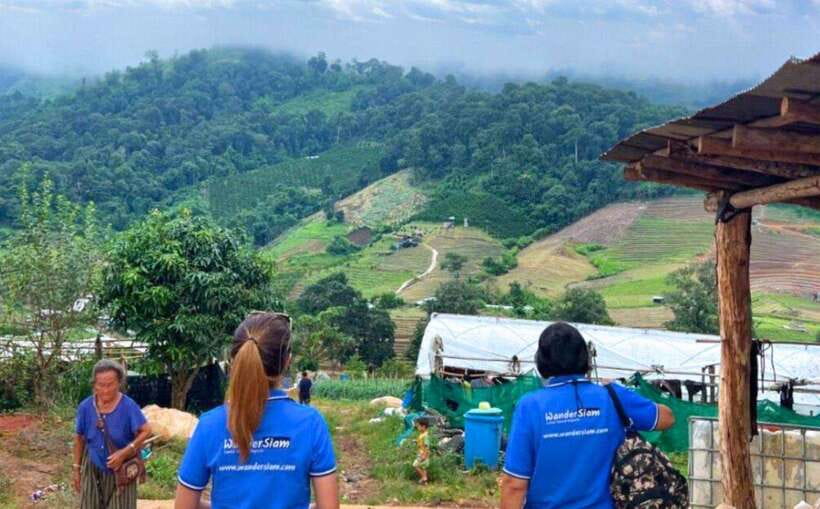
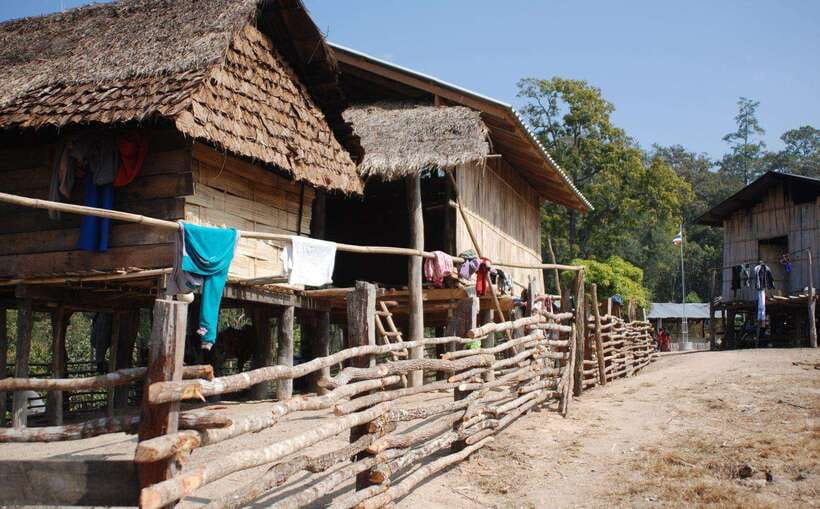
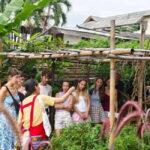
The itinerary focuses on five hill tribe groups: Akha, Meo, Lisu, Palong, and Karen. Each village stop is a chance to compare daily life side by side: homes, farming patterns, clothing, and the beliefs people connect to community and tradition. The tour’s strongest approach is that you do not just meet a person at a viewpoint—you move from one place to another with a guide who can translate context.
One practical point: multiple village visits can feel repetitive if you are expecting the same kind of stop each time. On a day like this, the details matter. Pay attention to what changes: how people talk about their land, what they show you, how the village explains its traditions, and what questions your guide helps you ask.
Also, about the Karen long-neck women: the tour data here says the tour includes Karen villages, but the wider experience can vary depending on how a specific tour handles that topic. If this is the only part you care about, I would be cautious and double-check what you will specifically see before you book.
The good news: when guides are doing their job, you get more than photos. You get explanations that help you connect what you see to real life—especially when you are guided in a respectful way by someone from the community.
Chiang Dao Cave and Temple: the highlight, with a real cave challenge
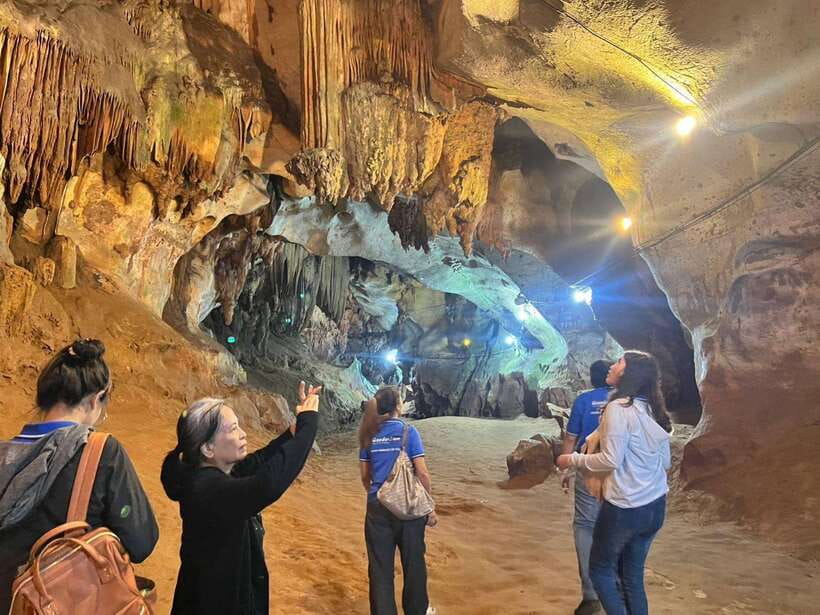
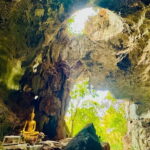
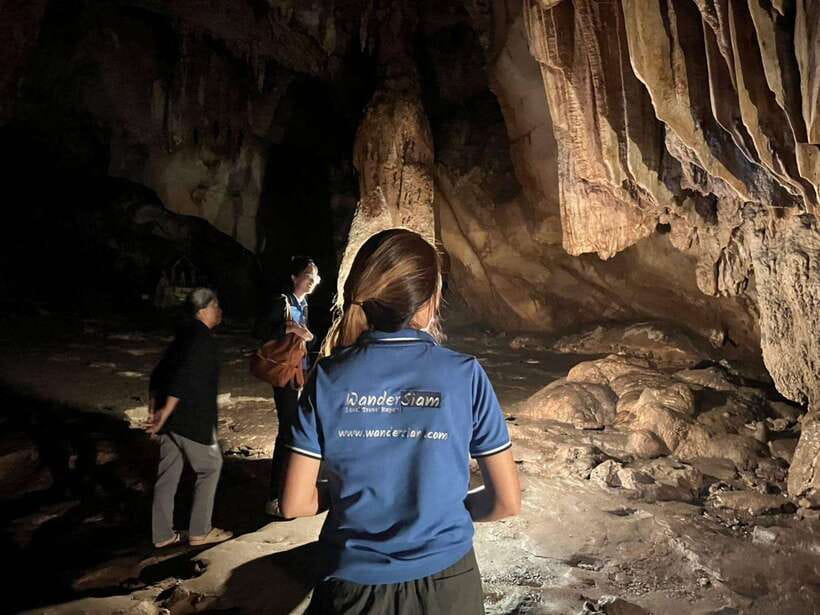
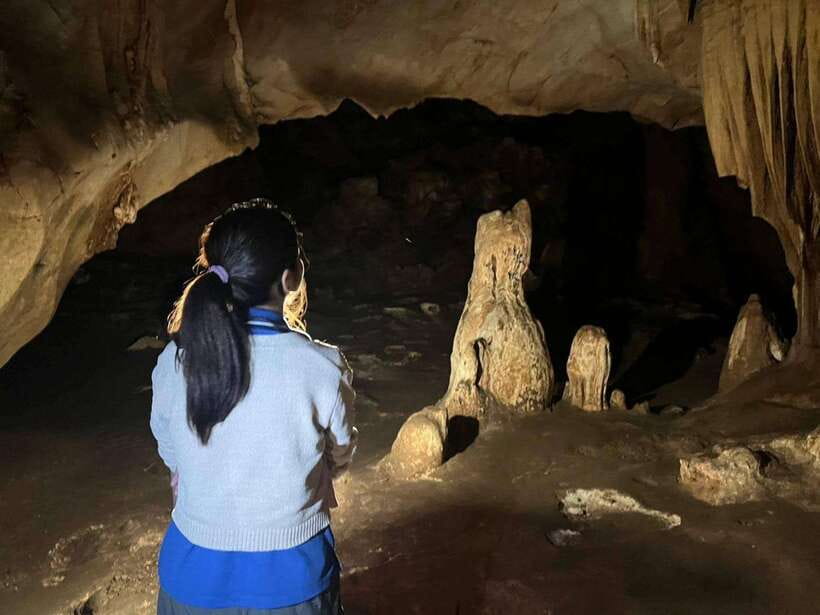
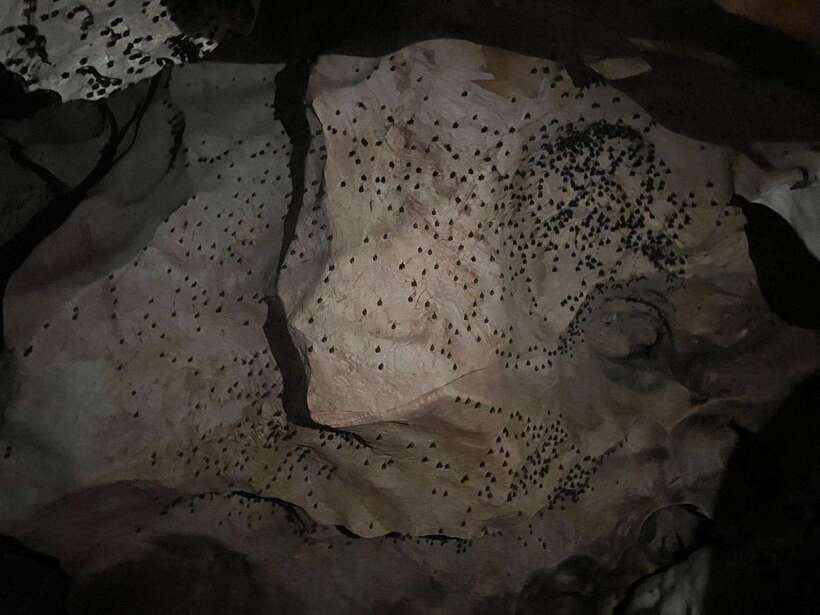
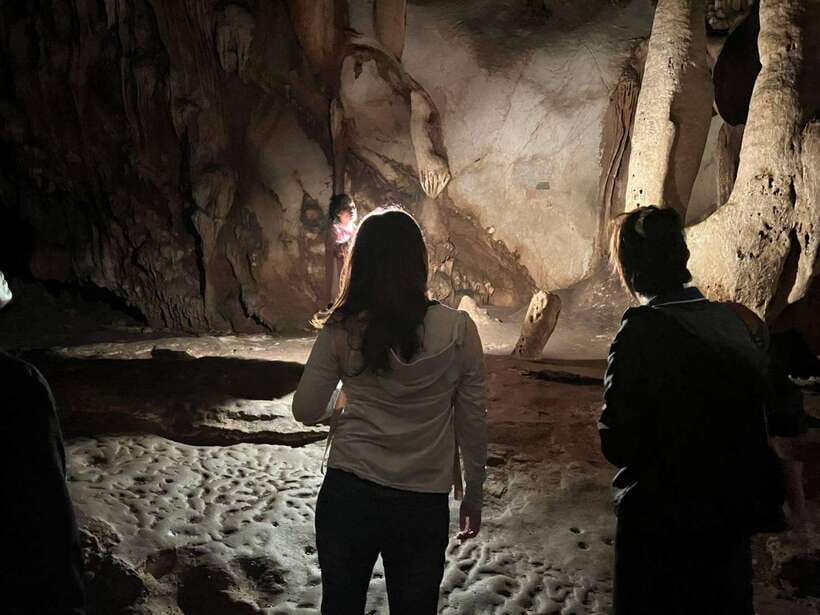
If you ask me what to plan your day around, it’s the cave. Chiang Dao Cave and Temple is the big draw, known for its chambers and for being a place with religious significance for monks. This is not a quick walk-through either; it is an active cave visit that feels like you are moving through a living story of stone, worship, and time.
Here is the part you absolutely should not gloss over: there are two passages inside the cave that are quite narrow, and you will need to crawl through them. That is not the same as a small squeeze. It is a crawl-through section, and it is not recommended for anyone with claustrophobia.
Practical tips before you go:
- Leave your big backpack at the hotel or use something minimal. A guide mention specifically recommends not taking a backpack through the caves.
- Wear shoes with solid grip. Cave ground can be uneven.
- Go in calm. If you tense up, the narrow sections feel longer.
The cave also tends to be where the best guiding makes the most difference. Local cave guidance helps you understand what you are looking at beyond “cool rock.” One guide—Tik—was praised for being knowledgeable and respectful, while other guides like Maggie were noted for making the cave feel out of this world with clear explanations.
Orchid farm and butterfly farm: the fun, photogenic break
Between villages and the cave, you get two “less intense” stops that add variety: an orchid farm and a butterfly farm.
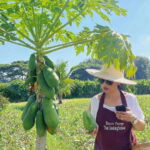
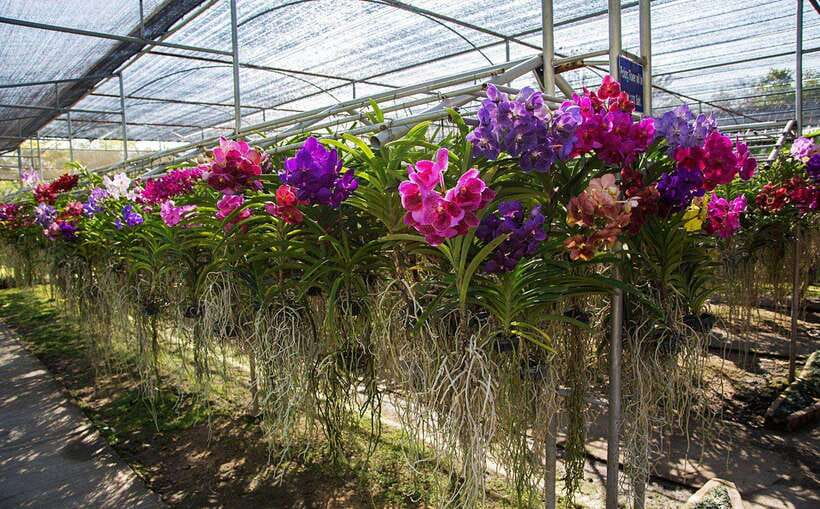
The orchid farm is where you will see a wide range of Thai orchids. There is also an option mentioned to take a beautiful bloom home. That turns the stop into more than sightseeing; it becomes a souvenir you can keep alive (or at least try to).
The butterfly farm gives you a different kind of sensory experience—color, movement, and a slower pace compared to cave crawling or village listening. It’s a nice contrast if your brain is starting to feel overloaded. If you like nature photography, it also gives you chances to reset your perspective for the rest of the day.
I’d treat these stops as a breather. Enjoy them, but don’t expect them to replace the main cultural focus.
Logistics that matter: timing, pick-up, and comfort

This is an 8-hour tour, and the day depends on your departure time. The exact pick-up time is shared the evening before, which helps you plan sleep and breakfast without guessing.
Pick-up is included for hotels and accommodations in the Chiang Mai Old City area (or just outside the city center). If your place is farther out, the meeting point is in front of Burger King at Thapae Gate. That detail matters because you want to be on the correct side of the city when the driver arrives.
You also get an air-conditioned vehicle. That sounds basic, but in northern Thailand heat and humidity, AC can be the difference between enjoying the day and counting minutes until the next stop. Transport quality is also a big deal here—most people gave it top marks for comfort and cleanliness.
One extra comfort detail that comes up in feedback: there are toilet breaks along the way, and people reported they were enough. That is the kind of small factor that keeps the day from feeling stressful.

Lunch and what you should budget for
Meal is not included. That said, there is typically a mid-day stop where you can eat, and at least one account mentions delicious food at the local place where lunch is taken.
So plan for cash or card for food on your own. If you tend to get snacky between stops, bring a small pack of what you like. A little backup energy can make the village-to-cave transition easier.
Who this tour fits best (and who should skip it)
This is best for you if you want:
- a guided day that mixes culture and nature without complicated planning
- a structured route from Chiang Mai into the surrounding countryside
- a cave experience with context from a local guide
- a moderate pace where you can handle walking and a real cave crawl
It is not a great fit if:
- you have back problems (crawling and uneven surfaces can be an issue)
- you are pregnant (it is not recommended)
- you have claustrophobia (narrow crawl-through passages in the cave)
- you want lots of free time to wander independently
The tour is also a “listen and learn” style day. If you hate structured guidance and prefer to observe quietly without explanations, you may not get as much out of the village and cave components.
Value check: what $51 gets you
At $51 per person for an 8-hour outing, the value comes from the included pieces that are hard to DIY. You are paying for transportation, a main English guide, village-side local guides, cave entrance, and organized sequencing.
Where the value calculation gets tricky is meals and personal expenses. Since food is not included, you’ll want to budget that separately. Still, even with lunch added, this can work out as good value compared with paying for separate tours or trying to combine remote visits yourself.
If you like your days efficient and guided, this price makes sense. If you already planned to spend a full day on your own plus book only the cave, you might end up paying more in total time and transport hassle.
Should you book this Chiang Dao Cave & 5 Villages day trip?
Book it if you want a full-day hit of northern Thailand that is more than a single attraction. The cave is the main reason to go, and it sounds like the guiding is a strength—people specifically mention guides like Tik and Maggie making the experience feel informed and respectful. Pair that with multiple village visits and you get a day that teaches you how different communities organize daily life, not just how they dress.
Skip or rethink it if you know the cave crawl-through will scare you, strain your body, or trigger discomfort. The cave passage detail is not minor. It changes the whole trip.
If you do book, come prepared: light bag for the cave, solid shoes, and a mindset that this is a working day of walking, learning, and a short-but-real challenge underground.
FAQ
How long is the tour?
The duration is 8 hours.
Where are pick-up and drop-off locations?
Pick-up and drop-off are included for hotels and accommodations in the Chiang Mai Old City area (or just outside the city center). If your stay is outside that area, the meeting point is in front of Burger King at Thapae Gate.
Is the tour guide English-speaking?
Yes. The main guide is an English-speaking live guide, and there is also local guiding at the village stops and at Chiang Dao Cave.
Is Chiang Dao Cave admission included?
Yes. The entrance fee at Chiang Dao Cave is included.
Is a meal included?
No. Meal is not included, and you will pay for food and personal expenses on your own.
Is the cave visit okay if I’m claustrophobic?
No. The cave has narrow crawl-through passages, and the hike is not recommended for claustrophobia. It is also not recommended for travelers with back problems or for pregnant travelers.