REVIEW · CHIANG MAI
Discover Wiang Kum Kam Ancient City with Wat Chiang Man Visit
Book on Viator →Operated by I Asia Thailand · Bookable on Viator
A half-day that feels like a whole chapter. This tour threads together Wiang Kum Kam’s ruins, a temple visit, and a stop at the Chiang Mai City Arts and Cultural Centre—plus a horse-drawn carriage ride that helps the day feel unhurried. My favorite part is how the guide connects the dots, and on one Monday run I had the guide Pong, who was fun to talk to and made the sites click fast.
The main thing I’d keep in mind is the schedule: the City Arts and Cultural Centre is closed on Mondays, so expect a plan adjustment. If you’re counting on that exact museum time, double-check the day you’re booking.
In This Review
- Key Points to Know Before You Go
- From Ancient Capital to Present-Day Chiang Mai
- Wat Kuu Kham (Wat Chedi Liam): A Temple Stop That Sets the Stage
- Wiang Kum Kam Ruins Along the Ping River
- The Three Kings Monument Area and Chiang Mai City Arts and Cultural Centre
- When the Centre Is Closed (Mondays)
- The Horse-Drawn Carriage Ride: More Than a Photo Moment
- Tour Pace, Group Size, and Comfort Choices
- Price and Value: What $43.93 Buys You
- Who This Tour Fits Best (and Who Might Skip It)
- Language Upgrades and Transfer Surcharges
- Should You Book This Wiang Kum Kam Half-Day Tour?
- FAQ
- What’s the duration of the tour?
- Is hotel pickup and drop-off included?
- What stops are included?
- Are tickets included?
- Is food or drinks provided?
- Does the tour operate on Mondays?
- Can a solo traveler book it?
- Are there language options?
Key Points to Know Before You Go
- Wiang Kum Kam’s Ping River setting: you’re visiting an old settlement that was the capital before Chiang Mai took over
- Live guide commentary: the story of each stop is explained as you’re there, not after the fact
- Wat Kuu Kham (Wat Chedi Liam) first: a short temple stop that sets the tone for the day
- Horse-drawn carriage included: a classic Northern Thailand way to move through the area
- Old City museum stop: the Chiang Mai City Arts and Cultural Centre is behind the Three Kings Monument
From Ancient Capital to Present-Day Chiang Mai
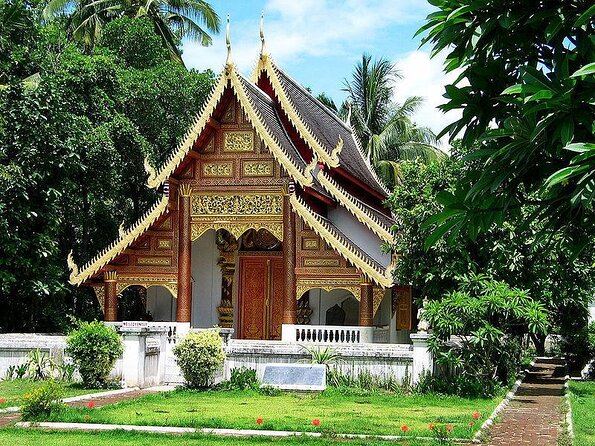
Chiang Mai is packed with temple landmarks, but it’s easy to miss how layered the region really is. This half-day tour focuses on an earlier power center: Wiang Kum Kam, an archaeological site along the Ping River. The big idea is simple—this place mattered long before today’s Chiang Mai took its final shape.
Wiang Kum Kam was built by King Mangrai the Great as his capital, before he moved the capital to Chiang Mai. That single detail changes how you read the ruins. Instead of seeing random stone fragments, you start thinking in terms of planning, governance, and daily life—how a capital functions, where people would gather, and why temples would be clustered where they are.
The tour is also smartly timed. At roughly 3 hours 30 minutes, you get multiple stops without burning a full day. That makes it a good fit if you’re juggling temple fatigue, heat, or just want a history-focused morning without stretching your schedule too far.
You can also read our reviews of more city tours in Chiang Mai

Wat Kuu Kham (Wat Chedi Liam): A Temple Stop That Sets the Stage
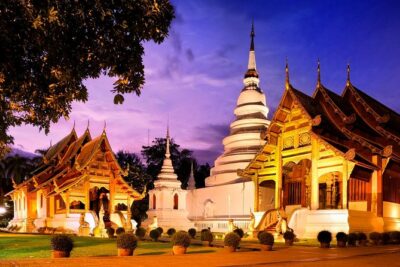
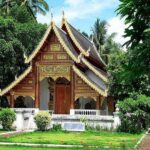
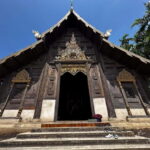
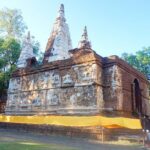
You begin with Wat Kuu Kham, also known as Wat Chedi Liam. This is a quick stop—around 30 minutes—and the ticket is free. Even though the time is short, it’s a useful “warm-up” for the day’s theme: how Wiang Kum Kam-related temples connect to what’s still standing in and around Chiang Mai.
What I like about starting here is the pacing. You’re not thrown immediately into the biggest archaeological area. Instead, you get a temple moment first, then move on to the broader Wiang Kum Kam site. That flow makes it easier to settle in and actually pay attention to your guide’s explanation.
A practical note: temple sites usually mean you’ll spend some time outdoors, and you may be walking between viewpoints. Comfortable shoes and sun protection are worth it, since you’ll want energy for the next stop.
Wiang Kum Kam Ruins Along the Ping River
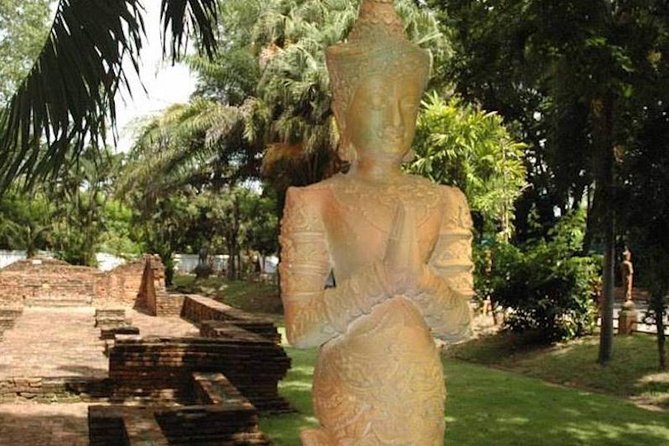
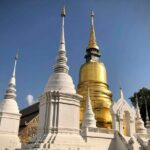
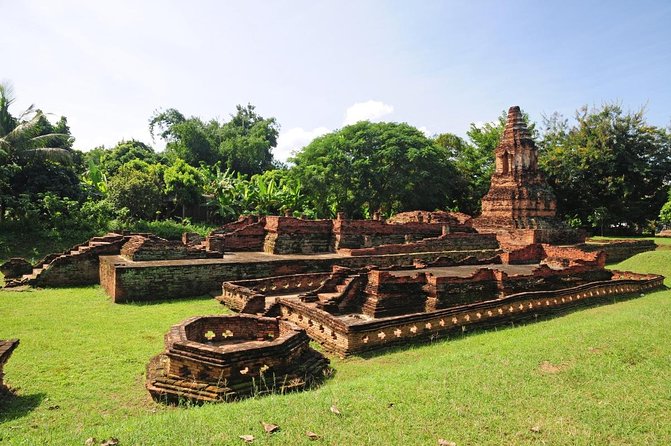
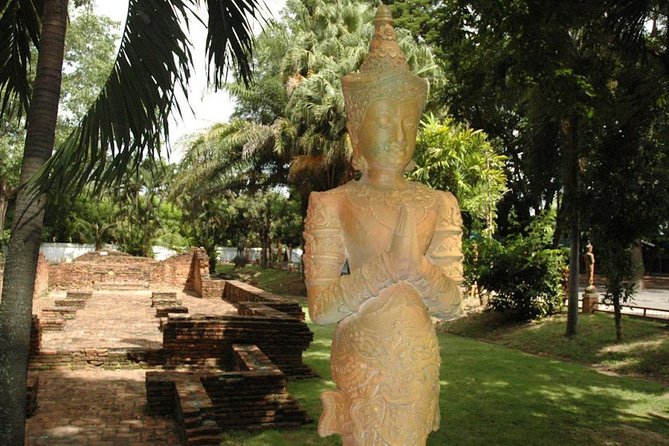
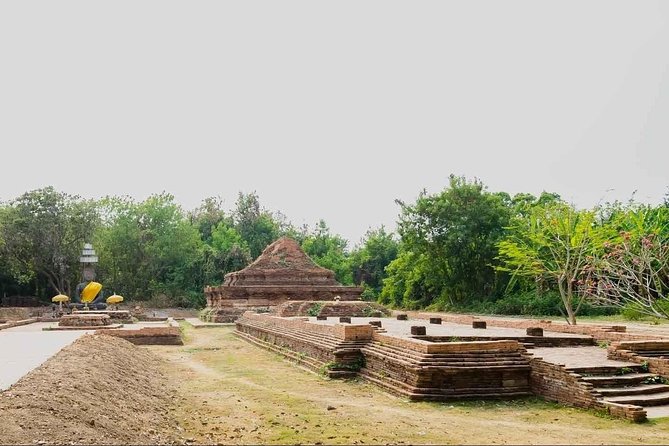
Then comes the heart of the experience: Wiang Kum Kam itself. This stop runs about 1 hour, and admission is free. The setting matters. The site sits along the Ping River, which is a major reason settlements grew here in the first place. Rivers mean water, trade routes, and the kind of steady movement that helps a capital function.
Your guide’s live commentary is the difference between skimming ruins and understanding them. With the right context, you can start connecting the dots between what you’re seeing and the story your guide tells—why certain areas would have held community life, and how temple presence fit into the capital’s identity.
One more detail worth holding onto: Wiang Kum Kam isn’t just described as ruins. It’s presented as a historic settlement and an archaeological site—meaning you’re looking at evidence, not a fully restored fantasy-world. That’s part of the charm. You’ll likely notice how different pieces feel: some areas more intact, some more skeletal, all of it giving you a sense of time and change.
If you like photo stops, this is one of the better segments. Try to pause when your guide points out a feature—because the best angles usually match the explanation you’re hearing. If you rush, you’ll miss the meaning.
The Three Kings Monument Area and Chiang Mai City Arts and Cultural Centre
After the ruins, you shift gears into interpretation mode with the Chiang Mai City Arts and Cultural Centre. It’s located in the middle of the Old City, right behind the Three Kings Monument, inside a restored building dating back to the 1920s.
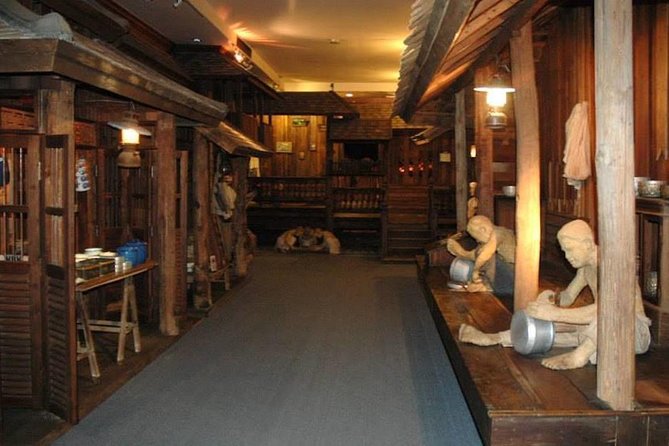
This stop is about 1 hour, and admission is included. I consider this the “make it click” part of the tour. The centre uses photos, old artefacts, maps, and an audio-visual display to walk you through Chiang Mai’s story—from early settlement to modern life. There’s even a small-scale replica of a traditional wooden village. It’s not just screens and labels. It’s designed to help you visualize what the past looked like.
Why this matters: when you’ve just seen stone remains outdoors, it helps to step indoors and get the bigger picture. The museum is where you connect Wiang Kum Kam’s earlier role to the wider story of Chiang Mai as a city that kept evolving.
When the Centre Is Closed (Mondays)
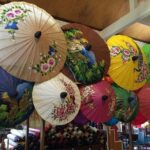
Here’s the one scheduling curveball. The Chiang Mai City Arts and Cultural Centre is closed on Mondays, though the tour can still operate. On at least one Monday experience, the guide adjusted the day by taking the group to several craft businesses, including an umbrella shop. If you’re visiting on a Monday, plan on that museum time being replaced by other cultural stops.



The Horse-Drawn Carriage Ride: More Than a Photo Moment
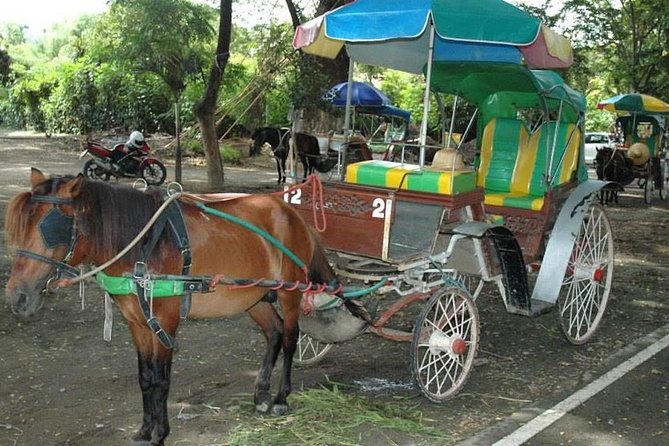
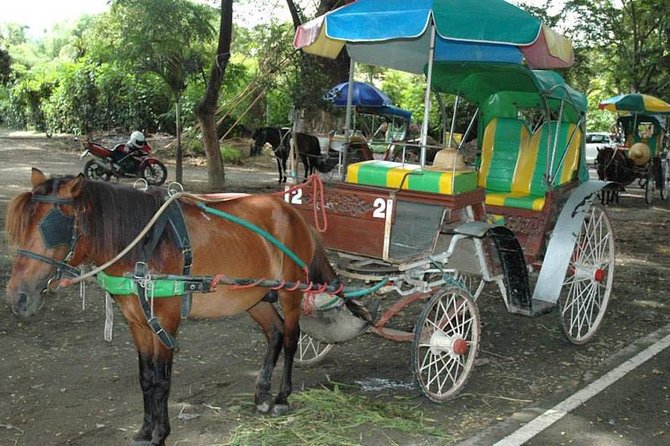
A lot of tours say carriage ride, but not all of them make it meaningful. Here it’s included as part of the overall flow, and that helps. You’re not just taking a quick spin for photos—you’re using the ride to move between locations at a slower pace.
I like this kind of transport for two reasons:
- It slows you down enough to notice how the old city feels.
- It breaks up walking so your energy stays for the ruins and the cultural centre.
You’ll also get a classic Chiang Mai feel without needing to hunt down a carriage on your own. It’s one of those “small included extras” that quietly improves the whole day.
Tour Pace, Group Size, and Comfort Choices
This is a half-day, and that shapes everything. At about 3 hours 30 minutes, you’ll be moving through several stops without long gaps. The tour also has a maximum of 30 travelers, which usually keeps things organized and keeps the guide’s commentary from turning into a game of telephone.
Pickup and drop-off are included from your Chiang Mai hotel area. You’re also told you’ll use a mobile ticket, so having your phone ready matters.
One thing the tour doesn’t include is food or drinks. You’ll want to bring water, or at least plan to grab something before or after. If you’re doing this earlier in the day, a light snack can help you enjoy the history instead of thinking about hunger.
Also consider what you’re wearing. You’ll likely combine temple areas and outdoor walking. Lightweight layers and comfortable shoes make the day more enjoyable than trying to look good at the cost of sore feet.
Price and Value: What $43.93 Buys You
At $43.93 per person, you’re paying for more than a couple of entrances. You’re getting:
- Guided commentary through the main archaeological and temple areas
- A stop at the Chiang Mai City Arts and Cultural Centre (admission included)
- A horse-drawn carriage ride
- Roundtrip transportation from your hotel
That combo is where the value comes from. If you tried to replicate this on your own, the guide and coordinated movement would usually cost more than you expect—especially when you add museum admission and the carriage component. Also, the free admission at two of the stops means your money is mostly going toward interpretation and logistics, not just ticket fees.
So if you like guided storytelling and you want a set route that’s easy to follow, this price feels reasonable for what you get. If you already know the area and prefer total freedom, you might find the fixed pacing a little limiting. But for most visitors, the structure is the point.
Who This Tour Fits Best (and Who Might Skip It)
This tour is a great match if you:
- Like history explained clearly as you walk through the real places
- Want to see Wiang Kum Kam, not just the most famous Chiang Mai temples
- Enjoy a mix of outdoor ruins and indoor context at the cultural centre
- Prefer a half-day format that doesn’t swallow your whole schedule
It might not be the best fit if you:
- Strongly prefer to spend most of your time inside museums (because the ruins portion takes the lead)
- Book specifically expecting the City Arts and Cultural Centre to be open on a Monday
Because it requires at least two travelers to run, solo travelers should treat this as availability-dependent. The tour can still be booked by a single person, but it depends on whether the minimum is met.
Language Upgrades and Transfer Surcharges
If you want a private option or a specific language guide, there’s an upgrade available. For Spanish, French, German, or Russian speaking guides, you can upgrade to a Private Tour PLUS for a supplement of 800 Baht (whole party).
Transfer costs can also change based on where you’re staying. There’s a 500-baht each way surcharge for transfers from the Four Seasons Resort and the Veranda Resort. If your hotel is one of those, factor that into your total budget.
Should You Book This Wiang Kum Kam Half-Day Tour?
I’d book this tour if you want a guided, efficient way to experience Chiang Mai beyond the usual big-name stops. Wiang Kum Kam is the star, and the live commentary gives you the framework to understand what you’re seeing. The City Arts and Cultural Centre adds indoor context that makes the ruins feel less confusing and more meaningful. And the carriage ride is a nice bonus that keeps the day moving without rushing.
If you’re traveling on a Monday, I’d still consider it—just go in with the expectation that the museum stop is closed and your guide may pivot to other cultural businesses instead. That kind of flexibility can be fun, especially if you enjoy craft culture, not only museum culture.
If your priority is museum time above all else, pick another day. Otherwise, this is a strong, value-packed half-day for history lovers who want something real and less generic.
FAQ
What’s the duration of the tour?
It runs for about 3 hours 30 minutes.
Is hotel pickup and drop-off included?
Yes. Roundtrip transportation from/to Chiang Mai hotels is included.
What stops are included?
You’ll visit Wat Kuu Kham (Wat Chedi Liam), the Wiang Kum Kam archaeological site, and the Chiang Mai City Arts and Cultural Centre. The tour also includes the Three Kings Monument area as part of the guided visit.
Are tickets included?
Wat Kuu Kham and Wiang Kum Kam have free admission. The Chiang Mai City Arts and Cultural Centre admission is included.
Is food or drinks provided?
No. Food, drinks, and snacks are not included.
Does the tour operate on Mondays?
The Chiang Mai City Arts and Cultural Centre is closed on Mondays, but the tour can still operate with adjustments.
Can a solo traveler book it?
A minimum of 2 people is required for the activity to take place. A single traveler may book, but it’s subject to availability.
Are there language options?
For Spanish, French, German, or Russian speaking guides, you can upgrade to a Private Tour PLUS with a supplement of 800 Baht (whole party).