REVIEW · CHIANG MAI
5 Day Tuk Tuk Adventure in Chiang Mai – with driver
Book on Viator →Operated by The Tuk Tuk Club · Bookable on Viator
Five days on a tuk tuk makes Northern Thailand feel personal. This is a mountain-focused ride from Chiang Mai into Mae Wang and the Doi Inthanon region, with stops that bring you close to rural life, hill tribes, and elephant-related experiences, all while you’re carried around in converted tuk tuk seats built for the road ahead. I especially like the way this trip runs like a convoy, so you don’t waste time figuring out routes or logistics, and I like the human factor—guides such as Boyz, Yuth, Nam, Bigg, Oa, and Win show up in real-world feedback as the kind of people who keep the day moving and explain what you’re seeing.
My favorite part is that your driver handles the hard driving while you focus on the scenery, food, and short walks, with included breakfasts, lunches, and dinners. One consideration: you’re traveling high-country, and the program includes some time outside and on foot, so rain or cooler mountain weather can change the feel of the day.
In This Review
- Key highlights worth knowing
- Mountain tuk tuk travel that actually feels efficient
- Where you start and how the trip is paced
- Day 1: Mae Wang National Park and your first mountain base
- Day 2: Maevang Elephant Home in the Mae Sapok region
- Day 3: Doi Inthanon, then Karen village views at Ban Mae Klang Luang
- Day 4: Foothills trekking on foot near Doi Inthanon
- Day 5: Saying goodbye to your tuk tuk and returning to Chiang Mai
- Food included: where it saves you real money and time
- Price and value: is $827.30 per person worth it?
- Who this trip fits best (and who should think twice)
- Should you book this 5-day tuk tuk adventure with driver?
- FAQ
- What is the meeting point and start time?
- How long is the tour, and where does it end?
- What’s included with the with-driver option?
- Are admission tickets included?
- What group size should I expect?
- Do I need travel insurance?
Key highlights worth knowing
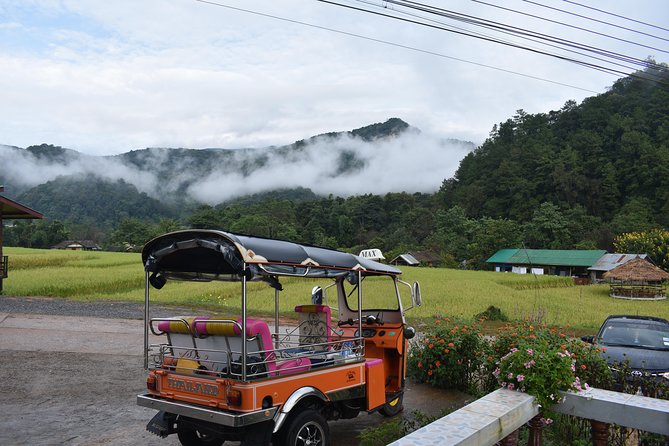
- Your own tuk tuk with driver for the whole adventure, not a short “tuk tuk photo stop”
- Convoy travel that helps you move safely and smoothly between remote areas
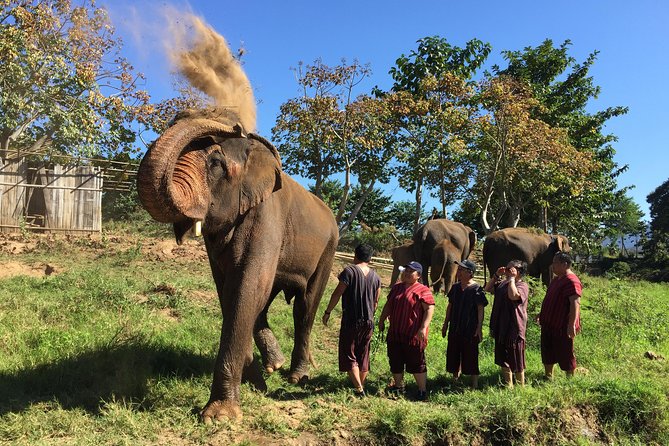
- Elephant day at Maevang Elephant Home, plus the mountain rhythm around it
- Doi Inthanon time in the foothills with a local guide and a walk through forest
- Full meal coverage (4 breakfasts, 4 lunches, 4 dinners), which saves money and planning stress
- Small group size (max 12) so the vibe stays friendly and you’re not lost in a crowd
Mountain tuk tuk travel that actually feels efficient
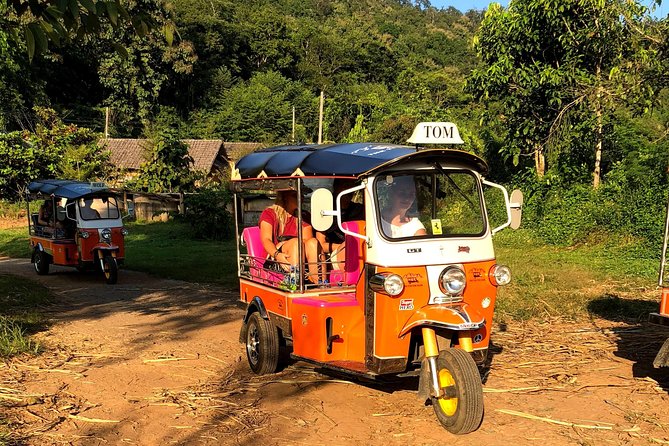
A tuk tuk tour can be either a gimmick or a real transport strategy. This one is the real deal because it uses the tuk tuk as your moving base through Northern Thailand’s smaller roads. You’re not just sightseeing from a parking lot—you’re riding past rice fields, hillside communities, and viewpoints that are easier to access when you’re in a vehicle that can handle narrow routes.
What makes it work for day-to-day sanity is the structure: a guide in the lead, plus everyone moving together. That means less waiting around and fewer “where do we go now?” moments. And since your driver is included throughout, you don’t have to worry about road conditions or timing—your job is to show up, pay attention, and enjoy the ride.
You can also read our reviews of more tours and experiences in Chiang Mai.


Where you start and how the trip is paced
You meet at Chiang Mai Gate Hotel (near Wua Lai Walking Street), with a 10:00 am start time. The tour ends back at the same meeting point, after a morning transfer by private minivan back into the city (about 2 hours).
The pacing is built around mountain geography. You’ll spend time in a base near Mae Wang before heading farther north toward Doi Inthanon, then returning to Chiang Mai. That matters because it reduces the “rush from place to place” feeling and gives the mountains time to sink in.
This is also a group trip with a cap of 12. In practice, that’s the sweet spot: small enough for a personal feel, big enough that the day still has energy.
Day 1: Mae Wang National Park and your first mountain base
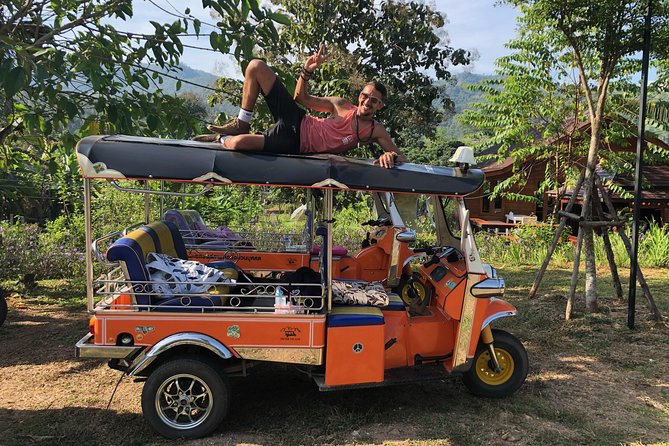
Your first day is anchored close to Mae Wang National Park. You arrive, check into a local hotel, and get your bearings in the foothills—exactly the kind of start that makes the next days easier. After a travel-heavy day, it’s a win that you’re not immediately sprinting to your next stop.
Mae Wang is a smart first move because it’s close enough to Chiang Mai to reduce early fatigue, while still giving you real mountain air and rural scenery. If you’re the type who likes photos but also likes smelling the place you’re in, this sets the tone.
A practical note: day 1 is about settling in, so don’t plan to treat it like a late-night party schedule. You’ll likely want energy for the convoy days ahead.
Day 2: Maevang Elephant Home in the Mae Sapok region
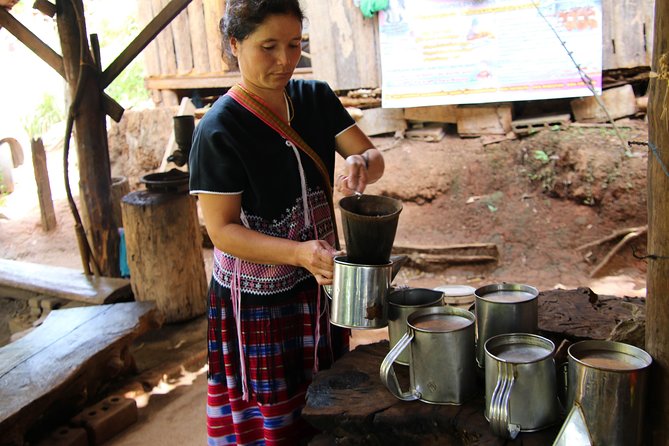
After breakfast you head north in convoy up the valley toward the remote Mae Sapok region, where the highlight is Maevang Elephant Home. This is one of the days that turns the trip from scenic driving into something with emotional weight.
What you should know going in is that an elephant day changes how people experience the whole tour. It tends to become a “memory anchor” that colors everything after—whether you’re fascinated by the animals, learning about local practices, or just appreciating the setting.
Also: this is a long day on the road. Even with a driver, you’ll be in your tuk tuk for stretches, and you’ll want to dress for changing mountain conditions. Light layers help. So do comfortable shoes, since you may do more than just walk straight from one gate to another.
Day 3: Doi Inthanon, then Karen village views at Ban Mae Klang Luang
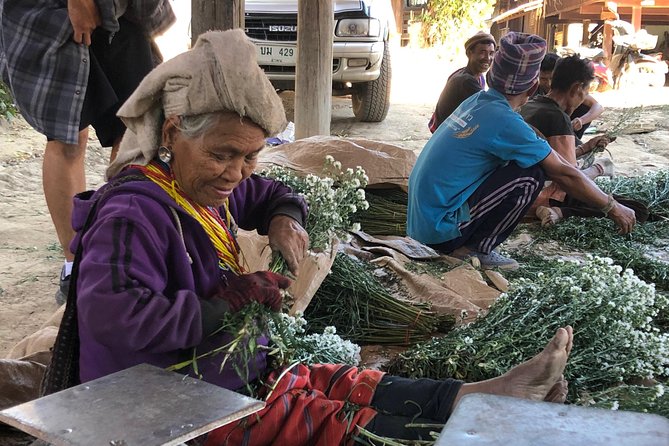
Day 3 pushes toward Thailand’s highest mountain region, Doi Inthanon. You’ll travel along smaller country roads, which is where the tuk tuk shines. Big vehicles can feel awkward on narrow stretches; a tuk tuk feels like it belongs.
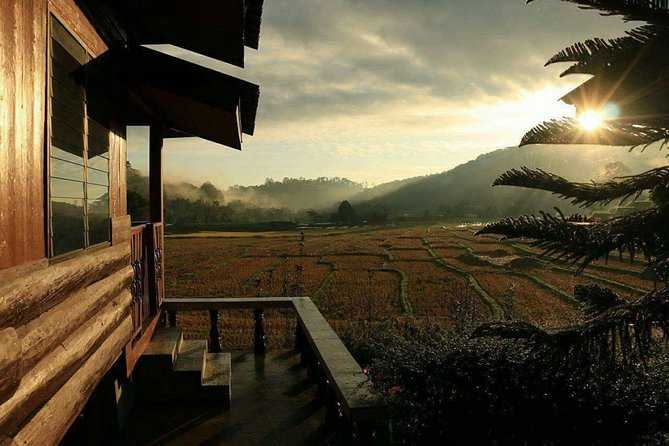
After Doi Inthanon, you spend the night in Ban Mae Klang Luang, described as a scenic Karen village high in the foothills. This is a key “different world” night. Instead of ending your day back at a city-style hotel, you’re sleeping where the views are part of the accommodation experience.
The value here isn’t only the scenery. It’s the rhythm shift. A village stay slows you down. You get time to look around without rushing, and that makes it easier to notice small details like local daily life, not just landmark photos.
You can also read our reviews of more tours and experiences in Chiang Mai
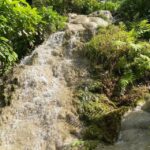

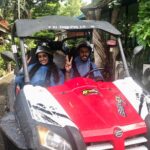
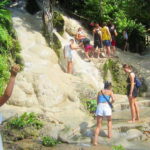
Day 4: Foothills trekking on foot near Doi Inthanon
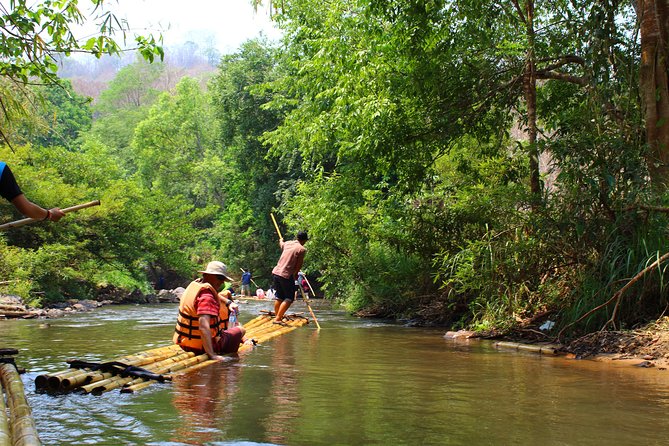
Today is a break from tuk tuk time. The day still starts with transfer by truck, and then you walk up into the forest led by a local guide. This is one of the more active pieces of the trip, even though the overall day is guided and supported.
The best way to think about day 4 is balance: part mountain nature, part cultural context through the guide. A forest walk is not a theme-park stroll. You’ll be moving at a human pace while learning what’s around you.
Drawback to consider: the forest walk makes weather relevant. If it’s wet or cool, the path and footing matter more, and you may feel more tired than on pure driving days. Bring clothes that handle humidity and a small towel or wipes for comfort.
Day 5: Saying goodbye to your tuk tuk and returning to Chiang Mai
Your final morning ends with a transfer by private minivan back to Chiang Mai City. It’s about 2 hours, and then the tour ends back at the meeting point.
This structure is helpful. You don’t end the trip with a long “wrap-up” that turns into a scramble for transport. Instead, you transition cleanly from mountains back to city life while it’s still daylight—useful if you want to do one last night market visit or a casual dinner without stress.
And yes, this is the day where you’ll probably feel a little sad to see the tuk tuk disappear from your routine. That’s normal. Five days with a vehicle that feels part of your group makes it hard to treat it like a one-day novelty.
Food included: where it saves you real money and time
Food is one of the biggest practical wins in this tour. Meals are included: 4 breakfasts, 4 lunches, and 4 dinners. That coverage matters because mountain days can be expensive if you’re constantly stopping for whatever’s nearby.
It also reduces decision fatigue. You don’t have to hunt down a place that’s open, figure out menus, or ask your driver to reroute around food. With a guide and driver handling the schedule, you can spend your energy on the moment.
I also like that included meals make the day smoother if you’re tired from driving. There’s less of the “now what do we do for lunch” friction.
Price and value: is $827.30 per person worth it?
At $827.30 per person, the big question is what you get for the money. The value case here is that the price is built around full transportation and guidance, not a short sightseeing circuit.
You’re paying for:
- A converted tuk tuk and a driver throughout
- A guide who supports your day-to-day movement
- Most meals covered across the five days (4 of each breakfast/lunch/dinner)
- A small group cap (max 12), which helps quality and attention
If you tried to recreate this on your own, you’d likely spend more on transport alone—especially if you’re trying to reach remote regions like Mae Sapok and the Doi Inthanon foothills without losing time. Even with local rides and day tours, stacking multiple transfers adds up fast.
The consideration is that this isn’t a “cheapest option” style trip. It’s a pay-for-convenience trip with real pacing and mountain driving done for you. If you value stress-free access to remote areas, it’s easier to justify.
Who this trip fits best (and who should think twice)
This works best if you want rural Northern Thailand without the headaches of arranging transport, routing, and timing between scattered highlights. It’s also a good choice for families and mixed-age groups, since the trip is described as suitable for most people, with guidance and planned stops.
It might be less ideal if you:
- Hate spending long chunks of time in vehicles
- Have very limited walking tolerance, because day 4 includes walking in the forest
- Want a minimalist, low-structure vacation (this one has a strong schedule and a convoy rhythm)
If you’re curious about driving tuk tuks too, some versions of this company offer self-drive, and that shows up in feedback. But the experience you’re looking at here is the with driver format, which is the simplest way to get the mountain access without extra stress.
Should you book this 5-day tuk tuk adventure with driver?
I’d book it if your goal is real North Thailand time—mountain drives, rural communities, a village night, and guided nature—using a tuk tuk as your main transport. The combination of small group size, driver-led comfort, and meals included makes it feel like a complete package rather than a patchwork of day trips.
I’d pause if you know you struggle with outdoor walking or you’re booking during the sort of weather that makes forest paths tricky. In that case, you can still enjoy the driving and guided stops, but you should plan for a bit of rougher comfort than a city hotel routine.
If you like your travel with structure but not stiffness, and you want a tour that feels built around the road (not against it), this is the kind of trip you’ll remember long after you’ve left Chiang Mai.
FAQ
What is the meeting point and start time?
You meet at Chiang Mai Gate Hotel (Wua Lai Walking Street area) at 10:00 am.
How long is the tour, and where does it end?
The experience runs for about 5 days and ends back at the meeting point in Chiang Mai after a morning private minivan transfer (around 2 hours) back into the city.
What’s included with the with-driver option?
You get your own tuk tuk and an expert driver throughout, plus a guide, and meals: 4 breakfasts, 4 lunches, and 4 dinners.
Are admission tickets included?
The day-by-day details show some stops with admission ticket included and others marked admission ticket free, so it depends on the specific stop.
What group size should I expect?
The tour has a maximum of 12 travelers.
Do I need travel insurance?
Travel insurance is compulsory, so make sure you purchase it before you travel.