REVIEW · CHIANG MAI
Chiang Mai: Traditional Thai Cooking Class with Market Tour
Book on GetYourGuide →Operated by Chiang Mai Smart Cook · Bookable on GetYourGuide
Market to meal in four hours.
This Chiang Mai cooking class turns the local market into real flavor and teaches you the basics behind Thai curry paste. You’ll cook 6 traditional dishes in a friendly, hands-on setup, using ingredients explained step by step by an English-speaking chef and host. One thing to consider: this is a packed 4-hour block, and if you’re not in the mood to get your hands busy, you might feel a little rushed in the kitchen.
What I like most is how practical it is: you learn by doing, not by watching. The other big win is the tasting payoff at the end, when you sit down to enjoy the meal you made. A possible drawback is that the portions can feel just a bit light if you’re hungry for a full dinner, since the focus is on learning and variety rather than an enormous plate of food.
In This Review
- Key things I’d bet on
- Market First: How the Chiang Mai Herbs and Spices Get Real
- A Traditional Lanna Home Kitchen: Getting Hands-On Without Stress
- The 6 Dishes You’ll Cook: Curry Paste and Sticky Rice Stand Out
- Curry paste from scratch
- Sticky rice with mango
- The other dishes
- Where the Flavor Actually Comes From: Herbs, Spices, and Thai Balance
- The Meal at the End: Time to Eat, Not Just to Learn
- Price and Value: Why $32 Can Make Sense in Chiang Mai
- Logistics That Can Make or Break Your Experience
- Who Should Book This Class (and Who Should Skip It)
- Consider skipping if…
- If you’re spice-sensitive
- Should You Book This Chiang Mai Market-to-Meal Cooking Class?
- FAQ
- How long is the Chiang Mai Traditional Thai Cooking Class with Market Tour?
- What’s included in the price?
- What dishes will I learn to cook?
- Do I get the meal included?
- Is alcohol included?
- What language is the instructor?
- Where do I need to be for pickup?
- What should I bring?
- Is this tour suitable for children?
Key things I’d bet on
- Market tour first so herbs, spices, and vegetables make sense before you cook
- Curry paste from scratch with a step-by-step approach you can repeat later
- Lanna home setting in the old city area near Chiang Mai Gate Market
- Hands-on stations set up for you so you can focus on technique
- English instruction with a teacher who explains as you cook
- Not-all-spicy options based on the dishes you choose and how you build flavor
Market First: How the Chiang Mai Herbs and Spices Get Real
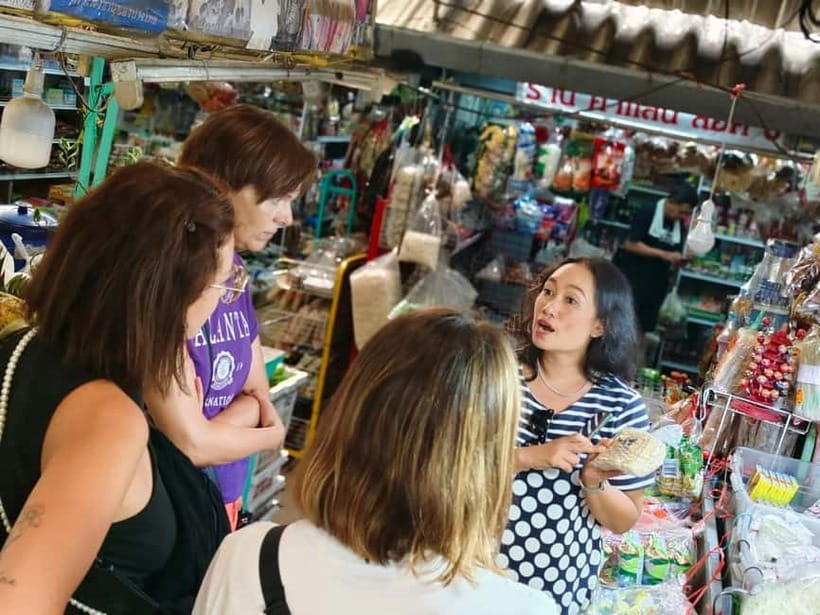
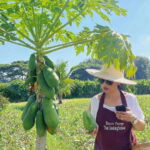
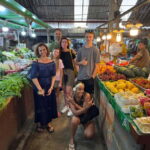
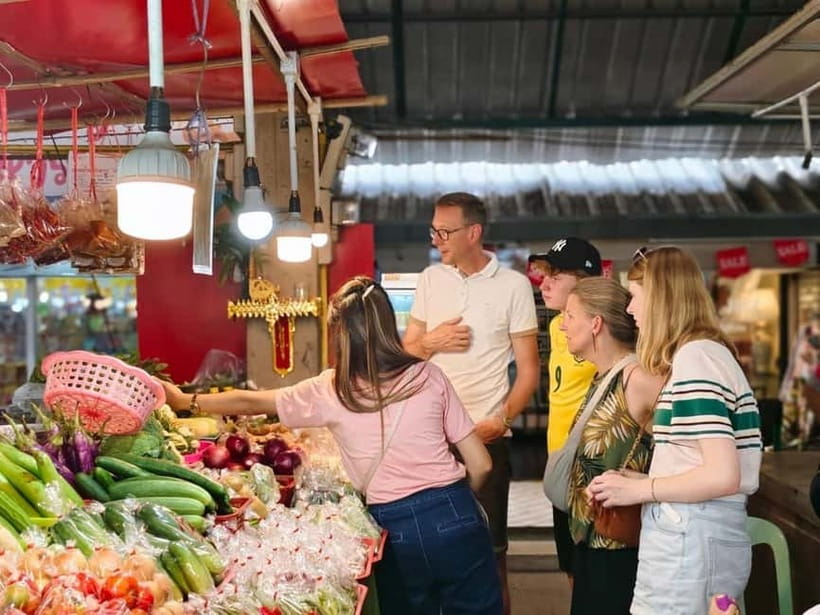
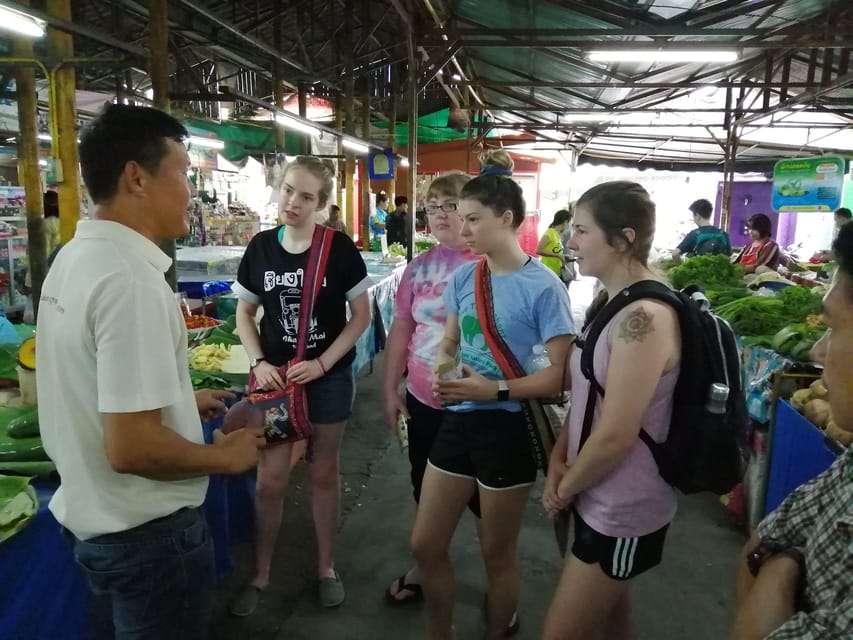
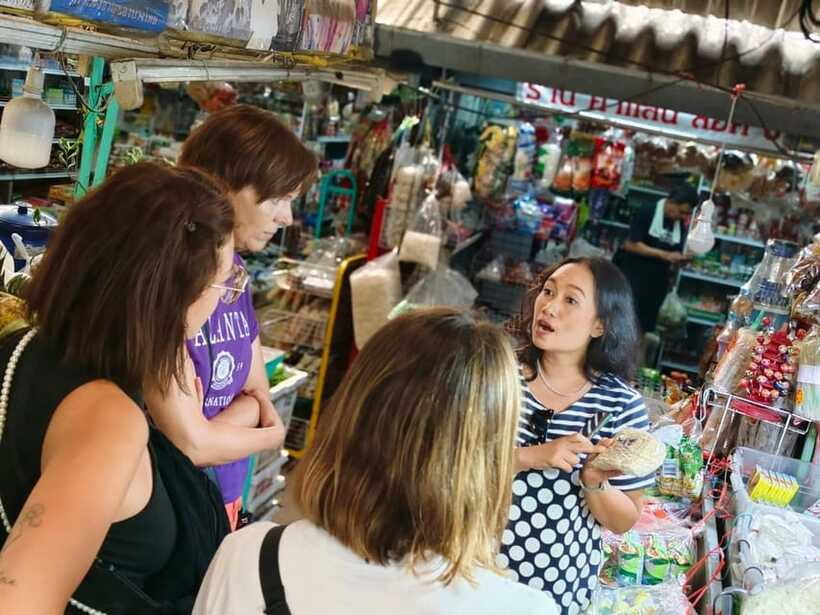
Start your experience in Chiang Mai’s old city area, near Chiang Mai Gate Market. That matters because the market isn’t treated like a quick photo stop. You walk through it with purpose, learning which Thai herbs, spices, and vegetables actually show up in everyday cooking.
You’ll notice that Thai flavor starts with fundamentals: aromatics that smell strong on their own, then transform in a wok or pan. The market tour helps you connect those ingredients to what you’ll taste later. It’s the difference between memorizing a list and understanding why ginger, garlic, fresh herbs, chili, or galangal belong together.
In the kitchen, that understanding shows up fast. People often have the same pattern of reaction: at first you’re thinking about the ingredients. Then suddenly you’re thinking about texture and timing. That shift is exactly what you want if you want to cook Thai food at home without guessing.
If you’re sensitive to heat, you’ll feel better here than in many classes. One of the nice surprises from how the menus are handled is that you can find dishes that aren’t all blazing spicy. The point is learning balance, not forcing chili into everything.
You can also read our reviews of more shopping tours in Chiang Mai

A Traditional Lanna Home Kitchen: Getting Hands-On Without Stress
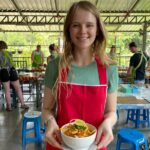
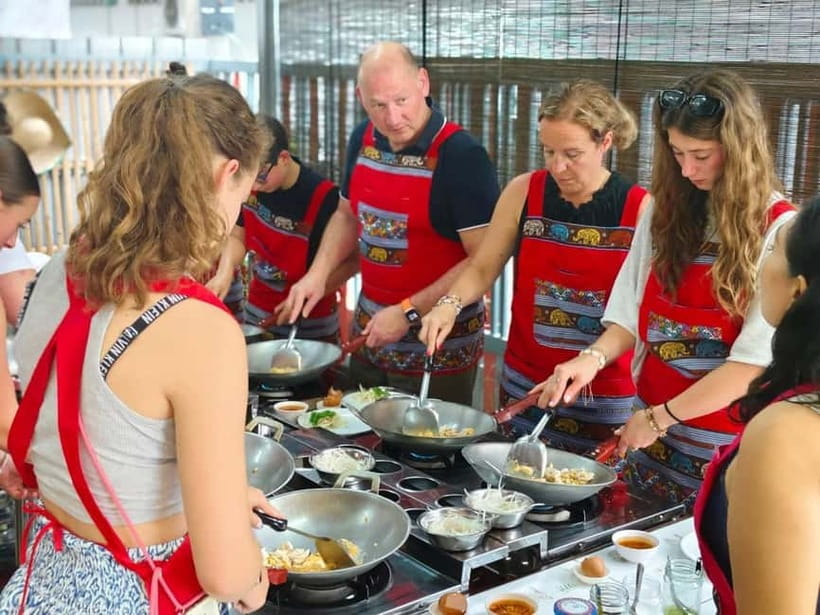
After pickup, you’ll head to a traditional Lanna home kitchen. This isn’t a demo stage where one person cooks and everyone else watches. You cook. You chop, stir, and build. You get direct help while you’re working, which is huge if you’re new to Thai cooking.
What I really like about the way this class is run is the pacing. Even though you’ll cover a lot (6 dishes in about 4 hours), the workflow is set up so you can keep moving without chaos. Your cooking stations are prepared, and there’s support at each step. In plain terms: you spend less time hunting for tools and more time learning technique.
There’s also something comforting about the home setting. It feels like you’re borrowing someone’s kitchen and being taught the family way, not like you’re in a factory class. The atmosphere tends to be upbeat and friendly, and the chefs running the experience are often described as funny, encouraging, and quick to answer questions.
You may meet instructors such as Tu, Tuu, Flook, Wave, Balloon, Mew, Kat, or Ton. The names change depending on your day, but the teaching style stays consistent: clear guidance, hands-on support, and a focus on making you confident enough to repeat it later.
The 6 Dishes You’ll Cook: Curry Paste and Sticky Rice Stand Out
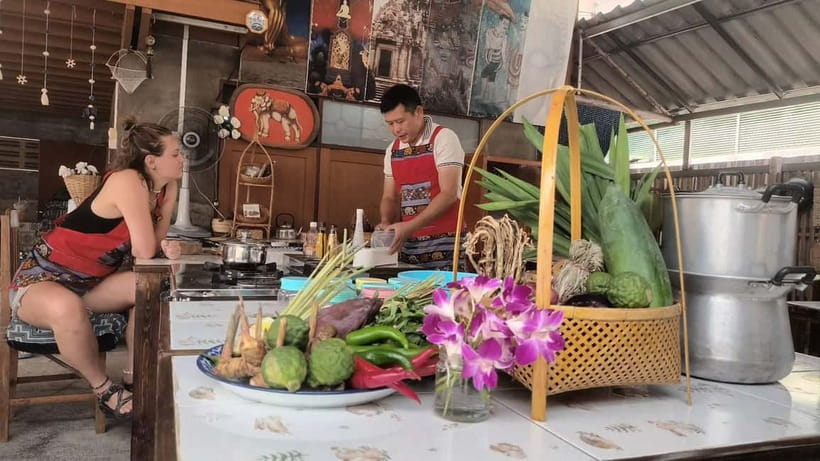
The headline is simple: you’ll cook 6 traditional Thai dishes. The exact menu can vary, but two pieces are consistent in how the class is described: you’ll make curry paste from scratch and you’ll learn how to cook sticky rice with mango.
Curry paste from scratch
This is the technique that separates Thai cooking from shortcut cooking. Store-bought paste can taste good, but making it yourself teaches you what each ingredient contributes. You get practice with combining aromatics and grinding them into a paste that’s fragrant and ready for the next step.
In a good class, curry paste learning includes more than grinding. You should understand what to look for: aroma, texture, and when the paste is ready to be used. This is where you start thinking like a cook instead of like a recipe follower.
If you want Thai food at home that tastes like Thai food, mastering curry paste is your best use of class time.
Sticky rice with mango
Sticky rice with mango is a classic Thai dessert, but the technique matters. You’ll learn how to get the sticky rice right, and how to pair it with the mango and flavor components so it tastes balanced, not just sweet.
This is a great dish for beginners because it’s easy to judge. You can taste your way toward what’s working. When the rice texture is right, everything else makes more sense.
You can also read our reviews of more tours and experiences in Chiang Mai


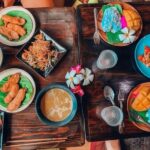
The other dishes
Beyond the curry paste and sticky rice, you’ll cook additional traditional Thai dishes as part of the 6-dish set. The important takeaway for you is not the exact list, but the variety: you’ll practice different flavor profiles and cooking steps, so you’re not only learning one style of Thai food.
If you’re hoping for a class that covers a wide range of techniques, this is the strength here.
Where the Flavor Actually Comes From: Herbs, Spices, and Thai Balance
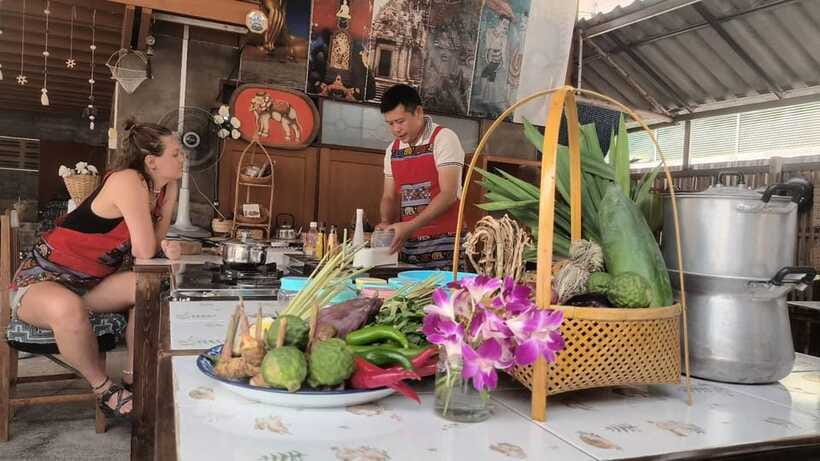
Thai cooking is built on balance. That sounds generic until you’re standing in the kitchen trying to make a paste, then adjusting your ingredients while your chef explains what each component does.
Your market tour supports that learning by giving you context before the chopping starts. Fresh herbs have a different job than dried spices. Chili brings heat, but it can also bring aroma. Aromatics like garlic and ginger act differently depending on whether they’re fresh, toasted, or ground into a paste.
In this class, the chef’s job is to make those differences practical. Instead of you learning by accident at home, you learn the pattern while your hands are already moving.
One more subtle point: Thai cooking often feels forgiving because flavors can be adjusted during cooking. You’re not stuck with one rigid outcome if you understand the logic. That’s what you should aim to carry home: not just recipes, but decision-making.
The Meal at the End: Time to Eat, Not Just to Learn
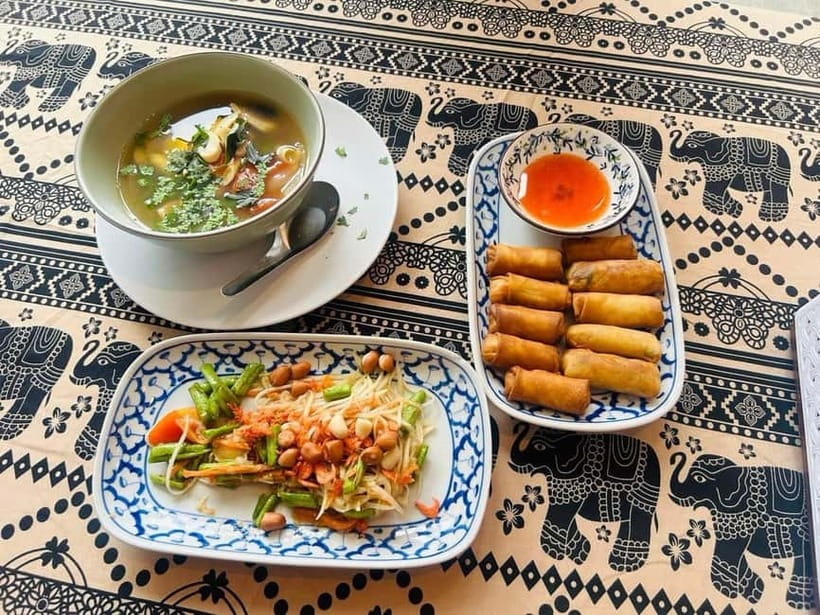
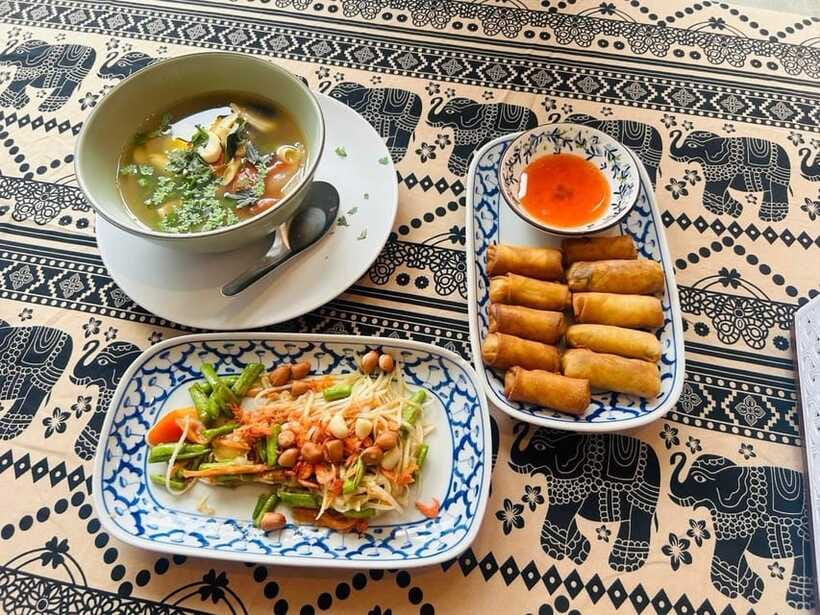
A big part of the value here is that you don’t just cook and walk away. You enjoy a meal made from the dishes you prepared. This matters because Thai cooking is sensory. You learn best when you can connect what you did to how it tastes.
In the kitchen, there’s also a sense of teamwork. Your dishes are handled and organized so you can keep cooking. Some classes set up the rhythm so your food prep and cooking flow stays smooth, and cleanup isn’t the final hurdle. That lets the class end on a relaxed note.
If you’re coming hungry, plan for the meal to be substantial enough to feel satisfied, but not necessarily like a huge restaurant dinner. One concern that can come up is that people can still feel a bit hungry afterwards if they expect the class meal to replace an evening meal completely.
Price and Value: Why $32 Can Make Sense in Chiang Mai
At around $32 per person for a 4-hour class, the value is strongest when you look at what’s included:
- Hotel pickup
- Local market tour
- Ingredient guidance and cooking supplies
- Cooking class for 6 dishes, including curry paste from scratch
- Ingredients for what you cook
- A recipe book
That’s a lot for one afternoon, especially in Chiang Mai where you can easily spend money on tours that only give you a view, not a skill. This class pays you back immediately: you get meals today and cooking ability for later.
Alcohol is not included, and alcohol and drugs aren’t allowed. If you’re the type who wants beer with everything, factor that into your budgeting. Otherwise, you’re basically paying for chef time, ingredients, and the market experience.
The other value angle is confidence. Curry paste from scratch is the kind of skill that, once you know it, makes Thai food feel reachable. It turns you from someone who orders Thai food into someone who can re-create it with ingredients you can find back home.
Logistics That Can Make or Break Your Experience
This tour uses hotel pickup, so you don’t have to figure out transportation or meeting points. You’ll want to be ready in your hotel lobby about 15 to 30 minutes before the scheduled pickup time.
Also note this is described as including transportation. That’s convenient, though it may feel a bit bumpy depending on the vehicle and route. If you get motion-sensitive, it’s worth taking a calm approach and planning to sit back during the ride.
What to bring is simple: comfortable clothes. You’ll be standing and cooking. Closed-toe shoes can help for comfort, even though it’s not explicitly listed. Bring water if you’re the type who gets thirsty easily, but follow any rules your host outlines during the day.
If you have dietary restrictions, you should communicate those when you book or confirm. The class structure includes choice across dishes, and the cooking style allows for different preferences, but you’ll want your specific needs handled clearly.
Who Should Book This Class (and Who Should Skip It)
This works best if you like two things: food and learning with your hands. It’s also a smart pick if you want culture through everyday life, since the Lanna home setting and market tour put you in the flow of local ingredients and habits.
It’s also a good fit for couples and small groups, since people often appreciate the attention they get while cooking.
Consider skipping if…
- You need a relaxing, sit-back tour. This is active.
- You’re bringing very young kids. It’s not suitable for children under 5.
- You expect alcohol to be included. It isn’t.
If you’re spice-sensitive
Good news: not everything is built to be fiery. The dish options and class pacing can help you avoid going too far with chili while still learning the full Thai flavor system.
Should You Book This Chiang Mai Market-to-Meal Cooking Class?
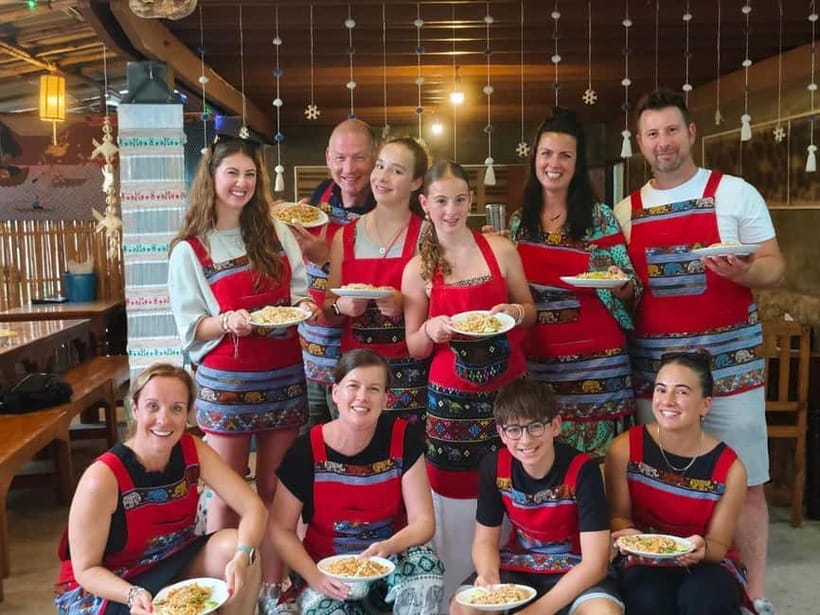
If you want one afternoon that gives you both a cultural ingredient lesson and a real cooking skill, I’d say yes. The standouts are the market tour, the chance to make curry paste from scratch, and ending with the meal you cooked in a real Thai home-kitchen setting.
Book it if:
- You want to cook 6 dishes instead of watching
- You’re excited by Thai herbs, spices, and technique
- You’d like a recipe book so you can repeat the cooking later
- You prefer English instruction and step-by-step help
Think twice if:
- You’re looking for a slow, low-effort tour
- You need a bigger meal replacement right away
- You’re traveling with someone who hates chopping and stirring
Bottom line: for $32 and about 4 hours, this is one of the more skill-forward experiences in Chiang Mai. You leave with full bellies and a much clearer idea of how Thai food is built.
FAQ
How long is the Chiang Mai Traditional Thai Cooking Class with Market Tour?
The class lasts 4 hours.
What’s included in the price?
Hotel pickup, a local market tour, an introduction to Thai herbs, spices, and vegetables, cooking for 6 different dishes (including curry paste from scratch), ingredients, and a recipe book.
What dishes will I learn to cook?
You’ll cook 6 traditional Thai dishes. Two specifically mentioned are curry paste from scratch and sticky rice with mango.
Do I get the meal included?
Yes. You eat the delicious dishes you prepare during the class.
Is alcohol included?
No. Beer and alcohol are not included.
What language is the instructor?
The instructor is English.
Where do I need to be for pickup?
You should wait in the hotel lobby 15 to 30 minutes before your scheduled pickup time.
What should I bring?
Bring comfortable clothes.
Is this tour suitable for children?
It’s not suitable for children under 5 years.