REVIEW · CHIANG MAI
Cooking Morning Class Chiang Mai Visit Organic Garden and Market
Book on Viator →Operated by Siam Garden Cooking School · Bookable on Viator
Eat Thai, then cook it yourself. This Chiang Mai morning class pairs a market visit and an organic garden with a hands-on kitchen where you pick your menu and cook with one person per wok. You also get an English-speaking guide and a full lunch you made yourself.
It’s a 4.5-hour schedule, so this isn’t the kind of activity where you wander slowly on your own. Also note the experience doesn’t list options for infants/visitors, so plan accordingly if you’re traveling with small kids.
In This Review
- Key things that make this class worth your morning
- Market First, Garden Second: how the morning actually flows
- Hotel pickup and getting out of the city
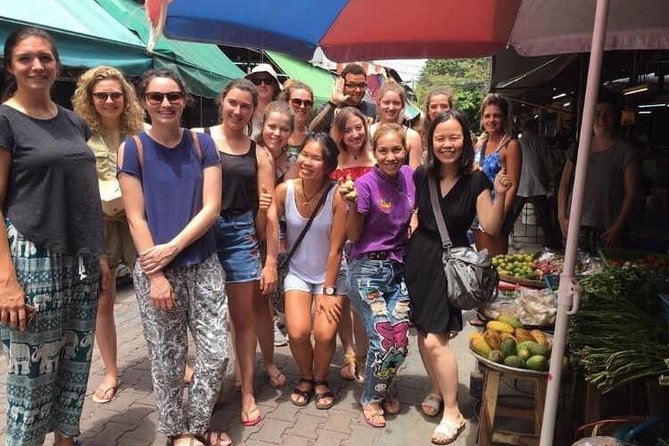
- The local market stop: where Thai flavor starts
- Organic garden time: herbs and ingredients you can recognize
- Six courses, built by you: curry paste to dessert
- Curry paste isn’t a side quest
- The sticky rice with mango connection
- Spice control and dietary needs are part of the system
- How the instructors run the room (and what to expect)
- Where you eat: AC dining room or open-air pavilion
- What’s included for the price (and why it feels like a bargain)
- The real trade-offs: timing, group energy, and your menu choices
- Who this class is best for
- Should you book this Chiang Mai cooking class?
- FAQ
- What time does the cooking class start and end?
- Is hotel pickup and drop-off included?
- What happens during the morning?
- How many dishes do I cook?
- Can I choose vegetarian, vegan, or gluten-free options?
- Is spice level included in the choices?
- Where will I eat lunch?
- What drinks and snacks are included?
- Is alcohol included?
- Is Wi-Fi and a recipe book included?
Key things that make this class worth your morning
- Choose your own six-course menu: appetizer, curry paste, curry, stir-fried dish, soup, and dessert
- Market + organic garden: see ingredients in plant form and learn how they get used in Thai cooking
- One person per wok, one person per mortar: you do the work, not just watch
- Spice control and dietary options: select mild/spicy and menus for vegetarian, vegan, and gluten-free
- Easy hotel pickup (Oldtown): transport from/to select Chiang Mai Oldtown hotels keeps the day stress-free
Market First, Garden Second: how the morning actually flows
This is a structured half-day that hits the ingredients in the order Thai cooks think about them: first you shop, then you harvest, then you cook. The start time is 9:00, with pickup typically running from 9:00–9:30 from select Chiang Mai Oldtown hotels. From there, the day keeps moving—there’s no long free time built in.
You’ll reach the market around 10:00, then continue to the cooking school by about 10:30. After that, you tour the organic garden, and then you cook and eat lunch. The class wraps around 14:00, depending on the group’s pace.
If your goal is learning by doing—chopping, stirring, tasting, and turning raw ingredients into a plated meal—this format works well. If your goal is a slow, leisurely cultural stroll, you might find it a bit time-tight.
You can also read our reviews of more shopping tours in Chiang Mai

Hotel pickup and getting out of the city
One of the easiest parts of this experience is that you don’t have to plan transportation. The class offers pickup and drop-off from select Chiang Mai hotels in the Oldtown area. That matters because Chiang Mai traffic can be chaotic, and you’re giving yourself only a half-day—so shaving off the logistics is real value.
If you’re not in the pickup zone, there’s still a defined start point listed at the Pizza Company in รวมโชค. Either way, you’ll want to be ready at the pickup time so you’re not holding up the group.
Practical tip: wear comfortable shoes. You’ll be moving through a market and then around a garden setting before you start cooking.
The local market stop: where Thai flavor starts
At the market, you’re not just looking at fruit and produce—you’re learning how ingredients behave in Thai food. The focus is on fresh seasonal items and the pieces that build flavor: herbs, produce, and other staples your dishes will depend on later.
What makes this market stop useful is that it connects directly to your menu choices. After you see what’s available, you’ll head into the kitchen ready to pick options for your own six courses. That connection makes the cooking feel less random and more like a guided skill-building session.
You’ll also get time to understand fruits and common ingredients, which is helpful if you’re the kind of cook who likes to recreate flavors at home. Even if you don’t buy anything extra, you’ll come away with a mental map of what to look for when you’re shopping later.
Organic garden time: herbs and ingredients you can recognize
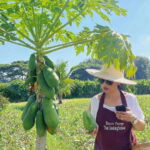
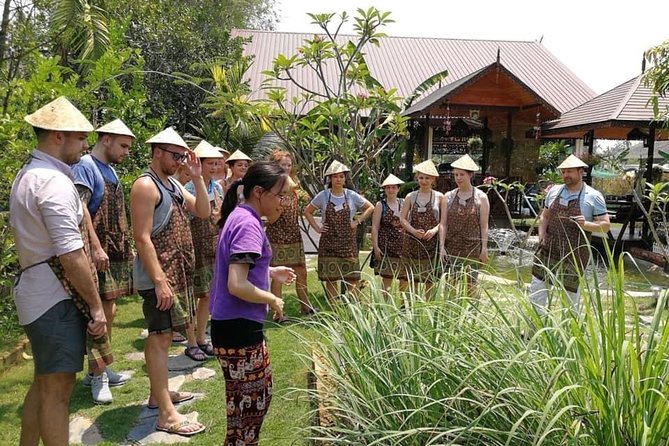
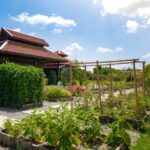
After the market, you arrive at the cooking school and then spend time in their organic garden. This is where the ingredients move from shelf-level to leaf-level—seeing herbs and plants before you cook them is a big learning shortcut.
You’ll pick herbs and use what you find in the garden as part of the meal you’re making. That matters because Thai cooking often depends on specific aromatic leaves and herb profiles, not just sauces.
In the garden area, you’ll also get explanations that help you understand what the ingredients do in a dish—so the lesson isn’t only about steps, it’s about why each ingredient belongs. If you’ve ever had a recipe fail because you used the wrong herb, this garden step is your safety net.
Six courses, built by you: curry paste to dessert
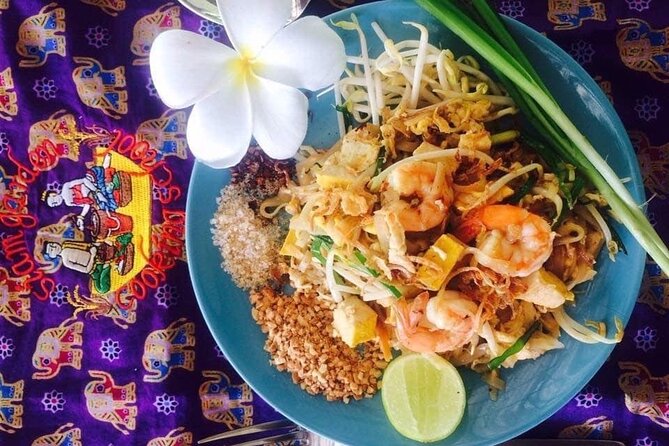
This is the core of the class: hands-on cooking with guidance. You choose a menu item for each of the six course categories:
- Appetizer
- Curry paste
- Curry (from the paste)
- Stir-fried dish
- Soup
- Dessert
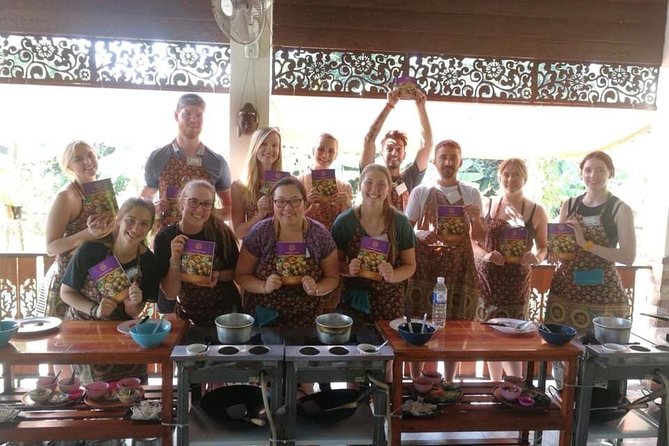
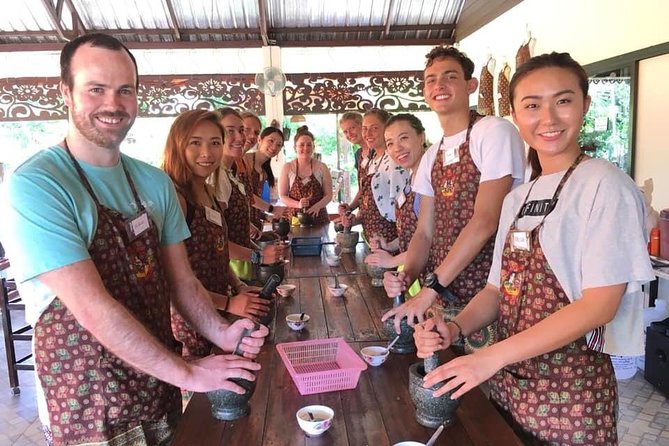
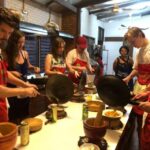
Two details make this class feel hands-on rather than demo-style. First, there’s one person per wok for cooking. Second, you also get to make curry paste using a mortar with one person per mortar. Those are the moments where your time actually turns into skill.
You can also read our reviews of more tours and experiences in Chiang Mai



Curry paste isn’t a side quest
Curry paste is a big deal in Thai cooking, and making it yourself teaches you that it’s not just spice powder. You control the blend and understand how the paste becomes the engine of the curry flavor. Once you taste your own paste later, the rest of the cooking makes more sense.
The sticky rice with mango connection
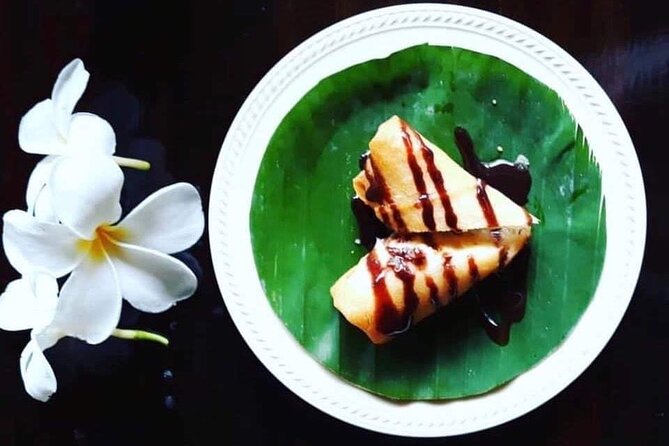
The course includes instruction on how to cook glutinous rice for sticky rice with mango. That’s one of Thailand’s signature combos, and it’s also the kind of dish that’s easy to mess up at home. Having a lesson built into the class gives you a better shot at getting the texture and timing right later.
Spice control and dietary needs are part of the system
You can make your food spicy or mild based on your preference. The class also offers meat, vegetarian, vegan, and gluten-free options, and you’re asked to inform staff during menu selection on the day of the class.
That flexibility is a strong selling point because it means the class is set up for different eaters, not just one default menu. If you’re traveling with someone who doesn’t eat certain foods, this is one of the easier ways to keep everyone cooking the same class experience.
How the instructors run the room (and what to expect)
The teaching style is practical and step-by-step, with English-speaking instruction. Based on the named instructors associated with this school, you might work with teachers such as Gift or Cream, both known for being patient and helpful in the kitchen.
In terms of tone, you may notice a stricter, no-nonsense coaching vibe in the kitchen. Some people find that energizing, like being corrected just enough to get things right. If you prefer ultra-gentle guidance, keep in mind the instructors are focused on pace and technique.
The upside: it’s easy to follow what’s happening. Even when more than one cooking station is running, the system is designed so you’re not lost. Several reviews point to the way staff keep the class flowing, with clear ingredient-by-ingredient direction.
Where you eat: AC dining room or open-air pavilion
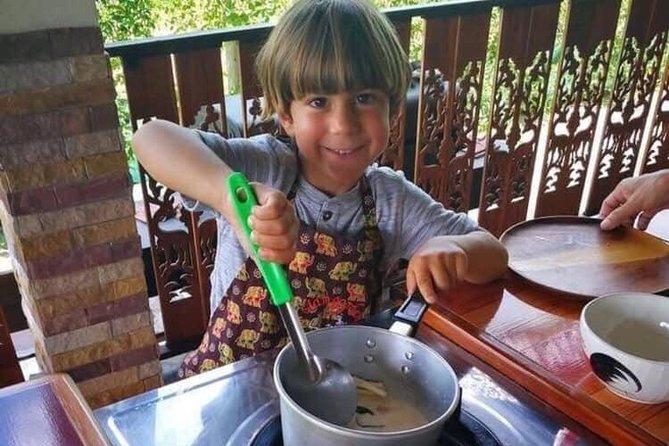
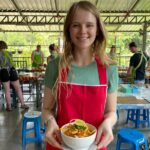
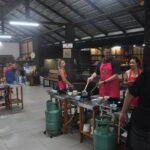
After the cooking, you sit down for lunch. You’ll eat either in a Chiang Mai-styled dining room with air conditioning or in an open-air Thai pavilion by the garden.
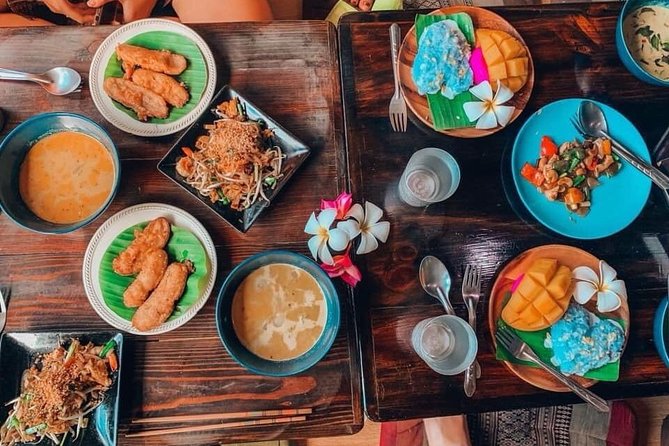
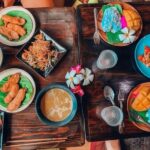
This choice matters more than it sounds. Eating in the pavilion can feel fresher and more atmospheric, while the AC room is a lifesaver if you get heat-sensitive. Either way, you eat what you cooked, which is a nice way to avoid the usual regret of taking food you don’t love.
You also have the option to take away food if you can’t finish everything. And you’ll be served tea, coffee, and drinking water during the class.
What’s included for the price (and why it feels like a bargain)
This class is listed at $13.04 per person, which is low for a morning that includes transport, guided shopping, garden time, all ingredients, and a hands-on cooking session. What makes the price feel especially fair is that you’re not paying only for a meal—you’re paying for structured learning plus lunch.
Here’s what your money covers:
- Market and organic garden visits
- All fresh ingredients for your dishes
- A full cooking setup (including one person per wok and one person per mortar)
- English-speaking instructor guidance
- Tea, coffee, drinking water
- Eating what you cook (or taking it away)
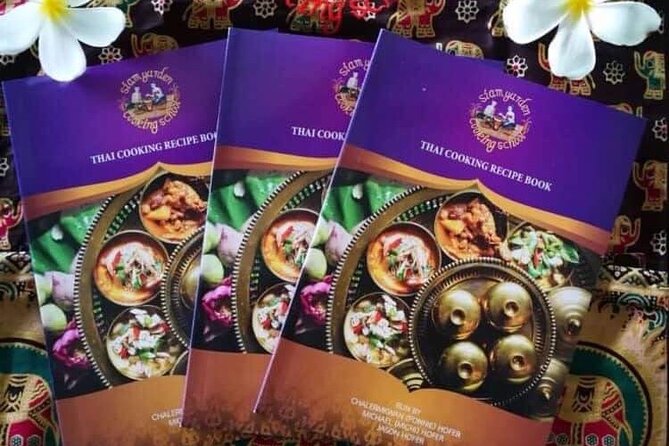
- A full color online recipe book
- Online photo albums
- Free Wi-Fi
- Select Chiang Mai Oldtown hotel transport (pickup/drop-off)
Alcohol is not included, though it can be purchased. So you’re paying for the food and instruction, not for extras.
If you’re the kind of traveler who wants a cooking class that actually changes your home cooking, the hands-on structure is where the value really shows.
The real trade-offs: timing, group energy, and your menu choices
The biggest consideration is time. This is a tightly packed morning class with pickup in the morning and a set ending around the early afternoon. You’ll learn a lot, but you won’t have long stretches for wandering or lingering in the market.
Second, the class runs with organized stations and a guided pace. That’s great for results, but it can feel intense if you like slow breaks between steps.
Finally, you’ll want to think ahead about your dietary needs. The menu supports vegetarian, vegan, and gluten-free options, plus meat alternatives, but you’re expected to communicate restrictions during the menu selection on the day of the class.
If you’re doing this on a day with bad weather, there’s also an important note: the experience requires good weather and can be rescheduled or refunded if conditions are poor.
Who this class is best for
You’ll probably love this if:
- You want to learn Thai cooking by making your own six-course meal
- You care about ingredient quality and want to understand what herbs actually do
- You’re traveling with dietary needs (vegan, vegetarian, gluten-free)
- You like a morning activity that ends before the rest of the day turns into chores
You might skip it if:
- You want a super flexible, slow sightseeing day
- You’re traveling with an infant/visitor and need that included in the experience
- You’re hoping for a long market browse with no cooking schedule pressure
Should you book this Chiang Mai cooking class?
Book it if you want a clear, structured cooking lesson with real hands-on time and a menu you can customize. The combination of market shopping, organic garden herbs, and making curry paste to dessert is exactly the kind of day that sticks with you.
Don’t book it if you hate schedules or you’re looking for a loose, wandering experience. This is a cooking class first, and the ingredients walk is there to support the food you’ll actually cook.
If you’re on the fence, the $13-ish price point plus the included recipe book and photo album makes it a low-risk way to learn Thai cooking in a single morning. Just bring comfortable shoes, decide your spice tolerance, and be ready to cook.
FAQ
What time does the cooking class start and end?
Pickup starts around 9:00–9:30 am, and the class is scheduled for 9:00 am to about 2:00 pm (14:00). The finish time can be a bit earlier or later depending on the group.
Is hotel pickup and drop-off included?
Yes, transport from/to select Chiang Mai Oldtown hotels is included.
What happens during the morning?
You start with pickup, then go to a local market, visit the organic garden at the cooking school, and finally do the hands-on cooking and lunch. It’s designed as one continuous morning flow.
How many dishes do I cook?
You choose items for six course categories: appetizer, curry paste, curry, stir-fried dish, soup, and dessert.
Can I choose vegetarian, vegan, or gluten-free options?
Yes. The class offers meat, vegetarian, vegan, and gluten-free options, and you should inform staff during the menu selection on the day of the class.
Is spice level included in the choices?
Yes. You can make your food spicy or mild based on your preference.
Where will I eat lunch?
You can eat either in an air-conditioned Chiang Mai-styled dining room or in an open-air Thai pavilion by the garden.
What drinks and snacks are included?
The included drinks are tea, coffee, and drinking water.
Is alcohol included?
No. Alcoholic beverages are available to purchase, but they are not included.
Is Wi-Fi and a recipe book included?
Yes. Free Wi-Fi is included, and you’ll receive a full color online recipe book plus online photo albums.