REVIEW · CHIANG MAI
Chiang Mai: Traditional Thai-Akha Cooking Class& Market Tour
Book on GetYourGuide →Operated by Manta Marina Co.,Ldt. · Bookable on GetYourGuide
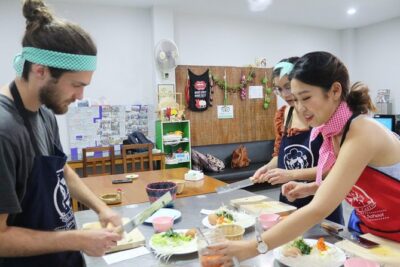
Food lessons meet hill-tribe flavor. This 5–6 hour Chiang Mai experience pairs a local market tour with a hands-on Thai-Akha cooking class at Thai Akha Kitchen. You’ll learn how Thai cooks adapt Akha traditions, not just follow a script.
I particularly like the sheer variety of what you cook, from papaya salad and fried spring rolls to Akha dishes like Sapi Thong (tomato dipping sauce) and Akha soup. You also get a chance to adjust flavors, including how spicy you want things to be, which makes the menu feel personal.
One consideration: the Akha salad includes ground peanuts, so if you have allergies you’ll need to flag them in advance. And since you cook a lot in a short time, plan to bring your appetite and energy, not just your curiosity.
In This Review
- Key highlights worth planning for
- Thai Akha Kitchen: where northern ingredients become real cooking skill
- How the 5–6 hour format really works (and why it’s a good deal)
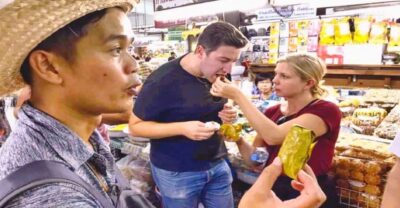
- The market tour: the fast way to understand why northern Thai food tastes different
- Cooking class menu: what you’ll likely make, step by step
- Appetizers: start with bright, crunchy Thai staples
- Desserts: two ways to end on a sweet note
- Akha dishes: the signature part of the day
- Curry and paste: choose one chicken curry path
- Thai soups: choose one to round out your meal
- Stir-fried dish: choose one for texture and speed
- Choosing your heat and taste: the small adjustment that makes a big difference
- Who’s teaching and what that changes in your experience
- What you get to take home: recipe support and practical extras
- Price and value for $41 in Chiang Mai
- Possible drawbacks: the real-world things to watch
- Who this Chiang Mai cooking class suits best (and who should skip)
- Should you book this Thai-Akha cooking class?
- FAQ
- How long is the Chiang Mai Thai-Akha cooking class and market tour?
- What’s included in the $41 per person price?
- Where does the tour take place?
- Does it include hotel pickup?
- What dishes are on the cooking menu?
- Are there options for curry, soup, and stir-fry?
- What languages are used during the class?
- What should I do if I have food allergies?
Key highlights worth planning for

- Market tour first, cooking second: you shop for ingredients before you start chopping and cooking.
- Thai-Akha menu that’s more than Thai basics: Akha tomato dipping sauce, Akha salad, and Akha soup sit alongside classic Thai dishes.
- You choose your curry, soup, and stir-fry: custom flavor paths help you match heat and taste.
- Hands-on pace with lots of dishes: expect to make a full set, not just one or two showpieces.
- Take-home recipe support: you receive a recipe set and cookbook-style materials, plus spices in some sessions.
- Hotel pickup included: you start and end with fewer hassles in Chiang Mai.
Thai Akha Kitchen: where northern ingredients become real cooking skill
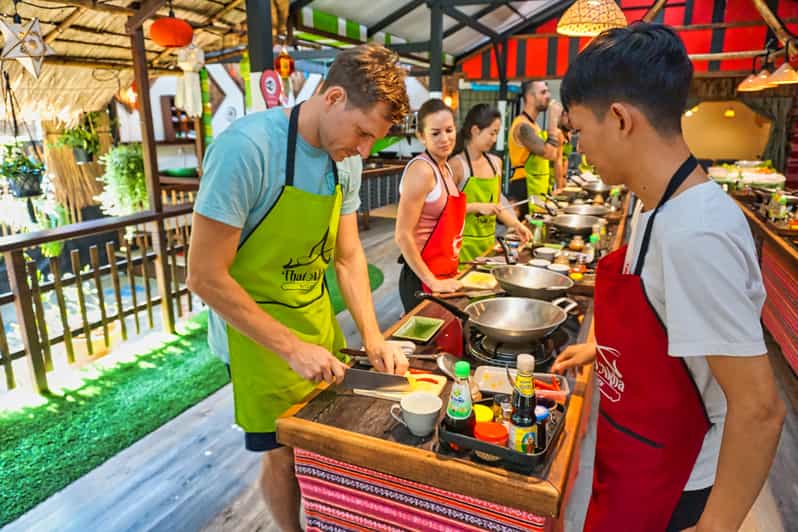
This class is built around the idea that food makes more sense when you see the ingredients up close first. You start with a market tour, then you move to the kitchen to cook using what you chose, not whatever a kitchen already has prepped.
What makes it special is the Thai-Akha blend. The Akha people are hill-tribe descendants in northern Thailand, with roots tied to migration in the early 1900s, and their cooking traditions focus on freshness, health, and sustainability. In practice, that means you’re not only learning Thai flavor profiles—you’re learning how Akha-inspired dishes fit into a Thai meal.
You can also read our reviews of more shopping tours in Chiang Mai

How the 5–6 hour format really works (and why it’s a good deal)
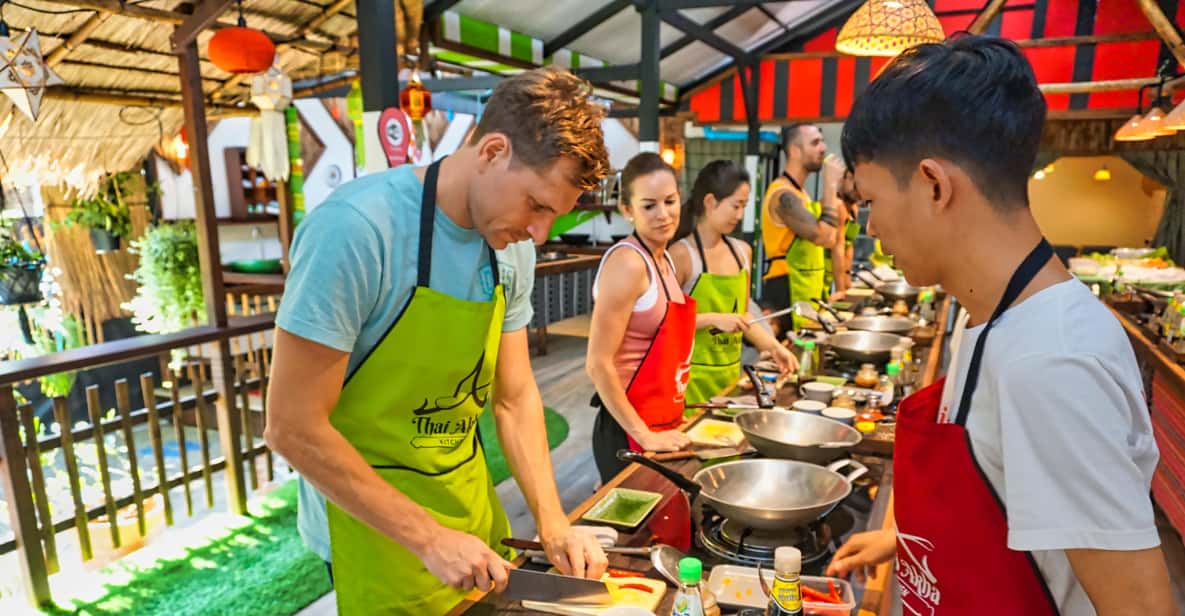
You’re looking at a half-day experience, usually listed as 5–6 hours. That matters because it hits the sweet spot: long enough to cook multiple dishes and still return to Chiang Mai without eating up your whole day.
Hotel pickup is included, which removes the usual friction of cooking classes. If you’re short on time or you don’t want to think about transport, this is the kind of tour that keeps your day simple.
The drawback of a longer menu is mental load. You’ll cook a lot, so if you’re the type who likes a slow class with lots of breathing room, you might find this one intense. The flip side is you’ll leave with more techniques than you expected.
The market tour: the fast way to understand why northern Thai food tastes different
The market part isn’t there for sightseeing. It’s there so you can taste the logic of the cooking later.
During the market tour, you’ll see and pick out fresh ingredients that show up across the menu. That includes everyday things Thai cooks use to build flavor—herbs, citrus, chilies, aromatics, and the crunchy bits that give salads and sauces their bite.
This also helps you notice the difference between ingredients that are truly fresh and ingredients that have been sitting around too long. When you cook after shopping, you tend to respect timing more, like adding something at the end so it keeps its punch.
Cooking class menu: what you’ll likely make, step by step
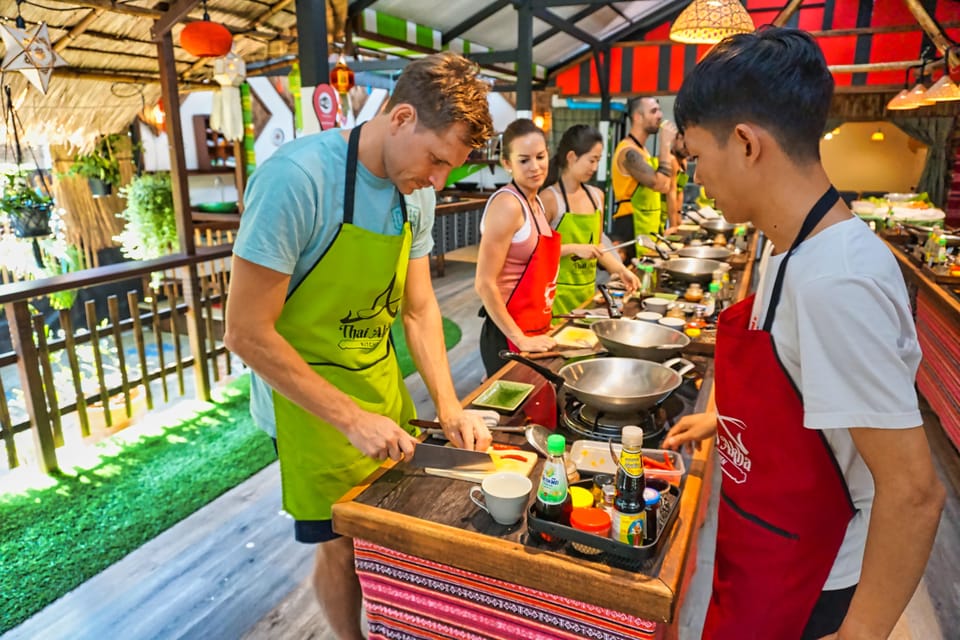
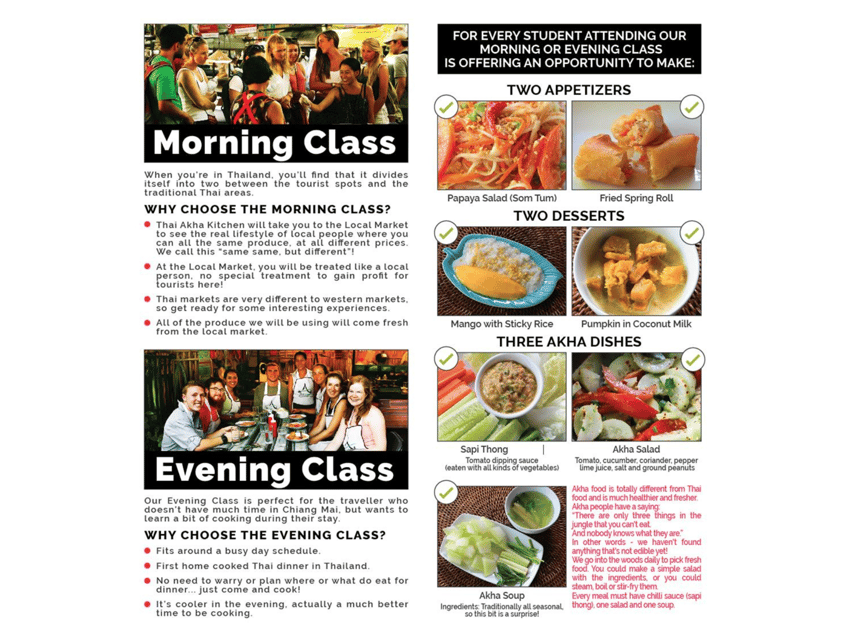
The menu is structured in layers, and that’s useful. You learn the meal in chunks: appetizers, desserts, Akha dishes, then a few choices for the main savory arc.
Appetizers: start with bright, crunchy Thai staples
You’ll make Papaya Salad and Fried Spring Roll as the appetizer course. Papaya salad teaches you balance—sweet, sour, salty, and heat—plus how to work herbs and dressing so everything stays sharp. Spring rolls teach texture and wrapping basics, which are handy if you want to cook Thai food at home later.
You can also read our reviews of more tours and experiences in Chiang Mai


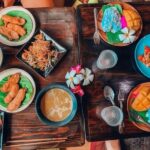
Desserts: two ways to end on a sweet note
For dessert, the menu includes Mango with Sticky Rice and Pumpkin in Coconut Milk. These are classic Thailand comfort desserts, and the value here is practical: you learn how coconut milk flavors work when they’re not just a background ingredient. You also get a feel for portion and sweetness, since dessert is where Thai flavor can swing from mild to rich fast.
Akha dishes: the signature part of the day
This is where the class earns its name.
You’ll cook:
- Sapi Thong (Tomato Dipping Sauce)
- Akha Salad (tomato, cucumber, coriander, pepper, lime juice, salt, and ground peanuts)
- Akha Soup
If you want something you can’t just replicate from a standard Thai cooking class, this section is it. The Akha salad in particular is worth paying attention to because it uses a mix of fresh veg, citrus, and peanuts for a flavor that’s both lively and filling. If you’re spice-sensitive, this is a good time to tell your instructor early how you want the heat handled.
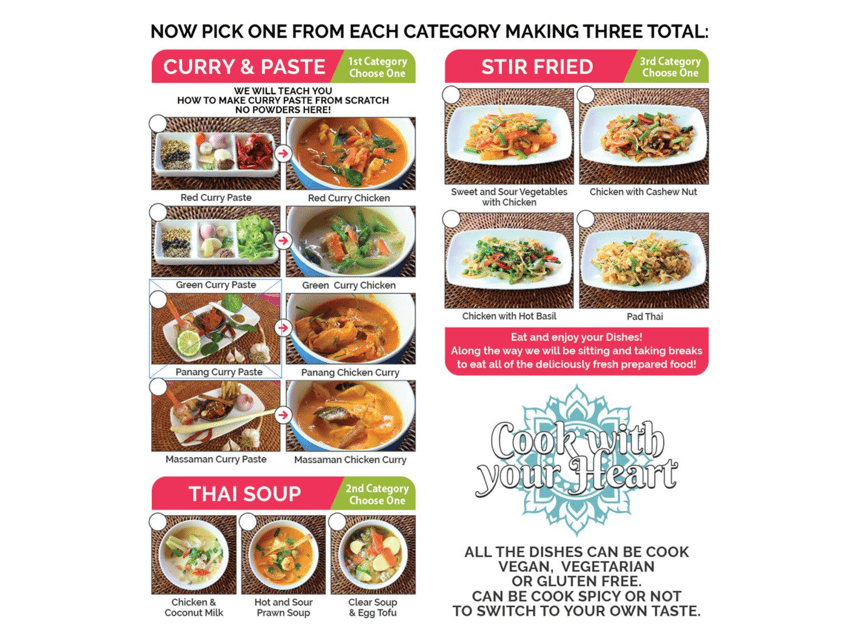
Curry and paste: choose one chicken curry path
For curry/paste, you choose one from:
- Red Curry Chicken
- Green Curry Chicken
- Panang Chicken Curry
- Massaman Chicken Curry
This choice matters because each curry teaches a different backbone. Red and green tend to feel sharper and more chili-forward, while Panang often leans toward richer, thicker curry style. Massaman usually gives you a different sweetness-and-spice balance, which helps you understand why Thai curry isn’t just one flavor.
Thai soups: choose one to round out your meal
You also choose one soup from:
- Chicken and Coconut Milk
- Hot and Sour Prawn Soup
- Clear Soup with Egg Tofu
This part is a smart way to learn Thai meal structure. Soup isn’t only about warmth; it’s about cleaning the palate and carrying a different set of flavors—coconut richness, sourness and heat, or lighter clarity with tofu and egg.
Stir-fried dish: choose one for texture and speed
Finally, you choose one stir-fry from:
- Sweet and Sour Vegetables and Chicken
- Chicken with Hot Basil
- Chicken with Cashew Nut
- Pad Thai
If you want to take home skills that work fast on a weeknight, this ending is a strong payoff. Hot basil and cashew nut stir-fries teach browning and wok timing, while Pad Thai teaches a full mix of sauce coordination.
Choosing your heat and taste: the small adjustment that makes a big difference
One of the best parts of this class is that you’re not locked into one idea of spicy. In at least one session, the class adapted dishes to match the group’s spice preferences, while still keeping the core flavors intact.
So here’s the practical move for you: tell the instructor early where you land on heat. If you like mild, say so at the start. If you love heat, ask what to do to keep it strong without turning the dish harsh.
This is one of those experiences where small instructions help you get much better results later when you cook at home. You’ll remember not only ingredients, but also how to steer them.
Who’s teaching and what that changes in your experience
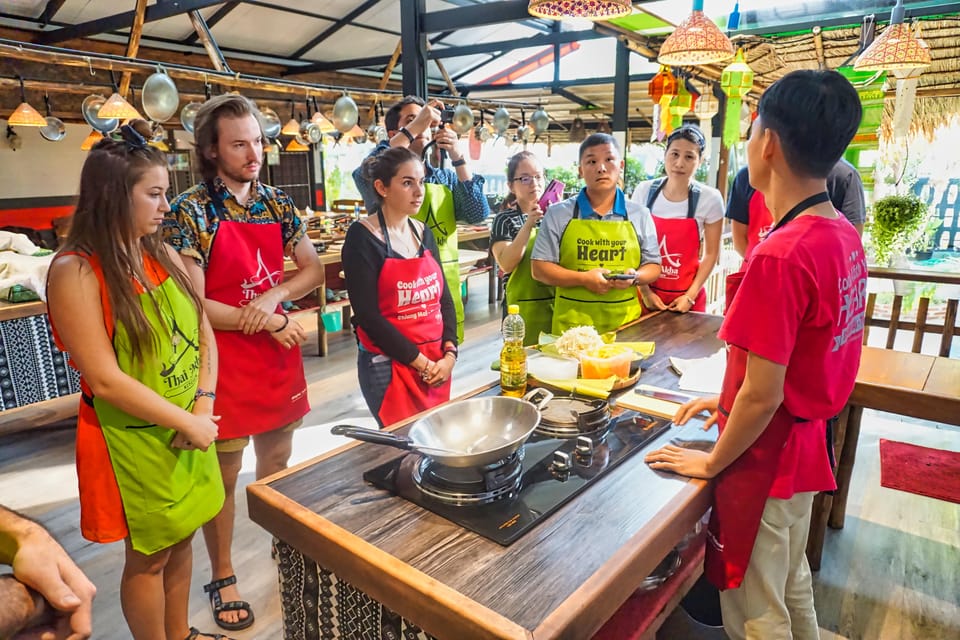
The class uses an English/Thai instructor. That bilingual setup is useful because Thai cooking has lots of small steps that are easier when you can ask questions in a language you’re comfortable with.
The most consistently praised thing in the feedback is teacher energy and clarity. People specifically highlighted instructors like An, and also mentioned Xuan and Evelyn as fun, welcoming, and helpful.
That matters because cooking classes live or die on pacing. When the instructor explains clearly and keeps the group moving, you end up with both learning and enjoyment.
What you get to take home: recipe support and practical extras
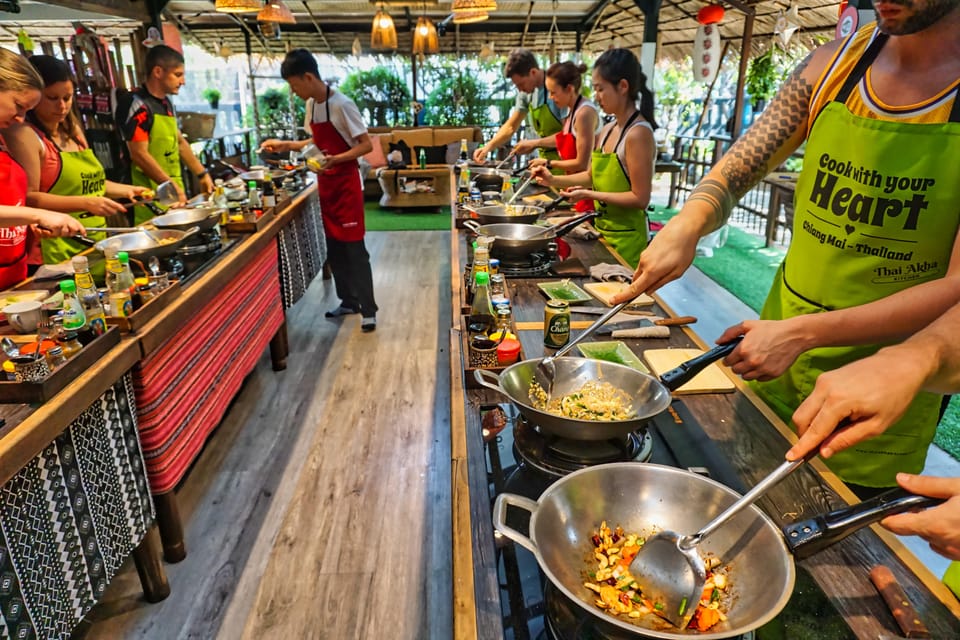
You’ll receive:
- a recipe
- a cookbook
- materials connected to the ingredients used
That’s more useful than it sounds. When you cook dishes again later, having the steps and ingredient cues in writing saves you from guessing. Reviews also mention receiving spices along with the recipe materials, which is a nice bonus if you want to recreate flavors without hunting everything down from scratch.
Also, the ingredients are described as organic. I can’t claim what that means in every context, but it does suggest a focus on ingredient quality, and in a cooking class that directly affects flavor.
Price and value for $41 in Chiang Mai
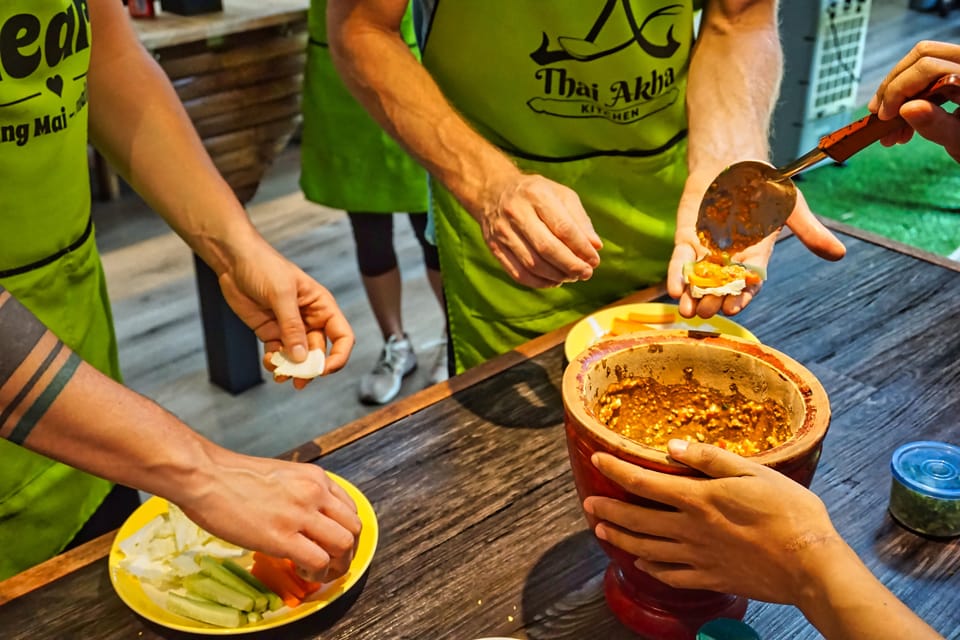
At about $41 per person for roughly 5–6 hours, this is good value if you want both a market experience and real cooking time. You’re not paying just for a kitchen workshop; you’re paying for a market tour plus cooking sessions plus take-home recipes and ingredients.
The hotel pickup matters for value too. Transport costs in Chiang Mai can eat into a “cheap” activity fast, so a pickup-included class keeps your total day cost cleaner.
In other words, you’re buying a full food arc: ingredients → cooking → eating → take-home materials. If that matches what you want from Chiang Mai, the price feels fair.
Possible drawbacks: the real-world things to watch
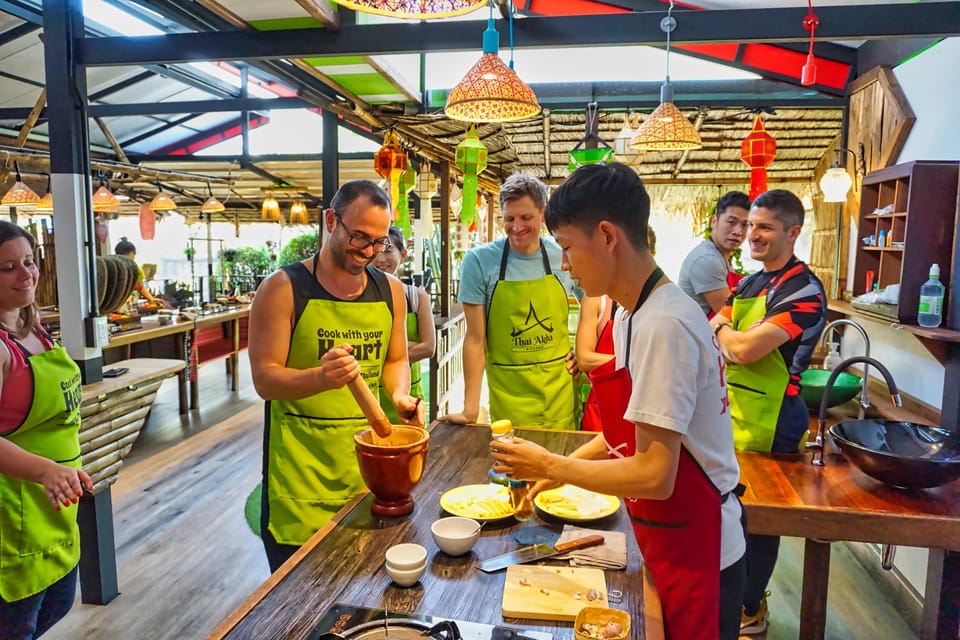
This class is heavy on dishes, which is a plus for most people. The trade-off is you may feel rushed if you’re slow at chopping or you want to linger over every step.
Also watch allergies. The Akha salad includes ground peanuts, and the class asks you to inform them of food allergies in advance. If you’re not sure about cross-contact or ingredients in curry pastes, this is the moment to ask.
Who this Chiang Mai cooking class suits best (and who should skip)
You’ll likely love this if you:
- want a market tour plus cooking in one package
- like Thai food but want an added Akha angle
- want to leave with a written recipe set and the confidence to cook again
You might skip it if you:
- want a low-key, slow class with minimal cooking volume
- have complex allergies and don’t want to do extra pre-planning
- prefer a class that focuses on only one dish type
Should you book this Thai-Akha cooking class?
If you want a true northern-flavor learning day, I’d book it. The menu is broad, the market component gives the ingredients meaning, and the take-home recipe materials make it more than a one-night experience.
My decision rule is simple: if you’d rather spend your Chiang Mai time learning food than just chasing sights, this fits. And if you’re excited by Thai cooking plus Akha specialties like Sapi Thong and Akha soup, you’re exactly the kind of person who will leave satisfied.
FAQ
How long is the Chiang Mai Thai-Akha cooking class and market tour?
The duration is listed as 5 to 6 hours.
What’s included in the $41 per person price?
It includes the cooking session, the local market tour session, recipe materials, a cook book, organic ingredients, and hotel pickup from Chiang Mai.
Where does the tour take place?
It takes place in Chiang Mai Province, Thailand.
Does it include hotel pickup?
Yes. Pickup from your Chiang Mai hotel is included.
What dishes are on the cooking menu?
The menu includes appetizers such as papaya salad and fried spring rolls, desserts like mango with sticky rice and pumpkin in coconut milk, Akha dishes including Sapi Thong, Akha salad, and Akha soup, plus choices for curry, soup, and stir-fry.
Are there options for curry, soup, and stir-fry?
Yes. You choose one curry chicken dish, one Thai soup, and one stir-fried dish from the listed options.
What languages are used during the class?
The instructor offers English and Thai.
What should I do if I have food allergies?
Inform the activity provider in advance of any food allergies via email or WhatsApp.