Thai cooking starts with a good market walk. The Rice Barn Thai Cooking Farm in Chiang Mai makes it clear why Thai food tastes so different: it comes down to fresh ingredients used at the right moment.
I especially like the market-to-kitchen flow and the fact that the class is truly hands-on at your own station. One thing to consider: alcohol isn’t included, and you’ll likely want extra cash in Thai baht for drinks or small add-ons.
Key things I’d circle before booking
- Market tour first so you understand what you’re buying and why it matters for flavor
- Hands-on cooking at your own station (no watching from the sidelines)
- Five-course style menus so you get variety instead of just one dish
- Small group size (max 20) which helps the instructors keep an eye on your technique
- Pickup and air-conditioned vehicle to keep the start and finish easy
In This Review
- Rice Barn Thai Cooking Farm in Chiang Mai: value and what you’re actually signing up for
- Market tour: learning Thai flavors before you start cooking
- Back in the kitchen: five different menus, real hands-on work
- Your instructors: fun energy plus useful technique
- 6 hours in Chiang Mai: how the timing usually feels in practice
- Included details that keep the day smooth
- Price and logistics: why $29.35 feels fair (and when it might not)
- Who this cooking class suits best (and who should skip it)
- Should you book Rice Barn Thai Cooking Farm?
- FAQ
- How long is the cooking course?
- Is pickup offered?
- What’s included in the price?
- Do I need cooking experience?
- Can I choose what to cook?
- Is alcohol included?
- What group size should I expect?
- Where is the meeting point?
- Can I cancel for a refund?
Rice Barn Thai Cooking Farm in Chiang Mai: value and what you’re actually signing up for
For $29.35 per person and about 6 hours, this is a practical Thai cooking class built around one big promise: you cook, you eat, and you learn the logic behind Thai flavors. It’s not just a quick demo. Each person works from their own station, which changes the whole experience.
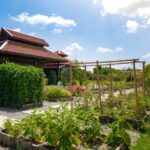
The setting matters too. The class takes you out for the market, then back to a comfortable kitchen. That shift is useful: you see ingredients in the real world, then you use them in real cooking conditions. And because you’re moving from ingredient choices to finished dishes, it’s easier to remember what to do when you try again at home.
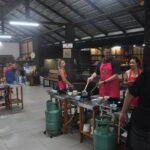
Group size is capped at 20, so you’re not stuck in a huge crowd while trying to ask a question. You can expect a more “show me, then try it” rhythm.
The one caution I’d flag upfront: if you like pairing meals with drinks, plan for that cost. Alcoholic beverages are not included, though you can buy them at the cooking school. Also, reviews suggest bringing Thai baht cash for a few extra things.
Market tour: learning Thai flavors before you start cooking
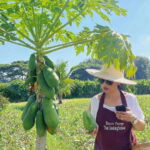
A big part of why Thai food tastes right (or doesn’t) is timing and ingredient freshness. This course builds that understanding by starting with the market. You’ll follow along as your teacher walks you through what matters—ingredients that shape sweet, salty, sour, and spicy balance.
I like this approach because it turns cooking from a list of steps into a set of choices. In a restaurant, you don’t get to ask which herbs were used today or why one brand of paste tastes different. Here, you can see and learn what’s essential in Thai-style cooking and how those ingredients work together.
You’ll also pick up practical context: how some ingredients are used for aroma, how others add depth, and why the same dish can taste different if the ingredient timing changes. That’s the real secret behind your future home-cooking success.
One more thing: the market part also makes the class feel like a Chiang Mai experience, not just a cooking studio activity. You’re out in the local ingredient ecosystem, which makes the whole day more grounded.
You can also read our reviews of more cooking classes in Chiang Mai


Back in the kitchen: five different menus, real hands-on work
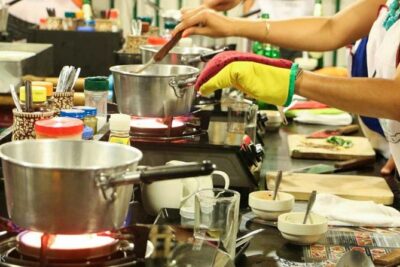
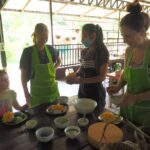
After the market, you head back to the kitchen and start cooking. The class is hands-on, and each person “commands” their own cooking station. That wording is important: you shouldn’t expect a hands-off lecture where you just watch someone else chop.
Instead, you’ll get help as you prepare multiple Thai dishes. The course format is built around variety—there are five different menus to choose from. That’s a great value angle, because you’re not paying for one dish you could probably replicate from a single recipe video. You’ll learn multiple dishes and likely multiple techniques.
Even if you’ve never cooked Thai food before, this setup works. The class is designed so you don’t need prior cooking experience. And because everyone has a station, it feels more like learning a skill than attending a show.
A practical note: your pacing will matter. With hands-on cooking, you’ll want to listen carefully when your instructor explains timing—Thai cooking often turns fast. If you keep your station moving (and don’t get stuck hovering over your chopping board), you’ll get the most out of the 6-hour schedule.
Your instructors: fun energy plus useful technique
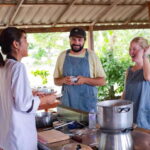
The instructors are a big reason this class gets such a high rating. You can expect humor and lots of engagement—one highlight that comes up again and again is how funny and motivating the teaching style feels. When people laugh, they remember.
But it’s not comedy for comedy’s sake. The best cooking classes do two things at once: they keep you relaxed and they correct your technique before your food goes off the rails. This one seems to do that. You’ll be guided through the process and helped to build confidence so you can recreate the dishes later.
If you’re the type who gets nervous about messing up meals, this style helps. The goal isn’t perfection on the first try. It’s learning the steps, understanding ingredient roles, and leaving with the confidence to repeat.
Also, because the group is limited (max 20), the instructor attention is less scattered than in massive classes. You’ll likely feel comfortable asking questions when something doesn’t look right.
6 hours in Chiang Mai: how the timing usually feels in practice
The course runs about 6 hours, and the structure is pretty logical: market first, then cooking and finishing with the meals you prepared. You’ll spend enough time at the market to learn ingredients without losing the day to wandering.
Back at the kitchen, the time becomes more action-based. You’ll be switching between dishes, working in sequence, and following along with guidance. This is where the hands-on setup matters most: you need time to chop, mix, taste, adjust, and cook.
Included refreshments help too. Coffee and/or tea are part of the deal, which is a welcome buffer if you’re starting in the morning or if your day has already included temple visits and walking.
One practical planning tip: eat lightly beforehand if you can. Even though the food is part of the experience, you’ll enjoy it more if you’re not already full when cooking starts.
Included details that keep the day smooth
This experience includes a few key items that turn a cooking class into a real, low-stress outing:
- Food and materials: you’re not paying extra for ingredients at the station
- Coffee and/or tea: a small comfort that helps the day feel complete
- Air-conditioned vehicle: you avoid the heat grind in and out of Chiang Mai during the morning or evening schedule
Pickup is also offered, and the class ends back at the meeting point. That hotel-friendly approach matters because cooking classes can be annoying to reach. Here, the transport support helps you spend your energy learning, not navigating.
You’ll also receive a mobile ticket, and confirmation happens at booking time.
You can also read our reviews of more tours and experiences in Chiang Mai

Price and logistics: why $29.35 feels fair (and when it might not)
At $29.35 per person for about 6 hours, this offers good value for three reasons.
First, it’s genuinely hands-on. If you had to pay a similar price for a demo-only class, you’d get less out of it. Here, your station time is the point.
Second, you’re getting variety. Five different menus and multiple dishes means you leave with more than one recipe to practice.
Third, ingredients and materials are included. Thai cooking classes can nickel-and-dime you with “ingredient fees.” This one builds those basics into the price.
When it might not feel like the best deal: if you want alcohol included automatically, you’ll have extra costs since alcohol isn’t part of the package. Also, if you don’t care about market context at all and only want a one-off cooking lesson, you might prefer a shorter class. But if you want a bigger learning arc, this works well.
One small budgeting tip from the review vibe: bring Thai baht cash for a few extra things, especially if you want drinks or minor add-ons.
Who this cooking class suits best (and who should skip it)
This is ideal for you if:
- you want a Thai cooking class in Chiang Mai that actually teaches, not just performs
- you like learning how ingredients behave, not just copying a recipe
- you enjoy interactive cooking where you get a station and work through dishes
- you want an activity with light structure and good energy—market first, then cooking
It may be less ideal if:
- you’re only after a very short experience and don’t want to spend most of a half-day cooking
- you strongly prefer food and drinks packaged as a full all-in-one meal plan (since alcohol isn’t included)
The small group size also makes it a good pick for couples and friends who like a class that doesn’t feel like a factory line.
Should you book Rice Barn Thai Cooking Farm?
If you’re looking for a hands-on Thai cooking class in Chiang Mai that combines a market tour with real kitchen time, I think you’ll feel happy with this choice. The ingredients-first approach helps Thai flavors click, and the station-by-station format is the kind of setup that actually builds confidence for cooking back home.
Book it if you want five-dish variety, fun teaching energy, and a class capped at a manageable size. Consider bringing Thai baht cash for extras, and plan for alcohol to be something you buy separately.
If you want one takeaway that makes this worth your time, it’s this: you learn how to think like a cook in Thailand—what to buy, when to use it, and how to make the flavors balance.
FAQ
How long is the cooking course?
It runs about 6 hours.
Is pickup offered?
Yes, pickup is offered, and you’re returned back to the meeting point at the end.
What’s included in the price?
Coffee and/or tea, food and cooking materials, and an air-conditioned vehicle are included.
Do I need cooking experience?
No cooking experience is needed. The course is taught so you can follow along and cook with guidance.
Can I choose what to cook?
Yes. You can choose from five different and varied menus.
Is alcohol included?
No. Alcoholic beverages are not included, though you can buy them at the cooking school.
What group size should I expect?
The activity has a maximum of 20 travelers.
Where is the meeting point?
The start point is The Rice Barn Thai Cooking Farm Chiangmai, 3 100 Tambon San Phi Suea, อ.เมือง Chang Wat Chiang Mai 50300, Thailand.
Can I cancel for a refund?
Yes. Free cancellation is available, and you can cancel up to 24 hours in advance for a full refund.