REVIEW · MUANG CHIANG MAI
Chiang Mai: Thai Cooking and Market Tour with Lanna Smile
Book on GetYourGuide →Operated by Lanna Smile Thai cooking · Bookable on GetYourGuide
Five hours can change how you taste Thai food. Lanna Smile ties a fresh market tour to hands-on cooking in a classic Lanna-style kitchen, so you learn the ingredients before you start cooking.
I love how you cook six dishes at your own station, choosing from curry pastes to noodles and desserts. I also love the practical, no-nonsense approach from hosts Pim and Nim, including fresh ingredients from the market each day and no MSG. One consideration: hotel pickup is for Chiang Mai Old Town area, and if you’re outside the town you’ll meet at a designated spot instead.
In This Review
- Key points if you’re short on time
- A Chiang Mai cooking class that feels personal, not canned
- The 5-hour flow: pickup, market, then cooking at your pace
- Fresh market tour: your shortcut to better Thai cooking later
- Your menu: choose 6 dishes across Thai categories
- Cooking at your own station: curry paste skills you’ll actually use
- Lunch or dinner: what you’ll eat is what you made
- Vegetarian options: a real feature, not an afterthought
- Price and what you’re really paying for ($31 for 5 hours)
- Who should book this Chiang Mai Thai cooking tour
- Should you book Lanna Smile Thai Cooking?
- FAQ
- How many dishes do I cook in the class?
- Is the cooking class taught in English?
- Does this class offer vegetarian options?
- What’s included in the price?
- Do I get hotel pickup and drop-off?
- Can I adjust how spicy the dishes are?
- What time is pickup, and how long is the experience?
- Is there a fee if I don’t cook?
Key points if you’re short on time
- Market-to-meal structure: you shop for ingredients first, then cook and eat what you picked.
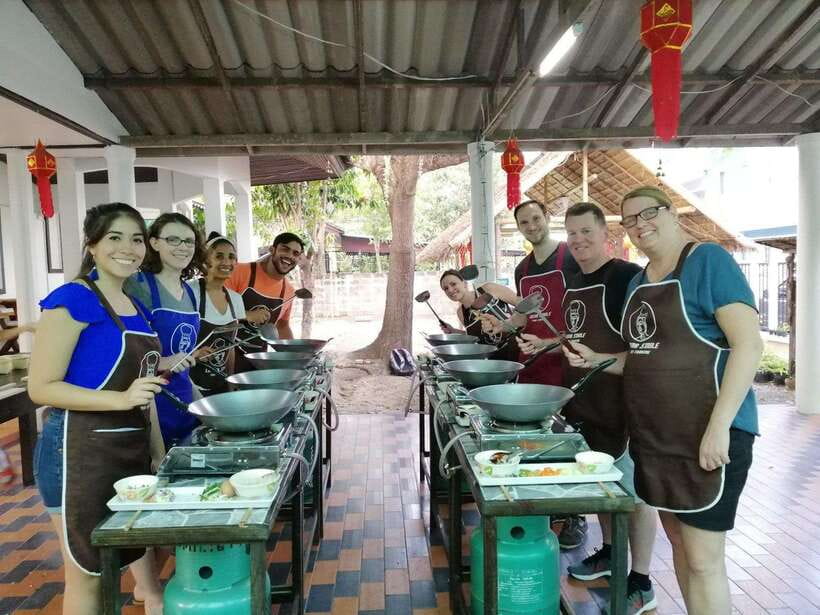
- Your own station: you’re not just watching; you actively cook each dish.
- Pick your Thai comfort foods: curry pastes, curries, noodles, soups, appetizers, and dessert are all on the menu.
- Spice is adjustable: you can dial heat up or down to match your tolerance.
- Vegetarian friendly: you can make the class work without meat when you plan ahead.
A Chiang Mai cooking class that feels personal, not canned
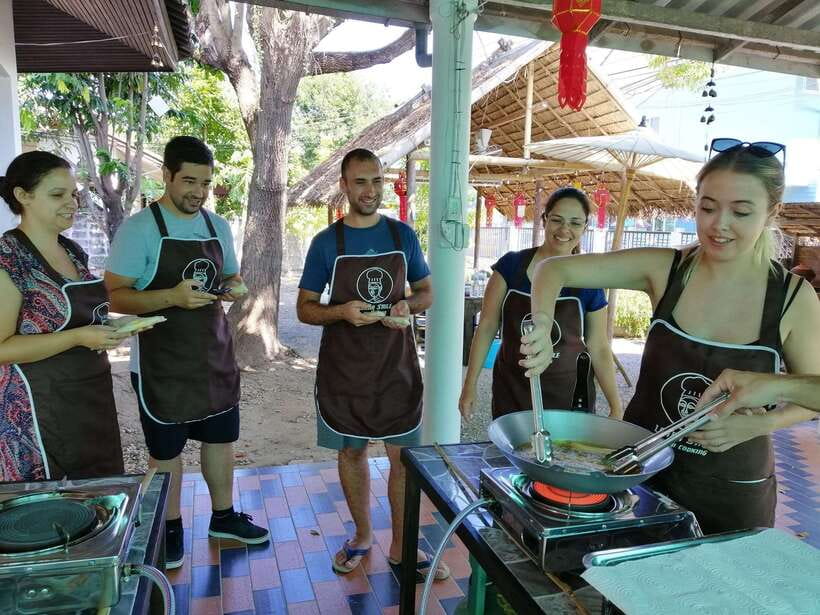
This is the kind of Thai cooking class where the setting and the pace matter. The kitchen is described as cozy and traditional in the Lanna style, which helps the whole experience feel more like a warm local hangout than a scripted show. It also helps that the class runs with a small group size, limited to 8 participants, so questions don’t get lost.
The real difference is the hosting. I like that the class is led in English by an instructor, and the hosts named Pim and Nim show up as welcoming, hands-on guides. One of the smartest things they do is keep the focus on process: what you’re working with, why it matters, and how to put it together in your own pan later.
There’s also a clear food-safety and quality angle built in: ingredients are sourced fresh from the market each day, they use fresh rice bran oil (not reused), and they use no MSG. That’s not “just a claim.” It’s the kind of detail that changes how confident you feel when you’re cooking, tasting, and adjusting seasoning.
If you’re the type who wants to leave with both recipes and real cooking instincts, this is a strong format. If you’re only looking for a quick souvenir photo, you may find it a bit too hands-on.
You can also read our reviews of more tours and experiences in Muang Chiang Mai.
The 5-hour flow: pickup, market, then cooking at your pace
The class lasts about 5 hours, with either a morning pickup or an evening pickup. You’re picked up from your hotel area within Chiang Mai city (specifically noted within a short radius of Chiang Mai Old Town). Pickup happens 15–30 minutes before class, and the pickup window is listed as:
- Morning: around 8:30–9:00
- Evening: around 16:00–16:30
Plan to be ready. You’re asked to be prepared about 15 minutes early, and traffic can cause delays, which is normal in a city.
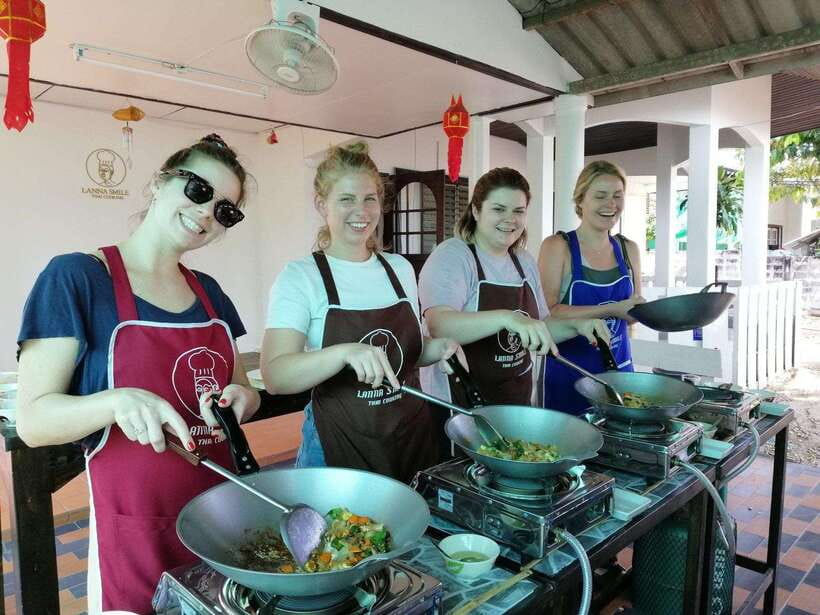
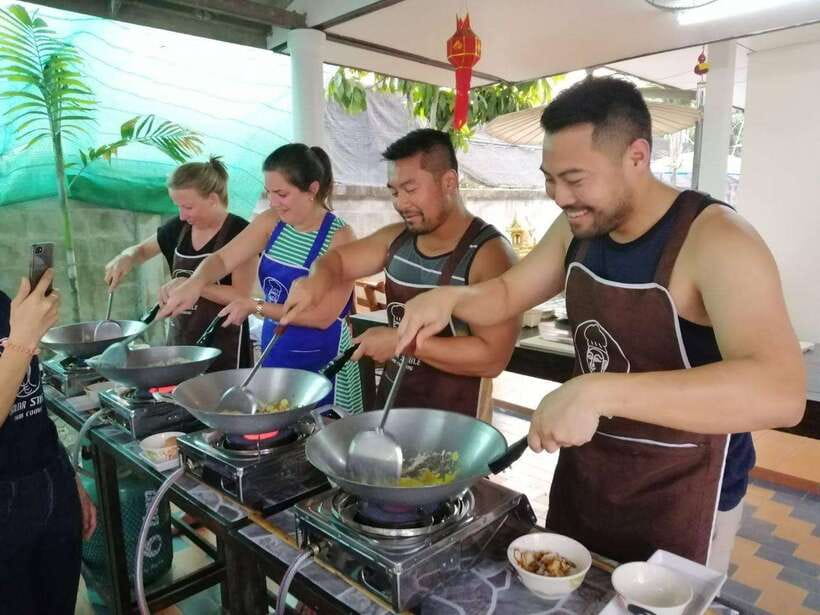
Once you’re collected, you’ll get a welcome drink (coffee, tea, or herbal drink are listed). Then you head to the fresh market for the shopping portion. After that, you’ll transfer to AC Cooking Studio, where you cook at your own individual station.
You’re not rushed between steps in the data provided, and the format emphasizes a guided workflow. That matters because Thai cooking is all about balance—sweet, salty, sour, spicy—and each category you make (pastes, curries, noodles, soups) teaches a different part of that balance.
Fresh market tour: your shortcut to better Thai cooking later
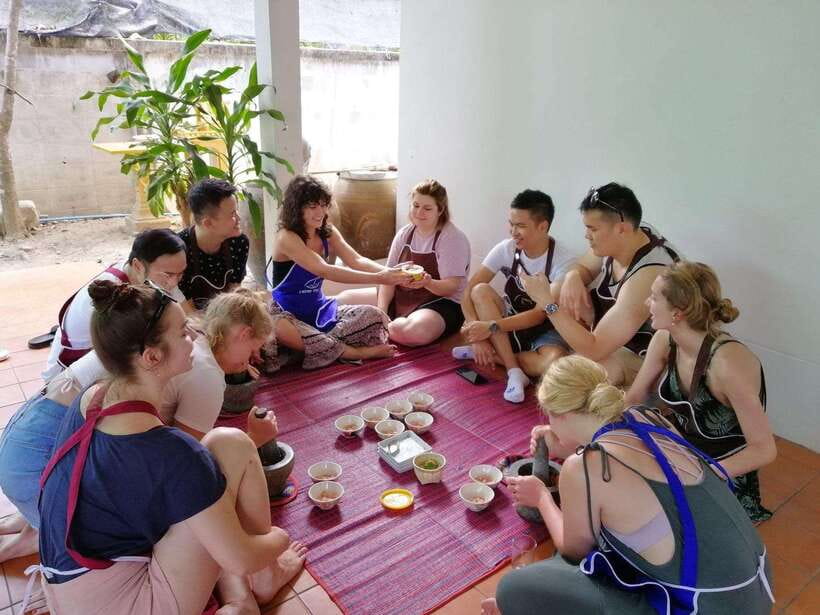
The market portion isn’t just “look around.” It’s there to give you a practical ingredient education. You’re shopping for the ingredients you’ll cook with, and that turns the market into a set of lessons you can use at home.
A few things the class emphasizes that make the market tour more useful:
- They use fresh ingredients every day.
- They maintain cleanliness standards and cook with equipment that’s treated with care.
- They use rice bran oil that isn’t reused.
What you should do during the market walk is simple: pay attention to what’s fresh versus what’s dried or pre-made, and notice the aromatics and key flavor bases that show up again and again across different dishes.
Because your menu is built from categories, the market helps connect dots. For example, curry pastes rely on flavor ingredients that also influence the curry itself. Noodle dishes need different seasonings and sauces than soups. Dessert ingredients come from a totally different flavor world (sweet, creamy, and sometimes coconut-heavy).
If you like food classes that make you feel in control in the kitchen later, this is a big win.
Your menu: choose 6 dishes across Thai categories
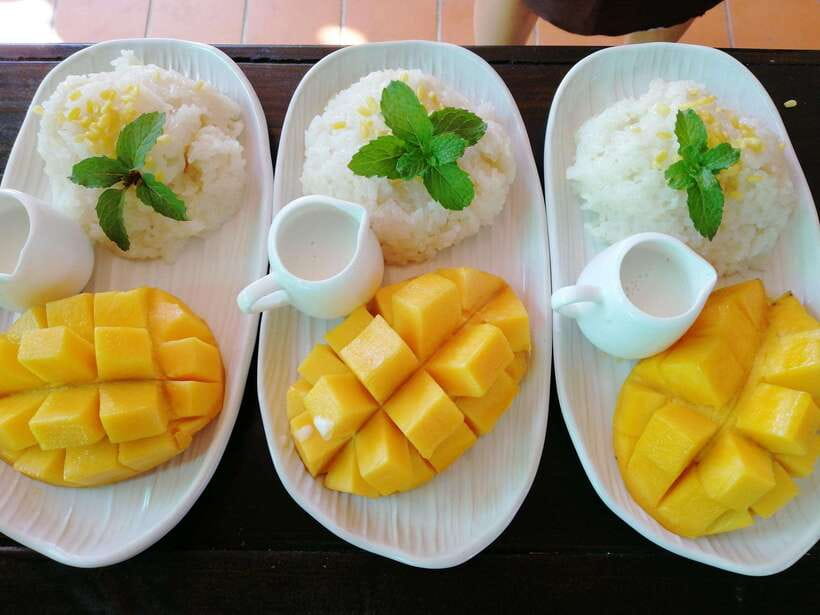
This is a “pick your favorites” style class. The structure is straightforward: you choose one dish from each category, resulting in six dishes total across the course.
Here are the categories and options:
- Curry pastes: Green curry paste, Panang curry paste, Massaman curry paste
- Curries: Green curry, Panang curry, Massaman curry
- Noodles: Pad Thai, Drunken Noodle (Pad Khee Moa), Fried thick noodle with soy sauce (Pad See Ew)
- Soups: Tom Yum Kung, Tom Kha Kai, Tom Sab Kai
- Dessert: Sweet sticky rice with mango, Banana in coconut milk, Sago balls in coconut milk
- Appetizers: Fried spring roll, Papaya Salad (Som Tam)
The list is long enough that you can build a menu that matches your mood. Here’s how I’d choose for variety:
- If you want a “Thai greatest hits” plate: pick a curry paste + curry combo (green or massaman), then one iconic noodle (pad thai or pad see ew), then a soup (tom yum or tom kha), and finish with mango sticky rice.
- If you love contrast: pair something sour and spicy (tom yum or som tam) with something creamy (tom kha or coconut dessert).
- If you prefer less heat: choose your favorites, but rely on the class’s spice adjustment so the dishes fit your tolerance.
One more helpful detail: you can adjust spice to your taste, which means you can enjoy the flavor without suffering through a Thai heat level that doesn’t match you.
Cooking at your own station: curry paste skills you’ll actually use
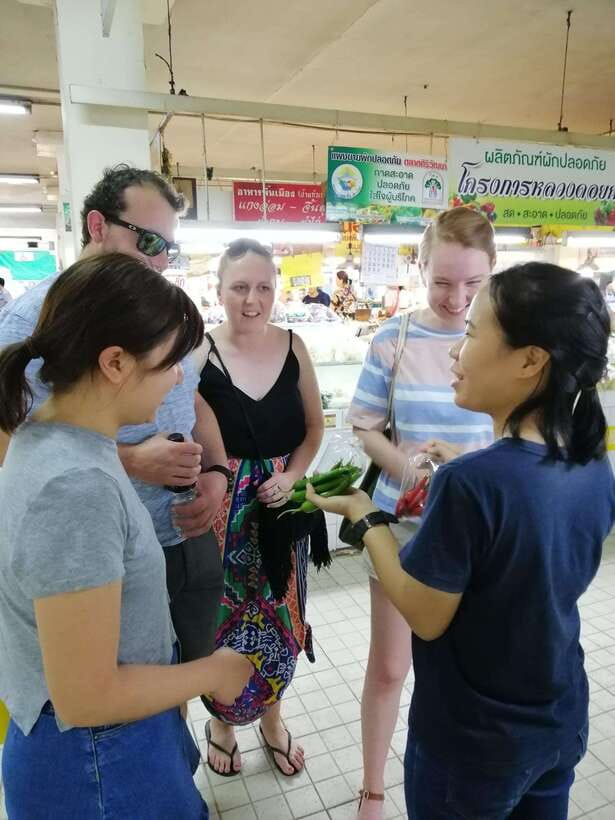
Thai cooking often gets taught in a way that’s hard to repeat at home because the “key step” gets rushed. Here, the structure gives you time with the fundamentals—especially with curry pastes.
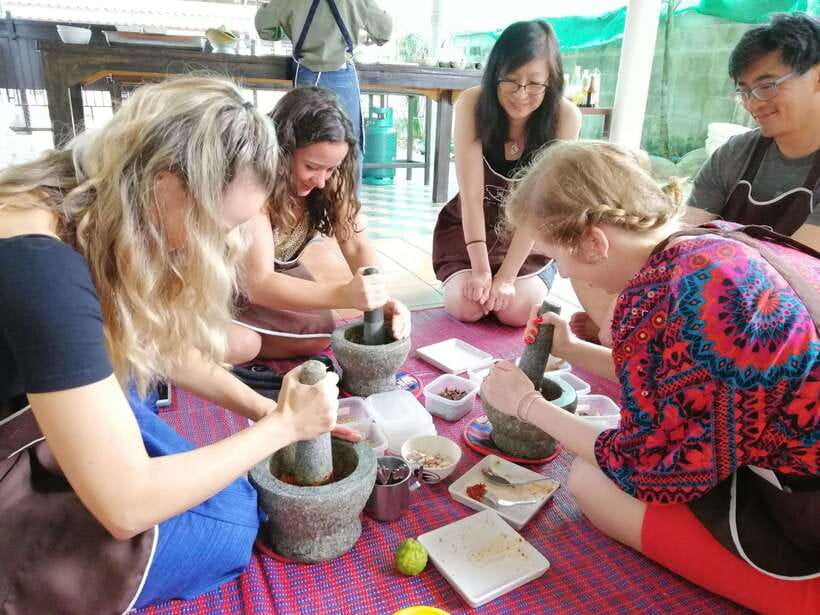
You’ll work with curry paste options (green curry paste, panang curry paste, massaman curry paste) and then make the corresponding curries. That approach trains your brain to see curry as more than “a sauce.” It’s a flavor system built from aromatic ingredients.
You’ll also cook across categories, so you practice different Thai techniques:
- Stir-fry and noodle seasoning for pad thai, drunken noodle, or pad see ew
- Soup balancing for tom yum (hot and sour), tom kha (coconut milk), or tom sab (hot and sour with chicken)
- Appetizer crunch and brightness for fried spring rolls or papaya salad
- Dessert sweetness and texture for mango sticky rice, banana in coconut milk, or sago desserts
And yes, it’s hands-on with instructors guiding you at your station. That’s the part you’ll feel when you’re cooking: you’re not just learning steps, you’re learning how the food should behave. The class also provides a recipe booklet to take home, which matters because you’ll forget parts the moment you’re back in your hotel kitchen.
Lunch or dinner: what you’ll eat is what you made
After you finish cooking, you’ll enjoy your meal—listed as lunch or dinner depending on the session you book. This matters more than it sounds. When you eat what you cooked, you can judge seasoning and texture right away. It’s a built-in feedback loop.
The menu design helps too. You’re making dishes from multiple Thai food categories, which gives you a more complete taste of the cuisine than a class that sticks to one type of dish. Curry and soup bring heat and sourness in different ways. Noodles bring a different kind of salinity and chew. Dessert gives you a final sweetness that’s not just sugar—it’s coconut, sticky rice, and fruit texture done right.
If you’re choosing your dishes, think about balance:
- Pick at least one dish with sour heat (tom yum or som tam or tom sab).
- Pick one creamy coconut dish (tom kha or coconut dessert).
- Make sure you get one noodle dish so you practice the Thai sauce/seasoning style.
This is also where you’ll realize why the class avoids shortcuts. If your ingredients are fresh and your oil isn’t reused, the flavors tend to taste cleaner and more “alive,” not dull.
Vegetarian options: a real feature, not an afterthought
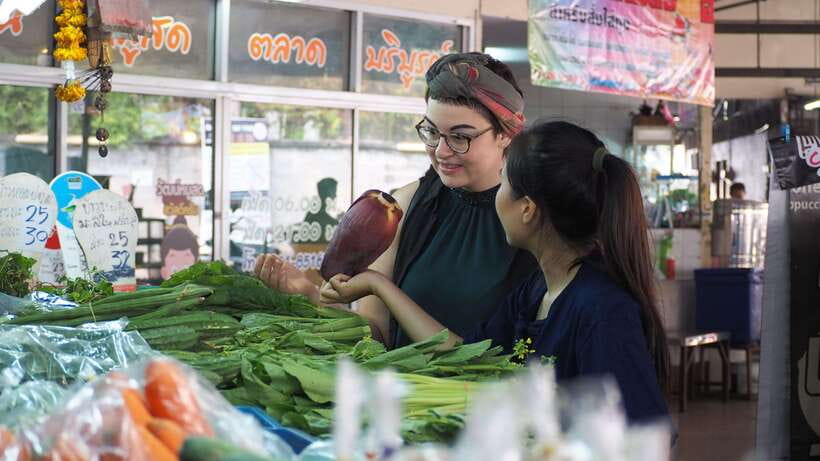
Vegetarians are welcome, and the class explicitly notes vegetarian options are available. The most practical advice is to notify them in advance if you’re vegetarian, so the menu choices and ingredient prep can be handled smoothly.
What I like about the way it’s set up is that Thai cuisine naturally offers vegetarian-friendly paths, especially with vegetables, herbs, and flavor bases. Even when dishes are typically meat-based, the cooking class format gives you a chance to learn the flavor logic—what makes a tom kha taste like tom kha, or what makes papaya salad so bright.
If you’ve struggled in past tours where “vegetarian” means a sad substitution, this is one of the classes that looks designed to work for real dietary needs.
Price and what you’re really paying for ($31 for 5 hours)
At about $31 per person for a 5-hour class, it’s priced like a value-focused experience—especially because so much is included. You’re not just buying cooking instruction. You’re also getting:
- Cooking class with a skilled instructor
- All ingredients and equipment
- A recipe booklet to take home
- Lunch or dinner of the dishes you prepare
- Fresh market tour
- Welcome drink
- Hotel pickup and drop-off within the city area (not unlimited coverage, but convenient if you’re central)
- Photo gallery on Facebook and a limited Lanna Smile souvenir
- Free Wi-Fi
There’s also a 400 Baht/person visitor fee for someone who comes but doesn’t cook. That tells you the class is built around participation, not observation.
The best way to judge value here is to think “market + cooking + meal + transportation + recipes.” If that combo fits your plans in Chiang Mai, it’s a solid deal. If you only want one simple cooking demo, you might prefer a shorter, less complete class.
Who should book this Chiang Mai Thai cooking tour
This class is a great fit if you:
- Want a hands-on Thai cooking experience where you cook, taste, and eat your own food
- Like structured learning (market first, then kitchen, then meal)
- Are traveling as a couple, solo, or a small group that wants conversation and guidance
- Care about ingredient quality and want to know what goes into flavor, not just how to follow a step
It’s also a good match for visitors who want English instruction and appreciate a warm, friendly atmosphere. The class is guided in English, and the hosts Pim and Nim are described as lively, helpful, and genuinely interested in conversation—so you’re likely to leave with more than recipes.
If you’re the kind of traveler who gets stressed by “messy hands” situations, keep in mind it’s a cooking class (comfortable clothes are recommended for that reason).
Should you book Lanna Smile Thai Cooking?
If you want one activity in Chiang Mai that teaches you how Thai flavors are built, not just what to order at dinner, I’d book this. The market-to-kitchen-to-meal flow is efficient, and the six-dish format gives you real variety: curry paste skills, noodles, soups, and dessert in one go.
Book it if you’re central enough for pickup and you’re ready to participate. Skip it only if you’d rather watch from the sidelines or you’re hoping for a tour that’s mostly sightseeing with no cooking.
If you want a fun day with food you can recreate at home, this is one of the most practical Thai cooking experiences in Chiang Mai.
FAQ
How many dishes do I cook in the class?
You choose one dish from each category, so you’ll cook six dishes total across curry pastes, curries, noodles, soups, dessert, and appetizers.
Is the cooking class taught in English?
Yes. The class is conducted in English, including instruction from the instructor.
Does this class offer vegetarian options?
Yes. Vegetarians are welcome, and vegetarian options are available. You should notify them in advance if you need vegetarian choices.
What’s included in the price?
The price includes the cooking class, ingredients and equipment, a recipe booklet, your lunch or dinner, a fresh market tour, a welcome drink, and hotel pickup/drop-off within the city area, plus Wi‑Fi and a limited souvenir.
Do I get hotel pickup and drop-off?
You get pickup and drop-off within the city. Pickup is offered within a short distance of Chiang Mai Old Town, and you’ll meet at a designated point if you’re staying outside the town area.
Can I adjust how spicy the dishes are?
Yes. The class notes that you can adjust the spice level to suit your taste.
What time is pickup, and how long is the experience?
Pickup is scheduled in a morning window (about 8:30–9:00) or an evening window (about 16:00–16:30). The total duration is 5 hours.
Is there a fee if I don’t cook?
Yes. There is a 400 Baht per person visitor fee for someone who comes but doesn’t cook.