REVIEW · CHIANG MAI
Half-Day Thai Cuisine Cooking Experience in Chiang Mai
Book on Viator →Operated by Oh-Hoo · Bookable on Viator
Thai cooking gets hands-on, fast in Chiang Mai. This Half-Day Thai Cuisine Cooking Experience puts you in an authentic Lanna-style school close to Tha Phae Gate and the Saturday walking street, and then gets out of your way so you can actually cook. I like how the class is set up for real practice, with students working at their own station using proper gear, not watching from the sidelines.
Two things I especially love: you pick 4 or 6 dishes from a menu spanning curries, soups, stir-fries, salads, and desserts, and you learn what makes each one tick through herbs, vegetables, spices, and taste tests like tamarind and palm sugar. One possible drawback: the experience needs good weather, and part of the cooking setup is open-air, so plan for a little flexibility if Chiang Mai weather turns.
In This Review
- Key highlights worth knowing before you go
- Getting Started at Tha Phae Gate (and Why It Matters)
- Picking Your Menu: Curries, Soups, Salads, and Desserts
- Your Cooking Station: Knives, Woks, and Real Prep Skills
- What Happens During the 6-Hour Flow
- Thai Chefs and Language Options: English, Thai, Japanese, Chinese
- Where the Cooking Gets Interesting: How Dishes Teach Different Skills
- Price and Value: Why $31.30 Can Make Sense
- Who This Class Fits Best (and Who Might Skip It)
- Good Weather Can Affect Your Kitchen
- Should You Book This Thai Cuisine Cooking Class?
- FAQ
- How long is the cooking experience?
- Where does the experience start and end?
- Do you get hotel pickup and drop-off?
- How many dishes can I choose?
- What Thai dishes are on the menu?
- What languages are available for the class?
Key highlights worth knowing before you go
- Choose 4 or 6 dishes from a menu across curry, soup, stir-fry, salad, and dessert
- Small group size (max 8), which means more hands-on help while you cook
- Your own station and tools: chef’s knife, wok, and clean utensils provided
- Two kitchen styles: restaurant-style plus an open-air option
- Pickup and drop-off from your Chiang Mai hotel for a smoother half day
- Taste-guided learning with ingredients like tamarind and palm sugar
Getting Started at Tha Phae Gate (and Why It Matters)
The experience meets at Tha Phae Gate area, specifically Tha Phae Road near Chang Khlan. That’s a great starting point because you’re already in a central zone of Chiang Mai—easy to pair with other sightseeing before or after your class.
If you opt for pickup, you’ll be collected from your hotel and then dropped back after. This may sound minor, but in a city like Chiang Mai, not having to figure out transport and timing on cooking day is real value. The class also has a “near public transportation” location, so even without pickup you’re not stuck in the middle of nowhere.
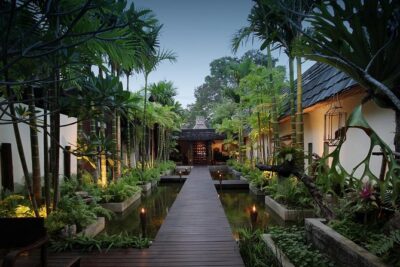
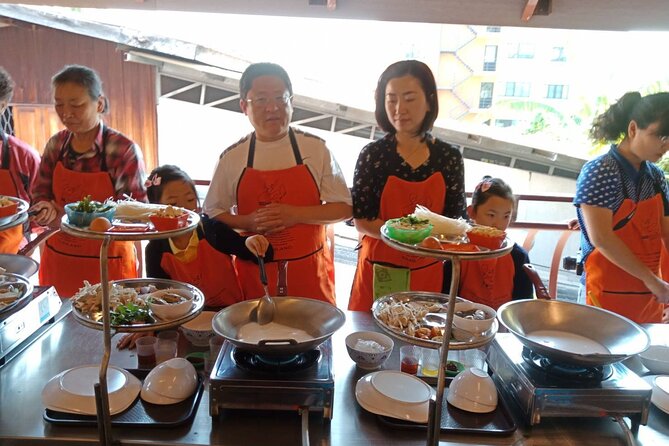
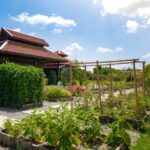
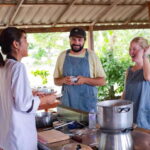
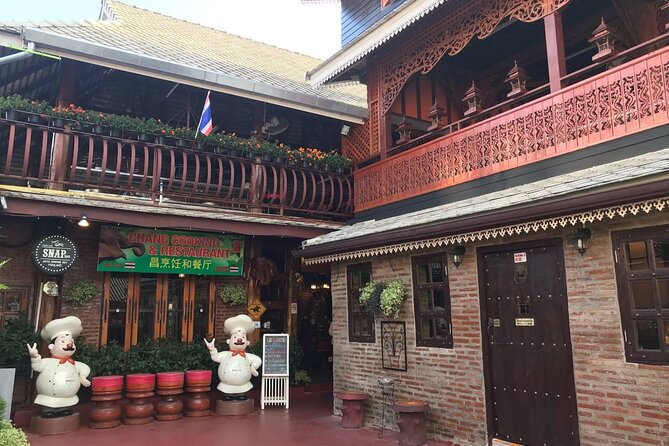
Inside the school, you’ll cook in a Lanna-style wooden premise. The layout matters. There’s a restaurant-style kitchen setup and also a kitchen area on the first floor that’s open-air, which helps the whole place feel like it belongs to Chiang Mai—not like a staged cooking show.
You can also read our reviews of more cooking classes in Chiang Mai
Picking Your Menu: Curries, Soups, Salads, and Desserts
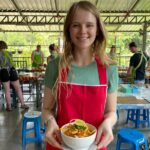
This is one of the easiest parts of the experience to enjoy. You can choose either 4 or 6 dishes, and the menu is organized by dish type, not just random options.
Here are the dish categories you can pick from:
Deep fry
- Spring roll
- Golden noodle
- Fried Banana
- Fish cake
Salad
- Glass noodle salad
- Fruit salad
- Papaya salad
- Raw spring rolls
Soup
- Tom kha kai
- Yellow chicken soup
- Clear tofu soup
- Tom yam gung
Curry
- Panang curry with chicken
- Khao soi (Chiang Mai noodle)
- Massaman curry with chicken
- Green curry with chicken
Stir fry
- Fried rice
- Pineapple rice
- Pad Thai
- Chicken cashew nut
Dessert
- Mango sticky rice
- Herbal drink
- Khanom Krok (coconut cakes)
- Thai jelly
What you’re really doing when you choose your menu is designing your Thai-flavor “map.” If you choose a curry plus a soup plus a stir-fry, you’ll start noticing how Thai cooks build depth in different ways—aromatics first, then balancing salty, sweet, sour, and heat. If you choose salads or raw items, you’ll also get the sour-and-crunch learning that’s often missing in restaurant meals.
And yes, you’ll taste ingredients as you go. The class specifically includes tasting items like tamarind and palm sugar, which are two of the most important flavor anchors in Thai cooking. Once you learn how those taste in isolation, it becomes easier to understand what you’re aiming for while cooking.
Your Cooking Station: Knives, Woks, and Real Prep Skills
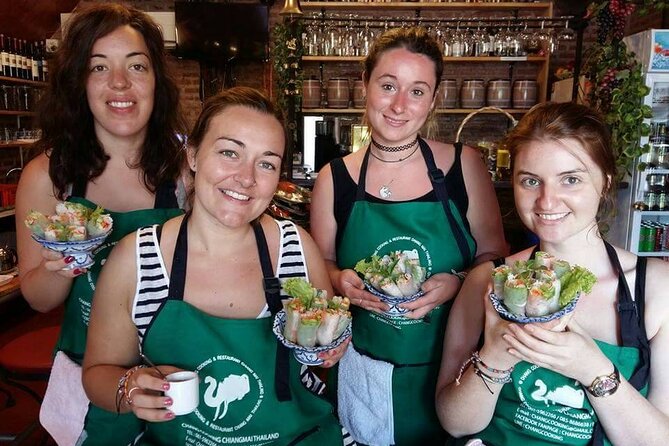
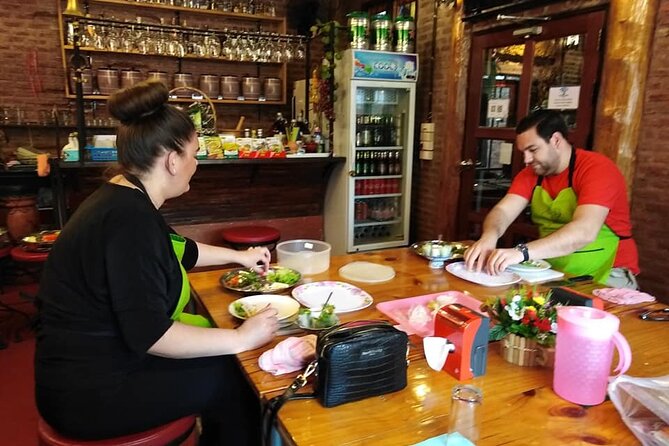
You don’t need to bring gear. The school provides chef’s knives, woks, and clean utensils, plus your own cooking station. That means two big things for you:
First, you can focus on learning the method instead of managing borrowed tools or awkward substitutes. Second, you’ll get closer to the “real cook” experience—chopping, stirring, frying, tasting, adjusting.
The class also quickly teaches the basics of Thai cooking ingredients—herbs, vegetables, and spices—so you’re not just guessing. In other words, you’re not only learning how to make a dish. You’re learning why it tastes the way it does.
The practical benefit here is repeatability. If you later make Thai food at home, you’ll remember the logic behind the flavors more than you’ll remember the exact timing of one step.
What Happens During the 6-Hour Flow
The experience runs about 6 hours. While exact minute-by-minute timing isn’t listed, the structure is clear: choose dishes, learn key ingredients, cook at your station, and finish with the meal you made.
Here’s a realistic way the flow feels, based on how the class is described:
1) Meet and head to the school
You start near Tha Phae Gate (or get picked up). Then you’re brought to the Lanna-style cooking space where the class gets going.
2) Pick your dishes and get ingredient guidance
You select 4 or 6 dishes. After that, you’re suggested various ingredients used in Thai cooking—so you’re not only choosing dishes, you’re learning what ingredients typically appear across them.
3) Taste key ingredients early
You taste additional ingredients such as tamarind and palm sugar. This is smart teaching, because it helps you calibrate what sour and sweet are supposed to feel like before you start mixing.
4) Hands-on cooking at your station
You’ll cook the dishes you chose, with instruction from experienced Thai chefs. The school provides the station setup, so your job is to practice: prep, stir, fry, and adjust as you go.
5) Eat what you made
At the end, you get the feast you created—your own cooking session, not just a sampling plate.
For a half-day, that’s a lot of food creation. If you love structured learning (but not homework), this format works well.
Thai Chefs and Language Options: English, Thai, Japanese, Chinese
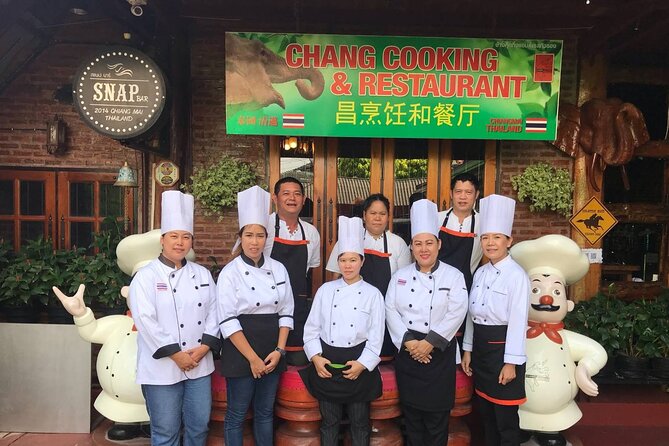
Instruction is offered in multiple languages: English, Chinese, Japanese, and Thai. If you’re traveling with family, this matters, because you’re more likely to find instruction that makes sense to everyone.
In at least one recent setup, a class had an English-only participant and they received a more tailored teaching approach, effectively getting their own instruction style. That tells me the school takes language comfort seriously when the group composition allows it—especially helpful if you want to actually understand what you’re doing, not just copy steps.
Also, the school keeps the class size capped at 8 travelers. That smaller number usually translates into quicker help when you hit a sticky point—like getting the balance right in a curry base or not overcooking something in a stir-fry.
You can also read our reviews of more tours and experiences in Chiang Mai




Where the Cooking Gets Interesting: How Dishes Teach Different Skills
This class is valuable because the dish menu isn’t random. Each category trains a different Thai kitchen skill.
Curries (Panang, Massaman, Green, plus Khao soi)
Curries teach you aromatics + richness + balance. You’ll learn how sweetness and sourness can sit alongside salty flavors, and how heat gets layered rather than dumped in at the end.
Soups (Tom kha kai, Tom yam gung, clear tofu soup, yellow chicken soup)
Soups teach timing and fragrance control. Tom yam gung in particular is a great dish to choose if you want to understand how lemongrass and lime notes show up in the final bowl.
Stir-fries and noodles (Pad Thai, fried rice, pineapple rice, chicken cashew nut, golden noodle)
These teach fast heat and constant movement. Thai stir-fry is about action—keeping ingredients in balance so they stay flavorful instead of steaming into softness.
Salads and raw-style dishes (Papaya salad, fruit salad, glass noodle salad, raw spring rolls)
Salads teach sour-salty-sweet balance. If you’ve ever wondered why papaya salad tastes like it has a built-in attitude, this is where you learn how that happens.
Desserts and sweet tastes (Mango sticky rice, Khanom Krok, Thai jelly, herbal drink, fried banana)
Desserts help you understand Thai sweetness—often flavored, not just sugary. Choosing a dessert dish also gives your palate a reset so you can taste the meal’s overall balance more clearly.
Price and Value: Why $31.30 Can Make Sense
The price is listed as $31.30 per person, and you’re getting a full hands-on class in Chiang Mai for about 6 hours.
Here’s the value logic I like:
- You choose 4 or 6 dishes, so the class effort scales with how much you want to cook.
- The school provides the cutting and cooking tools (knife, wok, utensils) and sets you up at your own cooking station.
- You learn ingredients and flavor building, including tasting key components like tamarind and palm sugar.
- Hotel pickup and drop-off is offered, which saves time and hassle during a day when you’re already focused on cooking.
I wouldn’t treat it like a “cheap hobby.” It’s more like a concentrated food education. If you want Thai cooking you can repeat later, this is one of the few options where you’re doing the work, not just watching a show.
Who This Class Fits Best (and Who Might Skip It)
I think this is a strong fit if you:
- want a practical way to learn Thai flavors without needing to buy ingredients first
- like cooking with guidance and tasting as you go
- want a smaller group class (max 8)
- are staying near central Chiang Mai sights like the Tha Phae Gate area
You might want to be more cautious if:
- you dislike cooking and prefer eating-only experiences
- you’re traveling in very changeable weather—this experience requires good weather, and there’s an open-air element
- you don’t have a taste for some categories on the menu (like deep-fried dishes or papaya-style salads)
Good Weather Can Affect Your Kitchen
The experience notes a good weather requirement. That doesn’t mean the class is doomed on every cloudy day, but it does mean you should expect a shift in plan if conditions are poor, especially given the open-air kitchen option.
The good news: the school also has a restaurant-style kitchen area. So you’re not entirely dependent on the weather to cook. Still, it’s smart to keep your schedule flexible around your cooking day.
Also, since the meeting point is in a central area, you can usually turn your day into a win even if the schedule shifts.
Should You Book This Thai Cuisine Cooking Class?
Yes, I’d book it if you want a real Thai cooking session in Chiang Mai with a small group, proper tools, and a menu that lets you customize your meal around your tastes.
It’s especially worth it if you’re the type who likes to learn how flavors are built—because the class isn’t only about the final dishes. You’re tasting key ingredients and learning the role of herbs, vegetables, and spices while you cook your way through 4 or 6 selections.
If you’re short on time and don’t want to think about transport, the pickup and drop-off is a big plus. And if you like eating what you cook, the “feast at the end” angle is exactly what you hope it will be.
FAQ
How long is the cooking experience?
It’s about 6 hours.
Where does the experience start and end?
It starts at Tha Phae Gate on Tha Phae Road (near Chang Khlan). The experience ends back at the meeting point.
Do you get hotel pickup and drop-off?
Pickup is offered from your Chiang Mai hotel, and you’ll be dropped back after the class.
How many dishes can I choose?
You can choose either 4 or 6 dishes from the menu.
What Thai dishes are on the menu?
The menu categories include deep-fried items (spring roll, golden noodle, fried banana, fish cake), salads (glass noodle salad, fruit salad, papaya salad, raw spring rolls), soups (tom kha kai, yellow chicken soup, clear tofu soup, tom yam gung), curries (panang curry, khao soi, massaman curry, green curry), stir-fries (fried rice, pineapple rice, pad thai, chicken cashew nut), and desserts (mango sticky rice, herbal drink, khanom krok, Thai jelly).
What languages are available for the class?
Classes are offered in English, Chinese, Japanese, and Thai.