REVIEW · CHIANG MAI
Chiang Mai : 3-Days Slow Boat Trip to Luang Prabang, Loas
Book on GetYourGuide →Operated by SoGood Travel · Bookable on GetYourGuide
If you like slow travel, this one makes sense. It links Chiang Mai area logistics with a real Mekong slow-boat rhythm, plus visa-on-arrival help so you’re not alone at the border. You also get a quick White Temple stop in Chiang Rai along the way.
I especially like how the trip is staged in clean chunks: minivan transfer to Chiang Rai, then the border, then overnight in Huay Xay, then the boat to Pakbeng, then onward to Luang Prabang. Another thing I like is the practical support at the times it matters most, like getting you to the right pier and setting you up for Lao entry.
The main drawback to consider is that this is a public slow boat (not private), so crowding and seat comfort can change day to day. And while you get help at key moments, the guide does not stay with you for the full boat ride.
In This Review
- Key Things That Make This Trip Worth Your Time
- A Slow Boat That Feels Like You’re Traveling, Not Checking Boxes
- Day 1: Chiang Rai’s White Temple Stop and Crossing into Laos
- Visa on Arrival: The Detail That Can Save Your Whole Trip
- Day 2: Slow Boat to Pakbeng on a Public Boat (and Then the Guide Steps Back)
- Day 3: Mekong Views to Luang Prabang and Why the Timing Works
- Price and Value: What You’re Really Paying For at $101
- Guide Support: Helpful at the Right Moments, Not All-Day Babysitting
- Where You Sleep: Huay Xay Is Included, Pakbeng Is Your Job
- Who This Trip Is For (and Who Might Want a Different Option)
- Should You Book This 3-Day Slow Boat Trip?
- FAQ
- What time do you pick me up in Chiang Mai?
- How does the route work over the 3 days?
- Is the White Temple entry fee included?
- Is lunch included during the White Temple stop?
- How much is the Laos visa on arrival, and what currency can I use?
- Is accommodation in Pakbeng included?
- Will the guide stay with you on the slow boat?
Key Things That Make This Trip Worth Your Time
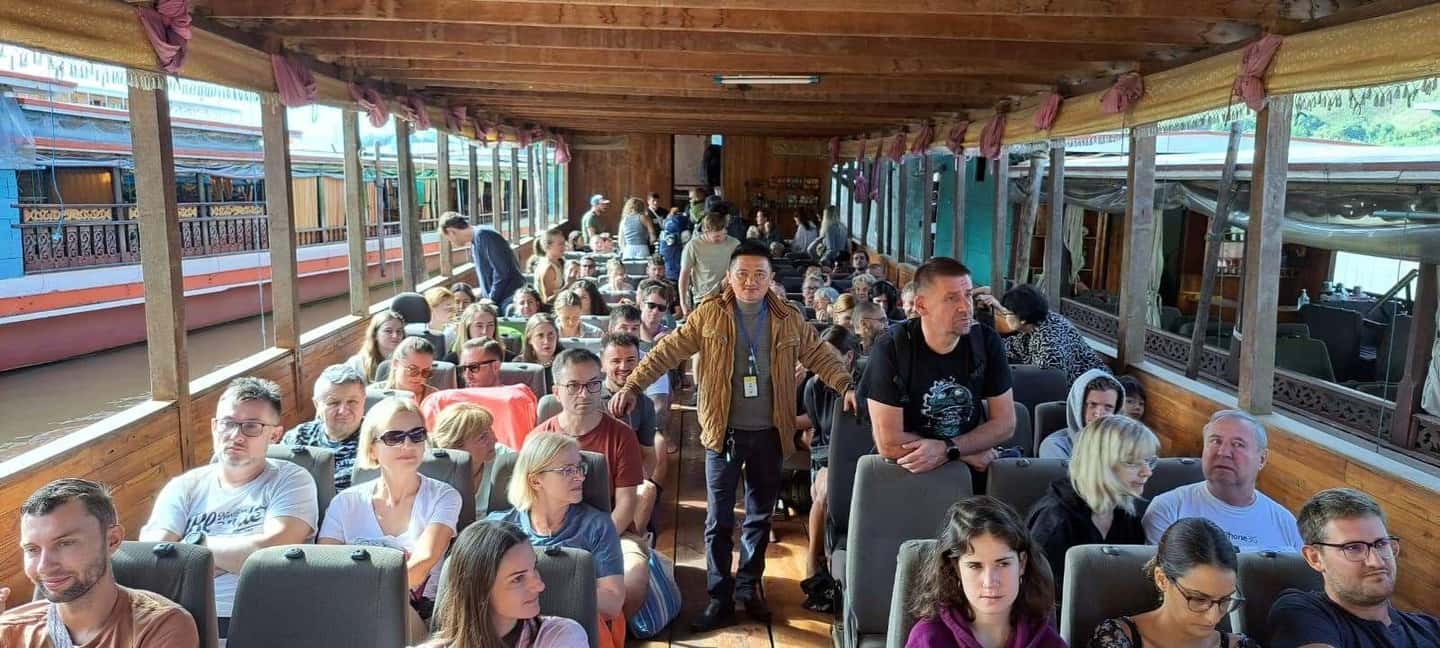
- Slow-boat pacing on the Mekong: real time on the water, not bus-to-bus rushing
- Visa-on-arrival assistance at the border: you get support with the documents
- Huay Xay overnight included: one night booked for you simplifies Day 2 morning
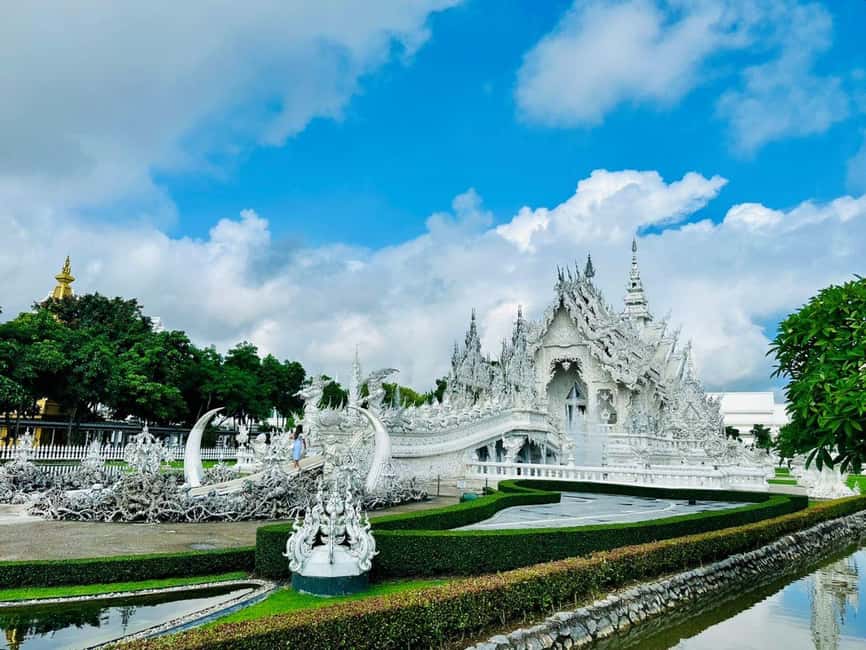
- White Temple stop in Chiang Rai: quick but useful if you’re passing through anyway
- Public-boat seating reality: you’ll have seats, but boat conditions can vary
A Slow Boat That Feels Like You’re Traveling, Not Checking Boxes
This is one of those routes where the journey is the point. The Mekong ride down toward Luang Prabang slows your pace fast. Between the gentle boat motion and the constant changing river views, the day passes in a way that feels natural, not forced.
You also get a helpful “bridge” between countries. You’re not left to figure out the border timing, the paperwork, and the first Lao hotel step by yourself. That matters because the day the crossing happens is usually when travel plans go sideways for people.
One more thing: this trip’s value is in the combination. You pay for transfers, border support, and part of the lodging. You’re still responsible for the visa fee, and you need to handle Pakbeng sleeping on your own. Still, it’s a tidy way to do a classic slow-boat route without getting stuck in the admin maze.
You can also read our reviews of more boat tours in Chiang Mai
Day 1: Chiang Rai’s White Temple Stop and Crossing into Laos
Your day starts in Chiang Mai with pickup from your hotel area. The pickup window is 09:00–09:40, and it’s for Chiang Mai city center only. Then you head to Chiang Rai by minivan.
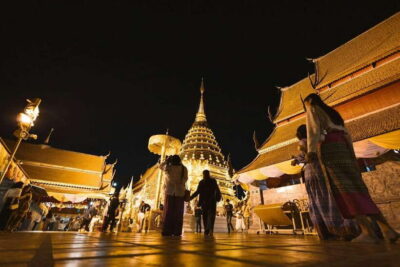
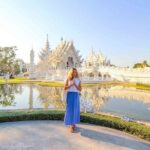
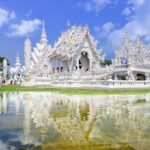
In Chiang Rai, you’ll have a stop at the White Temple. The time window is about 30–40 minutes, and it’s framed as a stop that lines up with lunch there. Entry fees are not included. If you want to actually visit the temple area beyond a quick look, you’ll need to move fast with your time.
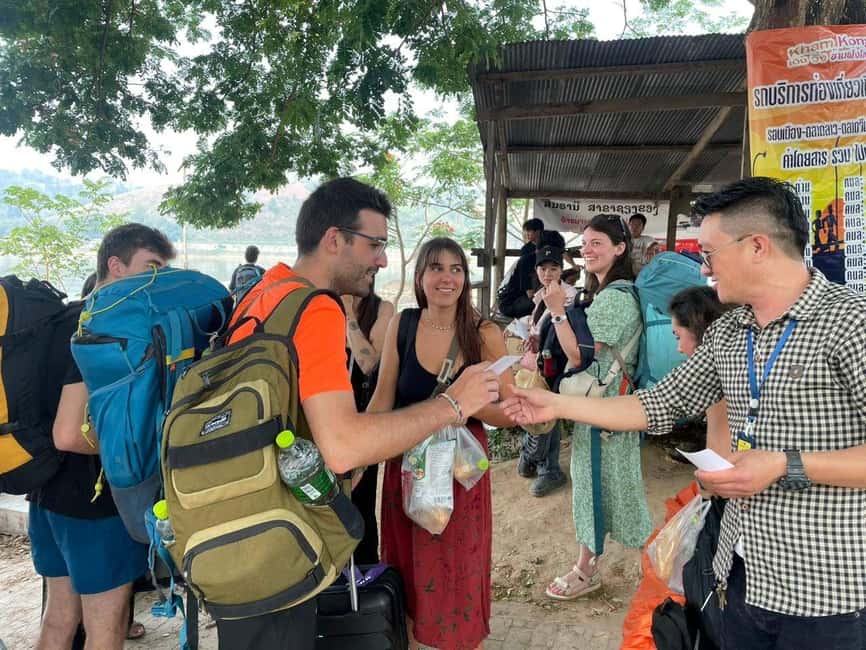
Then comes the part that makes-or-breaks border days: crossing into Laos. A local Laos guide assists you with the process, including help with the visa-on-arrival paperwork. The visa-on-arrival cost is listed as around 40 USD if you use dollars with pristine, undamaged notes, or about 1,800–2,000 Thai baht if you prefer baht.
Important practical reality: Laos immigration can be strict about the condition of USD bills. If the notes look worn, you can be rejected. That’s not something you can fix at the counter, so plan ahead.
You finish Day 1 in Huay Xay, with a hotel overnight included (a room for 2 people). The private room option costs extra, listed as 300 baht more.
Visa on Arrival: The Detail That Can Save Your Whole Trip
This trip depends on one thing more than people expect: your money and how it looks.
The tour info is clear that Laos immigration pays attention to USD note condition. You’ll want bills that are crisp, not wrinkled, not torn, and not heavily marked. If you bring worn bills, you risk delays or problems at the counter.
You can also pay in Thai baht, but the tour data notes it can end up more expensive due to the conversion rate. That means you’re choosing between a currency that’s strict on condition versus a currency that’s usually easier to use but may cost more.
Also, don’t treat the visa fees as part of the tour price. The tour states that visa fees are excluded, and transfer services do not include any extra costs that come from visa related expenses. That’s why it’s smart to budget the visa fee plus a little cushion for whatever comes up.
And yes, you’ll be asked for your passport details after booking (a photo of your passport name page). That’s there so paperwork can be handled smoothly with the guide.
Day 2: Slow Boat to Pakbeng on a Public Boat (and Then the Guide Steps Back)
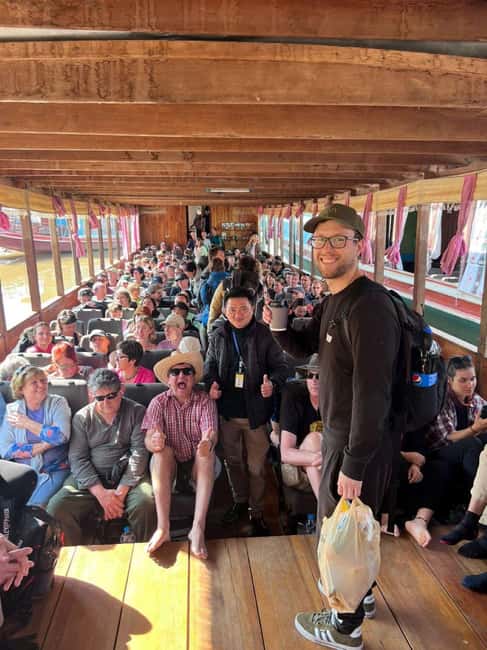
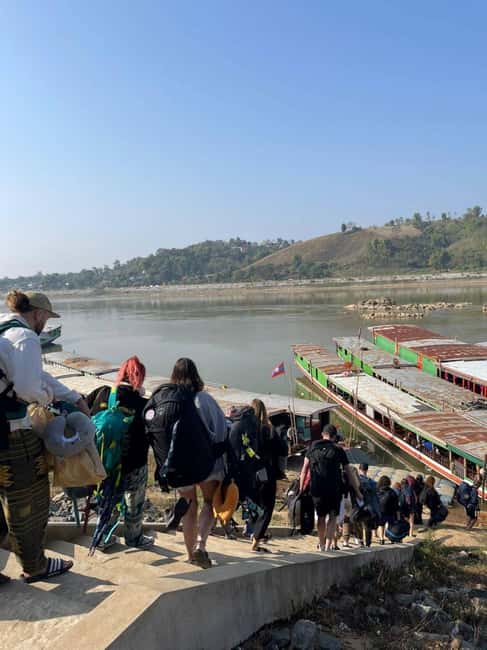
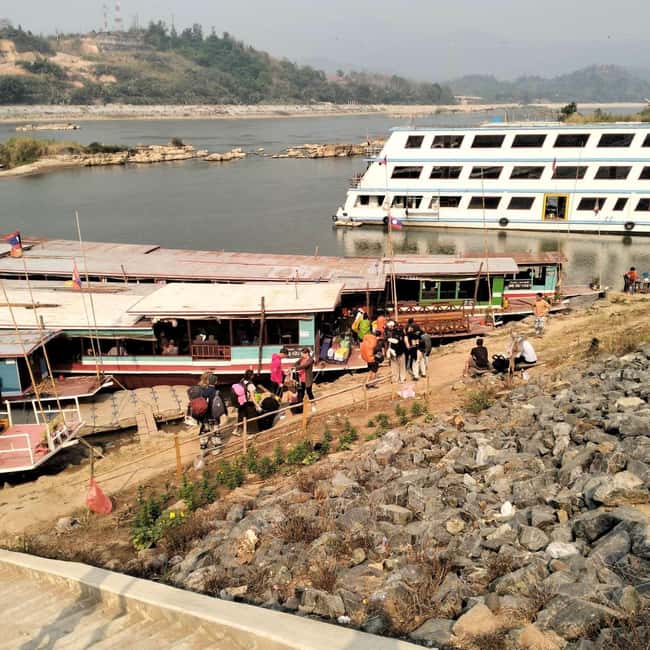
Day 2 starts with pickup from your Huay Xay hotel. Then you’re taken to the slow boat pier where you’ll join the group for the ride to Pakbeng.
This is where the public-boat nature matters. The boat is not private, so boat conditions can change. Some days can be crowded, especially in high season. Other days can feel quieter. The trip says you get guarantee seats, but seating comfort still depends on what’s available once people board.
After the boat ride begins, the guide leaves. That means you won’t have ongoing guidance during the second-day sailing. You’re responsible for your own next step in Pakbeng.
Overnight in Pakbeng is not included. The practical advice here is to book a room near the pier in advance or when you arrive. Staying close to the pier can make your morning departure to Luang Prabang a lot easier and less stressful.
This is also a good moment to understand why people either love or dislike this style of trip. If you want hand-holding all day, you might feel a bit on your own once boarding happens. If you like independence and just want the route arranged, it often feels fine.
Day 3: Mekong Views to Luang Prabang and Why the Timing Works
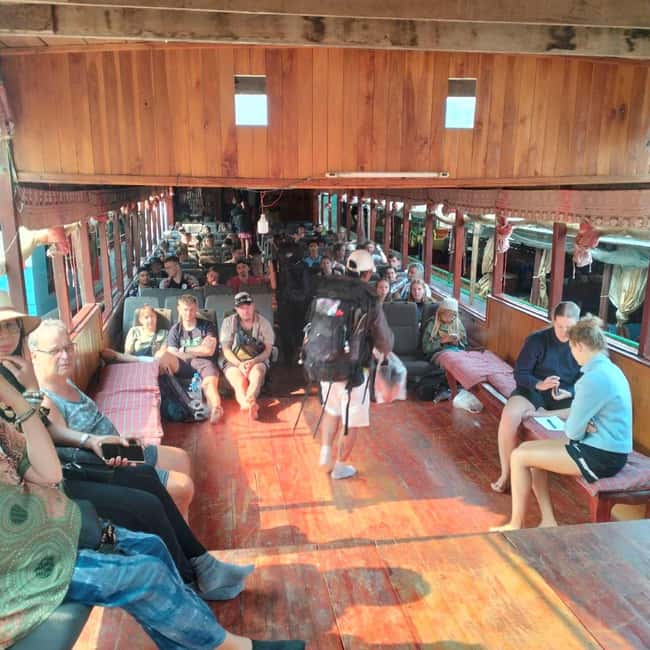
On Day 3 you continue the slow boat ride to Luang Prabang, which is listed as a UNESCO World Heritage town. The big payoff here is the pacing and the views.
This route gives you a long, unhurried stretch of water time. You’ll have moments to watch the river change, see villages and shoreline scenes slip by, and just take in how different the Mekong feels from a land-based trip.
One small but real logistics point: the public boat means crowding is unpredictable. The tour info specifically says some days might be crowded and some might be empty, and you can’t control that. But they also note a seat guarantee, and the guide support should help you get into position for boarding.
If you’re the type who likes to be ready rather than surprised, it’s worth arriving at the boarding process with cash and passport in hand, and keeping your essentials easily accessible. You’re not dealing with a private boat schedule, so being organized helps.





Price and Value: What You’re Really Paying For at $101
At $101 per person for a 3-day experience, the value isn’t in luxury. It’s in cutting out the big hassles: transfers, border navigation help, and part of your lodging.
Included costs you can’t easily DIY without planning:
- pickup in Chiang Mai city center
- transfer to Chiang Rai and then onward to the Laos border
- Huay Xay hotel night included (for 2 people per room)
- slow boat legs: to Pakbeng and to Luang Prabang
What you still pay for separately:
- White Temple entry fees (optional)
- lunch at the White Temple stop (not included)
- visa fees (excluded)
- Pakbeng accommodation (excluded)
So you’re basically buying a package that organizes the “hard parts” and gets you onto the Mekong with the least friction. If you’re comfortable handling your own hotel booking in Pakbeng and budgeting visa fees, this is a reasonable deal. If you’re counting on everything being fully included, it won’t feel as good on the wallet.
Based on the overall structure, the biggest value lever for you is the included Huay Xay hotel night. That’s the night where many people either overspend or waste time searching for rooms. Getting that pre-set can make the rest feel calmer.
Guide Support: Helpful at the Right Moments, Not All-Day Babysitting
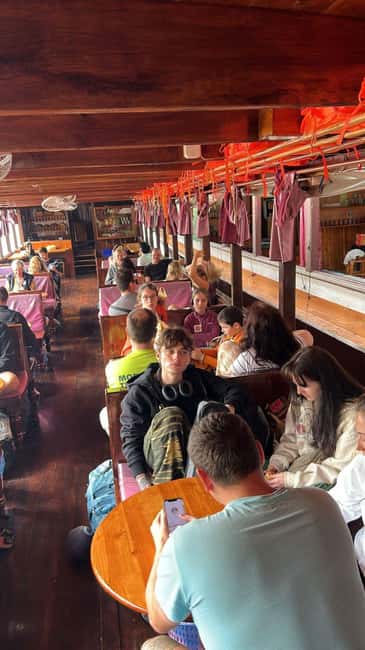
This trip includes an English-speaking tour guide plus a local Laos guide for border and logistics. The intent is clear: help you get through entry formalities and onto boats with fewer problems.
The key detail is timing of support. On Day 2, the guide leaves after you board the slow boat heading to Pakbeng. That means you won’t have help with questions, changes, or decision-making once you’re out on the water.
I also suggest you mentally prepare for imperfect timing. One thing that can sour the experience is running late for border steps or confusion around the White Temple stop time. When that happens, you might end up doing parts of the visa process yourself instead of relying on the guide. The best defense is simple: show up on time for pickup, keep your passport and cash ready, and move quickly during the short White Temple window if you plan to enter.
There’s also a caution worth repeating: visa is strict about pristine USD notes, and money handling at the border is where costs can change quickly. If someone offers you an exchange option, it’s smart to know what you’re being charged and to keep your own decision-making power.
Where You Sleep: Huay Xay Is Included, Pakbeng Is Your Job
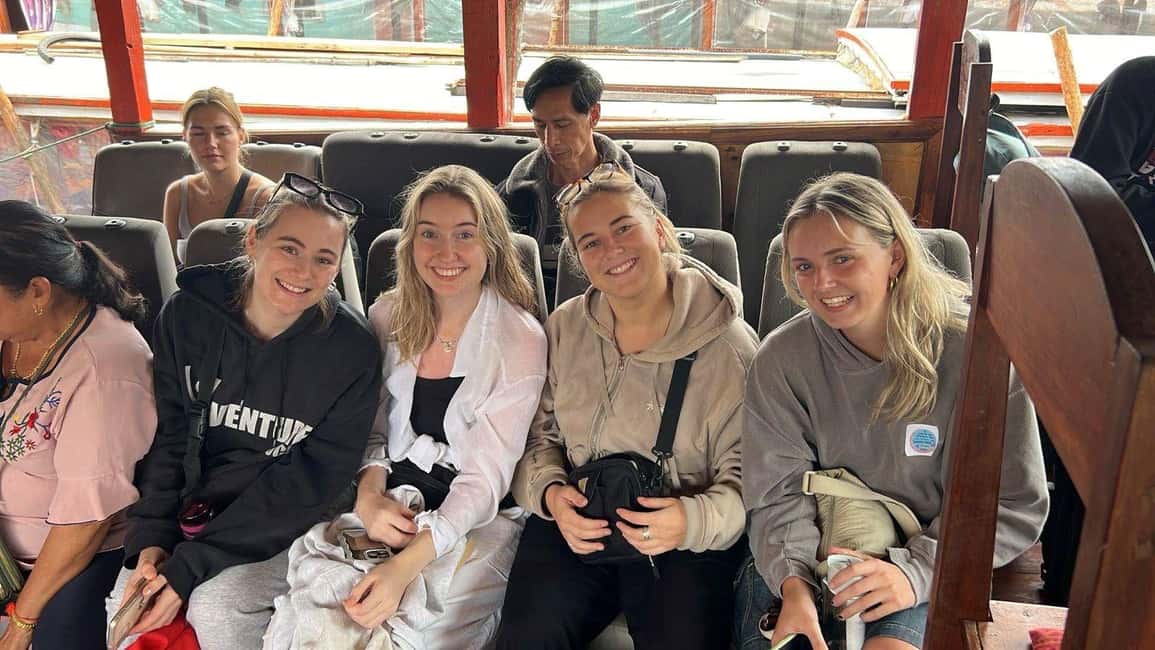
Your Day 1 and Day 2 night structure is set. You get an included overnight stay in Huay Xay with a private room for 2 people. If you want a private room option, there’s an extra cost listed as 300 baht more.
Day 2 overnight is different. In Pakbeng, accommodation is excluded. The advice is to book a room near the pier so you’re not stuck crossing town in the morning rush. If you don’t, you might end up with a weaker location choice after a full day on the boat.
One hotel-type reality: this sort of slow-boat route is often a mix of basic accommodations. If your comfort needs are high, you may want to read up on your Pakbeng room before you commit, and confirm what kind of Huay Xay lodging is being offered when you travel.
Who This Trip Is For (and Who Might Want a Different Option)
This works best if you want:
- a classic Mekong slow-boat experience rather than a fast day trip
- border help that gets you through visa-on-arrival with fewer headaches
- an organized transfer flow without driving yourself
You might want to skip or adjust expectations if:
- you need a fully guided experience during every hour of the boat ride
- you dislike unpredictable crowding on public transport
- you’re very sensitive to hotel quality and would rather choose your exact rooms
If you’re the DIY type, you can probably replicate parts of the route on your own, but you’ll likely spend extra time sorting border timing, transport, and booking. This tour’s strength is reducing that friction.
Should You Book This 3-Day Slow Boat Trip?
Book it if you want the route organized end to end enough that you can focus on the boat ride and arrive in Laos without getting stuck in paperwork chaos. The included Huay Xay night and the border support are the biggest reasons it’s worth considering.
Hold off or go in with eyes open if you dislike public-boat uncertainty, short stop timing, or partial guide coverage. Plan for the visa detail by bringing pristine USD if you use dollars, or budget for the Thai baht option. And for Pakbeng, treat accommodation as your own planning task so you don’t end up far from the pier.
If you want a smooth experience, your travel superpower is preparation: be on time, keep documents handy, and don’t wait until the last minute to solve money and visa details.
FAQ
What time do you pick me up in Chiang Mai?
Pickup from Chiang Mai city is between 09:00 and 09:40. It’s stated as for the center/Chiang Mai city area only.
How does the route work over the 3 days?
You transfer from Chiang Mai to Chiang Rai on Day 1, cross into Laos with visa assistance, stay overnight in Huay Xay, take the slow boat to Pakbeng on Day 2, then continue by slow boat to Luang Prabang on Day 3.
Is the White Temple entry fee included?
No. The stop is included as an optional visit time, but entry fees to the White Temple are excluded.
Is lunch included during the White Temple stop?
No. Lunch at the White Temple stop is listed as excluded. You’ll have time during the stop, but you should expect to pay for your own meal.
How much is the Laos visa on arrival, and what currency can I use?
Visa on arrival costs around 40 USD if you have pristine USD bank notes, or about 1,800–2,000 Thai baht. Visa fees are excluded from the tour price.
Is accommodation in Pakbeng included?
No. Accommodation in Pakbeng is excluded. The trip suggests booking a room in advance or booking when you arrive, and recommends staying near the pier.
Will the guide stay with you on the slow boat?
The guide picks you up and gets you to the boat pier, then leaves after guests board the slow boat to Pakbeng. So you should expect no continuous guide presence during the sailing itself.