REVIEW · CHIANG MAI
Off the Map Chiang Mai Jungle Coffee Trek Roast and Brew
Book on Viator →Operated by Chiang Mai Hill-tribe Coffee tour · Bookable on Viator
Coffee with purpose beats the café.
On this Chiang Mai jungle coffee trek, you get to roast your own beans and even plant a coffee tree in the Karen highlands. I also love that you’re not stuck staring at coffee trivia on a screen. The one real consideration: this is an early start and includes forest walking, so plan for a moderate fitness day.
You’ll get hassle-free pickup from the Chiang Mai Old City area (within 3 km), then ride up into Mae Wang National Park, including a switch to a 4WD off-road segment. The pace stays manageable, and the group stays small (max 8), which matters when you’re trying to learn and ask questions.
By mid-afternoon you’ll be doing a hands-on coffee workflow, from roasting to a V60 pour-over workshop—plus a fresh vegetarian farm-to-table lunch. I like the team’s hands-on teaching style (Jack is the guide name that comes up a lot, and the company runs as a small operation with Jeff also mentioned), but do keep in mind the day depends on good weather.
In This Review
- Key highlights worth planning around
- A Chiang Mai coffee trek that mixes roasting, trekking, and Karen culture
- Price and what you actually get for $123.87
- The route: VIP van pickup, 4WD mountain drive, and Mae Wang timing
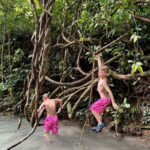
- Walking the forest where coffee actually grows
- Planting for the future: the coffee tree moment
- Farm-to-table vegetarian lunch in a Karen-style setting
- Hands-on roasting masterclass: making your own batch
- V60 pour-over workshop: the technique that makes the cup matter
- Photo moments and wildlife learning without the tourist herd
- Who should book this jungle coffee trek (and who should skip it)
- Should you book Off the Map Chiang Mai Jungle Coffee Trek Roast and Brew?
- FAQ
- How long is the Off the Map Chiang Mai Jungle Coffee Trek Roast and Brew?
- Where does the pickup happen?
- Is lunch included?
- Do I roast coffee myself?
- Is there a coffee brewing workshop?
- What kind of transportation is included?
- How many people are in the group?
- What fitness level do I need?
- What if the weather is bad?
Key highlights worth planning around
- Hands-on roasting: roast your own green beans and take them home (150 g bag)
- Karen village connection: learn how sustainable farming and traditions tie to the forest
- Tree planting activity: plant a coffee tree as a stewardship-style tradition
- V60 pour-over lesson: learn technique, not just a single tasteless demo
- Small group size: max 8 people, which keeps the day calm and question-friendly
- 4WD mountain ride: real “getting out there” travel, not just a short drive and back
A Chiang Mai coffee trek that mixes roasting, trekking, and Karen culture
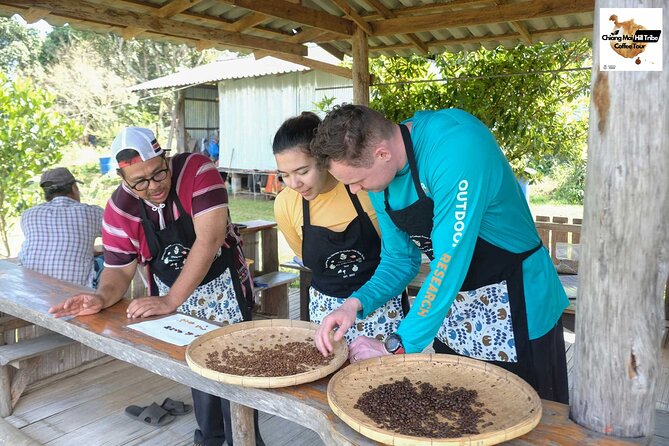
This is a coffee day trip that starts like an outdoor outing and ends like a small workshop at your kitchen counter. You’ll leave Chiang Mai’s Old City behind early, ride into the mountains, and spend time where coffee grows in its natural setting instead of only on a menu.
What makes it feel different is the order of activities. You’re not just roasting coffee as a novelty. You see coffee plants growing, learn how the Karen community manages land and protects the forest, then you roast and brew what you’ve been learning about. It’s the kind of full loop that makes your final cup taste more personal.
And yes, you’ll have photo moments. But the point isn’t only pictures. The day is designed around understanding how people live with the forest—plus what grows there, including medicinal plants. If you like learning with your hands (and your camera), this fits.
You can also read our reviews of more hiking tours in Chiang Mai
Price and what you actually get for $123.87
At $123.87 per person, the value depends on what you’d otherwise pay if you booked things separately. Here, your money is tied to several real costs: hotel pickup and drop-off, a VIP van ride plus a 4WD mountain segment, an English-speaking guide, entry fees, insurance, and all coffee activities.
You also get a meal and a tangible takeaway. The farm-to-table vegetarian lunch includes seasonal fruits, and you receive a souvenir bag of coffee beans you roasted yourself (150 g). That’s not just a small “here’s a sample” gesture—you leave with your own coffee batch.
So if you’re the type who normally pays for a coffee class plus a half-day tour plus a transfer, this can be a smoother deal. If you only want a quick coffee stop with zero walking, you’ll feel the price more than the product, because this day is built around time in the forest.
The route: VIP van pickup, 4WD mountain drive, and Mae Wang timing
Your day starts early. Pickup runs roughly from 06:50 to 07:30 AM for hotels within 3 km of Chiang Mai Old City. After you leave the city, the goal is to get you far enough away that the day feels like a real change of scenery—not a rushed scenic drive.
Once you reach the mountains, there’s a short on-road-to-off-road transition: you switch into a 4WD vehicle for about 20 minutes in Mae Wang National Park, aimed at reaching more remote Karen Highlands areas. If you don’t love bumpy rides, just note that 4WD here is part of the experience. It’s how you reach the coffee-growing forest and the village setting.
The tour runs about 8 to 10 hours. Expect the last drop-off window to land between 5:30 PM and 6:30 PM. That means you’ll want a low-key evening planned after. Your legs, your appetite, and your phone battery will all appreciate it.
Walking the forest where coffee actually grows
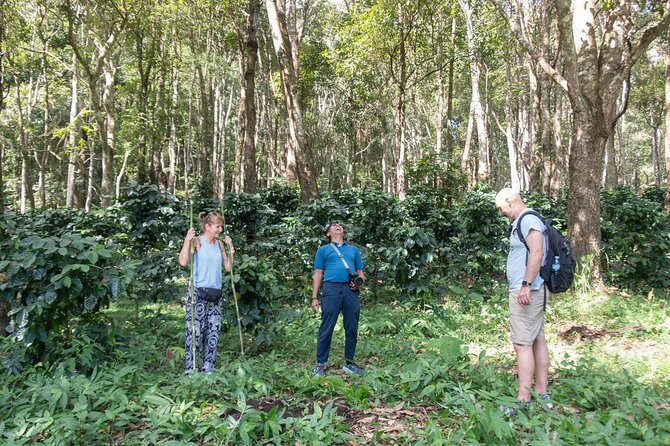
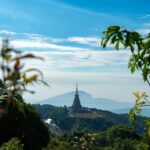
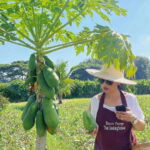
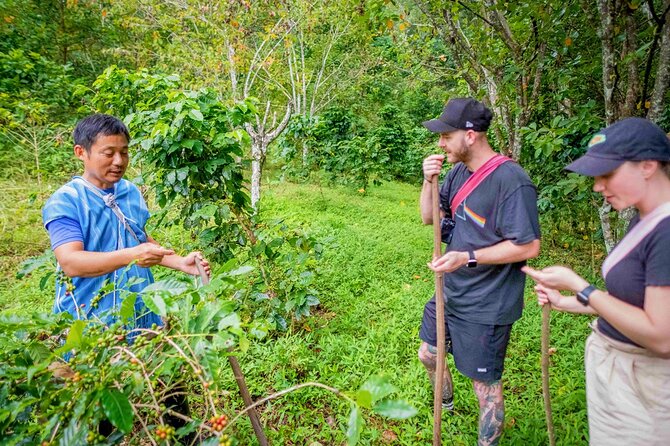
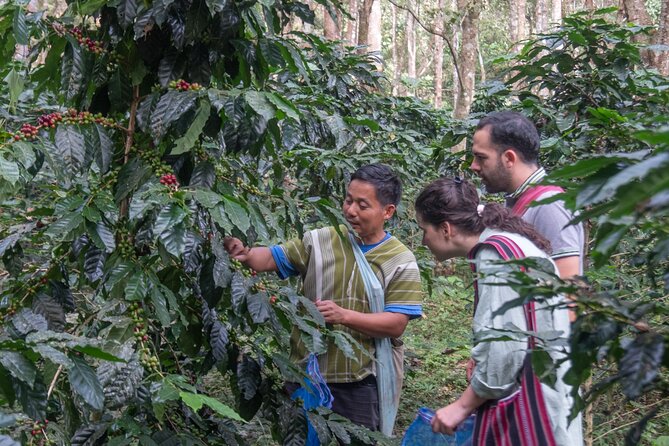
The forest portion is the heart of the day. You’ll trek through lush mountain woodland with coffee plants in the mix, guided by an English-speaking local coffee expert. This is where the day shifts from generic “coffee talk” to practical learning: you see how coffee fits into the environment rather than treating it like something that appears magically at the café.
A key detail is the teaching style. The pacing gives time to notice things—coffee plants, sustainable growing practices, and other plants used in herbal medicine. You’ll also learn about how the Karen community protects the forest while farming. That’s important because it changes how you interpret what you later roast.
There’s also a “learn while moving” benefit. Since you’re walking through the area, you can ask questions in context, and the guide can point out what you’re seeing. If you like explanations that match the view in front of you, you’ll enjoy this section.
Planting for the future: the coffee tree moment
One of the most memorable parts is simple and physical: plant a coffee tree with your own hands. This isn’t framed as a big ceremony with lots of pageantry; it’s presented as a stewardship action tied to how the community thinks about the future of the land.
It happens after the trekking and coffee walk. It’s also short enough that it doesn’t feel like labor for the sake of labor (about 20 minutes). But it’s long enough to make the moment real—hands in soil, a direct sense of participation, and something living to mark the day.
If you’re the type who hates “activities for activities’ sake,” this is one of the better ones in the lineup because it connects to what you learned earlier: sustainable farming, protecting the forest, and ensuring coffee continues to grow.
The main practical consideration is that you’ll want to be comfortable kneeling or bending for a short while. Wear clothes you don’t mind getting a bit dusty.
You can also read our reviews of more tours and experiences in Chiang Mai
Farm-to-table vegetarian lunch in a Karen-style setting
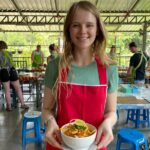
After the outdoor work, you’ll refuel with a farm-to-table vegetarian lunch prepared with fresh ingredients from the village farm, plus seasonal fruits. This meal is more than a stopgap; it’s part of the day’s theme of living close to the land.
The lunch time is about 40 minutes. That’s enough to eat without feeling rushed, and it gives you time to reset before the roasting and brewing sessions. If you’ve ever been stuck on tours where lunch is bland and rushed, you’ll like the more grounded feel here—simple, organic, nature-rooted, and filling enough to carry you through the afternoon.
Vegetarian travelers will be happy here since it’s specifically vegetarian. If you have severe dietary restrictions, the data only confirms vegetarian and seasonal fruits; you should check with the operator before booking if you need something beyond that.
Hands-on roasting masterclass: making your own batch
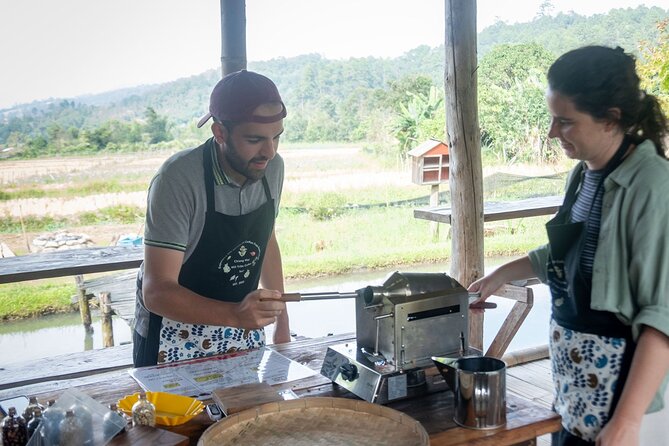
Now the day turns into craft. You’ll do a roasting masterclass where you roast your own batch of green beans. The instruction focuses on controlling heat and fire to unlock the coffee’s potential. In other words, you learn the real reason roasting isn’t just timing—it’s airflow, heat management, and watching the beans change as you work.
This segment lasts about 40 minutes. That’s a sweet spot: enough time to actually do it yourself, but not so long that you stop feeling present. You’ll also get coffee and tea for brewing and testing, so you can compare results and learn what different choices do to flavor.
A practical tip: if you’re a coffee person, come with a curious mindset. Try to notice what changes during roasting and ask for guidance on why. If you’re not a coffee person, you’ll still get value because the process makes your final cup less mysterious.
And yes, you take home what you roasted. You’ll leave with a 150 g bag of your DIY roasted beans.
V60 pour-over workshop: the technique that makes the cup matter
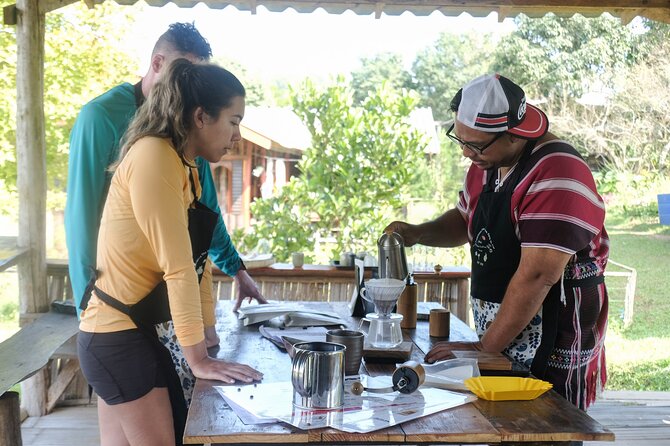
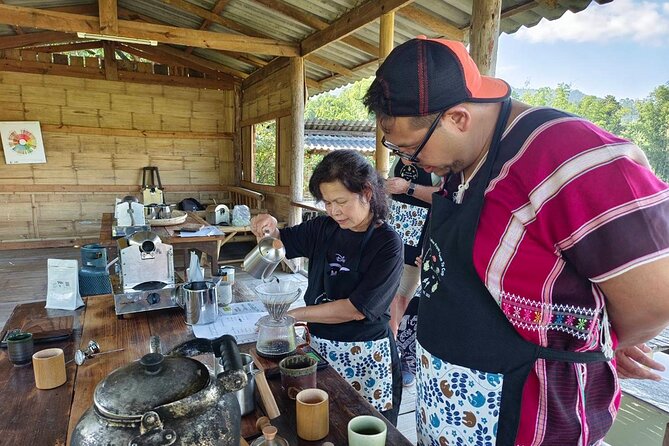
After roasting, you’ll learn how to brew using a V60 pour-over method. This part is about the art of turning beans into a consistent cup. Expect guidance on how to pour and how the method honors the hard work of the farmers—basically, how technique respects the coffee’s origin and roast.
The V60 workshop is about 20 minutes. It’s short, but it’s designed to connect directly to what you did earlier. If your roast ends up slightly different than someone else’s, the brew technique helps you taste why that matters.
This is a great finishing touch if you want skills, not just souvenirs. Back home, you can repeat the method and make your takeaway beans part of your routine. It’s the type of activity that pays off after the trip, not only during it.
Photo moments and wildlife learning without the tourist herd
You’ll get plenty of chances to take photos on mountain trails and around coffee-growing areas. The day is timed and planned to avoid turning into a crowded spectacle. The small group size (max 8) helps a lot: you’re not constantly waiting for space to shoot, and you can slow down for details without holding up a big bus.
You’ll also learn about local wildlife and medicinal plants during the forest portion. The point isn’t to turn the day into a wildlife documentary; it’s to help you notice how life in this area connects to human farming and traditional practices.
If your travel style is hands-on, you’ll leave with more than photos. You’ll have a mental map of how coffee and the forest work together. And if you’re the type who likes to explain your travel to friends later, this day gives you real stories: the tree you planted, the beans you roasted, and the method you practiced.
Who should book this jungle coffee trek (and who should skip it)
This tour fits best if you want a full, skill-based coffee day: trekking, community learning, roasting, and brewing. If you like active travel but you don’t want a “mountain climb” kind of day, the pacing here should feel manageable with moderate fitness.
Book it if:
- you’re curious about coffee beyond tasting
- you enjoy nature walks where the guide points out what matters
- you like small groups and direct instruction
- you want a take-home souvenir that isn’t mass-produced
Skip it or consider carefully if:
- you don’t want early mornings
- forest walking is uncomfortable for you
- you’re hoping for mostly sitting and sipping
Should you book Off the Map Chiang Mai Jungle Coffee Trek Roast and Brew?
I think this is a strong choice for people who want coffee as a real experience: walk the forest where it grows, understand the community side, then roast and brew your own batch. The small group limit and the hands-on workflow make it feel more personal than typical “coffee tours” that are mainly drive-and-taste.
If you’re on the fence, ask yourself one question: Do you want skills you can use later, or do you only want a quick activity? If you want skills, this delivers—especially with the roasting and the V60 workshop plus the 150 g bag you take home.
FAQ
How long is the Off the Map Chiang Mai Jungle Coffee Trek Roast and Brew?
It runs about 8 to 10 hours.
Where does the pickup happen?
Pickup is offered from your hotel within 3 km of Chiang Mai Old City.
Is lunch included?
Yes. You’ll have a fresh farm-to-table vegetarian lunch with seasonal fruits.
Do I roast coffee myself?
Yes. You’ll take part in a hands-on roasting masterclass and get a bag of the beans you roasted (150 g).
Is there a coffee brewing workshop?
Yes. You’ll do a V60 pour-over workshop.
What kind of transportation is included?
You get VIP van pickup and drop-off plus a 4WD mountain ride.
How many people are in the group?
The group size is capped at a maximum of 8.
What fitness level do I need?
Moderate physical fitness is recommended since there’s a trekking component and a forest walk.
What if the weather is bad?
The experience requires good weather. If it’s canceled due to poor weather, you’ll be offered a different date or a full refund.