REVIEW · CHIANG MAI
Chiang Rai Temples Tour & Golden Triangle Including Boat to Laos
Book on Viator →Operated by WE LIKE TOUR THAILAND · Bookable on Viator
White Temple photos kick off the day right, and Wat Rong Khun plus a private guide makes the art feel personal instead of rushed. I also like that you get real context as you travel, with stops built around Northern Thai sights like the Blue Temple and Wat Huay Pla Kang. One drawback to plan for: this is an 11-hour day with about six hours of driving round-trip.
In practice, you’ll go from Chiang Mai up into Chiang Rai, cross into the Golden Triangle border area, cruise along the Mae Khong River, and then continue toward the Blue Temple and Wat Huay Pla Kang. It’s the kind of route that works best when you like big highlights, good photo timing, and having a guide who can explain what you’re seeing.
In This Review
- Key takeaways before you go
- Wat Rong Khun: the White Temple that sets the tone
- Golden Triangle: where three countries meet, and your day broadens
- Wat Rong Seur Ten (Blue Temple): community roots, then a modern visit
- Wat Huay Pla Kang: the 76-meter Giant Buddha
- Mae Khachan Hot Spring: the short break that keeps the day sane
- The Mae Khong boat and crossing into Laos: the trip’s wild card
- Driving time, private comfort, and why the guide matters
- Included value: what you’re really paying for at $145
- Who this tour fits best (and who should pass)
- Should you book it?
- FAQ
- FAQ
- What time does the tour start?
- How long is the Chiang Rai Temples Tour & Golden Triangle day trip?
- What is the price per person?
- Is hotel pickup and drop-off included?
- Is the tour private?
- What languages are the guides?
- Is lunch included?
- Are temple entry tickets included?
- Does this tour include a boat ride and Laos?
- Does the tour provide any drinks during the day?
- What is included beyond the guide and transport?
Key takeaways before you go
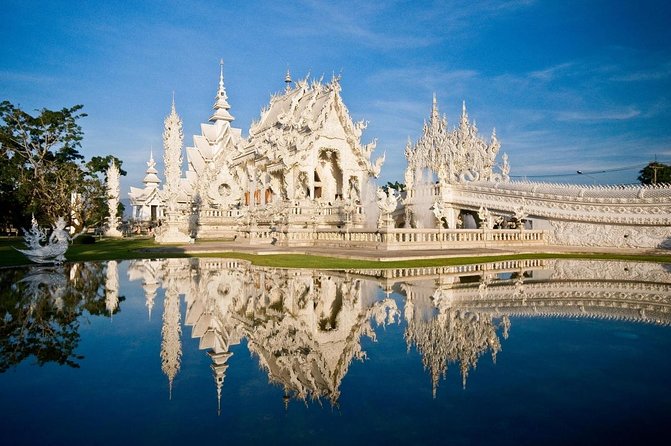
- White Temple at Wat Rong Khun: built as a standout white art temple, founded in 1997 by artist Chalermchai Kositpipat
- Golden Triangle border area: a three-country meeting point for Thailand, Myanmar, and Laos, with the Sop Ruak area nearby
- Blue Temple timing: Wat Rong Seur Ten connects community history (started 1996, construction began later) to a modern visit
- Wat Huay Pla Kang’s 76-meter Giant Buddha: Chinese-Lanna style architecture and a newer Chiang Rai landmark
- Mae Khong boat + Laos border crossing: adds a sense of travel beyond temple-hopping, even with only a short river window
Wat Rong Khun: the White Temple that sets the tone
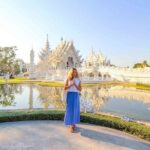
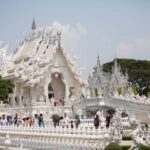
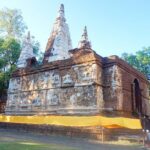
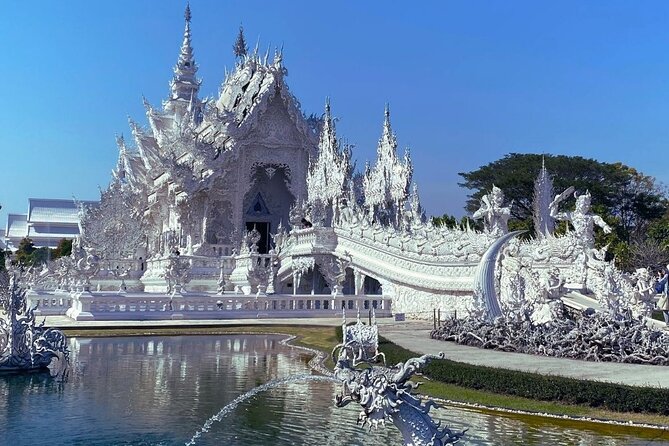
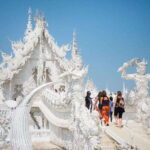
Wat Rong Khun is the big draw in Chiang Rai, and it makes sense why. The temple’s famous for its white look and for being an art project that began in 1997, created by Thai artist Chalermchai Kositpipat. Even if you’ve seen pictures before, the shape and detail on-site can feel different once you’re standing in front of it.
This stop is built into the day with about one hour and an included admission ticket. That hour is usually enough to get your bearings, take photos, and read the guide’s explanation without feeling like you’re sprinting. If you love photography, you’ll likely appreciate how the guide manages time and angles.
The only thing to remember is that “white temple” means brightness and contrast. On sunny days, your camera settings can get tricky fast, so bring sunglasses and be ready for strong light.
You can also read our reviews of more boat tours in Chiang Mai
Golden Triangle: where three countries meet, and your day broadens
Next comes the Golden Triangle, described here as the border zone where Thailand, Myanmar, and Laos connect at one meeting point. It’s about 9 kilometers north of Chiang Saen along the Mekong riverside road, and the stop focuses on the Sop Ruak area where the Mekong is part of the story.
This is a relief if you’re tired of temple-only days. The Golden Triangle adds scale: you’re not just looking at a building, you’re looking at geography, borders, and a major river corridor. It also gives your guide a chance to connect what you see on the ground to what you’ll later experience on the boat and with the Laos crossing.
Admission here is free, so you can spend the time on observation and photos rather than ticket logistics. The stop is also about one hour, which keeps things moving but still gives you time to settle in and watch the river area.
Wat Rong Seur Ten (Blue Temple): community roots, then a modern visit
Wat Rong Seur Ten, often called the Blue Temple, has a construction story that adds depth if you like knowing why places exist. According to the details on this tour, the community started planning in 1996 to replace an older abandoned temple that had been on the site. Construction didn’t begin right away, with work later starting in 2005, and the temple you see today reflects that long road.
You’ll have about one hour here, and admission is listed as free. That free-entry aspect is nice for value, but the real win is pacing. After the Golden Triangle, you’ve got a more intimate, temple-focused stop that still feels connected to the wider region.
One practical note: free temple entries can still mean crowds. Because this is a private tour, you should have more control than the usual bus-day flow, but you’ll still want good footwear and patience if you’re visiting on a busy day.
Wat Huay Pla Kang: the 76-meter Giant Buddha
Wat Huay Pla Kang is a newer Chiang Rai landmark in the tour’s lineup, and it’s designed to make an impact. The temple was founded in 2005, and the architecture is described as Chinese-Lanna style, which blends regional influences in a way that feels distinct.
The headline is the 76-meter Giant Buddha, and that alone can dominate the whole stop. This visit includes an admission ticket and is timed at about one hour, giving you time to appreciate scale and take your photos without feeling like you’re rushing through.
I like this stop because it balances the day. The White Temple is art-first, the Blue Temple has that community-and-time story, and Wat Huay Pla Kang brings you back to something that feels like a major landmark. If you’ve been to “small temple” places, this one is built for big viewing.
Mae Khachan Hot Spring: the short break that keeps the day sane
Between Chiang Mai and Chiang Rai, the tour includes a stop at Mae Khachan Hot Spring. It’s described as being about halfway on the route, surrounded by mountains, and known in the north for natural views. You also get a coffee break, which is exactly what you want in the middle of a long travel day.
This is only about 30 minutes, and admission is listed as free. That short window is intentional: you don’t want to lose hours when the tour is already planning a full day of driving and multiple major stops.
If you tend to get tired with early starts, this is a smart inclusion. It’s also a good time to hydrate, use restrooms, and reset your energy before the next big area.

The Mae Khong boat and crossing into Laos: the trip’s wild card
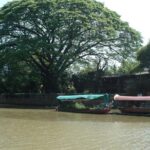
A major reason this tour feels different from a standard temple circuit is the river + border portion. You’ll do a boat cruise along the Mae Khong River, and the day includes crossing to the Laos border before continuing on to the Blue Temple area and the Wat Huay Pla Kang landmark.
Even without extra time on the river, this adds momentum and variety. It also gives your guide a chance to explain how the river corridor links the region, and it helps you understand why Chiang Rai is such a gateway zone for Northern Thailand.
Because a border crossing is involved, it’s smart to plan carefully with documents. Bring whatever ID/passport paperwork you need for Thailand to Laos entry and exit, and keep it easy to access. That’s one of those “do this once, thank yourself later” travel habits.
Driving time, private comfort, and why the guide matters
This is a private tour, so you’re not joining other groups. You start at 7:00 am and the day runs about 11 hours total, with the tour provider noting roughly 3 hours to Chiang Rai and 3 hours back to Chiang Mai.
That’s a lot of time in a vehicle, but the tour is built to justify it. You’ll see Northern Thai countryside along the way—roads lined with local communities, paddy fields, farm lands, and mountains. You also get an AC vehicle and an experienced guide in English or Mandarin (depending on what you book).
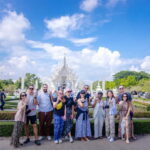
What I especially liked from the guide praise is how personal the experience feels when the guide is actually good. One praised guide, John, was described as patient and funny, and also as great at taking photos and sharing lots of information. Another guide name that came up was Mr. Big, who was credited with a smooth hotel pickup and friendly chatting during the drive.
Practical tip: if you’re the type who enjoys explanations while you’re riding, pick this tour because it gives you that chance. If you prefer silent travel, you’ll still get the private advantage, but you may want to tell your guide you’d rather not have a constant stream of commentary.
Included value: what you’re really paying for at $145
At $145 per person, this tour isn’t a “cheap and simple” option, but it can feel fair for what’s included. You get hotel pickup and drop-off, an air-conditioned vehicle, and an experienced private guide. You also get lunch with local Thai food and mineral water.
On top of that, the tour lists all fees and taxes as included. Entry tickets are included for some of the main sights—Wat Rong Khun and Wat Huay Pla Kang—while Golden Triangle and Wat Rong Seur Ten (Blue Temple) are listed as free. That mix is a value pattern you’ll feel during the day because you’re not constantly managing tickets or paying small amounts for each stop.
Don’t ignore one more value factor: travel insurance is included. It’s not the kind of line you get excited about, but it matters when you’re doing a long day with road time and border-related travel.
If you’re comparing options, look past the base price and focus on whether lunch, tickets, pickup, and guide time are genuinely included. Here, they are.
Who this tour fits best (and who should pass)
This tour fits best if you want a highlights-heavy Chiang Rai day without planning the route yourself. It’s also ideal if you like variety: temples, border geography, and a Mae Khong boat portion instead of only religious sites.
You should consider passing if you hate long driving days. Even with the countryside stops, it’s still a full day from 7:00 am to about 11 hours, and most of that includes road time.
If you’re traveling with people who want different things—one person wants temple photos, another wants geography and river views—this is the kind of schedule that can please multiple tastes.
Should you book it?
I’d book this tour if you want a private, structured day that hits Chiang Rai’s major temples plus the Golden Triangle area and includes a boat and Laos border crossing. The best reason is the guide experience: when you get someone like John, it turns the stops into a story you can follow rather than a check-list you rush through.
If you’re sensitive to early starts or long rides, you may find the schedule tiring. In that case, consider a shorter Chiang Rai-focused option that cuts down on back-and-forth driving.
FAQ
FAQ
What time does the tour start?
The tour start time is 7:00 am.
How long is the Chiang Rai Temples Tour & Golden Triangle day trip?
The duration is about 11 hours.
What is the price per person?
The price is $145.00 per person.
Is hotel pickup and drop-off included?
Yes, hotel pickup and drop-off are included.
Is the tour private?
Yes, it’s a private tour/activity, and only your group participates.
What languages are the guides?
The guide is listed as available in English or Mandarin.
Is lunch included?
Yes, lunch with local Thai food is included.
Are temple entry tickets included?
Admission tickets are included for Wat Rong Khun and Wat Huay Pla Kang. The Golden Triangle area and Wat Rong Seur Ten (Blue Temple) are listed as free.
Does this tour include a boat ride and Laos?
Yes, it includes a boat cruise along the Mae Khong River and it includes a Laos border crossing.
Does the tour provide any drinks during the day?
Yes, mineral water is included.
What is included beyond the guide and transport?
The tour lists all fees and taxes, air-conditioned vehicle, travel insurance, and mineral water as included.