REVIEW · CHIANG MAI
Half-Day Elephant Experience at Rantong
Book on Viator →Operated by Ran-Tong Save & Rescue Elephant Centre · Bookable on Viator
Rescued elephants, close up, and no racing around. This half-day visit to Ran-Tong Save & Rescue Elephant Centre mixes hands-on care with time to watch elephants at their own pace. You get a small group limited to 15, plus hotel pickup, so the day feels easy even though the sanctuary sits outside the city.
What I like most is the focus on day-to-day wellbeing—feeding and bathing without a forced show—and the way guides keep things clear and fun. Guides such as Rambo, Seven, Nikon, and Oh-Oh are often named in standout comments for their energy and for explaining elephant behavior in a way that makes the whole visit make more sense. One thing to consider: the drive can be rough or tight depending on the vehicle, and traffic can stretch the trip.
In This Review
- Key things to know before you go
- Getting from Chiang Mai to Ran-Tong: the ride factor
- Arrival and first contact: Karen-style dress and the elephant school start
- “Making vitamins” and the care routine you actually see
- Feeding, walking, and letting elephants set the pace
- Bath time: wet clothes, real water, and the best photo angles
- The meal stop: Thai food, fruit, and an actual end to the day
- Guides and group size: why 15 people feels different
- Price and value: what $58.70 buys you in real terms
- Ethical fit: what you should look for in an elephant day
- Who should book this experience
- Should you book Ran-Tong’s half-day elephant experience?
- FAQ
- FAQ
- How long is the Half-Day Elephant Experience at Rantong?
- Where does the tour start in Chiang Mai?
- Is there a morning and afternoon option?
- How big is the group?
- Is lunch or dinner included?
- What should I wear and bring for the elephant bath?
- Will I have access to a shower afterward?
- What is the cancellation window?
Key things to know before you go
- Small-group experience (max 15): more time with elephants, less waiting.
- Hands-on interactions, not riding: feeding, walking, and bathing are the big moments.
- Karen-style clothes change: you’ll swap into traditional mahout-style outfits on site.
- What you’re watching is care: feeding routines and elephant needs, not tricks.
- Shower and clean-up time: you’ll be able to freshen up after the water activities.
- Included Thai meal: Thai food with seasonal fruit ends the day on a full stomach.
Getting from Chiang Mai to Ran-Tong: the ride factor
This half-day experience starts with hotel pickup in Chiang Mai city. Then it’s about a one-hour drive to Ran-Tong Save & Rescue Elephant Centre in Mae Taeng District. The sanctuary is far enough out that you’ll feel the trip, so plan to treat it like part of the outing—not just a commute.
Most people find the setup convenient because you don’t need to hunt for a meeting point. That said, there’s a real theme in the comments: the vehicle ride can be cramped, bumpy, or just stressful if you’re sensitive to tight seating or long stretches. I’d also build in extra time around pickup and drop-off because Chiang Mai traffic is real, and timing can shift when vans are coordinating around town.
My practical tip: wear clothes you don’t mind creasing, bring a small water bottle, and consider bringing insect repellent already in your bag for the countryside approach. If you’re tall, ask for the seating arrangement when you can—some vans can feel tight.
You can also read our reviews of more tours and experiences in Chiang Mai


Arrival and first contact: Karen-style dress and the elephant school start
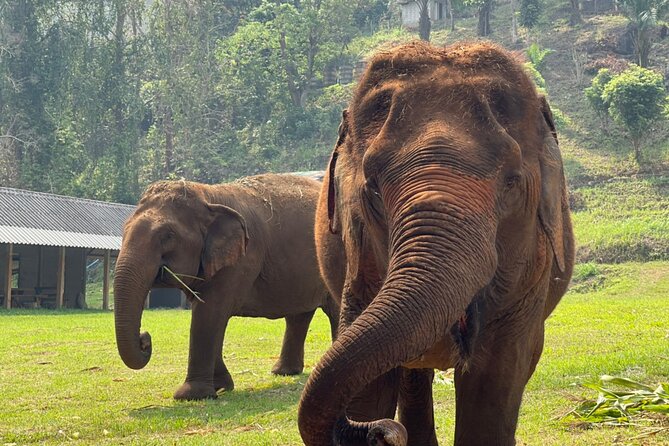
Once you reach the centre, you change into mahout-style Karen clothes. This isn’t just for photos. It helps you shift into a different rhythm on arrival, and it signals that the day is about learning and care rather than spectacle.
Before you’re fully in elephant time, you’ll get an orientation session often described as an elephant school. You learn how the centre works, what the rescued elephants’ routines look like, and how you’ll interact later. This matters because elephants can be calm and friendly one minute and totally uninterested the next. When you understand their cues, you stop thinking in human expectations and start reading the situation.
You’ll also get a clearer idea of who the elephants are and why they’re there—rescue elephants from terrible conditions are part of the centre’s mission, and the whole visit is built around understanding how they’re supported day to day.
“Making vitamins” and the care routine you actually see
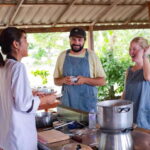
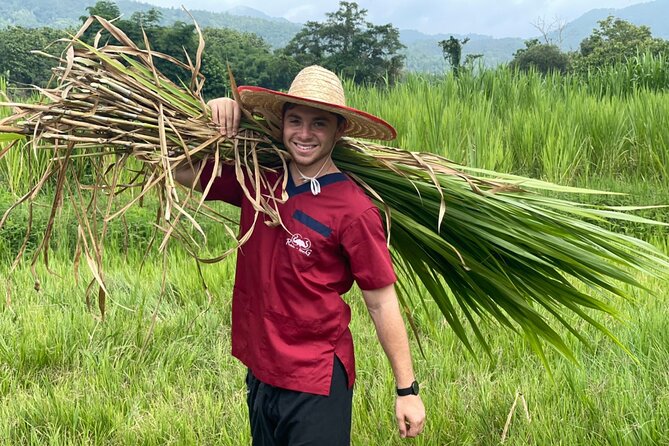
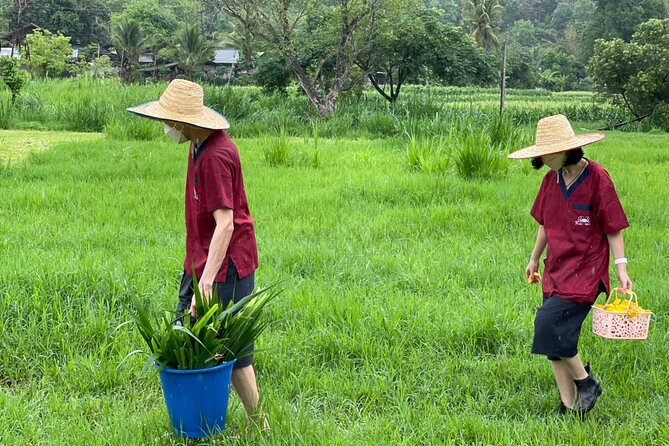
A standout part of the half-day is the activity where you help make vitamins for the elephants. The emphasis here is not on gimmicks; it’s on support for elephants with specific needs, including pregnant elephants as well as injured or older elephants (as described in the experience flow).
This moment changes the tone of the visit. Instead of only doing the fun stuff—feeding, walking, bathing—you also see the practical work behind it. You’re not just a spectator; you’re participating in a care step that helps the elephants get what they need.
What to watch for: listen closely when staff explain how the elephants respond to routine. Calm, patient behavior and clear instructions make a difference, and the best guides keep the pace steady so you don’t feel rushed.
Feeding, walking, and letting elephants set the pace
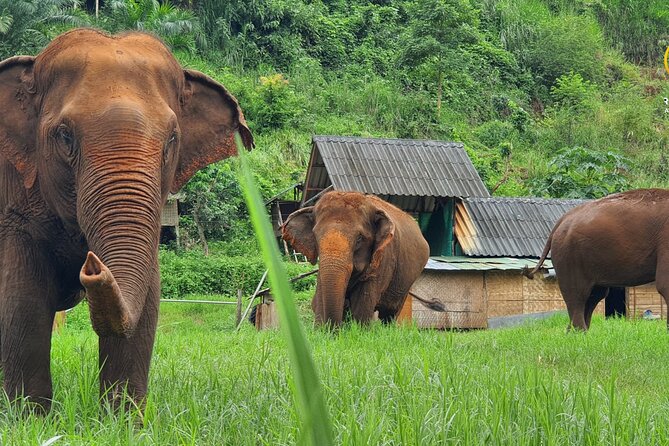
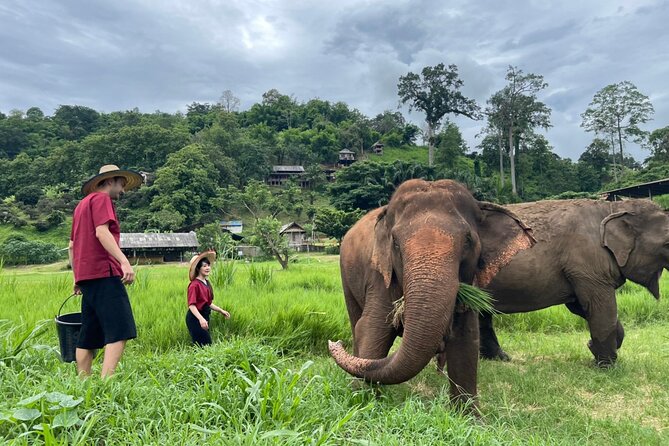
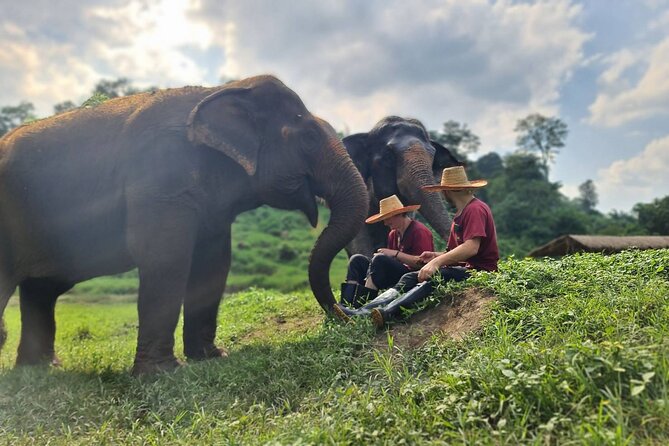
After the care prep, you meet the elephants and move into the interaction portion: walking with them, feeding them, and spending time close enough to see body language up close.
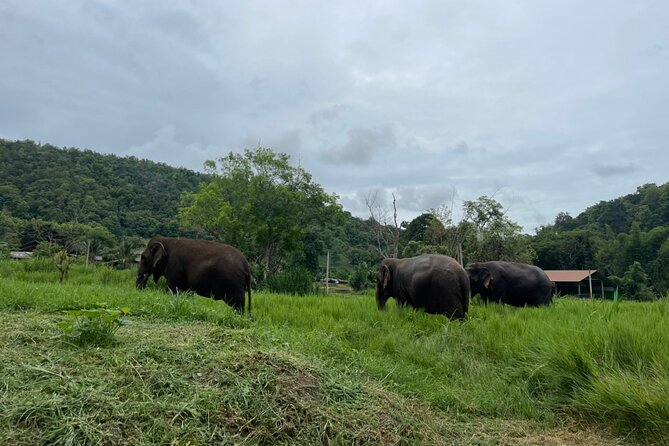
This is where the experience earns its high marks. Many people come to Chiang Mai expecting a classic elephant “tour” with riding or forced performance. Ran-Tong is different in spirit. The interactions are structured, but the goal is to keep elephants in control of the situation. If an elephant moves away, the day should flow with that choice rather than against it.
This is also a good place to remember basic animal-watching etiquette: keep your space, follow guide direction, and avoid turning the day into a constant selfie mission. When you slow down, you notice more—ear flicks, tail swishes, and how the elephants choose where to stand. Those small signs tell you more than the bigger moments.
Bath time: wet clothes, real water, and the best photo angles
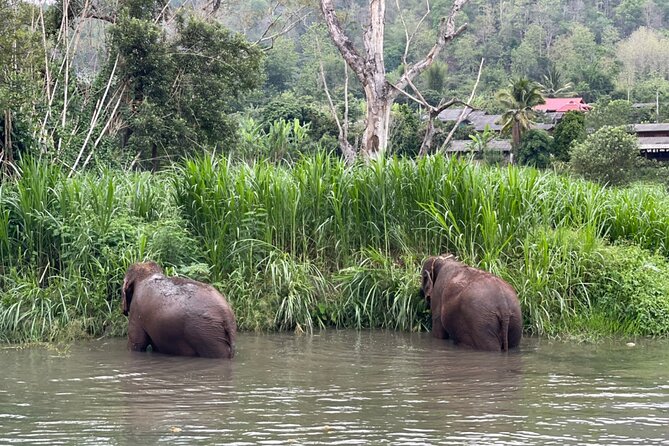
The bathing part is often the headline. You’ll take part in the elephants’ bath experience, with conditions described as close to their natural habitat.
Yes, it gets wet and muddy. This is not a “spray bottle” moment. If you’re expecting a neat experience, you’ll be surprised. But if you go prepared, it becomes the most memorable segment of the half-day.
How to prepare like a pro:
- Bring sandals that you don’t mind getting wet and dirty.
- Pack a spare set of clothes so you can change after.
- Bring camera protection if you’re carrying a phone or device.
- Consider bringing shampoo and soap if you want your own exact routine (some centres provide items, but having your own doesn’t hurt).
- Use mosquito spray or insect repellent, especially in the humid outdoor areas.
A common theme in strong comments is that the bathing and handling feel safe and organized, with staff guiding you on what to do and when to step back. And you’ll usually have a shower/changing area afterward—often described as clean and spacious, with towels and shower gel available.
Photo tip: aim your camera when you’re steady in position. The best angles come when you’re watching the elephant rather than chasing it, and when you stop blocking water flow around other visitors.





The meal stop: Thai food, fruit, and an actual end to the day
Between elephant time and leaving, you’ll get lunch or dinner depending on your start time. The food is described as Thai food with seasonal fruits and drinking water.
This is a big value point you might not expect from a half-day tour. Many animal encounters feed you something small. Here, the meal is repeatedly described as delicious and plentiful, with people specifically mentioning that they asked for more. You’ll also have fruit, which is a nice reset after a sweaty, wet morning.
If you’re the kind of traveler who gets hangry fast, this meal makes the timing make sense. You’re typically leaving the centre back toward your hotel afterward, and you don’t want to reach the end feeling like you still have to hunt dinner.
Guides and group size: why 15 people feels different
The experience caps the group at 15 travelers. That limit shows in how the day flows. With a smaller group, you spend less time waiting your turn and more time learning and engaging.
Guides are a big reason people leave happy. Names that show up often include Seven, Rambo, Nikon, and Oh-Oh. Across those guide styles, the pattern is consistent: clear instruction, fun energy, and practical elephant behavior explanations. That combination matters because elephant interaction is part physics (space and movement) and part mind-reading (reading cues).
If you hate crowds: this size is your friend. You’ll still feel there are people around, but it won’t turn into a line.
Price and value: what $58.70 buys you in real terms
The price is $58.70 per person for about five hours. On paper, that might seem like a lot for a half-day. In practice, you’re paying for several included items that would cost you separately:
- Hotel pickup and drop-off in Chiang Mai city
- Entry and guided activities at Ran-Tong Save & Rescue Elephant Centre
- Changing into mahout-style Karen clothes
- Hands-on elephant interactions (feeding, walking, and bathing)
- A meal (Thai food plus seasonal fruit and water)
- Shower/changing access after water play (and commonly towels and shower gel)
Where the value really shows is in how organized the day feels. When the interaction is structured and the staff handle safety and pacing, you get a better experience than the cheaper, looser elephant encounters that turn into chaotic crowds.
My take: for a half-day, this is good value if you want an ethical-feeling encounter and you prefer guidance over DIY touring.
Ethical fit: what you should look for in an elephant day
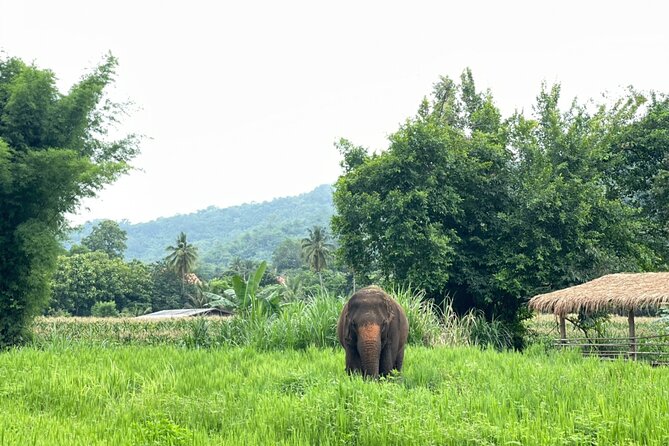
Based on how the experience is described, it’s built around rescued elephants and education, with interactions focused on care rather than performance. You learn about how elephants are cared for, and the daily rhythm is part of what you observe.
The most important “fit check” is your expectations:
- If you want elephants to perform on command, this likely won’t match that style.
- If you want to feed, walk, and bathe elephants while learning how they live, this aligns with that goal.
Also, pay attention to how the guide handles pacing. The best situations feel like elephants are choosing the moment rather than being pushed into it. That’s the difference between feeling like a show and feeling like respectful interaction.
Who should book this experience
This tour is a strong match if you:
- Want a half-day elephant experience without a full-day time commitment
- Prefer small-group attention and clearer instructions
- Care about animal welfare and learning what rescue centres do
- Are okay with getting wet and dirty, and you’re happy to change afterward
It’s also a decent option for families. Some comments specifically mention it as safe and well run for children, and the activity structure helps keep things organized.
Not ideal if you:
- Are very sensitive to vehicle comfort or long rides
- Expect a perfectly smooth, luxury transport day
- Don’t want any messy elements (bath time is part of the deal)
Should you book Ran-Tong’s half-day elephant experience?
I’d book it if you want an elephant visit that feels more like care and education than a theme-park stunt. The small group limit, the hands-on feeding and bathing, the Karen-style dress change, the shower setup, and the Thai meal all add up to real value for a half-day.
I’d think twice if you’re only okay with comfortable transport. The elephant experience can be excellent, but the drive can test your patience. If you’re flexible and you prepare for the water and mud, you’ll get the kind of close-up memory that’s hard to recreate anywhere else.
FAQ
FAQ
How long is the Half-Day Elephant Experience at Rantong?
It lasts about 5 hours.
Where does the tour start in Chiang Mai?
Pickup is offered from your hotel/accommodation in Chiang Mai city, and you’ll be driven to Ran-Tong Save & Rescue Elephant Centre.
Is there a morning and afternoon option?
Yes. You can choose a morning or afternoon start time.
How big is the group?
The experience has a maximum of 15 travelers.
Is lunch or dinner included?
Yes. You’ll be served Thai food with seasonal fruits and drinking water.
What should I wear and bring for the elephant bath?
Bring spare clothes and comfortable shoes. You should also pack sandals you don’t mind getting wet and dirty, plus mosquito spray or insect repellent.
Will I have access to a shower afterward?
You should have a shower/changing area after the bathing activities so you can freshen up and change.
What is the cancellation window?
Free cancellation is available if you cancel up to 24 hours in advance of the experience start time for a full refund.
If you’d like, tell me your travel dates and whether you’re doing the morning or afternoon slot—I can help you pick the option that best fits your schedule and energy level.