REVIEW · CHIANG MAI
Half-Day Thai Cooking Class and Market Tour From Chiang Mai
Book on Viator →Operated by Oh-Hoo · Bookable on Viator
Thai cooking feels simple here. You start with a market walkthrough so you understand herbs, vegetables, and spices before you ever touch a stove. I also love that you cook in an open-air kitchen with your own station, and you make a full meal (lunch or dinner) from five chosen dishes.
The biggest thing to weigh is reliability around the parts you care most about. The market visit and the recipe handoff matter, and one hiccup can mean you miss part of the ingredient shopping or the recipe delivery, so I’d plan to confirm details on the day.
In This Review
- Key Things to Know Before You Go
- Entering Chiang Mai at Tha Phae Gate: Pickup, Timing, and Setup
- The Market Tour That Makes Thai Cooking Click
- Choosing Your 5 Dishes: Make It Your Meal, Not Their Menu
- Inside the Open-Air Kitchen: Your Station, Your Tempo
- Chef Chang (Apple, Mr. Chang): Dish-by-Dish Guidance You Can Rely On
- Heat Control and Flavor Logic: Spicy or Mild Without Losing Thai Taste
- What You Take Home: Recipe Book and Ingredient Substitution Tips
- Price and Value in Chiang Mai: What $34.47 Buys
- Who This Cooking Class Suits Best
- Practical Tips for a Smooth Morning or Dinner Session
- Should You Book This Half-Day Thai Cooking Class and Market Tour?
- FAQ
- How long is the Half-Day Thai Cooking Class and Market Tour from Chiang Mai?
- Where does the tour start and end?
- Is pickup available?
- How many dishes do I cook?
- Can the dishes be made spicy or mild?
- Are vegan and vegetarian options available?
- What are the rules for children?
Key Things to Know Before You Go
- Small group of up to 8 keeps attention on your station and your questions
- Choose 5 dishes from stir-fry, appetizer, soup, curry, and dessert categories
- Market tour (20–30 minutes) teaches how Thai flavor building works with herbs, vegetables, and spices
- Open-air kitchen in a private house means a more relaxed, local cooking feel than a busy classroom
- Chef-led, dish-by-dish instruction with options to make food spicy or mild
- Recipe book at the end plus tips for finding Thai ingredients and substitutions later
Entering Chiang Mai at Tha Phae Gate: Pickup, Timing, and Setup
This class is built around a short, focused half-day format, about 4 hours total. The start point is Tha Phae Gate on Tha Phae Road, and the activity ends back at the meeting point. If you want less hassle, pickup is offered within 3 kilometers of Chiang Mai downtown, so you may not need to line up a tuk-tuk just to begin.
You’ll also see there are two course periods: morning and dinner. That matters if you’re planning around temple time, night markets, or a day trip. With a half-day block, you can actually fit Chiang Mai sightseeing before or after without feeling like you’ve “lost” an entire day to cooking.
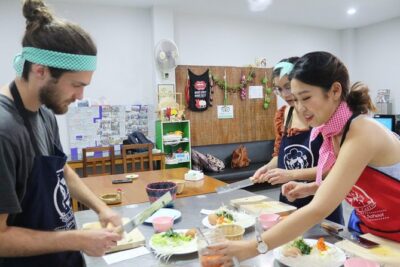
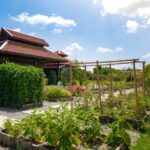
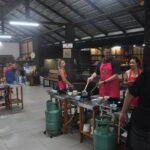
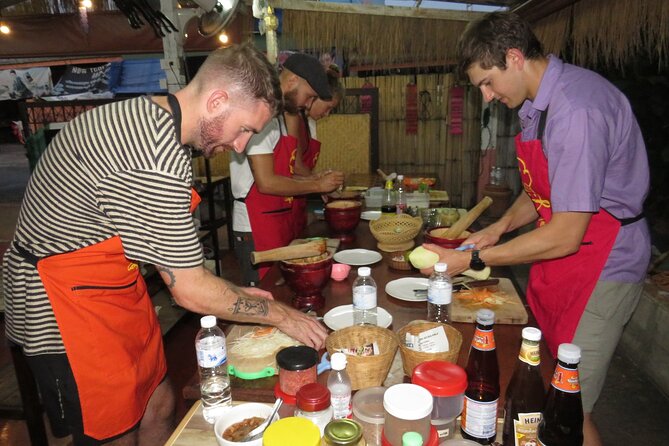
The kitchen portion happens at a private house in an open-air kitchen, and the school is described as fully equipped. You get your own cooking station, which is a big deal: it keeps you from hovering and watching while someone else does all the work.
You can also read our reviews of more shopping tours in Chiang Mai

The Market Tour That Makes Thai Cooking Click
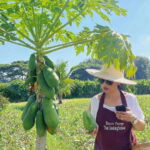
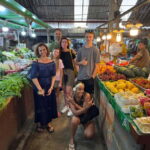
The experience starts with a quick stop at a local Thai market for about 20–30 minutes. This is not a long wander where you just take photos. The point is to learn what matters in Thai cooking—herbs, vegetables, and spices—so your later dishes make sense, even if you’ve never cooked Thai before.
In practical terms, this market segment helps you connect three things you’ll use later:
- how Thai ingredients look in real life
- which flavors come from herbs and spices, not just heat
- how you might swap ingredients when you’re back home
That’s also why this market stop is often the best value part of the class. If you skip it, you might still cook five dishes, but you’ll have fewer tools for repeating them correctly at home.
One caution: the market visit is the draw, and the class depends on having the teacher there on time. I’ve seen scheduling issues affect whether the market portion runs as described. So if the first stop is important to you, show up early, keep your phone handy, and be ready to confirm you’re with the right group when pickup meets the schedule.
Choosing Your 5 Dishes: Make It Your Meal, Not Their Menu
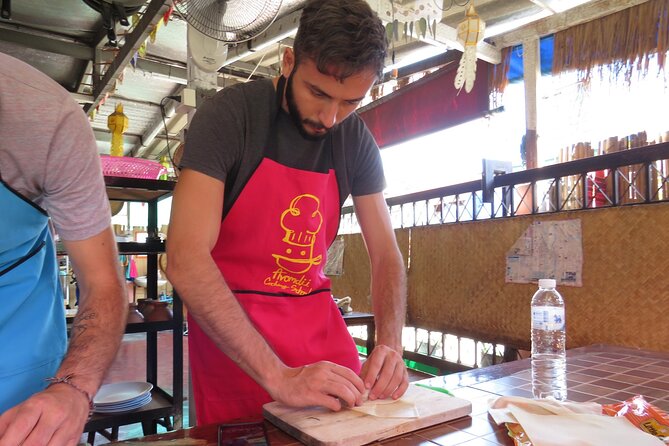
You choose 5 dishes from clearly defined categories, and that choice is what turns this from a generic cooking show into a meal you’ll actually want to eat. Options include:
- Stir-fry: Pad Thai, Fried Cashew Nuts, Pad See Ew, Fried Rice
- Appetizer: Papaya Salad, Fresh Spring Rolls, Fried Spring Rolls
- Soup: Hot & Sour Soup Prawns, Hot & Spicy Soup Chicken, Chicken Coconut Soup
- Curry: Khao Soi, Green Curry, Red Curry, Massaman Curry
- Dessert: Deep-fried Bananas, Mango Sticky Rice
Even if you don’t cook often, this setup gives you control. You can build a plate that matches your tastes, whether you want something familiar like Pad Thai or you’d rather go straight for curry like Massaman Curry or Green Curry. It also helps if you’re traveling with people who like different things—you can steer the menu so everyone gets what they’re hungry for.
You’ll also be able to adapt the dishes to be spicy or mild. That’s useful in a class setting because Thai flavors are more than heat. If you’re sensitive to spice, you still get the aroma and balance; you just reduce the burn.
Dietary needs are addressed too. Vegan and vegetarian options are welcome, so you can cook something that works without feeling like you’re stuck with a compromise.
Inside the Open-Air Kitchen: Your Station, Your Tempo
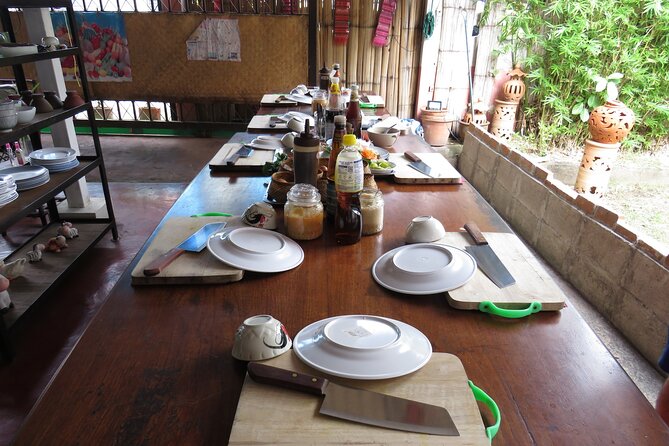
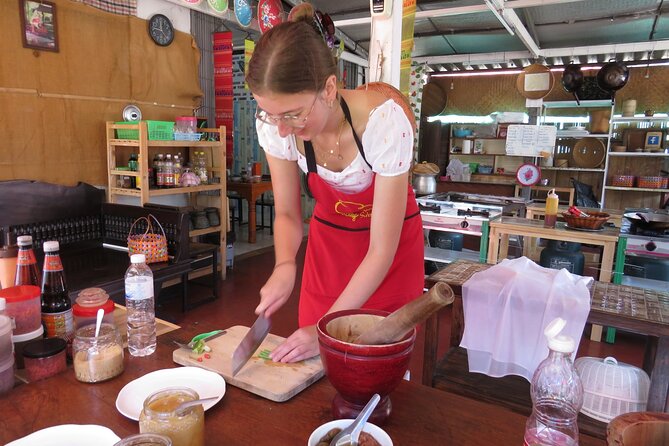
After the market, you head to the cooking location: an open-air kitchen in a private house. The way it’s described, the space is fully equipped, and you get your very own cooking station. That single detail changes the whole feel of the class. You aren’t waiting your turn for a single utensil station; you’re actively doing the steps while the chef guides you.
The class covers five dishes together, but instruction is meant to stay practical, with a certified Thai teacher/chef leading you through each recipe. You’ll get simple guidance as you go, plus tips for finding ingredients or making substitutions back home.
The best part of this “do it with help” structure is confidence. Thai cooking can feel intimidating from a distance because it blends several flavor sources. In class, you’re cooking in small steps, and the chef can correct technique as you work.
Chef Chang (Apple, Mr. Chang): Dish-by-Dish Guidance You Can Rely On
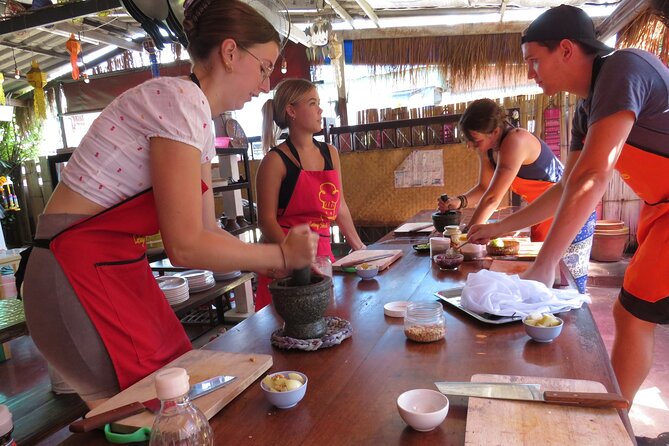
One name you’ll hear connected to the teaching is Chef Chang, also identified as Apple (Mr. Chang). The teaching style is singled out as a big strength: instruction that stays individual, moving dish by dish so you understand what you’re doing rather than just following vague steps.
That kind of teaching is what helps a beginner cook well. You’re not just learning the recipe—you’re learning what “right” looks and tastes like in your pan and your bowl. And because you choose the dishes, you’re not stuck cooking things you don’t really care about.
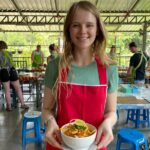
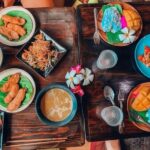
There’s also a meal built into the process. At the end of each cooking flow, you’ll be eating a Thai lunch or dinner you helped make. That’s a smart design choice because you taste immediately while flavor memory is still fresh.
You can also read our reviews of more tours and experiences in Chiang Mai


Heat Control and Flavor Logic: Spicy or Mild Without Losing Thai Taste
The class says every dish can be adapted to be spicy or mild, and I like that they address it directly. Thai food is not just about chili; it’s about balance between sour, salty, sweet, and aromatic flavors. In a hands-on class, it’s easier to get that balance right when the chef helps you adjust heat levels without changing the whole recipe.
If you’re cooking something like a curry or a soup, ask early how mild is “mild” for the kitchen. Your best results come from calibrating at the start, not after your first bite. Also, keep your expectations realistic: if you choose several spicy dishes, you’ll still taste the chili even if you dial it back.
What You Take Home: Recipe Book and Ingredient Substitution Tips
At the end of the lesson, you receive a recipe book so you can recreate the dishes later. The class also includes tips for finding Thai ingredients or substitutions back home, which is where most cooking classes fall short. Knowing what you cooked is one thing. Knowing what you can replace and still get the same style of flavor is the real prize.
There’s one practical wrinkle to keep in mind: at least one guest reported not receiving an email with recipes. The lesson includes a recipe book at the end, but if you want extra digital copies, you should double-check what contact details they have for you and ask on site if there’s a way to send recipes after class.
Also, don’t wait until you’re home to check your ingredients list. Use the recipe book to build a small shopping plan. If you’re cooking at home, your success will depend on being able to source the right pantry items—or having a substitution plan ready.
Price and Value in Chiang Mai: What $34.47 Buys
The price is listed at $34.47 per person, and it’s often booked about 14 days in advance. For that amount, you’re paying for a structured half-day that includes:
- a market stop to learn about key ingredients
- a private-house open-air cooking session
- cooking five dishes at your own station
- eating a Thai lunch or dinner you made
- receiving a recipe book
That’s good value compared to experiences that only teach technique for one dish or a short demo where you don’t really cook. You’re also getting small-group attention (up to 8 travelers), which helps if you’re a hands-on learner.
That said, the value depends on your priorities. If you care most about the market education and you get a scheduling hiccup, you’ll feel it immediately because the market is the front half of the experience. If you care most about cooking five dishes with direct help, the cooking portion is the heart of it. Either way, it’s smart to choose a time slot that doesn’t stack too many other plans right after.
Who This Cooking Class Suits Best
This is a strong fit if you want:
- a hands-on Chiang Mai Thai cooking class with real participation
- a market intro so you understand what ingredients do
- a guided meal built around recipes you’ll actually eat
It’s also friendly to different dietary preferences since vegans and vegetarians are welcome, and dishes can be spicy or mild.
It may not be ideal if you hate schedules. The experience is time-compressed, about 4 hours, so you need to show up ready. Also, the class rules note that children between 4 and 11 years old are not allowed to cook. Adults who don’t want to cook can book as a visitor, which can help if you’re traveling with someone who wants to watch rather than cook.
Practical Tips for a Smooth Morning or Dinner Session
A few things help you get the most from this kind of class in Chiang Mai:
- Bring an adaptable mindset. If you’re expecting a long market stroll, you’ll be surprised—this is a short ingredient-learning stop.
- Wear shoes you can cook in. You’ll be in a kitchen setting, likely standing and moving around.
- Ask about spice early. The kitchen can adapt dishes to be mild or spicy, but you need to set expectations at the start.
- Confirm your session period. There are morning and dinner course options, and the timing affects your whole day plan.
- If you care about emailed recipes, ask on site. One guest noted an email wasn’t received, so it’s worth verifying how recipe delivery works for your booking.
Weather matters too. The experience requires good weather, and if it’s canceled due to poor weather, you’ll be offered a different date or a full refund. Because part of it is open-air, it’s the right call to pack light rain protection if the forecast looks iffy.
Should You Book This Half-Day Thai Cooking Class and Market Tour?
I think you should book it if you want a fast, practical way to learn Thai cooking in Chiang Mai. The combination of short market learning plus five hands-on dishes cooked in a small group is the kind of setup that turns into real skills, not just a nice memory.
I’d book with extra care if the market visit and recipe delivery are dealbreakers for you. Since the experience depends on the teacher being there for the market segment and since recipe-email delivery can go wrong, your best move is simple: show up early, confirm your group at the start, and ask the chef about recipe access while you’re still on site.
If you’re craving an authentic-feeling cooking day that doesn’t swallow your itinerary, this one is a strong candidate—especially if you’re excited to cook and you want to take home a recipe guide you can actually use.
FAQ
How long is the Half-Day Thai Cooking Class and Market Tour from Chiang Mai?
It runs for about 4 hours.
Where does the tour start and end?
It starts at Tha Phae Gate on Tha Phae Road and ends back at the meeting point.
Is pickup available?
Yes. Pickup is offered within 3 kilometers of Chiangmai downtown.
How many dishes do I cook?
You cook 5 dishes, and you can choose which ones you want from the listed categories.
Can the dishes be made spicy or mild?
Yes. All dishes can be adapted to be spicy or mild.
Are vegan and vegetarian options available?
Yes. Vegan and vegetarian participants are welcome.
What are the rules for children?
Children between 4 and 11 years old are not allowed to cook. Adults who do not wish to cook can book a child ticket as a visitor.