REVIEW · CHIANG MAI
Private: 3 days 2 night trip: ChaingMai-Chaingrai- The Golden Triangle trip
Book on Viator →Operated by Untouched Thailand · Bookable on Viator
Crossing into Laos in three days changes your perspective fast. I love how the route mixes big sights with real countryside time, including Doi Inthanon rainforest trekking and hill tribe village moments; I also like the clean structure of the Golden Triangle day with temples, river boat time, and the opium history stop. One thing to consider: this is an active, early-morning plan with long travel days and a lot of moving parts across borders.
I also appreciate that it’s a private trip, so you’re not stuck in a crowd. If your group’s guide is Thom, the experience often feels especially personal and organized, and people also praise Mr. Sipohn for his knowledge and careful attention. The trade-off is that you’ll need to match the pace, especially on the days that start around 8:00 a.m.
In This Review
- Quick highlights
- Three days, three countries: why this Chiang Mai–Chiang Rai route works
- Doi Inthanon National Park: waterfalls, twin pagodas, and forest trekking on Day 1
- Wachirathan and Sirithan waterfalls (plus a strong nature start)
- Twin pagodas and the Royal garden views
- Summit time and wooden trails in the rainforest
- Hmong hill tribe market and the White Karen village trekking moment
- Day 2: Chiang Dao Cave, temple viewpoints, and the Mae Sai border push
- Early pickup and countryside timing
- Unseen local grand temple: a calmer kind of temple visit
- Chiang Dao cave: a different kind of scenery
- Than ton temple and a no-man-land viewpoint
- Long-tail boat on the Maekok River, then Karen long neck and big ear ring areas
- Mae Sai border town: where Thailand meets Myanmar
- Day 3: Mae Sai to the Golden Triangle, Laos by boat, and Wat Rongkhun before returning
- Mae Sai market and the Thailand–Myanmar border vibe
- Golden Triangle: the three-country meeting point
- Opium house: learn opium history
- Mekong river boat trip and crossing toward Lao island
- Wat Rongkhun (White Temple): the most famous stop for a reason
- Hot spring if time allows
- End in Chiang Mai: book your own night
- Price and what you’re really paying for at $350 per person
- Who should book this Golden Triangle trip (and who should choose something gentler)
- Practical tips: early starts, comfort, and respecting hill tribe community time
- Should you book this trip?
- FAQ
- How long is the trip?
- Where does the trip start?
- What are the main places you visit?
- What’s included in the price?
- What meals are not included?
- How does lodging work during the trip?
- Is this a private tour?
- What happens if weather is bad?
- Can I cancel for a full refund?
Quick highlights
- Doi Inthanon National Park’s waterfalls and rooftop views: Wachirathan and Sirithan plus mountain summit scenery
- Hill tribe stops that fit the landscape: Hmong market, trekking to a White Karen village, plus Karen Long Neck and big ear ring areas
- Chiang Dao Cave + temple viewpoints: a cave visit and countryside temple time with higher ground views
- Mae Sai border town energy: street-market atmosphere right where Thailand meets Myanmar
- Golden Triangle + Mekong boat ride + Laos duty-free: three countries in one packed day, capped with Wat Rongkhun
Three days, three countries: why this Chiang Mai–Chiang Rai route works
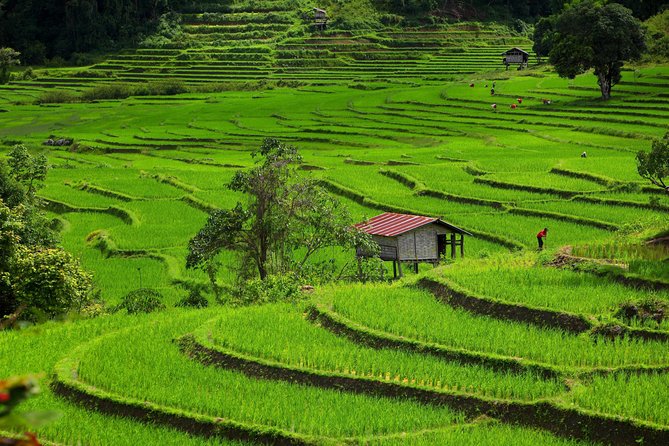
This trip is built for people who don’t want Northern Thailand to feel like a set of separate day trips. Instead, you get a tight line from Chiang Mai into Chiang Rai, with border towns and river crossings stitched in. It’s the kind of plan that makes Southeast Asia feel connected: forests and farms up north on one day, cave and countryside temples on another, then the Golden Triangle and Laos on day three.
The value is in the pacing. You’re not just driving through places; you’re spending time in them—national park nature, boat rides on rivers, and markets along the border regions. And because it’s private, your group’s time on the ground feels less rushed than you might expect from a three-day schedule.
There’s also a practical benefit: you get two nights of rooms with breakfast, plus a homestay dinner. For $350 per person, that matters. With lodging in the region, guided transport, and included meals, it’s easier to justify than piecing together three different tours.
You can also read our reviews of more private tours in Chiang Mai

Doi Inthanon National Park: waterfalls, twin pagodas, and forest trekking on Day 1
Your day begins in one of the most scenic parts of Northern Thailand: Doi Inthanon National Park, often called the roof of Thailand. If you like forests that feel real—not just viewpoints—you’ll enjoy the mix of waterfalls, pagodas, and trail walking.
Wachirathan and Sirithan waterfalls (plus a strong nature start)
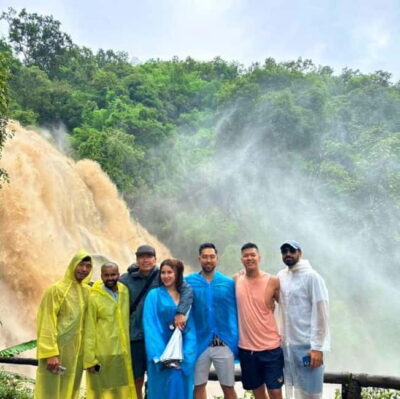
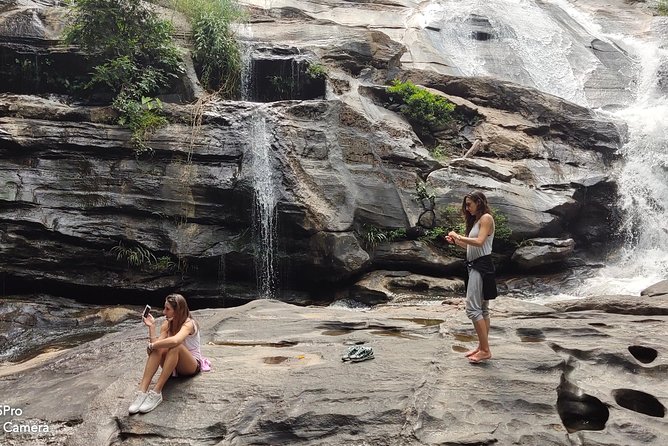
You visit two main waterfalls inside the park: Wachirathan and Sirithan. This is a smart choice because you get variety without having to hop across the whole park. In wet seasons, these areas can look more dramatic, but even in drier weather you’ll get that lush, highland feel.
A practical tip: wear shoes that can handle damp ground. The park routes are often uneven, and you’ll be on your feet for more than a quick photo stop.
Twin pagodas and the Royal garden views
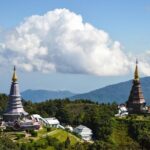
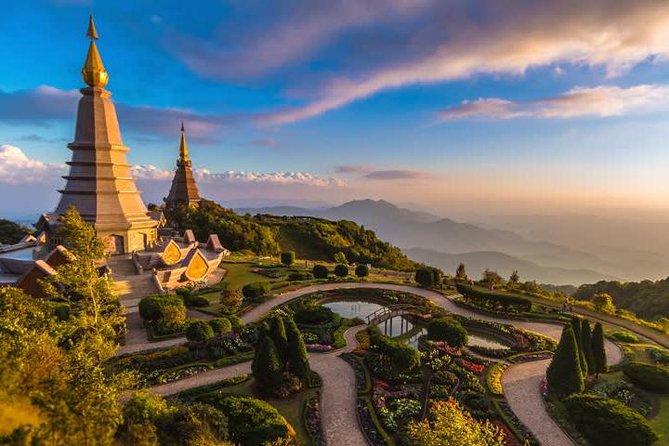
From the waterfalls, the trip moves upward to the Twin Pagodas on the mountain tops. The views are the obvious reward, but I also like the pause here. You also see the Royal garden around the pagodas, which helps break up the day so it feels like sightseeing, not just a walking workout.
If you enjoy temple architecture, these pagodas are easy to appreciate because they sit in a dramatic setting. Even if you’re not a temple superfan, the mountain air and wide outlook make it worthwhile.
Summit time and wooden trails in the rainforest
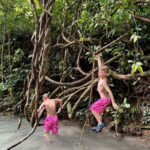
Then you head to the summit area of the park. From there, the focus turns to a rainforest walk: trekking on wooden trails. This is where the trip shifts from classic sightseeing into something more “walk with your eyes open.”
If you prefer easy-to-moderate walking, you’re in the right place. You’re not described as doing technical climbing, but you are moving through forest terrain, and that takes energy.
You can also read our reviews of more evening experiences in Chiang Mai



Hmong hill tribe market and the White Karen village trekking moment
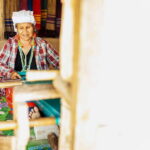
The day also includes a Hmong hill tribe market and trekking that ends at a White Karen hill tribe village. The walk goes through rainforest, paddy rice fields, and orchards—that sequence is a big reason I like this day. You’re not only viewing hill tribe culture; you’re moving through the agricultural landscape that supports it.
You’ll also get to order or enjoy mountain-style coffee drinks in the village area. I’d treat that as more than a drink stop—it’s a chance to slow down, observe daily life, and not just rush for pictures.
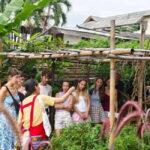
The trekking portion includes time walking around the village area, and you’ll likely come away with better context than you’d get from a quick roadside stop. Keep in mind: village time works best when you’re respectful and patient. It’s also smart to have a plan for photos that doesn’t interrupt people’s routines.
Reality check: this is a full day. If you’re the type who hates rushing, you may feel it most on this first day.
Day 2: Chiang Dao Cave, temple viewpoints, and the Mae Sai border push
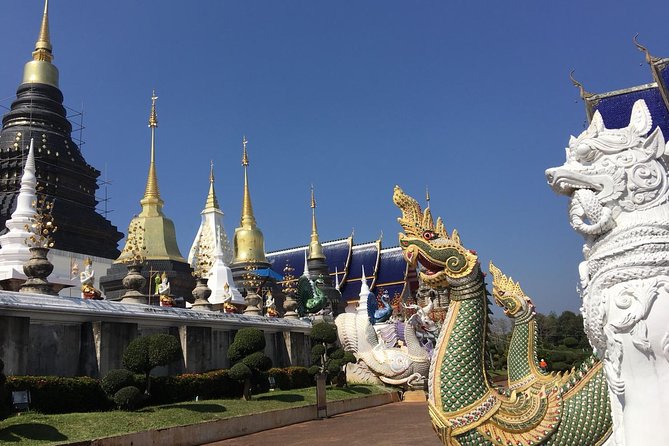
Day two shifts gears into caves, temples, and border-region geography. It’s the day that ties “Northern Thailand countryside” to the “Thailand–Myanmar edge” feeling that defines Mae Sai.
Early pickup and countryside timing
Pickup is set for 8:00 a.m. (and the schedule notes an early sunrise option around 6:20 a.m.). If you’re awake anyway, I’d take advantage of sunrise. Morning light in this region changes the look of everything—fields, roads, and mountain backdrops—and it makes early starts feel more like a treat.
Unseen local grand temple: a calmer kind of temple visit
Instead of stacking the day with only famous names, you visit an unseen local grand temple with countryside views. That phrase can sound vague, but in practice it usually means you’re walking through something more lived-in than a tourist-only stop. If you like temples where you can hear your own footsteps and think a little, you’ll enjoy this.
Chiang Dao cave: a different kind of scenery
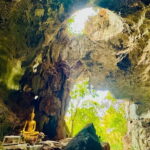
Then comes Chiang Dao Cave. Caves add a totally different mood: cooler air, different textures, and a break from open-air walking. The biggest thing here is comfort—dress in a way that doesn’t make you sweat immediately, and expect the cave environment to feel cooler than outside.
Than ton temple and a no-man-land viewpoint
You also visit the Than ton temple and a no man-land viewpoint. This is the point in the day where the landscape starts telling a story: hills, sightlines, and the geographic tension of a border area. Even if the history isn’t the focus, the views help you understand why border towns grow where they do.
Long-tail boat on the Maekok River, then Karen long neck and big ear ring areas
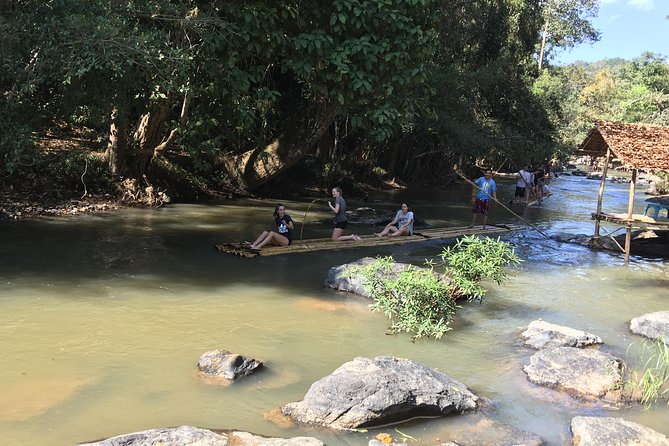
Next you take a long-tail boat on the Maekok River, which ends at a Karen Long Neck hill tribe and big ear ring village area. Boat time matters because it changes your perspective fast. You’re not just looking at the border region—you’re seeing it from the water.
A quick note on sensitivity: hill tribe communities are not theme parks. If you choose to engage in photos or shopping, do it with respect and keep your expectations flexible. You’ll enjoy the interaction more when you treat it like meeting people, not collecting souvenirs.
Mae Sai border town: where Thailand meets Myanmar
The day ends in Mae Sai, the border town between Thailand and Myanmar. You’ll get a chance to see the area’s street-market energy and the local bustle that makes Mae Sai feel different from Chiang Mai.
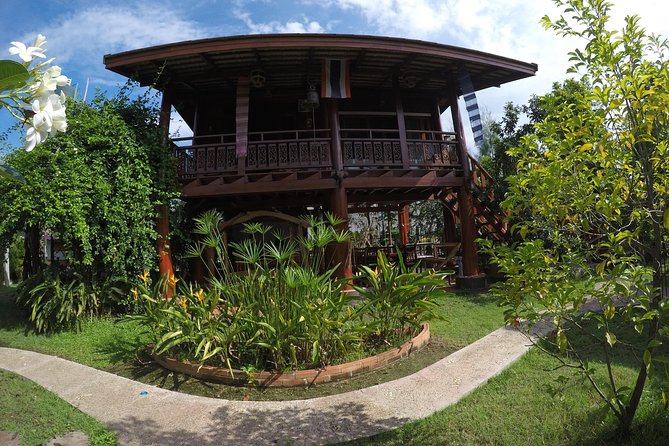
It also helps that your rooms for tonight are arranged at this border location by the tour operator. That saves you from the hassle of finding a good base while you’re already tired.
Best use of this day: take a slow moment after dinner or after you settle in. Border areas can be mentally intense, and a calm break helps the next day feel smoother.
Day 3: Mae Sai to the Golden Triangle, Laos by boat, and Wat Rongkhun before returning
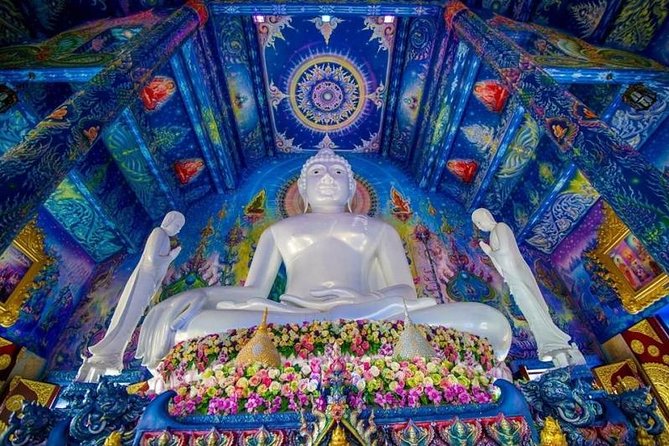
Day three is the big “three countries in motion” day, mixing market energy, border-crossing atmosphere, Mekong river time, and famous religious sights.
Mae Sai market and the Thailand–Myanmar border vibe
The day starts again with pickup at 8:00 a.m. and the main run begins shortly after. You’ll visit Chan people’s fresh and bustling market and see the market life tied to the Thailand–Myanmar border.
Even if you’ve seen markets elsewhere, this one hits differently because it’s tied to two countries and the flow of daily life around the border.
Golden Triangle: the three-country meeting point
Then you head to the Golden Triangle, where Thailand, Myanmar, and Laos meet. This is the classic bucket list stop, but what I like about this version is that it’s not just a quick viewing moment. The day is structured so you get supporting context: the opium history stop, river travel, and then Laos.
It’s one of those places where looking at the map beforehand helps, but you’ll still feel the “at the intersection of routes” reality once you’re there.
Opium house: learn opium history
The plan includes the opium house, where you can learn opium history. I like having this in the itinerary because it grounds the Golden Triangle beyond a photo spot. The story is complicated, and even brief exposure to it adds weight to the rest of the day.
If you don’t usually like history stops, approach this one with a curious mindset. You don’t need to read everything to get the big picture of how this region became known worldwide.
Mekong river boat trip and crossing toward Lao island
Next is a boat trip on the Mekong River, followed by crossing the border to a Lao island in Laos. The river portion is more than scenic—it’s a way to slow down and let the geography sink in.
After you reach Laos, you can browse the Lao duty-free market for local goods. If you enjoy practical shopping—snacks, small essentials, simple gifts—this stop can work well because it’s structured for browsing rather than sprinting.
Wat Rongkhun (White Temple): the most famous stop for a reason
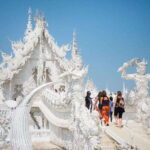
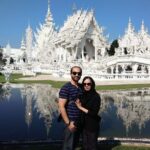
Back on the Thailand side, you visit Wat Rongkhun, also known as the White Temple. This is a high-contrast sight: bright color, distinctive design, and a location that makes it easy to understand why people photograph it nonstop.
Even if you’ve seen photos before, going in person changes the scale. You’ll also feel the transition from border and river life into a more reflective temple atmosphere.
Hot spring if time allows
There’s also an option for hot springs if time remains. That flexibility is useful on day three, because timing can shift depending on how long border procedures take and how your group feels after a long day.
End in Chiang Mai: book your own night
At the end of the day, you return toward Chiang Mai, and your final lodging tonight must be booked by you in Chiang Mai city.
That’s normal for multi-day regional trips, but it affects planning. Make sure you have a hotel ready before you leave Mae Sai area, so day three doesn’t end with stress.
Price and what you’re really paying for at $350 per person
$350 per person for three days can sound either cheap or steep, depending on what you compare it to. Here’s the honest value angle: the package covers two nights of rooms with breakfast, lunches, and one dinner at a homestay. You’re also getting guided transport between Chiang Mai, Chiang Rai, Mae Sai, and Laos stops, including boat rides and multiple significant sights.
If you tried to copy this route on your own, you’d likely spend money on:
- separate private transport days
- at least a couple of guided days (because cave, park, and border routes are easier with local help)
- lodging near Mae Sai for night two
- meals while you’re moving nonstop
The price also becomes easier to justify if you want a private experience instead of sharing with a larger group. Private tours often cost more because the vehicle and guide time don’t scale down.
The only caution is that the trip includes extra dinners beyond what’s in the package. The other two dinners are not included, so budget for meals on your own during the gaps.
Who should book this Golden Triangle trip (and who should choose something gentler)
This tour fits best if you like:
- active days with walking in national parks and hill tribe areas
- border-region travel and the geography of Thailand’s edges
- a mix of nature, temples, markets, and river boats
- learning on the go, including the opium history stop
You’ll feel most at home if you’re okay with early starts and a full day schedule. The trip is also private, so couples and small groups who want flexibility do well with this format.
If you’re trying to travel at an ultra-calm pace—lots of long lunches, minimal walking—this one may feel like too much. You can still enjoy it, but you’ll need to mentally plan for “see a lot, move a lot.”
Practical tips: early starts, comfort, and respecting hill tribe community time
A few small habits make this trip much easier.
First, plan for early mornings. With pickup around 8:00 a.m. and an option to catch sunrise earlier, you’ll get more from the day if you keep your sleep schedule steady.
Second, pack for mixed settings: waterfalls, wooden trails, river boats, and temple visits. Comfortable shoes matter most. Bring layers too—caves can feel cooler, and highland weather can change.
Third, treat hill tribe stops as cultural encounters, not just photo stops. Ask before you take close-up photos, and if you shop, do it calmly. This is the kind of interaction that stays pleasant when you slow down and stay respectful.
Finally, because the day includes crossing into Laos for a market stop, keep your documents situation sorted before you go. Even if the schedule is tight, the border part is where delays can happen.
Should you book this trip?
If you want a single package that strings together Chiang Mai + Chiang Rai + Mae Sai + the Golden Triangle + Laos duty-free + Wat Rongkhun, this is a strong option. The route is built to save you time: it handles rooms for two nights near Mae Sai, includes meals, and gives you guided access to multiple highlight areas without you stitching it all together yourself.
I’d book it if you’re the type who likes moving—forests one day, borders the next, and river-and-temple time on day three. I’d skip or downgrade expectations if you want a slow, relaxing pace or you hate the idea of multiple long travel segments in a short window.
Bottom line: for the money, you’re buying convenience plus variety, and you get a trip that feels like Northern Thailand plus the border world around it.
FAQ
How long is the trip?
It runs for 3 days and about 2 nights.
Where does the trip start?
It starts in Chiang Mai (Mueang Chiang Mai District). Pickup is offered, and day one pickup is at 8:00 a.m.
What are the main places you visit?
You’ll go through Chiang Mai and Chiang Rai, including Doi Inthanon National Park, Chiang Dao Cave, Mae Sai, the Golden Triangle, Wat Rongkhun, and a visit connected to Laos after the Mekong river boat trip.
What’s included in the price?
The package includes lunch, rooms with breakfast for 2 nights, and 1 dinner at a homestay.
What meals are not included?
The other two dinners are not included, so you’ll cover those on your own.
How does lodging work during the trip?
Your rooms for the night near the border town of Mae Sai are booked for you by the operator. However, you must book your own room in Chiang Mai city for the final night after day three.
Is this a private tour?
Yes. It’s private, meaning only your group participates.
What happens if weather is bad?
This experience requires good weather. If it’s canceled due to poor weather, you’ll be offered a different date or a full refund.
Can I cancel for a full refund?
Yes. You can cancel up to 24 hours in advance for a full refund. If you cancel less than 24 hours before the start time, the amount paid won’t be refunded.