REVIEW · CHIANG MAI
Chiang Mai Sunset Point, Wat Pha Lat, Wat Doi Suthep, Wat Umong
Book on Viator →Operated by Chiangmai Siam Travel · Bookable on Viator
Chiang Mai temples meet sunset views. This guided 6-hour loop strings together Wat Umong’s tunnel temple and the calm, forest-feeling Wat Pha Lat before you finish with a proper sunset at Doi Pui, so you’re not stuck cobbling together transport and tickets. I also like that you get an English-speaking cultural guide in a comfortable, air-conditioned ride. One thing to plan around: the exact sunset timing and how “amazing” it looks depend on season and weather.
My favorite part is the balance: you get temple context, not just photo stops. At Doi Suthep, you’ll visit one of northern Thailand’s most sacred temples and stand under the golden pagoda that’s said to enshrine a piece of Buddha’s shoulder bone. It’s a longer stop (about 1 hour 30 minutes), which gives you room to slow down, take in the panoramic viewpoint, and not feel rushed.
In This Review
- Key things that make this tour worth your time
- Temple-to-sunset logistics: how the day actually flows
- A quick reality check on walking
- Wat Umong: the tunnel temple stop you won’t forget
- Wat Pha Lat: a quieter hidden-temple feeling in the jungle
- Wat Phra That Doi Suthep: relic pagoda, panoramic views, and the 306 stairs
- Where this stop shines
- Doi Pui viewpoint: chasing sunset without over-planning
- Price and value: is $66 per person a smart deal?
- What kind of traveler this tour fits best
- Tips to get more from your visit
- Should you book the Chiang Mai sunset and temple tour?
- FAQ
- How long is the tour?
- What stops are included?
- Is pickup and drop-off included?
- What’s special about Wat Umong?
- How long do you spend at Wat Pha Lat and Wat Umong?
- What is the famous stairway at Doi Suthep?
- Is the cable car included for Doi Suthep?
- What’s included in the price?
- Is sunset guaranteed?
- Is there any extra cost based on where your hotel is?
Key things that make this tour worth your time
- Wat Umong inside a tunnel: a temple layout that changes the feel of your entire day.
- Wat Pha Lat as a peaceful jungle stop: Thai–Burmese style that’s quiet and atmospheric.
- Doi Suthep’s 306-step approach: iconic stairs tied to a major religious site.
- Cable car included up to the Doi Suthep area: less hassle getting positioned for temple time.
- Doi Pui sunset with timing set by nature: you’re aiming for a view, not an exact clock.
- Friendly, attentive guides: Danny and Tu have been praised for clear explanations and punctual service.
Temple-to-sunset logistics: how the day actually flows
This is set up as a smooth, guided half-day. You’re picked up from your accommodation and returned later in the evening, about 19:30. The plan is tight but not frantic: roughly 50 minutes at Wat Umong, 50 minutes at Wat Pha Lat, about 1 hour 30 minutes at Wat Phra That Doi Suthep, then about 1 hour at Doi Pui for sunset.
You’ll be in a private vehicle with air-conditioning the whole time, and the tour includes the entrance fees (plus the cable car up to the Doi Suthep area). That matters in Chiang Mai because temples are spread out and the uphill parts take real time if you’re trying to self-plan.
Also: this is a private activity, meaning it’s just your group. That usually translates into a better pace—your guide can adjust to what you care about (Buddhism history, architecture, or simply where to stand for the best views).
You can also read our reviews of more evening experiences in Chiang Mai



A quick reality check on walking
The schedule includes a major temple with the famous 306-step stairway. The tour includes the cable car up to the area, but you should still expect some stairs and uneven surfaces in temple zones. If you have mobility limits, tell your guide ahead of time so they can steer you toward the easiest route within the visit.
Wat Umong: the tunnel temple stop you won’t forget
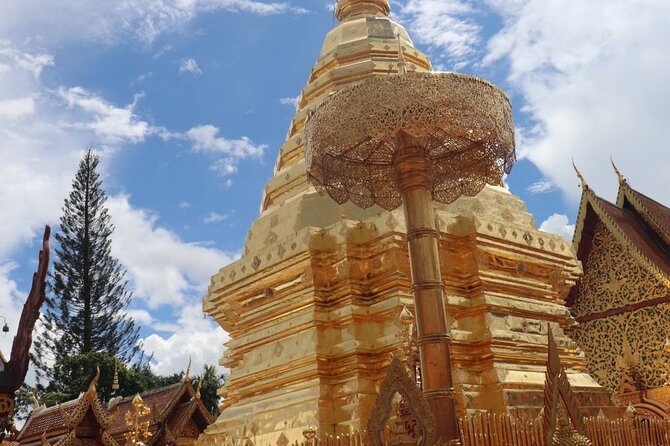
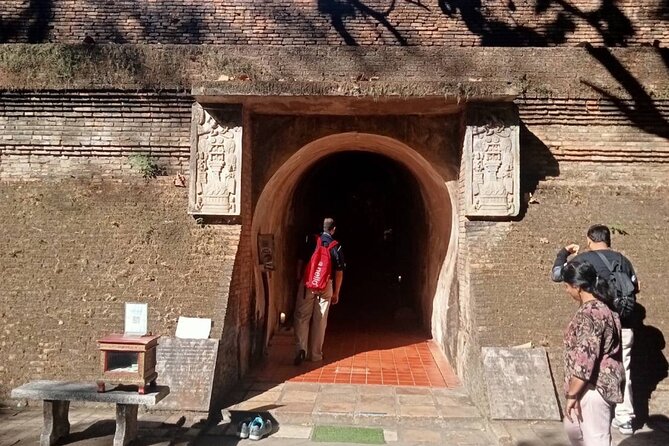
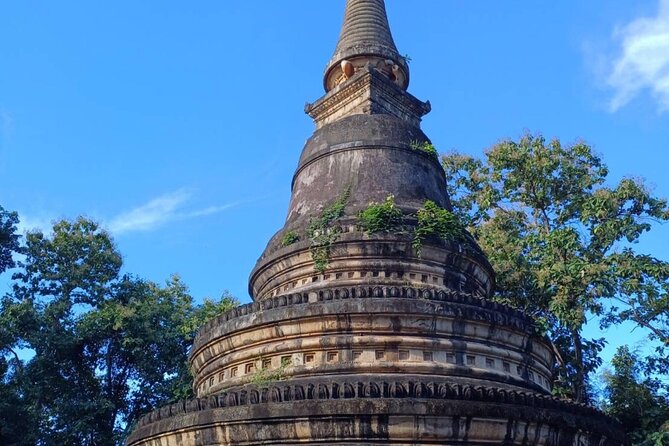
Wat Umong is built inside a tunnel, and that one detail changes everything. Instead of the usual bright open-temple layout, you move through a more enclosed, shaded space where the architecture naturally slows your pace. It’s a 50-minute stop with admission included.
What I like about this first temple placement is the way it sets a tone for the day. Starting with a tunnel temple helps you “switch gears” from city life to something more meditative. You’ll get the time to look around without feeling like you’re just passing through.
Practical tip: wear shoes you’re comfortable walking in, because temple pathways can be a mix of stone and sometimes uneven ground. Also, even if it’s a short stop, this is a good moment to catch your breath before the later hills.
Wat Pha Lat: a quieter hidden-temple feeling in the jungle
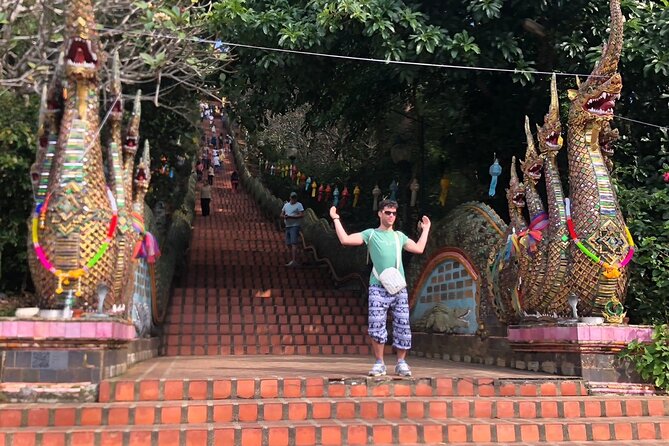
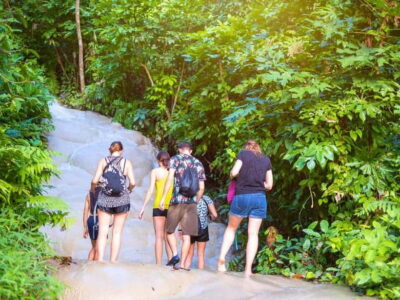
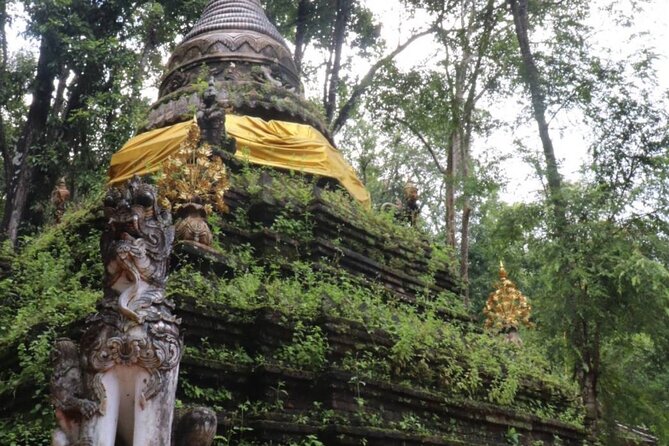
Next is Wat Pha Lat, described as a hidden temple and known for Thai–Burmese style mixed together in a peaceful, magical jungle setting. This is the most “atmosphere” stop on the route, with about 50 minutes on site and admission included.
The reason this stop works on a sunset-focused tour is simple: it gives you a contrast. After the tunnel stillness of Wat Umong, you get a more open forest-temple vibe. The Thai–Burmese architectural blend also gives your guide something concrete to explain, like how styles and religious ideas can travel and overlap across regions.
One important scheduling note: Wat Pha Lat is closed for meditation practice from 1–5 December 2025 (per the tour notification). If your trip falls in that window, you’ll want to confirm whether the operator adjusts the itinerary.
Practical tip: bring a light layer. Jungle temple areas can feel cooler under trees, but the ride up and the later sunset can swing temperatures fast.
Wat Phra That Doi Suthep: relic pagoda, panoramic views, and the 306 stairs
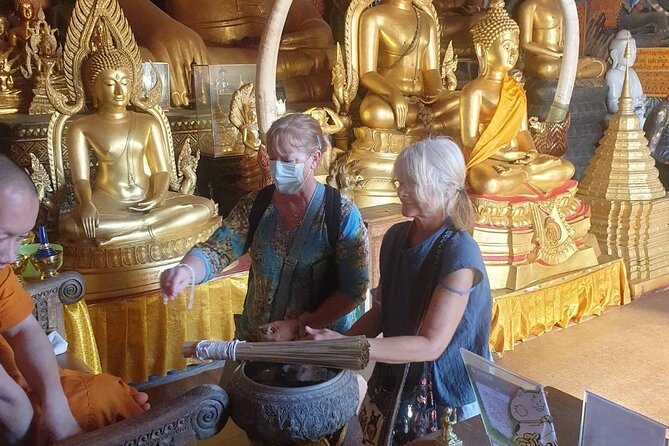
Then comes the big one: Wat Phra That Doi Suthep. This is one of northern Thailand’s most sacred temples, and it’s famous for two reasons: the temple itself and the sweeping panoramic view from the viewpoint area.
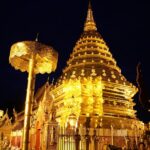
You’ll spend about 1 hour 30 minutes here, with admission included. You’ll also learn about the golden pagoda that was built in the 14th century to enshrine a piece of Buddha’s shoulder bone. That’s the kind of detail that makes the visit feel more than scenic—suddenly the architecture has a story attached to it, and your photos stop being just pictures.
About the stairs: the main stairway is known for 306 steps. Even if you use the cable car as part of the included route, it’s still wise to treat this as a temple day with some real walking. Wear grippy shoes and take your time—temple crowds and uneven steps can make everything feel longer than it looks.





Where this stop shines
This is where the guided cultural angle matters most. If your guide (Danny or Tu-style energy is what you’re aiming for) explains what the relic tradition means, how Buddhism expresses itself in temple design, and why Doi Suthep is considered sacred in the region, the hour 30 becomes memorable instead of just “we saw a famous temple.”
Doi Pui viewpoint: chasing sunset without over-planning
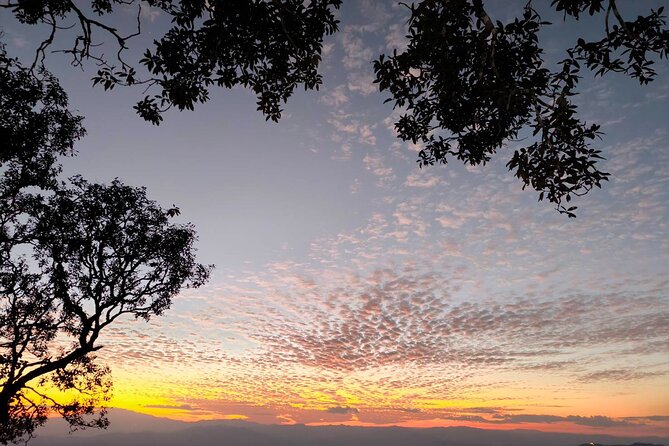
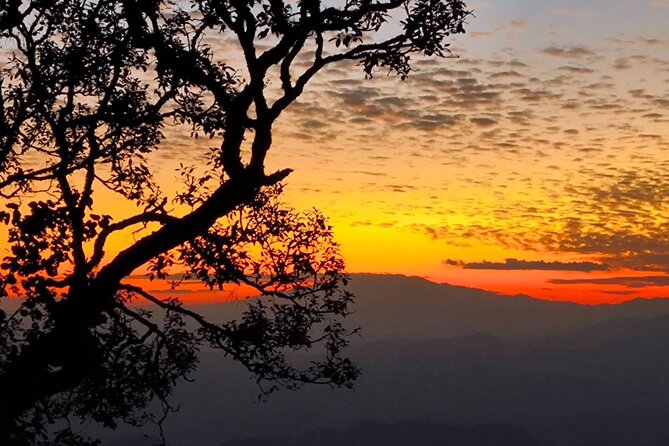
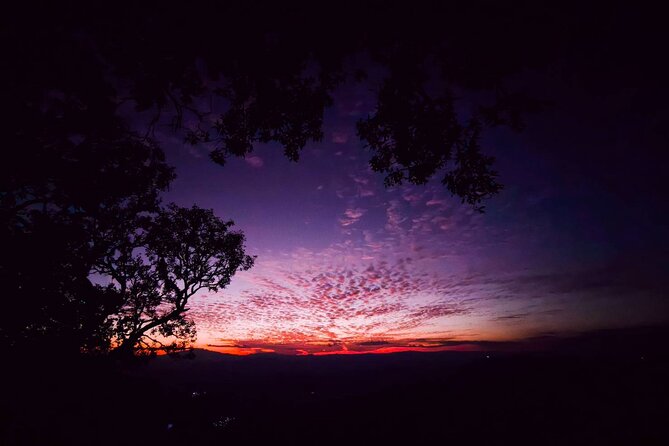
The final stop is Doi Pui viewpoint to catch the sunset. It’s scheduled for about 1 hour, with admission included.
Here’s the honest part: you’re not buying a guaranteed sunset show. The tour is clear that sunset time depends on the season and weather. That’s why Doi Pui is a great capstone: you’re building in dedicated viewpoint time instead of trying to squeeze a sunset into the last 20 minutes of sightseeing.
Practical tip: bring a light scarf or layer. Evening mountain air can cool quickly, especially once the sun drops behind the hills. Also, have your phone charged—sunset at viewpoint height can get the best results when you’re not fighting low battery.
Price and value: is $66 per person a smart deal?
At $66 per person, this tour is positioned as a “pay for convenience” option. The value comes from what’s included:
- private air-conditioned pickup and drop-off
- English-speaking guide
- entrance fees for the stops
- cable car up to the Doi Suthep temple area
- drinking water
- accident insurance
If you tried to self-plan, you’d pay for transportation across multiple temple sites, then figure out tickets and timing, and you’d still be stuck with the hassle of coordinating uphill travel and knowing which temple order makes sense. A structured route also protects the sunset slot, which is the one part that can’t be recreated later.
There is one cost consideration to keep in mind: if your hotel is far from downtown (more than 5 km), there’s an extra charge of about 500 THB for transportation. If you’re staying in the thick of town, you’re more likely to avoid that add-on.
What kind of traveler this tour fits best
This tour is a strong match if you:
- want a temple-and-sunset day without planning transport between stops
- appreciate guided context about Buddhism and temple significance
- like a mix of “big famous” (Doi Suthep) and “quieter, moodier” spaces (Wat Umong tunnel and Wat Pha Lat jungle)
It’s less ideal if you:
- want zero walking and smooth, flat ground all day
- are very sensitive to stairs, because Doi Suthep’s 306-step stairway is part of the experience even when the cable car helps with the approach
Tips to get more from your visit
Here are a few practical ways to enjoy the day even more:
- Use the guide’s knowledge intentionally: ask questions at the relic pagoda or about Buddhist meaning in the temple design. It’s the difference between sightseeing and understanding.
- Plan your shoes like you mean it: temple ground can be uneven, and stairs are part of Doi Suthep’s experience.
- Pack light for Doi Pui: a phone, water, and a light layer are usually enough.
- Arrive with patience for weather: sunset is nature-led here. A clouded sky doesn’t ruin the temples, but it changes the finale.
Should you book the Chiang Mai sunset and temple tour?
I’d book it if you want an efficient, high-value way to see Chiang Mai’s most meaningful temple circuit and still end with sunset viewpoint time. The included guide, entrances, and cable car make it less stressful than DIY planning, and the itinerary hits great variety: tunnel calm, jungle peace, a major relic temple, then sunset views.
Skip (or think twice) if you’re worried about stairs or you’re traveling during Wat Pha Lat’s 1–5 December 2025 closure window. If you’re flexible and you’re comfortable with some walking, this tour is a solid way to turn a few hours into real cultural payoff—not just another checklist day.
FAQ
How long is the tour?
The tour is about 6 hours (approximately).
What stops are included?
The tour includes Wat Umong, Wat Pha Lat, Wat Phra That Doi Suthep, and Doi Pui viewpoint for sunset.
Is pickup and drop-off included?
Yes. Pickup is offered from your accommodation, and you’re dropped off back at your accommodation at about 19:30.
What’s special about Wat Umong?
Wat Umong is built inside a tunnel.
How long do you spend at Wat Pha Lat and Wat Umong?
Each of those stops is about 50 minutes.
What is the famous stairway at Doi Suthep?
There are 306 steps for the stairway to Wat Phra That Doi Suthep.
Is the cable car included for Doi Suthep?
Yes. The tour includes the cable car up to the Doi Suthep temple area.
What’s included in the price?
Included are a private air-conditioned vehicle, entrance fees and the cable car up to Doi Suthep, drinking water, an English-speaking guide, and accident insurance.
Is sunset guaranteed?
No. The sunset time depends on the season and weather.
Is there any extra cost based on where your hotel is?
Yes. If your hotel is more than 5 km from downtown, there is an extra transportation charge of about 500 THB.