REVIEW · CHIANG MAI
Chiang Rai White Temple Blue Temple and Hill Tribe Village Tour
Book on Viator →Operated by WanderSiam · Bookable on Viator
Morning starts early, then it gets beautiful fast. This Chiang Rai day trip strings together Wat Rong Khun (White Temple), Wat Rong Suea Ten (Blue Temple), a Mae Khachan hot spring stop, and time with a Lahu hill tribe community in Wiang Pa Pao. You’ll travel by air-conditioned van with a licensed English-speaking guide, and you’ll get small-but-meaningful food moments along the way.
I especially like the way the day mixes big-name temples with a more human stop in a hill tribe village. I also love the hot spring breakfast detail: you foot-soak in mineral water and you can boil eggs in the heat, then eat them while they’re fresh.
One possible drawback: it’s a long day with lots of driving, and you’ll need a bit of cash for the White Temple entrance fee.
In This Review
- Key things to know before you go
- A full day that makes sense: Chiang Mai to Chiang Rai by air-conditioned van
- Mae Khachan Hot Spring: foot soak plus breakfast you cook
- Wat Rong Khun White Temple: glass sparkle, and a 50 THB cash fee
- Wat Rong Suea Ten Blue Temple: a calm stop with no monks
- Wiang Pa Pao hill tribe village: Lahu community life, walking, and dessert
- Price and value: what $56.93 buys you (and what it doesn’t)
- Practical tips that make the difference
- Who should book this tour?
- Should you book this Chiang Rai White and Blue Temple day trip?
- FAQ
- FAQ
- How long is the Chiang Rai White Temple Blue Temple and Hill Tribe Village Tour?
- What time does the tour start?
- Where do I meet for pickup?
- What is included in the tour price?
- Do I need to pay an entrance fee at Wat Rong Khun?
- Is Wat Rong Suea Ten admission included?
- What happens at Mae Khachan Hot Spring?
- Is there a dress code for the temples?
- Can I cancel for free?
Key things to know before you go
- Mae Khachan hot spring: mineral foot soak plus boiled eggs cooked in naturally hot water.
- Wat Rong Khun White Temple: famous white facade with glass pieces that sparkle in the sun; pay 50 THB entrance in cash.
- Wat Rong Suea Ten Blue Temple: a Buddhist site with no monks living there, built around a huge sitting White Buddha and modern art touches.
- Wiang Pa Pao hill tribe village: Lahu community life, with walking/trekking and a dessert stop included.
- Long route, fixed rhythm: total duration is about 11 hours, including transfer time from Chiang Mai to Chiang Rai and back.
A full day that makes sense: Chiang Mai to Chiang Rai by air-conditioned van
This is one of those day trips that works best if you like structure. You start at 7:30am from Tha Phae Gate area, and then the van heads out from Chiang Mai toward Chiang Rai. The total time is about 11 hours, but that includes travel, so don’t plan a late-night anything after.
Pickup is offered mainly around the Chiang Mai old city and just outside the city center. If your hotel is farther out, you’ll meet in front of Burger King at Thapae Gate instead. That’s useful because it removes guesswork—either you get picked up nearby, or you show up at a clear public landmark.
The group size is capped at 100 travelers, and the tour is described as a small-group experience. Practically, that usually means you’re not stuck in a massive bus full of shoulder-to-shoulder strangers for the whole day. Still, you’re spending hours in a vehicle, so bring something to pass the time.
You’ll also be told about temple dress rules. Plan on covering shoulders and knees at the temple sites. It’s not just politeness; it helps you avoid hassle at the entrance.
You can also read our reviews of more tours and experiences in Chiang Mai.


Mae Khachan Hot Spring: foot soak plus breakfast you cook
The day kicks off with Mae Khachan Hot Spring, one of the better-known stops on the Chiang Mai to Chiang Rai route. This place is specifically set up for travelers. You’ll get time for a mineral foot soak, and the water is hot enough (around 90°C) to boil eggs.
The temperature detail matters. At a normal hot spring, you might just soak and leave. Here, the tour turns it into a small hands-on moment. You’ll even get breakfast tied to the hot water: boiled eggs served with a creamy style and a sauce you dip into.
Two practical notes for this stop:
- Foot-soak time is great, but treat it like a quick reset, not a spa appointment. Your day still continues.
- Wear easy sandals or shoes you don’t mind getting a little wet. You’ll thank yourself later.
This is also one of the included pieces that adds real value. You’re not just paying for temples—you’re paying for a full day flow that includes food and an actually fun stop.
Wat Rong Khun White Temple: glass sparkle, and a 50 THB cash fee
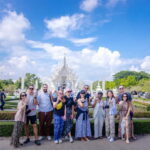
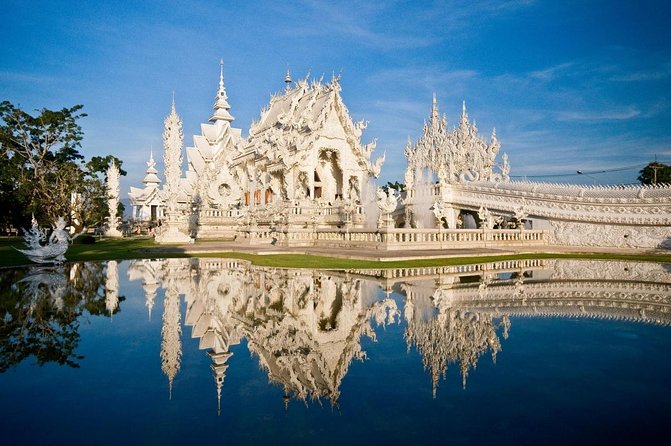
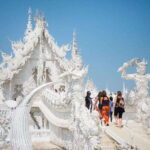
Next up is Wat Rong Khun, the White Temple. This is the Chiang Rai stop most people recognize from photos: bright white surfaces and lots of reflective details. The glass pieces embedded in the plaster are a big part of why the temple can look almost lit-from-within when the sun hits them.
What to expect when you arrive:
- The grounds are very photogenic, and you’ll likely want time to walk the angles slowly, not just snap and move on.
- You’ll be outdoors a lot, so sunglasses and sun protection help even on cloudy mornings.
Here’s the key logistics point: the entrance fee is not included. You’ll need to pay 50 THB per person at Wat Rong Khun, and it’s noted that cash is required. Plan that in advance so you’re not scrambling for money mid-day.
Also remember the temple is a sacred place. Dress properly with covered shoulders and knees. It’s usually straightforward, but the better you’re dressed, the smoother the whole stop feels.
If you like design details—textures, reflections, odd little visual jokes—this temple rewards patience. If you’re rushing, it can feel like a checklist. Give it a little time and it works better.
Wat Rong Suea Ten Blue Temple: a calm stop with no monks
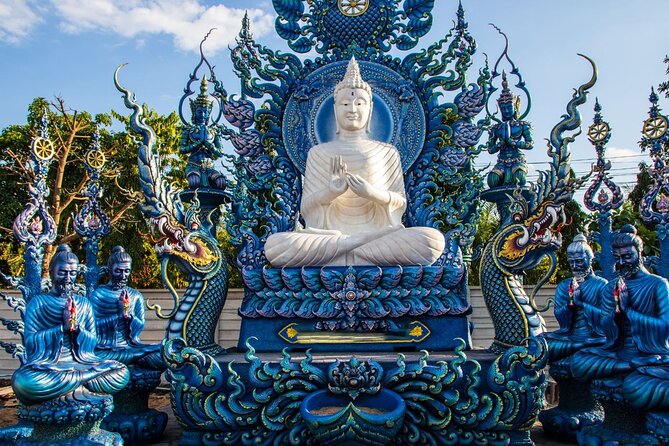
After White Temple energy, you’ll shift to Wat Rong Suea Ten, known as the Blue Temple. This one has a cooler palette—sapphire blue paint with gold embellishments—and it’s described as not an active temple. That means no monks live here, so the feel is more like a planned site for visitors rather than a living monastery you’ll watch people moving through in daily routines.
Inside, the centerpiece is a huge sitting White Buddha. What’s interesting is the mix around it: the tour notes contemporary Buddhist art elements in a modern style, so it’s not only traditional ornament. That contrast is part of the appeal.
The time built into the schedule is shorter than the White Temple stop—about 1 hour. That’s enough if you:
- look at the main statue area,
- take a few photos at good angles,
- and don’t get stuck waiting for your group to reorganize.
If you’re hoping for a long, slow religious experience with ongoing ceremonies, this isn’t that kind of stop. But if you want a visually strong temple paired with a quick, calm pause, it fits well.
Wiang Pa Pao hill tribe village: Lahu community life, walking, and dessert
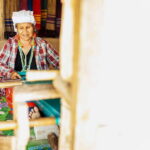
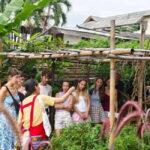
The last major experience is Wiang Pa Pao, where you visit a Lahu hill tribe village. This is the part that turns the day from a temple-photo tour into something more personal.
You’ll explore how the community lives, with time for walking and trekking around the mountainous region. The settlements are often remote from roads and towns because the Lahu community is strongly committed to maintaining their way of life. That remoteness shows up in the atmosphere: fewer crowds, more space, and a different pace than the temples.
You’ll also get background context. The Lahu originally lived on the Tibetan plateau, gradually moved into Yunnan, and likely entered north Thailand in the 1870s or 1880s under pressure from Chinese domination. That historical thread helps you understand why the village life looks the way it does today—less like a tourist invention, more like continuity after many changes.
Food-wise, there’s a sweet touch: dessert at the hill tribe village is included. It’s not a full meal stop, but it’s a nice change after temple time and helps keep the day from feeling like nonstop walking.
The biggest tip here is mental, not physical. Approach this part with patience. You’re not just sightseeing. You’re seeing a living culture, so be respectful, ask questions if you’re encouraged to, and keep your tone calm and friendly.
Price and value: what $56.93 buys you (and what it doesn’t)
At $56.93 per person, this tour lands in the midrange for a Chiang Rai day trip. The value is in the combination. You’re paying for:
- a licensed English-speaking guide
- hotel pickup and drop-off (old city area)
- an air-conditioned vehicle
- boiled eggs at the hot spring
- dessert at the hill tribe village
- bottled water
Those included food moments matter more than they sound. A lot of temple-only tours don’t really handle meals well, and you end up paying extra for snacks and drinks anyway. Here, at least two key food points are already handled.
The main extra cost is the temple entrance fee you must plan for: Wat Rong Khun at 50 THB per person, paid in cash on site. Nothing else is listed as required, but remember you may still want personal spending money for extra drinks or souvenirs.
One more value note: you’re traveling from Chiang Mai and back in one day. The day’s length—about 11 hours—is the price you pay for seeing all four experiences. If you only care about one temple, you might get better value by doing a shorter route. If you want the full “White + Blue + nature + culture” spread, this is a sensible package.
Practical tips that make the difference
Here are the small choices that keep your day smooth:
- Bring cash for Wat Rong Khun: the fee isn’t included, and it’s listed as 50 THB to pay by cash on attraction.
- Dress for temples: plan for covered shoulders and knees. The tour will expect proper temple attire at each site.
- Start early, plan for the long drive: 7:30am departure means you’ll want water, sunglasses, and something to keep you comfortable in transit.
- Footwear matters: you’ll be soaking feet at the hot spring and walking around varied surfaces near temples and in the village area.
- Have a flexible mindset about the schedule: the day is arranged around fixed stops, and time at each place is limited.
One last heads-up from real-world logistics: there has been at least one reported case of the tour being cancelled the previous night due to an urgent guide personal issue. That doesn’t mean it’s common, but if your plans are tightly timed, it’s smart to check your confirmation details close to departure and avoid booking unchangeable activities for the exact same day.
Who should book this tour?
Book it if you want:
- a one-day overview of Chiang Rai’s signature temples,
- a hot spring stop that includes an actual breakfast moment,
- and a Lahu hill tribe village visit instead of only temple hopping.
This tour is also a good fit if you like guided context. The guide isn’t just driving you between stops—you’re given background that helps the White Temple, Blue Temple, and village visit feel connected rather than random.
Skip it if:
- you hate long days with lots of transit,
- you only care about one specific temple and prefer a more flexible plan,
- or you’re looking for a deep, slow religious experience at an active monastery setting.
Should you book this Chiang Rai White and Blue Temple day trip?
If your ideal Chiang Rai day includes both iconic temples and a culture stop with an added food bonus, I think this is a solid choice. The hot spring breakfast + hill tribe dessert combo makes the day feel complete, and the two temples give you a strong visual contrast.
Just go in prepared: bring cash for Wat Rong Khun, dress for temples, and accept that it’s a full-day schedule. If you’re sensitive to last-minute disruptions, build in a little breathing room on your travel plans.
FAQ
FAQ
How long is the Chiang Rai White Temple Blue Temple and Hill Tribe Village Tour?
The duration is listed as about 11 hours, including travel time from Chiang Mai to Chiang Rai and back.
What time does the tour start?
The start time is 7:30am.
Where do I meet for pickup?
Pickup is from hotels in the Chiang Mai old town area. If your accommodation is outside the pickup area, the meeting point is in front of Burger King at Thapae Gate. The activity ends back at the meeting point.
What is included in the tour price?
The tour includes a licensed English-speaking guide, hotel pickup and drop-off (old city area), air-conditioned vehicle, boiled eggs at the hot spring, dessert at the hill tribe village, and bottled water.
Do I need to pay an entrance fee at Wat Rong Khun?
Yes. Wat Rong Khun entrance fee is 50 THB per person and is not included. You pay by cash at the attraction.
Is Wat Rong Suea Ten admission included?
Yes. The tour lists Wat Rong Suea Ten admission as free, so you don’t pay an entrance fee there.
What happens at Mae Khachan Hot Spring?
You’ll do a mineral foot soak and you can boil eggs in the hot natural water (around 90°C). Breakfast is included there with boiled eggs served with sauce.
Is there a dress code for the temples?
Yes. Temples are sacred places and you need to dress appropriately, covering shoulders and knees.
Can I cancel for free?
Yes. Free cancellation is offered if you cancel at least 24 hours in advance for a full refund.