REVIEW · CHIANG MAI
Private-Tour Doi Suthep Temple and Khun Chang Kien Village Half-Day
Book on Viator →Operated by Touring Center · Bookable on Viator
Temple gold and village life in one morning. You’ll see Wat Phra That Doi Suthep up close, including the golden stupa and temple courtyards, and you’ll get a real window into Hmong life at Khun Chang Khian with village coffee/tea and a short museum-style history stop. One thing to plan around: the ride to the village on the open truck road can feel bumpy and even a bit intense on narrow roads.
This tour has a steady, easy pace for about half a day, with air-conditioned minivan transport and a professional English-speaking guide. In one standout experience, the guide Tui was especially strong at explaining Buddhist monks, rituals, and how the region developed—so the visit feels like more than postcard sightseeing.
If you like temples and people, this one is a good match. If you hate any kind of rough-road ride, you’ll want to brace yourself a little.
In This Review
- Key highlights at a glance
- Wat Phra That Doi Suthep: starting with temple sights that actually mean something
- The open-truck ride to Khun Chang Khian: part of the experience, part of the reality
- Khun Chang Khian Hmong Village: meeting people, seeing crafts, and listening with your eyes
- Your guide makes the difference: what Tui’s kind of teaching changes
- Timing, transport comfort, and what the half-day format means for value
- What to wear, what to bring, and how to avoid the common annoyances
- Who this half-day suits best (and who should think twice)
- Should you book the Doi Suthep Temple and Khun Chang Kien Village tour?
- FAQ
- What’s the start time and total length of this tour?
- Is pickup included?
- How do you travel between the temple and the village?
- What’s included in the price?
- What about food—do I get breakfast or lunch?
- What should I wear to visit the temple?
- Is this tour suitable for everyone physically?
- What’s the cancellation policy?
Key highlights at a glance
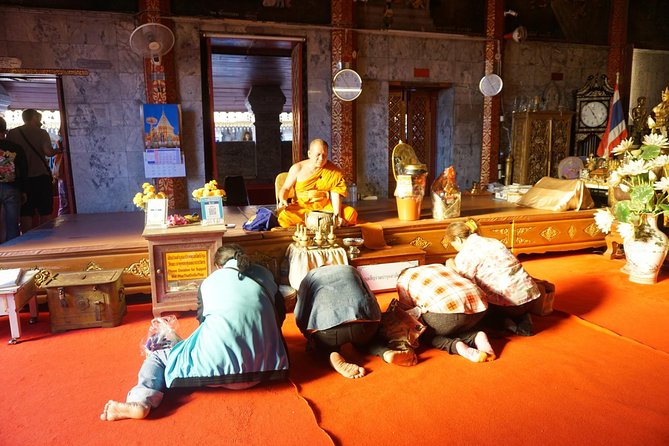
- Golden stupa and terrace viewpoints at Wat Phra That Doi Suthep
- Open-truck ride from the temple area down toward Khun Chang Khian
- Village coffee or tea in the Khun Chang Khian area (community support)
- Meet-the-villagers time plus a small museum/history stop
- Hotel pickup (within the city core area) plus air-conditioned transport
- Guide-led explanations that connect the religious site to local life
Wat Phra That Doi Suthep: starting with temple sights that actually mean something
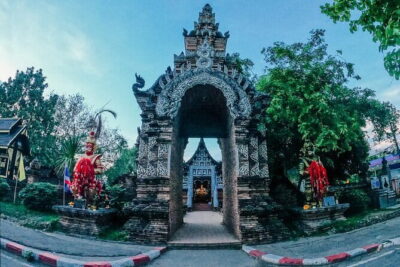
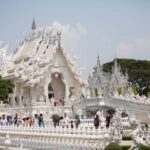
Wat Phra That Doi Suthep is one of Chiang Mai’s big-name temples for a reason. You get dropped into the compound and given time to wander the terraces and courtyards at a human pace. This matters, because at the main temple sites, the usual problem is rushing. Here, you get enough time to slow down, look up, and notice details.
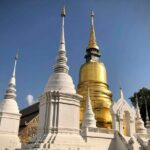
The star is the golden stupa, which sits in a way that makes it hard not to stare. Up close, you’ll feel how this place functions as a living religious site, not just a viewpoint. As you walk, your guide helps connect what you’re seeing with Buddhist belief and how rituals work in daily temple life. That’s the difference between collecting photos and understanding why people come here again and again.
Practical note: you’ll want smart casual clothing, with knees and shoulders covered. Don’t wait until the last minute to fix your outfit. You’ll also be walking around, and some areas involve stairs or uneven surfaces, so comfy shoes help. The tour runs in the morning, which usually gives you easier lighting for photos and less heat to fight.
If you’re the type who likes temples but also likes learning, this is a strong start to the day.
You can also read our reviews of more private tours in Chiang Mai

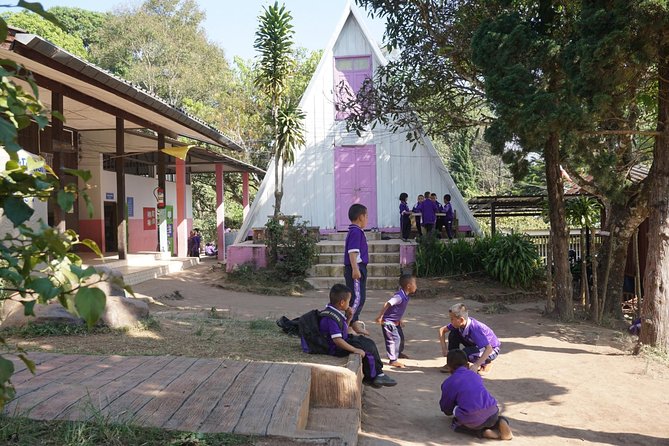
The open-truck ride to Khun Chang Khian: part of the experience, part of the reality
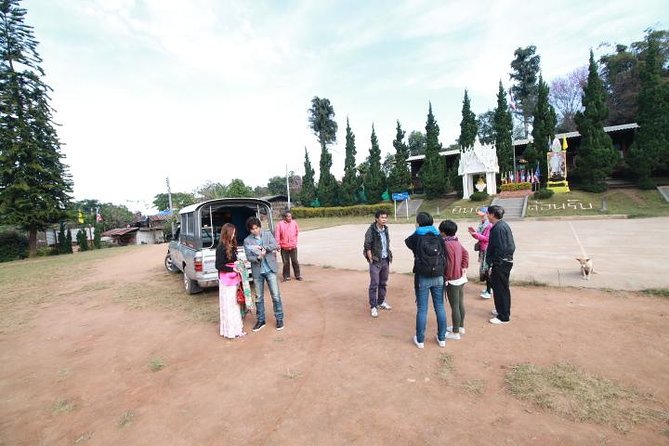
After the temple time, you switch modes. You’ll take an open truck from the Doi Suthep area to the Hmong village. This is one of those travel details that sounds simple on paper, but it shapes your whole feeling of the day.
On a good day, it’s fun: you get changing views as you move down and away, and you’re not stuck in the same sealed-air bubble the whole morning. The wind helps, too. But here’s the consideration: the road can be narrow, and the ride can get unpleasant if you’re sensitive to motion or bumping around. One experience described it as tough because the driver was a bit out of control on a narrow road.
So here’s my advice: if you get motion sick, bring what helps you (ginger, medication, whatever works for you). If you have a fragile back or hate jostling, consider whether this part will annoy you more than it adds fun.
Still, the open-truck transfer is also what keeps the day from feeling like a drive-through. You’re physically moving between very different settings: temple mountain energy up top, then the village atmosphere below.
Khun Chang Khian Hmong Village: meeting people, seeing crafts, and listening with your eyes
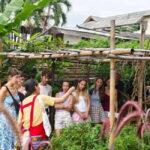
Khun Chang Khian is the name to remember. This is where you’ll spend your village time—enough to walk around, meet people, and understand daily routines without it turning into a rushed stop.
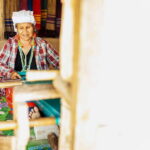
You’re not just dropped at a viewpoint. The visit includes time to explore the village’s way of life and meet villagers in a way that’s meant to feel human, not like a photo shoot. You’ll also spend time at a museum-style spot where the history is laid out so you can connect the dots between traditions and how the community has evolved.
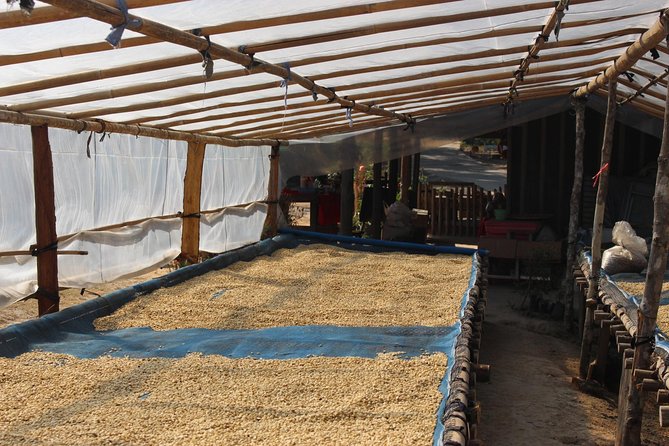
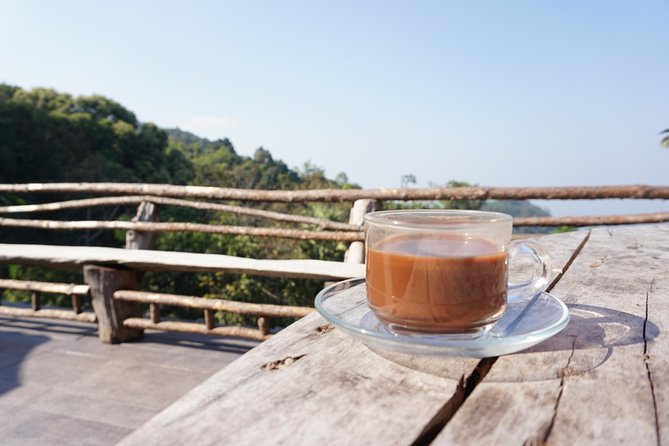
One of the more thoughtful parts is the food and drink element. You’ll get morning tea or coffee with biscuits, and you’ll also have time for coffee/tea in the village area as community support. In plain terms: it’s a way to make the experience feel less extractive. Instead of only watching, you’re participating in something the village offers.
A small reality check: not every village stop will feel like a wow museum. Some sections can feel simpler than you’d expect, and you may need to approach it with curiosity instead of searching for a single big wow moment. If you go in expecting to learn rather than to be dazzled, you’ll get more out of it.
Also, be respectful with photos and conversations. Ask before taking pictures of people, and don’t treat someone’s home like an attraction hall.
Your guide makes the difference: what Tui’s kind of teaching changes
With this tour, the guide isn’t just holding the group together. A good guide can turn the day from sightseeing into meaning.
In one memorable account, the guide Tui was described as extremely knowledgeable about the village and the temple. More importantly, he wasn’t just listing facts. He explained Buddhist monks, the teachings behind rituals, and how the region developed over time. That’s the sort of storytelling that makes you look at the stupa differently and listen to village explanations differently.
When you’re learning in the moment, the site becomes easier to understand. For example, you might notice how monks and rituals shape temple space, or why certain courtyards and structures matter to daily practice. That kind of explanation helps you avoid the common trap: seeing beautiful things but not knowing what you’re actually looking at.
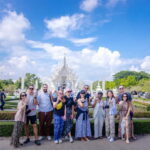
You’ll also benefit from the guide’s pace control. Temple areas can get crowded. Village walks can get chaotic if you’re not paying attention. An experienced, English-speaking guide keeps you on track without rushing.
If you enjoy having someone translate the cultural context for you, this tour earns its place.
Timing, transport comfort, and what the half-day format means for value
This is a roughly 5-hour morning tour, built around a temple visit and a village visit without dragging you all day. That format is ideal in Chiang Mai because you can still keep your afternoon for markets, massage, or a second attraction.
Transport is a big part of the comfort. You get air-conditioned minivan travel, plus professional driver. The only less-comfortable segment is the open-truck section to the village. Otherwise, you’re in climate-controlled mode, which is a big deal in Chiang Mai mornings when humidity can still be sneaky.
Now, about price: it’s listed at $87.47 per person. That’s not cheap for a half-day, but it also isn’t “money for nothing.” You’re paying for:
- Pickup and drop-off within a defined city radius
- Admission for the temple site
- Admission included for the village
- A guide who speaks English
- Transport that mixes minivan and open truck
- Drinks and bottled water
You also get an element that’s hard to price: time won’t be wasted. You’ll have a guided schedule instead of trying to arrange the temple and village parts yourself with limited morning time.
One more planning detail: this tour is often booked well ahead (around 91 days in advance on average). If you’re traveling during a busy season or you want a specific morning, plan sooner rather than later.
You can also read our reviews of more tours and experiences in Chiang Mai



What to wear, what to bring, and how to avoid the common annoyances
This tour is easy to join, but a few practical details will make it much better.
Wear: smart casual clothing with covered knees and shoulders for the temple. Comfortable walking shoes matter because you’ll move around temple grounds.
Bring: sunscreen and a hat, even in the morning. You’ll likely be outside enough to feel the sun. Also consider something small for the open-truck ride, like sunglasses and a light layer.
Mind your expectations: the ride to the village is part of the deal, but it can be rough. If you’re sensitive to motion, plan for that.
Hydrate: bottled water is included, and you’ll have tea or coffee with biscuits. Still, I’d keep an eye on how your body feels and drink when you need it.
Be respectful with village interactions: this isn’t a hands-off bus tour. You’ll meet villagers. That’s a good thing—just treat it like meeting people, not like visiting a set.
Who this half-day suits best (and who should think twice)
This tour is a great fit if you:
- want a balanced morning with temple culture and a real human village experience
- like having a guide explain what you’re seeing, especially around Buddhism
- appreciate a short schedule that doesn’t steal your whole day
- want hotel pickup in the city core area and don’t want to handle transport logistics
It may not be your favorite if you:
- can’t stand bumpy transport or motion discomfort (the open-truck ride can be unpleasant)
- are expecting the village stop to be an all-singing, all-dancing attraction
- prefer strictly comfortable, climate-controlled travel the entire way
Think of it like this: Doi Suthep is the calm, spiritual anchor. Khun Chang Khian is the human connection. If you’re okay with one slightly rough ride between them, the whole day clicks.
Should you book the Doi Suthep Temple and Khun Chang Kien Village tour?
I’d book it if you want an organized morning that connects two parts of Northern Thai life without turning into a long slog. The Doi Suthep component is the kind of place where good guidance really pays off, and the Khun Chang Khian stop adds the people side that makes the trip feel more grounded than a temple-only outing.
I’d hesitate only if you’re very sensitive to motion or roads that feel less controlled. If that’s you, consider arriving with the right expectations and plans (comfort needs in mind), or choose a tour that keeps you fully in a minivan.
Bottom line: for a half-day with meaningful temple context and real village time, this is a solid value—especially when you get a guide like Tui who can explain the why behind the wow.
FAQ
What’s the start time and total length of this tour?
It starts at 7:30 am and runs for about 5 hours.
Is pickup included?
Yes, hotel pickup and drop-off are included for hotels within 6 kilometers of the Three Kings Monument. A surcharge may apply if you’re farther out.
How do you travel between the temple and the village?
You travel by air-conditioned minivan to the temple area, then you take a small open truck from the Doi Suthep Temple area to the Hmong village.
What’s included in the price?
The tour includes professional English-speaking guide, air-conditioned transport, open-truck transport, Doi Suthep admission, village admission, morning tea or coffee with biscuits, bottled water, and travelling accident insurance.
What about food—do I get breakfast or lunch?
No. Breakfast and lunch are not included, though you’ll have morning tea or coffee with biscuits.
What should I wear to visit the temple?
The dress code is smart casual with knees and shoulders covered while visiting the temple.
Is this tour suitable for everyone physically?
It’s best for travelers with a moderate physical fitness level, since you’ll be walking in temple grounds and around the village.
What’s the cancellation policy?
You can cancel for a full refund up to 24 hours in advance of the start time. The experience may also be rescheduled or refunded if it’s canceled due to poor weather.