REVIEW · CHIANG MAI
Half-Day Chiang Mai Cooking Class: Make Your Own Thai Foods
Book on Viator →Operated by Trippest Travel · Bookable on Viator
Market-to-wok cooking in Chiang Mai beats guessing. I love the small group feel (max 10) and the built-in market tour skills that help you pick better ingredients instead of just following instructions. The only real consideration: the market tour is listed as morning class only, so if you book the afternoon option, you’ll skip that part.
I also like that you can choose a morning or afternoon start, so the timing can fit your sightseeing plan. If you’re the kind of person who enjoys learning and tasting as you go, this setup is right in your lane.
For the cooking side, you’ll get one wok per person and you’ll cook 6 dishes during the class. Plus, you’re not stuck doing it hungry: you’ll eat what you make, and you’ll get free coffee, tea, and water along the way.
In This Review
- Key Things You’ll Notice Right Away
- Market Tour to Wok in Chiang Mai: What You’re Actually Getting
- Price and Timing: Is $41.03 a Good Use of Your Afternoon?
- The Chiang Mai Market Stop: Learning to Choose Ingredients Like a Pro
- Small-Group Cooking With Personalized Attention (Max 10)
- One Wok Per Person: How the Cooking Portion Stays Active
- Choosing Your Menus Without Group Chaos
- The 6 Dishes and the Northern Thai Focus
- Eating Your Results: The Meal Part Actually Feels Like Part of Learning
- Getting There: Pickup and Downtown Convenience
- Who Should Book This Class (and Who Might Skip It)
- Should You Book This Half-Day Chiang Mai Cooking Class?
- FAQ
- How long is the Chiang Mai cooking class?
- How many dishes will I cook?
- Is there a market tour?
- Can I choose between a morning and an afternoon start?
- How big is the group?
- Will I cook with my own wok?
- Does the tour include pickup or transportation?
- Are drinks included?
- Do I pick what dishes I cook?
- Is the experience refundable if I cancel?
Key Things You’ll Notice Right Away
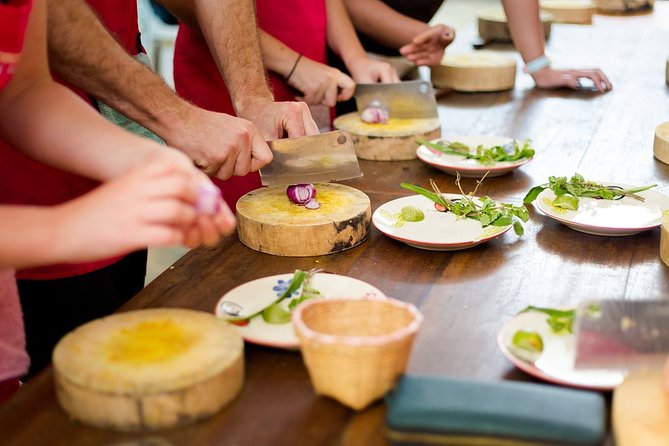
- Max 10 people means more hands-on help and less time waiting
- Market tour (morning only) teaches how to select Thai ingredients before you cook
- 6 dishes gives you a real cross-section of Thai cooking, not one lone specialty
- One wok per person keeps you actively cooking instead of watching
- Morning or afternoon start helps you match the class to your Chiang Mai day
- Guided by an experienced instructor helps with technique and decision-making (including menu choices)
Market Tour to Wok in Chiang Mai: What You’re Actually Getting
This is a half-day cooking class designed for people who want the whole story: where the ingredients come from, how they’re chosen, and how they turn into food you can recreate later. The market part matters because Thai cooking is very ingredient-driven. If you pick the wrong herb, chili, or paste consistency, you can still cook, but you might not get the dish you were aiming for.
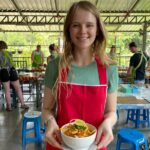
What you get, in practical terms, is a market visit (for the morning option) plus hands-on cooking for about five hours. In the class, you’ll cook six dishes, and each person cooks on their own wok. That alone makes it feel more like a cooking workshop than a demo.
There’s also a small-group limit. Max 10 travelers sounds like a marketing detail until you experience it in practice—less crowding at the stations, more time for the instructor to check what you’re doing, and fewer people sharing space like it’s a party bus.
You can also read our reviews of more cooking classes in Chiang Mai

Price and Timing: Is $41.03 a Good Use of Your Afternoon?
At $41.03 per person for around five hours, the value comes down to what’s included: market visit (morning only), cooking time, one wok per person, drinks, and transportation within 3 km of downtown Chiang Mai. Many cooking classes in tourist-heavy areas charge more for less. Here, you’re paying for instruction plus ingredient selection plus your meal.
Also, you’re cooking six dishes. That means you’re not just tasting a sampler plate and calling it done. You’ll be working through multiple steps, learning how flavors build across different dishes, and leaving with recipes you can actually use again.
The timing is where you should do a quick match to your day. If you’re a morning person and you want the full “buy ingredients then cook them” arc, pick the morning option. If you already have a busy morning, the afternoon start can work well, but you’ll want to accept that the market tour is only included in the morning class.
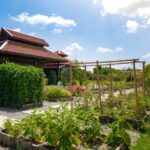
The Chiang Mai Market Stop: Learning to Choose Ingredients Like a Pro
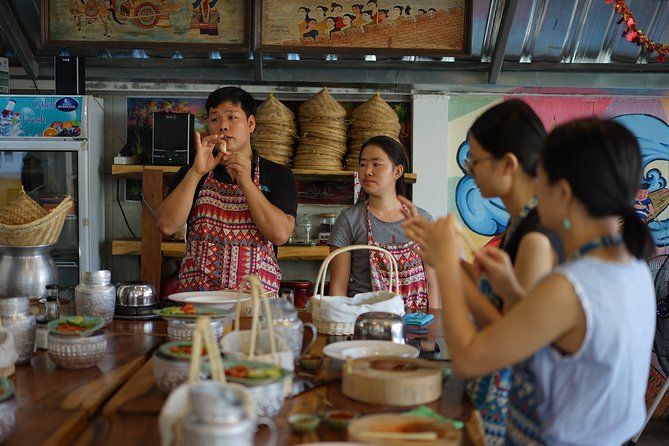
If you choose the morning class, the experience starts with a local fresh market visit. This part is valuable even if you’ve eaten Thai food for years, because market shopping in Thailand is about texture, ripeness, and aroma—not just brand names.
In this class, you don’t simply wander with a camera. The instructor teaches you how to choose the best sample of each ingredient so your dishes work. That’s a huge difference between a cooking class that teaches recipes and one that teaches outcomes.
Here’s what this kind of market coaching tends to unlock for you:
- You learn what the ingredient should look and smell like before it hits your wok.
- You understand why certain herbs and aromatics show up in northern Thai cooking.
- You get a better chance of recreating the flavor at home, because you’ll know what to look for when shopping.
One subtle benefit: you’ll also get comfortable with the ingredients so the cooking steps feel less mysterious. When you know which ingredient is meant to bring fragrance and which one is meant to add body, you can follow along without getting lost in the names.
Small-Group Cooking With Personalized Attention (Max 10)
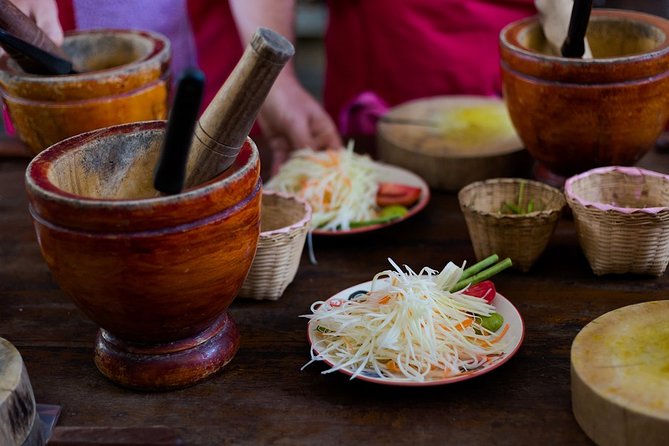
Small-group classes are a big deal if you care about actually learning, not just getting photos. With a maximum of 10 travelers, you’re usually close enough to the instructor that you can ask questions and get corrected while it matters.
This matters most during the moments that make or break Thai dishes:
- getting the heat right on a wok station
- balancing sauces and aromatics
- timing when to add ingredients so they don’t overcook
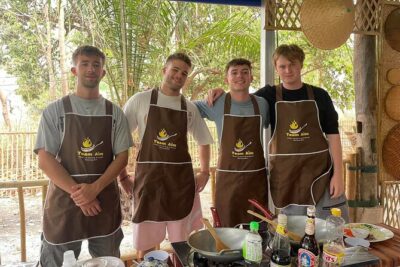
The class design also helps. You cook in a way that’s hands-on from the start, and you’re guided throughout rather than left to guess. One review highlighted how the instructor—Chef Perm in that case—was lively, funny, and very attentive. That kind of teaching style is more than entertainment. It keeps the energy up while you focus on technique.
If you tend to learn best when someone can check what you’re doing, the small-group format is a strong selling point.
One Wok Per Person: How the Cooking Portion Stays Active
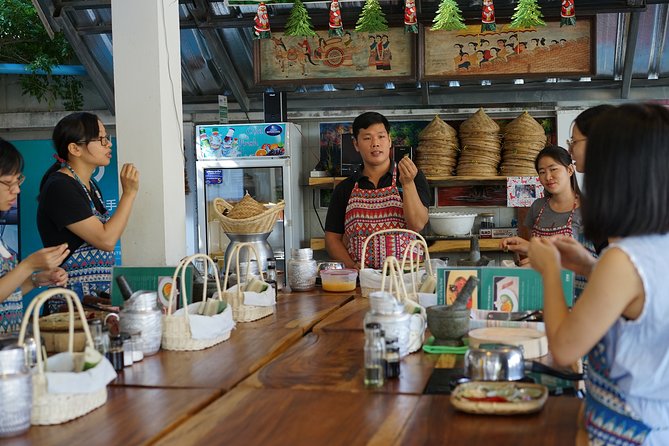
A lot of cooking classes are technically “hands-on,” but you spend half the time waiting your turn. Here, cooking is structured around one wok per person. That changes the vibe immediately.
You’re not standing in the back watching someone else do the real work. You’re cooking. That means:
- you gain muscle memory for stir-frying basics
- you learn how quickly things change at wok heat
- you pick up the rhythm of adding ingredients in the right order
And yes, you’ll likely work with serious wok heat. One class report mentioned making a fire in the pan. That’s the sort of detail that signals this isn’t a lukewarm tabletop “cooking demo” setup.
The final payoff is that you eat what you make. This isn’t a class where you leave with a styrofoam box and a vague memory. You get a real meal at the end of your work.
You can also read our reviews of more tours and experiences in Chiang Mai



Choosing Your Menus Without Group Chaos
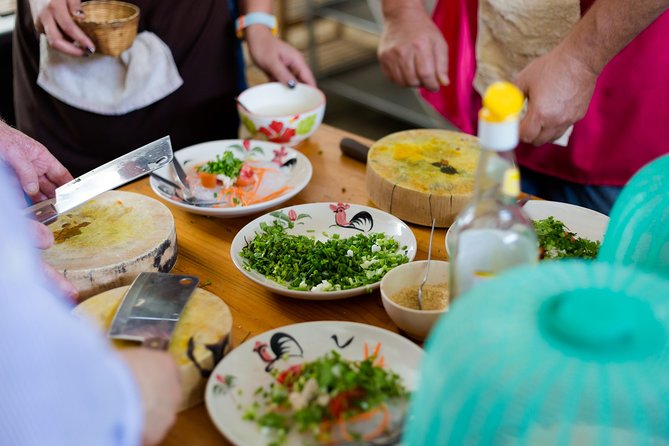
One of the surprisingly practical parts of this class: you choose the menus yourself. You pick one from each menu category, and you don’t have to decide with the group. That’s a small detail, but it solves a common problem.
Group decision-making can turn a cooking class into a waiting game—someone debates options, others lose their momentum, and suddenly you’re behind on the step-by-step flow. Here, the process is built for speed and clarity, so the class keeps moving.
If you’re worried about not getting the dishes you want, this structure helps you feel in control. It also makes the cooking portion feel personalized, even though everyone is cooking at the same time in the same general flow.
The 6 Dishes and the Northern Thai Focus
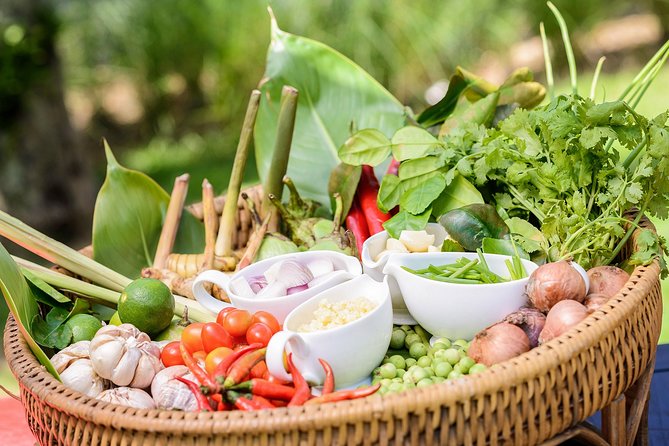
You’ll cook six dishes during the class, and the teaching focuses on classic Thai cooking with a northern Thai flavor angle. Northern Thai dishes tend to be fragrant, sauce-forward, and built around herbs, aromatics, and balanced heat.
You won’t be cooking just one “signature” dish. You’ll cover enough variety that you leave with a broader toolkit for Thai cooking at home.
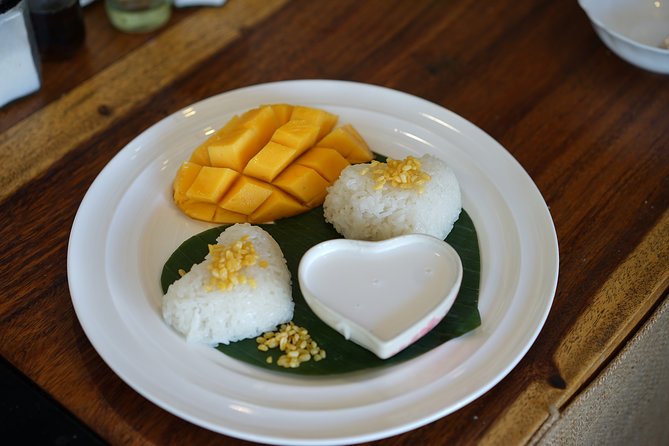
At least one dish you might make is mango sticky rice—one of the class highlights noted in the experience write-ups. Mango sticky rice is popular for a reason: it’s one of those desserts where technique matters, and getting it right makes you feel like you can master something you usually buy from a stall.
Beyond that, the menu-based selection means your exact set of six dishes can vary. The important part is that you’re getting practice across multiple dishes rather than doing one repeat.
Eating Your Results: The Meal Part Actually Feels Like Part of Learning
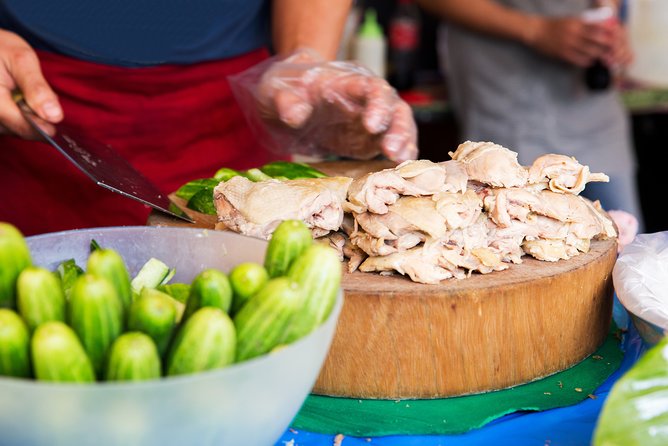
The class doesn’t treat eating as an afterthought. After you finish cooking, you enjoy the meal and take home memories and recipes.
That meal step is more than calories. It’s your feedback loop. You taste what you made, and you can connect flavors to the instructions you followed. It’s when things start to “click”: you realize why the instructor had you treat certain ingredients differently, and you understand what balance should taste like.
Also, you’re given free coffee, tea, and water. That’s a simple comfort detail, especially when you’ve been working with heat and spices for hours.
Getting There: Pickup and Downtown Convenience
Logistics can ruin a good activity if they’re messy. Here, transportation is included within 3 km of Chiang Mai downtown, and pickup is offered. That means you’re not spending your time negotiating a ride while your class start time sneaks closer.
It’s a half-day activity, so getting there without stress matters. You’ll want to show up with your day planned enough that you can focus on cooking and not on navigation.
They also use a mobile ticket. That tends to make check-in smoother—no paper scavenger hunt required.
Who Should Book This Class (and Who Might Skip It)
This class is a great match if you:
- want a structured way to learn Thai cooking fast
- like market shopping but don’t want to do it alone
- enjoy hands-on instruction and ask-for-help learning
- want to cook multiple dishes, not just sample one
It may be less ideal if you:
- already know exactly what you want to cook and have your own ingredient sources
- only want afternoon activities and don’t want to miss the market portion
- prefer a longer cooking session where you can slow down and perfect fewer dishes
Still, for most people visiting Chiang Mai, the market-to-wok flow is exactly what makes cooking classes worth paying for.
Should You Book This Half-Day Chiang Mai Cooking Class?
I’d book it if you want real practice, a manageable time commitment, and a class format that doesn’t leave you sitting around. The combo of market learning (morning option), small group size (max 10), and six dishes you cook yourself makes the $41.03 price feel more grounded than classes that only offer a demo and a photo moment.
Choose the morning start if you want the full ingredient-selection storyline. Choose the afternoon start if you’re balancing other Chiang Mai plans and you’re okay skipping the market portion.
If you like cooking, Thai food, and learning the “why” behind ingredients, this is one of those experiences that gives you something you can use long after you leave Chiang Mai.
FAQ
How long is the Chiang Mai cooking class?
The class runs for about 5 hours.
How many dishes will I cook?
You will cook 6 dishes during the class.
Is there a market tour?
Yes, the market tour is included with the morning class option.
Can I choose between a morning and an afternoon start?
Yes. You can choose a morning or afternoon start time.
How big is the group?
The experience has a maximum of 10 travelers.
Will I cook with my own wok?
Yes. Cooking includes one wok per person.
Does the tour include pickup or transportation?
Pickup is offered, and free transportation is included within 3 km in Chiang Mai downtown.
Are drinks included?
Yes. Free coffee, tea, and water are included.
Do I pick what dishes I cook?
You choose the menus, one from each, and you do not need to decide with the group.
Is the experience refundable if I cancel?
No. The experience is non-refundable and cannot be changed, and the amount you paid is not refunded if you cancel or request an amendment.