REVIEW · CHIANG MAI
Half day Best of Chiang Mai City by Tuk-Tuk Private tours
Book on Viator →Operated by Chiang Mai Local Tours · Bookable on Viator
Chiang Mai clicks faster with a tuk-tuk plan. This Best of Chiang Mai half-day tour is a smart orientation ride with hotel pickup, plus a compact route that hits major sights (including Warorot Market) without turning your day into a logistics puzzle. I like the calm, mapped-out flow—see enough to decide what to return for later—and the guide pacing that keeps photos and stops manageable; the one catch is the short 3-hour format, and the condition of the tuk-tuk can be a weak point depending on the vehicle.
You choose a morning or afternoon departure, then your driver traces the old city loop before you get into the temples and market. Expect four temples and one market in a tight window, which is great for first-timers and efficient for anyone with limited time.
In This Review
- Key highlights you’ll actually feel
- Why a Tuk-Tuk Orientation Tour Makes Sense in Chiang Mai
- Two Half-Day Start Times: Morning or Afternoon, and What Changes
- Canal Loop and City Gates: Chiang Mai Gate to Tae Pae Gate
- Wat Chedi Luang and the Emerald Buddha Connection
- 3 Kings Monument: Quick Stop, Clear Meaning
- Wat Srisuphan Silver Temple and the Sala Sip Mu Lanna Angle
- Warorot Market: Souvenirs, Produce, and Local Price Power
- Price and Comfort: What $55 Buys You (and the One Possible Weak Spot)
- What’s included vs not
- Should You Book This Best of Chiang Mai Half-Day Tuk-Tuk Tour?
- FAQ
- How long is the Best of Chiang Mai half-day tour?
- What time does the tour start?
- What places does the tour visit?
- Does the tour include hotel pickup and drop-off?
- Is there an English-speaking guide?
- What’s included in the price?
- What is not included?
- What dress code is required?
- How many people are in the group?
- Is cancellation allowed?
Key highlights you’ll actually feel
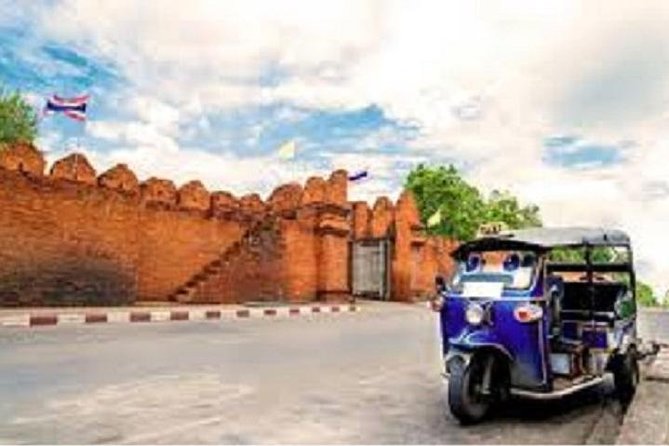
- Hotel pickup by tuk-tuk so you don’t waste your first hours figuring out routes
- Old city gates by canal loop for quick context on Chiang Mai’s defenses
- Wat Chedi Luang with the Emerald Buddha connection and visible earthquake damage
- Wat Srisuphan (silver temple) where silversmith tradition is part of the visit
- Warorot Market for local shopping prices and a huge mix of goods
Why a Tuk-Tuk Orientation Tour Makes Sense in Chiang Mai
If you’re arriving in Chiang Mai and you want momentum, this is the kind of half-day outing that helps you understand the city, not just pass through it. You’re not stuck chasing tuk-tuk routes or wondering which streets matter. Your guide and driver handle the turning points, and you get a scenic ride while you build a mental map.
The best part is how the stops connect. You start with the old city edges and gates, then move inward to iconic temples. After that comes the market—so you get a full spectrum: city structure, spiritual sites, and daily life in one tidy chunk. That’s why I think this tour is a strong first purchase if you want to plan the rest of your trip with confidence.
I also like the “ready-to-walk” approach: hotel pickup and drop-off mean you can start and end without friction. Drinking water and seasonal fruit are included too, which matters in Thailand when humidity can turn a short day into a sweaty one fast. The trip is small (up to 10 people), so it doesn’t feel like cattle-herding, and the guide provides the English-speaking support you’ll want at temples and markets.
You can also read our reviews of more city tours in Chiang Mai


Two Half-Day Start Times: Morning or Afternoon, and What Changes
You get two departure options: 8:30am (return around 11:30am) or 12:30pm (return around 4:30pm). That sounds simple, but the timing affects your experience more than you’d think.
Morning works well if you want cooler air for temple walking and if you’d like to keep your afternoon open for something more flexible—like a massage, a second market stop, or an evening stroll. You’ll still see a proper market, but you’ll have the rest of the day in reserve in case you spot a place you want to revisit.
The afternoon option is useful if you’re arriving late, sleeping in, or already planned a morning activity. Just remember: the city temples can get busy later in the day, and Warorot Market can feel more intense as evening approaches, since the area overlaps with where the Sunday Market and the Night Bazaar are known to happen. If you’re sensitive to crowds, the morning departure is the safer bet.
Either way, the entire tour runs about 3 hours, which is short on paper and fast in real time. You’ll move between stops, take photos, and browse—but it’s not a long sit-down experience. Think of this as a highlight sampler that sets your course.
Canal Loop and City Gates: Chiang Mai Gate to Tae Pae Gate
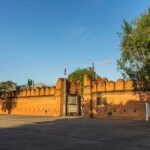
The tour starts with a ride around the old city area, including a canal that surrounds it. This first segment gives you the structure of Chiang Mai in a way you can’t get from reading maps. You’ll stop at major gates, including Chiang Mai Gate and Tae Pae Gate, to see remnants of the old guard walls that once protected the city from outside threats.
These stops are quick, but they’re powerful for orientation. Even if you only absorb a few details, you’ll understand where the “center” is and why many temples and roads line up the way they do. It also helps when you later plan your own tuk-tuk or songthaew rides, because you’ll know what’s inside the wall area versus what’s outside.
One practical tip: bring your phone camera ready, but also be ready to look up. At the gates and along the wall remnants, your best photos often come from angles that show the scale of the structures. The ride itself helps too—being transported by tuk-tuk means you don’t have to walk long distances between these orientation points.
This segment also keeps the day relaxed. You’re still in “get your bearings” mode, not “race through attractions” mode. That’s a big reason this tour works for first-timers.
Wat Chedi Luang and the Emerald Buddha Connection
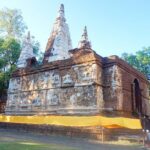
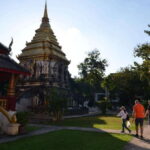
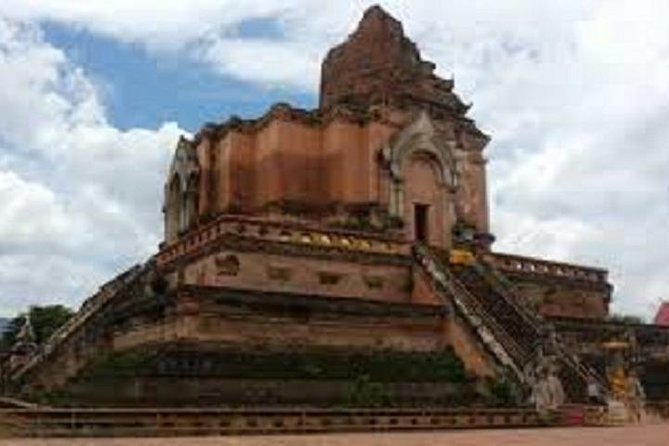
After the gates, you head into the Old City for Wat Chedi Luang. This is one of those temples where the details make it feel more than just a photo stop. The temple’s name points to a large stupa—its historical core is tied to the 14th and 15th centuries.
Here’s a key story thread you’ll hear: Wat Chedi Luang used to be home to the famous Emerald Buddha. That image now sits in Bangkok’s Grand Palace, but the Chiang Mai connection is part of what gives this site weight. Even if you’re not a deep temple scholar, that link helps you place Chiang Mai in Thailand’s wider cultural map.
There’s also the very visible earthquake history. In 1545, an earthquake destroyed about the top 30 meters of the temple. Much of the structure has been repaired, but damage around the lower edges can still be seen. That makes the visit feel grounded and real—less postcard, more “this has been through centuries.”
The practical side: you’ll be walking inside temple areas and moving between viewpoints. Wear clothing that you can comfortably cover and move in. The tour’s dress code is formal, so plan on bringing something that meets temple rules and doesn’t make you overheat.
If you want a temple stop that helps you understand why Chiang Mai is known for so many historical sites, this is the anchor.
3 Kings Monument: Quick Stop, Clear Meaning
Next up is a brief visit at the 3 Kings Monument. It’s not a long temple-style experience, and you won’t get the same slow, incense-and-stories atmosphere as at Wat Chedi Luang. But it’s a useful stop because it adds a local identity layer between the older sacred site and the next temple.
Think of it as the “timeline marker” moment. You’re shifting from the old city layout into the cultural heritage that still shapes the region’s pride. In a tour that only lasts about 3 hours, these middle stops matter—they keep the day from feeling like a list of unrelated points.
If you’re into photos, you can usually get a clean shot here without needing long walking routes. It’s also a good spot to pause, take a breath, and reset your focus before you head to the silversmith-linked temple.
You can also read our reviews of more private tours in Chiang Mai





Wat Srisuphan Silver Temple and the Sala Sip Mu Lanna Angle
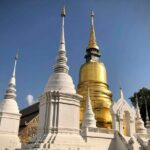
Then you move on to Wat Srisuphan, often called Chiang Mai’s silver temple. It’s founded in 1501 during the era of King Mengrai, and it later became known as Wat Srisuphan Aram. The temple was renovated in 2004, which helps explain why parts of it can look polished and well-kept.
The standout is the silver-colored building that shimmers when the light hits it. The materials details are part of the intrigue too: the ubosot is described as using an alloy and zinc-silver. Even if you’re not going to remember the chemistry, you’ll remember the look—this is one of those temples where the visual effect changes as sunlight shifts.
But what I think makes this stop more than scenery is the silversmith connection. Wat Srisuphan is linked to Chiang Mai’s tradition of metalwork. Visitors are encouraged to see artisans at work, and the tradition is passed on through the Ancient Lanna Arts Study Centre, known as Sala Sip Mu Lanna. That means you’re not just viewing craftsmanship from a distance; you’re seeing how the craft continues.
A small caution: temple areas often require respectful behavior and covered clothing. Since the tour says the dress code is formal, bring options that fit rules and still allow you to move. Also, if you’re planning to buy souvenirs later, this is the place where silver products might catch your eye—especially if you’re the type who likes meaningful items rather than generic trinkets.
Warorot Market: Souvenirs, Produce, and Local Price Power
Your final stop is Warorot Market. This is where Chiang Mai turns practical. If temples are your “story” side of Thailand, markets are the daily-life side—and Warorot is known for variety and value.
You’ll see where the Sunday Market and the famous Night Bazaar are located in the broader area, then you’ll explore Warorot itself. The market is huge, so you won’t sample every aisle, but you’ll get a strong feel for what local residents shop for.
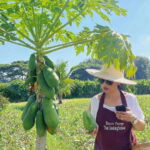
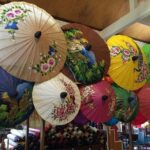
Common categories you can expect include fresh and dried fruits and vegetables, souvenirs, fireworks, clothing, fresh seafood, jewelry, watches, beauty supplies, and even a flower market. The tour information also notes that prices here are among the lowest in Chiang Mai, which is exactly what you want if you’re trying to buy gifts without spending tourist-level money.
What to do here if you’re short on time: set yourself one or two goals before you walk in. For example, decide whether you’re hunting for a specific souvenir type (like jewelry or beauty supplies) or simply using the market to gauge prices for later. Otherwise, it’s easy to wander for 30 minutes and still feel like you bought nothing.
Also, bring some smaller bills if you plan to shop. While the tour doesn’t specify payment details, markets usually work smoother with cash than with card-only spending.
Warorot is also a photo playground, but watch where you stand. People are shopping and vendors are working, and you’ll enjoy it more if you keep your camera habits polite.
Price and Comfort: What $55 Buys You (and the One Possible Weak Spot)
At $55 for about 3 hours, this tour is priced like a practical orientation package rather than a luxury day. The value comes from the combination: hotel pickup and drop-off by tuk-tuk, an English-speaking guide, and included refreshment stops (drinking water and seasonal fruit). There’s also accident travel insurance included, which is reassuring when you’re riding around town.
The small group size (up to 10) helps too. For many tours in Chiang Mai, the biggest hidden cost is how long you spend waiting for others. Here, the compact schedule and small cap make the day feel tighter and more efficient.
That said, there’s one consideration that can affect comfort: the tuk-tuk condition. The tour uses tuk-tuks, and if you end up with an older vehicle, the ride can feel less comfortable than you’d hoped. The upside is that the driver experience tends to matter, and the idea here is a steady, safe ride that still feels fun.
Also think about the scope. You’ll see four temples and one market, but because the tour is only half-day, you won’t get deep time inside each site. If you’re the kind of traveler who wants long temple exploration, more variety, or slower browsing, you might feel a bit rushed. For everyone else—especially first-timers—this tight plan is often the best way to avoid wasting a precious arrival day.
What’s included vs not
Included:
- hotel pickup and drop-off by tuk-tuk
- English-speaking guide
- drinking water and season fruits
- accident travel insurance
Not included:
- souvenir photos (available to purchase)
- personal shopping
Should You Book This Best of Chiang Mai Half-Day Tuk-Tuk Tour?
I’d book it if you’re arriving in Chiang Mai and want a fast, well-structured intro: gates for context, Wat Chedi Luang for the big historical temple moment, Wat Srisuphan for the silver-shimmer and silversmith tradition angle, and Warorot Market for real shopping.
I’d think twice if you’re hunting for a longer, more varied day with lots of breathing room. At 3 hours, this is about getting your bearings and picking your next moves—not soaking up every stop like a standalone visit.
If you’re comfortable with a formal dress code and you like the idea of a tuk-tuk orientation, this is a solid value for the money. And if you’re planning your own Chiang Mai routes afterward, the “map you build in your head” from the gates and old city loop can be the most useful souvenir of all.
FAQ
How long is the Best of Chiang Mai half-day tour?
It’s about 3 hours.
What time does the tour start?
There are two departure times: 8:30am or 12:30pm.
What places does the tour visit?
You’ll visit four temples and one market, including Wat Chedi Luang, Wat Srisuphan (silver temple), and Warorot Market.
Does the tour include hotel pickup and drop-off?
Yes. You get pickup and drop-off from your hotel by tuk-tuk.
Is there an English-speaking guide?
Yes, the tour includes an English-speaking guide.
What’s included in the price?
The tour includes hotel pickup/drop-off, an English-speaking guide, drinking water and seasonal fruit, and accident travel insurance.
What is not included?
Souvenir photos (if you choose to purchase them) and personal shopping are not included.
What dress code is required?
The dress code is listed as formal.
How many people are in the group?
The tour has a maximum of 10 travelers, and there is a minimum of 2 people per booking.
Is cancellation allowed?
Yes, free cancellation is offered. You can cancel up to 24 hours in advance for a full refund.