REVIEW · CHIANG MAI
2 Days Hiking Tour in Chiang Mai
Book on Viator →Operated by TEE WATERTOWN · Bookable on Viator
Jungle trails and Karen village life—two days. This Chiang Mai hike blends waterfalls, rice-and-rainforest scenery, and time in a Karen hill-tribe village, so you’re not just walking—you’re also getting a look at daily life in a very rural setting. I love how the day is paced with real breaks, like lunch time by the waterfall and short stops to snack and reset.
What I really like is the way the guides bring the trail to life. You’ll walk through plant-rich jungle and gardens, and the focus goes beyond “look at that.” Guides such as Dali and Fern share practical ideas about plants you can see on the path, and you may even get hands-on experience with foraging mushrooms and herbs for dinner. One thing to consider up front: this is for people with moderate fitness, and some walking is long enough that you’ll feel it in your legs by day two.
In This Review
- Quick hits before you go
- A two-day Chiang Mai trek that blends waterfalls and Karen village life
- Day 1: market stop, Mae Saphok Waterfall, banana garden, and village arrival
- Karen bamboo-house night: simple bedding and real quiet
- Day 2: soft-boiled rice breakfast, a Karen village with no electricity, and jungle swimming
- Guides Dali and Fern make the trail feel personal
- Price and value: what $130.21 covers for two days and one night
- Pace, fitness, and the real-world challenges of jungle walking
- What to plan for at the market and on the trail
- Who should book this Chiang Mai hike, and who might want to skip
- Should you book this 2 Days Hiking Tour in Chiang Mai?
- FAQ
- FAQ
- How long is the hiking tour?
- Where does the tour take place?
- What is the price per person?
- Is pickup from your hotel included?
- Do I receive a mobile ticket?
- What fitness level do I need?
- What kind of overnight accommodation is included?
- Is breakfast included on day two?
- Can you swim during the tour?
- What’s the cancellation policy?
Quick hits before you go
- Karen hill-tribe village overnight in a bamboo house with a simple, local setup
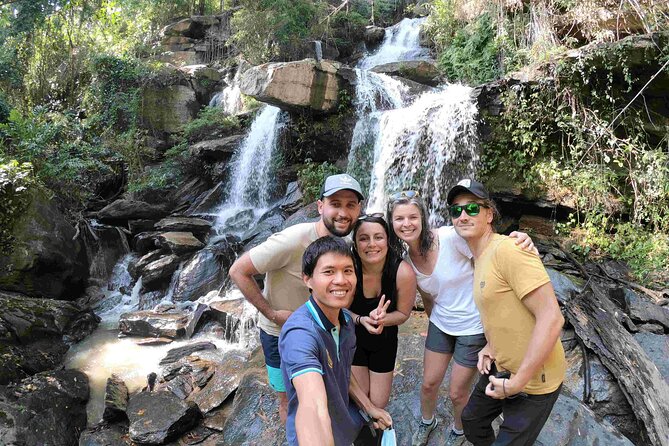
- Mae Saphok Waterfall hike with jungle lunch and a no-name waterfall you can only reach on foot
- Jungle “beach” time on day two, with an opportunity to swim and cool off
- Plant-focused guidance from Dali and Fern, including practical foraging stories
- Moderate hiking pace with several hours walking through jungle terrain
A two-day Chiang Mai trek that blends waterfalls and Karen village life
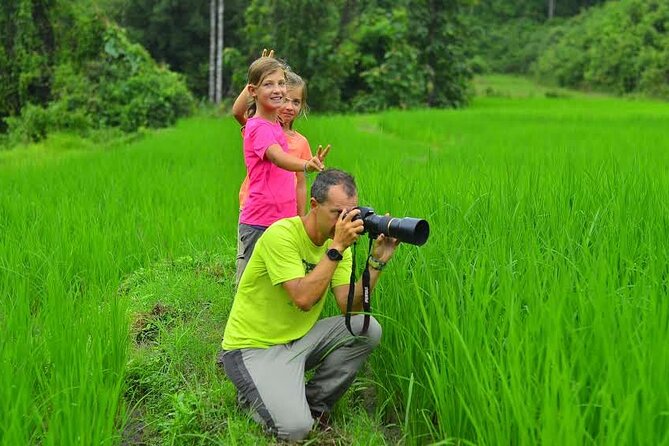
This isn’t a “quick photo and leave” type of hike. It’s built around slow, steady movement through green hills and jungle, plus a night in a Karen hill-tribe village. The setting matters: Chiang Mai’s countryside has waterfalls, rice paddies, banana gardens, and narrow trails where the scenery changes fast.
On your first day, you’ll start with a practical rhythm: hotel pickup, a drive to a local market, then on to Mae Saphok Waterfall for hiking and lunch. Day two keeps going with more jungle walking and ends with a stop at a beach inside the jungle where swimming is possible. The village portion isn’t just a stop sign; you get time with a guide to understand everyday life.
You’ll also get a clear sense of what rural life feels like, including a Karen village described as having no electricity. That kind of reality check can be a meaningful part of the trip, if you’re prepared for it.
You can also read our reviews of more hiking tours in Chiang Mai

Day 1: market stop, Mae Saphok Waterfall, banana garden, and village arrival
Your day starts with pickup from your hotel and a 40-minute drive to a local market. You’ll have about 20 minutes there to buy whatever you want for the hike. This is one of those small details that can make or break comfort later. If you like having your own snacks or you know you get hungry on foot, this is your moment to grab them.
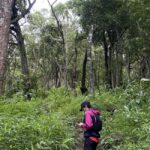
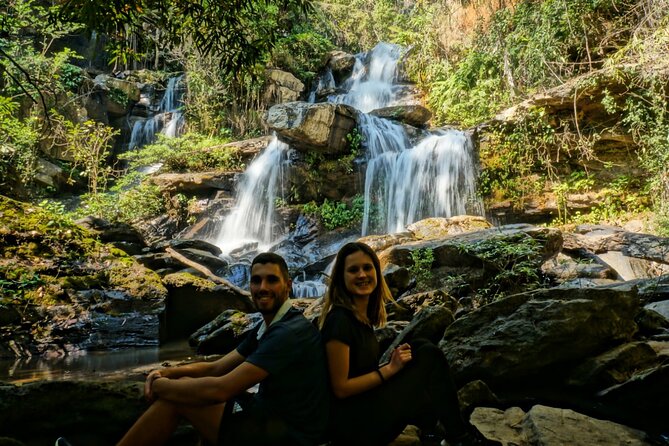
From there, you drive about 45 minutes toward the Mae Saphok Waterfall area. Then the hiking starts: you go into the jungle, and you reach the waterfall for lunch and a chance to refresh. The timing here matters because you’re not just trekking past scenery—you’re stopping where the trail naturally makes sense to stop.
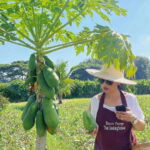
After the waterfall break, you move through the banana garden for about 30 minutes. You can eat bananas from the tree if they’re good, and the people there are described as friendly. Even if you’re not a “garden snack” person, it’s a fun reset between harder walking legs, and it’s a small taste of how local life grows around the path.
Next comes the big shift: arrival at the Karen hill-tribe village in the afternoon, around 2:30–3:30 pm. Your guide shares information about Karen hill-tribe living, and you’ll have free time to visit the village for about 1 hour. This is where you should slow down and ask questions. If something catches your attention—houses, daily work, or how the village rhythm works—your guide is your best resource.
Karen bamboo-house night: simple bedding and real quiet
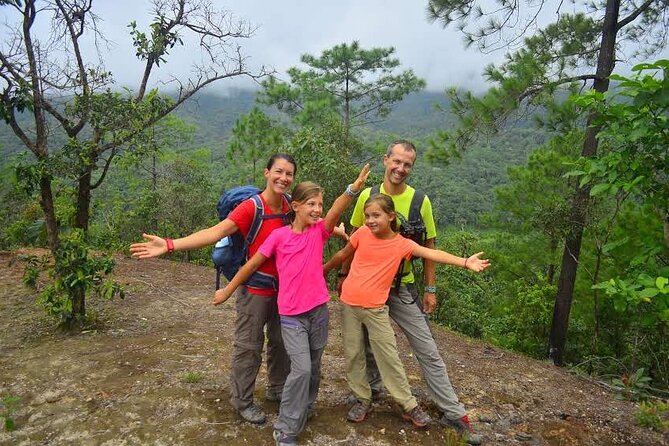
You’ll sleep overnight in a Karen village in a bamboo house. The setup is simple: think “bed like the people in the village,” with everything described as local. That means you shouldn’t expect hotel standards. But if you’re curious and flexible, it’s one of the strongest parts of this type of trip, because you’re not just watching life from outside.
This is also a night where sounds and darkness will feel different than in town. If you like being in the outdoors and you’re comfortable with basic conditions, you’ll probably enjoy how calm it can be away from city noise.
Just keep your expectations grounded. The experience is about the hike and the village encounter, not comfort amenities. If you need predictable comforts, you might find this part challenging.
Day 2: soft-boiled rice breakfast, a Karen village with no electricity, and jungle swimming
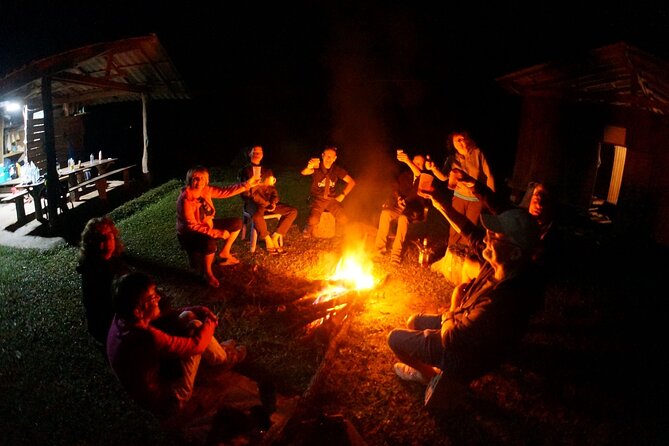
Day two begins with a local breakfast: soft-boiled rice plus fruits. It’s a straightforward meal designed for how you’ll move next—fuel that fits the rural morning schedule. You’ll have time for this before starting the walking portion.
Then you head to another Karen village area. It takes about one hour of walking to reach it, and the description highlights that this village has no electricity. You’ll get an explanation of daily life from the guide for about 20 minutes. This is where the cultural portion of the trip shifts from “visit and see” into “understand constraints,” which is often where people learn the most.
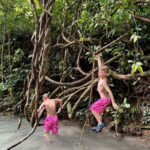
After that, you keep walking through jungle terrain toward a waterfall and a beach within the jungle. Swimming is an option once you reach the beach area. The plan suggests the jungle time runs around 4–5 hours total for this portion, including walking segments and the time at the waterfall/beach.
Finally, you’ll walk about 30 minutes to the car park, then drive back toward Chiang Mai. The day closes on a cool-off note: a jungle swim plus the satisfaction of finishing your second long hiking day.
Guides Dali and Fern make the trail feel personal
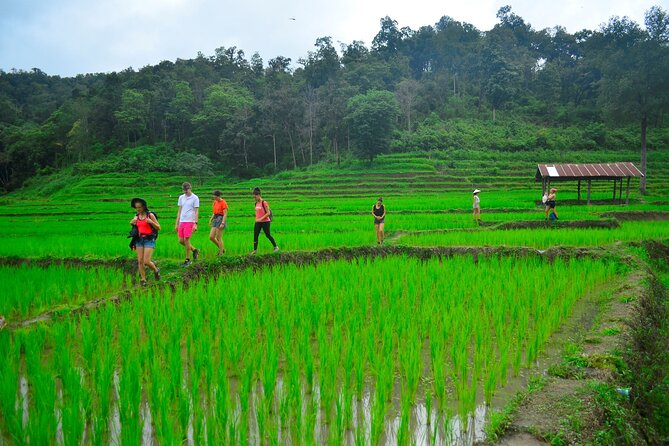
The biggest “wow” factor here is the guide attention. Dali and Fern (from the mountain) are specifically mentioned for being jolly, and for bringing a practical angle to what you see along the road.
Here’s what stands out as genuinely useful: plant knowledge. You’re not only taking in views—you may learn which plants have particular uses, and how people in the area think about what grows nearby. The feedback also points to foraging mushrooms and herbs for dinner, plus trying some raw foliage. Even if you don’t plan to eat everything they offer, it’s the kind of experience that makes the jungle feel like a living pantry, not just scenery.
If you’re the type who enjoys learning from people who know the terrain, this tour is set up for that. And because the hike includes multiple stops—waterfall lunch, garden snack time, village time—there are chances to ask questions rather than being stuck in constant walking mode.
You can also read our reviews of more tours and experiences in Chiang Mai




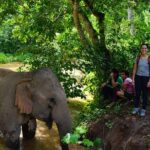
Price and value: what $130.21 covers for two days and one night

At $130.21 per person for roughly two days, the value comes from two things: the guided logistics and the time on foot with included access points.
You’re getting:
- Hotel pickup and return transport by car
- A full two-day plan with a village overnight in a bamboo house
- Access elements tied to the day, including Mae Saphok Waterfall admission (marked as included)
- A local breakfast on day two
- Multiple stops where admission is noted as free for that segment
What this price is doing well is covering the “messy parts” you’d otherwise have to organize: getting to the trail areas, having a guide for the village and jungle context, and keeping the schedule moving across both days.
What’s on you is comfort planning. You’re given a 20-minute market stop to buy what you want during the hike, so you’ll want to budget for snacks or basics. Since exact included meals beyond breakfast aren’t fully spelled out, you should assume you’ll want your own backup snacks too.
In short: if you want guided walking plus a real village night, the price looks fair for the scope. If your main goal is pure comfort with minimal exertion, it might feel expensive.
Pace, fitness, and the real-world challenges of jungle walking
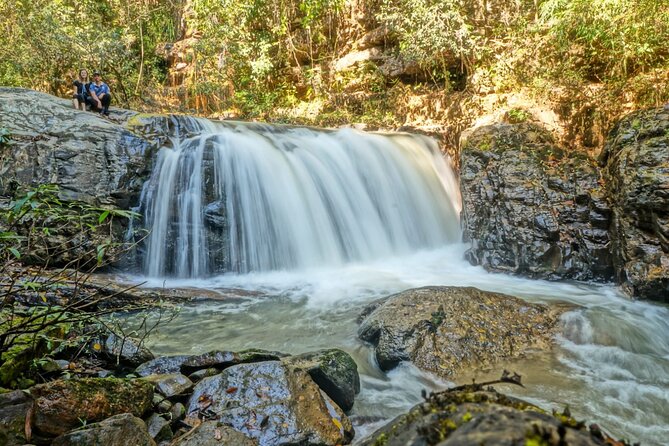
This tour asks for moderate physical fitness. That’s accurate for a trek with multiple walking segments across two days, including a day-two jungle portion that can run 4–5 hours. Even if you hike regularly, expect uneven ground and a pace that includes breaks but still builds fatigue.
Also consider the accommodation style. A bamboo-house night is simple, and one village stop is explicitly described as having no electricity. If you rely on charging devices or you need modern comfort, this may not match your expectations.
One more practical note: swimming is part of the plan on day two. That’s great in the heat, but bring the right mindset. You’ll be hiking and then cooling off, not lounging at a lifeguarded resort.
What to plan for at the market and on the trail
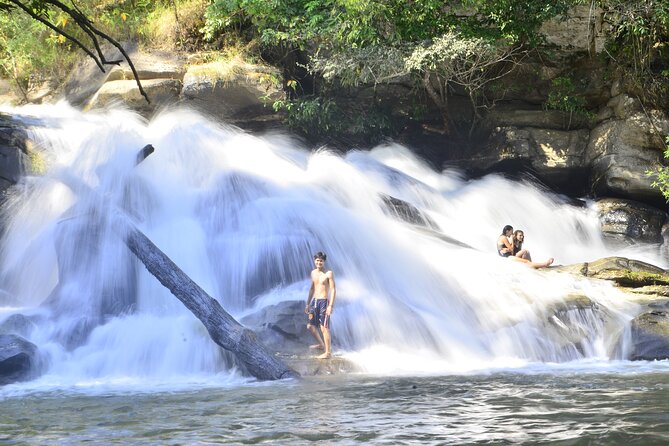
The itinerary gives you a helpful setup: you’ll stop at a local market early on day one with 20 minutes to buy whatever you want during the hike. If you have dietary needs, snack preferences, or you know you get hungry, use this time.
During the day, you’ll also get some informal fueling moments, like the waterfall lunch and the banana garden snack. Still, I’d plan for the hike to require your own energy too.
Because the trail includes jungle time, plant-focused learning, and time at the waterfall and beach, it helps to move with a “prepared but flexible” attitude. You’ll likely be doing a mix of walking, short viewing stops, and longer breaks where the day’s rhythm resets.
Who should book this Chiang Mai hike, and who might want to skip
I think this tour is a strong match if you:
- enjoy guided hiking where the guide actually teaches and explains
- want more than a “nature walk” and are curious about Karen village life
- like practical experiences, such as learning about plants and foraging (when it’s offered)
- can handle basic accommodations and rural conditions for one night
You might skip it if you:
- want a low-effort nature day with minimal walking
- strongly dislike simple lodging
- need electricity and modern conveniences as part of the experience
Should you book this 2 Days Hiking Tour in Chiang Mai?
If your dream trip includes jungle walking plus a Karen village overnight, this one is worth considering. The best part isn’t just the scenery—it’s the human layer: guides like Dali and Fern who connect the trail to plants, local living, and how meals connect to what grows around you.
Book it if you’re ready for moderate hiking, you can adjust to simple overnight conditions, and you want a day that moves beyond standard sightseeing. Skip it only if you’re chasing comfort first, low physical effort, or you’re not into rural life details like a village described as having no electricity.
FAQ
FAQ
How long is the hiking tour?
It runs for about 2 days (approximately).
Where does the tour take place?
The tour is in Chiang Mai, Thailand.
What is the price per person?
The price is $130.21 per person.
Is pickup from your hotel included?
Yes, pickup is offered.
Do I receive a mobile ticket?
Yes, the tour uses a mobile ticket.
What fitness level do I need?
You should have moderate physical fitness.
What kind of overnight accommodation is included?
You sleep in a bamboo house with a simple bed setup that’s described as local.
Is breakfast included on day two?
Yes. Day two includes a local breakfast of soft-boiled rice and fruits.
Can you swim during the tour?
Yes. On day two, you reach a beach in the jungle where you can swim and refresh yourself.
What’s the cancellation policy?
You can cancel for a full refund if you cancel at least 24 hours before the experience starts. Free cancellation is available up to 24 hours in advance.