REVIEW · CHIANG MAI
Full-Day Thai Cooking Class with Grandma – Market and Farm Tour
Book on Viator →Operated by Grandmas Home Cooking School · Bookable on Viator
The best part is the day’s flow, not just the recipes. You start with a guided market walk, then spend time on an organic farm, and finish in an open-air kitchen cooking classic Thai dishes. It’s the kind of format that helps you connect flavors to real ingredients and real people, not just a cooking demo.
I like the market + farm combo because it makes spice and herb shopping feel practical, not intimidating. I also like the hands-on setup—your own station in a small-group class, where you cook multiple dishes step by step.
One consideration: it’s a full 6 hours 30 minutes, so bring comfy shoes and be ready to be on your feet for most of the day, especially during farm time.
In This Review
- Key Things to Know Before You Go
- Why This Cooking Class Feels More Like Thai Life Than a Script
- Market Morning at Charoen Charoen: Spices, Herbs, and Getting Your Bearings
- The Organic Farm Tour: Chickens, Eggs, Mushrooms, and Garden Herbs
- Cooking in an Open-Air Kitchen: Your Own Station and 7 Dishes
- What the dishes teach you (even if you don’t name every sauce)
- The Coconut Milk Moment: A Traditional Wooden Grater Skill
- What You’ll Take Home: Recipes, a Digital E-Book, and Real Confidence
- Price and Value in Chiang Mai Cooking Classes
- Logistics That Affect Your Comfort (Pickup, Time, and Group Size)
- Who Should Book This Cooking Day (and Who Might Skip)
- Should You Book This Full-Day Cooking Class?
- FAQ
- How long is the cooking class?
- What does the tour cost?
- Is hotel pickup and drop-off included?
- Where is the meeting point?
- What time does the tour start?
- What will I cook during the class?
- Do I learn how to make coconut milk?
- What’s included with the class meal and drinks?
- Is alcohol included?
- Are kids allowed?
Key Things to Know Before You Go
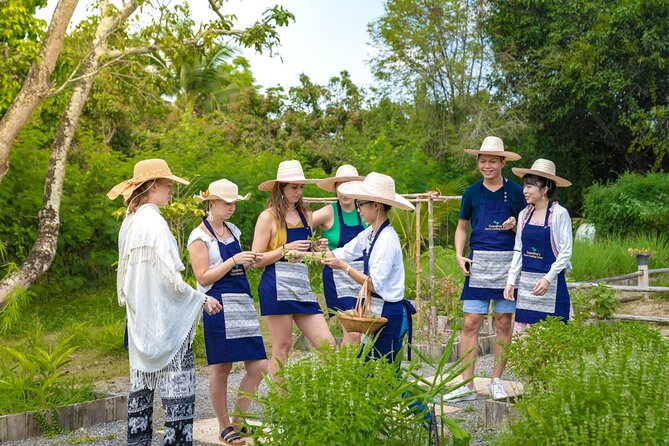
- Market walk with an instructor: You learn what you’re buying and why, not just what it’s called.
- Farm activities that feed the lesson: Chickens, eggs, gardens, and mushrooms make the day feel hands-on.
- 7 Thai dishes + 1 drink: You’re not stuck watching; you’re cooking through the menu.
- Fresh coconut milk the traditional way: You’ll use a wooden grater method that few schools emphasize.
- Mango sticky rice included: It’s part of the class, not an afterthought or separate stop.
- Hotel pickup and drop-off (within 5 km): Less hassle means you can focus on the day.
Why This Cooking Class Feels More Like Thai Life Than a Script
A lot of Chiang Mai cooking classes teach recipes. This one also teaches context. You begin with a market visit guided by an instructor, so spices and ingredients stop being abstract. Then you head to an organic farm to pick up the “where it comes from” side of the story, including garden herbs and farm activities tied to what ends up on your plate.
I like that the day has a clean rhythm: shop → gather → cook → eat. You won’t spend the first hour waiting around, and you won’t reach the kitchen only to realize the market portion was just a photo-op. This format also helps you remember flavors later, because you’ve handled them, smelled them, and learned what they do in Thai cooking.
Also, the school approach seems to get consistent praise for kindness and attention. It’s rated 4.9 with 98% recommendation, and the standout theme is how genuinely considerate the experience feels. That matters more than you’d think, especially on a day that includes a lot of small steps and kitchen technique.
You can also read our reviews of more shopping tours in Chiang Mai
Market Morning at Charoen Charoen: Spices, Herbs, and Getting Your Bearings
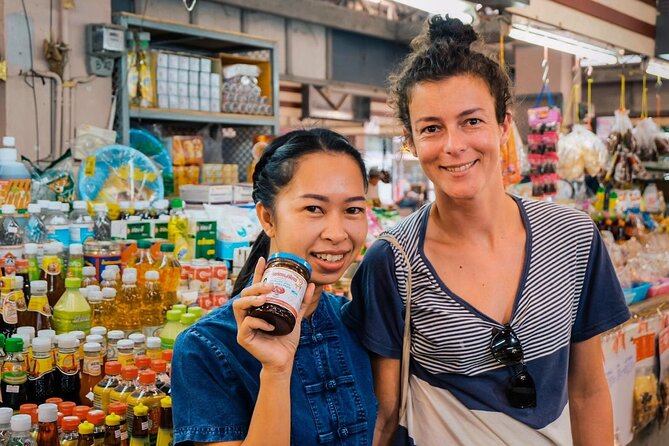
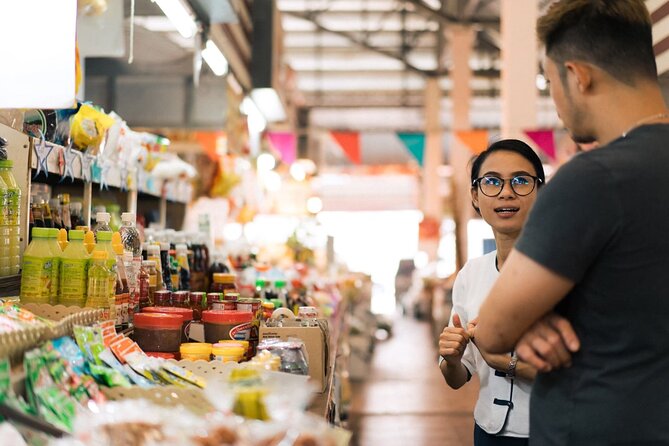
Your day starts at Charoen Charoen fresh market (ตลาดเจริญเจริญ) at 9:00 am. If you arrive early, take a minute to watch how vendors handle herbs and spices. That quick observation makes the guided portion easier to follow when your instructor points out what to look for and how ingredients are used.
The market section isn’t just about browsing. The tour’s structure is built around learning about Thai cuisine and spices through a guided walking visit. You’ll get an instructor’s perspective on seasonal produce and staple ingredients, and it helps if you’re the type who likes to understand choices as much as you like eating.
A smart benefit here: once you learn what’s worth buying (and what’s just filler), your cooking at home feels less like guesswork. You’re not only collecting recipe steps—you’re learning ingredient logic.
Possible drawback: markets can be warm and active. If you’re sensitive to heat, plan for water and quick shade breaks during the walk. The tour includes bottled water during class, but it’s still wise to wear breathable clothes.
The Organic Farm Tour: Chickens, Eggs, Mushrooms, and Garden Herbs
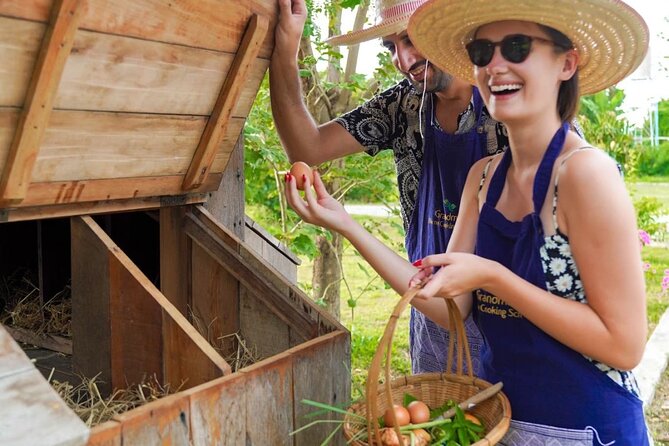
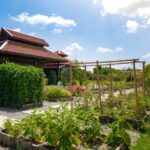
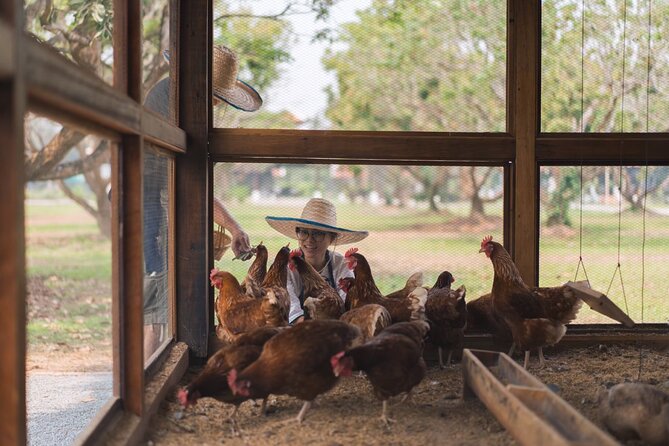
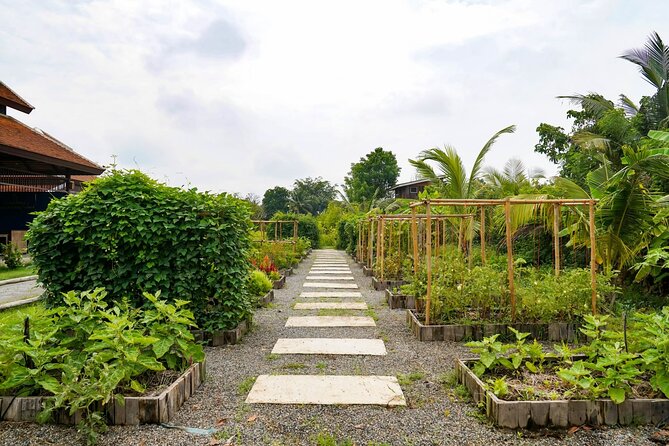
After the market, you move to a large organic farm near rice fields. This is where the day changes pace. The farm portion is designed to get you involved—so instead of only looking, you’ll feed and hug chickens, collect eggs, wander through gardens, and explore the mushroom hut.
For me, this part is valuable for one reason: it makes ingredients feel real. When you pick herb leaves and learn about garden produce, you start tasting with a different kind of attention later in the cooking stage. Even if you don’t remember every detail, you’ll understand the “freshness” concept in a practical way.
You also get activities that most cooking classes skip. The chicken coop and egg-collecting isn’t about being cute—it’s about learning where food starts. Mushrooms add another layer too, because Thai cooking treats them differently depending on type and texture.
This farm time can be slightly muddy in places, depending on conditions. Wear shoes you don’t mind getting dirty. And if you’re traveling with kids (children under 10 are welcome as visitors), the farm usually keeps their interest because there’s movement and animals involved.
Cooking in an Open-Air Kitchen: Your Own Station and 7 Dishes
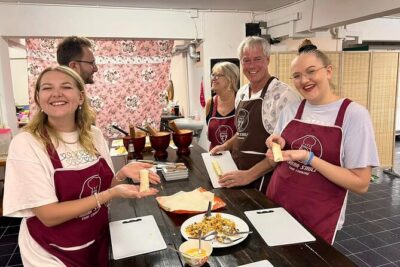
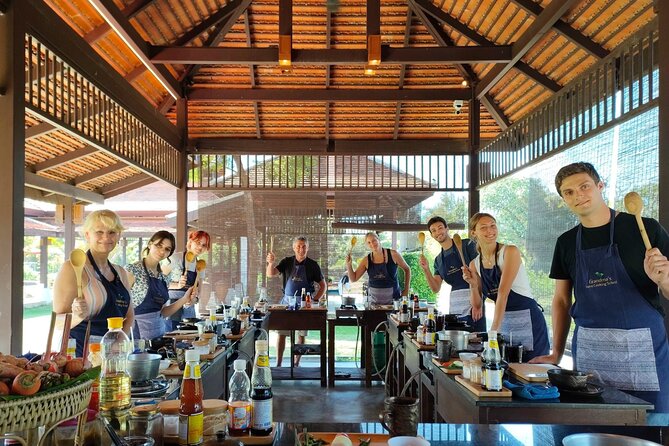
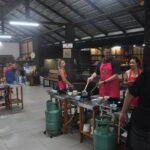
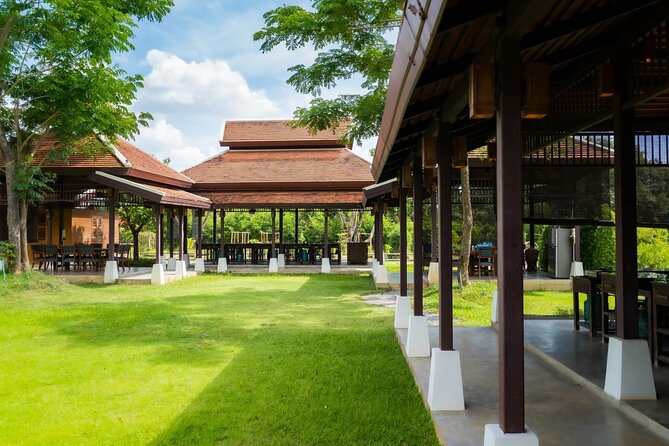
Next comes the cooking class in an open-air kitchen. The setup is small-group style, with your own station, so you’re not stuck hovering behind someone else’s shoulders. It’s a big deal for learning. When you have hands-on time, you pick up technique faster—especially with Thai fundamentals like stir-fry timing, balancing seasoning, and getting curries to taste right.
You’ll cook 7 traditional Thai dishes plus 1 drink, with step-by-step instruction from the instructors. The class covers stir-fries, soups, and curries, so you’re learning across categories, not just one style of cooking.
And yes, Mango Sticky Rice is included as part of the class. That matters because it’s often the most memorable Thai dessert for first-timers, and it’s also one of the dishes people struggle to recreate later. Cooking it in the same day as the rest of your dishes helps you keep momentum and compare flavors while everything is still fresh in your brain.
What the dishes teach you (even if you don’t name every sauce)
Thai cooking relies on balance—sweet, salty, sour, and heat. When you cook across stir-fry, soup, and curry, you practice that balance in different ways:
- Stir-fries teach quick heat control and seasoning order.
- Soups teach broth flavor and timing.
- Curries teach how paste, coconut milk, and seasoning work together.
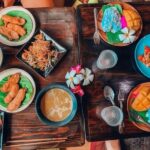
The day ends with you eating the feast you’ve cooked, surrounded by rice fields and country air. That setting isn’t just scenic. It reinforces why Thai food tastes the way it does: ingredients first, then technique, then shared meal.
You can also read our reviews of more tours and experiences in Chiang Mai


The Coconut Milk Moment: A Traditional Wooden Grater Skill
If there’s one standout highlight, it’s the coconut milk lesson. You’ll learn to make fresh coconut milk the traditional way using a wooden grater. This isn’t a quick “pour from a carton” step. The whole point is learning a method few other schools emphasize.
Why this matters for you: coconut milk is a key ingredient in many Thai dishes, especially curries. When you make it fresh, you understand the texture and richness that come from coconut itself. Later, when you cook at home, you can adjust your expectations and seasoning because you’ve felt what fresh coconut brings to the pot.
This also gives the class a sense of place. It’s the kind of technique that ties the kitchen back to ingredients and tools—something more “Thai” than just mixing sauces.
Practical note: if you’re the type who likes to take notes, use the time here. The wooden grater step can be part of your future troubleshooting when you remake dishes later.
What You’ll Take Home: Recipes, a Digital E-Book, and Real Confidence
After cooking, you’ll have an e-recipe digital book to recreate the dishes at home. That’s a practical gift. It’s easy to take a class and still forget proportions later unless you have something written down.
You’ll also leave with skills, not just memories. Even if you don’t cook Thai every week, this class gives you:
- A sense of what “fresh” herbs and ingredients should smell like
- A method for coconut milk, at least in concept (and ideally you’ll repeat it)
- Familiarity with multiple dish styles, so you can branch out
The day includes unlimited bottled water and a free herbal drink during class, plus a welcome drink at the start (options include Thai milk tea, lemon tea, or butterfly pea flower tea). It keeps you fueled while you learn, which matters when you’re moving from market to farm to kitchen.
Price and Value in Chiang Mai Cooking Classes
At $58.33 per person, this is positioned as a serious full-day experience, not a quick intro class. Here’s why that price can make sense for your money.
You’re getting multiple components that usually cost extra when separated:
- Guided market visit
- Organic farm tour with hands-on activities (chickens, eggs, mushrooms, garden picking)
- A small-group cooking class with your own station
- Cooking 7 dishes + 1 drink
- Coconut milk technique training using a wooden grater
- Mango sticky rice included
- Digital recipe e-book
- Welcome drink and unlimited bottled water
So the value isn’t only the cooking. It’s the time spent on ingredients and technique, plus the meal you create at the end. If you want Thai food learning to feel grounded—what to buy, how to prepare, how to season—this format justifies itself.
If you’re the type who only cares about eating and doesn’t want to learn techniques, you might feel it’s more structured than you need. But if you enjoy learning processes, it’s a fair deal.
Logistics That Affect Your Comfort (Pickup, Time, and Group Size)
The day runs about 6 hours 30 minutes. Pickup is offered from your Chiang Mai hotel within 5 km of the city center, and you’re also dropped back afterward. That reduces the two biggest headaches: finding the right meeting point and managing timing between stops.
The meeting point listed is Charoen Charoen fresh market, and the start time is 9:00 am. The school issues a confirmation at booking and uses mobile tickets, which is convenient if you’re traveling light.
Group size matters for cooking classes. This experience is described as small-group based in the kitchen, and the overall tour has a maximum of 100 travelers. That tells me you’ll likely be split into kitchen groups for hands-on time, which is what you want.
Comfort tips:
- Wear grippy shoes for farm areas
- Bring a light layer; kitchens and markets can swing between hot and cool depending on airflow
- Be ready to stand and work at your station for long stretches
Who Should Book This Cooking Day (and Who Might Skip)
You should book if you want:
- A day that teaches Thai food in layers: ingredients first, then cooking technique
- Hands-on practice cooking multiple dishes, including soups, curries, and stir-fries
- A rare-feeling coconut milk method using a wooden grater
- A meal at the end of cooking, eaten in a countryside setting
You might consider skipping or swapping to a shorter class if:
- You dislike long, active days
- You want only a quick cooking taste without market and farm time
- You’re very limited on mobility and need more downtime (the provided details emphasize active farm activities and open-air kitchen work)
For families: children under 10 can join as visitors. Just keep expectations realistic about farm involvement and the pace of cooking instruction.
Should You Book This Full-Day Cooking Class?
Yes, if your goal is to go home with more than memories. This is a structured full-day experience that ties market learning to farm ingredient gathering and then to real cooking practice at your own station. The coconut milk lesson is a strong reason by itself, because it teaches a traditional method you can’t fake with store-bought convenience.
Book it if you value technique, want to cook multiple Thai dishes in one day, and like the idea of understanding spices and herbs in context. You’ll spend the day learning, eating, and leaving with an e-recipe book you can actually use.
Skip it if you want a short, low-effort activity or if you’d rather spend your time elsewhere in Chiang Mai. But for many visitors, this is one of the better ways to turn Thai food from something you eat into something you can make.
FAQ
How long is the cooking class?
The tour duration is about 6 hours 30 minutes.
What does the tour cost?
The price is $58.33 per person.
Is hotel pickup and drop-off included?
Yes, pickup and drop-off are included within 5 km of Chiang Mai city center.
Where is the meeting point?
The meeting point is Charoen Charoen fresh market (ตลาดเจริญเจริญ) in San Kamphaeng.
What time does the tour start?
The start time is 9:00 am.
What will I cook during the class?
You’ll cook 7 Thai dishes and 1 drink, and you’ll also learn Mango Sticky Rice as part of the class.
Do I learn how to make coconut milk?
Yes. You’ll learn to make fresh coconut milk the traditional way using a wooden grater.
What’s included with the class meal and drinks?
The tour includes unlimited bottled water and a free herbal drink during class, plus a welcome drink (Thai milk tea, lemon tea, or butterfly pea flower tea).
Is alcohol included?
No. Alcoholic beverages are available to purchase, but they aren’t included.
Are kids allowed?
Children under 10 are welcome as visitors.
If you want, tell me your travel dates and whether you prefer market-focused or farm-focused activities—I can help you decide if this day best fits your Chiang Mai plan.